
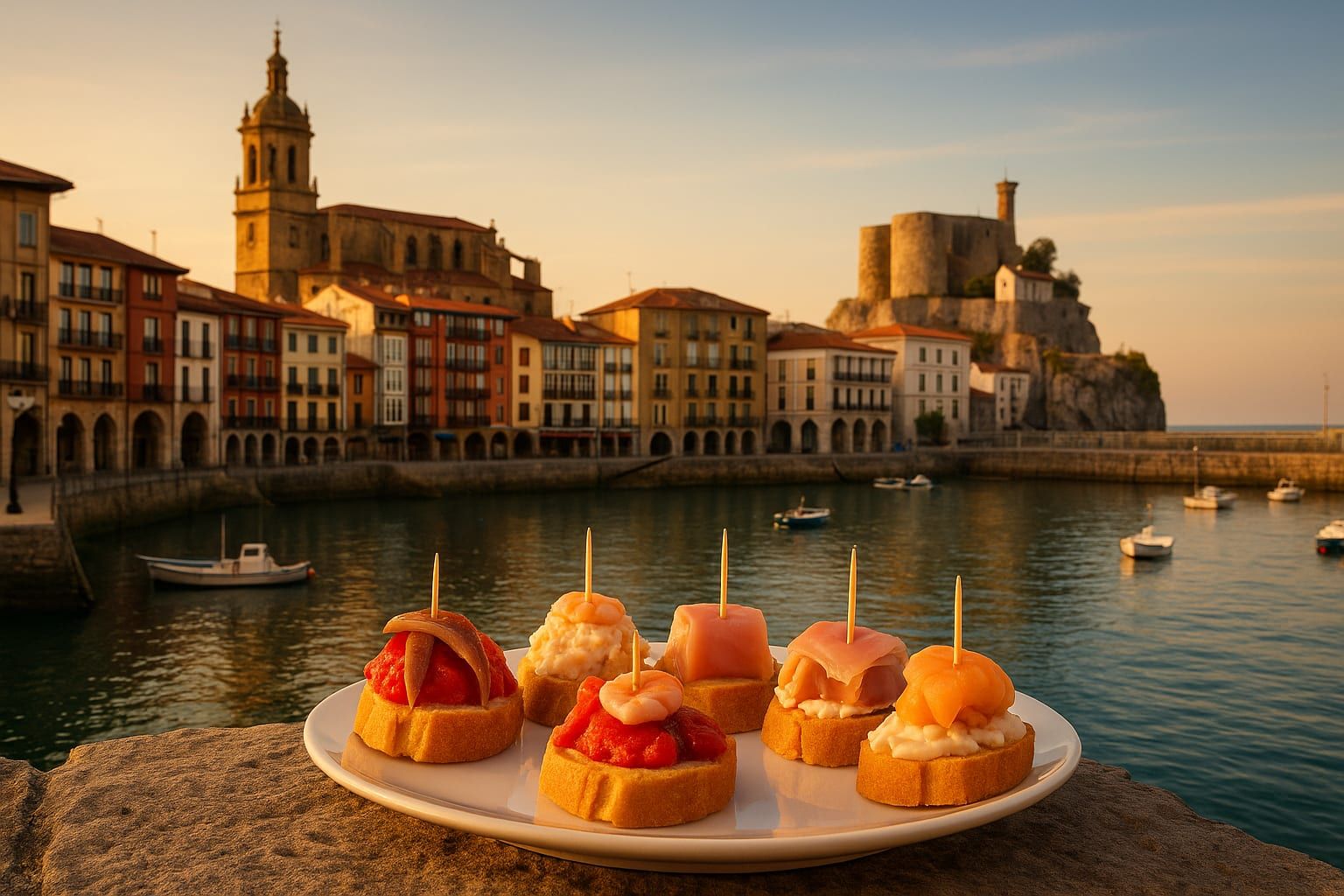
Discover the Basque Country's extraordinary food culture — pintxos, Michelin temples, cider houses, txakoli and market stalls. Practical tips for a food-focused trip.
Basque Country Food: Europe’s Best-Kept Culinary Secret
Few regions in Europe punch as far above their weight in gastronomic reputation as the Basque Country. Straddling the Bay of Biscay and the Pyrenees, with an identity and language all its own, this compact corner of northern Spain and southwestern France has forged a cuisine that’s elemental, innovative and fiercely local.
This guide explains what makes Basque food special, the dishes you must try, where to eat them, and practical local tips to help you plan a memorable, flavor-filled visit.
Why Basque Cuisine Is So Special
- Terroir at two extremes: rugged Atlantic coastlines supply world-class seafood; verdant inland valleys deliver rich dairy, lamb and mountain vegetables. Those contrasts create a culinary vocabulary — from simple seaside grills to refined, modern tasting menus.
- A living food culture: Basques organize around gastronomic societies (txokos) and traditional cider houses (sagardotegi) where food is community, not just consumption. Food is a social ritual celebrated with pride.
- Technical mastery: classic techniques like bacalao al pil-pil (an emulsion sauce made by coaxing cod with olive oil) sit alongside cutting-edge work from Basque chefs. The area includes San Sebastián, one of the world’s densest clusters of Michelin-starred restaurants.
- Micro-producers and respect for ingredients: cheese (Idiazabal), preserved anchovies from Getaria, artisan ham and seasonal foraged items all shine because local cooks treat them as the protagonists they are.
Must-Try Dishes (and Where to Find Them)
Pintxos — The Basque Bar Experience
Pintxos (pronounced "peen-chos") are the Basque answer to tapas but scored with regional identity. Served on slices of bread and often skewered with a toothpick, pintxos range from simple anchovy-and-pepper bites to intricate creations rivaling tasting menus.
Where: San Sebastián’s old town (Parte Vieja) is the epicenter: bars like La Cuchara de San Telmo, but don't overlook dozen smaller bars in the nearby boroughs.
Tips: Stand at the bar, point, or ask the bartender what’s fresh. In many places you’ll pay by the number/type of toothpicks on your plate; in seated pintxo bars you order and pay at the end.
Grilled Seafood & The Asador Tradition
Basque grilling is elemental — whole turbot, scallops, prawns or the famed grilled hake get treated simply and expertly.
Notable experiences: Elkano in Getaria is famous for whole grilled turbot and sea bass; Asador Etxebarri (near Azpeitia) is legendary for its wood-fire mastery.
Marmitako, Pil-Pil & Hearty Stews
- Marmitako: a fisherman’s tuna-and-potato stew born on Basque boats; comforting and rustic.
- Bacalao al pil-pil: salt cod gently emulsified with olive oil until silky; a technique that’s a Basque signature.
Where: family-run taverns and seaside restaurants up and down the coast.
Txuleta (Basque Steak) and Sheep’s Milk Cheese
Basque beef is celebrated for its succulence; the txuleta (bone-in rib steak) is often grilled over oak and served simply. Idiazabal cheese, smoky and made from sheep’s milk, is a staple on any cheese board.
Where: traditional restaurants and rural sagardotegis (cider houses).
Desserts: Basque Cheesecake and More
The burnt Basque cheesecake (Tarta de Queso de La Viña style) is creamy with a caramelized top. Other sweets include pantxineta (almond pastry) and regional fruit preserves.
Where: bakeries in San Sebastián and Bilbao, cafés and pintxo bars.
Where to Eat: Cities and Towns to Know
San Sebastián (Donostia)
A compact city that blends beach culture with haute cuisine. Parte Vieja (Old Town) is a pintxo crawl mecca; up on Monte Igueldo you’ll find classic seaside restaurants. San Sebastián also hosts several Michelin-starred temples including Arzak, Akelarre and Mugaritz in nearby towns.
Practical: arrive early for pintxos (bars fill up after 9pm); reserve Michelin restaurants weeks or months in advance.
Bilbao
Bilbao has reinvented itself with the Guggenheim and a renewed food scene. Mercado de la Ribera and the surrounding streets are great for market stalls and casual pintxo bars; fine dining options are plentiful.
Coastal Towns: Getaria, Hondarribia, Zarautz
For grilled fish and an authentic seaside atmosphere, take the coastal road. Getaria’s anchovies and seafood, Hondarribia’s old-town restaurants, and Zarautz’s surf-culture eateries are unforgettable.
French Basque (Iparralde): Bayonne & Biarritz
The French Basque towns offer a slightly different take — more dairy-rich preparations, chocolate artisans, and excellent markets. Bayonne is known for its ham (jambon de Bayonne) and chocolate shops.
Food Experiences Not to Miss
1. Pintxos Crawl
Plan an evening of bar-to-bar hopping. Start early: try anchovies, tortilla de patata (potato omelette), and a signature creation at each stop. Ask locals for their favorite spots — recommendations will often be cherished secrets.
2. Sagardotegi (Cider House) Visit
Traditionally open during cider season (winter to spring), sagardotegi meals are communal: salted cod, txuleta and cheese, washed down during txotx (cider-pouring) ritual. Expect loud, convivial gatherings and a minimalistic, seasonal menu.
3. Txakoli Tasting
Try txakoli (txakolina), a slightly fizzy, high-acid white wine made locally. Visit small producers around Getaria or Hondarribia for cellar tours and tastings.
4. Market Visits & Cooking Classes
Markets like Bilbao’s Ribera or San Sebastián’s La Bretxa are great for seeing the raw ingredients. Cooking classes often include market tours and teach txuleta grilling, pil-pil technique or pintxo assembly.
5. Wood-Fire Grill at an Asador
If your budget allows, book a table at one of the world-famous asadors (Etxebarri or Elkano). These are not just meals — they’re lessons in how wood, heat and time elevate simple ingredients.
Practical Tips & Local Insights
- Best time to go: Spring and autumn offer crisp weather, fewer crowds, and prime market produce. Winter is ideal for cider house visits.
- Reservations: For Michelin-starred restaurants and famed asadors, book months ahead. Pintxo bars rarely take reservations — arrive early or be prepared to stand.
- Budgeting: Pintxos crawls can be surprisingly affordable; high-end restaurants are costly. Mix street-level and fine-dining for balance.
- How to order pintxos: Walk in, grab a plate, point to what you want, or ask “¿Qué nos recomienda?” (What do you recommend?). For standing pintxos, expect to pay at the bar by counting toothpicks or by a ticket system.
- Language: Spanish and Basque (Euskara) are both spoken in the Spanish side; French and Basque in Iparralde. A few words go far: “Eskerrik asko” (thank you) delights locals.
- Tipping: Not obligatory; round up or leave 5–10% in restaurants if service is exceptional. In bars, leaving small change is appreciated.
- Transportation: Coastal towns and mountain villages are best reached by car; trains and buses connect major cities. Consider a rental to explore producers and sagardotegis off the beaten path.
- Dietary restrictions: Seafood and pork are ubiquitous. Vegetarians and vegans can find options in larger towns but should ask; in smaller villages menus are traditionally meat- and fish-forward.
- Respect the culture: Txokos (gastronomic societies) are private community clubs — they aren’t tourist attractions. Join public events and guided experiences instead of expecting open access.
Sample 3-Day Food Itinerary
Day 1 — San Sebastián
- Morning: Market visit at La Bretxa; coffee and a pastry.
- Afternoon: Pintxo workshop or casual walking lunch in the Old Town.
- Evening: Pintxos crawl in Parte Vieja; finish with a sunset walk along La Concha.
Day 2 — Getaria & Zarautz
- Morning: Drive to Getaria for grilled fish lunch (try the whole grilled turbot or local sea bass).
- Afternoon: Visit a txakoli producer for a tasting.
- Evening: Back to San Sebastián for dinner at a classic restaurant.
Day 3 — Bilbao or an Asador Experience
- Option A (Bilbao): Mercado de la Ribera, then modern Basque dining in the city.
- Option B (Asador): Pre-book a wood-fire meal at a famed asador (Etxebarri or similar) — an unforgettable, if costly, highlight.
Packing & Practicalities
- Bring comfortable walking shoes; streets in old towns are often cobbled.
- A lightweight jacket for coastal winds and sudden rain.
- If visiting sagardotegis or asadors, check dress codes (smart casual is typical).
- Cash is useful for small bars and markets; most restaurants accept cards.
Final Thoughts
Basque cuisine rewards curiosity. It’s a place where the simplest ingredients — a piece of grilled fish, a slice of sheep’s cheese, a perfectly fried anchovy — can be treated with the same reverence as a ten-course tasting menu. Whether you’re hopping pintxo bars in San Sebastián, tasting txakoli in seaside wineries, or booking the trip of a lifetime at a Michelin temple, the Basque Country offers a food journey that feels both ancient and audaciously modern.
If you’re exploring Iberian food traditions further, you might enjoy our guides to nearby culinary cities like the Barcelona Food Guide or head west to Porto with our Porto Food Guide for a different but equally rich gastronomic experience.
Buen provecho — or as locals say, on egin!
Keep Exploring
Wine Tasting in Bordeaux: Complete Guide
Everything you need to plan the perfect Bordeaux wine-tasting experience: regions, top châteaux, how to taste, booking tips, transport, seasonality and local insights.
Cooking Classes in Italy: Florence, Rome & Beyond
Learn to make pasta, pizza, gelato and regional classics with hands-on classes in Florence, Rome and beyond — market tours, agriturismo experiences and practical tips.
Best Gelato in Italy: City-by-City Guide
A tasty city-by-city guide to Italy’s best gelato: top shops, regional flavors, how to pick an artisan gelateria, and local tips to make every scoop memorable.