
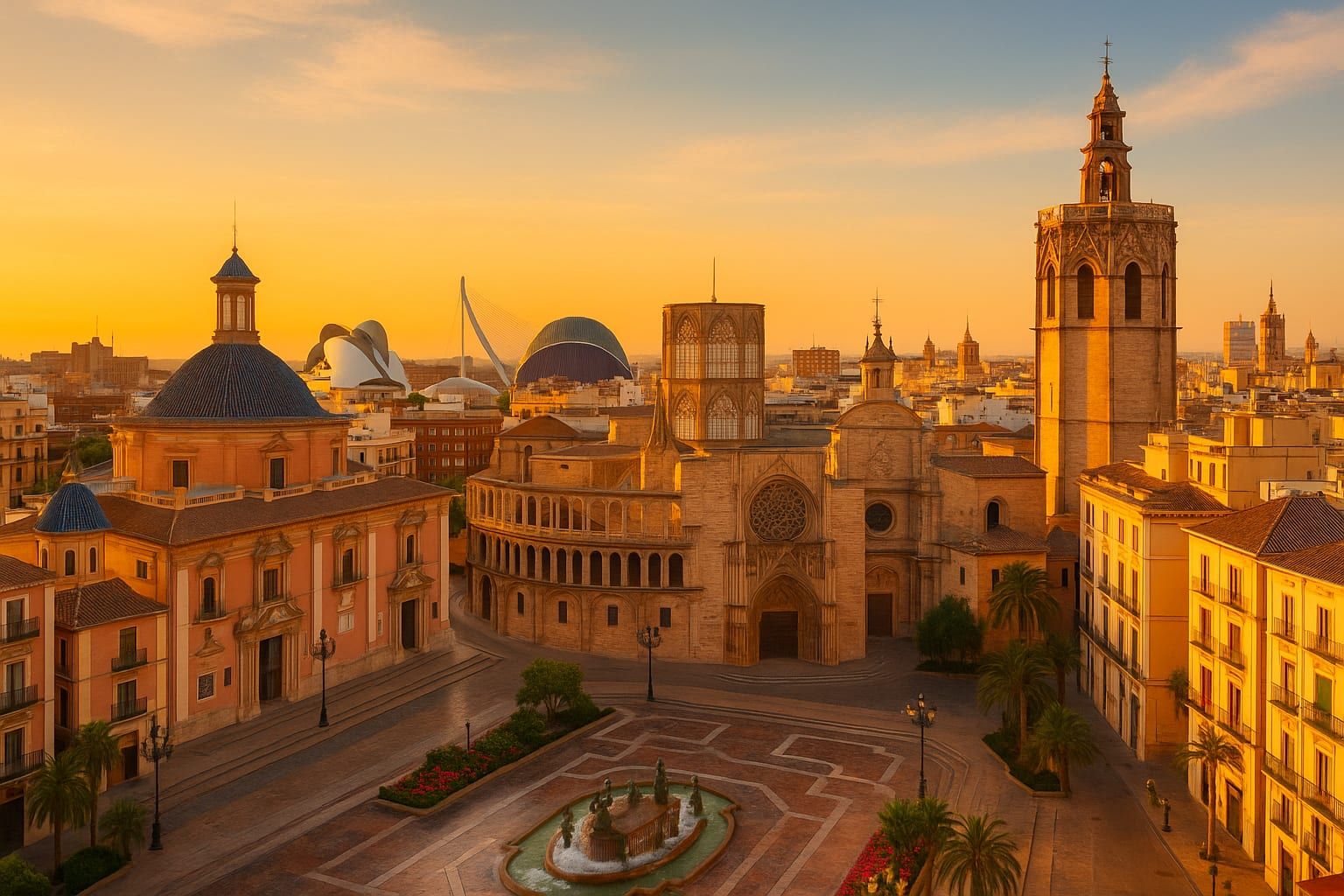
A practical, three-day itinerary for Valencia — Spain’s vibrant third city. Historic streets, paella by the sea, futuristic museums, and local tips to make the most of 72 hours.
3 Days in Valencia: Spain’s Third City Done Right
Valencia is Spain’s sunny, salt-washed third city — where Gothic churches sit beside avant-garde glass and steel, tapas bars hum late into the night and the paella here is a way of life. This 72-hour guide gives a practical, locally minded plan for first-timers: what to see, where to eat, how to get around, and a few insider tips that turn a good trip into a memorable one.
Why Valencia?
- Compact and walkable: you can see the old town, the Turia Gardens and the City of Arts and Sciences without spending hours on public transport.
- Great value: lower prices than Madrid or Barcelona for food, drinks and accommodation.
- Coastal and cultural: beaches, a world-class science museum, modern architecture and deep culinary traditions (hooray, paella).
Quick planning essentials
- Best time to visit: spring (April–June) and autumn (September–October) for mild weather and fewer crowds.
- Language: Spanish and Valencian (a Catalan variety). English is commonly spoken in tourist spots but learning simple phrases is appreciated.
- Money: cards widely accepted; keep cash for small cafés and markets.
- Transport: compact city center is walkable; bikes and e-scooters are plentiful; Valencia Metro/EMT buses connect suburbs and the beach.
Practical packing tips:
- Comfortable walking shoes (cobblestones and long Turia walks).
- Sun protection for beach and midday strolls.
- Lightweight layers — evenings can be cool outside summer months.
Day 1 — Old Town, Central Market & El Carmen
Morning: Plaza del Ayuntamiento and Central Market
Start at Plaza del Ayuntamiento, Valencia’s administrative heart. From here, stroll to the Mercado Central (Central Market) — one of Europe’s oldest and largest covered food markets. Spend time sampling Iberian ham, local cheeses and seasonal fruit. Grab a coffee and a fresh pastry at an early stall to fuel your morning.
Local insight: Markets often open early and close by mid-afternoon (some stalls close for siesta midweek). If you want a quieter visit, arrive by 9:00.
Late morning: Silk Exchange (La Lonja)
Just a short walk from the market is La Lonja de la Seda, a UNESCO World Heritage Gothic gem that speaks to Valencia’s medieval trading wealth. Allow 45–60 minutes to appreciate the vaulted ceilings and ornate stonework.
Afternoon: Cathedral, Torre del Miguelete and tapas
Climb the Miguelete bell tower for a central view of the city, then visit Valencia Cathedral (claimed home to the Holy Chalice). For lunch, choose a tapas bar in the El Carmen neighborhood or near Plaza de la Reina.
Local insight: Tapas culture in Valencia is relaxed — order a couple of small plates to share rather than a single main dish.
Evening: El Carmen nightlife
El Carmen’s narrow streets come alive at night with bars and live music. Try a local vermut or a glass of wine at a backstreet tavern. If you prefer something quieter, stroll the nearby Turia Gardens (Jardín del Turia) as the sun sets.
Day 2 — City of Arts & Sciences, Oceanogràfic & Malvarrosa Beach
Morning: City of Arts and Sciences
Dedicate the morning to Valencia’s iconic City of Arts and Sciences (Ciudad de las Artes y las Ciencias). The architecture — designed by Santiago Calatrava — is photogenic and spacious. Choose one main attraction: the interactive Museu de les Ciències (Science Museum) or the Hemisfèric (IMAX/planetarium). Buy tickets in advance during high season to skip lines.
Local tip: The architecture is stunning from the outside at any hour — early morning light is especially beautiful for photos.
Midday: Oceanogràfic
The Oceanogràfic (Europe’s largest aquarium) is adjacent and deserves 2–3 hours, especially if traveling with family. You can see Mediterranean species as well as tropical habitats and the underwater tunnels.
Afternoon: Malvarrosa Beach & seaside paella
Head to Playa de la Malvarrosa for a late afternoon swim and a beachside lunch. Valencia is the birthplace of paella — choose a traditional restaurant (avoid chains and tourist traps) and order a valenciana or a seafood paella. Be aware that true paella is cooked to order and can take 30–45 minutes.
Local insight: Paella is traditionally a communal dish. Order one for the table and enjoy it with a cold local beer or a glass of house wine.
Evening: Sunset at the Port and tapas
For sunset, walk the palm-lined Paseo Marítimo or linger at the marina. Finish the day in the Cabanyal neighborhood, an up-and-coming area with authentic seafood restaurants and fewer tourists.
Day 3 — Albufera Natural Park, Ruzafa & Last-minute Finds
Morning: Albufera day trip (recommended)
A 20–30 minute drive or bus ride south of Valencia, Albufera Natural Park is a low-lying freshwater lagoon, rice fields and a traditional fishing village. Take a small boat trip on the lagoon and enjoy rice paddies that supply the city’s paella culture.
Practical note: If you want a guided tour or a sunset boat, book in advance during summer weekends.
Local insight: Try a arroz a banda or paella at a local restaurant in El Palmar — fish and rice here feel like home.
Afternoon: Ruzafa neighborhood and coffee culture
Back in the city, spend a relaxed afternoon in Ruzafa (Russafa). Once an industrial zone, Ruzafa is now Valencia’s creative hub — galleries, independent shops and cafés line its streets. It’s a great place to hunt for a souvenir, sample specialty coffee, or find a late lunch of modern Spanish small plates.
Insider tip: Valencia has a growing specialty coffee scene — seek out neighborhood cafés for artisan roasts.
Evening: A mellow farewell
For a final evening, consider a rooftop cocktail with a skyline view or return to the Turia Gardens for a last stroll. If your flight is late, pick up picnic supplies at the Central Market and enjoy a relaxed meal in the park.
Alternative ideas & day trip options
- Bike the Turia Gardens: Rent a bike and ride the entire riverbed park from the Bioparc to the City of Arts and Sciences.
- Bioparc Valencia: A modern zoo with immersive habitats (great for families).
- Albufera sunset boat ride and birdwatching.
- Day trips: If you’re layering your Spain trip with Barcelona, consider a coastal train and combine this guide with broader Catalonia options — for more day-trip ideas see /en/weekend-getaways/day-trips-barcelona-mountains-monasteries-beaches.
Food & drink — what to order
- Paella Valenciana: The classic—rabbit, chicken and sometimes snails (if you want the traditional version). Seafood paella (paella de marisco) is common along the beach.
- Horchata and fartons: A traditional Valencian drink made from tiger nuts (chufa); drink it with long, sweet pastry sticks called fartons.
- Tapas: Try patatas bravas, esgarraet (salted cod with roasted peppers) and clóchinas (small Valencian mussels) when in season.
Local dining tips:
- Time it right: Lunch is typically 14:00–16:00; dinner starts around 21:00 or later.
- Reserve for paella: If you have your heart set on a specific paella restaurant, book a table in advance, especially on weekends.
- Markets > tourist restaurants: For authentic flavors, eat where locals eat — Central Market and small neighborhood bars deliver the best experiences.
For a broader perspective on Spanish food culture and city food guides, you may find background reading useful: /en/food-drink/barcelona-food-guide-tapas-markets-michelin-stars.
Practical tips & local insights
- Getting around: Buy single tickets on transport or get a rechargeable Valencia card for multiple trips. Walk as much as you can — the old town is best explored on foot.
- Safety: Valencia is generally safe; use normal precautions with belongings in busy tourist areas and at the beach.
- Opening hours: Many museums open mid-morning and close mid-afternoon with later evening hours on some days. Shops often close for a siesta in smaller neighborhoods, but central shopping areas stay open.
- Tourist taxes and tipping: No major tourist tax for short stays; tipping is appreciated but not obligatory — round up or leave 5–10% for good service.
- Festivals: Las Fallas (March) is Valencia’s biggest festival — unforgettable but very busy; book months in advance if you plan to attend.
Insider travel hacks:
- Early museum entry: Start mornings early to avoid queues at the City of Arts & Sciences and the Oceanogràfic.
- Beach timing: If visiting beach restaurants, plan for later lunches (around 14:30–15:30) when locals dine, but arriving at noon is fine in summer.
- Local markets: Visit Mercado Central for high-quality souvenirs: saffron, local olive oil, and Valencian ceramics.
Where to stay
- Old Town (Ciutat Vella): Best for first-timers who want walkable access to historic sites, restaurants and nightlife.
- Ruzafa: A hip, creative neighborhood — great for café culture, boutique hotels and bars.
- Beachfront (Malvarrosa/Cabanyal): Ideal if you want morning swims and seaside restaurants.
Budget to luxury: Valencia offers everything from hostels and mid-range boutique hotels to high-end stays near the City of Arts and Sciences.
Final thoughts
Valencia is an effortless city-break destination with the charms of Spain’s Mediterranean life and the pleasures of a compact, culturally rich capital. In three days you’ll taste the paella debate, wander a Gothic market, marvel at futuristic architecture and lounge on a sandy beach — with enough local insight to feel like you’ve seen the city, not just the highlights.
If Valencia leaves you wanting more Spanish food culture or regional day trips, check these related reads for more inspiration: /en/food-drink/barcelona-food-guide-tapas-markets-michelin-stars and /en/weekend-getaways/day-trips-barcelona-mountains-monasteries-beaches.
Buen viaje — enjoy Valencia the local way.
Keep Exploring
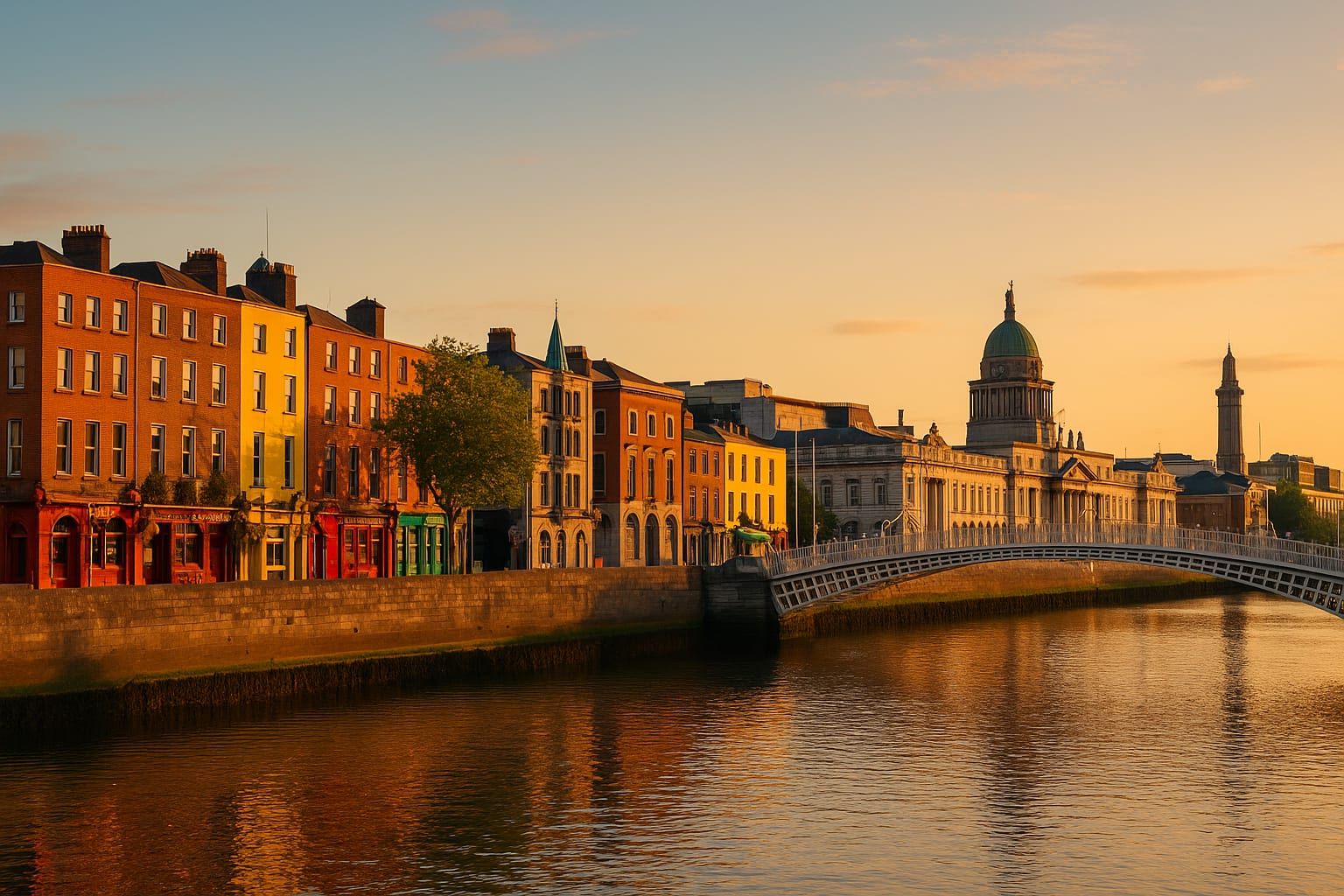
48 Hours in Dublin: Pubs, Literature & Georgian Beauty
Two days in Dublin: explore literary landmarks, lively pubs, and elegant Georgian squares. A relaxed, walkable 48-hour plan with local tips, transport notes and where to eat.
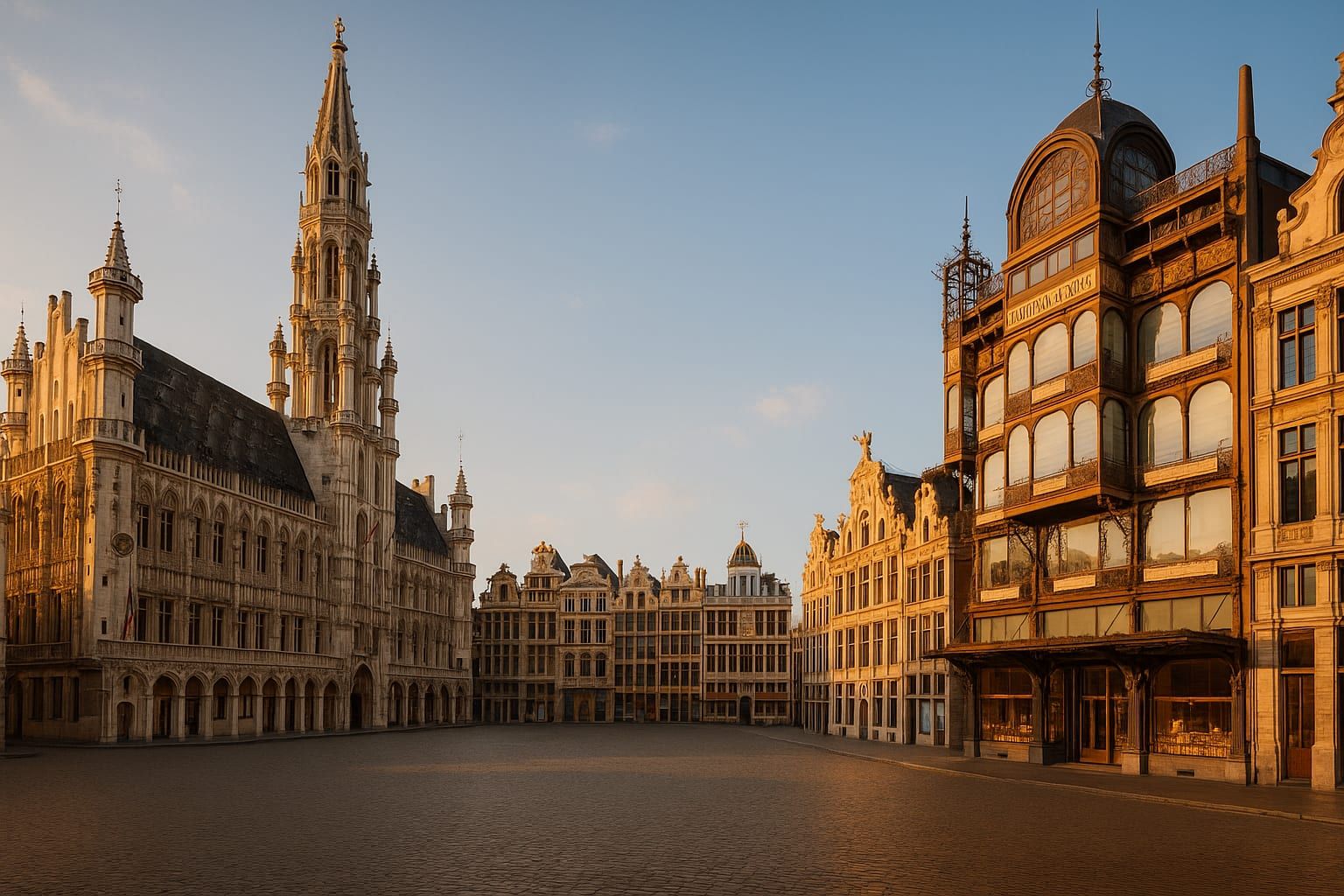
48 Hours in Brussels: Chocolate, Beer & Art Nouveau
Two days in Brussels: sample world-class chocolate, sip iconic Belgian beers and follow an Art Nouveau trail through elegant neighborhoods. A practical, walkable 48-hour plan.
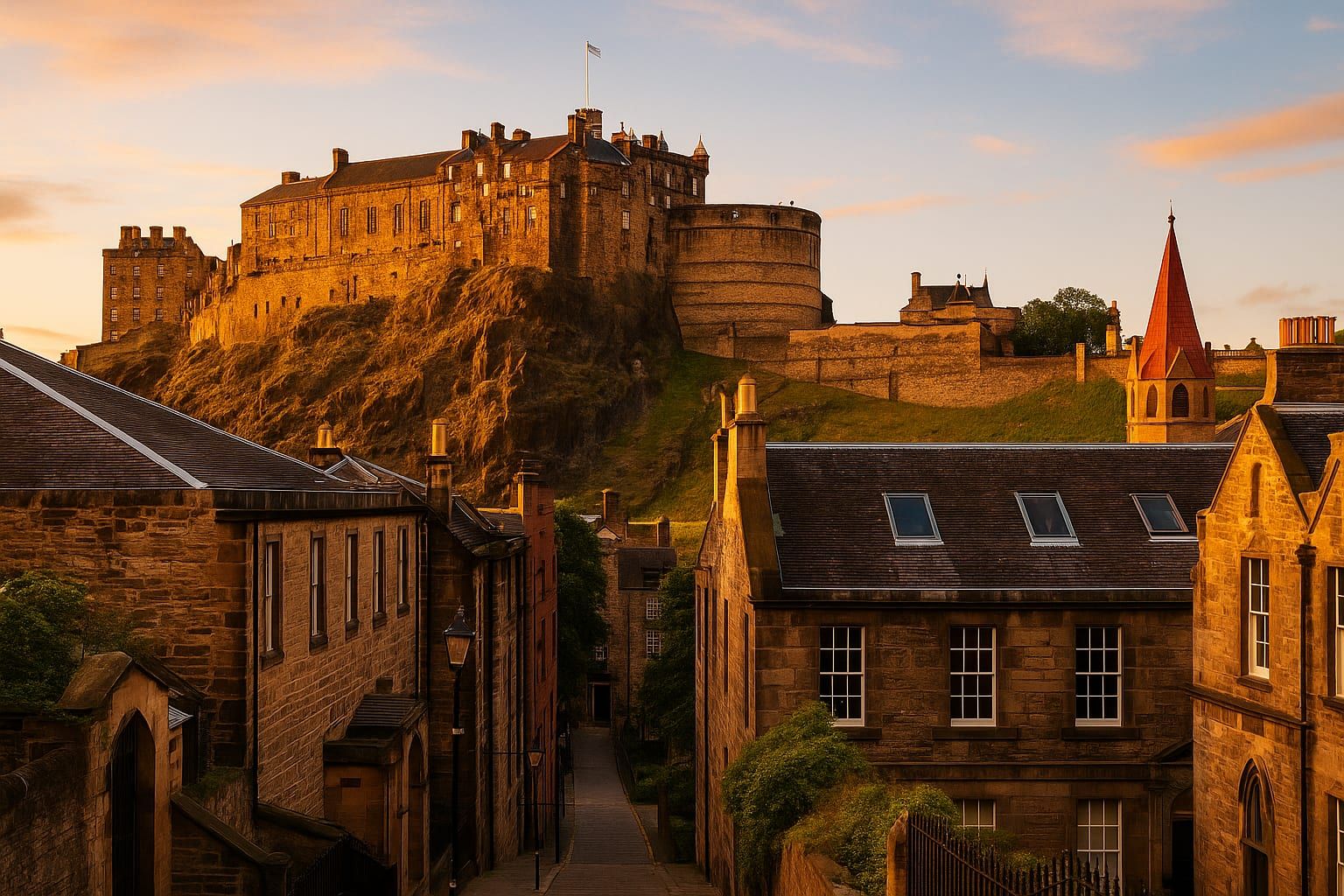
3 Days in Edinburgh: Castle, Closes & Whisky
A practical, three-day Edinburgh itinerary that balances the castle and Royal Mile with hidden closes, whisky tastings and local tips for an unforgettable city break.