
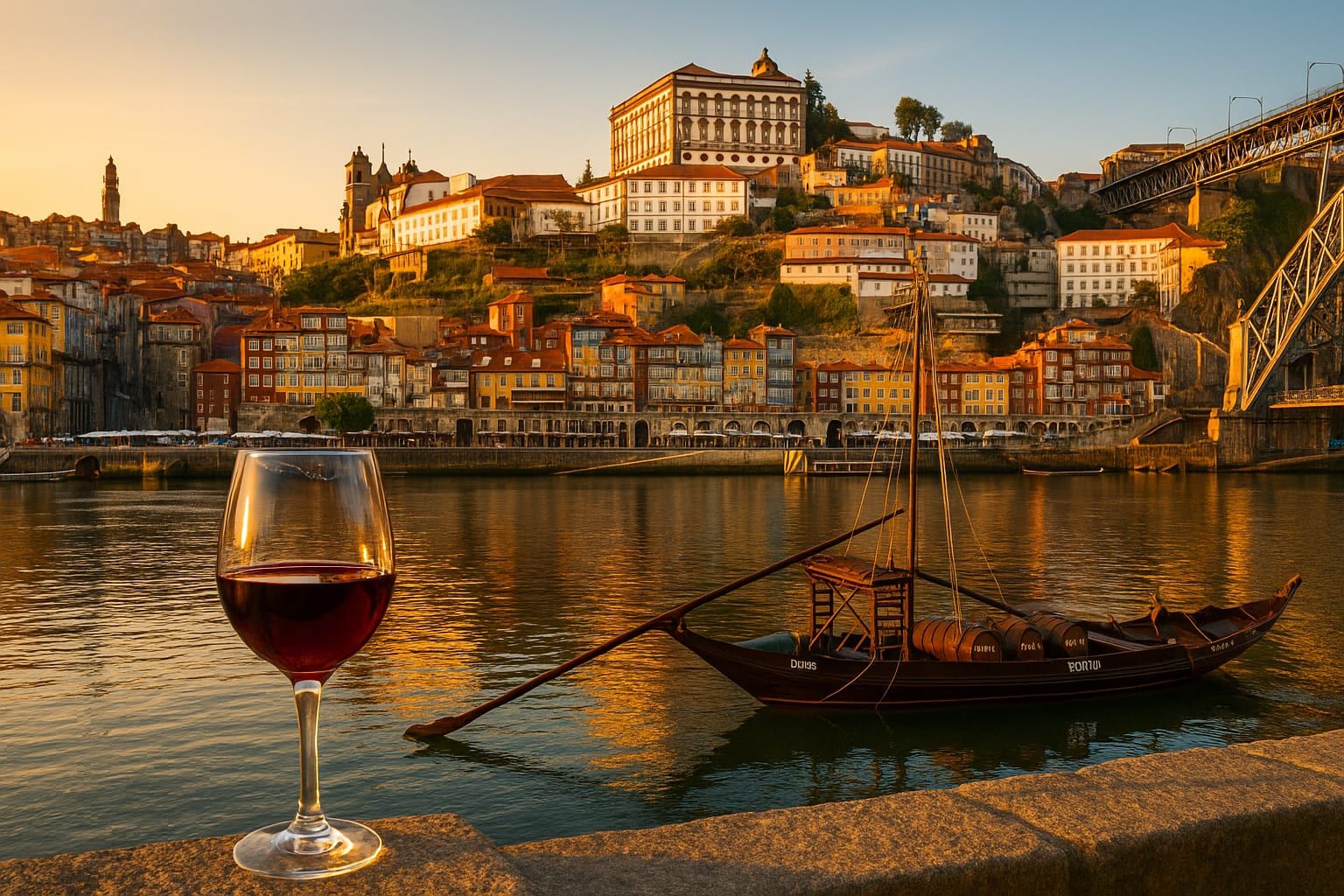
A complete 48-hour guide to Porto — where Port wine, dramatic river views and blue-and-white azulejos meet. Itineraries, tips, and local insights for a perfect city break.
48 Hours in Porto: Wine, Views & Azulejos
Porto is a city of contrasts: steep, cobbled streets and sweeping river panoramas; hip cafés and centuries-old wine lodges; ornate azulejo-covered churches and contemporary architecture. In 48 hours you can soak up the essentials — taste Port wine in Vila Nova de Gaia, hunt for the city’s best viewpoints, and trace the blue-and-white stories painted across tile facades.
This guide packs an efficient but relaxed weekend itinerary, local tips, and practical advice so you can make the most of two days in Portugal’s charismatic northern gem.
Quick snapshot
- Best for: Food and wine lovers, photographers, history buffs
- Language: Portuguese (English widely understood in tourist areas)
- Currency: Euro (cards accepted widely, small cafés may prefer cash)
- Arrival: Francisco Sá Carneiro Airport (OPO) — 20–30 minutes by metro or taxi
- Walkability: Very walkable but very hilly — good shoes required
Day 1 — Riverside charm, azulejos and a Port cellar
Morning: São Bento & the historic centre
Start at São Bento railway station to admire one of Porto’s must-see sights: the station’s vast azulejo panel depicting Portuguese history in blue-and-white tiles. From there, stroll to the nearby Porto Cathedral (Sé do Porto) for a quick climb and a view over the Ribeira district and the Douro River.
Tip: Visit São Bento early to avoid coach crowds that arrive later in the morning.
Late morning: Explore Ribeira
Descend toward the Ribeira — the UNESCO-listed riverside quarter. Narrow streets, pastel houses and riverside cafés make it perfect for a slow wander. Pause for a coffee or a pastry and watch river traffic glide beneath the iconic double-deck Dom Luís I Bridge.
Photo spot: Walk across the upper level of the Dom Luís I Bridge at midday or sunset for sweeping city panoramas.
Lunch: Local flavours by the water
Sample petiscos (Portuguese small plates) or a seafood lunch at one of the tavernas along the riverfront. For the adventurous, try a francesinha — Porto’s indulgent sandwich layered with meats, melted cheese and spicy sauce.
(If you want to deep-dive on local dishes, see our full Porto Food Guide.)
Afternoon: Cross to Vila Nova de Gaia for Port tastings
Cross the bridge to Vila Nova de Gaia and spend the afternoon at the famous Port wine lodges (cellars). Sandeman, Graham’s, Taylor’s and Ramos Pinto offer guided tours and tastings that explain the difference between ruby and tawny Port, and why the Douro Valley is unique.
Practical tip: Book cellar tours in advance, especially in high season. A basic tasting often costs €10–€20; guided experiences cost more.
Sunset: Miradouros and river views
Head to Jardim do Morro or Miradouro da Serra do Pilar for a classic sunset view over Porto’s terracotta roofs and the river. For a quieter option, take the top level of the Dom Luís I bridge back into Porto and walk up to the Vitória viewpoint.
Evening: Dinner and a Fado note
Return to the city center for dinner. Porto’s nightlife mixes relaxed wine bars with lively riverside restaurants. If you want a taste of traditional music, seek a small fado house — the setting is intimate and the performances poignant.
Day 2 — Culture, cafés and coastal fresh air
Morning: Bookshops, tiles and a majestic café
Begin with a morning coffee at Café Majestic on Santa Catarina Street (historic Art Nouveau décor) before diving into the city’s cultural highlights.
Visit Livraria Lello — the ornate bookshop that inspired many writers. Lines can be long; arrive early or reserve a timed entry. From there, walk to Clérigos Tower. Climb the 240 steps for one of Porto’s best central views.
Nearby, pop into the Igreja do Carmo and Capela das Almas to admire more spectacular azulejo façades.
Midday: Mercado do Bolhão and lunch
Head to Mercado do Bolhão (the refurbished market), where you can sample fresh produce, cheeses and local snacks. It’s ideal for a light lunch of market-fresh bites.
Local insight: Market vendors appreciate polite, brief conversation. A few Portuguese pleasantries — bom dia (good morning), obrigado/obrigada (thank you) — go a long way.
Afternoon: Contemporary Porto or a coastal escape
Option A — Architecture & music Visit Casa da Música in Boavista for contemporary architecture and occasional daytime concerts. Nearby, the Serralves Foundation (museum + villa + park) is one of Portugal’s premier contemporary art spaces but requires 1–2 hours.
Option B — Foz do Douro (coastal walk) Take tram 1 or a short taxi to Foz do Douro where the Douro meets the Atlantic. A coastal walk, a coffee with sea views and fresh seafood at a seaside restaurant are perfect ways to live like a local.
Late afternoon: A Douro boat cruise (optional)
If you didn’t taste much river life on Day 1, take a short one-hour Douro river cruise from the Ribeira to appreciate the gorge and waterfront architecture from the water. It’s particularly lovely in late afternoon light.
Evening: Last night delights
Finish with a relaxed dinner in the Cedofeita or Galerias de Paris neighborhoods — both have great bars and restaurants. For a memorable last-night sip, return to a Gaia cellar for an evening tasting or pick a rooftop bar for a nightcap overlooking the illuminated river.
Where to photograph azulejos (tile highlights)
- São Bento Station — historical tile panels
- Capela das Almas — exterior scenes in brilliant blues
- Igreja do Carmo — 18th-century azulejo façade
- Narrow laneways of the Ribeira — tile-clad buildings and colorful doors
Pro tip: Early morning or late afternoon light is best for photographing reflective tile surfaces.
Local tips & practical advice
Getting around
- Airport transfer: The metro’s purple line connects OPO airport to the city (change at Trindade for central lines). Taxis and rideshares are reliable.
- Andante card: Porto’s rechargeable transport card works on metro, buses and some trains — handy for a weekend.
- Walking: Porto is steep. Expect many steps and short, steep climbs. Comfortable, grippy shoes are essential.
Money & costs
- Expect restaurant mains €10–€20; mid-range dinners €20–€40 per person. Port tastings: €10–€25. Boat cruises and museum entry fees vary but budget 10–25€ per activity.
- Cards accepted at most places, but carry some cash for small cafés, markets and trams.
When to go
- Spring (April–June) and early autumn (September–October) offer mild weather, fewer crowds and pleasant light. Summer is busy and hot; winter is cool and quieter but still charming.
Language & etiquette
- Basic Portuguese (olá, bom dia, obrigado/a) is appreciated. English is commonly understood in tourist areas.
- Tipping: Not obligatory but rounding up or leaving 5–10% for good service is welcomed.
Safety
- Porto is generally safe. Take the usual precautions against pickpockets in crowded tourist spots and on public transport.
- Watch your step on wet cobbles and when walking near river edges.
Opening hours & planning
- Many shops close for lunch in smaller neighborhoods and some museums close on Mondays — check specific opening times in advance.
- Livraria Lello, Casa da Música and popular Port lodges often require pre-booking for timed entries or guided tours.
Port wine primer (fast)
- Port is a fortified wine produced in the Douro Valley and aged in lodges in Vila Nova de Gaia.
- Styles: Ruby (vibrant, fruit-forward), Tawny (nutty, aged in wood), Vintage (high-quality, bottle-aged) and White Port (refreshing, often mixed as an aperitif).
- Best experience: Pair a tasting with a talk on how the grapes are harvested and the role of wood ageing.
Local insight: In Porto, tasting is the story — cellar visits are as much about the people and the history as the pours.
Alternatives & day-trip options
- Douro Valley full-day tour: If you prefer vineyards to city streets, a guided day trip deep into the Douro for winery visits, scenic viewpoints and river cruises is an unforgettable detour.
- Guimarães or Braga: Both historic cities are within easy reach by train for a cultural day trip.
Where to read more
If you’re planning a longer Portuguese itinerary or want to explore Porto’s culinary soul in more depth, our Porto Food Guide is a great next read. For context on why Porto makes such an irresistible city break, see our piece on Porto: Europe’s Most Underrated City Break.
Final notes: How to make the most of 48 hours
Two days won’t reveal every corner of Porto — but they’re enough to feel the city’s pulse. Prioritize a Port cellar, a river viewpoint and a tile hunt, move slowly through the Ribeira and aim for at least one memorable meal. Leave some time to simply sit and watch: Porto’s rhythm is best enjoyed while sipping coffee or a glass of tawny as the world goes by.
Buen viaje — or as the Portuguese say, boa viagem!
Related
- 48 Hours in Dublin: Pubs, Literature & Georgian Beauty
- Best Long Weekend Destinations in Europe
- Wine Bars in Porto: Beyond the Port Houses
- Champagne, France: Beyond the Bubbles
- Douro Valley: Port Wine & Stunning Terraces
- Wine Tasting in Bordeaux: Complete Guide
- Lisbon Food Guide: Bacalhau, Pastéis & More
- One Week in Portugal: Lisbon to Porto Road Trip
Keep Exploring
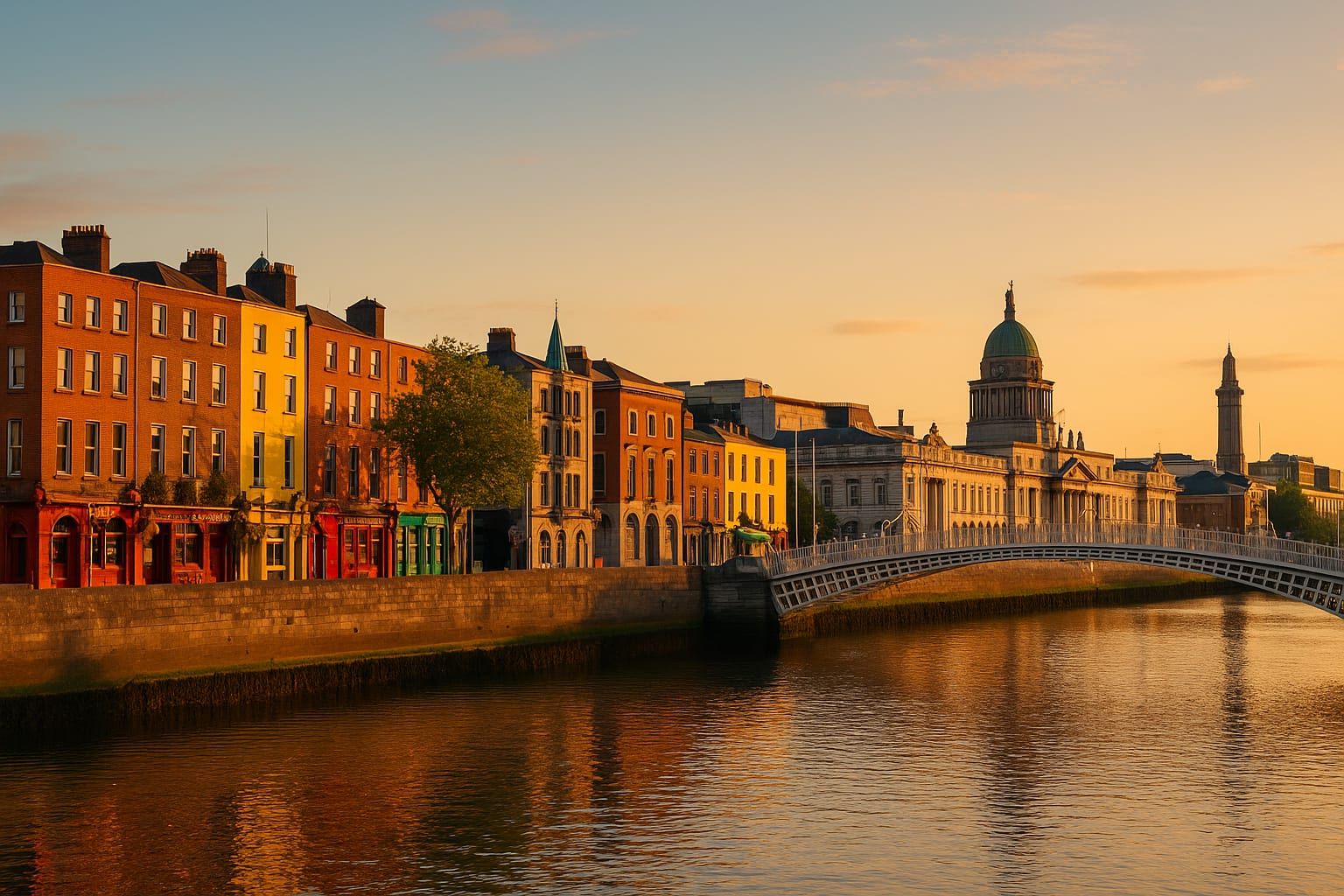
48 Hours in Dublin: Pubs, Literature & Georgian Beauty
Two days in Dublin: explore literary landmarks, lively pubs, and elegant Georgian squares. A relaxed, walkable 48-hour plan with local tips, transport notes and where to eat.
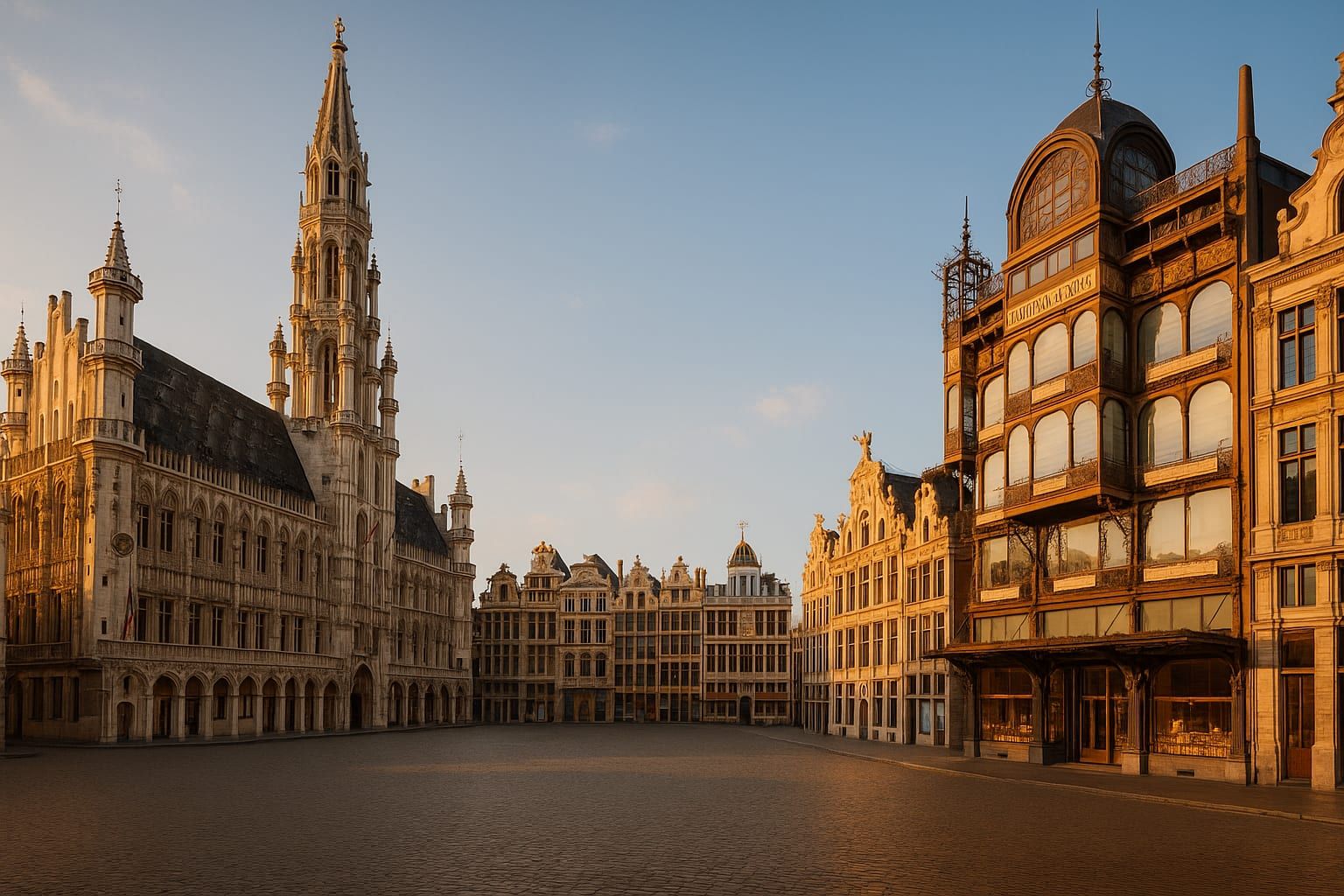
48 Hours in Brussels: Chocolate, Beer & Art Nouveau
Two days in Brussels: sample world-class chocolate, sip iconic Belgian beers and follow an Art Nouveau trail through elegant neighborhoods. A practical, walkable 48-hour plan.
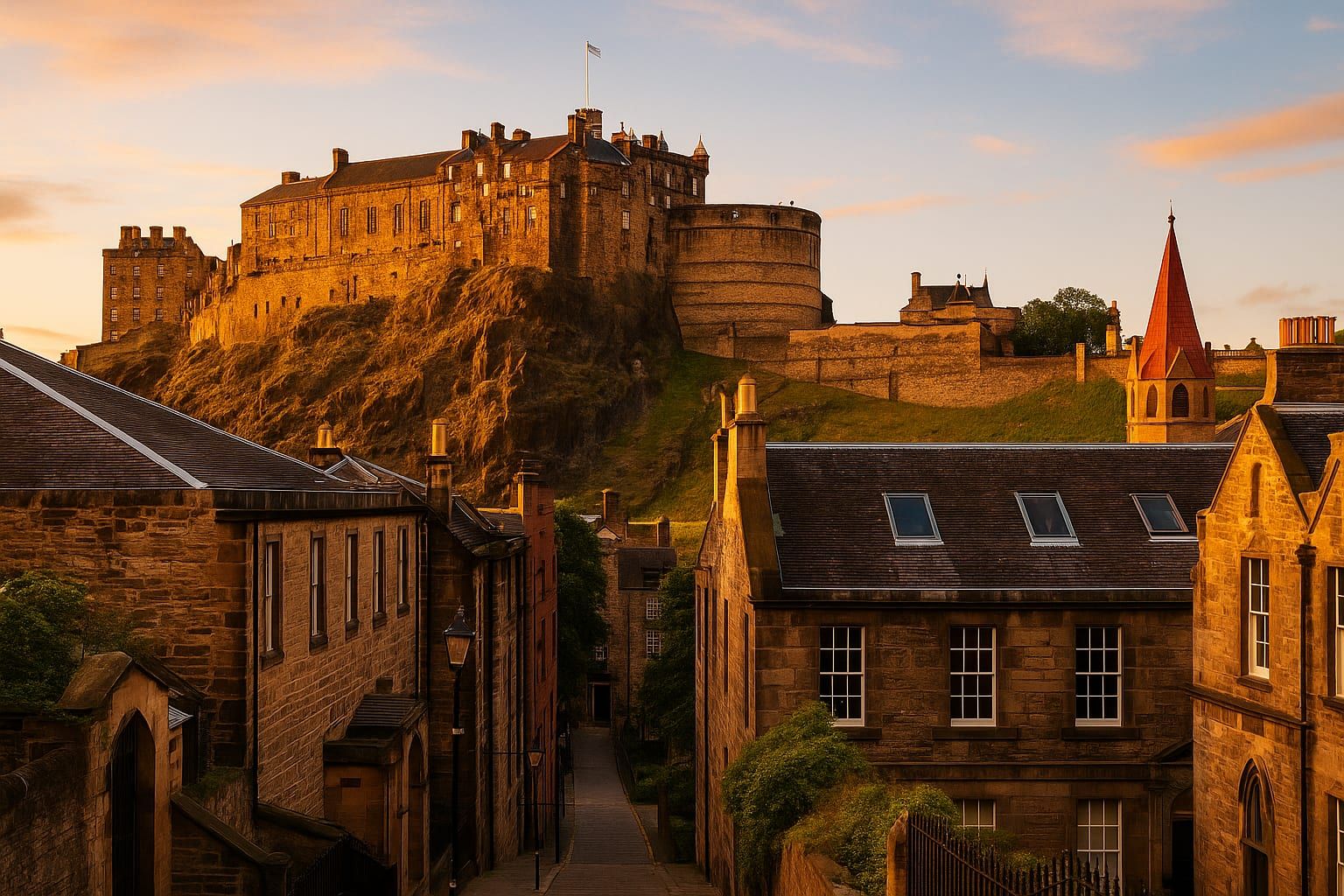
3 Days in Edinburgh: Castle, Closes & Whisky
A practical, three-day Edinburgh itinerary that balances the castle and Royal Mile with hidden closes, whisky tastings and local tips for an unforgettable city break.