
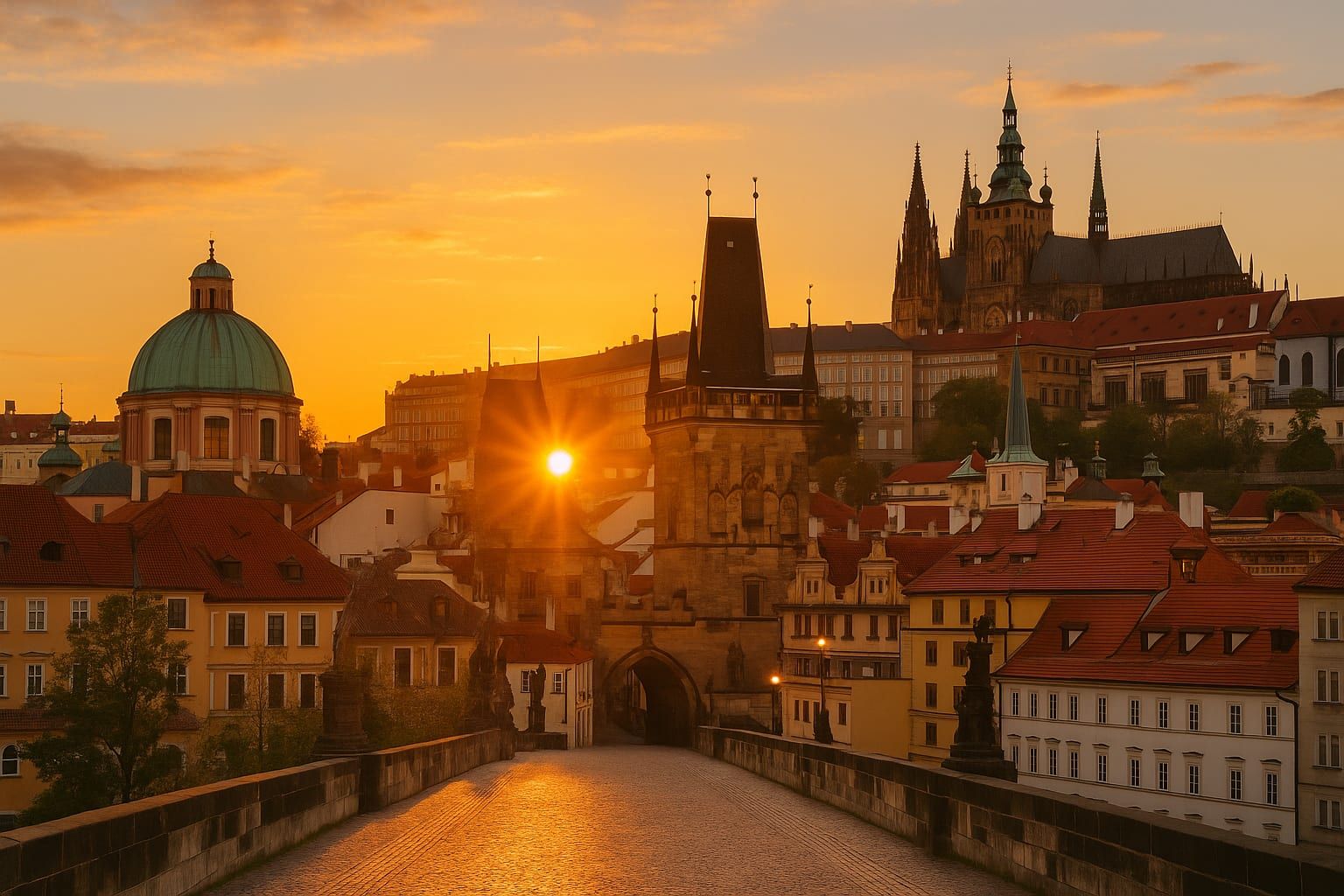
A practical month-by-month guide to Europe: what to expect, where to go, and local tips to plan the perfect trip—shoulder seasons, festivals, weather, and insider advice.
Best Time to Visit Europe: Month by Month
Europe is a continent of contrasts: sun-soaked islands, snowy Alpine peaks, medieval cities and modern metropolises. That variety means there’s no single “best time” for everyone. Still, May and September are often ideal for many travellers—pleasant weather, fewer crowds and lower prices. This month-by-month guide helps you pick the best time to visit based on weather, events and what you want to do.
How to use this guide
- Choose regions first (Southern Europe for beaches, Northern for fjords and Scandinavia, Central/Eastern for culture and budget-friendly options).
- Match activities: hiking, festivals, Christmas markets, beaches, or city breaks.
- Remember school holidays, especially July–August, when prices and crowds peak.
January — Winter cities and snowy escapes
Why go: Deep winter brings quiet city breaks, winter sports, and atmospheric Christmas-clearance sales.
Where to go:
- Central Europe for cosy cafes and museum visits (Vienna, Prague, Budapest).
- The Alps for skiing and winter hiking.
- Southern Spain (Andalucía) and the Canary Islands for milder weather.
Perks:
- Low airfare and hotel rates (outside ski resorts).
- Fewer tourists at major museums and monuments.
Watch-outs:
- Short daylight hours and some rural attractions are closed.
- Weather can be icy—pack microspikes if you plan to walk old cobbled streets.
Local tip: Thermal baths in Budapest are especially magical in January—combine city sightseeing with a spa recovery day.
February — Festive energy and good deals
Why go: Carnival, slower city seasons and ski-season at its prime.
Where to go:
- Venice or Nice for Carnival (dates vary each year).
- Ski resorts (French, Swiss, Austrian Alps) for excellent snow conditions.
- Southern Spain and Portugal for cooler, quieter beach towns.
Perks:
- Carnival is once-in-a-lifetime pageantry and photography.
- Shoulder-season prices in many cities.
Watch-outs:
- Carnaval and Valentine’s spikes can affect prices in select cities.
Local tip: Book Carnival events and popular restaurants in advance. In Italy, many smaller museums reopen after winter maintenance in late February–March.
March — Early spring, cherries and city culture
Why go: Signs of spring, fewer crowds, and cultural seasons return.
Where to go:
- Southern Europe for earlier warmth (Seville, Lisbon).
- Japan-like cherry blossom pockets appear across Europe—look to southern France, parts of Spain and Italy.
- City trips in Amsterdam and Paris before tulip season peaks.
Perks:
- Lower prices than peak season; ideal for walking tours and museums.
Watch-outs:
- Weather is changeable—rain jacket + layers required.
Local tip: Check local festival calendars—many towns hold early-spring food and flower festivals; offbeat local events often give the most authentic experience.
April — Tulips, milder cities and fewer crowds
Why go: Spring blooms, pleasant temperatures, and city-friendly weather.
Where to go:
- The Netherlands for tulips (peak varies, typically April).
- Southern France and the Loire Valley for milder days and vineyard blossoms.
- Cities like Rome and Barcelona before summer heat and crowds.
Perks:
- Good balance of weather and prices.
- Many rural attractions reopen for the season.
Watch-outs:
- Easter week can be busy and more expensive across Europe—book travel early.
Local tip: If you want classic spring countryside, aim for Provence later in the month; for lavender fields, come in late June–July instead.
May — One of the best months: warm, but quiet
Why go: May often hits the sweet spot—warm daylight, fewer crowds and most attractions open.
Where to go:
- Across Europe: city sightseeing, walks, and early beach days in Mediterranean hotspots.
- Hiking in the Alps becomes excellent as trails thaw.
Perks:
- Festivals: spring music and food festivals are common.
- Gardens and parks are at their best.
Watch-outs:
- Public holidays in Europe (e.g., Labour Day, Ascension) can cause local crowds.
Local tip: May is perfect for wine regions before harvest season—consider lesser-known wine areas for intimate tastings.
June — Summer begins: long days and island seasons
Why go: Longer daylight, reliably warm weather across southern Europe and the start of island season.
Where to go:
- Greek and Croatian islands, Mediterranean coastlines.
- Scandinavia for the midnight sun (head north for 24-hour daylight).
Perks:
- Outdoor concerts, festivals and open-air dining in full swing.
Watch-outs:
- School holidays start to increase crowds toward the end of June in some countries.
Local tip: For island hopping, book ferries and a couple of your first nights in advance in June. For Scandinavia, check local transport timetables—midnight-sun schedules can affect ferries and museums.
Related reads: For choosing a Greek island that fits your mood, check our guide: Greek Islands: Which One Is Right for You?.
July — Peak summer: beaches and festivals
Why go: Warmest month for beaches, swimming and al fresco life.
Where to go:
- Mediterranean coasts (Spain, Italy, Greece, Croatia) for beach life.
- Scandinavia remains pleasant; cultural festivals abound in cities.
Perks:
- Long daylight hours in the north and lively atmosphere across Europe.
Watch-outs:
- Peak crowds and the highest prices—especially mid-July to mid-August.
- Some small towns close for August holidays; check opening times.
Local tip: Avoid renting cars in the busiest coastal towns during July—parking is limited and traffic congested. Consider trains and ferries.
August — Hot, lively, and busiest of all
Why go: Full summer energy—festivals, local holidays, and maximum beach days.
Where to go:
- If you like hustle and bustle: southern France (Côte d'Azur), Spanish costas and Amalfi Coast.
- For quieter vibes, consider the Balkans (early August can still be busy) or higher-altitude retreats.
Perks:
- Long festival calendar and summer nights.
Watch-outs:
- Very high prices in Italy, France and Spain. Expect lines, and book ahead for must-see attractions.
Local tip: If your itinerary includes major sites (Pompeii, Vatican), book early time-slot tickets to avoid the midday crush and heat.
September — Another best-month: warm, calm
Why go: Warm sea temperatures, thinning crowds, harvest festivals and comfortable sightseeing weather.
Where to go:
- Mediterranean coastlines still lovely for swimming.
- Central Europe and wine regions—harvest season means grape festivals and tastings.
Perks:
- Lower prices than July–August, and many festivals centered on food and wine.
Watch-outs:
- Some island ferry timetables begin to thin in late September.
Local tip: September is perfect for wine lovers—look for local harvest events in Tuscany, Rioja or Slovenia’s wine routes.
October — Autumn colours, wine harvest, and cooler cities
Why go: Crisp air, autumn colours in parks and vineyards, and fewer tourists.
Where to go:
- Wine regions (Bordeaux, Douro Valley, Tuscany) for harvest experiences.
- Cities like Prague and Vienna for comfortable sightseeing.
Perks:
- Off-peak hotel deals and intimate food-focused festivals.
Watch-outs:
- Wetter weather in northern areas; some mountain passes start to close for winter.
Local tip: Pack a waterproof layer and a warm jumper; evenings can be quite cool even if days are pleasant.
November — Quiet, cultural, and a taste of winter
Why go: Museums and galleries are peaceful, and pre-Christmas preparations begin.
Where to go:
- Southern Europe still mild (Malta, Sicily) for quieter coastlines.
- Cities for museum-hopping: Paris, London, Madrid.
Perks:
- Great airfare and hotel deals.
Watch-outs:
- Shorter days and more rain in many areas.
Local tip: If planning Christmas-market trips, late November is when markets roll out—early booking gives the best accommodation options.
December — Christmas markets and winter wonderlands
Why go: Festive lights, markets, seasonal food and winter sports.
Where to go:
- Germany, Austria and Alsace for classic markets—Strasbourg and Nuremberg are standouts.
- Prague, Vienna and Budapest for atmospheric cobbled streets and thermal baths.
Perks:
- Seasonal food, mulled wine and craft stalls create a wonderful atmosphere.
Watch-outs:
- Cold weather; peak travel days around Christmas and New Year.
Local tip: For the best Christmas-market experience, arrive mid-week outside the final week before Christmas. For a deeper winter itinerary, combine a city break with a short mountain stay for skiing or snowshoeing. See our full guide to the Best Christmas Markets in Europe here: Best Christmas Markets in Europe.
Practical tips for planning (any month)
- Booking windows: Book peak-summer travel and major festivals 3–6 months in advance. Shoulder season bookings can often be made 4–8 weeks ahead.
- Packing basics: Layering is your friend. Always pack a lightweight waterproof, comfortable walking shoes and a portable power adapter.
- Transport: Trains are excellent for many routes—consider rail passes for multi-country hop-ons. For regional island travel, ferry timetables shrink off-season.
- Money: Cash remains common in many Eastern and Southern European towns; carry small notes. Notify your bank of travel dates to reduce card holds.
- Local rhythms: Many shops in the Mediterranean may close for a long midday siesta in smaller towns—plan museum visits and meals accordingly.
- Crowds: To avoid queues at major attractions, target early-morning or late-afternoon slots.
Local insight: If you plan a multi-week itinerary, combine regions with similar climates to avoid packing for extremes. For summer beach + city combo, pair islands with nearby coastal cities—for example, Athens plus the Cyclades or Barcelona plus the Costa Brava.
Specialty activities by month
- Northern Lights: Peak in late autumn to early spring—head to Iceland, northern Norway and Finnish Lapland.
- Hiking: Late spring to early autumn (May–September) is best for the Alps and Tour du Mont Blanc. See our detailed trekking guide here: Tour du Mont Blanc: Complete Guide.
- Beach season: June–September along the Mediterranean (May and October can work for warmer southern coasts).
- Festivals: La Tomatina (August), Running of the Bulls (Pamplona, July), Oktoberfest (late Sep/early Oct, Munich).
Final takeaways
- Best all-round months: May and September—ideal weather, fewer crowds and better value.
- Budget travel: November–March (excluding ski resorts) for the cheapest fares and hotels.
- Peak summer: July–August for guaranteed sun and full festival calendars—expect crowds and higher prices.
Europe is a year-round destination—pick the months that match the experience you want. Use this month-by-month map as a starting point, then zero in on the region and activities that excite you most. Safe travels!