
Things to Do in the Maldives: Planning Your Stay
A practical guide to Maldives experiences, from snorkeling and sandbanks to local food and island walks, with advice on choosing a base and making room for the things you want to do.
The best things to do in the Maldives depend on where you sleep. A reef you can reach from your beach, a sandbank excursion and a walk through a local island are very different experiences, even if all three appear on the same holiday brochure.
Start with what you want from the trip: time in the water, quiet beach days, Maldivian food and community life, or a mix. Then choose an island that makes those experiences practical. This guide helps you build that shortlist without filling every day with boat trips or treating the entire archipelago as one sightseeing circuit.
If you are still choosing a base, our Maldives island comparison covers that decision. Here, the focus is which experiences deserve time once the practical setting is understood.
Fast facts for planning your activities
| Your priority | What to check before choosing accommodation |
|---|---|
| Daily snorkeling | Whether the reef is accessible from shore, available guidance and equipment, and the actual entry points |
| Beach time | The beach beside your room, swimming arrangements and shade, rather than aerial photographs alone |
| Local food and island life | Guesthouse location, nearby cafés and opportunities to explore on foot |
| Marine wildlife | The excursion area, season, operator practices and cancellation terms |
| A short stay | Complete airport-to-island arrangements, including waiting time and your arrival schedule |
| Two different islands | A confirmed transfer between the properties, not just their distance on a map |
1. Snorkel somewhere you can return to
A snorkeling session is more rewarding when it gives you time to look closely rather than rush toward the next stop. For a water-focused holiday, ask whether your accommodation has shore access to a suitable reef or whether snorkeling means joining a boat excursion each time.
Ask for a current reef map, entry and exit guidance, the availability of a guide and the cost of equipment. “Snorkeling available” does not answer those questions. Tell the operator your swimming experience so that the proposed activity fits you.
The official Visit Maldives diving and snorkeling directory lists experiences across several atolls, including North Malé, Addu and South Ari. Use it to identify an area, then confirm the actual sites visited by the operator serving your island.
For your first full day, a guided introduction is a useful planning choice. It helps you decide whether you want more reef time, a different excursion or a slower beach afternoon. Keep later sessions flexible rather than paying in advance for every outing. For a trip centred on repeated reef visits, use our Maldives snorkeling guide to investigate specific access arrangements.
2. Make room for a beach day
Beach time deserves a place in the itinerary. A day without a departure time gives you space for a morning walk, reading in the shade and simply enjoying the island you have travelled to reach.
When comparing accommodation, look at ground-level beach photographs as well as drone images. Ask where guests swim, how they reach the beach and whether the part of the island beside your room matches the setting you want. A room name alone cannot tell you what your daily routine will feel like.
On a local island, ask your host which beach is intended for visitors and what is appropriate elsewhere. On either kind of island, ask for current local guidance before entering the water. These are useful questions to settle before booking, especially if easy beach access is the main reason for your trip.
3. Visit a sandbank
A sandbank outing gives you a different perspective: open water, a small stretch of sand and a trip away from your accommodation. It can work as a simple excursion rather than an elaborate private dining event.
Before booking, establish what the outing actually includes. Is it shared or private? How much of the trip is spent travelling? Are food, drinking water and shade provided? Does the operator combine it with snorkeling? What happens if conditions prevent the planned stop?
The tourism board includes sandbank visits among its local island experiences. Treat that as an activity to investigate from your chosen base, rather than a promise that every island offers the same excursion. A nearby option that fits your day can be more appealing than the most photographed location on a distant itinerary.
4. Explore a local island
A guesthouse stay creates a different rhythm from a self-contained resort holiday. You can make room for cafés, small shops, everyday streets and conversations with hosts, alongside beach and water activities.
Visit Maldives explains the guesthouse model as accommodation within inhabited islands, with excursions such as snorkeling, diving and sandbank visits available through local tourism businesses. That makes a guesthouse an alternative base for an active trip, not merely a different room category.
Choose one that suits how you like to spend a day. Ask what is within walking distance, where meals are served and which excursions depart locally. Respect residential spaces, ask before photographing people and follow your host’s guidance on local customs.
A resort may still be the better fit if your priority is spending most of the holiday in one property. The useful comparison is the daily experience you want, not whether one accommodation type is universally “more authentic” or better.
5. Try Maldivian food
Make breakfast part of the trip. Look for mas huni, a tuna and coconut preparation commonly served with roshi flatbread. Later, ask about hedhikaa, the small snacks eaten with tea. The tourism board’s guide to local experiences highlights both.
Use those names as a starting point for a conversation with your host or restaurant, rather than a fixed menu that every property must offer. Ask what is made locally and what is available that day.
If you would enjoy a cooking activity, ask whether your accommodation can arrange one and what it involves. For a resort stay, check the dining choices before choosing a meal plan: a long stay is easier to enjoy when the included options match how you actually like to eat.
6. Plan a wildlife excursion around the place
Manta rays and whale sharks can motivate an entire trip, but they should not be treated like attractions with guaranteed performance times.
Visit Maldives identifies South Ari Atoll as a whale shark area, with a marine protected area and year-round aggregation. This is a reason to research that area if whale sharks are your priority; it does not mean an individual outing will find one.
For manta rays, the tourism board’s manta encounter guide explains that suitable locations vary with seasonal conditions. Ask a local operator about the sites they expect to use during your dates before selecting accommodation far from those sites.
Also ask how the excursion is run. Research from the Manta Trust supports observing mantas without chasing them, blocking their path or approaching too closely. Choose an operator that explains its wildlife practices and gives a clear briefing. Build a trip you will enjoy even if a particular animal never appears.
7. Look beyond the beach in Addu
If your idea of visiting the Maldives includes greenery, cycling and exploring on land, investigate Addu as a destination in its own right.
The official Addu Nature Park guide describes cycling, canoeing, guided visits and birdwatching. These offer a different balance from spending every outing on the open sea.
This is an option to consider while choosing your base, rather than an activity to bolt onto any Maldives resort holiday. Ask about access from your accommodation and confirm current opening arrangements, equipment and guided activities before setting your plans. Give the visit enough space for one or two activities instead of trying to fit everything into a short stop.
Give each outing the right amount of space
As editorial diary allowances, keep a half-day free for a sandbank excursion until the operator confirms its complete duration, and leave an unhurried morning or afternoon for an Addu Nature Park visit. These are planning buffers, not advertised journey times or minimum visit lengths. A nearby reef session can fit around meals; a wildlife search involving boat travel should not be squeezed between fixed reservations.
Compare overlapping excursions before buying both. A sandbank outing that already includes a guided snorkeling stop may cover the experience you wanted from a separate general reef trip. A specialist wildlife search has a different purpose and may spend more of its time looking for animals. Ask for the proposed route and actual time in each activity, then decide whether the second booking adds something you value.
How to put the experiences together
For a first visit, our recommendation is to choose three priorities before comparing rooms. For example: snorkeling on several days, one sandbank excursion and time for local food. Another traveller might prefer a quiet beach, one guided wildlife trip and a comfortable property where most of the week can unfold without appointments.
For 4 nights, consider one base. Arrival and departure will use part of the stay, so select one main excursion and leave room for beach or reef time. This is an editorial suggestion, not a minimum stay requirement.
For 7 nights, one island can still work well. Build a rhythm of an activity day followed by a less structured day. Put the excursion you care about early enough that there may be another opportunity if the operator changes the schedule.
For 10 nights, a two-base stay becomes worth investigating if each place adds something distinct: local island life followed by a resort, for example. Get the connecting transfer confirmed before booking separate non-refundable stays. A second base should improve the holiday enough to justify repacking and travelling.
Check the transfer before finalising the itinerary
Your transfer is a practical constraint on the experiences you can fit into a short stay. Confirm the transport type, total price, meeting arrangements and compatibility with your international flights directly with the accommodation.
For properties served by Trans Maldivian Airways, TMA states that its seaplanes fly from sunrise to sunset and that resort transfers are booked through its resort partners. A late international arrival therefore needs careful coordination; do not assume a same-evening seaplane connection. Other transfer arrangements must be checked with the relevant property or operator.
If you are comparing two hotels, request a complete stay price that includes transfers, meals you expect to need and your priority activities. That gives you a more useful comparison than the room rate alone. Keep one unallocated part of the trip for an experience you discover after arrival—or simply another afternoon on the beach.
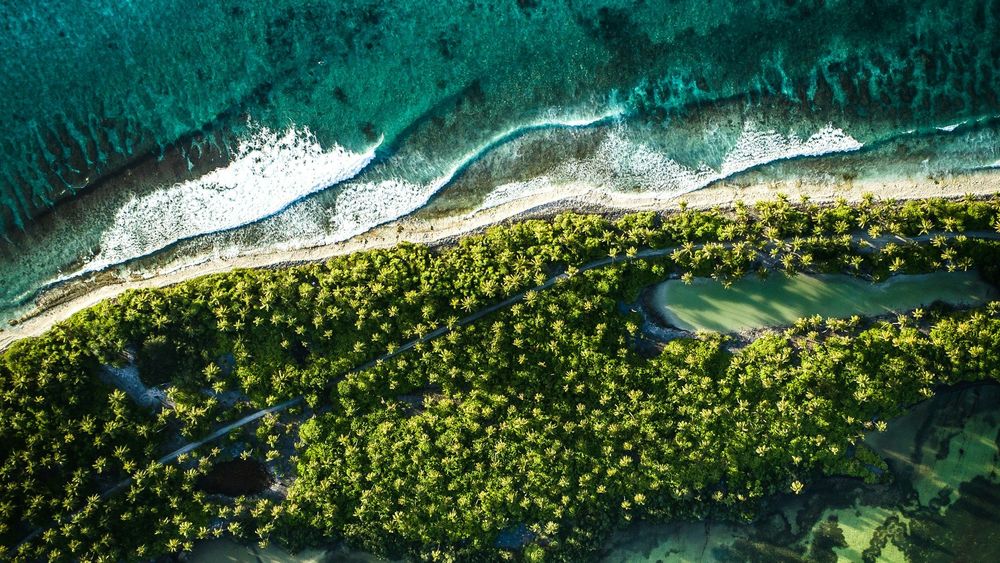
Cover photograph: Aerial view of a palm-lined coastline in Addu City, Maldives. Photo by Shifaaz shamoon on Unsplash (Unsplash).
Frequently Asked Questions
What are the best things to do in the Maldives besides relaxing?
Consider guided snorkeling, a sandbank outing, local food, a wildlife excursion or a local island stay. Addu Nature Park adds options such as cycling and canoeing. Choose activities that are practical from your base.
Do you need to stay at a resort to enjoy the Maldives?
No. Guesthouses on inhabited islands offer a different kind of stay, with access to local businesses and activities such as snorkeling and excursions. Compare the actual beach, food and activity arrangements before choosing.
Can you visit a different island every day?
Do not plan on that without confirmed transport. Ask which day trips operate from your base and how hotel-to-hotel transfers work. For a short visit, one well-chosen island is our suggested starting point.
Are manta ray and whale shark sightings guaranteed?
No. Choose the area and operator around your travel dates and interests, then treat any encounter as a possibility. Never build the value of the entire holiday around a promised sighting.

Keep Exploring

Things to Do in Tokyo: Pick Your Highlights
Build a Tokyo shortlist that suits you. Compare Asakusa, Meiji Jingu, Ueno, Shibuya, Shinjuku Gyoen, Omotesando, Tsukiji and teamLab Borderless.

Things to Do in Marrakech: A First-Visit Guide
Plan a first visit around the Marrakech experiences you actually want: decorative palaces, garden walks, photography, souks and Moroccan cooking.

Things to Do in Singapore: Choose Your Highlights
Choose Singapore highlights that earn their place: conservatories, neighbourhood meals, orchids, art and wildlife, with practical trade-offs and current access checks.