
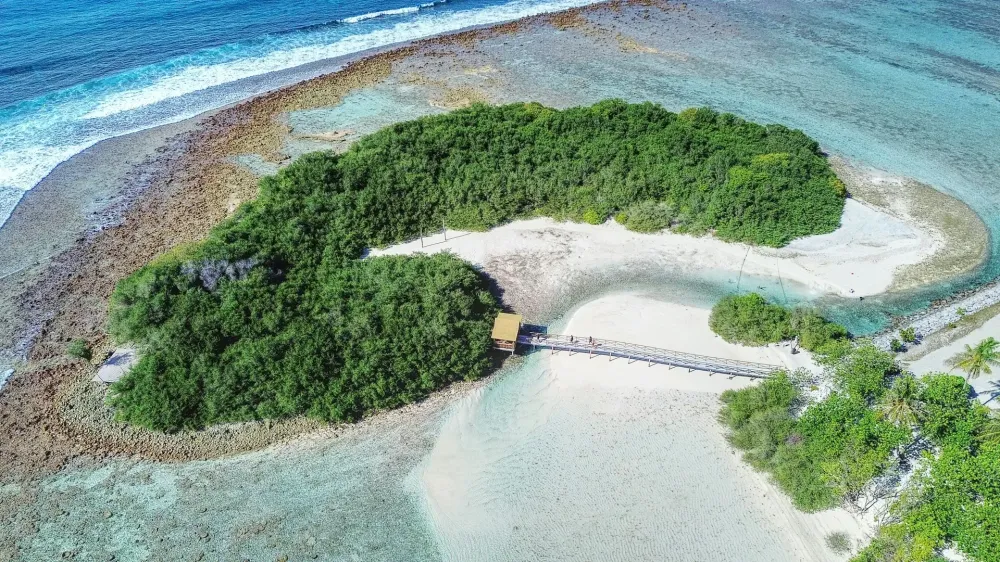
Plan a Thulusdhoo stay around the needs of surfers and non-surfers, with clear distinctions between reef breaks, visitor beaches and boat excursions.
Thulusdhoo works best when you choose it for a particular balance: surfing, life on an inhabited island and a relatively short boat connection from the airport. Its famous waves do not automatically make it the right beach for every swimmer, and a hotel beside the surf does not necessarily provide the easiest everyday beach routine.
Start by deciding who in your group will surf and what everyone else will do during those sessions. That answer should shape the room, transport package and length of stay. For a broader comparison of activities, our Maldives experience guide helps you decide what deserves space in the trip.
Thulusdhoo planning facts
| Question | Useful distinction |
|---|---|
| Where is it? | An inhabited island in North Malé Atoll |
| Main surf names | Cokes, a right-hand reef break; Chickens, a left across the channel |
| Is every beach a surf entry? | No: confirm surf access and swimming areas separately |
| Airport access | Local accommodation advertises speedboat journeys around 30 minutes; confirm the complete connection |
| Clothing | Swimwear belongs at designated visitor beaches; cover up in the village |
| Suggested stay | Three or four nights for a mixed stay; longer if repeated surf sessions are the main purpose |
These stay lengths are editorial suggestions, not minimum bookings. A specialist surf trip may need more flexible days than a short beach visit.
Cokes and Chickens: understand what you are booking
Visit Maldives includes Cokes at Thulusdhoo among North Malé's established surf locations. That is a reason to investigate the island as a surf base, rather than a promise that its best-known wave will suit your experience.
The local accommodation and surf operator Season Paradise describes Cokes as a right over shallow reef and Chickens as a left across the channel. The distinction matters when comparing a room-only booking, a guided surf package and a lesson: they need not include the same transport or the same time with an instructor.
For Cokes, ask the local guide how access works in the current conditions and what experience they expect. Do not use a photograph of someone walking with a board as your entry plan. For Chickens, establish the boat arrangement, return collection and whether the quoted price covers one session or several. A nearby wave is not necessarily a wave you reach on foot.
Other named breaks in a package can require additional boat travel. Ask for the actual operating area and what happens if the preferred site is unsuitable or crowded. A longer list of famous names has little value if the package does not explain how the group chooses between them.
If you are learning, choose instruction before the room
A school advertising lessons does not mean that every nearby reef break is suitable for a first lesson. Describe what you can currently do: whether you have only practised on a beach, can catch unbroken waves independently, or have experience entering and leaving reef breaks. Concrete information helps more than simply calling yourself a beginner or intermediate.
Ask where the instructor expects to teach someone at your level, how that location is chosen each day and what happens when no appropriate session is available. Confirm group size, time actually spent with the instructor, equipment and transport. Treat a lesson as a supervised service with a plan, not merely a board rental added to a boat ride.
For experienced surfers, ask different questions: availability of guides, board storage, transport to alternative breaks and arrangements for a damaged board. Confirm rental board sizes before relying on them. If bringing your own equipment, check the airline and boat operator's baggage conditions, including how the board is handled at transfers.
This is a guide to choosing a stay, not instructions for entering a reef break. Get local advice for each session and be willing to change the day's plan. A package should allow a sensible decision when conditions do not match your ability or expectations.
Give non-surfers a complete holiday too
A mixed group should compare accommodation from two perspectives. The surfer may care about departure arrangements and board storage; their companion may care about beach access, shade, a comfortable place to read and meals that do not revolve around the surf schedule.
Ask the hotel to mark the designated visitor beach, the harbour and the surf departure point on a map. Find out whether a non-surfer can comfortably make an independent plan while the others are away. A sea-view room is appealing, but the practical route to the place you will actually swim deserves equal attention.
Choose one shared activity rather than booking every outing together. A guided snorkeling trip, an island walk or a relaxed meal can give the day a common centre. Before joining a surf boat just to watch, ask about shade, the length of the outing and whether you can return earlier. Watching from shore may be the more comfortable choice where a suitable public viewpoint is available.
If no one wants to surf, Thulusdhoo can still be considered for a local-island stay. Compare its actual beach and room setting with your priorities; do not select it solely because Cokes appears in a list of Maldives highlights.
Beach time, snorkeling and surf are separate choices
Use the first part of your stay to establish where you should swim, where boats operate and which beach permits ordinary visitor swimwear. Season Paradise's local FAQ distinguishes designated bikini beaches from the village and asks guests to cover up while walking around the island.
A surf viewpoint, boat landing and swimming beach are different places even when they look close together on a small map. Ask for the current recommended swimming area and conditions rather than assuming that clear water means a suitable entry. With children, ask about the specific beach you will use, not whether the island is generally described as family friendly.
Apply the same care to snorkeling. Ask whether the proposed reef is reached from shore or by boat, who provides the briefing and how you enter and leave the water. Do not assume a hotel advertising snorkeling has a reef you can visit independently whenever you wish. Our Maldives snorkeling guide helps you compare that daily routine across possible bases.
An aerial photograph can show the relationship between shore, vegetation and reef. It cannot establish current swimming conditions, the state of a bridge or permission to cross into another area. Follow present local directions and posted access information.
Make the short transfer work in practice
Canopus Retreats describes a speedboat journey of around 30 minutes from Malé International Airport. The property also distinguishes scheduled speedboats, charter boats and a slower ferry. Use those categories when discussing your connection; do not treat them as interchangeable services with the same departure point or availability.
Send your flight details to the accommodation before buying a non-refundable stay. Request the meeting point, check-in deadline, complete fare, luggage allowance and contact number. A half-hour crossing still requires a departure that fits your arrival formalities. A private charter may have different booking and cancellation conditions from a shared boat.
If considering a public ferry, confirm its current operating days and port with the operator or host. Do not build a Friday arrival around an assumed ferry service. The fact that an island is near the airport does not create an on-demand connection at every hour.
For the return, obtain a plan that reaches the airport with an appropriate buffer for your flight. Our Maldives transfer guide explains the questions to settle; the Hulhumalé stopover guide helps if flight times make an airport-area night useful.
Choose dates around your purpose
Season Paradise lists March–October for surfing, with June–August the peak. These are typical periods described by the local operator, not guaranteed conditions.
A surfer and someone seeking beach afternoons may prefer different conditions. Use seasonal guidance as a starting point, then discuss your dates, ability and priorities with a local operator. Do not equate a commonly recommended surf month with an assured number of usable sessions.
Likewise, a calmer-looking period does not guarantee cloudless days or a suitable reef for learning. Keep weather-dependent activities movable and check the terms for a cancelled session. A stay built around the island as well as the water is easier to enjoy when the forecast changes.
Avoid booking additional islands solely to fill an unsurfable day. A different base requires confirmed transport and usually changes more than one afternoon. Start with a nearby activity that can actually operate from Thulusdhoo.
A practical rhythm for three or four nights
On arrival, settle in, identify the visitor beach and meet the surf school or guide if you have booked one. Use that conversation to set the next session instead of committing to a tight arrival-day schedule.
On the first full day, let the surf plan determine only the part of the day it needs. Keep time for a shared meal and a separate beach or village outing. Non-surfers should have their own workable plan rather than waiting indefinitely for a boat to return.
On a second full day, choose between another surf session and one different activity. A longer stay can repeat the part you enjoyed most. This is a suggested rhythm, not a fixed itinerary: local conditions and your group's energy decide the order.
Ask about breakfast timing and how meals fit around boat departures. Compare the written total for room, taxes and charges, meals, transfers, lessons or guiding, board hire and excursion transport. Clarify whether a surf package charges per person, session or boat, and whether non-surfing companions pay for services they will not use.
Spend time in a working island community
Leave room for ordinary streets and local meals, while remembering that homes, schools and harbour work are not visitor attractions. Ask before photographing people and keep access clear. Follow the host's guidance on clothing and local customs; a surf-town atmosphere does not change the setting of an inhabited Maldivian island.
Do not build a day around an assumed factory tour or access to a private property. If an operator proposes such a visit, ask for the current permission and booking arrangement. For a short stay, an unhurried walk and a meal can be more rewarding than trying to turn every building into an activity.
Cover photograph: Coastal vegetation and a footbridge at Thulusdhoo. Photo by hampu / Unsplash. Source · License.
Frequently Asked Questions
Is Thulusdhoo suitable if you do not surf?
It can be, if the beach, accommodation and local-island setting match your priorities. Check the actual swimming area and daily routine rather than choosing only for the island's famous waves.
Are Cokes and Chickens suitable for beginners?
Do not assume so. They are reef breaks with conditions that vary. Discuss your actual experience with a local instructor and book a lesson plan suited to you, including an alternative when conditions are unsuitable.
Can you walk to every surf break?
No. Cokes is associated with Thulusdhoo, while Chickens is across the channel and operators arrange boat access. Confirm current access, transport and return collection for each session.
How long is the airport transfer?
Canopus Retreats describes around 30 minutes by speedboat. That is the crossing, not the complete arrival process; confirm the actual departure, meeting point and flight compatibility with your host.
Can you wear swimwear around the island?
Use swimwear at the designated visitor beach and cover up in the village and on the way there. Ask your accommodation to identify the current beach area and explain local expectations.

Keep Exploring
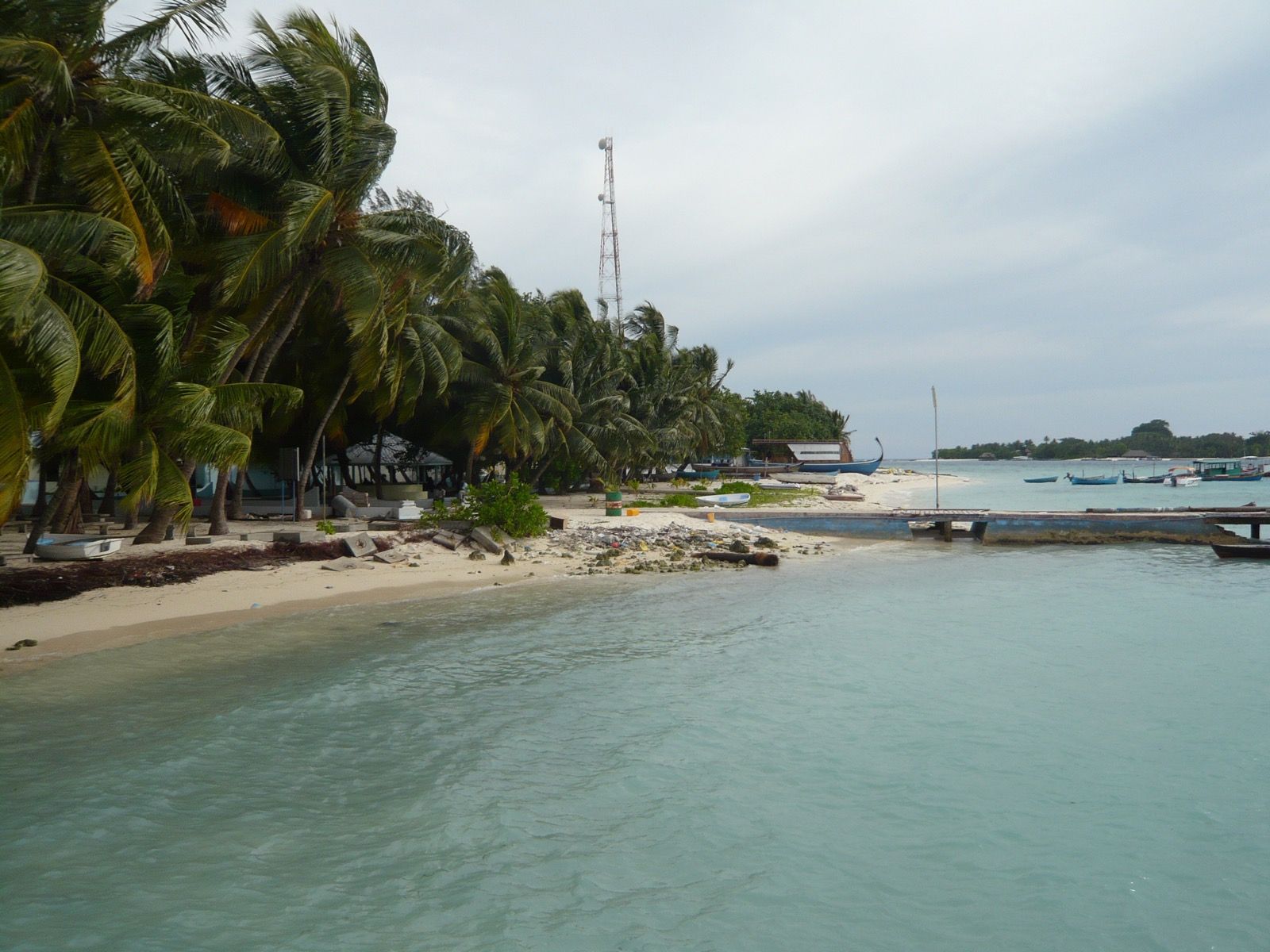
Rasdhoo: Plan a Maldives Local-Island Stay
Plan Rasdhoo around diving, suitable snorkeling, confirmed boat transfers, guesthouse routines and a complete Maldives stay budget.
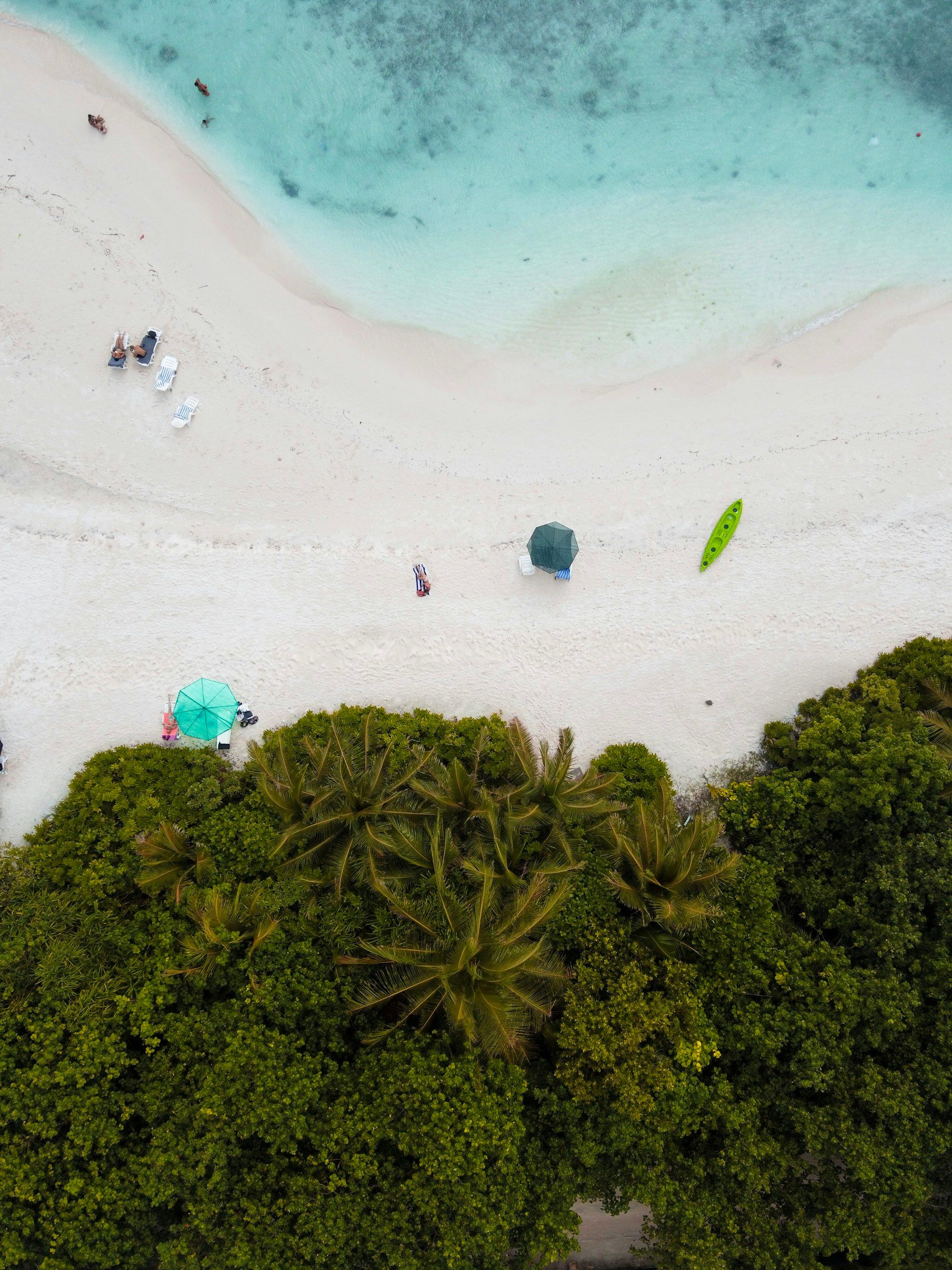
Ukulhas: Plan a Maldives Local-Island Stay
Plan a Ukulhas stay with confirmed speedboat connections, the right room, beach customs, reef guidance and a complete Maldives budget.
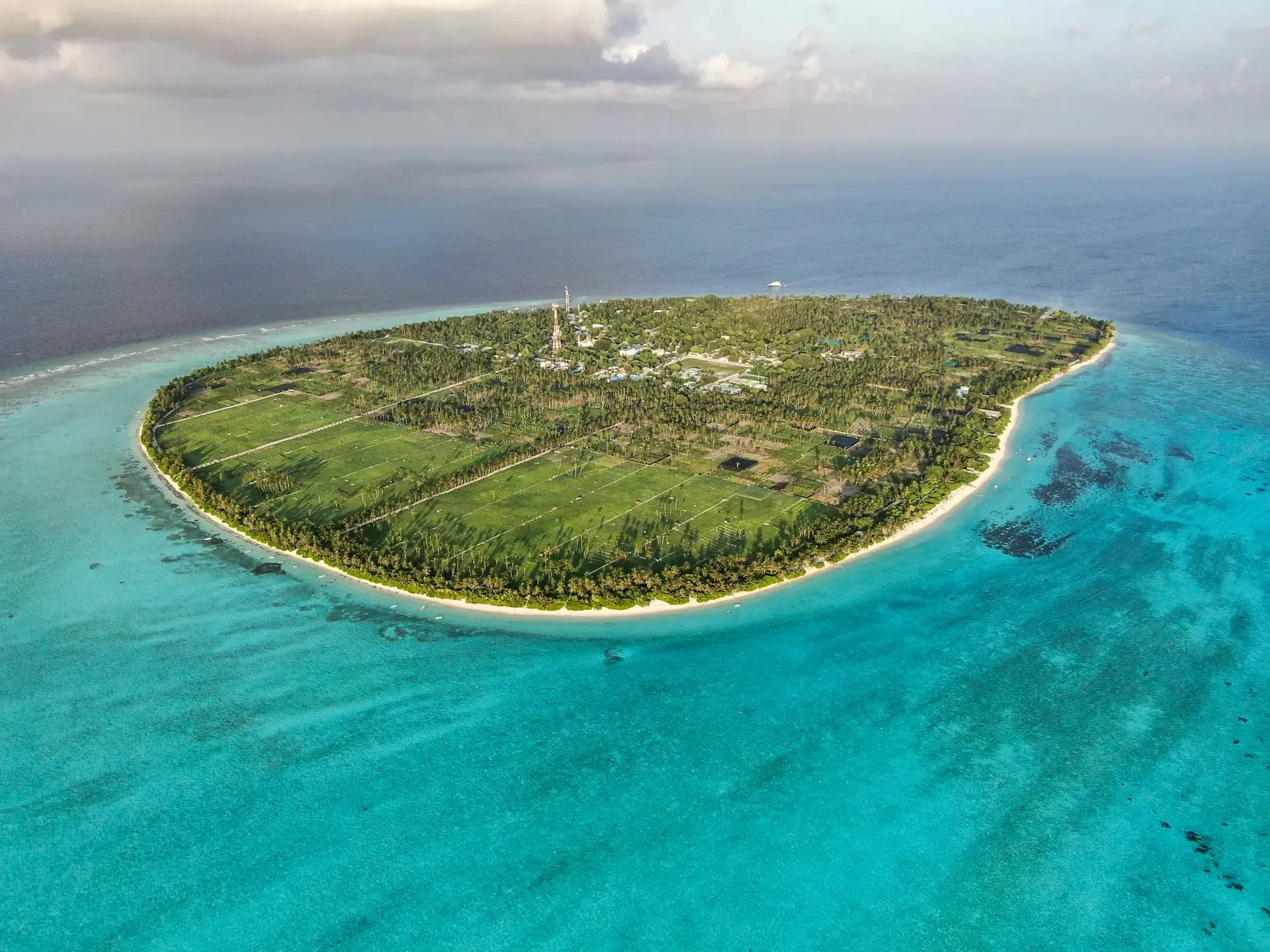
Thoddoo: Plan a Stay on a Local Island
Choose Thoddoo for a local-island stay combining beaches, cultivated land and village life. Compare transfer options and room locations before booking.