
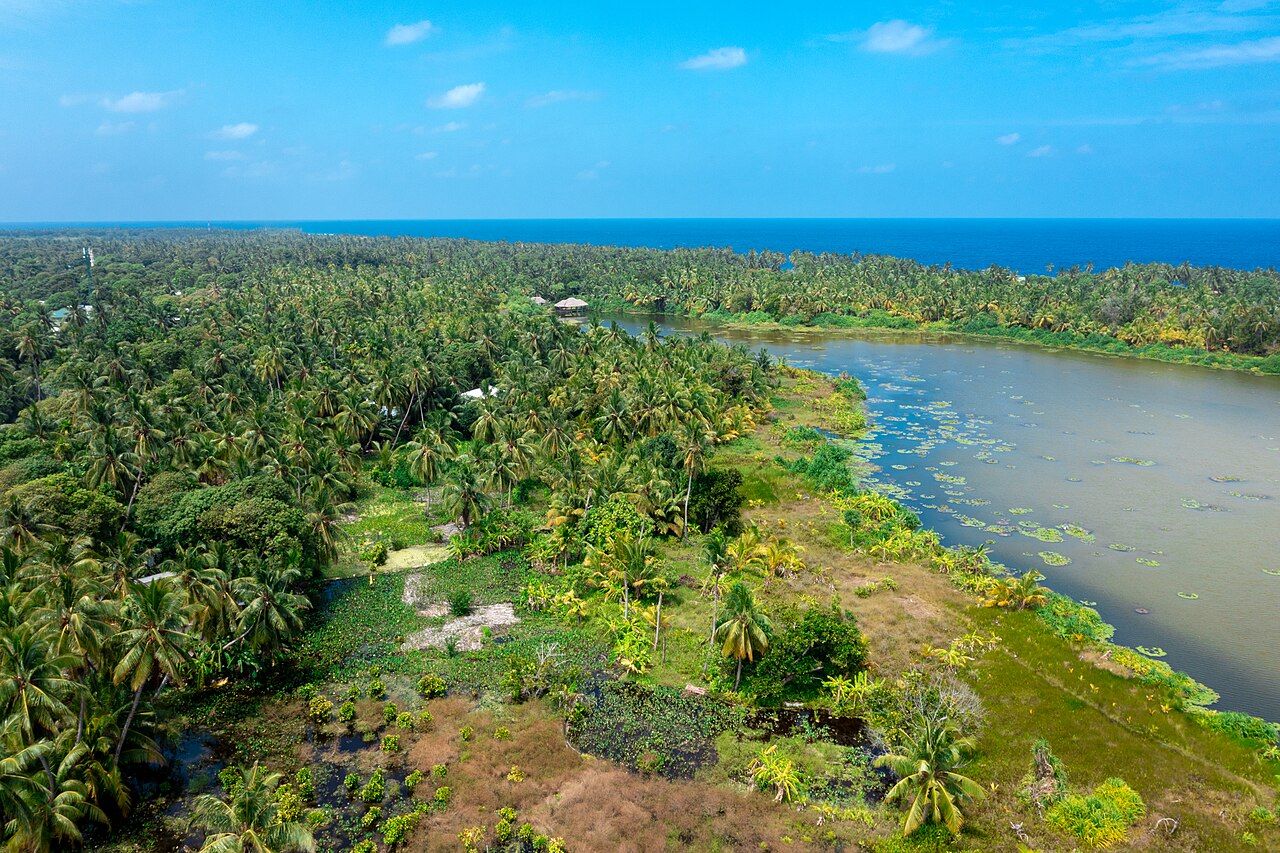
Explore Fuvahmulah’s lakes, wetlands, Thoondu coast and neighbourhoods, with domestic-arrival planning and options for non-divers.
Fuvahmulah is worth considering when you want the Maldives to include lakes, neighbourhoods, local food and a coastline shaped by the open ocean. Diving is a major reason people travel here, but it does not need to define every visitor's stay. A land-focused visit can combine wetland walks, the distinctive Thoondu shoreline and short heritage stops, provided you give the domestic journey enough space.
This is an inhabited island in the southern Maldives, with its own airport and everyday town life. Choose it as a base in its own right, not as a casual day trip from an unrelated resort. Our Maldives activities guide helps compare it with other kinds of island stay.
The main decision is whether you want a few days exploring this particular landscape or a beach holiday built around a sheltered lagoon. Fuvahmulah offers the first especially well; its ocean setting means you should investigate swimming arrangements rather than assume the second.
What makes the island different
UNESCO's Fuvahmulah profile identifies a single-island administrative atoll and a biosphere reserve nominated in 2020. It describes two inland water bodies, marshes and an exposed outer coast without a lagoon between the reef edge and beaches. Those features explain why a visit can feel different from the usual resort-island itinerary.
| Place or experience | What to build the visit around | What to confirm locally |
|---|---|---|
| Dhadimagi Kilhi and Nature Park | Lake and wetland views | Open paths, facilities and any equipment hire |
| Bandaara Kilhi | A second freshwater landscape and surrounding vegetation | Suitable public access and current conditions |
| Thoondu | Bright pebbles, shoreline walks and ocean views | Conditions before approaching the water |
| Heritage stops | Wells, mosque surroundings and the Havihtha remains | Permission, dress and access arrangements |
| Neighbourhood meals | Local dishes and everyday island life | Opening hours and what is available that day |
Use the table to choose a few priorities. A long list of pins is less helpful than knowing which lake, coastal stop and meal you want to give proper time.
Start with Dhadimagi Kilhi and the Nature Park
The Visit Maldives nature-and-culture guide places Fuvahmulah Nature Park at Dhadimagi Kilhi. It describes a boardwalk and facilities for bicycles, canoes and paddle boats. Treat these as activities to enquire about, not a live confirmation of opening hours, prices or equipment availability.
A lake visit works well as an early focus because it reveals the greener interior before you explore the coast. Take time to observe the transition between open water, marsh vegetation and palms. Binoculars can make a quiet pause more rewarding, although no particular bird sighting should be expected.
Ask your host which entrance and open route currently suit the visit. If you want to hire a canoe or another item, establish the operating conditions, supervision and return time before paying. You can also choose to stay on land; there is no need to add an activity simply because it appears in a tourism description.
Keep to the designated paths and avoid stepping into wetland vegetation to improve a photograph. A boardwalk provides a way to observe the habitat while limiting disturbance. If a section is closed, shorten the route or choose a different accessible viewpoint rather than inventing a path around it.
Give Bandaara Kilhi a separate purpose
Bandaara Kilhi is the other major inland water body. The City Council's sightseeing page highlights both lakes and the surrounding wetlands. Visiting the second lake can add another perspective, but it should not become a rushed duplicate stop made only to complete a list.
Ask for a current public viewing point and combine it with a nearby part of the island you also want to explore. Spend time noticing how vegetation and settlement meet around the water. The attraction is a living landscape, not a fenced monument with a single compulsory photograph.
Some travel descriptions promote mud-bath experiences around the wetlands. Do not infer from those descriptions that any muddy shore is a public bathing area or that access is always available. If the experience interests you, ask about the designated place and current arrangements. For this itinerary, viewing the lake from appropriate paths is enough.
Plan footwear for mixed surfaces and carry water. An apparently short outing can become tiring if you walk between distant stops in the hottest part of the day. Build in a shaded break and transport where it makes the visit more comfortable.
Thoondu: visit for the coastline
Thoondu lies at the northern end of the island and is known for its small bright pebbles. UNESCO links this distinctive shore to the wave action around Fuvahmulah. Come to look at the texture of the beach, the changing water and the open horizon, rather than expecting the calm conditions of a protected resort lagoon.
Keep the walk flexible. Observe the conditions before approaching the water, follow local advice and do not treat attractive photographs of temporary pools as evidence of safe swimming on your day. The seasonal shoreline changes described in tourism material are not a feature you can reserve for a particular afternoon.
Leave pebbles and natural material where they are. You can enjoy their appearance without taking a souvenir from the beach. For photography, keep enough distance from the water that an unexpected wave does not dictate where you stand.
The council also identifies Kalho Akirigando, or Black Stone Beach, on the southern side behind the airport. It can provide a contrasting coastal stop if transport and time fit. There is no need to visit both ends in one continuous walk: choose the coastline that suits the rest of your day's route.
Heritage and neighbourhoods between nature stops
Fuvahmulah's interest is not confined to the lakes. The council lists Havihtha, the remains of a Buddhist stupa, as well as historic wells and mosques. Vasho Veyo is a circular communal well; Gemmiskiy has a well within its historic compound. These places add context to an island that is sometimes described only through its diving.
Ask your host or a local guide which sites are currently accessible and how to visit respectfully. A place listed as an attraction is not automatically open for unrestricted entry. For religious spaces, follow the instructions on dress, photography and whether visitors may enter; observing the exterior can be the appropriate visit.
A guided introduction can be useful if you want the stories behind the wells and neighbourhood names. Make clear that you are interested in local history and everyday life, rather than just being driven to viewpoints. Keep residential doorways and working areas clear, and ask before photographing people.
For meals, ask what is locally available rather than expecting a fixed menu. Visit Maldives highlights taro, mangoes and bananas among the island's produce and describes kattelhi, a snake mackerel dish served with taro and coconut. Use that as a question for your host or restaurant, not a promise that every café serves it daily.
Getting there and choosing an accommodation base
The council's arrival information identifies domestic flights between Velana International Airport and Fuvahmulah. Check the actual dates, routing and fare through Maldivian's booking service or the accommodation arranging your trip. Do not build the connection around a generic flight-duration claim: a particular departure may have its own routing and waiting time.
Coordinate both international flights with the domestic journey and the airport pickup on Fuvahmulah. Ask who helps if the first flight changes, what baggage allowance applies and whether the room package includes the domestic ticket. A hotel reservation alone does not establish an onward seat.
If arriving through Addu, investigate the current sea connection separately. The council directs visitors to RTL for ferry schedules, but that does not make every international arrival at Gan a guaranteed same-day connection. Confirm the complete route and return before choosing this alternative.
For the wider questions of waiting, luggage and connecting services, use our Maldives transfer guide. Within Fuvahmulah, compare accommodation by proximity to your priorities and the transport it can arrange, not by a beach photograph alone.
Move around without overloading the day
The council's getting-around guide describes an island about 5 km long, with bicycle arrangements through guesthouses and taxis that are normally booked by calling rather than hailed roadside. Those details matter if you plan to combine lakes, the northern beach and southern heritage stops.
Ask the accommodation to arrange a suitable bicycle or driver and confirm the price and collection plan. Walking works for a local neighbourhood, but you do not need to walk every connection to have an independent visit. If cycling, choose a route and equipment appropriate to your confidence and the conditions.
For a first full day, an editorial suggestion is a lake visit, a relaxed lunch and Thoondu later if the weather allows. On a second day, give the other lake and a few heritage stops more attention. Leave room to change the order, especially if a facility is closed or a heavy shower interrupts the plan.
Diving can be added by visitors who want it, but should be arranged with a qualified operator around individual experience and conditions. Do not judge an operator by a promised shark sighting, and do not compress a diving programme into travel days without professional guidance. Non-divers can keep the entire stay focused on land.
Cover photograph: Bandaara Kilhi lake surrounded by greenery on Fuvahmulah — Asaymirus, CC BY 4.0. Archive photograph taken in 2019; resized for display.
Frequently Asked Questions
Is Fuvahmulah worth visiting without diving?
Yes, if lakes, wetlands, local food, heritage and an ocean-facing coastline interest you. Build the stay around those features and confirm access and transport instead of treating land activities as spare time between dives.
Does Fuvahmulah have a sheltered resort-style lagoon?
UNESCO describes an outer coast without a lagoon between the reef edge and beaches, exposed to strong wave action. Investigate current swimming conditions locally and do not assume every beautiful shore is suitable for entering the water.
How do visitors usually reach the island?
A domestic flight from Velana International Airport is a practical route to investigate. Confirm the actual flight, baggage, connection and pickup with the airline or accommodation. Other southern connections need their own current plan.
Can I walk between all the sights?
The council describes the island as about 5 km long, so walking every connection may be inconvenient. Combine neighbourhood walks with a suitable bicycle or prearranged taxi according to distance, weather and your group's needs.


Keep Exploring
Addu Atoll: Plan a Maldives Island Visit
Choose an Addu base, check Gan flights and plan connected islands, wetlands and marine activities with realistic transfers.
Jewel Changi: Plan a Visit Around Your Flight
Plan a Jewel Changi visit around your flight: landside access, Rain Vortex hours, terminal links, baggage and the choice of paid attractions.
Statue of Liberty and Ellis Island: Plan Your Visit
Plan Liberty Island and Ellis Island with the right ticket, a realistic museum day and clear expectations for security, crown stairs and the return ferry.