
Choose where to sleep and how to spend your days on Maafushi, from Bikini Beach to snorkeling trips, without confusing a guesthouse island with a private resort.
Maafushi suits a Maldives stay built around a hotel or guesthouse, cafés, a designated tourist beach and bookable boat excursions. Choose it when you want to assemble those parts yourself. If your priority is a private-feeling beachfront, an included resort routine or effortless snorkeling straight from your room, establish those details before assuming Maafushi will reproduce them at a lower price.
This guide concerns the inhabited Maafushi in South Malé Atoll. It is a place where people live and work, not a resort estate whose entire shoreline follows tourist swimwear conventions. The Maafushi Council visitor guide presents its guesthouses, cafés and excursion businesses as the basis of a stay. For the broader choice of base, use our Maldives island comparison.
Decide what your Maafushi day should contain
| Priority | Useful booking choice | Detail that changes the stay |
|---|---|---|
| Frequent beach breaks | A room close to the designated tourist beach | Actual walking route and room category, not just a sea-view label |
| Several boat outings | A flexible room-and-breakfast stay | Departure point, meal inclusions and weather cancellation terms |
| Diving | Accommodation coordinated with a dive centre | Required experience, equipment and departure-day restrictions |
| A quieter room | Confirmed orientation and building | Nearby works, evening activity and the room's windows |
| A taste of a resort | A separately confirmed resort day visit | Transport, meals, facilities and time ashore |
| A short holiday | Airport transfer confirmed before paying for the room | Flight arrival, boat departure and return-flight margin |
As an editorial planning suggestion, allow 3–4 nights for arrival, a boat outing and an unhurried island day. That is not a minimum stay rule. A shorter stay can work with well-matched transfers; a longer one makes sense if you actively want repeated excursions or beach time.
Locate the tourist beach before choosing the room
The important distinction is between being beside the sea and being beside the beach you intend to use. A harbour-facing room, an island-facing room and a room by the tourist beach may all appear under the same destination search. Request the exact property and room location rather than relying on a general beach photograph.
Arena's location page places its properties at the island's tip on the Tourist / Bikini Beach. This is a useful geographic reference, not a recommendation of every room in the group. Ask your own accommodation to mark its entrance, the tourist beach boundary and the path between them on a map.
Keep swimwear within the designated area and cover up for the walk through the inhabited streets. A hotel beside Bikini Beach does not turn all the surrounding public space into resort grounds. When arriving, ask your host to point out the current boundary rather than assuming that every stretch of sand has the same rules.
Beach furniture and hotel facilities need a separate check. A lounger visible in a photograph may belong to a property, and eating in its restaurant does not necessarily include its pool. If having a shaded seat every afternoon is central to your stay, ask whether it is included and subject to availability.
Read the room description more carefully than the hotel name
Maafushi accommodation ranges across different buildings and room layouts. The practical questions are whether the room has daylight, an outside space, enough storage for wet equipment and the view you are paying for. A rooftop pool photograph tells you little about the room where you will spend a rainy afternoon.
Arena's room descriptions provide a concrete example: its Standard Room is described as having neither a window nor a balcony, while other categories explicitly include balconies and island or sea views. This is not a claim about every local guesthouse. It shows why comparing only the cheapest rate under a property name can conceal an important difference.
Request recent photographs of the booked category and clarify whether the building is guaranteed. If your room preference is merely a request, decide whether the alternative is acceptable before paying. Ask specifically about ongoing works next door and evening activity below the room; “quiet island” is not a room-level promise.
For a stay with several excursions, room-and-breakfast may preserve flexibility. For days mostly on the island, compare a meal plan with the cafés you actually want to try. Count meals already supplied on boat trips before paying to include the same lunch at the hotel.
Airport transfer: buy a complete arrival plan
Maafushi Dive's transport page distinguishes shared speedboats, private hire and the slower public ferry. Its approximate journeys and fares are useful orientation, not a guaranteed connection for your flight. Public ferries are described as operating from Malé rather than as a direct airport pickup, with no Friday service; confirm the current operator timetable before relying on one.
For a shared speedboat, establish whether the pickup is at the airport or in Malé city. Send your flight details, ask where the representative meets you and keep the contact available offline. Add immigration, baggage collection and waiting for the departure to the sailing itself. A boat advertised as fast does not make the airport-to-room journey equally short.
The iCom booking site allows a route and date search. Use the actual airport route if that is where you land, and read luggage, cancellation and missed-departure conditions before payment. A cheap fare on a different departure point can create an extra transfer rather than a saving.
As one specific operator example, Arena's transfer page publishes airport/Malé departures at 09:00, 13:00 and 17:00, and Maafushi departures at 08:00, 12:00 and 16:00. These are its advertised shuttle times, not an island-wide timetable or confirmation of a seat. The page requests arrangements 3 days before arrival. Late arrivals need a separately confirmed solution, potentially an overnight near the airport.
Choose an excursion by its actual time on the water
Start with a guided snorkeling outing that matches your swimming confidence. Ask about the sites, time spent travelling, assistance in the water and equipment fit. A package name containing turtles or dolphins expresses the intended experience; it cannot guarantee a wildlife sighting.
Arena's Half Day Adventure is a useful example of why labels need reading: the published programme runs 10:00–16:00, with 2 snorkeling points, a sandbank stop and a dolphin cruise. It lists snorkeling equipment, lunch, water and soft drinks, and photography. Despite the name, this occupies most of the middle of the day. Keep the evening simple rather than booking another tight departure immediately afterwards.
Compare that with a focused snorkeling trip when your main interest is time looking at the reef. A sandbank-and-cruise combination offers variety, but some of its duration is transit and time out of the water. Ask how the route changes when sea conditions prevent a planned stop, and whether cancellation leads to a refund, credit or alternative date.
Do not select a wildlife trip for promises of touching, feeding or crowding animals. Choose an operator willing to explain how it manages boats and swimmers around wildlife. If snorkeling is the core reason for your holiday, our Maldives snorkeling guide helps distinguish boat-based access from a reef you can revisit from shore.
A resort day visit is a separate excursion
A resort pass can provide a contrasting day without moving hotels. Arena's resort-visit selection lists named properties with different inclusions. Some explicitly include swimming-pool access; others list lunch, drinks and return transport without that same facility promise. Read the product for the actual resort offered on your date.
Confirm whether the boat is direct or shared with other pickups, how much time remains ashore and which beach or dining facilities you may use. A resort's promotional photographs can show villas and guest-only areas that your day pass does not include. Do not buy the outing expecting an overwater room unless the written product actually supplies one.
This option makes sense when you want a single change of setting. If you plan to pay for resort access repeatedly, compare that total with an overnight resort stay. Transport and day-pass costs can erode the apparent saving from the Maafushi room rate, while still leaving you with scheduled returns each evening.
Island meals and everyday etiquette
Give at least part of a day to the island itself. A walk between your accommodation, the harbour area and cafés offers a different experience from another boat departure. Ask which Maldivian dishes are available that day rather than assuming every menu is local; fish dishes and international options can sit alongside each other.
Dress for inhabited streets and religious surroundings, and ask before photographing residents closely. The current government travel advice explains local dress expectations and the alcohol restrictions outside resorts. Do not bring alcohol onto Maafushi or assume a hotel there operates under resort-island rules. During Ramadan, ask your host about daytime dining arrangements and conduct in public.
An island day also gives you flexibility if an excursion moves. Keep enough uncommitted time to respond to the weather without having to choose between losing a prepaid activity and rushing a transfer. A café, a beach session in suitable conditions and an early dinner can be the day you needed after several boat journeys.
Protect the departure, not just the arrival
Confirm the return boat when arranging the stay, then reconfirm it locally. Work backwards from the airline's required airport arrival time, adding boat waiting, the crossing and disruption room. There is no universal buffer that guarantees every sea connection. For an early flight, an airport-area overnight may be the more practical arrangement.
Keep the last substantial excursion away from a tight international departure. If diving, obtain the dive operator's advice on the required interval before flying and build it into the booking. Compare the complete room, meal, transfer and excursion total using our Maldives budget guide, then choose the stay you can enjoy without depending on every connection working perfectly.
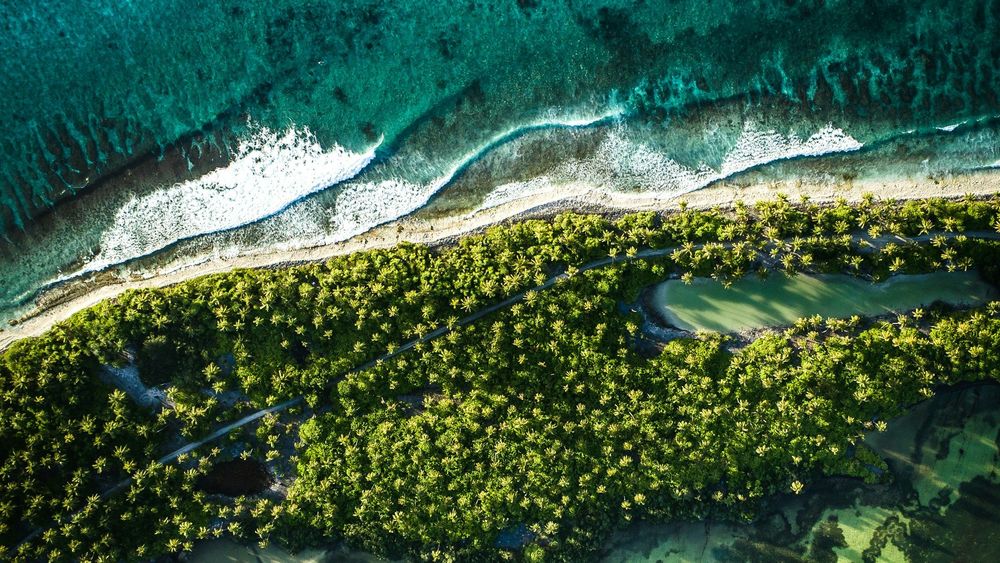
Cover photograph: Destination overview — Aerial view of a palm-lined coastline in Addu City, Maldives. Photo by Shifaaz shamoon on Unsplash
Frequently Asked Questions
Is Maafushi a private resort island?
No. It is an inhabited island with hotels, guesthouses, cafés and excursion businesses. The designated tourist beach and individual hotel facilities do not turn all public streets and shorelines into resort areas.
How many nights should I spend on Maafushi?
Our editorial starting point is 3–4 nights for arrival, a boat excursion and an island day. This is a planning suggestion, not a minimum stay requirement; flight and boat connections may change the useful length.
Can I use swimwear anywhere on the island?
Keep swimwear to the designated tourist beach and follow your host's guidance on its current boundary. Cover up when walking through inhabited streets and respect the rules at other public beaches.
Does a half-day excursion leave the whole afternoon free?
Not necessarily. Arena's published Half Day Adventure runs 10:00–16:00. Compare the actual departure and return times, inclusions and weather terms rather than relying on the package name.

Keep Exploring

Teotihuacan from Mexico City: Plan Your Visit
Plan a day among Teotihuacan's plazas, pyramids and museums, with a route that works without a summit climb and a clear separation between ground visits and balloon packages.
Malé Stopover: Plan a Short City Visit
Decide whether to leave the airport or stay overnight, then build a manageable Malé walk around the historic centre and your onward connection.
Maldives Transfers: How to Reach Your Island
Choose a Maldives transfer that fits your flights, luggage and island, with practical checks for daylight connections, waiting time and the full return cost.