
Build a Los Angeles shortlist around geography, with specific cultural and coastal experiences, free-admission caveats and current museum closures.
The most useful way to choose things to do in Los Angeles is to decide which part of the city deserves your time. Contemporary art Downtown, astronomy above Los Feliz, cinema on Miracle Mile and the ocean around Santa Monica offer very different days. A strong shortlist groups related experiences geographically, then uses reservations and opening days to decide their order.
This guide covers the wider visitor area, including Santa Monica, a separate city. It is a menu of experiences, not a fixed daily itinerary. Operational information was checked on 3 October 2026; announced reopenings and construction arrangements need another check close to your visit.
Choose your area first
| Area | Choose it for | Main planning constraint |
|---|---|---|
| Downtown: Bunker Hill | Contemporary art and architecture | Reserve The Broad; check the specific Kusama ticket |
| Little Tokyo | Neighbourhood exploration and Japanese American context | JANM Pavilion is currently closed |
| Griffith Park and Los Feliz | Astronomy, city views and outdoor time | Sunset crowds; planetarium and parking cost extra |
| Miracle Mile | Film culture and nearby outdoor fossil sites | Academy Museum closes Tuesdays; Tar Pits museum is closed |
| Getty Center | Art, gardens and architecture in one setting | Free timed reservation required; parking is separate |
| Santa Monica and Venice | Pier, coastal walking and contrasting streetscapes | Rides, rentals and parking are separate expenses |
Choose Downtown if art and urban culture are your priority; choose the coast if you want a day with room to stop outdoors. Griffith is a strong option for views, while the Getty works when you want a substantial museum visit with outdoor breaks. The areas below are alternatives you can combine selectively, rather than a checklist to complete.
Downtown: give Bunker Hill an art-focused visit
The Broad is a useful anchor because its contemporary art collection gives the outing a clear purpose. Reserve free general admission in advance when possible; walk-up entry is offered, but some exhibitions and events cost extra. The museum closes Mondays, so consult The Broad's visitor page before assigning it a day.
Do not treat a general museum ticket as a reservation for every installation. To enter Yayoi Kusama's enclosed Infinity Mirrored Room—The Souls of Millions of Light Years Away, select the specific combined room-and-general-admission ticket. The official room instructions require advance reservations even though the experience is free. If it is unavailable, decide whether the wider collection still interests you before rearranging the rest of your trip around it.
On Bunker Hill, make architecture part of the visit: compare the museum's exterior with the sculptural metal forms of nearby Walt Disney Concert Hall. Looking at buildings is a different activity from attending a performance or joining a tour; those require their own availability checks. This pairing suits someone interested in how cultural buildings shape a district, without adding another museum entry.
Leave space to spend longer with artworks that catch your attention. A gallery visit followed by an outdoor architectural walk is more coherent than treating the museum as a photo stop before crossing the city. If your group has mixed interests, agree in advance whether this is a detailed collection visit or a shorter introduction, then choose the next neighbourhood accordingly.
Little Tokyo: explore the neighbourhood, check the museum
Little Tokyo adds a different layer to a Downtown visit. Focus your walk on the streets around Japanese Village Plaza and the museum district, using shops and public spaces as places to pause rather than trying to tick off every business. It is an opportunity to encounter a living neighbourhood, not simply a themed food stop.
There is an important current limitation: the Japanese American National Museum Pavilion is closed for renovation. Its renovation information announces reopening on 23 January 2027. Until that reopening is confirmed, do not plan a standard gallery visit; check separately for programmes operating during the closure.
The museum's visitor information places Little Tokyo/Arts District station directly opposite, served by Metro A and E lines. This gives the neighbourhood a practical transport anchor. A station named for both areas does not make every Arts District destination a short walk: identify the actual place you want to visit before extending your route.
Pair Little Tokyo with Bunker Hill when you want a broader Downtown cultural outing, or give it its own unhurried visit. Browse before choosing where to eat, check individual opening hours and allow for queues without assuming a particular restaurant will be available. No meal booking is necessary just to explore the streets, and no restaurant ranking is needed to make this neighbourhood worthwhile.
Griffith Park: decide between views and a full astronomy visit
Griffith Observatory works both as a viewpoint and as a science visit, but the two need different planning. The observatory's visit page lists free admission and a Monday building closure. Sunset is a busy period. If your main interest is the exhibits, leave enough daylight and opening time for them rather than arriving only for the changing sky.
The public telescopes, grounds and building are free to access; nearby parking and the Samuel Oschin Planetarium are separate costs. The getting-here guide describes the DASH Observatory/Los Feliz bus from Vermont/Sunset station. It also warns that congestion can trigger road closures. Check the route for your actual travel day instead of counting on a parking space at the top.
For the general public, planetarium tickets are sold onsite for that day's shows; qualifying foundation members have a separate advance-reservation benefit. If a show matters to you, investigate ticket sales when you arrive and build the rest of the visit around the available performance. Entry to the grounds does not secure a planetarium seat.
Choose a terrace-led visit when views are the priority. Choose exhibits plus a show when you want a more substantial indoor experience. Adding a hike changes the outing again: inspect the route, conditions and return arrangements separately. A glimpse of the Hollywood Sign from the observatory is not the same plan as walking to a sign viewpoint elsewhere in the park.
Miracle Mile: cinema, with a revised Tar Pits plan
The Academy Museum gives film enthusiasts a reason to choose Miracle Mile. It suits visitors who want to explore filmmaking through museum displays rather than searching for celebrities. Check the exhibition programme against your interests before booking, because a film-history visit and a particular temporary exhibition may appeal to different people.
The Academy Museum visitor page encourages advance reservations, lists Wednesday–Monday opening and free general admission for visitors aged 17 and under. Adult general admission is US$25 at the check date. Screenings are ticketed separately, and the page also lists exceptional closures, including 17 October 2026. Check your precise date, not just the weekly pattern.
Nearby La Brea Tar Pits requires a different plan from older guides. Its official ticket page reports that the museum building is temporarily closed for renovation, while areas of Hancock Park and outdoor excavation sites remain accessible. Premium guided experiences have separate booking arrangements. Do not promise children a visit to the indoor fossil galleries on the strength of an old attraction list.
Use the outdoor area as a possible complement to the Academy Museum, subject to the access available that day. If fossils are the main reason for travelling, verify the current outdoor programme first. If cinema is the main reason, secure that museum visit and keep the park flexible. This distinction prevents an adjacent attraction from becoming an unsupported second main event.
Getty Center: keep art and gardens together
There is a significant forward-planning caveat. Getty's modernization notice announces a full Center closure from 15 March 2027, with reopening planned for spring 2028. Some galleries are already closed. For travel during that shutdown, select another museum instead of building a day around Getty's usual admission offer.
Choose the Getty Center when the setting matters as much as an individual exhibition. Galleries, architecture and gardens give a group several ways to enjoy the same destination. You can alternate concentrated looking indoors with outdoor breaks instead of leaving the site each time you want a change of pace.
The Getty Center visit page confirms free admission with a required timed-entry reservation and a Monday closure. This is the Getty Center, not the Getty Villa Museum: check the destination on your booking and map. Similar names do not make them interchangeable stops.
Free entry does not remove transport costs. The Getty parking page lists standard parking at US$25 per car or motorcycle, with time-dependent reductions and other exceptions. It also flags possible road works around the approach. Compare the actual arrival options for your date; a cheaper parking window is only useful if it leaves enough museum time.
For planning purposes, allow roughly half a day if you want both galleries and gardens; this is an editorial allowance, not an official visit duration. A shorter visit should have a clear priority. Resist making the Getty an incidental stop between an ambitious Downtown plan and a coastal evening, because its arrival arrangements deserve their own margin.
Santa Monica and Venice: choose your coastal balance
Santa Monica Pier works when your group wants a recognisable oceanfront focal point. You can enjoy the atmosphere without purchasing a ride package. Pacific Park's FAQ distinguishes free park admission from paid rides and games. Check the operating calendar if a particular ride is essential; a pier visit and a fully operating amusement park are not identical promises.
The pier's own FAQ says it remains open during bridge construction, with detours and changing access arrangements. Businesses have their own hours. Look at the access information before setting a meeting point or choosing a parking lot, especially if your group needs a step-free route.
Venice offers another coastal emphasis: the boardwalk, skatepark, canals and Abbot Kinney Boulevard create distinct options within the same neighbourhood. The tourism board's beach-cities guide describes these areas. Choose the boardwalk for activity, the canals for a quieter walking setting, or Abbot Kinney for browsing shops. Respect residents' privacy beside the canal paths.
Decide how much coast you actually want to cover. Santa Monica and Venice can form a shared outing, but adding every promenade, shop and canal makes it a walking project rather than a relaxed beach break. Select the pier plus one Venice focus, or stay in Santa Monica if the group mainly wants the beach. Bike rental is an optional expense, not a requirement for enjoying the waterfront.
Turn the shortlist into workable bookings
Start with the experience you would be disappointed to miss. Reserve it where required, check its weekly closure, then choose a nearby flexible activity. The Broad, Getty and Academy Museum have different booking rules; Griffith's public planetarium sales follow another system again.
Use Metro's rider tools to check routes, live arrivals and alerts between your actual starting point and destination. Compare the complete journey, including station access and the final uphill or coastal leg. This guide deliberately gives no fixed cross-city traffic times: the same pair of attractions can work very differently depending on departure time and service conditions.
Keep separate budget lines for admission, special experiences, transport and parking. A free museum or public walk can anchor a low-cost day, but several paid parking stops can change the total. Geography is therefore both a time decision and a budget decision.
Plan the next part of your trip
Use these related guides to compare where to stay, what to visit or another destination in the same region. Each guide covers a separate decision; this is not a combined itinerary.
More guides for planning your visit
- Free Things to Do in Los Angeles: What Costs Extra
- Los Angeles in 3 Days: Coast, Culture and City Views
Before choosing a hotel, use our Los Angeles neighbourhood accommodation guide to compare your repeated journeys, coastal time and evening plans.
For choosing travel dates, compare coastal conditions, inland heat and sightseeing priorities in our guide to when to visit Los Angeles.
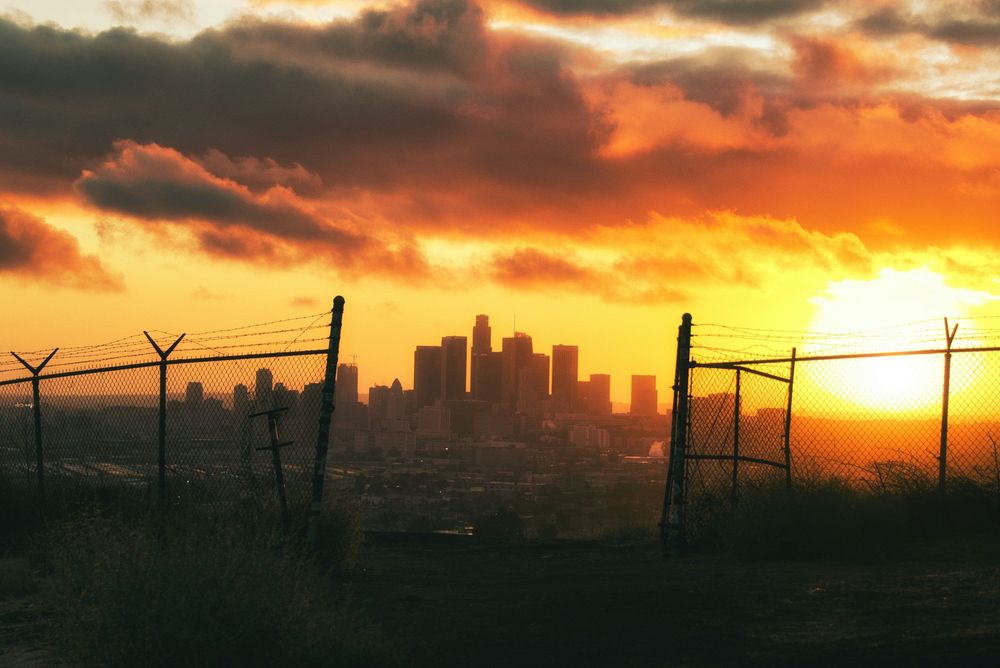
Cover photograph: Los Angeles skyline at sunset, seen through a gap in a fence. Photo by Venti Views on Unsplash. (Unsplash).
Frequently Asked Questions
Which area should I choose for a first Los Angeles visit?
Choose Downtown for contemporary art and neighbourhood culture, Griffith for astronomy and views, or Santa Monica and Venice for the coast. Your main interest should determine the area before you add secondary stops.
Which Los Angeles attractions have free admission?
The Broad's general admission, Getty Center admission and Griffith Observatory's building and grounds are free. Booking requirements differ, while parking, some exhibitions and planetarium shows can cost extra.
Do I need to book Los Angeles museums in advance?
Getty Center requires a timed reservation. The Broad recommends advance general-admission tickets and requires a specific reservation for its enclosed Kusama room. The Academy Museum encourages advance reservations.
Can I currently visit JANM and the La Brea Tar Pits museum?
At the check date both museum buildings are closed for renovation. JANM announces reopening on 23 January 2027; outdoor areas at the Tar Pits remain partly accessible. Recheck before travelling.

Keep Exploring
Things to Do in Kyoto: Plan Beyond a Checklist
Build a Kyoto visit around contrasting experiences, with practical comparisons of temples, shrines, gardens, the market and neighbourhood walks.
Things to Do in Tokyo: Pick Your Highlights
Build a Tokyo shortlist that suits you. Compare Asakusa, Meiji Jingu, Ueno, Shibuya, Shinjuku Gyoen, Omotesando, Tsukiji and teamLab Borderless.
Things to Do in Marrakech: A First-Visit Guide
Plan a first visit around the Marrakech experiences you actually want: decorative palaces, garden walks, photography, souks and Moroccan cooking.