
Plan LACMA around the David Geffen Galleries, exhibitions or outdoor sculpture, with current tickets, transport and accessibility advice.
LACMA is now a choice between several kinds of art visit: exploring the collection in the David Geffen Galleries, concentrating on a temporary exhibition, or spending a shorter time with outdoor sculpture. Decide which of those matters before choosing your ticket and arrival time. A photograph among the lamps of Urban Light and an afternoon inside the museum are different outings.
The campus changed substantially in 2026. The new galleries are operating, and Wilshire/Fairfax station provides a rail arrival that older directions omit. This guide helps you plan the museum itself; our Los Angeles guide by area puts it into the wider city without requiring another cross-town museum visit afterwards.
Choose the visit you actually want
| Priority | Starting point | Planning decision |
|---|---|---|
| Collection and new architecture | David Geffen Galleries | Give the collection your main block of time |
| A particular subject or artist | Current exhibition listing | Check dates and the named building |
| Outdoor sculpture and photographs | Urban Light and permitted campus paths | Separate outdoor access from gallery admission |
| An accessible museum afternoon | Current accessibility guide and campus map | Confirm arrival, equipment and rest stops |
| A lower admission cost | Official eligibility categories | Check residency, identification and the chosen day |
For a selective indoor visit, allow about 2–3 hours; for the collection plus a substantial temporary exhibition, consider half a day. These are editorial estimates, excluding travel, queues and a meal. Someone interested in just one exhibition may prefer a shorter, deeper visit to several hurried buildings.
Start with the current campus
LACMA's opening account confirms that the David Geffen Galleries welcomed their first visitors in April 2026 and joined general admission from 4 May. They house the museum's permanent collection. Do not plan around the older assumption that the collection building is still awaiting its opening.
The practical consequence is to use the current campus map, rather than directions to a gallery remembered from an earlier trip. Identify David Geffen Galleries, BCAM and Resnick Pavilion before entering. Exhibition listings name the building and sometimes the level; save that information with the exhibition title so you do not spend your first half-hour looking in the wrong place.
A new collection building does not mean every artwork in the online catalogue is on view. Search for a particular work if it is your reason for coming, then confirm its display status with the museum. Likewise, a collection installation and a temporary exhibition can change on different schedules. An old photograph is useful for recognising a place, not proof of today's hanging.
Check hours, including exceptions
The visitor page lists ordinary opening on Monday, Tuesday and Thursday from 11:00–18:00, Friday 11:00–20:00, and Saturday–Sunday 10:00–19:00. Wednesday is closed; the museum also closes on Thanksgiving and Christmas. Information for this guide was checked on 13 November 2026; read the site's alert banner and calendar for your actual date.
Private events can shorten an otherwise normal opening day. The distinction matters if you choose a late arrival because a weekly timetable looks generous. Treat the time on your reservation and any current closure notice as part of the plan, and leave enough room for security, orientation and walking between buildings.
A Friday evening can make a later museum visit possible, but it does not guarantee a concert. Music, talks and other programmes have their own seasonal calendars and conditions. Check an event listing independently instead of assuming the museum's late opening includes entertainment every week.
Understand the admission categories
At the check date, the official ticket page lists adult general admission at US$30 for visitors from outside Los Angeles County and US$25 for county residents with valid identification. Nonresident visitors aged 3–17 pay US$15; children aged 2 and under enter free. Different categories apply to seniors, students, visitors with disabilities and eligible members.
County residents receive free general admission on weekdays after 15:00, subject to the museum's opening days. This is not a free-afternoon offer for every tourist. The second Tuesday of each month is listed as free for all visitors. Confirm the current conditions and secure the appropriate ticket rather than assuming free admission removes capacity limits.
Advance timed tickets are strongly recommended. Walk-up tickets are offered, but slots can sell out. Check the exact product and any event-specific conditions before payment; a gallery admission ticket should not be treated as a reservation for every tour or programme. If you qualify for a concession, bring the required evidence and use the museum's own instructions for that category.
Give the collection a way in
A large collection is easier to enjoy with a small question. You might look at how artists represent a body, how a vessel combines practical use with decoration, or how different materials handle light. Choose something broad enough to connect several works, but concrete enough to notice without specialist knowledge.
Begin by looking, then read the label. Compare your first impression with the material, date and context supplied. A shared colour or shape can make an interesting visual comparison, but it does not establish a historical connection between cultures. Let the museum's interpretation supply that context instead of inventing a story from resemblance alone.
Make room for one unexpected discovery. If you arrive with a list of famous names, use it as a starting point rather than a route that excludes everything else. A less familiar object can justify a longer pause, especially when a label explains its purpose or the circumstances in which it was made.
Before moving to another building, decide whether your attention is still fresh. Seeing fewer works carefully can produce a more satisfying visit than completing every room while remembering only the last one. A short outdoor break is useful here, provided you confirm any re-entry arrangements before leaving controlled gallery areas.
Choose one temporary exhibition deliberately
The current exhibition programme distinguishes current, ongoing, upcoming and past shows. Check both dates and location. A page remaining online after an exhibition closes does not mean the work can still be visited.
The programme checked for this guide includes exhibitions about the Brockman Gallery, domestic design and Japanese textile experimentation. These illustrate how different a LACMA afternoon can be; they are not a permanent checklist. Read the current description before deciding whether your interest is local art history, design, photography or another subject.
For an exhibition with extensive documents, film or detailed objects, allow more time than the number of rooms might suggest. Consider whether children or companions want the same depth. Agree on one shared exhibition, then leave optional time for individual interests with a precise meeting place and time.
BCAM means Broad Contemporary Art Museum at LACMA. It should not be confused with The Broad in Downtown Los Angeles. They are different destinations. Our The Broad visit guide helps compare that separate contemporary-art outing if you are choosing between museums, rather than combining them automatically.
See Urban Light as an artwork
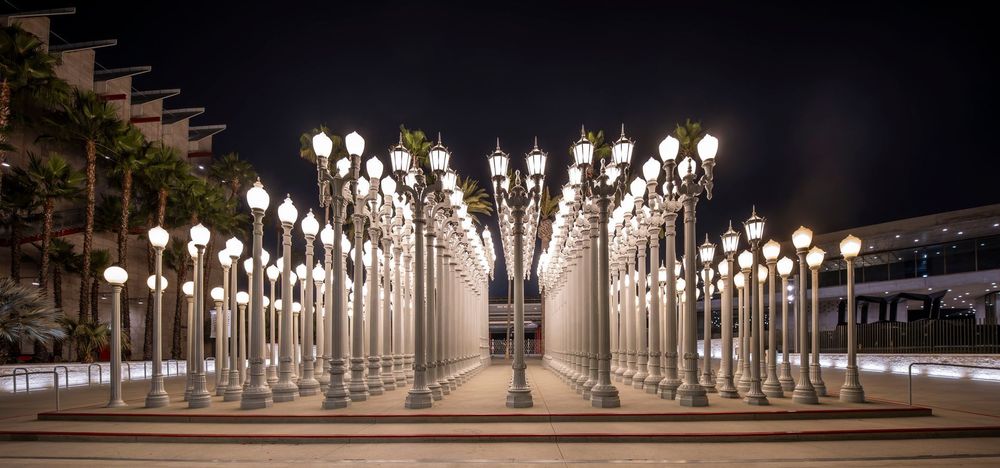
Chris Burden's Urban Light collection record identifies the installation as 202 restored cast-iron streetlamps. Look at the differences in ornament and height, and how your position changes the apparent alignment. The lamps offer more to notice than the familiar photograph from the front.
Keep routes through the installation open and be considerate when taking portraits. A public sculpture is shared space, so wait for a moment rather than asking other visitors to disappear from your image. Follow current signage for equipment and any temporarily restricted areas.
Do not equate access to Urban Light with access to the galleries or all campus facilities. Nor should an outdoor photograph imply the whole museum is open at that hour. If illumination is essential, consult current museum guidance rather than relying on a remembered switch-on time; historical collection notes and practical access information serve different purposes.
Arrive using today's transport information
Metro's D Line extension page confirms that its first section opened on 8 May 2026, including Wilshire/Fairfax. LACMA's current visitor page also directs passengers to that station. Older directions describing a necessary bus transfer from Wilshire/Western predate this change.
Use the operator's journey planner for your starting point, current service and station access. A nearby station does not guarantee a simple journey from every hotel, particularly if you need elevators or a late return. Compare the complete route, including the final street crossing, rather than only the train segment.
For drivers, the museum identifies Pritzker Parking Garage off Sixth Street and currently lists US$24 parking. Spaces are subject to availability. Admission and parking are separate expenses; a free museum ticket does not make the garage free. Check the current approach and height restrictions if your vehicle needs special consideration.
Plan comfort and accessibility before arrival
LACMA's accessibility information describes wheelchair-accessible galleries and facilities, seating, and complimentary wheelchairs, rollators and gallery stools. Equipment reservations may be requested through its accessibility team. Ask about the exact route and equipment you need rather than assuming everything will be available without arrangement.
Use the current accessibility page for drop-off guidance. Older transport pages can retain construction-era instructions, so confirm with the museum when the exact curbside approach matters. Identify toilets and a rest point before starting a long gallery visit, especially with children or anyone who finds prolonged standing difficult.
Food, shopping and another nearby museum remain optional. Choose a meal break that fits the galleries you want to see and check dining opening separately. LACMA earns a substantial part of a day when its art interests you; proximity to other attractions is a reason to compare choices, not an obligation to add them all.
Cover photograph: Illuminated streetlamps of Urban Light at LACMA at night — Stephen Leonardi, Pexels License. Archive photograph from September 2025.
Frequently Asked Questions
Are the David Geffen Galleries open?
Yes. LACMA's official account confirms their 2026 opening and inclusion in general admission from 4 May. Check current hours and any date-specific restrictions before visiting.
Is LACMA free after 15:00?
That weekday offer is for Los Angeles County residents with valid identification, on days the museum opens. The ticket page separately lists free general admission for everyone on the second Tuesday of each month.
Is BCAM the same museum as The Broad?
No. BCAM is a building at LACMA. The Broad is a separate museum in Downtown Los Angeles, requiring its own visit plan.
How long should I allow?
About 2–3 hours is an editorial allowance for a selective visit; consider half a day for the collection and a substantial exhibition. Add travel, queues and a meal separately.

Keep Exploring
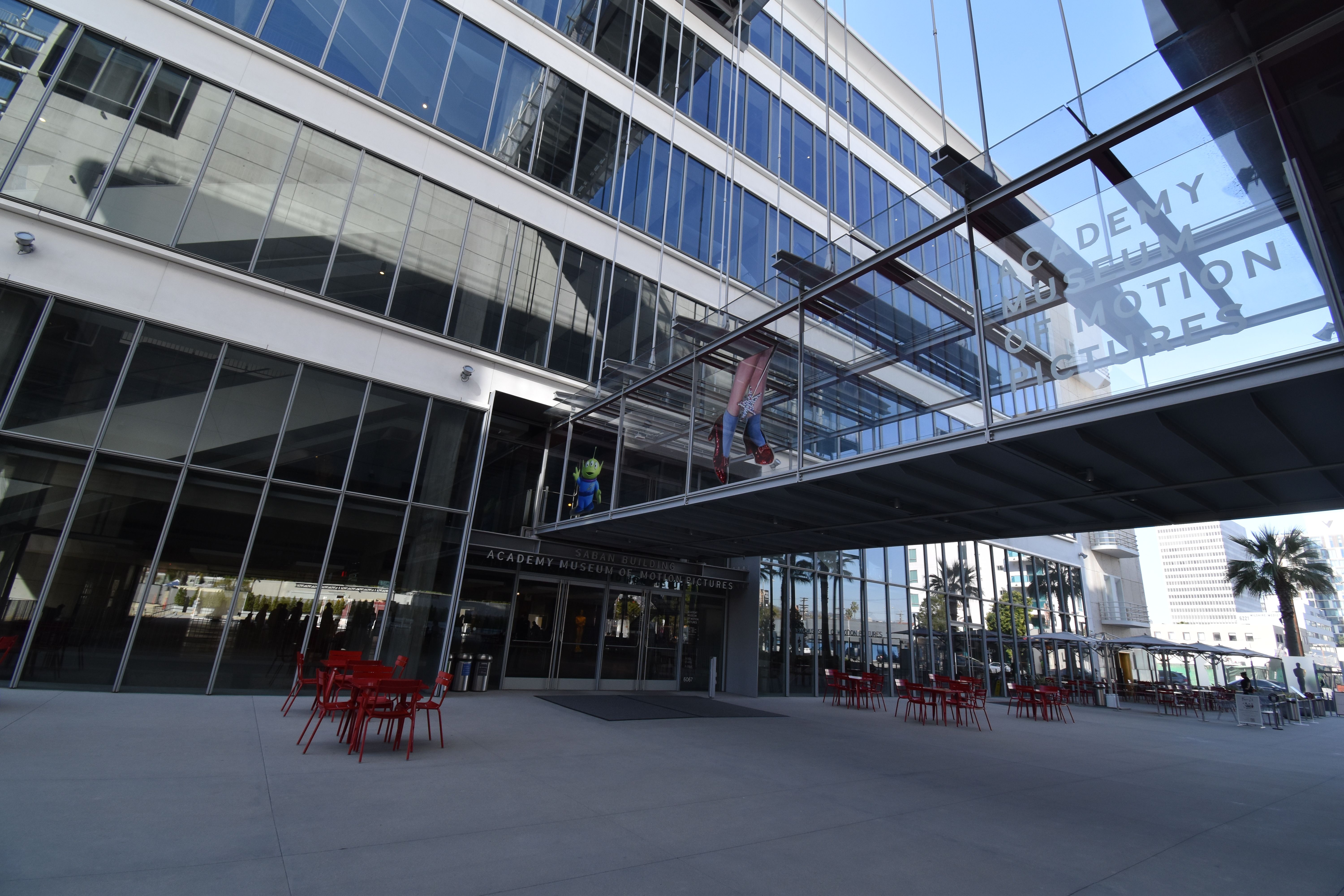
Academy Museum Los Angeles: Plan Your Visit
Plan an Academy Museum visit with gallery tickets, separate screenings and Oscars Experience, current closures and a realistic afternoon route.
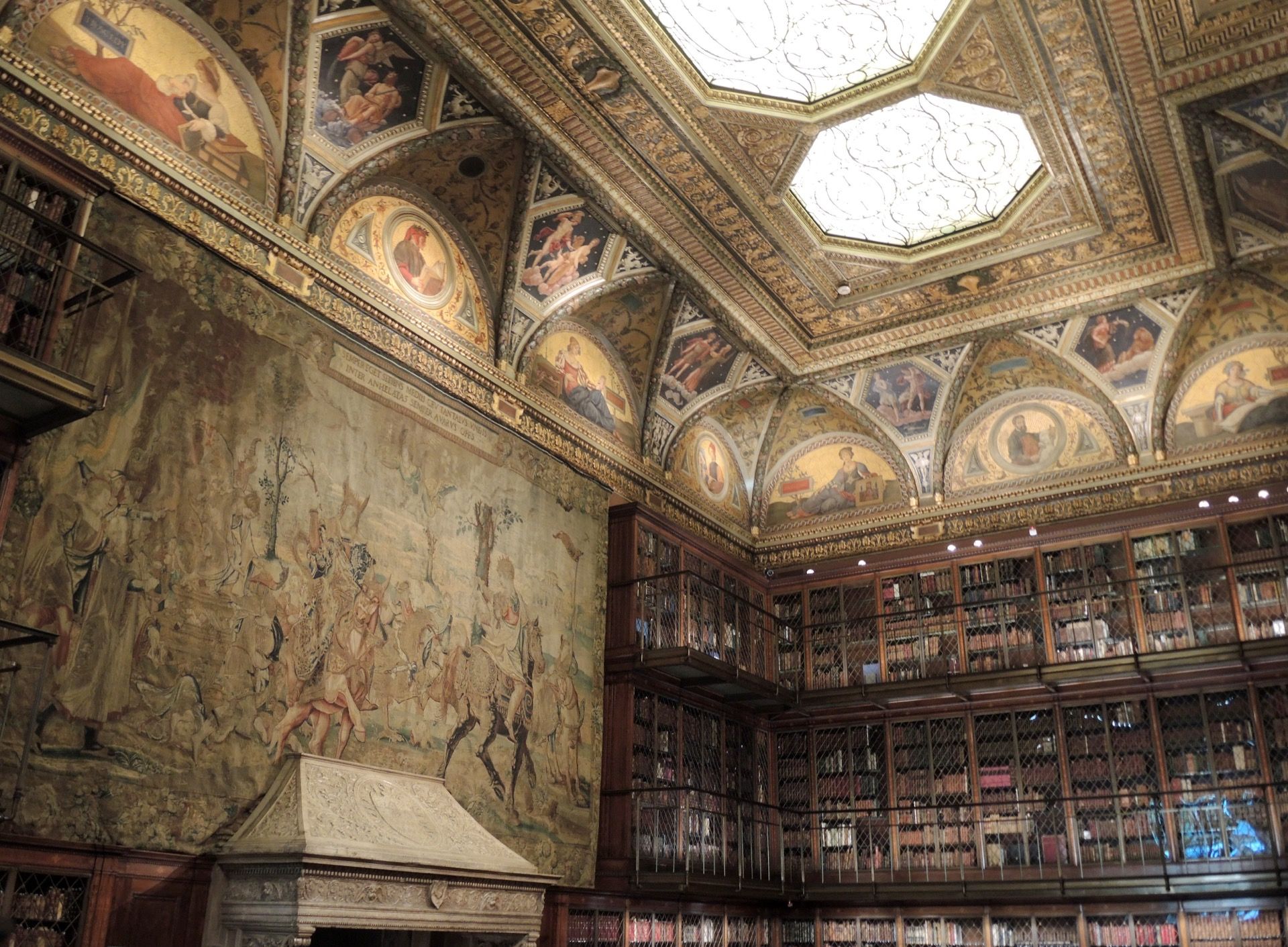
Morgan Library New York: Choose Your Visit
Visit the Morgan Library in New York: historic rooms, exhibitions, free Friday reservations, library-only hours, tickets and seasonal garden access.
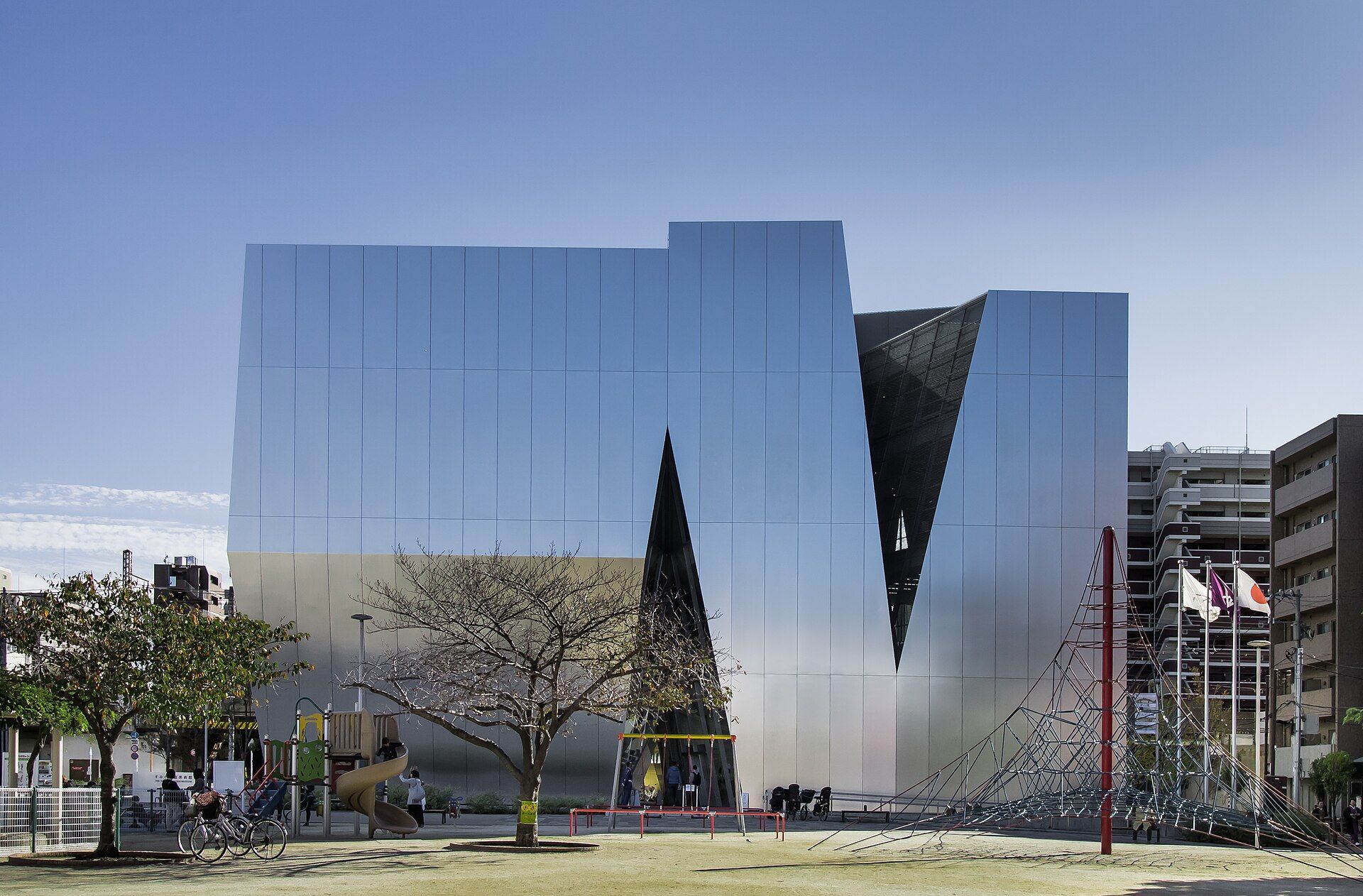
Sumida Hokusai Museum: Choose Your Tokyo Visit
Choose the Sumida Hokusai Museum ticket for your interests: replicas, changing original works, Ryogoku access and practical visit planning.