
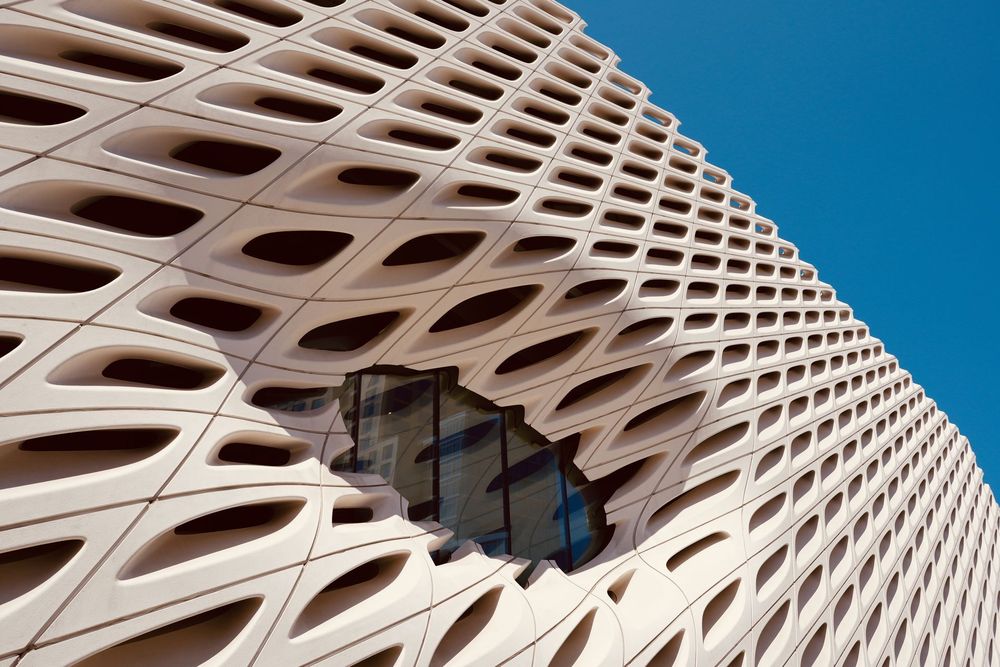
Plan The Broad with free tickets, Kusama reservations, collection choices, construction access and practical advice for a Downtown art visit.
Choose The Broad for a focused encounter with contemporary art in Downtown Los Angeles, and treat its enclosed Kusama installation as a separate booking decision. A free museum ticket opens a worthwhile collection visit, but it does not automatically reserve the experience that appears in so many photographs. Decide which matters most before choosing a time.
Allow roughly two hours for a selective gallery visit, or three if you like reading labels, using audio commentary and returning to individual works. These are editorial planning estimates, not official completion times. The museum works particularly well as the anchor of a Bunker Hill outing; our Los Angeles guide by area helps place it within the wider trip.
The decisions to make first
| Question | Practical answer |
|---|---|
| Where? | 221 S. Grand Avenue, Downtown Los Angeles |
| General admission | Free; advance timed tickets recommended |
| Enclosed Kusama room | Separate free combined room-and-admission reservation required |
| Regular opening | Tuesday, Wednesday, Friday 11:00–17:00; Thursday 11:00–20:00; Saturday–Sunday 10:00–18:00 |
| Closures | Monday, Thanksgiving and Christmas Day |
| Suggested visit | Around two hours for selected galleries; longer for detailed looking |
| Closest Metro station | Grand Avenue Arts/Bunker Hill, served by A and E lines |
Operational information was checked on 30 October 2026. Use the official visitor page for changes, tickets and the current construction approach. Some exhibitions and events cost extra, and free admission does not make parking or transport free.
Choose a ticket that matches your reason for coming
For a first visit without a specific installation in mind, general admission is the straightforward choice. Reserve a time that leaves room for travelling from your accommodation and finding the entrance. The Broad also offers walk-up access and releases extra tickets online, but neither is a reason to promise your group immediate entry on a busy day.
Read the title of the selected product before confirming. General admission, an installation reservation, a special exhibition and an event may have different inclusions. A free collection visit can stand on its own; paying for something additional should follow an actual interest in its subject, rather than the assumption that the free ticket is incomplete.
The museum FAQ explains monthly ticket releases and last-minute options. Use its current release calendar instead of assuming that tickets for any future month are already available. If your preferred date is unavailable, first compare another time on the same Downtown day. Moving the whole Los Angeles itinerary for a short gallery visit can create more travel than the change is worth.
For a group, agree on the aim before one person books. Someone looking for installation photography may have a different expectation from someone interested in painting or architecture. If the room cannot be reserved, a collection ticket is a sensible alternative only if everyone understands the difference. Do not buy an unrelated product expecting it to solve a sold-out installation slot.
Kusama: a brief experience with its own rules
The museum's Infinity Mirror Room instructions identify the relevant product as “Infinity Mirrored Room + General Admission.” It includes Infinity Mirrored Room—The Souls of Millions of Light Years Away and then access to the rest of the museum. Special exhibitions remain separate.
The room visit lasts up to one minute, with no same-day repeat entry. All group members must be present, and the museum only guarantees admission within ten minutes of the ticketed time. This is a short, timed artwork encounter, not an hour-long immersive exhibition. Arrange transport around being ready at the entrance, not around reaching the neighbourhood at the appointed minute.
The installation contains flashing LED lights in a dark mirrored space, with a door that closes behind visitors. Anyone uncomfortable with those conditions can choose the galleries instead. The dedicated room guidance requires advance tickets for visitors aged two and above; check the exact child arrangements for your party rather than transferring the general-admission rule to this installation.
If you reserve it, let that appointment determine the beginning of the visit. Afterwards, slow down in the galleries rather than treating the museum as finished. If you do not reserve it, avoid building a hopeful queue strategy from old social-media advice: current booking instructions are the useful authority.
Make the collection the main event
Before travelling, browse the museum's current collection display, using its “On View” status rather than assuming every work in the broader collection will be installed. At the check date, the list included works by El Anatsui, Glenn Ligon, Andy Warhol and Cindy Sherman. These are starting points for exploration, not a guaranteed checklist for a later visit.
A manageable approach is to choose a visual question: how artists use familiar images, how scale changes an object, or how text changes your reading of a picture. Spend time with a few works that answer it differently. This gives the visit a thread without requiring an art-history survey or a photograph of every room.
Look once before reading the label. Notice material, size and what attracts your attention, then use the title and commentary to test your first impression. With a companion, compare what each person noticed rather than trying to settle the “correct” reaction immediately. Contemporary art often rewards that extra conversation more than another rapid circuit of the floor.
The free mobile guide offers maps and audio material through Bloomberg Connects. Bring headphones if you want commentary, and choose a handful of entries instead of listening continuously while moving. A public tour can provide another structure, but consult the day's schedule before relying on one. Independent viewing remains useful when the available tour does not fit your timing or language needs.
Read the building as part of the visit
The museum's architecture account explains the “veil and vault” design by Diller Scofidio + Renfro in collaboration with Gensler. The perforated exterior filters daylight, while the central storage component shapes the public spaces around it. Collection storage is part of the architectural idea, rather than an invisible afterthought.
From outside, look at the difference between the textured outer surface and the recessed entrance. Inside, consider how movement through the building changes your sense of height, enclosure and light. These observations work even if architecture is not your main interest; they give the exterior photograph a connection to the experience within.
The neighbouring Walt Disney Concert Hall offers a useful visual comparison on a Bunker Hill walk. Treat looking at its exterior as an outdoor addition, with tours and performances requiring their own checks. Two contrasting buildings and one substantial museum visit can make a more coherent afternoon than adding another collection because it happens to be nearby.
Arriving during the expansion works
The closest Metro station is Grand Avenue Arts/Bunker Hill. The Broad currently warns that the pedestrian bridge over Hope Street is closed, so follow posted directions to the Grand Avenue entrance. Do not plan the final approach from an old map screenshot. Allow extra flexibility if a detour, gradient or unfamiliar crossing matters to your group.
Drivers should use Grand Avenue to reach the garage entrance on 2nd Street. The construction notice also identifies the Hope Street closure between General Thaddeus Kosciuszko Way and 2nd Street. Check current parking rates and validation conditions before deciding whether driving suits the day. Avoid making a second parking payment elsewhere merely to save a short, manageable walk.
Construction can create intermittent noise. This does not mean the whole museum is closed, but it may matter for a visitor seeking a quiet sensory environment. The practical response is to ask the museum about accommodations before arrival and allow flexibility in the order of the visit.
For the overall budget, our free Los Angeles activities guide separates admission savings from transport, parking and optional extras. Compare the whole outing, particularly if several members of the group are travelling together.
Bags, children and access needs
The museum asks visitors to pack lightly because bag-check capacity is limited. Backpacks must be worn on the front. Standard single-width strollers are allowed, but not on escalators; use the appropriate alternative route. Plan food breaks outside the galleries, while checking the museum's specific baby-bottle exception if relevant.
Personal photography is generally permitted unless a sign says otherwise. Flash, tripods and selfie sticks are prohibited. Take a picture when it helps remember a work, then step aside so that another visitor can see it. A phone screen should not become the only way you encounter the collection.
The accessibility page confirms wheelchair access to galleries and facilities, with a limited number of loan wheelchairs available without charge on a first-come basis. It also describes sensory kits, a quiet room and a social narrative. Ask about availability and the route you need; an accessible building does not automatically make every nearby street approach equally convenient.
With children, choose a few works with contrasting colours, materials or scales and give each person a chance to choose what comes next. The family audio material can help, but a shorter attentive visit is better than continuing after everyone has stopped looking. Leave an outdoor pause or meal after the museum instead of scheduling another timed indoor attraction immediately.
Cover photograph: Perforated facade and window of The Broad in Los Angeles — Ran Hua, Pexels License.
Frequently Asked Questions
Is The Broad free?
General admission is free. Some exhibitions and events cost extra, while transport and parking are separate. Advance timed reservations are recommended for the general visit.
Does general admission include the enclosed Kusama room?
No. Book the specific free “Infinity Mirrored Room + General Admission” product. It includes the room at the beginning of the visit and the general galleries afterwards.
How long should I allow?
Around two hours for selected galleries, or three for slower viewing and audio commentary. These are editorial estimates; the Kusama room itself is limited to up to one minute.
Can I reach The Broad by Metro during construction?
A and E lines serve Grand Avenue Arts/Bunker Hill. The museum currently reports the Hope Street pedestrian bridge closed; follow posted directions to the Grand Avenue entrance and recheck the approach before travelling.

Keep Exploring
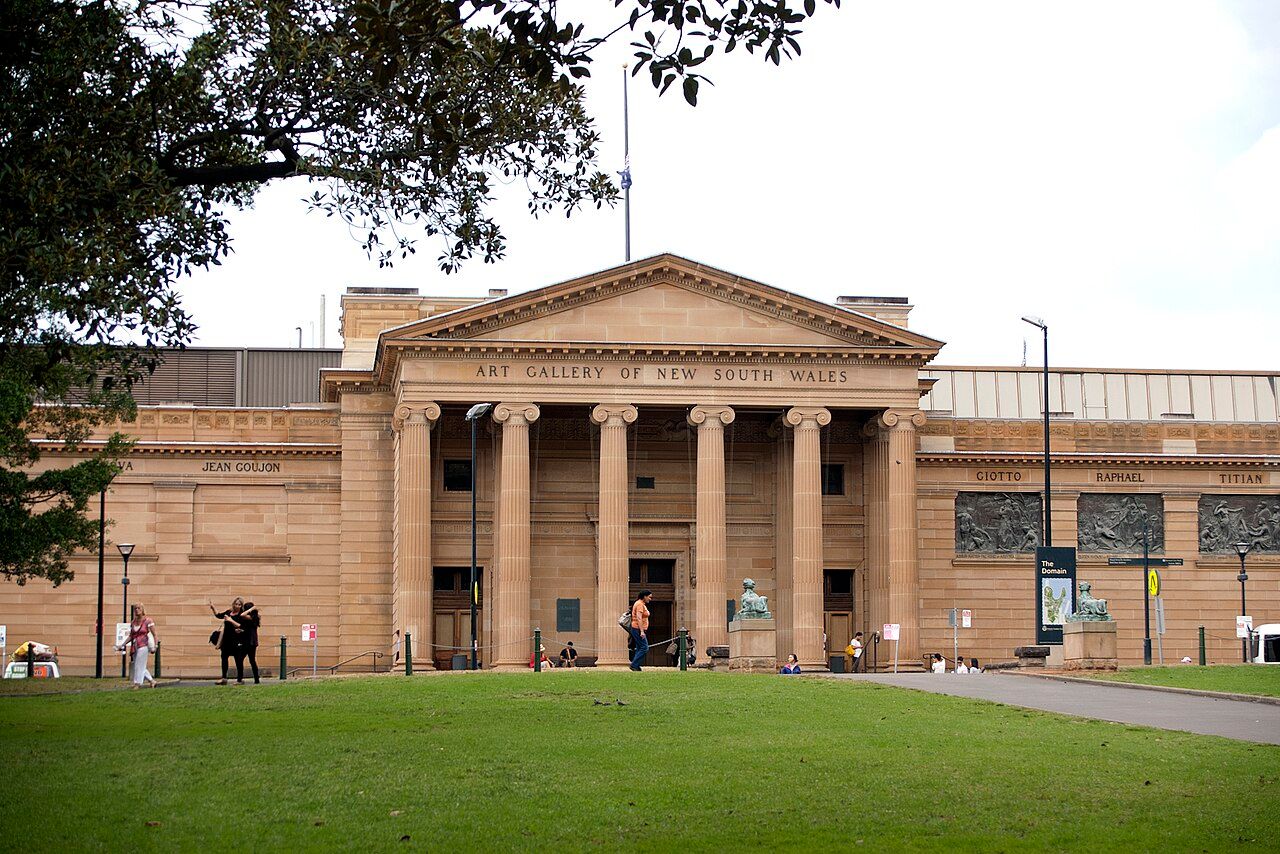
Art Gallery of New South Wales: Plan Your Visit
Choose between Naala Nura, Naala Badu and Yiribana, with free-entry rules, exhibition tickets, current access works and family planning advice.
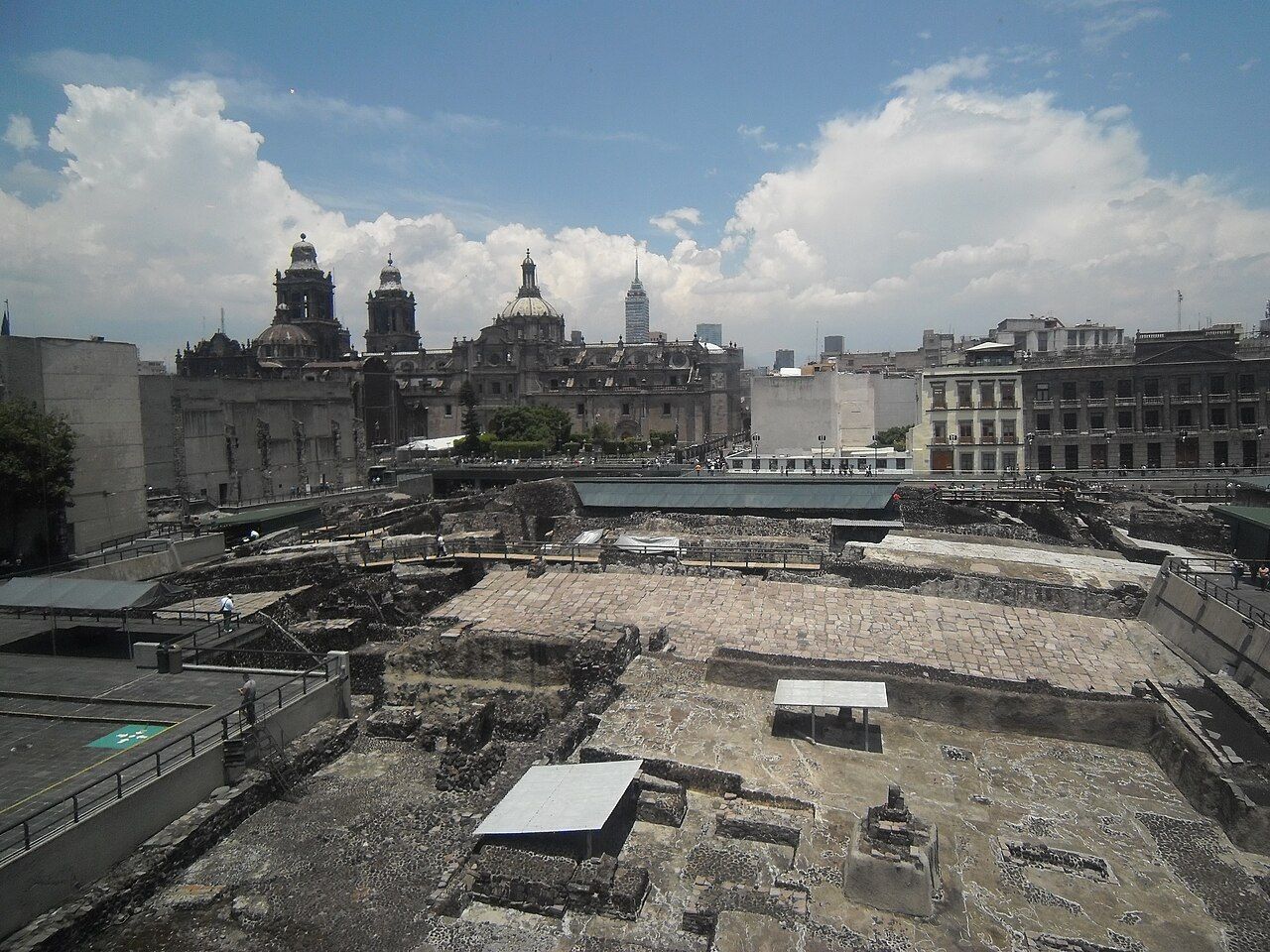
Templo Mayor: Plan Your Mexico City Museum Visit
Plan Templo Mayor with current admission categories, the archaeological remains, museum highlights and clear limits on special access.
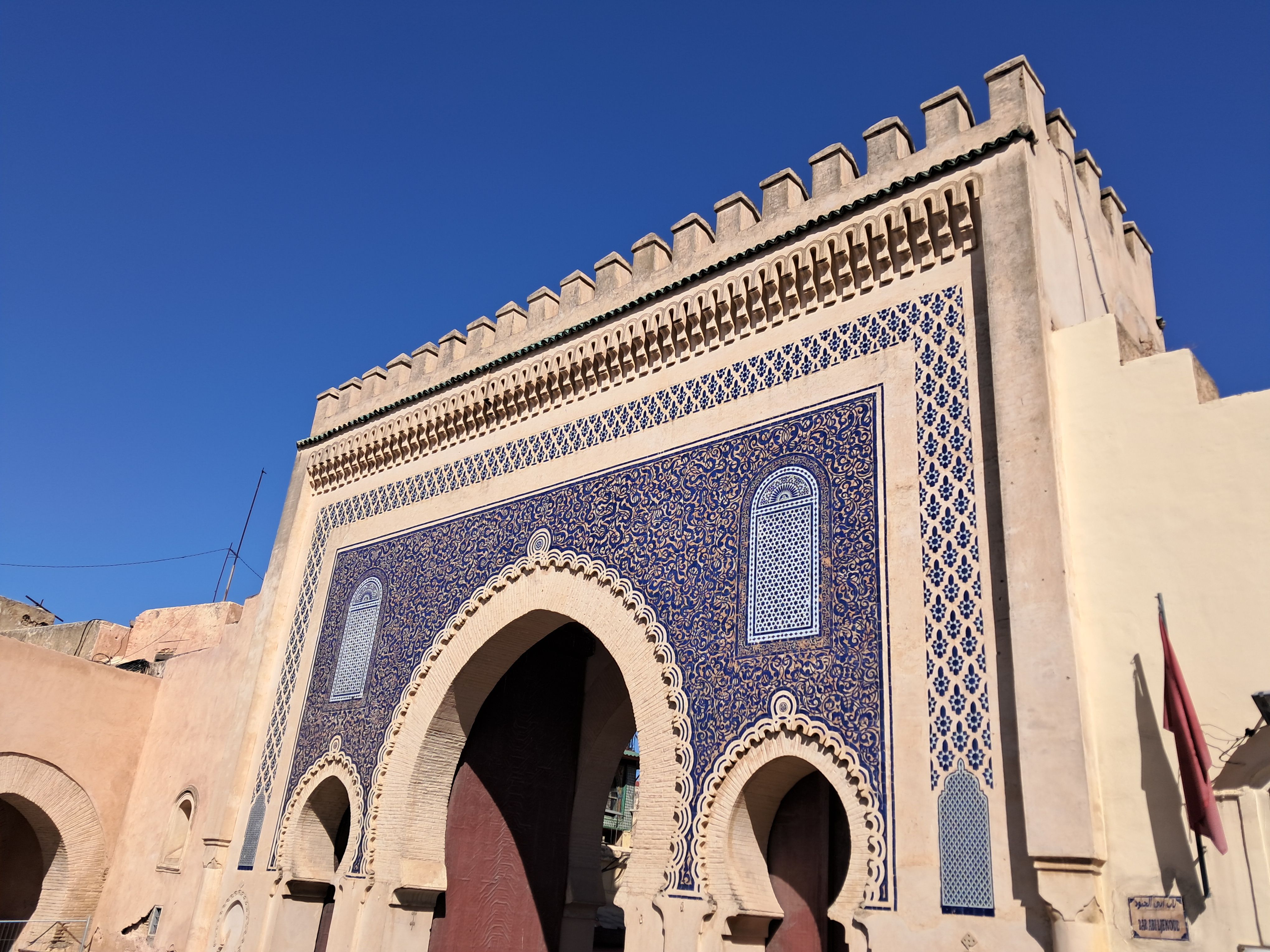
Fes Medina: Plan a First Visit
Plan a first Fes medina walk with Bab Boujloud, Nejjarine, craft streets and an optional tannery view, plus current Al Batha museum details.