
Templo Mayor: Plan Your Mexico City Museum Visit
Plan Templo Mayor with current admission categories, the archaeological remains, museum highlights and clear limits on special access.
Templo Mayor is the Mexico City archaeology visit to choose when you want to connect the modern centre with Mexico-Tenochtitlán. The excavated remains and the site museum belong together: outside, you see where buildings stood; inside, objects and interpretation help explain what happened in those spaces. A glance across the ruins from a public street offers context, but it is not the same visit.
Plan around 2–3 hours for the archaeological zone and a selective museum visit, as an editorial estimate rather than an official duration. Keep another hour free afterwards if archaeology is a major interest, or stop earlier if your concentration fades. The Mexico City attractions guide helps decide whether this focused site or another museum best fits your trip.
Admission and opening: use the current categories
| Planning question | Current information or recommendation |
|---|---|
| Regular hours | Tuesday–Sunday, 09:00–17:00; closed Monday |
| Standard foreign visitor admission | 210 MXN |
| Mexican nationals and foreign residents in Mexico | 105 MXN; bring evidence of eligibility |
| Museum inclusion | Included with admission to the archaeological zone |
| Sunday concession | For Mexican nationals and foreign residents in Mexico; not universal free entry |
| Address | Seminario 8, Centro Histórico |
| Visit allowance | Approximately 2–3 hours, plus travel and queues |
| Main decision | Combine the remains with selected museum galleries rather than rushing both |
The current INAH site listing gives the 210/105 MXN categories. The INAH museum listing confirms the museum is included in the archaeological-zone admission. Information was checked on 30 October 2026. Some older Templo Mayor webpages still show 100 MXN; use the current INAH categories for budgeting and reconfirm before your visit.
Concessions depend on eligibility, not simply on carrying a student card or being a visitor of a certain age. Ask which documents and nationality or residency conditions apply to your group. The museum's visitor guidance specifies the Sunday arrangement for nationals and foreign residents. A foreign tourist should not budget on the assumption that Sunday is free.
Make the approach part of understanding the site
Save Seminario 8 and the museum name before leaving. The archaeological area lies beside the cathedral and close to the Zócalo, but a view of the ruins is not necessarily the visitor entrance. Follow the current signs and ask staff if a route is diverted. Avoid building the day around a single assumed access point copied from an old walking map.
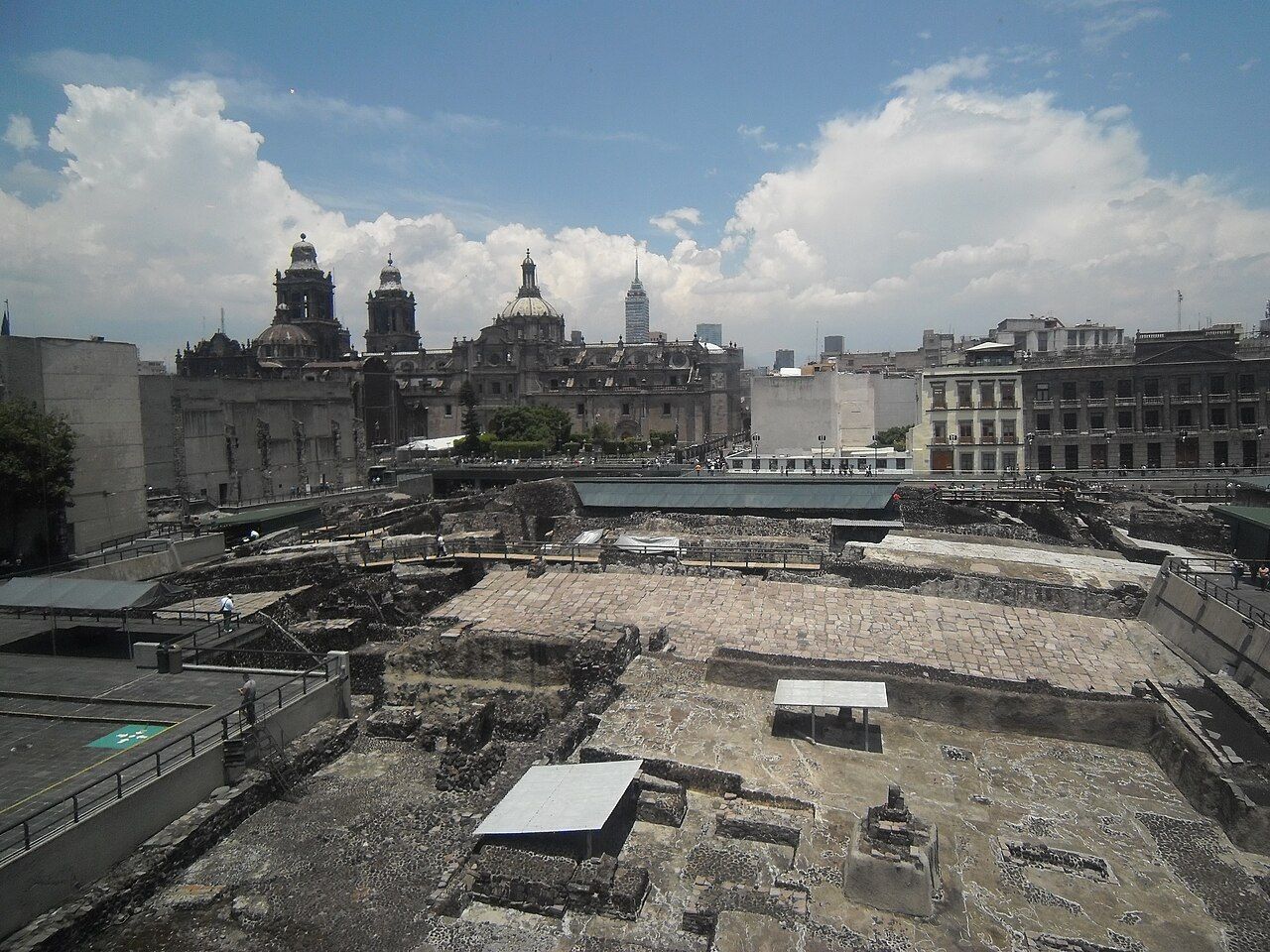
The central setting is the attraction: you can see how an archaeological site occupies space within a working capital. Pause before entering to look at the relationship between the excavation and surrounding buildings. Then use the museum's plans and models to work out what belongs to the earlier ceremonial setting. The modern streets are a starting reference, not a complete map of the former city.
INAH lists Metro line 2 at Zócalo as an access option. Check current station operation and your actual route on the day, particularly when events affect the central square. Leave a margin for the last walk and entry arrangements instead of treating the advertised opening time as the time you will already be inside a gallery.
If you are arriving with luggage, check storage rules before travelling to the site. A listed cloakroom does not establish that every suitcase can be accepted. For a comfortable visit, carry only what you need for the outing and keep your hands free on uneven surfaces or steps.
Read the remains before searching for a complete pyramid
The surviving archaeological fabric does not present an intact monumental pyramid ready to climb. Look for the relationship between construction phases, foundations and the route allowed to visitors. The value is in understanding the layers, not in finding a viewpoint that makes the remains resemble an unbroken ancient skyline.
Start with an orientation panel and identify one feature you can relate to the ground in front of you. Then move slowly enough to compare the explanation with what survives. It is easy to photograph an exposed wall without understanding whether you are looking at a building edge, an earlier phase or a later intervention. When the interpretation is unclear, leave that as a question for the museum rather than filling the gap with a guess.
Follow the marked path and barriers. A visible area is not automatically open for walking, and conservation work can alter what is accessible. Treat a closure as part of visiting an active archaeological place, not as permission to step around a barrier for a better photograph.
Weather matters because this part of the visit is outdoors. Bring sun protection and make a sensible plan for rain; an indoor museum does not make the whole outing sheltered. If conditions become uncomfortable, ask staff about the permitted sequence rather than assuming you can reverse the route or re-enter later without restriction.
Use the museum's two themes to organise your attention
The museum's own historical introduction explains its eight galleries through the temple's two principal cults: Huitzilopochtli, associated with war, and Tláloc, associated with rain and agriculture. This division gives you a useful framework without requiring you to memorise every name before arrival.
Choose a few objects that connect to those themes. For each, read what it is, where it was found and how the interpretation links it to the site. A visually striking sculpture is more informative when you know its archaeological context. Conversely, a modest object can become important once you understand why it was deposited with others.
Avoid reducing the visit to a single story about warfare. The galleries also invite attention to water, food and the resources that sustained the city. Comparing those subjects helps you see how religious life and material life were connected. Use the actual labels to distinguish an excavated find from a reconstruction or explanatory model.
You do not have to spend equal time in every gallery. Begin with the introductory context, choose the themes that interest you most and keep enough attention for a final return to the site plan. If you find yourself reading without absorbing anything, a shorter, selective visit is more useful than completing every room mechanically.
Give Tlaltecuhtli and Coyolxauhqui time and context
The museum identifies the Tlaltecuhtli monolith as a major work in its entrance-hall presentation. Look first at the overall form, then at the details explained nearby. Its scale can dominate the room, but the interpretation matters more than getting every part into a photograph.
Coyolxauhqui provides another anchor. The museum's Huitzilopochtli gallery description connects the monolith with the deity's birth myth and records its discovery on 21 February 1978. Read that connection before treating it simply as a celebrated archaeological object.
Give yourself space to distinguish the story represented from the physical object and the history of its discovery. Those are related layers of meaning, but they are not interchangeable. The date an object was found is not the date it was made, and a mythological narrative is not a modern eyewitness account of an event.
With children, preview that some displays address death, sacrifice and human remains or their representations. Decide how much detail suits their age and interest. You can focus on materials, animals, water and archaeology without demanding that every child engage with every subject in the same way.
Do not assume special archaeological access is permanent
A 2026 announcement offered temporary guided access to the temple of Ehécatl-Quetzalcóatl and part of the ball court, but the Culture Secretariat notice explicitly limited it to 19 July 2026. That programme should not be treated as a standard inclusion in a later visit.
If you have seen photographs of a particular excavation, ask whether that exact area is currently visitable and under what arrangements. “Templo Mayor” can appear in coverage of research, special events and ordinary museum access. Those are different activities, even when the same institution is responsible for them.
The same applies to guided visits. Confirm whether one is available in your language, how long it lasts, where it begins and whether reservation or an additional payment is required. Buying general admission does not establish that a guide will be waiting at a convenient time.
Choose the rest of the day carefully
After Templo Mayor, a modest Zócalo walk and a nearby meal may be enough. If you enter the cathedral, respect worship and current visitor arrangements. Its proximity makes it a possible extension, not a reason to schedule a second lengthy interior automatically.
For a different archaeological perspective, the National Museum of Anthropology guide explains a broader collection spanning regions and cultures. It complements Templo Mayor when archaeology is a strong interest, but the journey and scale make it a separate substantial outing. Do not treat the two museums as a quick pair merely because they appear in the same city shortlist.
For photographs at Templo Mayor, follow the no-flash rule and ask about equipment that may require permission or a fee. Keep food outside the exhibition areas and check current rules for bags and drinks. If access requirements matter, contact the museum before paying: the combination of excavation paths and indoor galleries needs a more specific answer than a general claim that a museum is accessible.
Before leaving, return mentally to the view you saw from the street. The aim is to understand more of what lies beneath and beside the modern centre, not to have collected every object label. That connection is what makes this site especially valuable within a Mexico City trip.
Cover photograph: Templo Mayor archaeological remains with Mexico City’s cathedral behind — Photograph taken in 2018. — Patricia Alzuarte Díaz, CC BY-SA 4.0.
Frequently Asked Questions
Does Templo Mayor admission include the museum?
Yes. INAH lists the site museum as included in admission to the archaeological zone. Leave time for both; seeing the remains from outside is a different experience.
Is Templo Mayor free on Sundays for foreign tourists?
The published Sunday concession covers Mexican nationals and foreign residents in Mexico. It is not universal free entry for foreign tourists. Confirm eligibility and bring the required evidence.
How much time should I allow?
Around 2–3 hours is a useful planning estimate for the remains and selected galleries, excluding travel and queues. Allow longer if archaeology is a major interest, and avoid arriving just before closing.
Can I visit the Ehécatl temple and ball court with an ordinary ticket?
Do not assume so. The special programme found in the official 2026 announcement ended on 19 July 2026. Ask the museum about any new arrangements for those specific spaces.


Keep Exploring
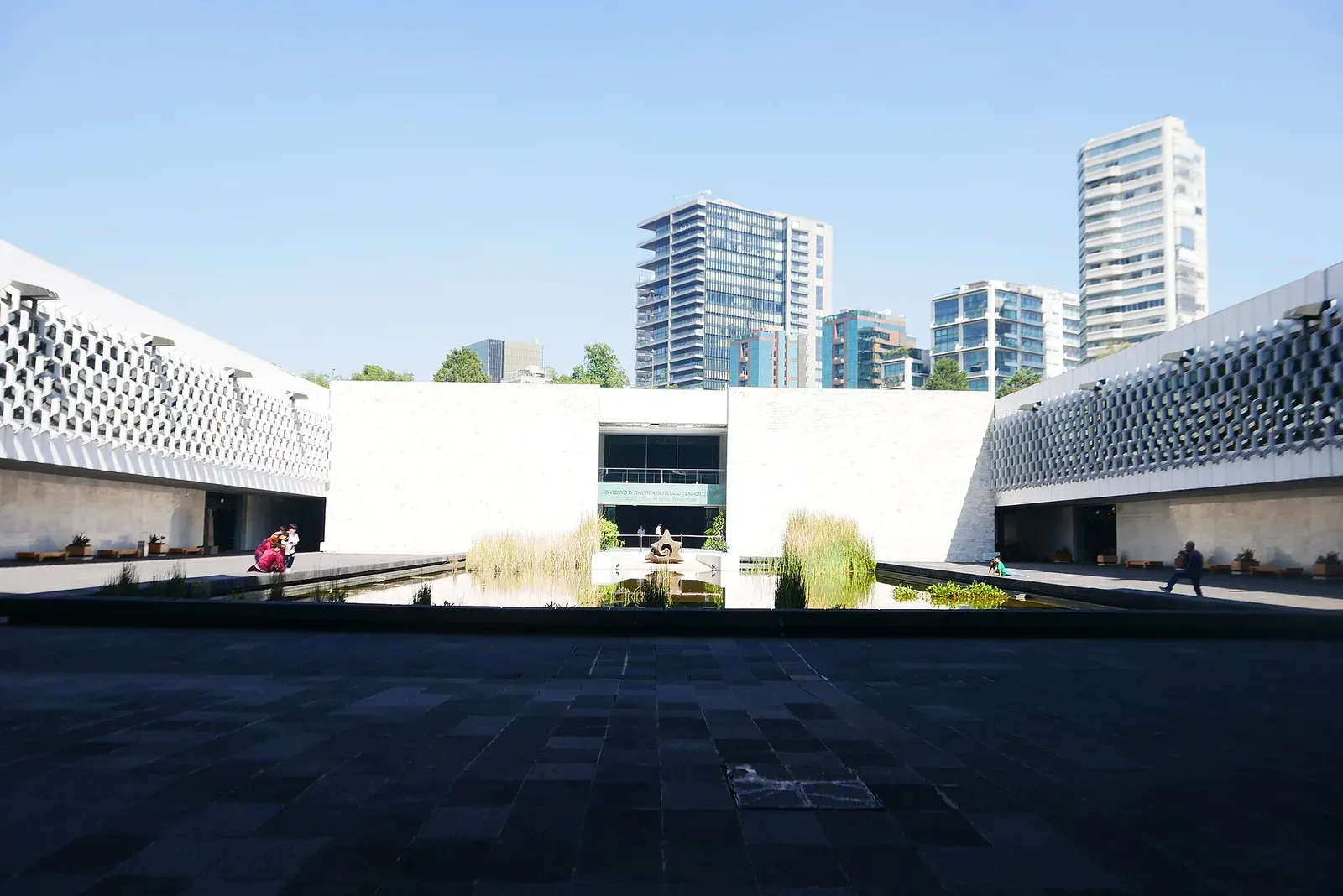
Mexico City Anthropology Museum: Plan Your Visit
A focused Anthropology Museum visit: compare Mexica, Maya and regional galleries, make room for living cultures and understand practical admission choices.
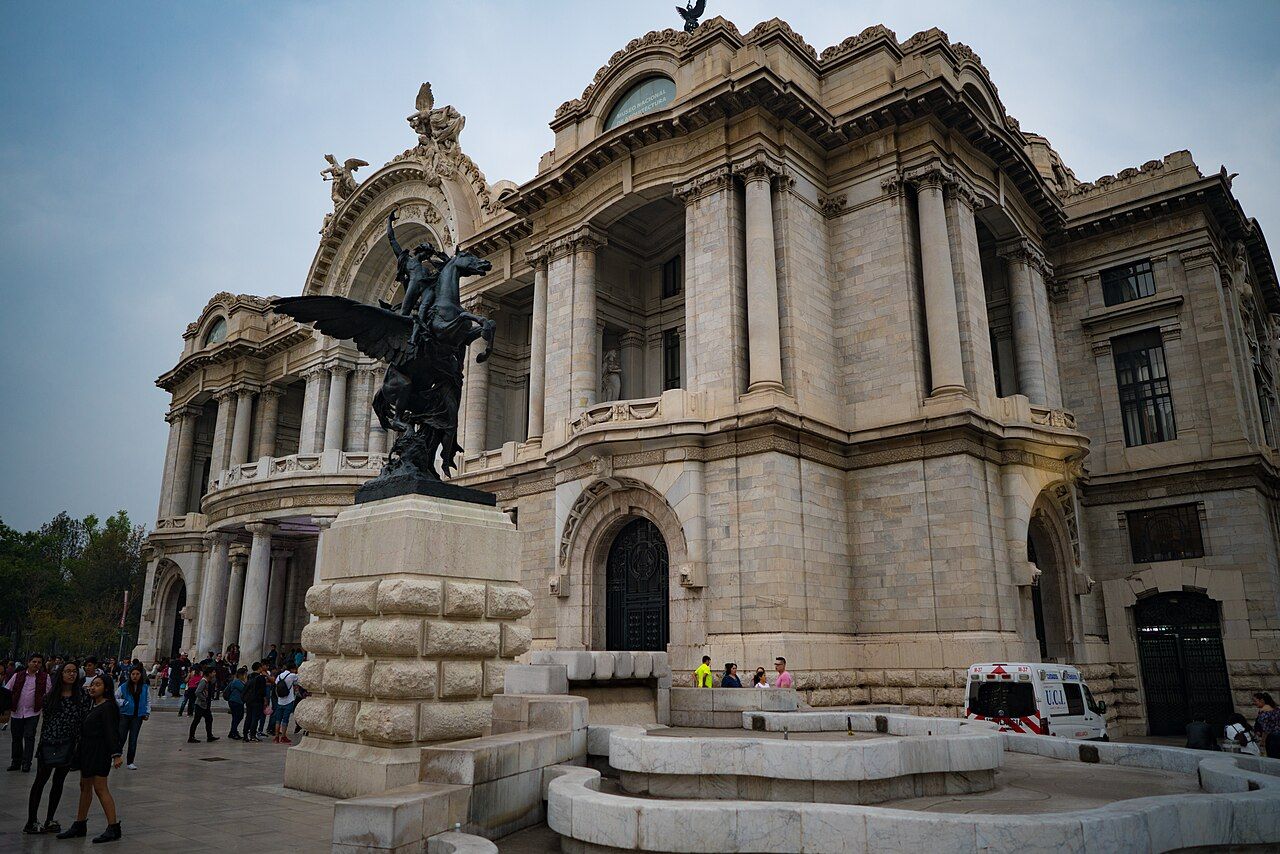
Palacio de Bellas Artes: Plan Your Mexico City Visit
Choose murals, architecture or a performance at Bellas Artes. Plan museum admission, Sunday access, time, tickets and the historic-centre visit.
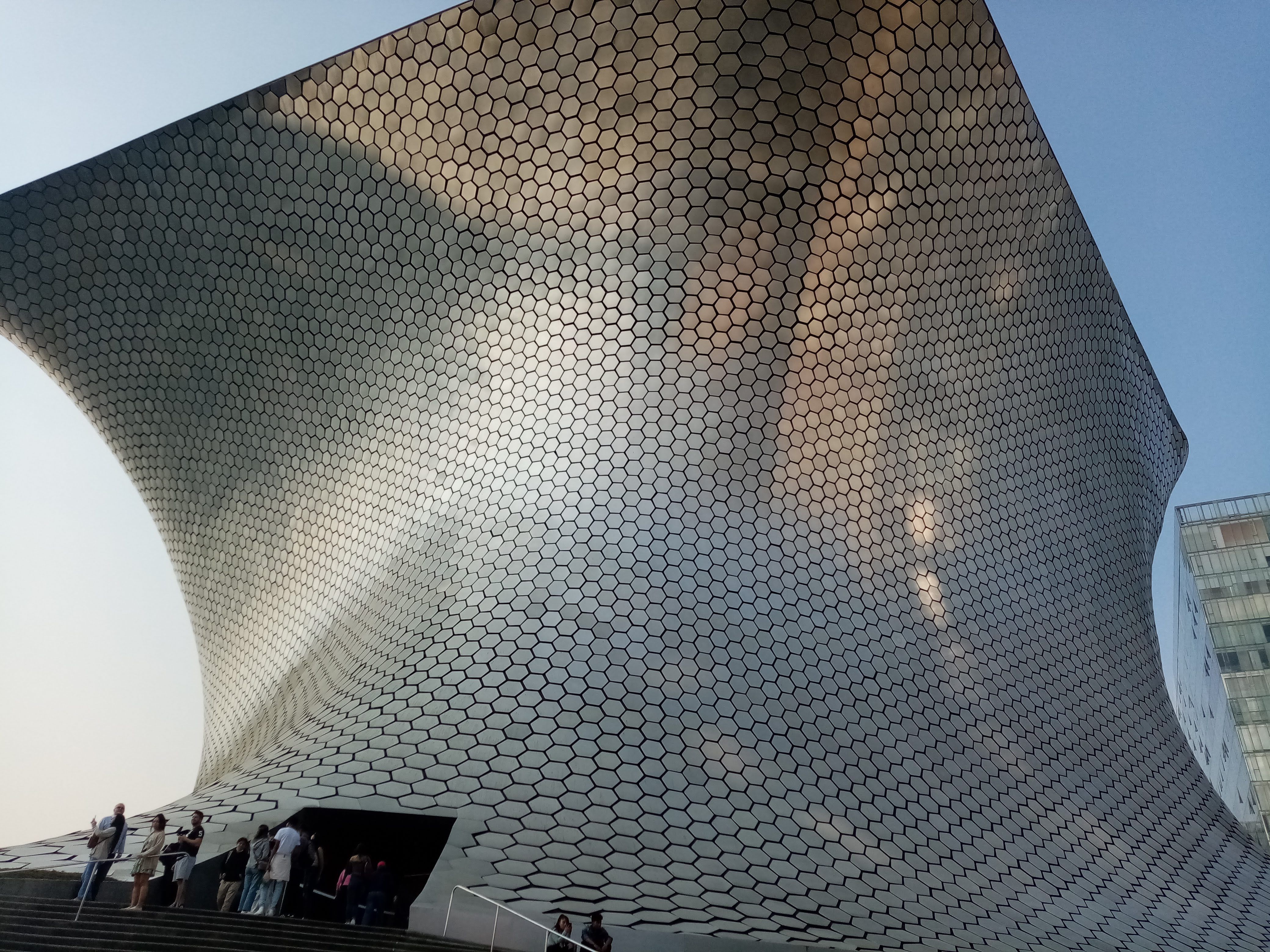
Museo Soumaya: Plan Your Mexico City Visit
Plan a free Museo Soumaya visit at Plaza Carso: choose galleries, check English tours and decide whether to add neighbouring Jumex.