
The Huntington: Gardens, Art and Library Visit
Choose Huntington gardens and galleries in San Marino, check reservation rules and understand what the library construction changes for visitors.
The Huntington works best as a substantial garden-and-culture outing in San Marino, with two or three priorities rather than a promise to see everything. Choose the Chinese Garden for a landscape shaped by architecture and literature, the Desert Garden for plant forms, and an art gallery for a change of pace indoors. The library requires a more careful decision: its historic exhibition halls are currently closed for construction, while selected materials appear elsewhere on the campus.
Allow roughly 4–5 hours for a selective combination of gardens, art and a meal; this is an editorial estimate excluding travel. A shorter visit should choose fewer areas, not attempt the same route faster. Our Los Angeles area guide helps you give this San Marino outing a coherent place in the trip instead of treating it as a quick stop between distant districts.
Choose the part that matters most
| Priority | Focus | Main trade-off |
|---|---|---|
| Designed landscape | Liu Fang Yuan, the Chinese Garden | Rewarding detail takes time beyond the first lake photograph |
| Plant collections | Desert Garden | Outdoor exposure; flowering is seasonal, not guaranteed |
| Japanese garden setting | Japanese Garden and, if open, Shōya House | The house has shorter hours than the grounds |
| European art | Huntington Art Gallery | Choose current galleries; a collection holding is not a display guarantee |
| American art | Virginia Steele Scott Galleries | A separate concentration of attention from the gardens |
| Rare books and manuscripts | Current library-material displays in art galleries | Historic library exhibition halls are closed during the LAB project |
Information was checked on 13 November 2026. The official visitor page lists ordinary opening Wednesday–Monday, 10:00–17:00, with Tuesday closure. Exceptional holiday openings and closures override that weekly pattern, so check your exact date.
Book for the actual date, not just the weekday
The published adult ticket is US$29 in the Monday–Thursday category and US$34 Friday–Sunday, holidays and peak periods. Tuesday is normally closed despite appearing within the first pricing band. Children under 4 are listed free; other age and eligibility categories have their own tariffs. Confirm your group's categories and the final total through the official booking route.
Reservations are required Friday–Sunday, on holidays and during designated peak seasons. In late 2026, the visitor page lists peak periods including 20–29 November and 18 December 2026–3 January 2027. That does not mean every date within them is open: the same page lists holiday closures, including Thanksgiving Day and Christmas. A calendar selection should settle the actual visit date before you arrange a long journey.
If your schedule is flexible, choose a day that fits the experience rather than only the lower price. A cheaper weekday is little help if the one specialist space you want has different hours. Likewise, a reservation for the grounds is not a restaurant reservation or a ticket for every separately programmed event. Read the product name and conditions rather than relying on a photograph beside the booking button.
Start with the Chinese Garden if design is your interest
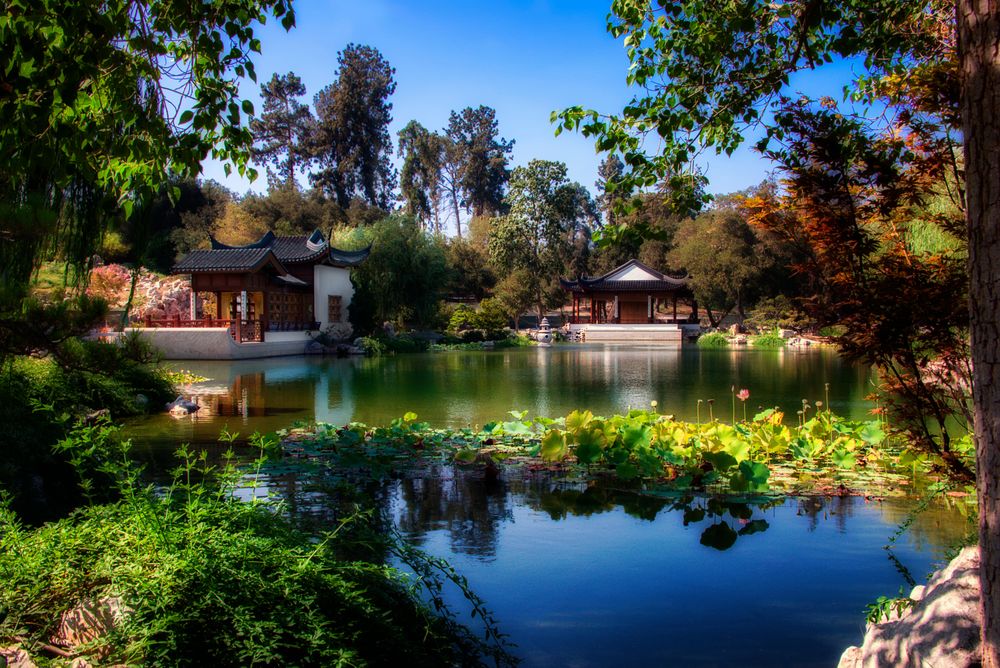
The official Chinese Garden description identifies Liu Fang Yuan, the Garden of Flowing Fragrance, as a landscape inspired by the gardens of Suzhou. Water, rocks, plants, architecture and literary references work together. The garden makes more sense when you look at their relationships instead of treating each pavilion as an isolated photo stop.
Choose a modest loop around part of the lake and let your viewpoint change. Notice how a window frames a scene, how a bridge changes the angle of a reflection and how a rock becomes the focus of a space. These are useful ways to look, not a required route or a claim that every feature is accessible on every visit.
Read a few names and inscriptions through the interpretation provided rather than trying to collect all of them. A garden linked to literature can be rewarding even if you cannot read Chinese; the question is how words and built spaces shape attention. If you arrive with different interests in the group, agree on a meeting point and enough time for both slow looking and rest.
Do not reserve the Chinese Garden for the last rushed minutes simply because the initial lake view seems easy to obtain. Its appeal grows with movement and comparison. If this is your main reason for coming, give it the most comfortable part of your day and accept that another garden may have to wait.
Choose the Desert Garden for a different visual language
The Desert Garden offers a contrasting way to look at plants: silhouette, spacing, surface and adaptation can be as interesting as flowers. Pick it for curiosity about the living collection rather than a guarantee of seasonal colour. A photograph taken during one flowering period cannot establish what will bloom on your date.
The institution's family-tour material places the Desert Garden's origins in 1907. For a visitor, the useful consequence is that this is a developed collection, not a patch of scenery to cross on the way to somewhere else. Pause at a small group of plants and compare forms before moving on.
Plan exposed outdoor sections according to the day's conditions. Carry water, use sun protection and keep to permitted paths. With children, explain that unusual forms are for looking, not touching. If heat or rain makes a long outdoor route unattractive, shorten it and use an available gallery; do not assume a small conservatory has the same opening hours as the larger garden.
Separate the Japanese Garden from the Shōya House
A Japanese Garden visit and entry to the Japanese Heritage Shōya House are related but separate choices. The current visitor page lists the house Wednesday–Monday, 12:00–16:00, subject to early or daily closure in extreme weather. That narrower window should shape your route if the house is a priority.
Avoid arriving at opening and assuming every specialist interior is already available. You can use the earlier part of the day for a garden or gallery, then approach the house during its published window, after checking the day's notice. Conversely, a late-afternoon arrival leaves little flexibility if the house matters more to you than a general grounds walk.
Respect the differences between a garden view, a historic building and a space interpreted through staff or programmes. Follow the current access instructions rather than treating all doors as public. If walking capacity is limited, decide whether the additional distance and gradients are worth it before committing the group to another section.
Give an art collection a clear role
The visitor map locates European art in the Huntington Art Gallery and American art in the Virginia Steele Scott Galleries. Choose one as a substantial indoor stop, or both if art is the main interest and you reduce the outdoor plan accordingly.
A mixed garden-and-art visit benefits from a simple contrast. After looking at a landscape designed in three dimensions, compare how a painted landscape organises depth and attention. Or move from outdoor architecture to portraits and ask how rooms, clothing and objects represent status. You do not need to identify every famous work for the transition to feel coherent.
If a particular painting is essential, confirm its current display before travelling. Ownership, a map highlight and an old gallery photograph are not identical to a guarantee of access. Rotations and works on loan are normal museum realities. Let the available collection guide a selective visit rather than measuring success only by one recognisable image.
The library closure changes what you can see
The Library/Art Building project page states that the historic library exhibition halls are closed during construction. A renovated Main Hall is scheduled to reopen in spring 2029. This is a planned date, not a completed reopening. The Huntington remains open, but an ordinary visit currently differs from older guides describing the main library galleries.
Selected rare materials continue in rotating presentations, including Stories from the Library in the Huntington Art Gallery. Check the current rotation and its location. Research reading rooms are a separate service, not an alternative public exhibition route purchased with a garden ticket.
The same project page says the Ellesmere Chaucer is not currently on view and describes a future Gutenberg Bible display scheduled for 2027. Do not travel now expecting either to be permanently available. If manuscripts are your primary interest, inspect the actual exhibition programme first and decide whether that selection justifies the outing. If gardens are the main reason, a smaller library display can add variety without carrying the entire day.
Use the access map and leave room for lunch
The accessibility page states that all buildings and most gardens are accessible to visitors needing physical accommodation, and provides a map identifying steep areas. Loan wheelchairs are first come, first served. The visitor shuttle follows a loop with eight stops during ordinary public hours and can accommodate wheelchairs; confirm current operation and your intended stops on arrival.
A shuttle is help with distance, not a guarantee of an immediate departure or access to every small path. Use the construction-detour map as well as the accessibility information. Ask staff for the best route between your selected places instead of following the shortest-looking line on an older map.
For food, choose between a flexible café stop and a deliberately reserved meal. The visitor map names 1919 Cafe, Jade Court Cafe and the Rose Garden Tea Room, among other options. Check their individual hours and booking requirements; this guide makes no claim about same-day table availability or current menus. A meal break should support the route, not force repeated crossings of the grounds.
Make the journey part of the decision
The Huntington is in a residential area of San Marino. Compare the full journey from your accommodation, including the final approach and return, before attaching a timed evening elsewhere. Do not substitute “Los Angeles” for the actual address when estimating travel. A day built around this site can be rewarding precisely because you are not repeatedly crossing the metropolitan area.
If you are choosing between garden-and-art destinations, our Getty Center or Getty Villa guide explains those separate sites and their current restrictions. The Huntington's botanical breadth and library-material displays offer a different combination. Choose by subject and travel geography, then recheck the chosen institution's operational notices close to departure.
The final edit to your plan should be a subtraction. Keep the garden or collection that motivated the visit, one contrasting experience and a realistic meal break. Leave with attention still available for what you saw, rather than a map covered in hurried ticks.
Cover photograph: Lake, lotus plants and pavilions in The Huntington's Chinese Garden — Russ Allison Loar, CC BY-SA 4.0.
Frequently Asked Questions
Are the Huntington's library exhibition halls open?
No. They are closed for the Library/Art Building project, with the renovated Main Hall scheduled for spring 2029. Selected library materials appear in rotating displays elsewhere; check the current programme.
Do I need a reservation for The Huntington?
Reservations are required Friday–Sunday, holidays and designated peak seasons. Check your exact date, since exceptional openings and holiday closures override the ordinary weekly pattern.
How long should I allow for gardens and art?
About 4–5 hours is a useful editorial estimate for a selective combination and a meal, excluding travel. Choose fewer areas if you have less time or need a slower route.
Does the Shōya House keep the same hours as the grounds?
No. Its published window is Wednesday–Monday, 12:00–16:00, while ordinary grounds opening is 10:00–17:00. Weather or other notices can further restrict access.


Keep Exploring
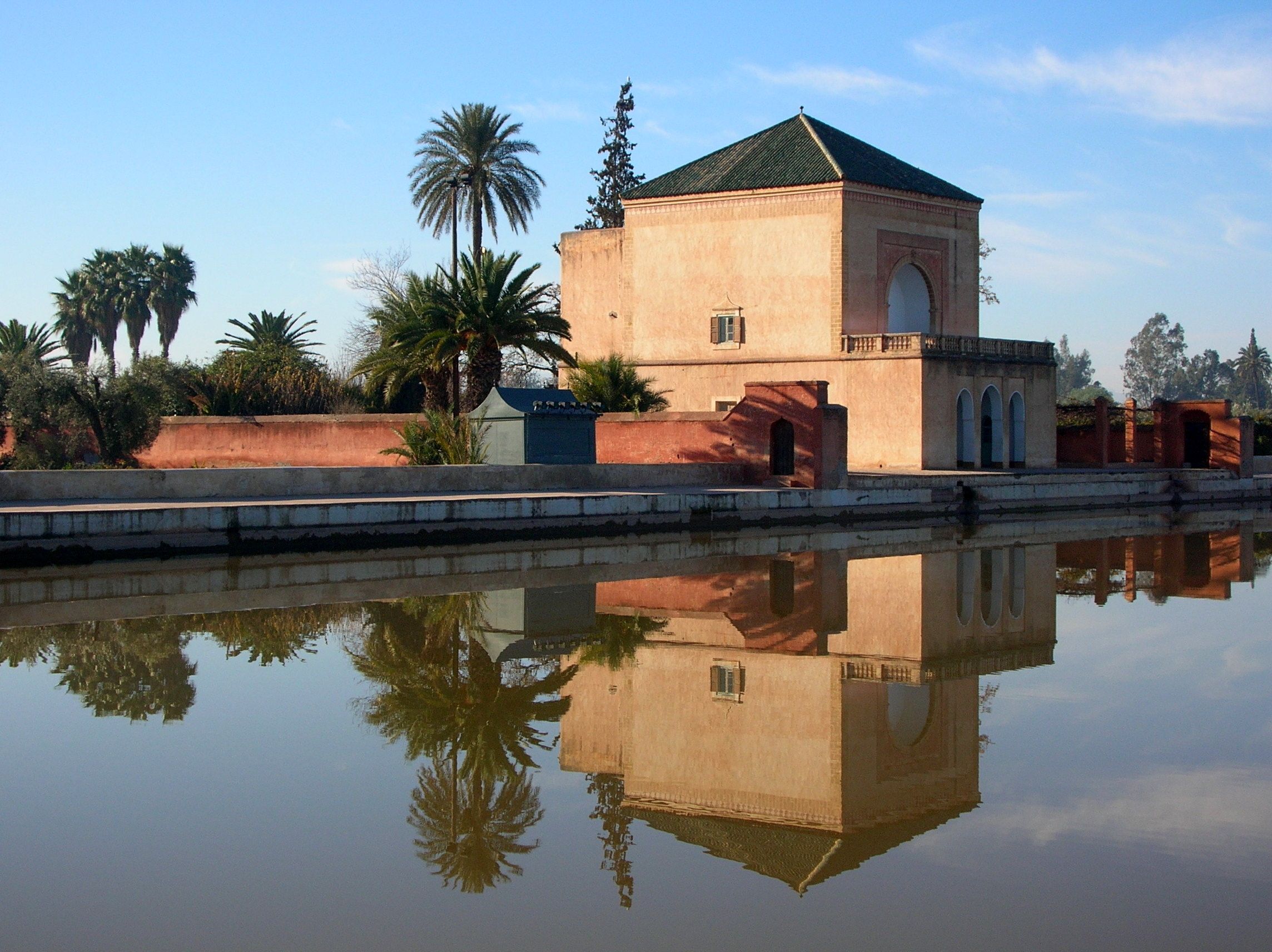
Menara Gardens Marrakech: Plan Your Visit
Plan a Menara Gardens walk around the basin and olive grove, compare pavilion admission and organise transport without relying on unverified garden hours.
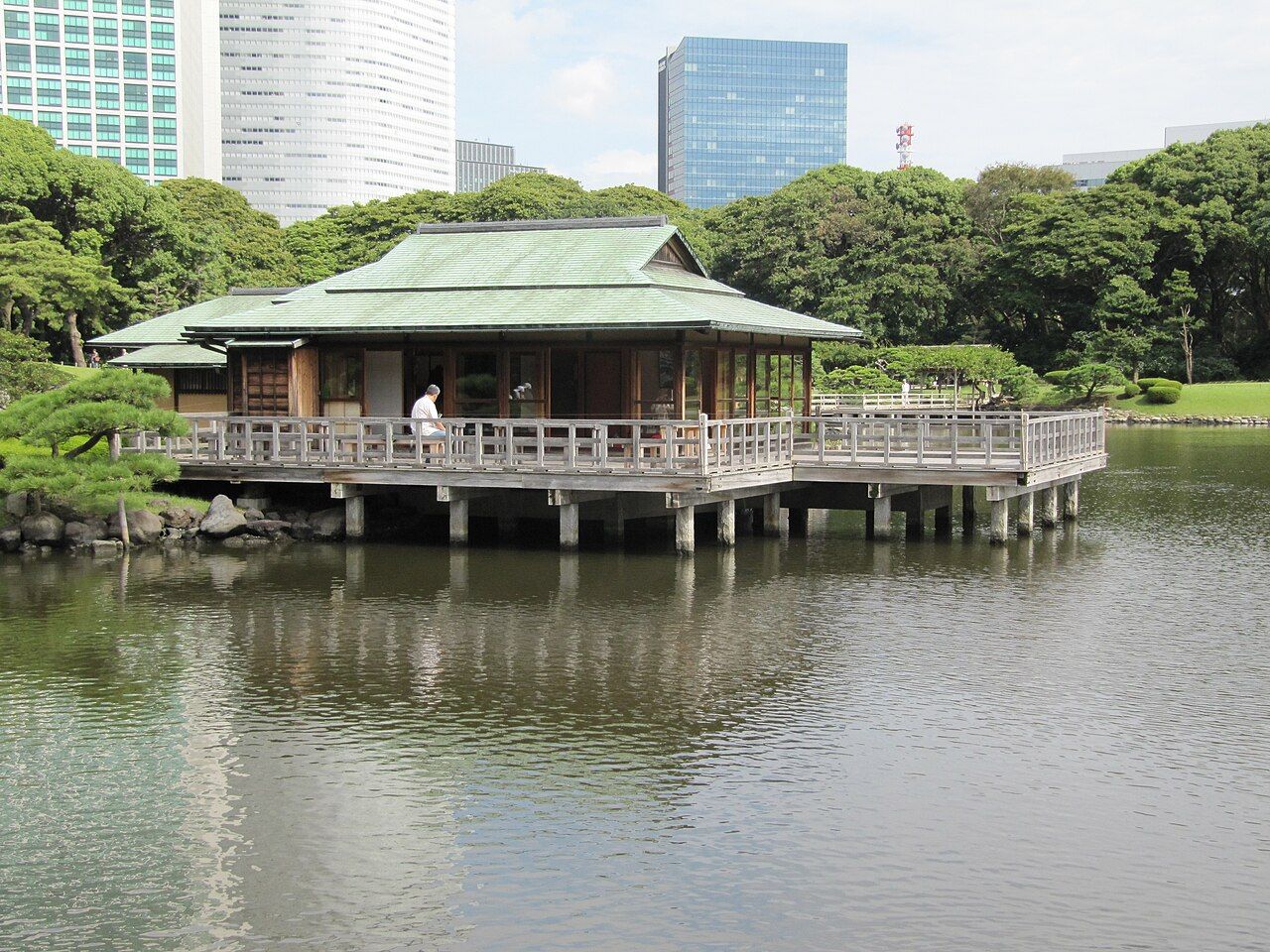
Hama-rikyu Gardens: Plan Your Tokyo Visit
Plan a tidal-pond walk, optional tea stop and the right entrance, with riverboat checks and current garden notices.
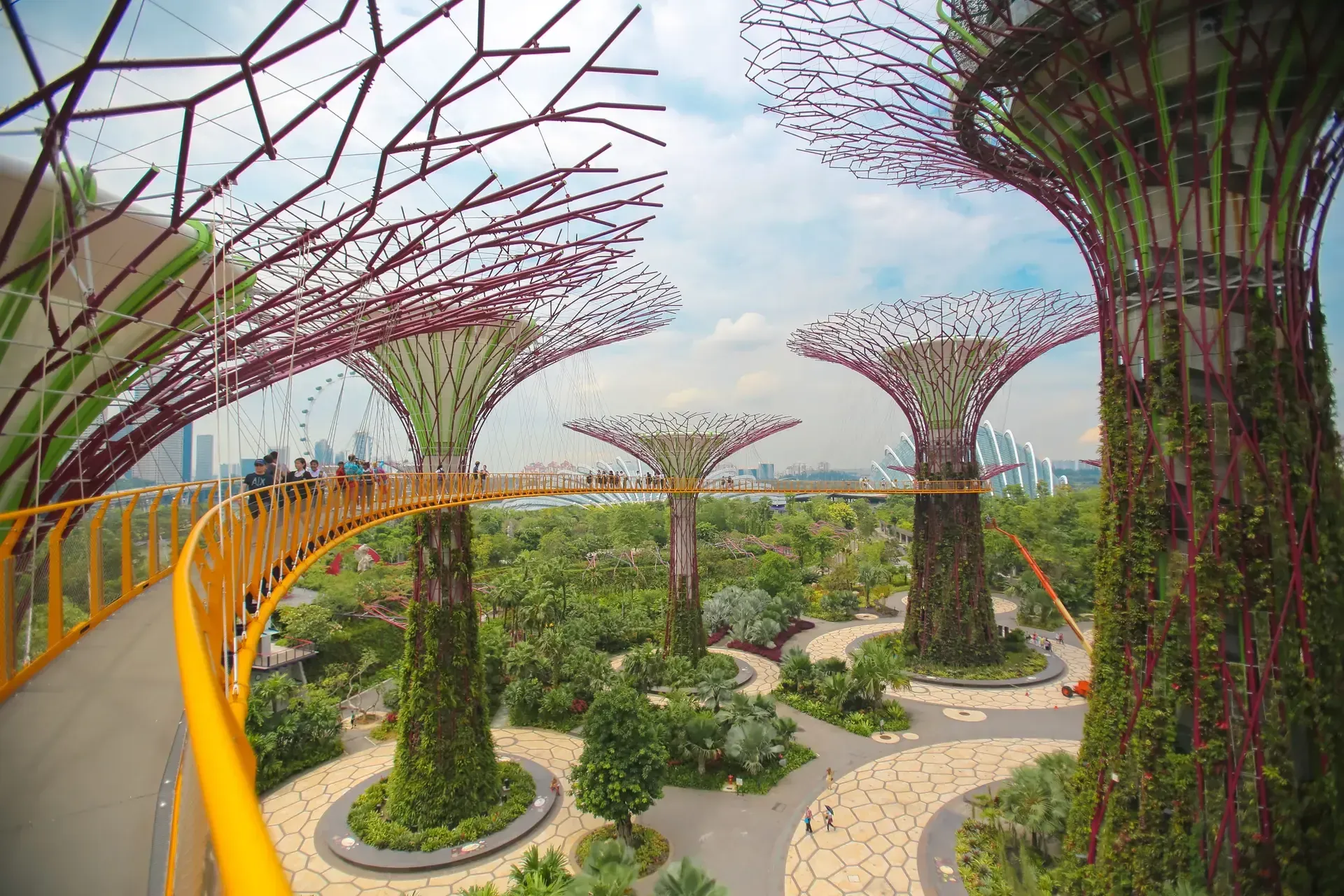
Gardens by the Bay: Choose Your Visit
Plan Gardens by the Bay around the experience you want: compare the conservatories and aerial views, choose an arrival point and leave time for the evening show.