
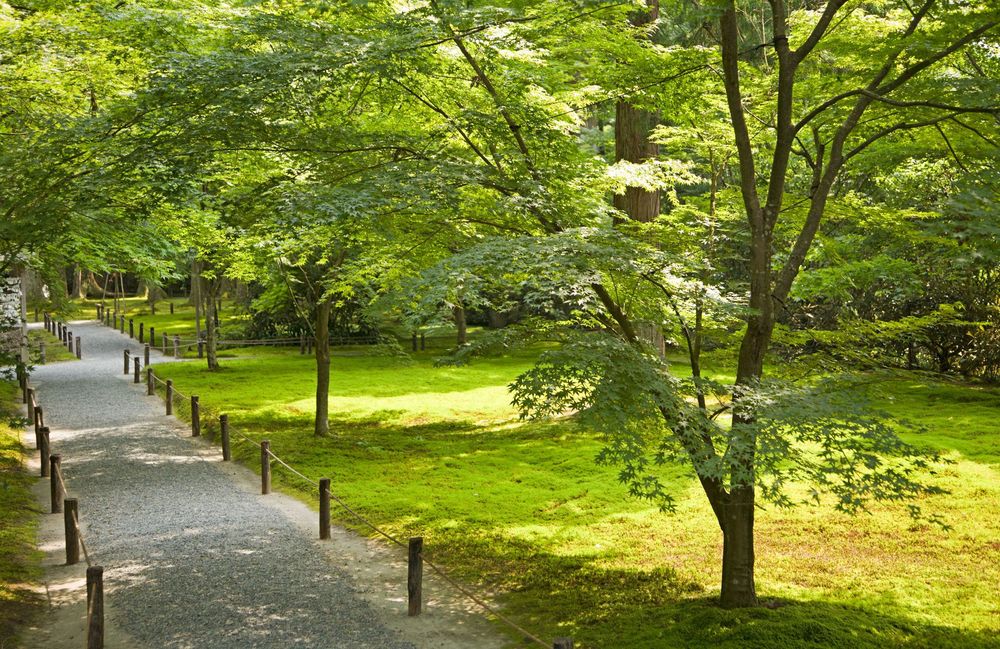
Ohara and Sanzen-in: Plan a Kyoto Temple Day
Plan an Ohara outing around Sanzen-in’s gardens and Buddhist heritage, with seasonal hours, admission, bus choices and an unhurried return to Kyoto.
Give Ohara a substantial part of the day, with Sanzen-in as the main visit. The temple's gardens, Buddhist art and hillside setting reward more attention than a quick photograph between city attractions. Plan the outward journey, allow time for the uphill approach and decide on your return bus before adding another temple.
Ohara lies in Kyoto's northern hills. It is a deliberate change of pace from a central-city sightseeing route, not a short extension to any neighbourhood that happens to be on the same map. Our Kyoto culture guide helps compare the city's main choices; this guide focuses on whether an Ohara day suits your time and interests.
Fast facts
| Detail | Planning information |
|---|---|
| Main visit | Sanzen-in, 540 Ohara Raigoin-cho, Sakyo-ku, Kyoto |
| Adult admission | ¥700 |
| School-age admission | Junior/senior high school ¥400; elementary school ¥150 |
| March–October | 09:00–17:00 |
| November | Use 08:45–16:45 from the Japanese visitor page; see discrepancy below |
| December–February | 09:00–16:30 |
| Regular closure | None listed; temple says open daily |
| Suggested time | 90–120 minutes at Sanzen-in; around 5–6 hours for travel, temple and lunch |
Checked 17 November 2026. The Japanese admission page lists November hours of 08:45–16:45, while the English overview gives a wider window. Use the narrower Japanese hours for planning and confirm directly if an early or late arrival is essential. Suggested visit durations above are editorial estimates, not official tour or transport times.
Is Ohara the right choice for this trip?
Choose Ohara if you want to spend time with gardens and temple buildings without filling the same outing with several central districts. Sanzen-in offers both landscape and religious heritage, so it works best when neither is treated as a backdrop to the other. A relaxed visit can include one temple, lunch and the return journey.
If you only have a spare hour or two, stay closer to your existing route. Our Ginkaku-ji garden guide describes another garden-focused option within a different part of Kyoto. It is an alternative to consider, not an extra stop automatically attached to Ohara.
The trade-off is travel time. A rural-feeling setting does not promise solitude, and November colour can attract substantial visitor interest. Go because you want the place and can give it room, rather than because a photograph suggests a permanently empty path.
For a first stay, replace another substantial temple block with this outing. Adding Ohara to an already full Higashiyama or Arashiyama day makes the journey the dominant activity. If you have an evening train or flight, choose a less distant plan unless you can protect a generous return margin.
Get there with Kyoto Bus, and compare the two approaches
The temple's Japanese access guide distinguishes a direct bus from a subway-and-bus journey. From Kyoto Station it lists Kyoto Bus route 17 from stand C3, with roughly 70 minutes on the bus and another 10 minutes walking from Ohara. These are indicative timings, not guaranteed departures or traffic conditions.
The alternative uses the Karasuma subway line to Kokusaikaikan, then Kyoto Bus route 19 towards Ohara. The temple gives around 20 minutes for each transport leg, plus the interchange and the final walk. Waiting for the bus belongs in your actual itinerary; adding the two ride times does not produce a reliable door-to-door total.
The distinction between Kyoto Bus and Kyoto City Bus matters when checking operators and passes. Use the route operator's information, not an assumption that all services with Kyoto in their name share the same ticket coverage. The English temple overview uses less precise operator wording, so the Japanese access page and bus operator are the references here.
Consult Kyoto Bus's fare information for your actual boarding point. This guide does not quote an unverified current fare: older local pages still display different amounts. Budget the outward and return bus, any subway legs, temple admission and food separately, and check pass coverage before purchasing.
Arrange the return before climbing to the temple
The official Ohara departure timetable distinguishes services towards Kyoto Station, Kokusaikaikan and other destinations. Check the correct weekday, Saturday or holiday schedule and the destination displayed on the bus. Not every departure from Ohara follows the same route back.
Save two workable return options, leaving room to walk down from the temple and reach the stop. Do not plan to finish at the temple's closing time and assume that a convenient city-bound bus will be waiting. A modest buffer is particularly useful when lunch or the garden visit runs longer than expected.
The temple describes the approach from Ohara as roughly ten minutes uphill. Treat that as a walking estimate for orientation, not an accessibility assessment or a deadline. With reduced stamina, rain or children, allow more. Shops along an approach should not distract you from checking the final return you actually need.
Sanzen-in has no dedicated car park. The temple directs drivers to paid local parking around Ohara, followed by a walk. A car does not remove the approach, guarantee an available space or make parking part of temple admission.
Sanzen-in: a religious place with a long, moving history
The temple's historical account traces its origins to Saicho and explains that its community and name changed through several relocations before settling in Ohara in the Meiji period. Avoid imagining that every visible building has occupied this exact site since the foundation.
Sanzen-in belongs to the Tendai tradition and is a monzeki temple, a designation connected with imperial-family abbots. This context helps explain its combination of residential-looking halls, formal spaces, devotional objects and gardens. You are visiting a religious institution, not simply a public park with decorative buildings.
Start by noticing the transition between rooms and garden views. An interior frames what you see outside, while a path reveals something different as you move. You do not need to identify every architectural detail to appreciate that the visit alternates between still observation and walking.
Follow the route and staff instructions on the day. If a space is restricted for religious activity or conservation, adapt your selection. A successful visit does not depend on accessing every room shown on a map or recreating an old photograph.
Two garden experiences: Shuheki-en and Yusei-en
The official grounds guide distinguishes Shuheki-en, associated with the Kyakuden hall, from Yusei-en, the garden surrounding the approach to Ojo Gokuraku-in. Use the names to understand changes in viewpoint rather than to turn the visit into a naming exercise.
At Shuheki-en, allow time to look from the permitted viewing position. Notice the relationships between water, rocks, planting and the hall's framing. Resist the impulse to take one photograph and immediately move on: changing your attention from foreground to background can reveal a different arrangement without moving at all.
The Japan Tourism Agency's Yusei-en account describes gravel paths, moss, cedars, maples and water features. It emphasises the deliberate garden composition as well as seasonal colour. As you walk, look at how the path changes the relationship between tree trunks, open moss and the hall.
Stay on the paths even when the moss looks like an inviting carpet. Photograph from permitted places and move aside when others need to pass. The garden's appeal depends partly on surfaces that visitors should observe rather than touch or walk across.
Ojo Gokuraku-in and the sculptures
The temple identifies the Amida triad in Ojo Gokuraku-in as a National Treasure. Its cultural-property guide provides the historical and religious context. Look at the relationship between the central Amida figure and the two attendant bodhisattvas rather than approaching the hall solely as a photo stop.
The grounds description explains the distinctive boat-bottom form of the ceiling, shaped to accommodate the large sculptures within the hall. That is a useful architectural question to carry into the visit: how does the room make space for its devotional focus? Respect all photography restrictions and do not assume an image reproduced online authorises photography inside.
Small stone figures in the grounds provide another change of scale, but they should not eclipse the rest of the temple. Enjoy the detail from the path, leave space for other visitors and avoid staging objects beside statues or stepping into planting for a closer angle.
Season, mobility and an unhurried lunch
The temple describes different seasonal interests, including fresh foliage, summer hydrangeas, autumn leaves and winter snow when conditions allow. None is a guarantee for a particular date. The English visitor overview places hydrangea interest broadly in June and July; use recent local information for the state of flowering or leaves.
Choose footwear for the uphill approach and garden paths. This guide does not promise a fully step-free temple circuit. If stairs, gravel, slopes or removing shoes present difficulty, contact Sanzen-in before travel with your specific requirements and ask which route is possible. A short distance on a map is not a measure of effort.
Allow lunch its own space after the main visit, choosing an open establishment and confirming the menu and price on the day. Do not add a long list of neighbouring temples simply because you have finished earlier than expected. A meal and a calm return already make a complete outing.
If you want another religious site, check its own admission and hours and add it only after assessing the remaining walk and bus options. Ohara's homes and lanes are also part of a living community: keep private entrances clear, carry rubbish away and keep conversation quiet around the temple grounds.
Cover photograph: Gravel path and green moss in the garden of Sanzen-in, Ohara — Archive summer photograph from 2010; seasonal colours and visitor conditions vary. — Chi King, CC BY 3.0.
Frequently Asked Questions
How much does Sanzen-in cost?
The official fee is ¥700 for adults, ¥400 for junior and senior high school students and ¥150 for elementary school students. Transport, food and other temples are separate. Check current conditions before travel.
What are the November opening hours?
Use 08:45–16:45 from the Japanese admission page. The English overview displays a wider window, so confirm directly if arriving near opening or closing. This guide uses the narrower hours for practical planning.
Can I reach Ohara without a car?
Yes. Compare Kyoto Bus route 17 from Kyoto Station with the Karasuma subway to Kokusaikaikan and Kyoto Bus route 19. Both involve a final walk from Ohara; check current departures, fares and your return destination.
How long should I allow for the outing?
Around five to six hours for travel, Sanzen-in and lunch is an editorial starting estimate, including roughly 90–120 minutes at the temple. Add time for queues, slow walking or a second visit rather than compressing the return.


Keep Exploring
Sanjusangen-do Kyoto: Plan Your Temple Visit
Plan Sanjusangen-do in Kyoto: sculpture highlights, seasonal hours, admission, access and a sensible pairing with Kyoto National Museum.
Kinkaku-ji: Plan Your Kyoto Temple Visit
Plan the Golden Pavilion, pond walk and northwest Kyoto journey, with current admission, access and photography rules.
Kiyomizu-dera: Plan Your Kyoto Temple Visit
Plan Kiyomizu-dera with temple hours, the uphill approach, Main Hall viewpoints, autumn night viewing, accessibility and Jishu Shrine closure.