
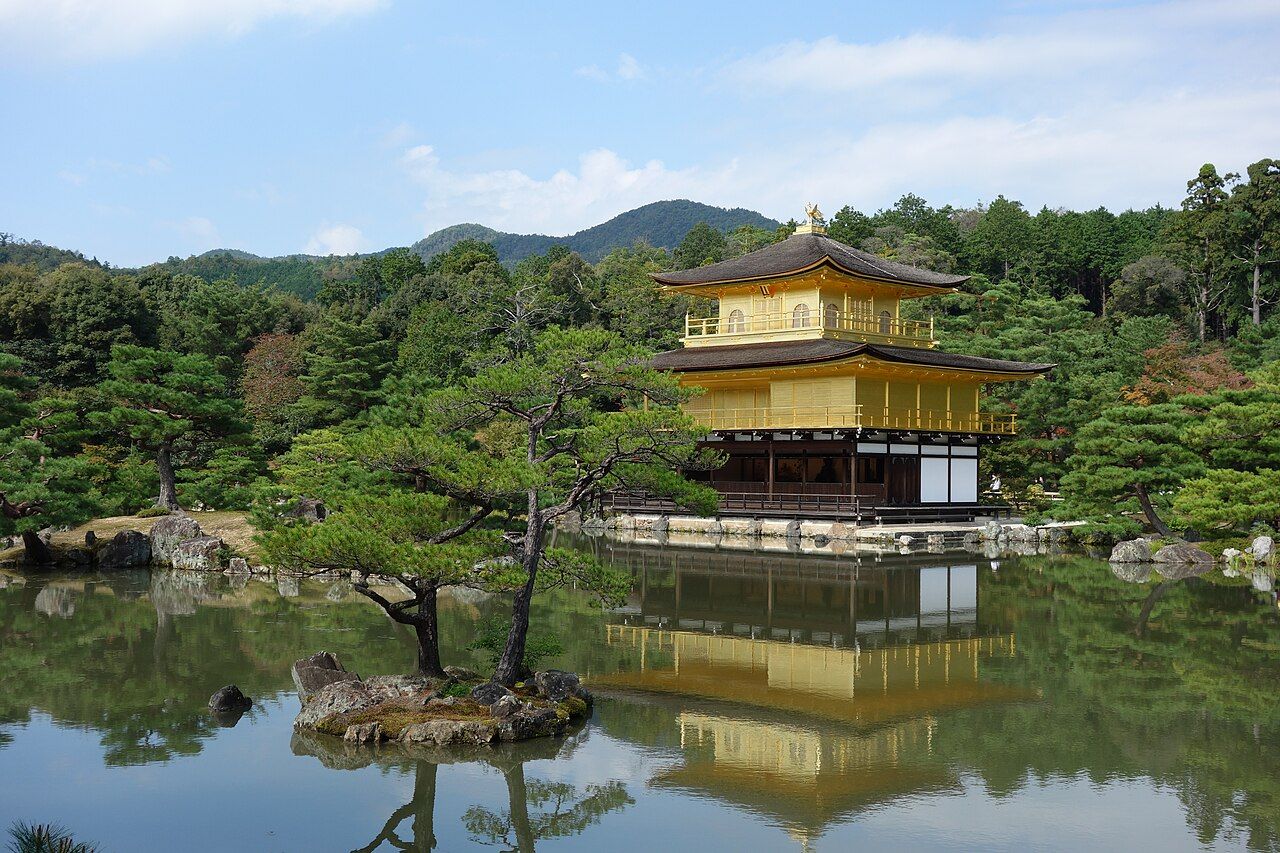
Plan the Golden Pavilion, pond walk and northwest Kyoto journey, with current admission, access and photography rules.
Choose Kinkaku-ji when the Golden Pavilion and its pond setting are something you want to see, then give the surrounding garden your attention too. The visit is relatively focused, but reaching northwestern Kyoto still takes planning. It works best as the anchor of a modest outing, not as a quick addition between distant eastern and southern sights.
You do not need to be an architecture specialist to enjoy the contrast between the gold-covered upper floors, the darker lower level, trees and water. You do need realistic expectations about crowds, walking and what ordinary admission offers. Our Kyoto highlights guide helps compare this temple with other gardens and neighbourhoods before you commit to the journey.
The essentials before you go
The temple's official access and admission page lists the following ordinary arrangements. These were checked on 6 November 2026; the temple notes that special exhibitions can change hours or admission.
| Detail | Current ordinary arrangement | What it means for your visit |
|---|---|---|
| Opening | 09:00–17:00, year-round | Leave enough time before closing for the route you want |
| General admission | ¥500 | Use the temple's current price, not an older guide |
| Primary and middle school pupils | ¥300 | Check the appropriate visitor category |
| Arrival stop | Kinkakuji-michi | There is a final walk from the bus stop |
| Suggested time on site | 45–75 minutes | Editorial estimate, excluding travel and queues |
The suggested time is a starting point for a considered walk, not an official tour duration. A crowded viewpoint, limited mobility or a longer pause can change it. Budget separately for getting there and away; the temple's compact appeal does not make the transport instantaneous.
Think of ordinary admission as a garden route with views of the pavilion. Do not buy it expecting a room-by-room tour inside the golden building. If a special opening is your reason to travel, verify that exact event and its access conditions rather than infer them from a photograph.
Reach the northwest with a manageable connection
Kyoto's tourism organisation recommends combining rail with a shorter bus journey in its Kinkaku-ji access guide. From Kyoto Station, its suggested route uses the Karasuma subway line to Kitaoji, then bus 204 or 205 to Kinkakuji-michi.
This adds a transfer but reduces the amount of the journey spent crossing the city by road. A direct bus can look simpler while exposing more of the trip to traffic and crowded boarding. Compare the complete route from your accommodation instead of travelling to Kyoto Station automatically just because an online example starts there.
The same official guide identifies JR Enmachi followed by a bus as another option. Choose it if it fits your starting point, while allowing for the possibility that a passing bus is already full. A route that is theoretically shortest is less helpful if your group finds the transfer or standing difficult.
Use a current journey planner for the correct direction and stop. Do not board solely because the bus number appears in a guide: routes have directions, and special services may have limited operating days. Save the temple name and Kinkakuji-michi stop before leaving, and keep the final walking section in your plan.
Leave large luggage elsewhere. The temple's visitor FAQ says it has neither storage nor lockers. If this is a hotel-change day, arrange storage before heading north rather than discover the problem at the entrance.
What the Golden Pavilion represents
The temple's formal name is Rokuon-ji. Its official history explains the relationship with Ashikaga Yoshimitsu's villa and the later conversion into a Zen temple. Kinkaku, the Golden Pavilion, is a relic hall whose fame gave the wider temple its familiar name.
That distinction helps you read the setting. The pavilion is not simply a decorated residence standing in a public park. Architecture, religious purpose and the composed landscape belong together. Look at how the building occupies the edge of the pond and how islands, rocks and planting affect the view.
The structure you see is a reconstruction. The official Kyoto destination account records the fire in 1950 and rebuilding in 1955. Its historical importance does not depend on pretending that every visible surface survived from the medieval period.
The temple's grounds guide describes gold leaf on the upper two storeys and different architectural references across the levels. You can notice the change in materials and proportions from outside without memorising every style name. The roof's phoenix provides another small detail to look for after taking in the whole building.
Give the pond view time, then continue
At the main viewing area, first look at the pavilion and Kyoko-chi pond together. The reflection depends on light and surface conditions; it is not an effect guaranteed by the ticket. A breeze or grey sky changes the scene without making the visit a failure.
Let other visitors take their turn at the edge. If you want a personal snapshot within the temple's rules, take it without holding a space for a long session. Then put the camera away and notice the elements around the building: pine branches, small islands and the space between the pavilion and the opposite bank.
Continue along the open visitor route rather than treating the first viewpoint as the whole visit. The perspective changes as you pass the pavilion, and the garden introduces smaller features that do not compete through brightness. It is a different kind of attention from the initial view across the water.
The official grounds map identifies Gingasen spring, Ryumon Falls, Anmintaku pond and the historic Sekkatei teahouse. Choose a few features to notice rather than turn the map into a compulsory inventory. The names also help explain why a route beyond the main pond can be worthwhile even after the most recognisable view.
Do not interpret a teahouse symbol as a promise of a reserved tea ceremony or unrestricted interior access. Follow the arrangements you find on the day. If your interest is mainly the pavilion, a focused visit is valid; adding every small stop is not necessary to justify admission.
Steps, wheelchairs and strollers
The temple distinguishes access to the pavilion area from access through the whole garden. Its FAQ says the route reaches the pavilion without major steps, but the route beyond includes stairs. Wheelchair users, visitors with difficulty walking and people with strollers are directed to turn back before the steps and exit by the entrance.
This is a meaningful partial-access option, not a reason to describe the whole site as barrier-free. Ask staff about the return route when you arrive so that the group knows where it will separate or turn around. A visitor who skips the later garden section can still see the main attraction.
Wheelchairs are loaned subject to availability rather than advance reservation. If you rely on one, contact the temple before travel to discuss your needs and keep a realistic alternative. The existence of a loan service does not establish that a chair will be waiting for you.
With children, keep the outing simple and plan food afterwards. The temple states that there is no place in the garden for eating a packed meal. A snack plan outside the grounds is more useful than arriving with an expectation of a long picnic beside the pond.
Photography rules are stricter than many visitors expect
Read the current Japanese FAQ before planning photography. It permits small-camera snapshots for personal enjoyment, while prohibiting shooting intended for publication to others, including social media, and commercial purposes. Group photographs, video streaming and drones are also prohibited.
These restrictions are about what you plan to do at the temple, not merely whether you carry professional equipment. A phone does not make a publication-focused shoot a private snapshot. Do not assume that seeing many images online gives you permission to make or publish the same kind of material.
Visit primarily to look, and follow staff instructions and current signs. If a particular photographic project is the reason for the trip, resolve permission with the temple before arrival rather than negotiate while blocking a viewpoint. The normal visitor route should remain available to worshippers and other guests.
Choose one nearby contrast
Ryoan-ji is a logical possibility for travellers interested in comparing the Golden Pavilion's pond composition with a rock garden. It adds a different way of looking, but still requires its own journey, admission check and time. Do not reduce it to a hurried second photograph simply because both temples sit in northwestern Kyoto.
A meal and an unhurried return are equally reasonable. If your group has already visited several temples, Kinkaku-ji may be enough for this outing. A satisfying stop does not need another admission immediately afterwards.
Ginkaku-ji is a different planning decision. Despite the related names, it is on the eastern side of Kyoto. Our Ginkaku-ji garden guide explains its lower and upper routes and the connection with the Philosopher's Path. Visit both because comparing them interests you, not because you assume they form a short paired walk.
If you also want Arashiyama, give that area a separate time allowance and a confirmed connecting route. Avoid combining the Golden Pavilion, a bamboo photograph and a distant evening booking into a schedule with no margin. Allow time for the journeys between attractions as well as the visits themselves.
Weather and timing without false promises
An opening-time arrival can be a sensible way to protect the rest of the day, but it does not guarantee an empty garden. Groups and other visitors may have made the same choice. A later visit only works if the journey still leaves comfortable time before closing.
The temple's live-view page can help assess current appearance, particularly if a snowy scene is your hope. A seasonal photograph is not a forecast. Choose the visit for the building and landscape you can see, not for weather that may never arrive during your stay.
Rain calls for suitable footwear and care on steps; heat calls for water and a manageable pace. Keep a simple onward plan so the visit can expand slightly if you need a break. Kinkaku-ji is most rewarding when you have time to look beyond its famous image without making the rest of Kyoto a race.
Cover photograph: Golden Pavilion at Kinkaku-ji beside the pond in Kyoto — Photograph taken in 2016. — Luka Peternel, CC BY-SA 4.0.
Frequently Asked Questions
How long should I allow at Kinkaku-ji?
Allow about an hour for a focused garden visit, with more time for queues or slower walking. This is an editorial estimate; transport to northwestern Kyoto is additional.
Is the whole route wheelchair-accessible?
No. The pavilion area can be reached, but the later garden route has steps. The temple directs wheelchair and stroller users to turn back before those steps and leave through the entrance.
Can I take photographs for social media?
The current Japanese FAQ prohibits shooting intended for publication to others, including social media. It permits small-camera snapshots for personal enjoyment. Read the current rules and follow staff directions.
Should I combine Kinkaku-ji and Ginkaku-ji?
Only if comparing them interests you enough to justify travelling across Kyoto. Their similar names do not mean they are adjacent. Give each its own visit and transport allowance.


Keep Exploring
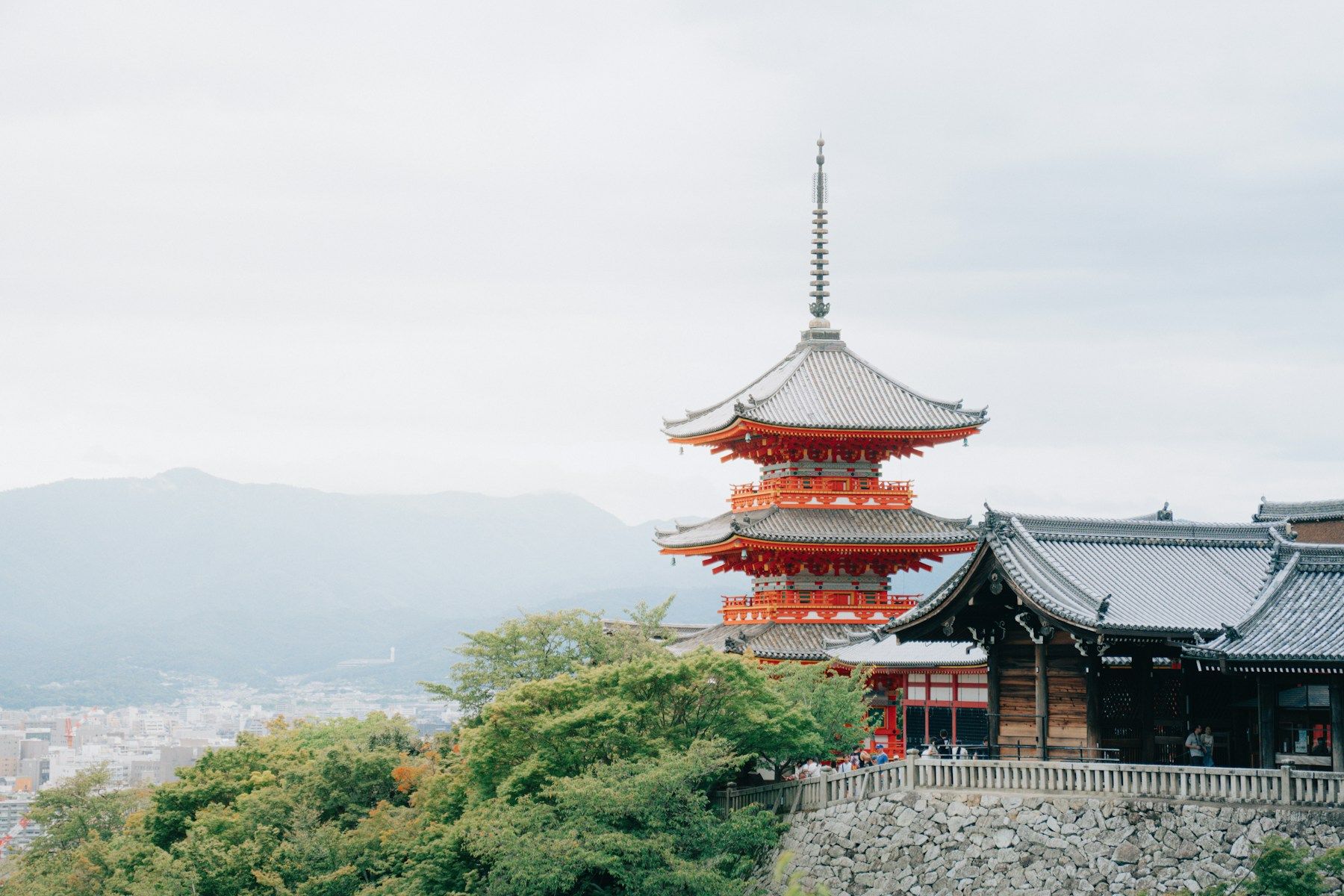
Kiyomizu-dera: Plan Your Kyoto Temple Visit
Plan Kiyomizu-dera with temple hours, the uphill approach, Main Hall viewpoints, autumn night viewing, accessibility and Jishu Shrine closure.
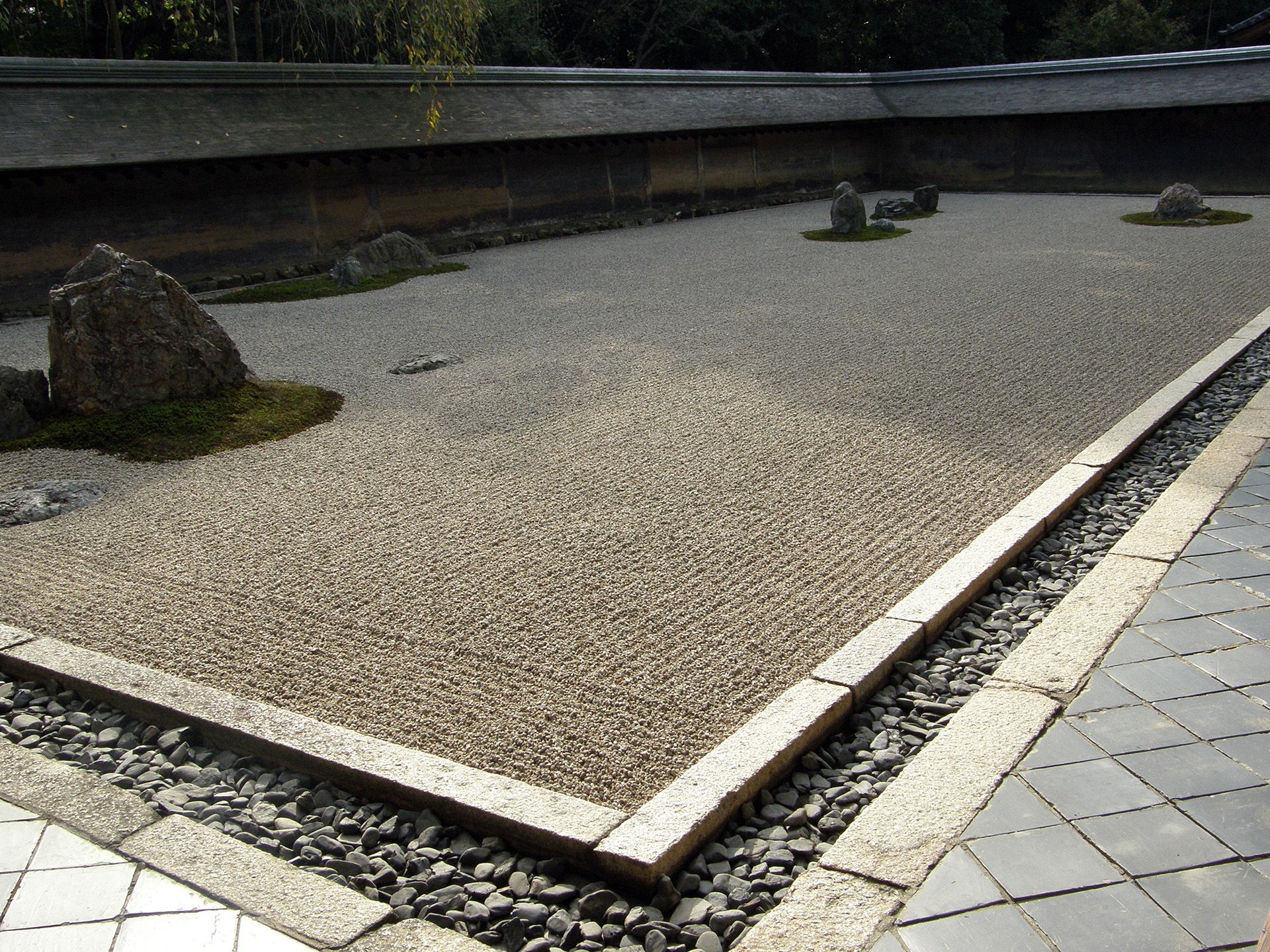
Ryoan-ji Kyoto: Rock Garden and Temple Visit
Plan Ryoan-ji’s rock garden and pond walk, with current admission, winter hours and the separate autumn 2026 evening programme.
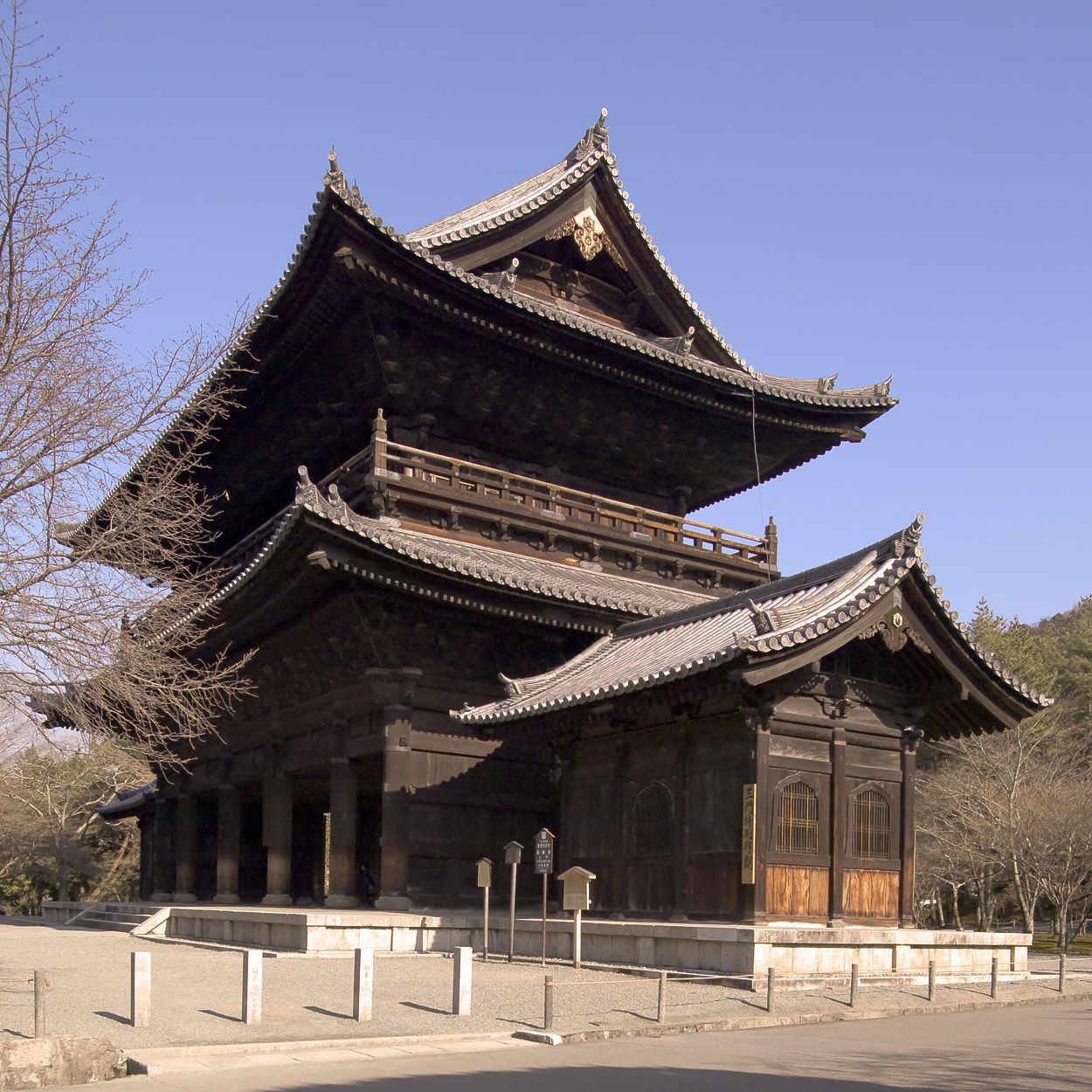
Nanzen-ji: Choose Your Kyoto Temple Visit
Choose Sanmon, the Hojo garden and the aqueduct at Nanzen-ji, with separate fees and the limited November 2026 opening of Nanzen-in.