
Sanjusangen-do Kyoto: Plan Your Temple Visit
Plan Sanjusangen-do in Kyoto: sculpture highlights, seasonal hours, admission, access and a sensible pairing with Kyoto National Museum.
Choose Sanjusangen-do for a concentrated encounter with Buddhist sculpture, rather than a temple visit built around a viewpoint or a long garden walk. The rows of standing Kannon figures, the large central image and the guardian sculptures reward close attention. Allow around an hour for the hall and a short look at the grounds, extending that if sculpture is a major interest.
The temple is also called Rengeo-in and sits in the Shichijo area of eastern Kyoto. It works well as a focused cultural stop, but it is still a place of worship. Our Kyoto highlights guide helps you decide whether this sculpture-led visit gives your trip something different from another garden, shrine or panoramic terrace.
Decide how to use your visit
These allowances are editorial suggestions, excluding travel and ticket queues. A temple visit is not a timed performance, so your interest and the flow of other visitors will determine the pace.
| Your priority | Suggested approach | Allow | Main compromise |
|---|---|---|---|
| First introduction | Main hall, then exterior and grounds | About 60 minutes | A selection of sculpture details |
| Buddhist art | Slower hall visit with attention to central and guardian figures | 75–90 minutes | Less time for another attraction |
| Architecture | Hall interior plus an exterior view of the long structure | About 60 minutes | This is not an extensive building circuit |
| A broader art afternoon | Temple plus Kyoto National Museum if its programme fits | Half a day | Separate admission and opening calendar |
| A short stop before a train | Only with enough time for the temple and station return | Case by case | Luggage and departure time can make it impractical |
If you have already visited several Kyoto temples, ask what those visits involved. A garden and a viewing terrace do not duplicate this long hall of sculpture. On the other hand, if your group has reached its limit for close looking, another paid temple may not improve the day simply because its contents are famous.
Read the hall in three stages
Start by taking in the whole arrangement before concentrating on a single face or hand. The temple's description of the standing Kannon figures explains their ordered display in ten rows. The repetition is part of the experience, but it should not make the individual works disappear from your attention.
Next, notice the difference between the rows of standing figures and the large central seated image. You do not need to memorise iconographic terminology to see how scale, posture and position change the emphasis. Let the temple's explanations guide any specific interpretation rather than assigning a meaning to each gesture from appearance alone.
Then give the guardian sculptures their own attention. Their expressions and poses provide a different kind of looking from the repeated Kannon forms. A visit that only registers “many golden statues” misses this contrast. Choose a small number of details to compare instead of trying to inspect every figure equally.
With children, a quiet observation task can help: compare two poses, notice a change in expression or describe how the scale of the central figure differs from those around it. Keep the task respectful and avoid encouraging counting contests that turn the worship space into a race along the aisle.
What the history adds to what you see
Sanjusangen-do's story includes rebuilding, not simply survival unchanged from its foundation. The Japan Tourism Agency's historical account describes the original foundation in 1164, the destructive fire of 1249 and the present hall dating from 1266. That sequence explains why a single visit brings together works from different periods.
The temple identifies 124 standing figures as surviving from the original Heian-period foundation, with others made during the later reconstruction. You do not need to identify every date yourself. The useful takeaway is that the sculptural ensemble represents both preservation and a major collective effort to replace what had been lost.
Think about the labour involved in producing and maintaining such an ensemble. Repeated forms can look uniform from a distance, while closer attention reveals the work of sculptors and later conservation. The hall is therefore worth viewing as a maintained religious collection, not merely a large numerical curiosity.
Avoid relying on a simplified count to explain everything. The seated principal image, standing Kannon ensemble and guardian figures are distinct groups. For a first visit, understanding their relationship matters more than proving a total from a travel headline. Use the temple's own labels when you want more precise identification.
Why the name refers to thirty-three bays
The Japan Tourism Agency's architecture explanation relates the name to thirty-three intervals between columns in the inner chamber. These are architectural bays, not thirty-three separate chapels or a straightforward measurement in metres. The distinction becomes easier to understand after seeing both interior and exterior.
Outside, step back where the visitor route allows and look along the long roofline. The horizontal structure makes a useful contrast with a pagoda-focused temple. Rather than seeking a single dramatic angle, notice how repetition in the building relates to the repeated arrangement inside.
The surrounding grounds provide a change of pace after close looking in the hall. Treat them as part of the visit rather than promising yourself a separate major garden experience. Seasonal planting may add interest, but the principal reason to choose Sanjusangen-do remains its sculptures and their architectural setting.
Opening hours: the mid-November change matters
The official visiting page lists the following schedule and standard admission, checked on 10 November 2026.
| Period | Opening hours | Last ticket admission |
|---|---|---|
| 1 April–15 November | 08:30–17:00 | 16:30 |
| 16 November–31 March | 09:00–16:00 | 15:30 |
Standard adult admission is ¥600. Student, child, group and concession categories have separate conditions; check the official page rather than assuming the adult rate applies to everyone. If you require a disability concession, confirm which documentation is accepted, especially for documents issued outside Japan.
The temple's notice dated 4 November 2026 specifically confirms the winter schedule from 16 November 2026 to 31 March 2027. It also says that the evening viewing held the previous year will not take place this season. Do not use an older night-opening article to plan a November evening visit.
Last ticket admission is a deadline, not a recommendation for when to arrive. If you want roughly an hour, arrive earlier than the final half-hour. Winter's 15:30 cutoff makes this especially important when combining the temple with lunch or another museum.
Arrival: compare walking with rail access
From Kyoto Station, the city tourism board's recommended access page presents walking as a practical option, with an approximate 18-minute journey. Treat that as an orientation estimate; your station exit, pace, crossings and luggage can increase it. A straightforward walk may be preferable to waiting for a bus if you are comfortable with the distance.
From the Keihan line, the temple lists about seven minutes on foot from Shichijo Station, Exit 2. This can suit visitors already staying along the Keihan corridor. Choose from your actual starting point rather than returning to Kyoto Station just because many guides begin there.
The nearby bus stop is Hakubutsukan-Sanjusangendo-mae. Check the current city transport journey planner if you want to use a bus; route numbers and road conditions should not be copied uncritically from an old itinerary. The useful destination is the stop by the temple and museum, not a promise that a bus journey always takes a fixed number of minutes.
If you are visiting before a reserved train, calculate the whole return: leaving the hall, collecting belongings, walking or travelling to the station, finding the platform and boarding. Being relatively near Kyoto Station does not make the temple a sensible last-minute detour with luggage.
Access, footwear and photography
The official visiting page lists ramps on the hall viewing route and paths, accessible toilets and loan wheelchairs for the hall and grounds. Ask staff about the route that fits your needs. These facilities are useful evidence, but they do not specify every detail of a particular chair, transfer requirement or crowded passage.
Wear footwear that is easy to remove and follow the entrance arrangements for the hall. Give yourself time for this transition, especially when helping a child or someone who needs assistance. The building is a historic worship space, so comfortable clothing and attention to the route are more useful than treating it as a quick indoor photo stop.
Keep your camera away inside the hall and follow the posted photography instructions. Official images on the temple website do not mean ordinary visitors can reproduce the same shots. For any professional or publication-related photography, the temple has a separate image-use and photography permission process; ask directly about the intended use.
You can still make a visit memorable without an interior photograph. Read a few explanations carefully, choose a detail you want to remember and look again before moving on. A purchased guide or the temple's own online material can help you revisit the subject later without interrupting other visitors' view.
Pair the temple with one clear next stop
Kyoto National Museum is the natural nearby option for an art-focused afternoon, but it has its own exhibition programme and closures. Consult the museum's official visitor information before building a combined plan. A temple admission does not include the museum, and an impressive building outside does not establish which galleries are open that day.
Choose the museum if you want more context and have the attention for a second collection. Otherwise, a meal and a walk can provide a better contrast. There is no need to add every nearby temple simply because the map makes the distances look manageable.
If you are deciding between two Buddhist art visits, our To-ji temple guide covers a different setting with halls, sculpture and the pagoda. Sanjusangen-do concentrates attention in its long main hall. Choose by the experience you want, rather than treating the two sites as substitutes with identical contents.
Before leaving your accommodation, check the temple's latest notices and the seasonal closing time. A well-paced visit is simple: arrive with enough margin, give the sculptures your attention, look at the building outside and continue to one deliberately chosen next experience.
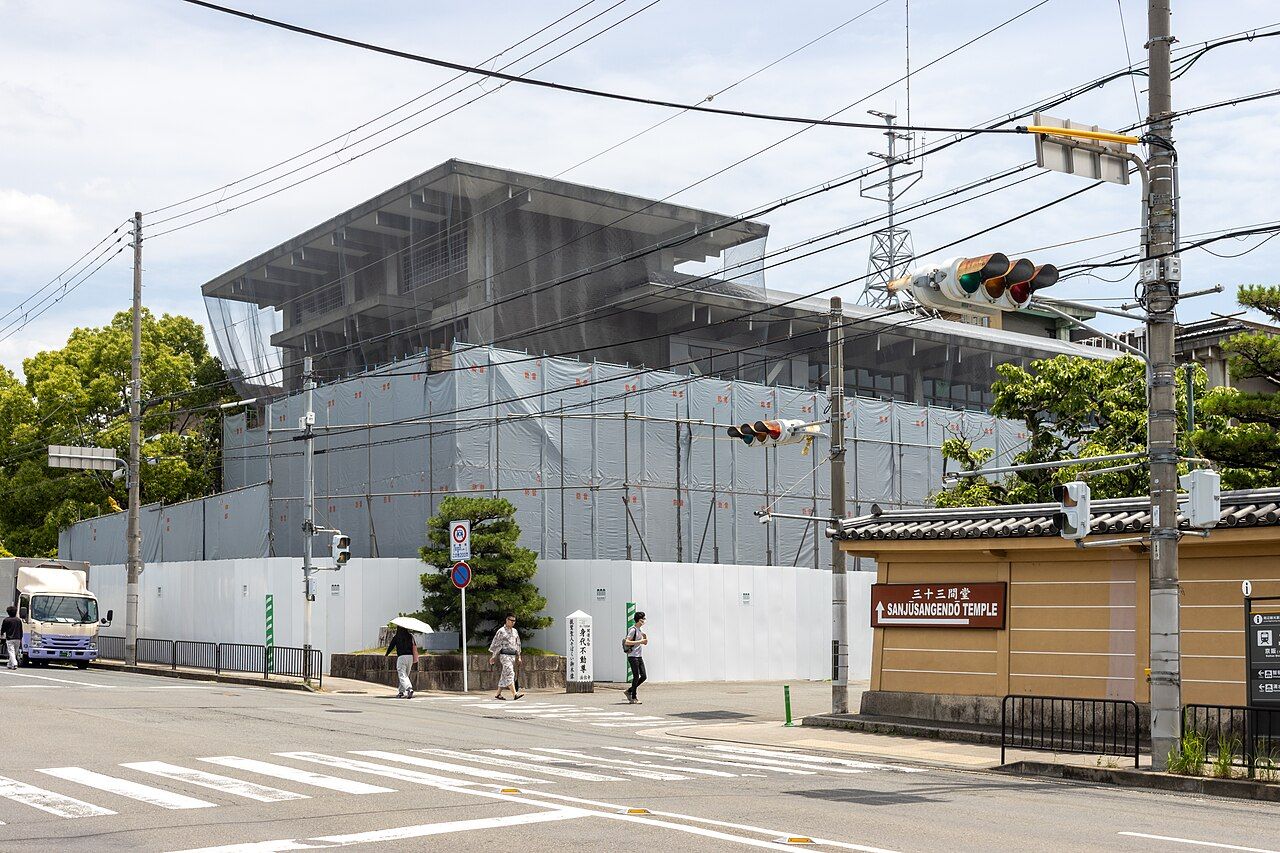
Cover photograph: Street approach and Sanjusangendo Temple sign in Kyoto in June 2024 — Archive photograph from June 2024, resized by Wikimedia Commons. The scaffolding reflects that date, not current conditions. — Mike Peel (www.mikepeel.net), CC BY-SA 4.0.
Frequently Asked Questions
How long should I allow at Sanjusangen-do?
Around an hour is an editorial allowance for the main hall and a short look outside. Visitors especially interested in Buddhist sculpture may prefer 75–90 minutes, excluding travel and ticket queues.
Does Sanjusangen-do close earlier in winter?
Yes. From 16 November to 31 March, the published hours are 09:00–16:00 with last ticket admission at 15:30. The 2026 notice confirms that period through 31 March 2027 and says no evening viewing this season.
Can wheelchair users visit the hall?
The temple lists ramps on the viewing route and grounds, accessible toilets and loan wheelchairs. Confirm the appropriate route and any equipment-specific requirements with staff.
Should I combine it with Kyoto National Museum?
That can make a focused art afternoon if the museum's current exhibitions interest you and its calendar fits. Check it separately; a meal or walk is a reasonable alternative after the sculpture-filled hall.


Keep Exploring
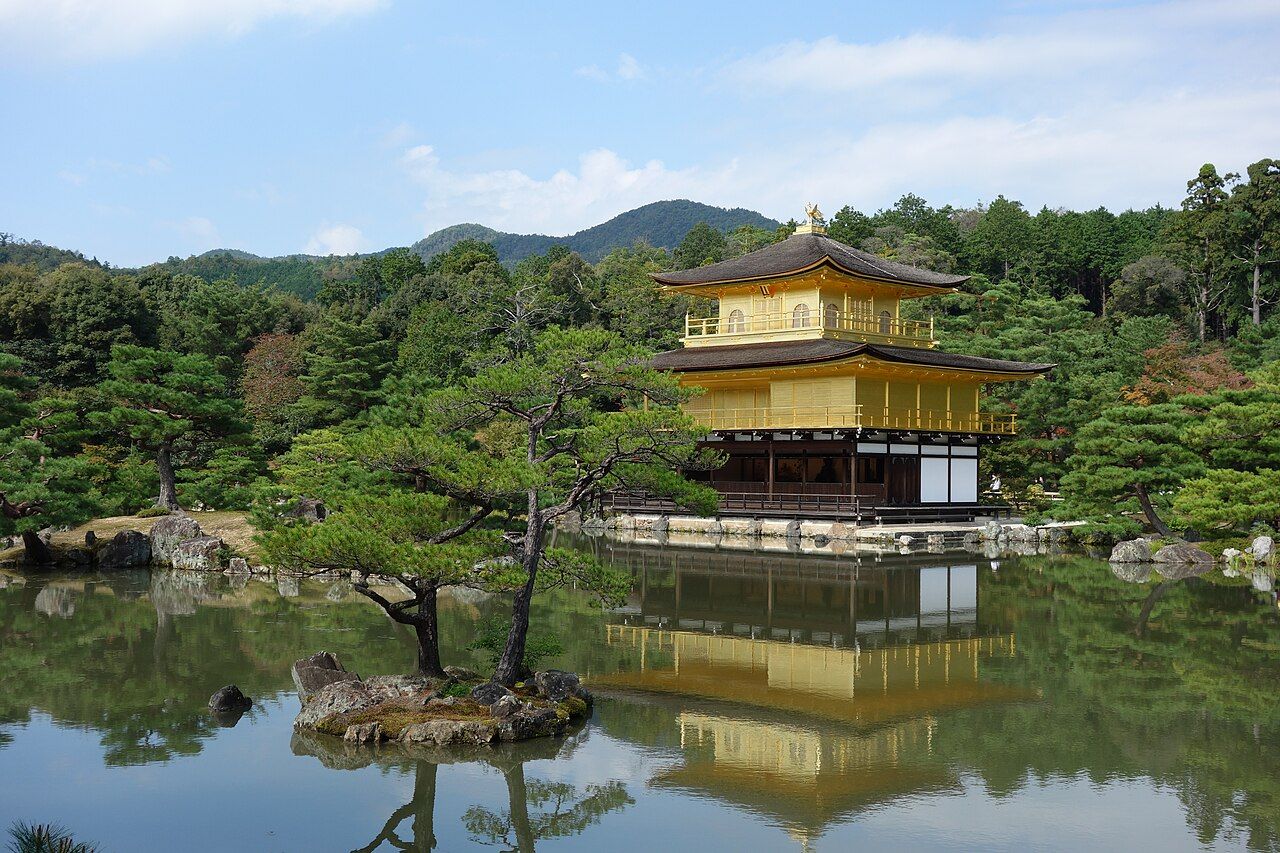
Kinkaku-ji: Plan Your Kyoto Temple Visit
Plan the Golden Pavilion, pond walk and northwest Kyoto journey, with current admission, access and photography rules.
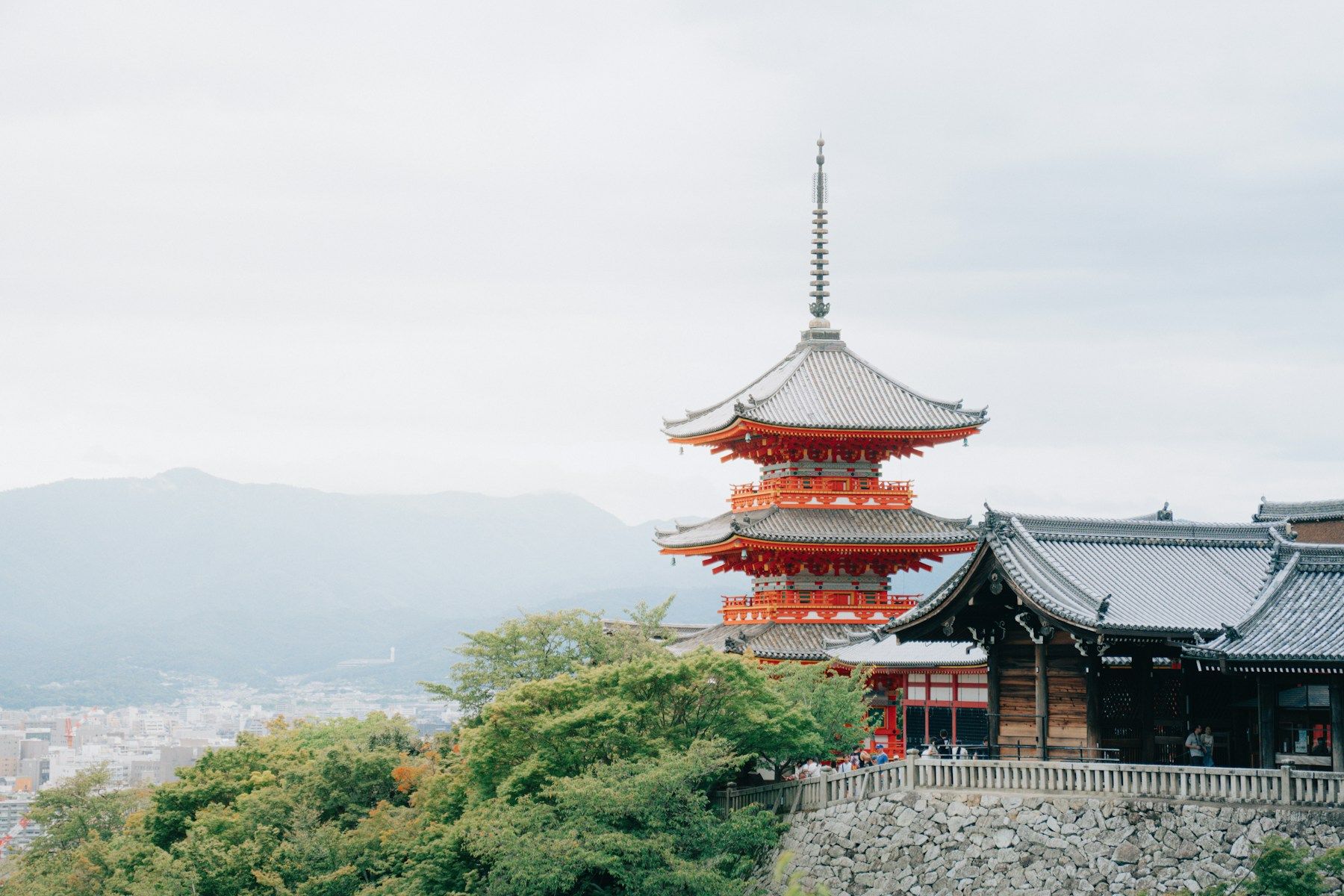
Kiyomizu-dera: Plan Your Kyoto Temple Visit
Plan Kiyomizu-dera with temple hours, the uphill approach, Main Hall viewpoints, autumn night viewing, accessibility and Jishu Shrine closure.
Daigo-ji Kyoto: Choose Your Temple Visit
Choose Sanboin, Garan and Reihokan with current ticket distinctions, access advice and the Kami-Daigo mountain closure clearly separated.