
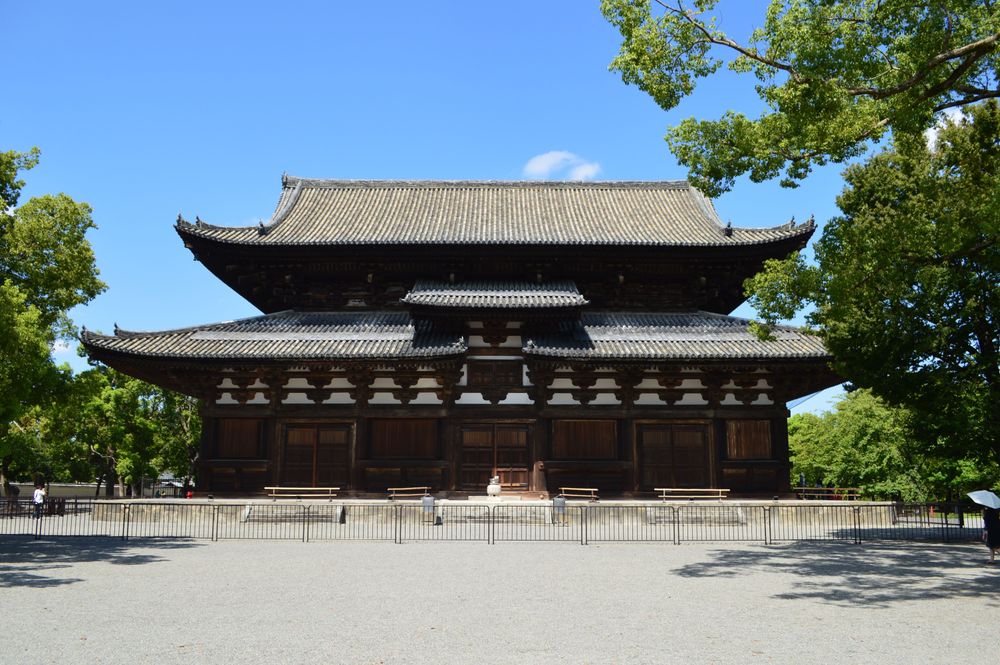
To-ji Kyoto: Temple Grounds and Visiting Options
Choose between To-ji’s free precinct, sculpture halls, seasonal pagoda opening and evening illumination, with current autumn 2026 admission details.
To-ji is a good Kyoto temple choice when you want to understand the relationship between monumental buildings, Buddhist sculpture and an active place of worship. The five-storey pagoda attracts attention, but the Kondo and Kodo halls give the visit its substance. Decide first whether you want the free precinct, the principal paid area or a longer visit with additional interiors.
For autumn 2026, that decision is unusually date-sensitive: the pagoda's first level, the Treasure Hall and the evening programme do not share one permanent ticket. Read the calendar for your actual day before comparing prices. Our Kyoto cultural guide helps place To-ji among the city's other experiences; this guide concentrates on the temple's different visiting options.
Choose the right part of To-ji
Information checked on 5 November 2026. Prices below are published individual adult rates in yen, not a booking quote. Time allowances are editorial estimates, excluding travel and queues.
| Visit | What it gives you | Planning point |
|---|---|---|
| Free precinct | Temple surroundings and worship at Miedo and Jikido | Gates open 05:00–17:00; paid halls open later |
| Principal paid area | Kondo, Kodo and the seasonal pagoda first-level opening | 1,200 yen, 31 October–13 December 2026 |
| Longer autumn visit | Principal paid area, Kanchi-in and Treasure Hall | Combined adult ticket 2,000 yen through 25 November |
| Late-autumn combination | Principal paid area and Kanchi-in | 1,500 yen, 26 November–13 December |
| Evening illumination | Separate night viewing of Kondo and Kodo with illumination | 1,000 yen, 31 October–13 December |
The temple's current admission calendar sets out these distinctions. The autumn Treasure Hall opening ends on 25 November, while the pagoda first-level opening continues through 13 December. Do not use an old standard admission price as the cost of the special-opening package.
Start with the free precinct, but know its limits
The early gate opening is useful if you want to spend time in the temple surroundings before the principal paid areas open. It does not mean you can enter every hall at 05:00. The temple explicitly lists worship at Miedo and Jikido as free; Kondo and Kodo admission is separate.
A free visit can be worthwhile when you are interested in the working temple and the arrangement of its buildings, or have a limited budget. It is not equivalent to entering the sculpture halls. If the reason you selected To-ji is its Buddhist art, leave time and money for the principal paid visit rather than discovering the distinction at the entrance.
Begin by orienting yourself with the site map and the signs at your entrance. Identify the main halls, the pagoda area and the location of any additional ticketed section you intend to visit. A few minutes of orientation prevent unnecessary backtracking, especially if you are also looking for a particular place of worship.
Keep paths and worship areas clear. Visitors may be there for religious practice rather than sightseeing; let that use determine where you pause, speak and take photographs. A quiet morning is an opportunity to observe the setting respectfully, not a guarantee of an empty temple.
Give the Kondo and Kodo your attention
The official Kondo guide identifies this as the main hall and its central figure as Yakushi Nyorai, flanked by Nikko and Gakko Bosatsu. Inside, begin with the relationship between the principal figure and its attendants rather than trying to identify every detail at once.
Look at the scale of the figures within the hall, their arrangement and the way the space directs your attention. Then compare that impression with the building outside: the roof, timber structure and overall proportions provide a different view of the same place. Read available interpretation and follow any instructions about shoes and photography instead of assuming a general temple rule covers every room.
The Kodo offers a different arrangement. The temple's three-dimensional mandala explanation describes 21 Buddhist figures organised around Dainichi Nyorai. This is a religious composition, not simply a collection of unrelated statues displayed together. Understanding that relationship is a useful starting point even if you have little background in Shingon Buddhism.
Try a slow comparison: how does the grouping in the Kodo differ from the focus on Yakushi in the Kondo? Which figures seem calm, which forceful, and how does their position affect the whole? These are suggestions for looking, not a substitute for the temple's own interpretation. You can appreciate the arrangement without claiming to have decoded every gesture or symbol.
For the principal halls and pagoda setting, allow around 75–120 minutes as an editorial estimate. If you read closely or encounter queues, extend the visit rather than making the final hall a hurried stop.
The pagoda opening is at ground level
The special opening concerns the first level of the five-storey pagoda. It is not an offer to climb its upper storeys or a viewing platform over Kyoto. Keep this distinction in mind when assessing whether the autumn ticket matches what you want to do.
Use the exterior to understand the building first. Look from a position where you can see its full height, then notice how the rooflines repeat upward. During the special opening, follow the designated viewing arrangement at the first level; do not assume unrestricted movement through the interior.
If you visit after 13 December, consult the next applicable period before expecting the same access. Seeing the pagoda from outside remains a different experience from a scheduled first-level opening. Seasonal access is a reason to choose a date when it matters to you, not a requirement for finding the temple worthwhile.
Add Kanchi-in or the Treasure Hall deliberately
Kanchi-in's own guide presents it as a place of Shingon learning, with historic rooms and a different scale from the main halls. Choose it when you want to slow down with architectural interiors and the relationship between rooms and garden views. It is a separate part of the visit, not simply another doorway covered by every ticket.
The Treasure Hall, also labelled Houmotsukan, follows special-opening periods. For the current autumn programme, its closing date is 25 November 2026. Check the exhibition information if a specific object is the reason for adding it; a temple collection does not imply every treasure is always on display.
For a longer visit including both additions, allow roughly two to three hours, with more time if you study the displays closely. Before buying the combination, ask yourself whether you genuinely want all its components. A larger ticket saves neither money nor time if you would prefer to spend the whole allowance in the principal halls.
The closing times make afternoon planning important. Kondo and Kodo publish 08:00–17:00 hours, with last admission at 16:30; Kanchi-in and the seasonal Treasure Hall start at 09:00. The admission page gives earlier cutoffs for combination tickets: 16:00 for the halls-and-Kanchi-in combination and 15:30 when the Treasure Hall is included. Treat those as final entry limits, not comfortable starting times for a full visit.
Daytime and evening are separate visits
The autumn illumination is advertised for 31 October–13 December 2026, with a separate adult charge of 1,000 yen. It includes special night viewing of the Kondo and Kodo; do not assume it reproduces every daytime special opening or includes the Treasure Hall and Kanchi-in.
Choose daytime if your priority is studying architecture, sculpture and additional interiors. Choose evening if the illuminated setting is what you want most. Doing both can make sense for a dedicated interest, but it means budgeting for two admissions and checking the evening event's own hours and entry arrangements.
Consult the temple's special-exhibition notices near your visit. Do not plan to remain continuously inside between daytime closing and night admission unless the temple explicitly allows it. Put a meal or another flexible activity between the visits, with time to return to the correct entrance.
Autumn dates also do not guarantee a particular stage of leaf colour. Decide whether the illuminated temple itself justifies the visit, rather than relying on a photograph taken in a different year or week.
Arriving from Kyoto Station
The temple's official access information is the starting point for the journey. Its English visitor page gives an approximate 15-minute walk from JR Kyoto Station's Hachijo exit and ten minutes from Kintetsu Toji Station. These are approach estimates, not the time from a train seat to the ticket desk.
At Kyoto Station, choosing the correct side matters. Allow additional time to navigate the station, collect luggage if necessary and walk to the temple entrance. If you use Kintetsu, remember that the remaining walk is still part of the journey; a train connection is not automatically faster than walking from your actual starting point.
To-ji works well as a substantial visit near the station, but avoid squeezing it into a tight departure margin. Leave baggage somewhere suitable before entering and keep a realistic buffer before a reserved train. If you need step-free access or are using a wheelchair or stroller, ask about the exact areas you intend to enter, including interior thresholds and routes; proximity to a station does not establish full accessibility.
Market day changes the outing
The official Kyoto destination guide identifies the Kobo-san market on the 21st of each month. Choose that date if browsing stalls is part of your reason for coming. Choose another day if your priority is a more focused temple visit with fewer competing activities.
The temple FAQ says most stalls are open around 08:00, packing up begins around 16:00, and rain can prompt earlier closing. It also states that temple parking is unavailable on market day. Individual sellers' presence is not guaranteed by the monthly date, so do not base a purchase on finding one particular stall without confirmation.
If comparing temple styles for another day, our Nanzen-ji visit guide covers a separate eastern Kyoto outing. To-ji's principal attraction is the combination of monumental halls and Buddhist sculpture; Nanzen-ji offers different architecture and garden choices. Pick the contrast that interests you instead of making both compulsory stops on one rushed route.
Cover photograph: Timber facade and tiled roof of the Kondo main hall at To-ji in Kyoto. — Archive photograph; no edits to the downloaded file — Saigen Jiro, CC0 1.0 Universal.
Frequently Asked Questions
Can I visit To-ji for free?
The precinct includes free access, and the temple lists worship at Miedo and Jikido as free. The Kondo, Kodo and other ticketed areas are separate; a free walk is not the same as visiting the sculpture halls.
Can I climb To-ji's five-storey pagoda?
The advertised special opening is for the first level, not a climb to the upper storeys. For autumn 2026, first-level access with Kondo and Kodo is scheduled from 31 October through 13 December.
What does the autumn combined ticket include?
Through 25 November 2026, the 2,000-yen adult combination covers the principal special-opening area, Kanchi-in and Treasure Hall. From 26 November to 13 December, the 1,500-yen combination excludes the now-closed Treasure Hall.
Does a daytime ticket include the evening illumination?
No. The autumn night programme has separate admission, listed at 1,000 yen for adults for 31 October–13 December 2026. Check its own hours, entrance and inclusions before planning a return visit.


Keep Exploring
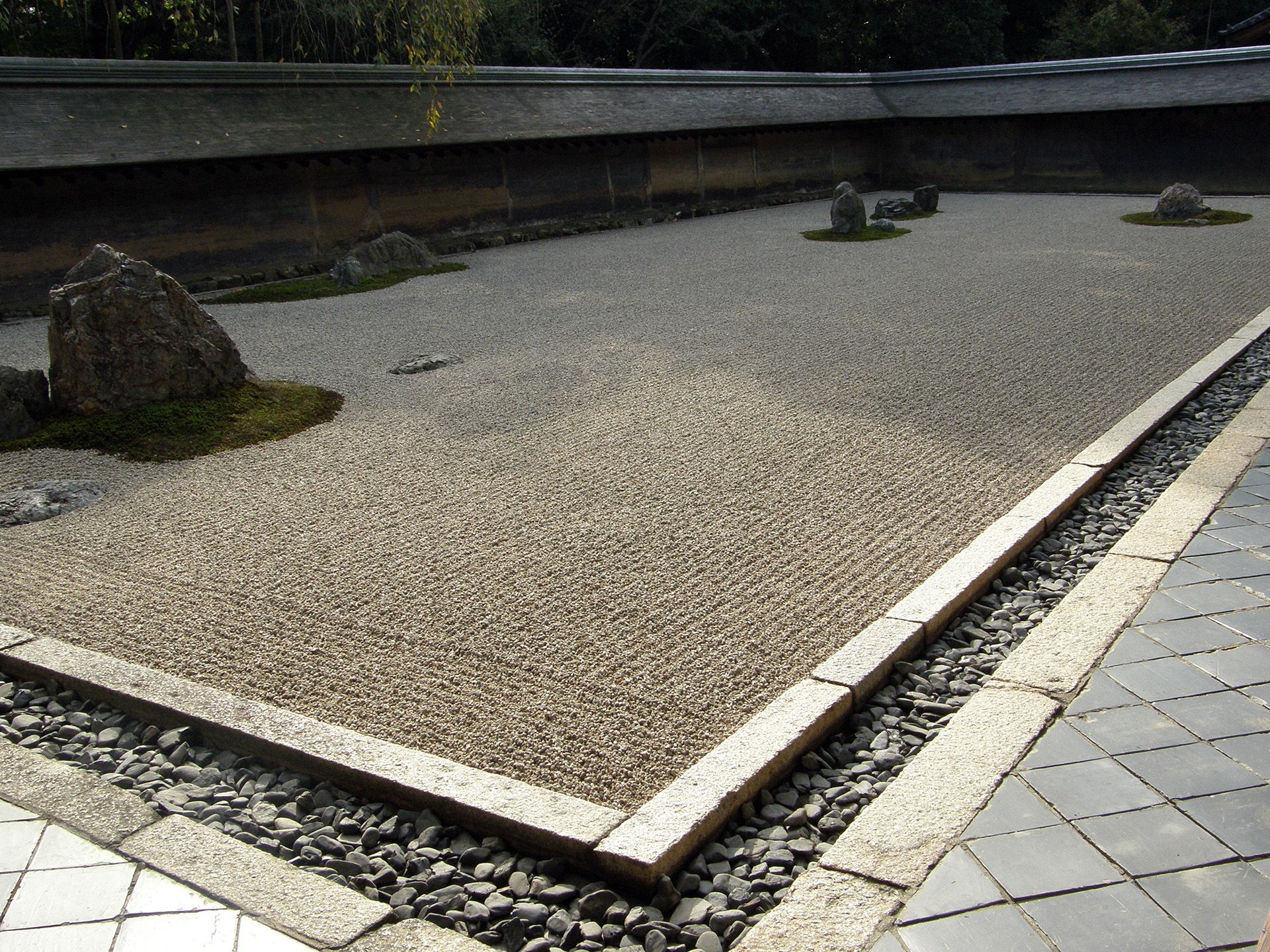
Ryoan-ji Kyoto: Rock Garden and Temple Visit
Plan Ryoan-ji’s rock garden and pond walk, with current admission, winter hours and the separate autumn 2026 evening programme.
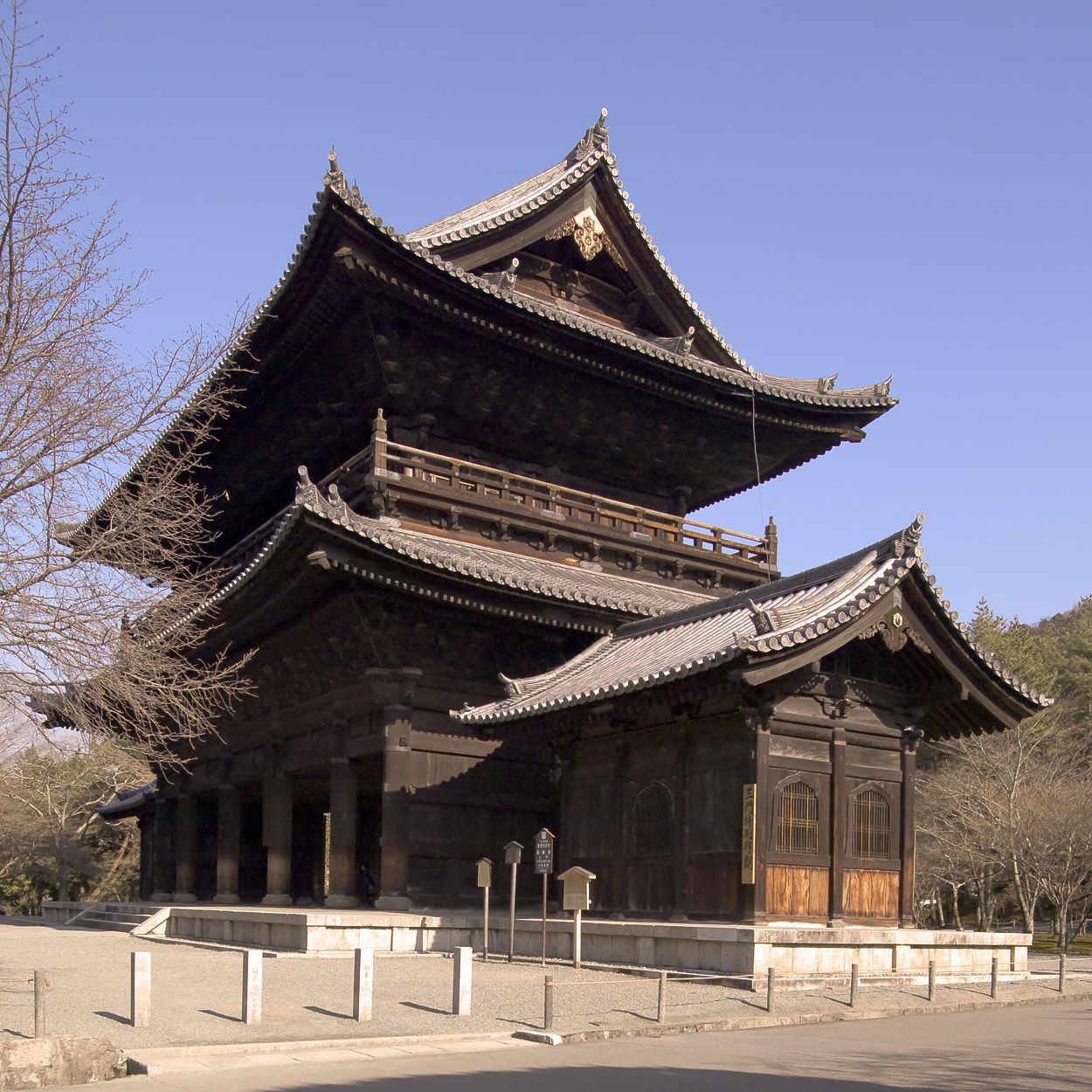
Nanzen-ji: Choose Your Kyoto Temple Visit
Choose Sanmon, the Hojo garden and the aqueduct at Nanzen-ji, with separate fees and the limited November 2026 opening of Nanzen-in.
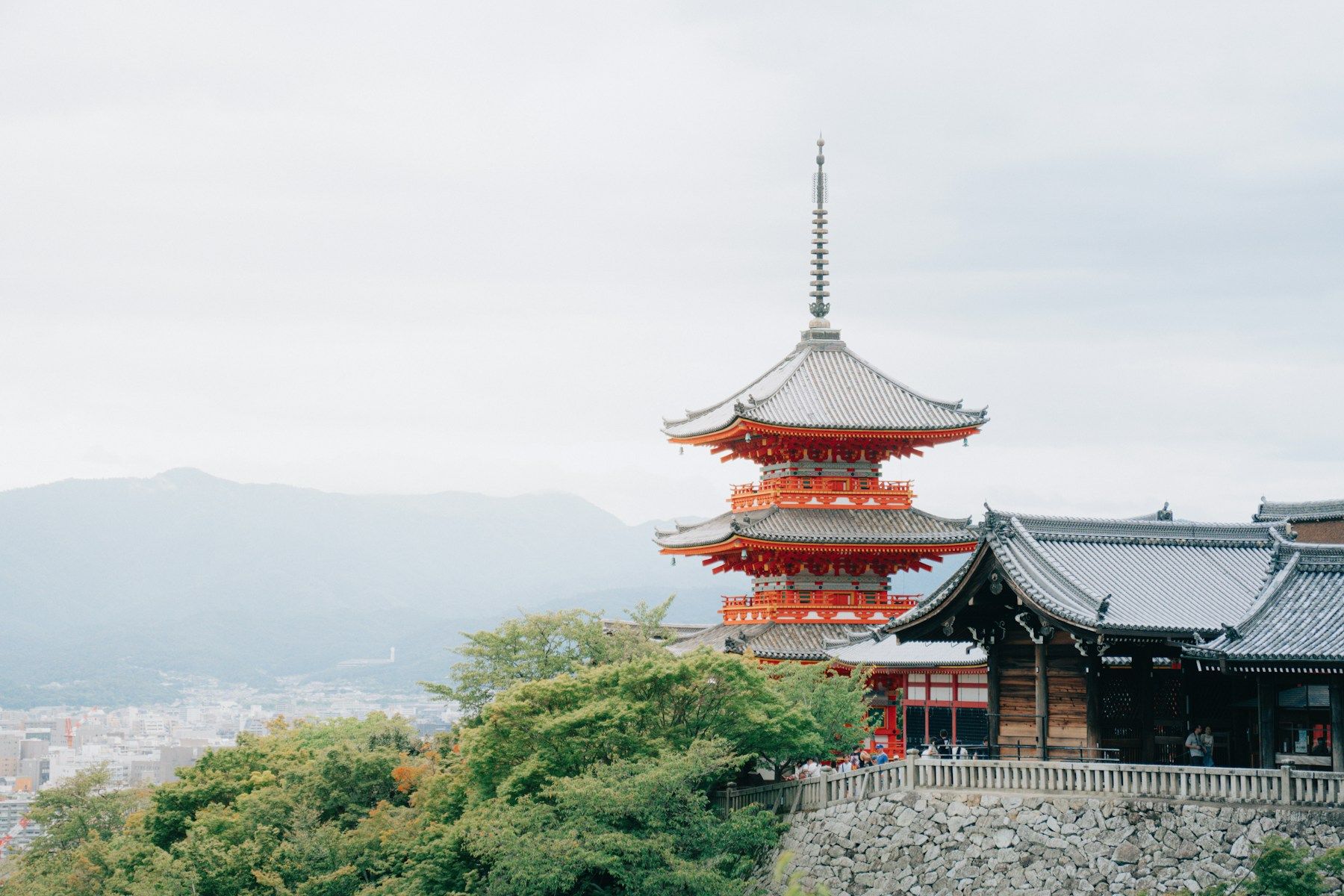
Kiyomizu-dera: Plan Your Kyoto Temple Visit
Plan Kiyomizu-dera with temple hours, the uphill approach, Main Hall viewpoints, autumn night viewing, accessibility and Jishu Shrine closure.