
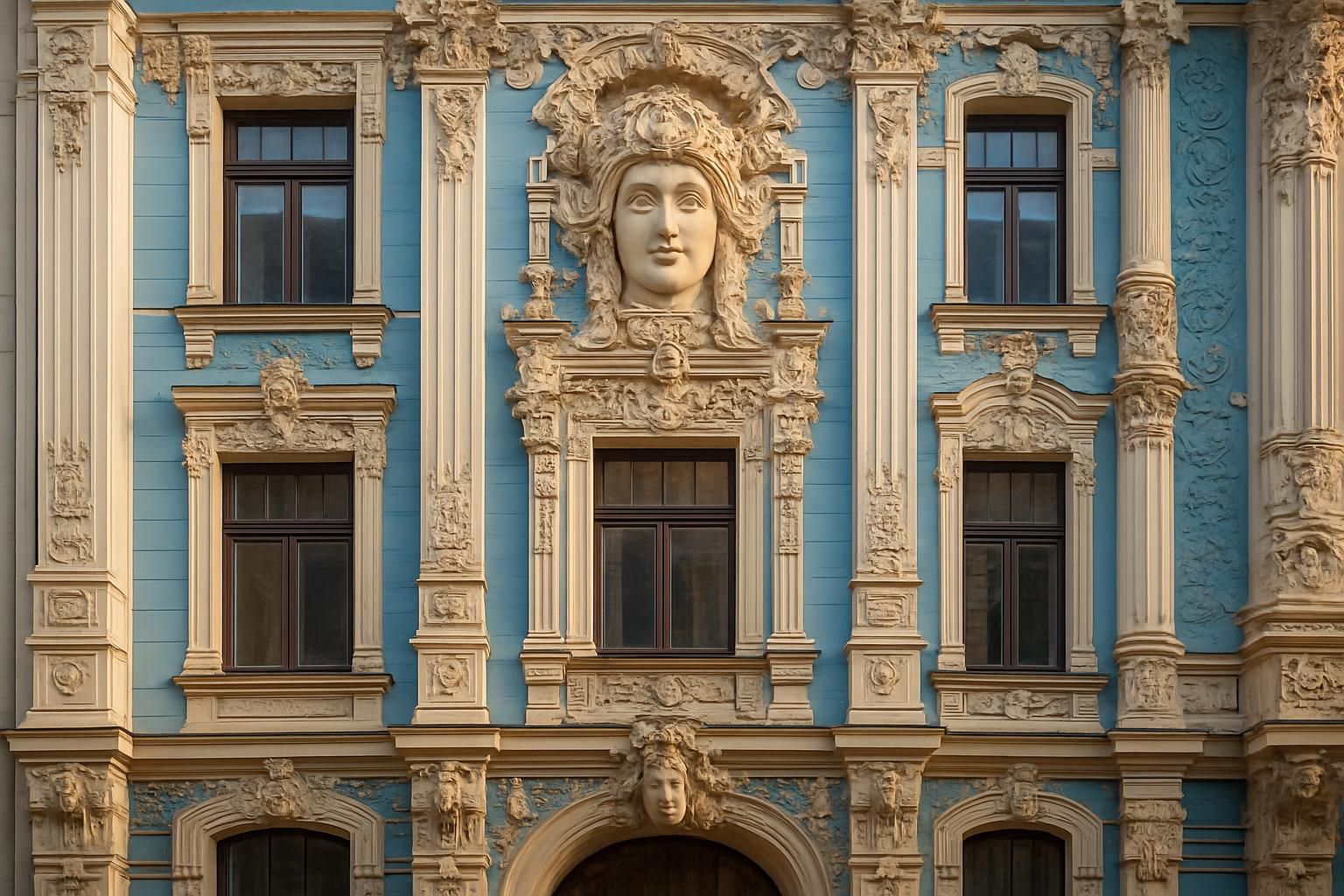
3 Days in Riga: Exploring Latvia's Art Nouveau Capital
Medieval spires, the world's finest Art Nouveau, and a food scene that'll surprise you. Here's how to spend the perfect long weekend in the Baltic's most beautiful city.
Riga is the Baltic capital that rewards travellers who slow down, and one of the most rewarding of Europe's underrated European capitals. In three days you can climb a medieval church tower, stand beneath the most concentrated collection of Art Nouveau facades anywhere in Europe, eat smoked fish in a market built inside repurposed Zeppelin hangars, and still have time for a beach afternoon on the Gulf of Riga. The compact, UNESCO-listed Old Town does most of the work for you: almost everything sits within a 30-minute walk, the euro is the currency, and prices remain noticeably gentler than in Prague or Vienna. This itinerary is built around the city's signature theme, its Jugendstil (Art Nouveau) architecture, while still covering the medieval core, the Central Market, and the creative Miera iela district. Here is exactly how to spend 72 hours in Latvia's capital, with real hours, fares, and walking times.
Fast Facts
| Detail | Information |
|---|---|
| Days needed | 3 days (2 is enough for the highlights; 3 adds Art Nouveau depth and a day trip) |
| Best time to visit | Late May to early September for long daylight; December for Christmas markets |
| Currency | Euro (EUR) |
| Airport to centre | Bus 22 from Riga Airport (RIX) to the Old Town: roughly 30–40 min; ticket about €1.50 from the machine or €1.81 from the driver (card only) |
| City transport | Rīgas satiksme trams/buses/trolleybuses; single ticket from machine; the centre is highly walkable |
| Walkability | Very high. Old Town and the Art Nouveau District are easily covered on foot |
| Must-sees | St. Peter's Church tower (72 m viewpoint), Alberta iela Art Nouveau facades, Riga Central Market |
| UNESCO status | Historic Centre of Riga inscribed in 1997 |
Riga's historic centre is on the UNESCO World Heritage List, recognised for what UNESCO calls "the finest collection of art nouveau buildings in Europe." That single line explains why this itinerary leans so heavily into architecture.
Getting from Riga Airport (RIX) to the Centre
Riga International Airport sits about 10 km southwest of the Old Town. The cheapest and most reliable option is city bus 22, which runs roughly every 10–20 minutes from early morning until past midnight and stops at "11. novembra krastmala," directly across the river embankment from the Old Town. According to Rīgas satiksme, the official transport operator, a ticket bought from the driver costs €1.81 and is payable by bank card only; buying from the machine at the stop is cheaper, around €1.50. The trip takes roughly 30–40 minutes depending on traffic. A taxi or ride-hail to the centre typically runs around €15–20. The official airport site, RIX, lists current public transport options if schedules change.
Once you are in town, you rarely need transport again: the entire itinerary below is walkable apart from the optional Day 3 day trip.
Day 1: Old Town (Vecrīga)
Spend your first day inside the medieval core, a tangle of cobbled lanes, guild houses, and church spires squeezed into a few hundred metres.
Morning. Start in Town Hall Square in front of the House of the Blackheads, a flamboyant brotherhood guildhall whose ornate Dutch Renaissance facade is Riga's most photographed building (the original dates to the 14th century; today's structure is a meticulous post-WWII reconstruction). From there it is a two-minute walk to St. Peter's Church. The 72-metre tower has a lift to an observation gallery with the best panorama of the red-roofed Old Town and the Daugava river. Plan for the church being open roughly 10:00–18:00 and closed Mondays, with combined church-and-tower admission around €9 for adults (cheaper for students and children); tower tickets typically stop selling around an hour before closing, so go earlier rather than later.
Late morning. Wander north through the lanes to the Three Brothers on Mazā Pils iela, a trio of adjoining houses that are among the oldest dwellings in the city, then on to Riga Cathedral (Dome Cathedral) on Doma laukums, famous for its enormous historic pipe organ. A five-minute stroll separates each of these stops.
Lunch. Walk 10 minutes south to the Riga Central Market, one of Europe's largest markets, housed in five former Zeppelin hangars beside the railway. Graze cheaply: smoked fish, fresh rye bread, and grey peas with bacon (a Latvian staple) for single-digit euros. Avoid the assumption that it is open late; it is primarily a daytime market.
Afternoon. Back in the Old Town, follow the pedestrianised Kaļķu iela for shops and street performers, then loop past the Swedish Gate and a surviving stretch of the medieval city wall.
Evening. Dine on traditional Latvian fare (expect roughly €15–25 per person at a mid-range restaurant) and try a measure of Riga Black Balsam, the bitter herbal liqueur that is the city's signature drink, often served mixed with blackcurrant or in a hot coffee. Expect dark rye bread, smoked and cured fish, sour cream, foraged mushrooms, and hearty potato dishes; Latvian cuisine is rooted in what the Baltic forests and coast provide rather than in flash.
A practical tip for Day 1: because the Old Town is so compact, resist the urge to over-schedule. The pleasure here is partly in getting briefly lost between the guild houses, courtyards, and small squares. If the weather turns, the indoor Central Market and the many cafés around Doma laukums make easy refuges, and St. Peter's tower is worth saving for a clear hour so the panorama pays off.
Day 2: The Art Nouveau District (Alberta iela)
Day 2 is the heart of this itinerary and the reason "Art Nouveau capital" is no exaggeration. Riga has hundreds of Jugendstil buildings, the densest concentration in Europe, mostly built during the city's economic boom around 1900–1914.
Morning. Walk 10–15 minutes north of the Old Town into the quiet residential grid around Alberta iela. This short street is an open-air gallery of facades, screaming masks, mythological figures, and flowing organic forms, several designed by Mikhail Eisenstein (father of the filmmaker Sergei Eisenstein). Look up at numbers 2a, 4, 8, and 13 in particular, then turn the corner onto Elizabetes iela for more. Everything here is free to admire from the pavement.
Mid-morning. Step inside the Riga Art Nouveau Museum at Alberta iela 12, set in a 1903 apartment building and recreated as an early-20th-century middle-class home complete with period furniture and a spiral staircase. Plan for opening hours of roughly 10:00–18:00, typically Tuesday–Sunday, with admission around €5 (reduced for students and seniors). Verify the day's hours on arrival, as smaller museums adjust seasonally.
Lunch. Riga has a genuine specialty-coffee scene; stop at one of the roasteries near the centre for a flat white and a pastry. For a deeper dive into where to eat and drink, see City Voyager's Riga food and coffee guide.
Afternoon. Stroll through leafy Esplanade Park to the grand Latvian National Museum of Art, then walk to the Freedom Monument (Brīvības piemineklis), the symbolic heart of Latvian independence, where a guard of honour stands watch. The Latvian National Opera sits nearby if you want an evening performance.
If architecture is your main reason for visiting, set aside extra time to look closely. Riga's Art Nouveau divides loosely into eclectic-decorative facades (the masks and figures of the Eisenstein buildings on Alberta iela), more restrained "National Romantic" work that drew on Latvian folk motifs and natural materials, and later, cleaner Perpendicular Art Nouveau. You do not need to memorise the categories, but once you start noticing the differences, an ordinary residential street turns into a free outdoor museum that stretches well beyond Alberta iela into Elizabetes and Strēlnieku. Riga's only real rival for this density of Jugendstil is Brussels, the movement's birthplace, where Victor Horta's townhouses do for the style what Alberta iela does here — our guide to 48 hours in Brussels makes the natural architectural companion trip.
Evening. This is the night for a special meal. Riga's upper-end restaurants are excellent value by Western European standards; a tasting-style dinner with wine that might cost double in Copenhagen or Paris is more attainable here.
Day 3: Beyond the Centre (Miera iela, Kalnciema, or Jūrmala)
Use your final day to see the Riga that locals actually live in, or escape to the coast.
Morning. Head to Miera iela ("Peace Street"), the hub of Riga's bohemian, creative quarter, lined with independent cafés, vintage shops, and the historic Laima chocolate factory. It is an easy area to wander with no fixed agenda. Alternatively, cross the river to the Kalnciema Quarter, a restored cluster of 19th-century wooden buildings that hosts a popular weekend farmers' and crafts market.
Afternoon, choose one:
- History. The Museum of the Occupation of Latvia near the Old Town gives essential, sobering context to the 20th century under Nazi and Soviet rule; its associated "Corner House" (former KGB headquarters) can be visited separately.
- Beach. Take the electric train from Riga's central station to Majori in Jūrmala, the Gulf-of-Riga seaside resort famous for wooden villas and a long sandy beach. Per LiveRiga, trains run frequently; a one-way ticket is roughly €1.50 (a little cheaper via the Vivi app) and the ride takes about 30 minutes.
- Quirk. The Riga Motor Museum displays Soviet-era and classic cars in a slick modern building, a fun, lower-key option.
Evening. Return to the Old Town for a final dinner, or settle into a wine bar to toast a city that consistently surprises first-time visitors.
How Much Does 3 Days in Riga Cost?
Riga remains one of the better-value capitals in the European Union. As a rough per-day guide for a mid-range traveller: a budget market lunch runs €5–8, a sit-down dinner €15–25, museum entries €5–10, and a single transport ticket only a couple of euros. Big-ticket fine dining (€50+ per person) exists but is optional. If you are mapping a wider value-focused trip, City Voyager's roundup of the cheapest European cities in 2026 puts Riga's affordability in context.
Pair Riga with another Baltic stop and you have a strong week. Vilnius is an easy onward bus; see the weekend in Vilnius guide to plan the next leg. Push further south and two more affordable, walkable capitals make natural add-ons: Bratislava, Slovakia's underrated capital and a three-day Prague itinerary.
Frequently Asked Questions
Planning more European escapes? Compare the best European city breaks for a weekend to pick your next trip.
Final Word
Three days in Riga works because the city is dense in the best way: a UNESCO Old Town, the world's richest Art Nouveau streetscape, a colossal market, and a sandy coastline all within reach of a single walkable centre, at prices that still feel like a discovery. Climb the tower on Day 1, look up on Day 2, and wander wide on Day 3.
Frequently Asked Questions
Is 3 days enough for Riga?
Yes. Three days is the sweet spot: one for the medieval Old Town, one for the Art Nouveau district and museums, and one for the surrounding neighbourhoods or a day trip to Jūrmala. You can hit the headline sights in two days, but the third day lets you slow down and see how locals actually live.
How do I get from Riga airport to the city centre?
Take city bus 22 from outside the terminal. It runs every 10–20 minutes, takes roughly 30–40 minutes to the Old Town embankment, and costs about €1.50 from the ticket machine or €1.81 from the driver (card payment only). A taxi or ride-hail is faster at around €15–20.
Is Riga expensive?
No, Riga is one of the more affordable EU capitals. Market lunches cost single-digit euros, mid-range dinners run €15–25, museum tickets are €5–10, and a single transport ride is only a couple of euros. It is noticeably cheaper than Western European capitals for comparable quality.
What is Riga famous for?
Riga is best known for having the finest and densest collection of Art Nouveau (Jugendstil) architecture in Europe, especially along Alberta iela, plus its UNESCO-listed medieval Old Town, the vast Central Market in former Zeppelin hangars, and Riga Black Balsam herbal liqueur.
Is Riga walkable?
Very. The Old Town and the Art Nouveau District are compact and easily covered on foot, with most key sights within a 20–30 minute walk of each other. You really only need public transport for the airport or a day trip to Jūrmala.
When is the best time to visit Riga?
Late May to early September offers the warmest weather and very long daylight hours, peaking around midsummer. December is atmospheric for Christmas markets. The grey, wet shoulder periods of late autumn and early spring are the least appealing.

Keep Exploring
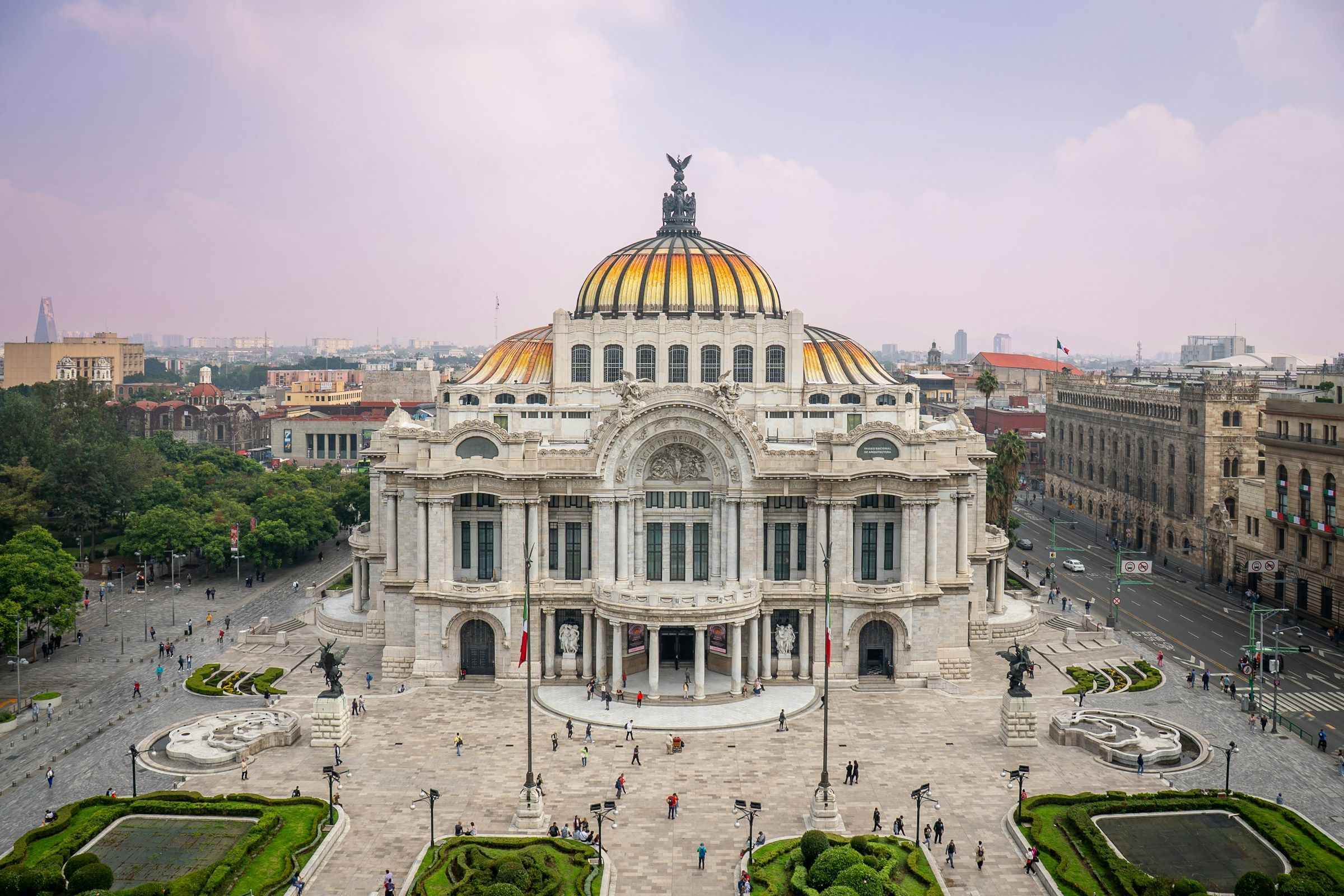
Mexico City in 3 Days: A Neighborhood-Based Itinerary
A practical route through Centro Histórico, Chapultepec, Condesa and Coyoacán, with one main visit each day, flexible meals and clear choices when time runs short.
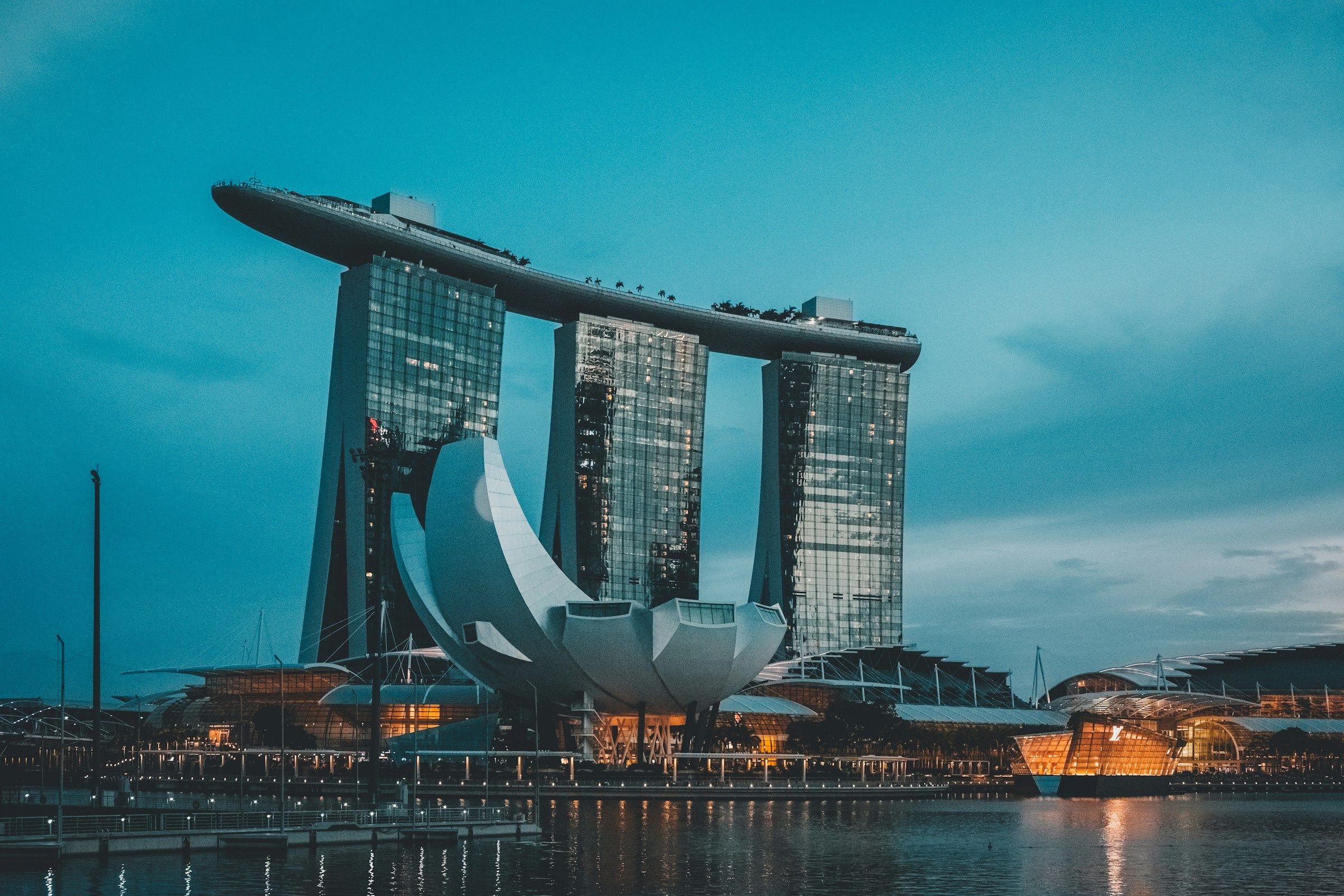
Singapore in 3 Days: A First-Timer’s Itinerary
A three-day Singapore itinerary balancing skyline sights, neighbourhood walks, gardens and food, with room for rain and a slower pace.
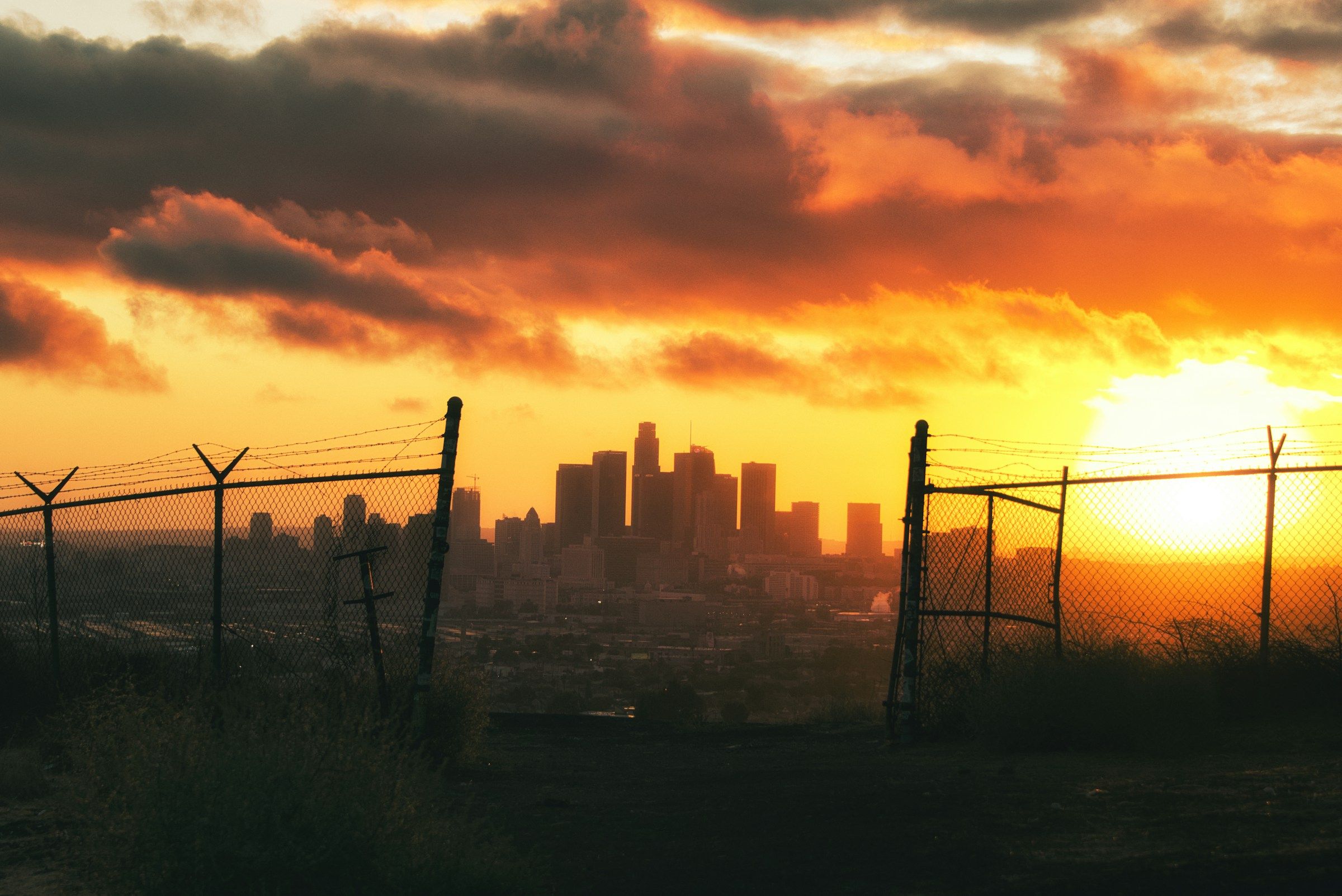
Los Angeles in 3 Days: Coast, Culture and City Views
A practical Los Angeles itinerary with one main area each day, selective Hollywood time, a coastal walking plan and clear alternatives for closures or short flight days.