
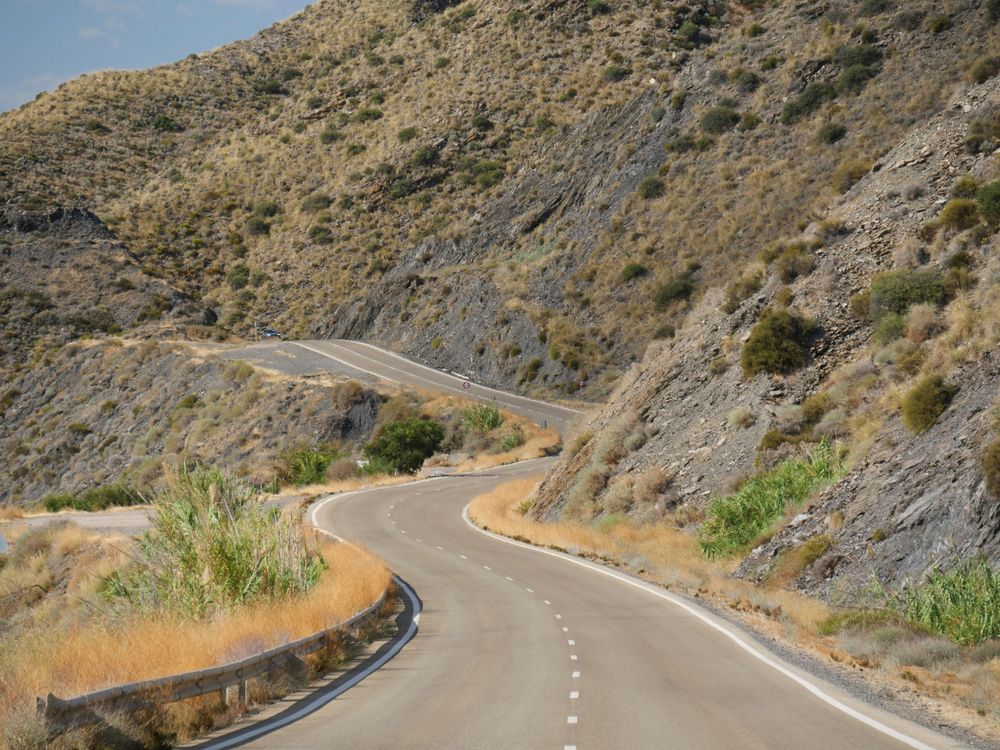
Three concrete Iberian road trips with exact roads, distances, driving times and EUR costs: Northern Spain coast, Portugal north-to-south, and Andalusia's white villages.
An Iberian road trip rewards the traveller willing to plan around the peninsula's two-speed road network: free Spanish A-autovías that ribbon along the Atlantic, and tolled Portuguese A-autoestradas that cut south fast under electronic gantries. The three routes below — Northern Spain's Cantabrian coast, Portugal north-to-south, and Andalusia's white villages loop — cover the most rewarding driving Iberia offers in 2026, with named hotels, exact mileages, and the practical truths about parking, fuel, and toll payment that decide whether the trip works.
Fast Facts
| Detail | Info |
|---|---|
| Total cost (per person, mid-range) | €1,400–€2,800 for a 7–10 day route, two sharing: rental €30–€60/day economy or €70–€120 SUV; fuel €120–€220; tolls €25–€90; lodging €70–€180/night; food €35–€60/day |
| Best season | April to October. May–June and September are ideal everywhere; July–August fine on the Atlantic coast but punishing inland (40°C+ in Andalusia and Alentejo) |
| Driving side & licence | Right-hand drive in both Spain and Portugal. EU/UK/EEA licences accepted; US, Canadian, Australian and most non-EU travellers need an International Driving Permit (IDP) alongside the home licence |
| Required documents | Passport, IDP if applicable, rental agreement, proof of insurance (Green Card), and reflective vest + warning triangle in the car (rental supplies these) |
| Must-not-miss | Picos de Europa's Bulnes funicular (Route 1); Évora's bone chapel (Route 2); Setenil de las Bodegas' rock-cut streets (Route 3) |
Why drive Iberia (and why these three routes)
Iberia is the European peninsula least well-served by rail. AVE high-speed trains connect Madrid to coastal capitals competently, but the actual texture of the region — Galician fishing villages, Portuguese hilltop convents, Andalusian whitewashed pueblos — sits between rail lines, in places where the only realistic transport is a car. A 7- to 10-day road trip is the canonical way to see it.
The three routes below were chosen because they cover the peninsula's distinct geographies with minimal overlap. Route 1 (Northern Spain) is green Atlantic Spain — Cantabrian cuisine, Romanesque churches, surf coasts, and a pilgrimage finale in Santiago de Compostela. Route 2 (Portugal north-to-south) is the country end-to-end, from Porto's tiled façades through medieval university towns to the Algarve's limestone cliffs. Route 3 (Andalusia) is the white-village loop out of Seville — a mountain-pass circuit through Ronda, the Sierra de Grazalema, and the Cádiz coast.
Three internal links worth opening in tabs before you book: our 3-day Valencia itinerary for a Mediterranean coast extension after Route 3, the Évora deep-dive on Portugal's museum city for the Day 6 stop on Route 2, and the companion pillar on wine tourism in Portugal across the Douro, Vinho Verde and Alentejo for the wine-region detours that pair naturally with Route 2.
Route 1: Northern Spain coast (10 days, ~1,400 km)
From San Sebastián west to the Portuguese border, the Cantabrian coast threads through four autonomous communities — País Vasco, Cantabria, Asturias, and Galicia — connected by the toll-free A-8 Autovía del Cantábrico, one of the most underrated free motorways in Europe. The route ends at Porto airport, just over the border in Portugal, giving cheap one-way flights back to most European hubs.
Day 1–2: San Sebastián and Bilbao (115 km, A-8). Start in San Sebastián for pintxos in the Parte Vieja — Bar Néstor, Borda Berri, and La Cuchara de San Telmo are the canonical stops, €3–€5 per pintxo, €40 for a full evening with txakoli wine. Drive 90 minutes west on the A-8 to Bilbao. The Guggenheim Museum Bilbao opens 10:00–19:00 (closed Mondays except in August), €18 admission, €22 with a temporary exhibition. Park at the Indautxu underground (€18–€22/day) — never attempt the Casco Viejo's narrow streets with a rental. Detour 35 km north on the BI-2235 to Mundaka for the legendary left-hand surf break and the Urdaibai Biosphere Reserve.
Day 3–4: Santander and the Picos de Europa (200 km). A-8 to Santander (100 km, ~1h 15m) — the Centro Botín on the waterfront is the Renzo Piano cultural addition worth a morning. Continue 100 km west to Cangas de Onís, the Picos de Europa gateway. The Bulnes funicular climbs 402 m of vertical inside a tunnel to the otherwise road-inaccessible village of Bulnes (€22.42 return adult, runs every 30 minutes from 10:00, last descent 19:30 in summer); from there, hiking trails reach the foot of the Naranjo de Bulnes (Picu Urriellu, 2,519 m). Stay in Cangas de Onís: Hotel Aultre Naray (€110/night) or Parador de Cangas de Onís (€175/night) in a 12th-century monastery on the Sella river.
Day 5–6: Asturian coast to Oviedo (180 km). Drive west to Oviedo on the A-8 and detour to Lastres or Cudillero — both are working fishing villages stacked vertically into the cliffs. In Oviedo, the pre-Romanesque churches of Santa María del Naranco and San Miguel de Lillo sit 3 km uphill from the centre on the slopes of Monte Naranco; combined entry €5, closed Mondays. Lunch at El Raitán in the old town for fabada asturiana (the regional bean stew, €18). Stay at the Hotel de la Reconquista (€155/night), a former 18th-century hospice with a glass-roofed central courtyard.
Day 7–8: Galicia and Santiago de Compostela (320 km). Cross into Galicia and join the AP-9 Autopista del Atlántico — this one is tolled (Oviedo–Santiago ~€25 in segments). Santiago de Compostela is the canonical end of the Camino; arrive early afternoon to walk the Praza do Obradoiro before the late-day pilgrim wave. The cathedral's Botafumeiro incense ceremony runs at the 12:00 Pilgrim's Mass (free, daily — arrive 45 minutes early for a seat). Stay at the Parador Hostal dos Reis Católicos (€220/night) right on the Praza, or A Casa do Peregrino (€95/night) five minutes from the cathedral. Side trip 75 km north to A Coruña and the Tower of Hercules — the Roman-era lighthouse inscribed by UNESCO in 2009 as the oldest functioning lighthouse in the world, €3 entry, climb 234 steps for the view.
Day 9: Costa da Morte (180 km). The Coast of Death is a fierce, rocky stretch with sea cliffs and tidal flats. Praia das Catedrais in Ribadeo (technically in northern Lugo, 200 km east — skip if pressed for time) requires a free permit between Easter and September via the Xunta de Galicia — book 2 weeks ahead in summer. South of Santiago, drive the AC-552 through Muxía and Fisterra — the latter is the symbolic end of the Camino, with a lighthouse at km 0.0. Stay in Pontevedra: Parador de Pontevedra (€135/night) in a 16th-century palace.
Day 10: Vigo to Porto airport (170 km). Final leg south on the AP-9 to the Portuguese border at Tui/Valença, then the A3 Portuguese motorway into Porto (~€8 toll). Return the rental at Porto Airport (OPO) — the depot opens 06:00–24:00 daily. Fly home or stay an extra night in Porto. Our companion pillar on wine tourism in Portugal covers Douro Valley extensions if you have a buffer day.
Route 2: Portugal north-to-south (8 days, ~900 km)
Portugal compresses three climate zones into 600 km north-to-south, and the country's two backbone motorways — A1 (Porto–Lisbon) and A2 (Lisbon–Algarve) — let you drive the entire length in two long days. The route below stretches it over eight days with stops in the medieval centre, the Alentejo plains, and the Algarve coast. If you'd rather focus on the country's two great cities and the Douro in between, our one-week Lisbon-to-Porto road trip covers that shorter north–south run.
Day 1: Porto to Aveiro (75 km, A1). Start with a half-day in Porto's Ribeira, then drive south 50 minutes to Aveiro — the so-called Portuguese Venice, with hand-painted moliceiro gondolas plying the lagoon canals. Ride one (€14 per person, 45 minutes, departures every 20 minutes from Canal Central). Lunch at Mercado Manuel Firmino, the covered market on Rua Conselheiro Luís Magalhães. Drive 15 km south to Costa Nova for the striped beach houses photo stop. Stay in Aveiro at Hotel Moliceiro (€115/night).
Day 2: Coimbra and Tomar (140 km). Coimbra is 60 km south on the A1. The University of Coimbra was inscribed by UNESCO in 2013 — the Biblioteca Joanina (the Baroque library with 200,000 volumes guarded by a colony of bats that eat the book-damaging insects) is the must-see; €15 combined ticket includes the library, Royal Palace and Saint Michael's Chapel, timed entry every 20 minutes, opens 09:00. Drive 90 km southeast to Tomar (~1h 15m). The Convento de Cristo — Templar headquarters from the 12th century, UNESCO 1983 — is the architectural masterpiece of Manueline Portugal; €10 admission, opens 09:00. Stay in Tomar at Hotel dos Templários (€110/night) facing the convent.
Day 3: Óbidos and Lisbon (180 km). Drive west then south on the A1/A8 to Óbidos — the walled medieval village given as a wedding gift from Portuguese kings to their queens for 600 years. Walk the 1.5 km town wall (free, no railings — not for the vertigo-prone), sample ginjinha cherry liqueur in a chocolate cup (€1.50) at Bar Ibn Errik Rex. Continue 90 km south on the A8 to Lisbon. Stay in Alfama: Hotel Convento do Salvador (€155/night) or Memmo Alfama (€220/night) with a Tagus-facing infinity pool. Park at the SABA Praça do Comércio underground (€25/24h) — never drive the Alfama lanes.
Day 4: Lisbon (full day). Day off the wheels. Tram 28 across the city, MAAT on the Belém waterfront, the Pasteis de Belém queue (€1.40 each, the original 1837 recipe). Evening fado at Mesa de Frades or Tasca do Chico in Alfama — €30–€50 with a meal and minimum two-drink charge.
Day 5: Lisbon to Évora (135 km, A2/A6). South on the A2 across the 25 de Abril Bridge (the suspended sister of the Golden Gate), then east on the A6 to Évora. The historic centre of Évora was inscribed by UNESCO in 1986 — the Templo Romano (1st-century Corinthian columns) and the Capela dos Ossos (the bone chapel lined with 5,000 monks' skeletons, inscription above the door reading "We bones here are waiting for yours") are the two essentials; combined ticket €6, opens 09:00. The deeper local context lives in our Évora guide to Portugal's museum city. Stay at Pousada Convento Évora (€175/night), a 15th-century monastery on the highest point of the old town.
Day 6–7: Algarve via Lagos and Sagres (290 km). A2 south to the Algarve, then the N125 coastal road west to Lagos (~3h 30m total from Évora). The Ponta da Piedade sea-stack cliffs at Lagos are the iconic Algarve shot — a 30-minute boat tour from Lagos marina costs €15. Drive 32 km further west to Sagres, the southwesternmost point of continental Europe — Prince Henry the Navigator's fortress sits on the cliff (€3 entry). The Praia da Marinha between Lagoa and Carvoeiro is the most photographed beach in Portugal — free public access, free roadside parking 10 minutes' walk uphill. Stay at Cascade Wellness Resort in Lagos (€185/night) or Memmo Baleeira in Sagres (€155/night).
Day 8: Algarve coast to Faro airport (90 km). Final leg east on the N125 or A22 (toll). Return rental at Faro Airport. The A22 toll uses Portugal's electronic-only system (see toll section below).
Route 3: Andalusia white villages loop (7 days, ~600 km)
Starting and ending in Seville, this loop threads the Pueblos Blancos — the chain of whitewashed Moorish-era villages strung along the limestone ridges of the Sierra de Grazalema and Sierra de Cádiz. The roads are narrow, climbing, and slow — average 50 km/h is realistic — but the scenery is the densest cultural-landscape concentration in southern Spain.
Day 1: Seville to Ronda (130 km, A-92/A-374). Pick up the car at Seville Airport (SVQ) or Santa Justa rail station. Drive the A-92 east, then south on the A-374 mountain road into the Sierra. Ronda sits straddling El Tajo — a 100-metre limestone gorge spanned by the 18th-century Puente Nuevo. The bridge is free to view from below (45-minute walk down a steep path from the Plaza España). The Plaza de Toros de Ronda — the oldest fully-stone bullring in Spain, completed 1785 — sits on the cliff edge; €9 entry includes the bullfighting museum. Stay at Parador de Ronda (€175/night) directly on the cliff facing the bridge.
Day 2: Grazalema and Zahara de la Sierra (60 km). The Sierra de Grazalema Natural Park is the wettest place in mainland Spain (2,000+ mm/year of rain feeding the karst). The village of Grazalema (population 1,600) sits at 825 m with whitewashed houses cascading down a hillside; the central Calle Las Piedras shops sell manta de Grazalema wool blankets, an unbroken local craft since the 18th century. Drive on to Zahara de la Sierra — perched above a turquoise reservoir, with a Moorish castle on top (free entry, 20-minute climb).
Day 3: Setenil and Olvera (40 km). Setenil de las Bodegas is the route's photographic centrepiece — houses built into and under overhanging rock cliffs along the Río Trejo, the streets literally roofed by stone. Park at the upper village (Mirador del Carmen) and walk down. Olvera, 15 km north, has the cleanest white silhouette of the Pueblos Blancos — a Moorish castle and Neoclassical Church of the Incarnation crown the hill. Drive the Vía Verde de la Sierra old railway-track cycle path if you have the legs for an afternoon.
Day 4: Arcos de la Frontera and Vejer (130 km). Arcos sits dramatically on a clifftop above a meander of the Río Guadalete — drive up to the Plaza del Cabildo for the cathedral and the cliff-edge parador view. Continue south to Vejer de la Frontera, another perched white town overlooking the Atlantic plains. Stay at the Parador de Arcos (€155/night) on the cliff edge, or in Vejer at Hotel V (€175/night).
Day 5: Tarifa and the Strait of Gibraltar (60 km). Drive south to Tarifa — Europe's southernmost mainland point, with Africa visible 14 km across the strait on clear days. The town is the kitesurfing capital of Europe; rentals at Spin Out Surfbase from €40/half-day. Walk the medieval walls and visit the Castillo de Guzmán el Bueno (€4). Lunch at the Mercado Central de Abastos — fresh tuna almadraba in May, atún rojo €25/kg at the counter.
Day 6: Cádiz (50 km, A-48). Cádiz claims to be Western Europe's oldest continuously inhabited city — founded by Phoenicians around 1100 BC. The old town sits on a thin peninsula; park outside at the Avenida del Puerto and walk in. Torre Tavira (€8, opens 10:00) is the highest of the city's old watchtowers, with a working cámara oscura projecting live views of Cádiz onto a concave dish — the tour runs every 30 minutes. Lunch at Casa Manteca in the Barrio de la Viña for chicharrones especiales (€8) and manzanilla sherry.
Day 7: Cádiz to Seville (125 km, AP-4 toll or A-4 free). Final leg north. The AP-4 toll motorway runs ~€8 toll-free since 2019 — Spain ended tolls on this stretch when the concession expired. Return the rental at Seville Airport or Santa Justa. Add a day if you want to extend east — our 3-day Valencia itinerary pairs naturally as a Mediterranean coast continuation.
Practical: rental, tolls, fuel, and parking
Rental cars
Economy hatchbacks (Renault Clio class) run €30–€60/day booked 2–3 months ahead from major rental companies at Madrid, Barcelona, Seville, Porto, and Lisbon airports; SUVs (Dacia Duster class) €70–€120/day. Always include a second-driver fee (€8–€12/day) for routes over 4 hours/day — fatigue on Iberian mountain roads is real. Cross-border drop-off (e.g. pick up in San Sebastián, drop in Porto) carries a €100–€250 one-way fee; quote both options before booking. Check the fuel policy: "full-to-full" is the cheapest; "full-to-empty" overcharges the tank by 30–40%.
Driving permits
EU, EEA, and UK licences are accepted in both countries. According to the Spain.info official tourism portal, travellers from outside the EU/EEA "must have an International Driving Permit (IDP)" alongside their home licence. The IDP costs around €20 from your home country's automobile association, takes 5 minutes to issue, and is mandatory for US, Canadian, Australian, New Zealand, South African, and most Asian licences. Portugal applies the same requirement.
Tolls: Spain vs Portugal
Spain runs a mixed system. The A-roads (autovías) are free — including the entire A-8 Cantabrian highway used in Route 1. The AP-roads (autopistas) are tolled, with mechanical booths accepting cash or contactless cards: AP-9 in Galicia ~€25 for the full Vigo–A Coruña stretch; AP-7 along the Mediterranean coast variable. The Spanish DGT maintains live road and toll status.
Portugal switched to electronic-only tolling on most motorways. There are no toll booths on the A22 (Algarve), parts of the A4, A23, A24, A25, A28, and A29 — the gantries photograph your licence plate. According to Via Verde, the operator, rental cars are typically pre-registered to an electronic device and tolls are debited automatically (most rental agreements charge a €1.50–€2/day device fee plus the actual tolls). The classic booth-tolled motorways (A1, A2) still accept cash and cards at the booths. Never leave Portugal without confirming your rental settled all toll charges — fines for unpaid electronic tolls run €25–€275.
Fuel (2026 prices)
Unleaded 95 (gasolina sin plomo 95 / gasolina simples 95) costs around €1.50/litre in Spain and €1.70/litre in Portugal, with Portuguese motorway stations (Galp, Repsol) charging the highest in-country prices. Diesel is roughly €0.10/L cheaper. Always fill up before crossing into Portugal — the price gap is real, and rental companies don't subsidise it. The cheapest fuel is at Carrefour, Eroski, and Repsol Express stations off the autovías in Spain; Intermarché and Continente stations in Portugal.
Parking and city driving
Never drive into Iberian historic centres. Seville's Casco Antiguo, Lisbon's Alfama, Porto's Ribeira, Cádiz's old town, and most pueblos blancos have either pedestrianised streets, restricted-traffic zones (ZTL/APR), or lanes too narrow for a Clio mirrors-out. Park at the city-edge underground garages (typically €18–€28/24h) and walk. Specific options: SABA Praça do Comércio in Lisbon (€25/24h), Parking Cano y Cueto in Seville (€22/24h), Parking Indautxu in Bilbao (€22/24h), Parking Trindade in Porto (€20/24h).
How to plan: which route, how long, when to go
First-time Iberia driver? Start with Route 3 (Andalusia white villages) — shortest distances, slowest roads, lowest exposure to toll systems. Seven days, ~600 km, all-free roads except optional final AP-4 stretch.
Long road-trip experience and want a single masterpiece? Route 1 (Northern Spain coast) — 10 days, 1,400 km, the toll-free A-8 backbone, and the most varied food and landscape on the peninsula.
Want to cover a country end-to-end? Route 2 (Portugal) — 8 days, 900 km, one country one language, three UNESCO World Heritage sites (Coimbra, Tomar, Évora).
For when to go: April–May brings wildflowers and 18–24°C temperatures across all three routes; June–early July is high season but still bearable; mid-July to August is unpleasant inland (40°C+ in Andalusia and Alentejo) but fine on the Atlantic coasts; September–October offers grape harvest, post-summer prices, and stable weather.
What to skip and common mistakes
Don't try to combine Routes 1 and 2 in a single trip without a buffer. The drive from Porto airport to San Sebastián is 730 km on the A-8 — a full 8-hour driving day. Treat the two as separate trips, or fly between them.
Don't ignore Portuguese electronic tolls. The single biggest rental-return surprise is unpaid A22 Algarve tolls — €8 of toll becomes a €30 administration fee plus the original toll if collected later by debt agency. Confirm electronic-toll coverage in your rental agreement before driving south of Lisbon.
Don't book SUVs you don't need. Northern Spain, the Pueblos Blancos, and the Algarve have narrow village lanes and tight cliff-side parking; an economy hatchback is faster to park and cheaper to fuel. SUVs make sense only if you genuinely plan off-road or carry four adults plus luggage.
Don't underestimate Spanish lunch hours. Restaurants serve lunch 13:30–16:00 and dinner 20:30–23:30 — driving through a town at 14:30 looking for menú del día (€12–€18 fixed-price three courses) is the right move; arriving at 17:00 hungry leaves you with petrol-station options. Portugal runs an hour earlier (lunch 12:30–15:00, dinner 19:30–22:30).
Don't drive after wine. Both Spain and Portugal enforce a 0.5 g/L blood-alcohol limit (0.3 g/L for drivers with less than 2 years' licence, plus higher penalties). Two glasses of Rioja or Vinho Verde puts most adults over. Designate a non-drinking driver each day or stay overnight at the bodega.
Step-by-Step Itinerary
Day 1: San Sebastián pintxos and the Bay of Biscay
Pick up the rental at San Sebastián Airport (EAS) or the Santa Justa-equivalent Donostia bus station, then drive the 15 km into the Parte Vieja. Park at Parking Boulevard (€2.50/hour, €22/24h) and walk to Plaza de la Constitución. Spend the afternoon walking Monte Igueldo for the panorama over La Concha bay (funicular €4 return, runs every 15 minutes). Pintxo crawl in the Parte Vieja from 19:30: Bar Néstor (book the tortilla 24 hours ahead), Borda Berri, La Cuchara de San Telmo — €40–€55 for the full evening with txakoli wine.
Day 2: San Sebastián to Bilbao via the A-8 (115 km, 1h 30m)
Leave by 09:30. The A-8 Autovía del Cantábrico runs the entire Cantabrian coast toll-free — the most useful motorway in northern Spain. Optional detour 35 km north at exit 18 to Mundaka for the legendary left-hand surf break (free roadside parking at the harbour). Arrive in Bilbao by 12:00 and park at Parking Indautxu (€22/24h). Afternoon at the Guggenheim (€18, opens 10:00–19:00, closed Mondays except August). Evening pintxos in Plaza Nueva at Café Iruña and Gure Toki.
Day 3: Bilbao to Santander to Cangas de Onís (210 km, 2h 30m)
Drive 100 km west on the A-8 to Santander, stopping for an hour at the Centro Botín (€8, the Renzo Piano cultural pavilion on the waterfront). Continue 100 km west to Cangas de Onís — the gateway to the Picos de Europa. Cross the Roman Bridge over the Sella river on foot (the medieval reconstruction is 13th-century, free). Stay at the Parador de Cangas de Onís (€175/night) in a former 12th-century monastery.
Day 4: Picos de Europa and the Bulnes funicular (90 km loop)
Drive 21 km south to the Covadonga lakes (lakes-route shuttle bus runs Easter–October, €9 return — private cars are restricted in summer). Afternoon: drive 35 km east to Poncebos for the Bulnes funicular — 402 m vertical climb in a tunnel, €22.42 return adult, runs every 30 minutes 10:00–19:30 in summer. The 30-minute walk from Bulnes to the lookout over the Naranjo de Bulnes (Picu Urriellu, 2,519 m) is the iconic Picos viewpoint. Back to Cangas by 19:00.
Day 5: Cangas de Onís to Oviedo to Lugo (270 km, 3h 30m)
A-8 west to Oviedo (60 km, 50 minutes). Morning visit to the pre-Romanesque Santa María del Naranco and San Miguel de Lillo (combined €5, closed Mondays, 3 km uphill from the centre — drive or take bus A2). Lunch at El Raitán (fabada asturiana €18). Continue 210 km west on the A-8 to Lugo. Stay inside the Roman walls at Hotel Méndez Núñez (€95/night) — the 3rd-century city walls (UNESCO 2000) are walkable for 2.1 km on top.
Day 6: Lugo to Santiago de Compostela (110 km, 1h 30m)
A-6/AP-9 to Santiago. Arrive by midday and park at the Xoán XXIII underground (€18/24h). Afternoon walk to the Praza do Obradoiro and the cathedral. Attend the 12:00 Pilgrim's Mass the following day for the Botafumeiro incense ceremony (free, daily — arrive 11:15 for a seat). Stay at Hostal dos Reis Católicos (Parador, €220/night) directly on the Praza or A Casa do Peregrino (€95/night) five minutes from the cathedral.
Day 7: Santiago full day + Tower of Hercules side trip
Morning Pilgrim's Mass at 12:00. Afternoon drive 75 km north on the AP-9 to A Coruña for the Tower of Hercules — Roman lighthouse, UNESCO 2009, €3 entry, 234 steps to the top. Walk the seafront promenade past Riazor beach. Return to Santiago by 21:00 for dinner at A Curtidoría or Casa Marcelo (Michelin-starred tapas, €60/person, reserve 6 weeks ahead).
Day 8: Costa da Morte to Pontevedra (180 km)
West on the AC-543/AC-552 to Fisterra — the symbolic end of the Camino, lighthouse at the km 0.0 marker (free). Continue down the coast to Muxía and the Santuario da Virxe da Barca. Cut inland to the AP-9 and south to Pontevedra. Stay at Parador de Pontevedra (€135/night) in a 16th-century palace on the Plaza de las Cinco Calles. Evening tapas crawl in the pedestrianised old town.
Day 9: Pontevedra to Vigo and the Cíes Islands (40 km + ferry)
Morning drive 30 km south to Vigo. Take the Mar de Ons ferry to the Cíes Islands (€20 return, 45-minute crossing, requires a free advance permit from the Xunta de Galicia — book 1–2 weeks ahead in summer). The Cíes are a national park with the Praia de Rodas beach, regularly named one of Europe's best. Last return ferry 20:30 in summer. Back in Vigo, dinner at a marisquería on Rúa Pescadería — percebes (gooseneck barnacles) and bogavante lobster, €60–€80 per person.
Day 10: Vigo to Porto airport (170 km, 2h 30m)
AP-9 south to the Portuguese border at Tui/Valença (toll ~€8 for the Galician stretch). Cross into Portugal — the A3 motorway south to Porto charges a further ~€8 toll. Return the rental at Porto Airport (OPO) at least 90 minutes before your flight. The depot opens 06:00–24:00 daily.
Frequently Asked Questions
Which Iberian road trip is best for first-timers?
Route 3, the Andalusian white villages loop out of Seville. It is the shortest at ~600 km over 7 days, the slowest in terms of daily mileage (50 km/h average on mountain roads is normal), and uses almost exclusively toll-free A-roads. Distances between villages are short — 30 to 60 km — so a single day's drive rarely exceeds 90 minutes. Routes 1 (Northern Spain, 1,400 km) and 2 (Portugal end-to-end, 900 km) require more confident motorway driving and exposure to the Portuguese electronic-toll system.
How much should I budget for car rental on an Iberian road trip?
Booked 2–3 months ahead from a major airport, an economy hatchback (Renault Clio class) runs €30–€60 per day in shoulder season and €40–€80 in July–August. A compact SUV (Dacia Duster class) is €70–€120 per day. For a 10-day Route 1 trip with two drivers, budget €400–€700 total for the car including the second-driver fee, fuel (€150–€220), and toll-device deposit (€15–€30). Cross-border drop-off (Spain pickup, Portugal return) adds €100–€250.
How do Spanish and Portuguese motorway tolls work, and how do I pay them?
Spain uses two systems on different roads. Free A-autovías (including the entire A-8 Cantabrian highway) have no tolls. Toll AP-autopistas (AP-7 Mediterranean, AP-9 Galicia) charge at staffed or automatic booths accepting cash, debit, and contactless cards — typical rate €0.08–€0.12 per km. Portugal has no booths on most motorways: the A22 Algarve, A4, A24, A25, A28, and A29 are 100% electronic-only, with gantries photographing your plate. Per Via Verde, rental cars are usually pre-equipped with an electronic device (€1.50–€2/day fee) that auto-debits tolls; confirm this at pickup or you face €25–€275 unpaid-toll fines later.
When is the best season to drive Iberia?
April–June and September–October are universally ideal — temperatures 18–28°C, manageable crowds, all attractions open, and post-summer wine harvests around the Douro and Alentejo in late September. July and August work on the Atlantic coasts (Cantabrian and Algarve, where sea breezes hold temperatures below 30°C) but are punishing inland — Seville, Évora, and Córdoba regularly clear 40°C and many smaller-town restaurants close for vacaciones. November–March is fine for Andalusia (mild, 15–18°C daytime, lower hotel prices) but rainy and dark in northern Spain (Galicia gets 1,500+ mm/year, mostly October–April).
Should I drive into city centres or park at the edge?
Always park at the edge. Iberian historic centres — Seville's Casco Antiguo, Lisbon's Alfama, Porto's Ribeira, Cádiz's old town, every pueblo blanco — combine pedestrianised lanes, restricted-traffic zones (Spanish APR / Portuguese ZER), and streets too narrow for any rental car wider than 1.75 m. Underground garages on the edge of the centre run €18–€28 per 24 hours and let you walk in with luggage in 5–10 minutes. Cities specifically to avoid driving into: Seville, Granada, Toledo, Lisbon, Porto, Coimbra, Évora, Cádiz, Bilbao Casco Viejo. Specific recommended garages: SABA Praça do Comércio in Lisbon, Parking Cano y Cueto in Seville, Parking Trindade in Porto, Parking Indautxu in Bilbao.

Keep Exploring
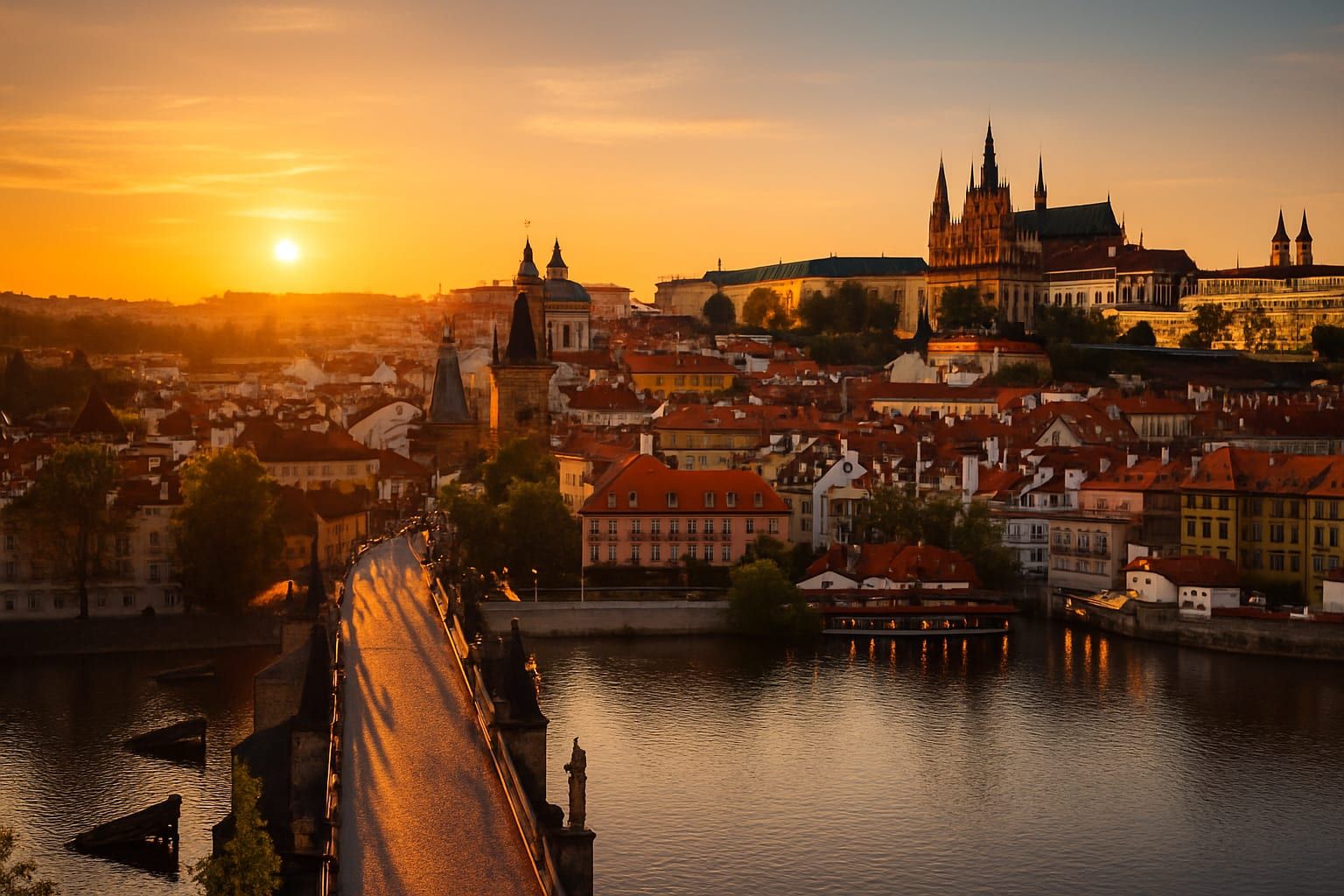
7-Day Portugal: Porto, Douro & Lisbon Road Trip
A week-long Portugal itinerary linking Porto, the Douro Valley and Lisbon. Day-by-day plans, wine and food tips, transport advice and local insights for a seamless trip.

Mexico City in 3 Days: A Neighborhood-Based Itinerary
A practical route through Centro Histórico, Chapultepec, Condesa and Coyoacán, with one main visit each day, flexible meals and clear choices when time runs short.
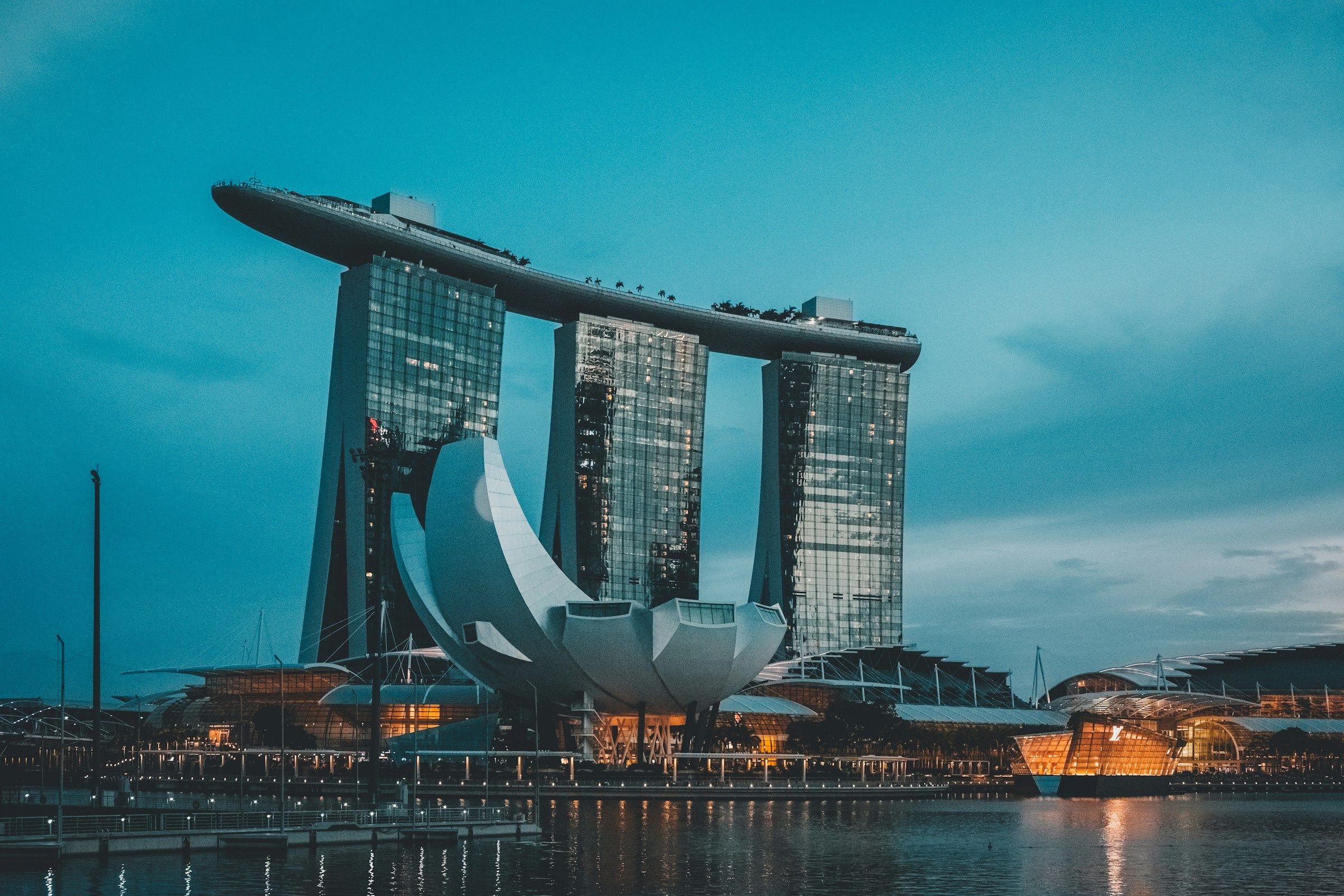
Singapore in 3 Days: A First-Timer’s Itinerary
A three-day Singapore itinerary balancing skyline sights, neighbourhood walks, gardens and food, with room for rain and a slower pace.