
Wine Tourism in Portugal: Douro, Vinho Verde, Alentejo
Discover Portugal's three great wine regions — UNESCO Douro Valley, crisp Vinho Verde, and Alentejo's clay-amphora tradition. Tasting prices, train fares, named wineries open for visits.
Portugal's wine map is wider and weirder than the "port from the Douro" cliché suggests. Three regions in particular reward a dedicated trip: the Alto Douro UNESCO terraces, Vinho Verde's bright Minho-river whites, and Alentejo's clay-amphora reds made the way the Romans made wine 2,000 years ago. Here is how to visit each one with concrete fares, named producers, and the timing that actually matters.
Fast Facts
| Detail | Info |
|---|---|
| Best time to visit | Douro: May–June or September (harvest mid-Sept to early Oct); Vinho Verde: May–June; Alentejo: April–May or October — avoid August heat (40°C+) |
| Getting there | Porto → Pinhão by train |
| Where to stay | Pinhão (Douro): €120–€250/night riverside quintas; Ponte de Lima (Vinho Verde): €70–€140 boutique; Évora (Alentejo): €80–€180 walled-town hotels |
| Average daily budget | €120–€220/day mid-range — food €40–€70, wine tastings €25–€60 per winery, transport €15–€30, lodging €70–€150 |
| Don't miss | Quinta do Bomfim cellars in Pinhão; Soalheiro Alvarinho tasting in Melgaço; Adega José de Sousa's 114-amphora talha cellar in Reguengos |
The Douro Valley: Port country and UNESCO terraces
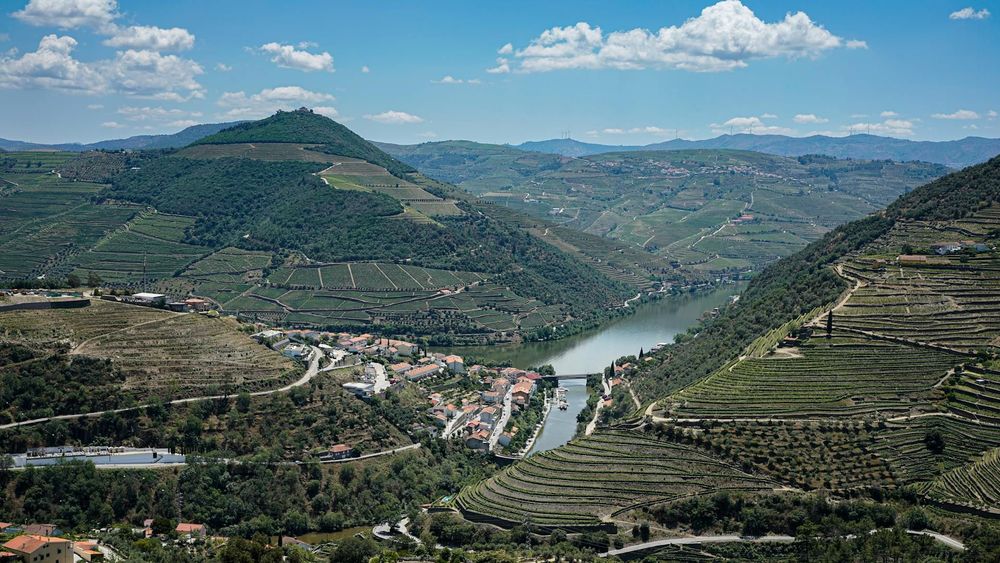
The Alto Douro Wine Region was inscribed as a UNESCO cultural landscape in 2001, but it has been the world's oldest demarcated wine region since 1756, when the Marquis of Pombal mapped the boundaries to protect Port wine quality. The inscribed zone spans 24,600 hectares of terraces along the Douro River and its tributaries — schist-walled platforms cut by hand into hillsides too steep for any other agriculture.
The region splits into three sub-zones with very different characters. Baixo Corgo (Lower Corgo, 13,200 ha of vines) sits closest to Porto and receives the most rain — lighter, fresher styles dominate. Cima Corgo (20,400 ha), centred on Pinhão, is the heart of premium Port country and home to most of the famous quintas. Douro Superior is the easternmost, hottest, and least visited — newer table wines and bigger estates. According to IVDP, the regional body, around 20,000 farmers work this landscape, averaging two hectares each, and roughly 50 grape varieties are authorised — though five reds dominate: Touriga Nacional, Touriga Franca, Tinta Roriz, Tinta Barroca, and Tinto Cão.
Named wineries open to visitors
- Quinta do Bomfim (Symington family), Pinhão — guided cellar tours with vintage Port flights; the 2026 season adds a Vintage Port Masterclass. Tasting flights from around €25.
- Quinta do Seixo (Sandeman), Valença do Douro — modern visitor centre with panoramic Douro views; standard tastings around €18–€30.
- Quinta da Pacheca, Lamego — Douro DOC wines and stays in repurposed wine-barrel suites; tastings €20–€50.
- Quinta do Crasto, Gouvinhas — panoramic infinity pool overlooking the terraces; reservations required well in advance.
Standard tasting prices range from €13 to €60 per person for a typical flight; premium experiences (vintage verticals, masterclasses) climb to €150–€250. For a focused 2–3 day trip from Porto, see our Douro Valley deep-dive on port wine and the terraces.
Getting there by train
The Linha do Douro from Porto São Bento or Campanhã to Pinhão takes about 2h 20m with a single fare of €12.45 (return €22.40). Continue to the Pocinho terminus for the upper Douro at €15.10 one-way / €27.20 return (~3h 20m). The historic steam train (Comboio Histórico do Douro) runs Régua–Tua–Régua on weekends and selected Wednesdays from 6 June to 18 October 2026 — €60 adult, €32 child (ages 4–12), 51 trips for the season, photo stop at Pinhão.
Vinho Verde: the cool, crisp northwest
Forget the slightly fizzy supermarket version. Vinho Verde is Portugal's largest demarcated region — 16,000 hectares of vines spread across nine sub-regions in the Minho, between the Douro River and the Spanish border. It received DOC status in 1908, and the modern wines made from Alvarinho, Loureiro, Arinto, and Avesso are anything but the spritzy imports the international market still expects.
Geographically, this is Portugal at its greenest: granite hills, dense rain, eucalyptus and pine, old stone vines often trained high on pergolas to keep grapes off the wet ground. The nine sub-regions are Monção e Melgaço, Lima, Cávado, Ave, Basto, Amarante, Baião, Sousa, and Paiva. Only Monção e Melgaço, the northernmost sub-region pressed against the Spanish frontier, is legally allowed to label a 100% Alvarinho as Vinho Verde — though most producers also use the Vinho Regional Minho designation for flexibility.
Named wineries open to visitors
- Quinta da Aveleda, Penafiel — the historic estate ~45 minutes from Porto, with formal gardens (Romantic-era follies) included on the tour; guided visits with tasting from around €15–€30.
- Soalheiro, Melgaço — pioneer Alvarinho producer in Monção e Melgaço, panoramic tasting room over the Minho Valley; book ahead in summer.
- Anselmo Mendes, also in Monção — small-batch Alvarinho specialist, by appointment.
- Quinta do Ameal, Ponte de Lima — Loureiro specialist now under the Esporão group; estate stays available.
Average tasting prices across the region run €20–€84 per person depending on flight depth, with €30–€50 being typical. The Festa do Vinho Verde in Ponte de Lima is the regional showcase — held in mid-June at the Expolima fairgrounds; the 2026 edition has been confirmed with expanded space (dates TBA, expect mid-June).
For planning around the food and bar side, our guide to wine bars in Porto beyond the port houses covers the Vinho Verde lists worth seeking out in the city.
Getting there
Rent a car. Vinho Verde's distinguishing feature is small estates spread across nine sub-regions; without wheels you can do Aveleda from Porto as a half-day, but reaching Monção e Melgaço (where the best Alvarinho lives) means a 1.5–2 hour drive each way. Public-transport circuits are slow and bus connections are not built for visitors.
Alentejo: plains, heat, and talha wine
Alentejo covers a third of Portugal but holds less than 7% of its population. Wine country here is wide-open plain dotted with cork oaks and whitewashed villages; the 22,000 hectares of vineyards are spread across eight DOC sub-regions — Borba, Évora, Granja-Amareleja, Moura, Portalegre, Redondo, Reguengos, and Vidigueira — and worked by roughly 263 producers, with 97 merchants taking the wines to market.
Two things worth knowing before you visit. First, the climate: Alentejo is hot — summer days regularly clear 40°C and many estates close to the public in August. Plan April–May or October. Second, the vinho de talha tradition: wine fermented and aged in clay amphorae the way the Romans did it, now revived by a handful of producers in Vidigueira and around Reguengos. This is one of the few wines in Europe with continuous documented production using essentially the same technology for two millennia.
Named wineries open to visitors
- Herdade do Esporão, Reguengos de Monsaraz — the flagship producer of the region, 170 km from Lisbon and 44 km from Évora; wine tours, tastings, restaurant, and biodiverse vineyard walks. Tour packages from around €25, lunches €40–€80.
- Adega da Cartuxa (Fundação Eugénio de Almeida), Évora — produces the legendary Pêra-Manca reds; the standard tour shows the cellars without those bottles.
- Adega José de Sousa (José Maria da Fonseca), Reguengos — the historic talha cellar holds 114 clay amphorae still in active use; the public tour shows the talha room and old underground cellars.
- Herdade do Mouchão, Casa Branca — Alicante Bouschet specialist, smaller-scale and atmospheric; reservations essential.
- Herdade dos Grous, near Beja — modern hotel + winery setup if you want one base for tastings and a pool.
Reds dominate Alentejo: Aragonez (Tinta Roriz), Trincadeira, Alicante Bouschet, and Castelão are the workhorse varieties. Whites — Antão Vaz, Arinto, and Roupeiro — are gaining ground as producers experiment with cooler sub-regions like Portalegre.
The Rota dos Vinhos do Alentejo (Alentejo Wine Route) signposts about 70 wineries with brown "Rota dos Vinhos" markers — a self-driving framework if you have a few days. Most tastings run €15–€40, with premium options up to €100.
Getting there
The easiest entry is via Évora. From Lisbon, the Intercidades train is ~1h 30m with four daily departures from Santa Apolónia or Gare do Oriente (about €18 one-way). Driving from Lisbon takes about 1h 15m via the A2/A6 motorway — 135 km. From Porto, fly or drive: Porto–Évora is roughly 450 km and 4h 30m by road, so pair Alentejo with a Lisbon trip rather than a northern itinerary.
How to plan the trip: logistics and timing
One region per long weekend; two regions per week. Douro and Vinho Verde combine naturally from Porto — rent a car in Porto, drive Vinho Verde for two days, then train into the Douro for three. Alentejo is its own trip and best paired with Lisbon rather than the north; the distances are too much to bolt on. If you're weighing European wine trips more broadly, Italy's Tuscany wine country — home of Chianti, Brunello and the Super Tuscans rewards the same one-region-at-a-time approach.
When to go, by region
- Douro: May–June (green terraces, mild temperatures) or mid-September to early October for vindima — the harvest, when select quintas open to visitors for lagarada (foot-treading). Vintage years are declared in retrospect by IVDP; most years yield Late Bottled Vintage (LBV) Ports rather than full Vintage declarations.
- Vinho Verde: May–June for festivals and full landscape. Avoid winter — the region's rainfall (1,200+ mm/year in places) genuinely hampers visits.
- Alentejo: April–May or October. August is unbearable and many estates are closed.
Booking and logistics
Most quintas require reservations 1–2 weeks in advance for tastings, longer for premium experiences. The Comboio Histórico do Douro sells out months early — book at the start of the season if it matters to you.
A note on the Port harvest cycle: the harvest happens September–October; the wine is fortified within weeks; vintage declarations are then made the following spring by individual houses (not all years are declared vintages — only the best). What you taste in a cellar today was bottled years (vintage Port) or decades (tawnies) earlier.
For booking platforms and curated multi-region tours, our overview of the best wine tours in Europe and where to book them covers the operators worth knowing.
What to skip and common mistakes
Don't try to do all three regions in one trip. Driving Douro → Vinho Verde → Alentejo is a 9-hour day on the road in straight transit before tastings. Pick one or two.
Don't show up to a major quinta without a reservation. Bomfim, Esporão, Soalheiro, and Aveleda all have walk-in policies but slots fill in season. A 5-minute booking the day before is the difference between "yes, come" and "back tomorrow".
Don't drive after a full tasting. The blood-alcohol limit in Portugal is 0.5 g/L (lower for drivers under 21 or with less than three years' experience). A standard four-wine flight tips most adults over. Hire a driver, take the train (the Linha do Douro stations are right next to many top quintas), or stay overnight at the estate.
Don't expect English everywhere. Major Douro and Alentejo quintas have English-speaking staff. Smaller Vinho Verde estates often don't — bring translation tools or book a Portuguese-speaking guide.
Don't ignore the unfortified Douro wines. The DOC reds and whites from the same region as Port are some of the most interesting bottles being made in Europe right now — and they cost a fraction of vintage Port.
Frequently Asked Questions
Which Portugal wine region should I visit first if I only have time for one?
The Douro Valley. It is the most visually dramatic (UNESCO terraces along the river), the easiest to reach from Porto by train, and the producer infrastructure for visits is the most mature — most major quintas have visitor centres, tasting menus in English, and rail-side access. Vinho Verde is best with a car; Alentejo needs more planning and is logistically detached from the Porto base.
How much should I budget per day for wine tourism in Portugal?
Expect €120–€220 per day mid-range: lodging €70–€150 in the wine regions, wine tastings €25–€60 per winery (most visitors do one or two per day), food €40–€70, local transport €15–€30. Premium experiences (vintage Port verticals, helicopter tours over the Douro) push that significantly higher.
Is the Comboio Histórico do Douro worth booking?
If you are visiting Régua or Pinhão anyway and like steam trains, yes — €60 for a 36 km round trip Régua–Tua with photo stops is fair. Book early: the 2026 season (6 June–18 October) is 51 trips total and sells out by mid-spring. If you mainly want to see the Douro and are not specifically into steam, the regular Linha do Douro service does the same scenery at €12–€15 one-way.
What is a vinho de talha and where can I taste one?
A wine fermented and aged in large clay amphorae — talhas — set in the ground or in a dedicated room. It is an unbroken Roman-era tradition concentrated in Vidigueira and around Reguengos in Alentejo. Adega José de Sousa in Reguengos keeps 114 talhas in active use and runs public tours of the talha room; that is the most accessible introduction. The wine tastes distinct: low tannin, slight oxidative notes, often vinified white-with-skins for orange-style results.
Can I drink Vinho Verde reds, and where?
Yes, and they are worth seeking out, but they are rarely exported. Look for Vinhão in the Amarante and Basto sub-regions — deep purple, sharp acidity, traditionally drunk young in ceramic bowls. The Festa do Vinho Verde in Ponte de Lima (mid-June) usually has dedicated red-wine stands.
Where can you do wine tourism in Portugal?
The three regions to aim for on a Portuguese wine trip are the Douro Valley (UNESCO terraces and the home of Port, reachable by train from Porto, with quintas like Quinta do Bomfim and Quinta do Seixo), Vinho Verde in the northwestern Minho (bright Alvarinho and Loureiro whites, at estates such as Quinta da Aveleda and Soalheiro), and the Alentejo in the south (powerful reds and clay-amphora talha wine at Herdade do Esporão and Adega José de Sousa near Reguengos). The Douro and Vinho Verde combine easily from Porto; the Alentejo is better visited from Lisbon.

Keep Exploring
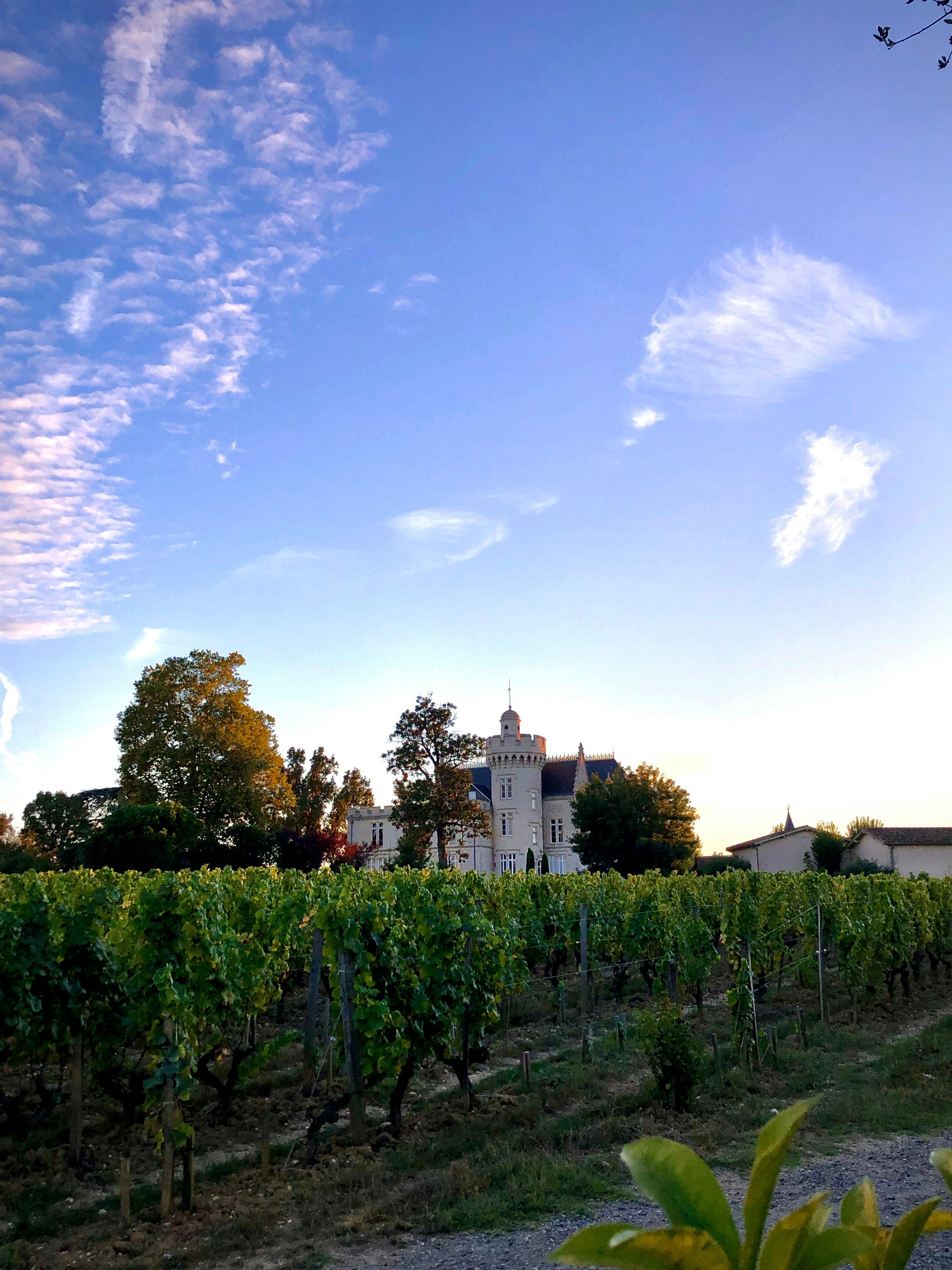
Wine Tourism in France: Bordeaux, Burgundy, Champagne
Plan a France wine trip across Bordeaux, Burgundy and Champagne — UNESCO sites, named châteaux and grandes maisons, TGV fares, and tasting prices from €25 to €300.
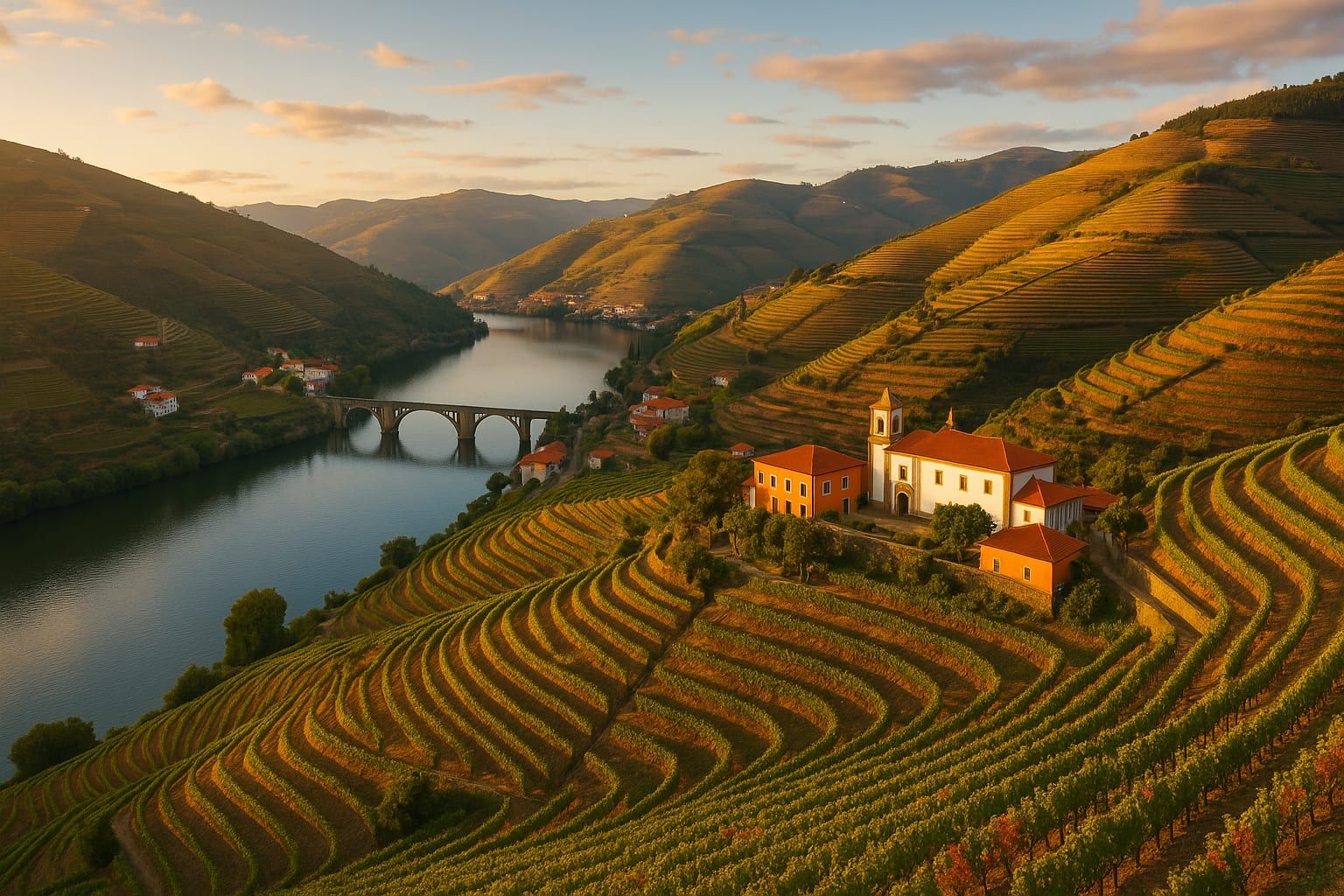
Douro Valley: Port Wine & Stunning Terraces
Discover the Douro Valley’s UNESCO terraced vineyards, centuries of Port-making, scenic river cruises, and practical tips—where wine, landscape and tradition meet.
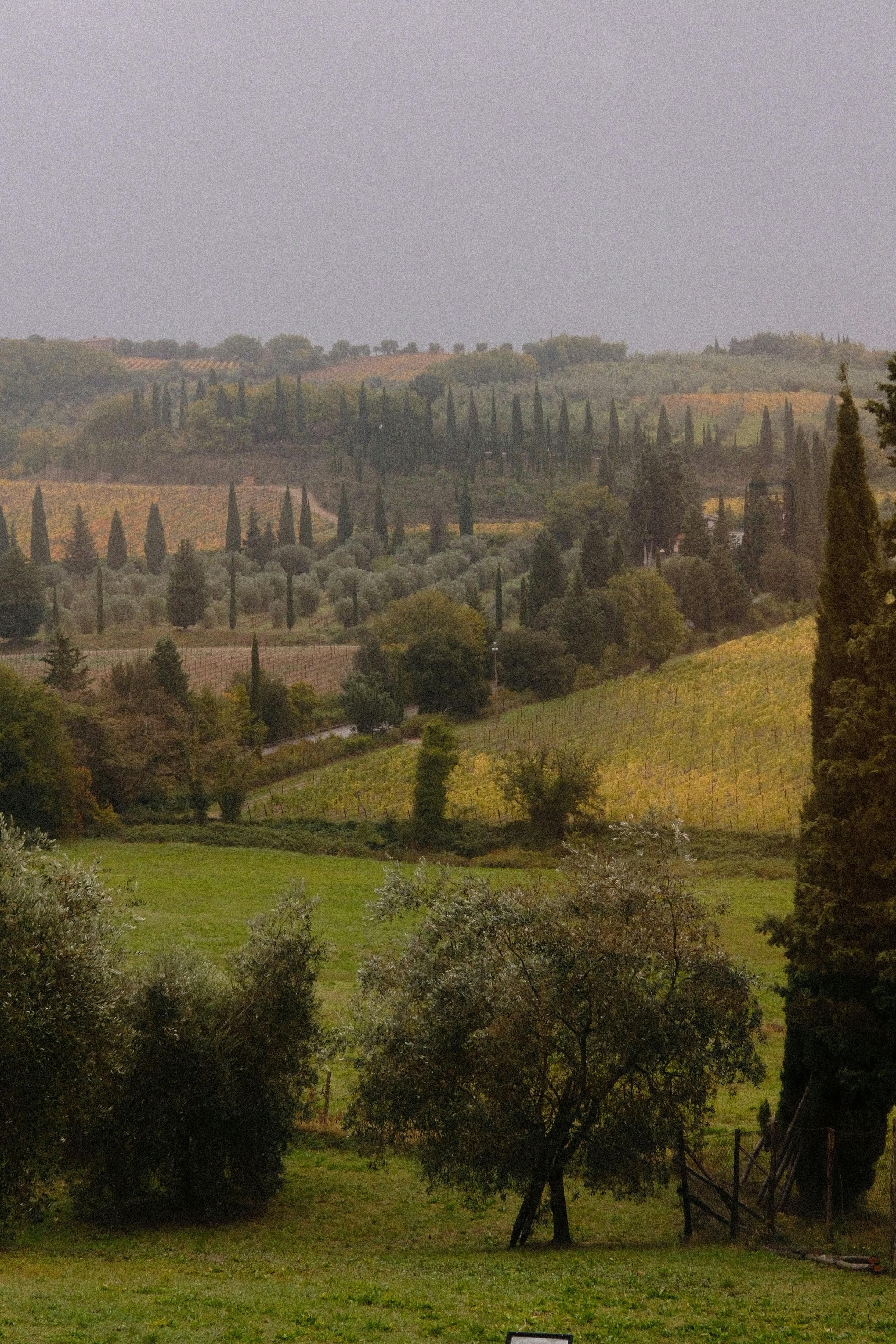
Wine Regions of Italy: Tuscany, Piedmont, Sicily, Veneto
Italy's four great wine regions in one guide — Tuscany's Chianti and Brunello, Piedmont's Barolo, Sicily's Etna and Marsala, Veneto's Amarone and Prosecco. EUR prices, named producers, train fares.