
Wine Regions of Italy: Tuscany, Piedmont, Sicily, Veneto
Italy's four great wine regions in one guide — Tuscany's Chianti and Brunello, Piedmont's Barolo, Sicily's Etna and Marsala, Veneto's Amarone and Prosecco. EUR prices, named producers, train fares.
Italy has 408 DOC/DOCG appellations — more than any other country — and four regions hold the lion's share of what international visitors come to taste: Tuscany for Sangiovese and Super Tuscans, Piedmont for Nebbiolo, Sicily for volcanic Etna and fortified Marsala, Veneto for Amarone and Prosecco. Two of those four hold UNESCO-inscribed vineyard landscapes. Here is how to visit each with concrete fares, named producers, and the DOCG rules that explain what is in the glass.
Fast Facts
| Detail | Info |
|---|---|
| Best time to visit | All four: May–June or September–early October (harvest); Sicily Etna extends to late October (high-altitude vineyards harvest last); avoid August everywhere — heat 35–40°C and many estates close |
| Getting there | Florence → Siena |
| Where to stay | Greve in Chianti / Montalcino: €100–€220/night agriturismo; Alba / Barolo village: €120–€280/night; Catania or Taormina base for Etna: €90–€200; Verona or Valdobbiadene: €100–€220 |
| Average daily budget | €130–€240/day mid-range — food €40–€80, tastings €20–€60 per winery, transport €15–€40, lodging €90–€200 |
| Don't miss | Antinori nel Chianti Classico (Bargino); Cantina Comunale di Barolo flight tasting; Planeta's Sciaranuova estate on Etna's north slope; Bisol1542 on the Cartizze hill |
Tuscany: Sangiovese in all its forms
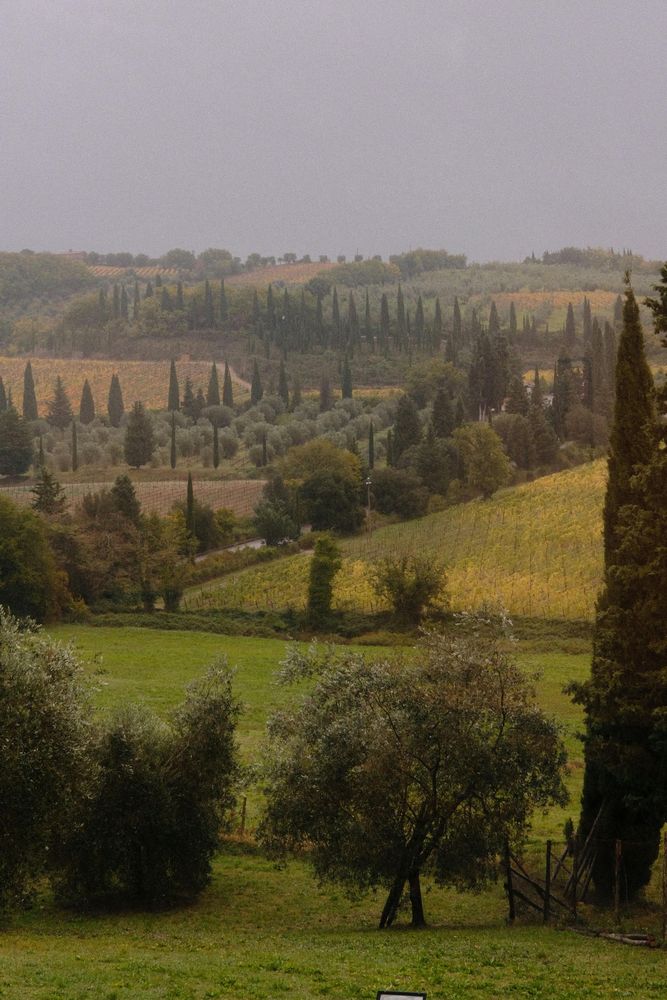
Tuscany is the easiest entry point to Italian wine because the appellations correspond to recognisable places. Chianti Classico DOCG covers 71,800 hectares between Florence and Siena, with four full communes (Castellina, Gaiole, Greve, Radda in Chianti) plus parts of five others. The Gallo Nero (Black Rooster) on the bottleneck has marked the zone since the Consorzio Vino Chianti Classico was founded in Radda on May 14, 1924 — the consortium is older than the modern DOCG framework itself. Standard Chianti Classico must hold at least 80% Sangiovese; Gran Selezione, the top tier introduced in 2014, requires estate-grown grapes and 30 months aging, and labelling now includes 11 official Unità Geografiche Aggiuntive (UGAs) — the village-level mentions of Castellina, Gaiole, Greve, Lamole, Montefioralle, Panzano, Radda, San Casciano, San Donato in Poggio, Vagliagli, and Castelnuovo Berardenga.
Further south, Brunello di Montalcino DOCG is the purist's Sangiovese. The wine is 100% Sangiovese Grosso, ages at least two years in oak and four months in bottle, and cannot be released until five years from harvest (six for Riserva). The hill town of Montalcino sits 564 metres up over a single commune; the Biondi-Santi family is credited with isolating the Sangiovese Grosso clone in the late 19th century, and modern Brunello dates to that lineage.
Vino Nobile di Montepulciano DOCG uses the same grape locally called Prugnolo Gentile (minimum 70%) and asks for 24 months aging, at least 12 in wood (24 for Riserva). Montepulciano, 605 metres up, completes the southern Sienese triangle with Montalcino.
The coast tells a different story. Bolgheri DOC, established in 1994, is where the Super Tuscan movement was legalised. The Consorzio per la Tutela dei Vini DOC Bolgheri counts 75 producers north of Castagneto Carducci — Cabernet Sauvignon, Merlot, Cabernet Franc, and Syrah dominate. Sassicaia has its own sub-DOC (Bolgheri Sassicaia DOC) since 2013, the only single-estate DOC in Italy.
Named wineries open to visitors
- Antinori nel Chianti Classico, Bargino (San Casciano val di Pesa) — the architectural showpiece cantina half-buried in the hillside; standard guided tour + 3-wine tasting around €38, premium flights with Tignanello and Solaia €70–€150. The Antinori family traces its winemaking back to 1385.
- Castello di Ama, Gaiole in Chianti — single-vineyard Chianti Classico Gran Selezione (Bellavista, La Casuccia), contemporary art park on site; tour + tasting from €40.
- Frescobaldi CastelGiocondo, Montalcino — Brunello producer with 700+ years of family wine history across nine estates; tastings from €30 with restaurant pairings €80–€150 (Frescobaldi).
- Biondi-Santi Tenuta Greppo, Montalcino — the historic estate that defined Brunello; visits by reservation, premium tastings €80–€200 including verticals.
- Tenuta San Guido, Bolgheri — home of Sassicaia, with limited vineyard visits along the Viale dei Cipressi (the 5-km cypress avenue Carducci immortalised), bookable through specialist operators.
- Ornellaia & Masseto, Bolgheri (Frescobaldi-owned) — cellar visits and tastings from around €120 for the premium Ornellaia experience.
Standard Tuscan tastings run €20–€45 for two to four wines. Premium flights at top estates (Tignanello-Solaia, Brunello verticals, Sassicaia) climb to €100–€300. For a focused Chianti and Montalcino itinerary, see our Tuscany wine guide on Chianti, Brunello and Super Tuscans. To build the wine days into a wider trip around Florence, Siena and Chianti, pair them with our Tuscany itinerary.
Getting there
From Florence (Santa Maria Novella), the easiest hub is Siena: hourly SITA-Autolinee Toscane buses take 1h 15m–1h 30m (€7.80–€10). Greve in Chianti is reachable by bus 365 from Florence in 1 hour. For Montalcino, train Florence → Buonconvento (1h 40m, €10) then bus 114 (35 minutes). Bolgheri requires a car — nearest station is Castagneto Carducci on the coastal line (2 hours from Florence with one change), then a 15-minute taxi.
Piedmont: Nebbiolo and the Langhe UNESCO landscape
Piedmont is Italian wine's other apex. Barolo DOCG and Barbaresco DOCG are both 100% Nebbiolo across clay-limestone hills south and east of Alba. Barolo spans 11 communes — La Morra, Barolo, Monforte d'Alba, Serralunga d'Alba, Castiglione Falletto, Verduno, Diano d'Alba, Novello, Cherasco, Roddi, Grinzane Cavour — and requires 38 months aging, 18 in oak (62 for Riserva). Barbaresco covers four communes (Barbaresco, Neive, Treiso, part of Alba) with 26 months aging, 9 in oak (50 for Riserva). Both have an MGA (Menzioni Geografiche Aggiuntive) cru system: 181 MGAs in Barolo, 66 in Barbaresco — Italy's closest equivalent to a Burgundian climat hierarchy.
The surrounding landscape is UNESCO-inscribed. The Vineyard Landscape of Piedmont: Langhe-Roero and Monferrato was added to the World Heritage List in 2014 (ID 1390) as a cultural landscape spanning six component areas — including the Langhe of Barolo, the hills of Barbaresco, the Castle of Grinzane Cavour, the Nizza Monferrato vineyard area, the Canelli underground cellars, and the Infernot wine-cellar zone of Monferrato. The inscription covers ~10,789 hectares of core zone with a buffer of ~76,249 hectares.
North of the Langhe, Asti DOCG and Moscato d'Asti DOCG make sweet sparkling wines from Moscato Bianco across 52 communes. The UNESCO-registered Canelli underground cellars are open for guided visits.
Named wineries open to visitors
- Cantina Comunale di La Morra, La Morra — public-access enoteca representing dozens of small La Morra producers; flight tastings from €15–€25, panoramic terrace over the Cerequio and Brunate crus.
- Marchesi di Barolo, Barolo village — historic estate (founded 1807) opposite the WiMu wine museum; cellar tours and tastings from €25.
- Vietti, Castiglione Falletto — single-cru Barolo specialist (Rocche di Castiglione, Brunate, Lazzarito, Ravera); reservations essential, tastings €40–€80.
- Gaja, Barbaresco — the estate that modernised Italian wine in the 1970s. Visits are by personal introduction only and not bookable publicly — but Angelo Gaja's wines anchor every serious Barbaresco list in the region.
- Pio Cesare, Alba — historic urban cellar inside Alba's medieval walls, founded 1881; tours by reservation from €30.
Standard Barolo and Barbaresco tastings run €20–€50 per person. Top cru flights and library-vintage verticals reach €100–€250. Booking is non-optional outside of the public enoteche.
Getting there
From Turin Porta Nuova, regional trains to Alba take 1h 10m (€7 one-way). Alba is the natural base — taxis and small wine-tour operators handle the 10–30 km hops to Barolo, La Morra, or Barbaresco. From Milan Centrale, Frecciarossa to Asti (~1h 30m, €25–€45) then regional to Alba. Don't try Barolo without a car or hired driver — cru villages are 5–15 km apart on winding roads.
Sicily: Etna, Marsala, and Pantelleria
Sicily produces more wine than any Italian region by volume, but prestige today belongs to three zones. Etna DOC, established 1968, covers volcanic slopes between ~400 and 1,100 metres around Mount Etna's north, east, and south faces — a horseshoe broken westward by lava flows. The dominant red is Nerello Mascalese (often with up to 20% Nerello Cappuccio); the white is Carricante. Vineyards are organised by contrada — single-cru lieux-dits etched into the lava — and 133 contrade are officially recognised, giving Etna Italy's most fine-grained cru map after the Langhe.
Far from the volcano, Marsala DOC on Sicily's western tip produces fortified wine in the style perfected by the English merchant John Woodhouse in 1773. Classifications run from Fine (1+ year aging) through Superiore Riserva (4 years), Vergine (5 years), and Vergine Stravecchio Riserva (10 years). The historic Florio and Pellegrino cellars in Marsala town open daily to visitors.
The small island of Pantelleria, closer to Tunisia than to Sicily proper, produces Passito di Pantelleria DOC from Zibibbo (Moscato d'Alessandria) dried on rush mats — a UNESCO-recognised cultural practice (vine-growing pruned ad alberello, the bush-vine system inscribed on the Intangible Heritage list in 2014). The island is reached by ferry or short flight from Trapani.
Named wineries open to visitors
- Planeta (planeta.it), 5 estates across Sicily — Ulmo (Menfi), Buonivini (Noto), Dispensa (Vittoria), Sciaranuova (Etna north slope), La Baronia (Capo Milazzo). Founded 1694; the Sciaranuova estate on Etna runs vineyard tours and Carricante tastings from €25–€60. Foresteria stays available at Ulmo and Sciaranuova.
- Tasca d'Almerita (tascadalmerita.it), 200-year family estate — Regaleali (Sclafani Bagni), Tascante on Etna's north slope (Contrada Sciaranuova), Capofaro on Salina, Whitaker on Mozia, Sallier De La Tour at Monreale. Tastings from €30; Capofaro is also a Relais & Châteaux hotel.
- Donnafugata, founded 1983 by Giacomo Rallo — five estates: Contessa Entellina (head office), Marsala, Pantelleria (Khamma estate for Ben Ryé Passito), Etna (Contrada Montelaguardia), and Vittoria. Visit bookings via visit.donnafugata.it from €25.
- Pietradolce, Solicchiata — Etna north-slope cru specialist (Vigna Barbagalli, Archineri); tastings €30–€60.
- Cantine Florio, Marsala — the 1833 historic cellars with 18,000+ wood casks; standard guided tour with tasting around €20. Tastings on Etna typically run €25–€60; Marsala cellar tours €15–€25; premium Pantelleria visits with the alberello vineyards and Passito flight €40–€80.
Getting there
For Etna, fly into Catania Fontanarossa (CTA) and rent a car. Most north-slope wineries (Linguaglossa, Castiglione di Sicilia, Solicchiata, Randazzo) are 50–80 km from the airport — 1h to 1h 30m on the A18/SS120. The Ferrovia Circumetnea narrow-gauge railway loops the volcano in 3h 30m (€7.30 one-way Catania–Riposto) but stops are not always close to wineries. For Marsala, fly Palermo (PMO) or Trapani (TPS) and drive — Trapani–Marsala is 35 km. Pantelleria has a small airport (PNL) with flights from Palermo and Trapani, plus ferries from Trapani (about 5 hours).
Veneto: Amarone, Soave, and Prosecco
Veneto is Italy's biggest wine region by volume — Prosecco alone shipped over 660 million bottles in 2024. Three sub-regions matter for visitors. Valpolicella DOC and Amarone della Valpolicella DOCG sit in the hills north of Verona, where Corvina, Corvinone, and Rondinella grapes are dried for ~100 days (the appassimento process) before fermentation — concentrating sugars to give Amarone its characteristic 15–16% ABV. Amarone became DOCG in 2010 and requires 2 years aging (4 for Riserva).
Soave DOC east of Verona produces Garganega-based whites from volcanic basalt soils, with the Soave Superiore DOCG tier requiring lower yields and an extra year aging. The classico zone around Soave's medieval castle (Castello Scaligero) is the historic core.
The biggest visitor draw is Conegliano Valdobbiadene Prosecco Superiore DOCG. The hills were inscribed by UNESCO in 2019 as the Prosecco Hills of Conegliano and Valdobbiadene (ID 1571) — steep terraced vineyards across 15 communes. The Glera grape is fermented in pressurised autoclaves (the Charmat-Martinotti method) rather than in-bottle. Inside the DOCG, the Cartizze sub-zone — a 107-hectare hill at San Pietro di Barbozza — is Prosecco's grand cru, and 43 Rive designations identify single hillside parcels.
Named wineries open to visitors
- Allegrini (allegrini.it), Fumane in Valpolicella Classica — 150 hectares across estate vineyards including La Grola and La Poja; family active in Fumane since the 16th century. Cellar tours and tastings at Villa della Torre (the 16th-century Renaissance villa) from €40–€90.
- Masi Agricola, Gargagnago di Valpolicella — Costasera, Mazzano, and Campolongo di Torbe single-vineyard Amarones; founded 1772, tastings at Tenuta Canova from €25.
- Quintarelli Giuseppe, Negrar di Valpolicella — the cult Amarone producer. Cellar visits are extremely limited and by personal introduction; the wines (Amarone, Recioto, Alzero) anchor every serious Italian list.
- Tommasi Family Estates, Pedemonte di Valpolicella — five-generation Valpolicella producer; standard tours with Amarone tasting from €30.
- Pieropan, Soave — the family that defined modern Soave (Calvarino, La Rocca crus); tastings at the Soave cellar from €30.
- Bisol1542, Valdobbiadene — Prosecco producer with vineyards on Cartizze hill, family active since 1542. Cellar tours from €25–€45 including Cartizze flight; the group also owns Venissa on Mazzorbo island near Venice. Valpolicella tastings run €25–€60; Amarone-focused flights at top estates €60–€150. Prosecco tastings in Conegliano-Valdobbiadene typically cost €15–€40, with Cartizze single-vineyard flights at the top end. For the broader European context, see our Champagne pillar on the méthode champenoise beyond the bubbles — and for the Portuguese cousin to all this, our Portugal wine tourism guide on Douro, Vinho Verde and Alentejo — with a dedicated look at the terraced port-wine vineyards of the Douro Valley, whose steep slopes rival anything in the Langhe.
Getting there
Base in Verona. Frecciarossa from Milan (1h 15m, €25–€55) or Venice (1h 10m, €15–€30). From Verona Porta Nuova, ATV bus 101 or 102 to San Pietro in Cariano / Negrar / Sant'Ambrogio in 30–45 minutes (€2–€4). For Soave, regional trains Verona → Soave-San Bonifacio in 15–20 minutes (€3–€5). For Conegliano-Valdobbiadene, regional trains Venice Santa Lucia → Conegliano in ~1 hour (€7.40); then MOM bus 40 min to Valdobbiadene (€2). Many wineries are 5–15 km off rail — a hired driver chains visits efficiently.
How to plan: one region per long weekend
The biggest mistake visitors make is trying to combine Tuscany with Piedmont or Veneto in a single trip. Florence–Alba is 4 hours by train via Milan; Verona–Catania is a flight, not a drive. A workable framework:
- Tuscany: 4–5 days. Florence base for Chianti Classico, then Montalcino or Montepulciano for two nights. Bolgheri is a car-only side trip.
- Piedmont: 3–4 days. Base in Alba; day trips to Barolo, La Morra, Barbaresco, plus Canelli or Asti.
- Sicily: 5–7 days. Catania, 3 nights for Etna (Linguaglossa or Castiglione di Sicilia), then drive west to Marsala. Pantelleria as a 2-night flight extension.
- Veneto: 4 days. Verona two nights for Valpolicella and Soave, then Conegliano or Valdobbiadene for two nights.
When to go
- Tuscany: late April–June or mid-September to mid-October for vendemmia. Chianti harvests second week of September; Brunello a week later.
- Piedmont: September–November for vendemmia and white-truffle season (the Alba Truffle Fair runs early October to early December).
- Sicily Etna: Etna vineyards at 800m+ harvest into late October — the longest harvest in Italy.
- Veneto: appassimento drying lofts fill in late September and remain visitable into December at some estates.
All top estates require reservations — Antinori, Frescobaldi, Vietti, Planeta, Allegrini all use online platforms. Aim 2–3 weeks ahead in shoulder season, 6–8 weeks in September–October. The Italian blood-alcohol limit for drivers is 0.5 g/L — a 4-wine flight tips most adults over. Hired drivers run €250–€450 a day with car.
What to skip and common mistakes
Don't compress all four regions into one trip. Piedmont to Sicily is 1,500 km. Pick two regions max for a 10-day trip.
Don't show up at Sassicaia or Quintarelli without contacts. The most prestigious estates rarely take direct public bookings — use a specialist operator or concierge.
Don't overlook second-tier appellations. Chianti Rufina, Carmignano, Morellino di Scansano, Roero, Etna Bianco from Carricante, Valpolicella Ripasso, and the lesser Conegliano Rive crus offer top-30% quality at half the famous-name price.
Don't trust generic "Tuscany wine tour" buses from Florence. They visit three commercial estates near Greve with cattle-call tastings. Book direct with named wineries instead.
Don't underestimate Etna's altitude. Vineyards at 800–1,100 metres are 10°C cooler than Catania at sea level. Bring layers in spring and autumn.
Frequently Asked Questions
Which Italian wine region should I visit first if I have time for only one?
Tuscany. The Florence–Siena–Chianti axis has the deepest visitor infrastructure, and you can taste all three styles — Chianti Classico, Brunello, and a Super Tuscan from Bolgheri — without leaving the region. Piedmont is the connoisseur's choice but harder logistically; Sicily and Veneto reward longer focused trips.
How much should I budget per day for wine tourism in Italy?
Mid-range: €130–€240 per day. Lodging in wine country runs €90–€200 (agriturismo or boutique), tastings €20–€60 per winery (most visitors do two per day), restaurants €40–€80 per person with wine, transport €15–€40. Premium experiences — Sassicaia or Quintarelli verticals, Michelin meals at estate restaurants — push that materially higher.
What is the difference between Chianti and Chianti Classico?
Different zones and different rules. Chianti DOCG covers seven sub-zones (Rufina, Colli Fiorentini, Colli Senesi, Colli Aretini, Colline Pisane, Montalbano, Montespertoli) for ~15,500 hectares. Chianti Classico DOCG is the historic core between Florence and Siena — 71,800 hectares with stricter rules: 80% minimum Sangiovese, no white grapes, longer aging, lower yields. The Gallo Nero seal is the Chianti Classico-only mark.
Is the UNESCO Prosecco landscape worth visiting, or is Conegliano-Valdobbiadene now just a tourist factory?
It is worth it if you go for the hills rather than the brand. The steepest Cartizze vineyards and Rive single-parcel sites — Farra di Soligo, Combai, Col San Martino — are farmed at gradients up to 70%. Avoid commercial Prosecco Road tours; book direct with Bisol1542, Bortolomiol, or Nino Franco.
Can I do a serious Etna tasting trip without renting a car?
With difficulty, yes. The Ferrovia Circumetnea narrow-gauge railway (Catania → Riposto via Randazzo, €7.30 one-way, ~3h 30m) loops the volcano but most contrade are 3–10 km from the nearest station on roads with no taxis. Realistically, hire a driver-guide (Catania-based, €280–€450/day) or rent a car at Fontanarossa.

Keep Exploring
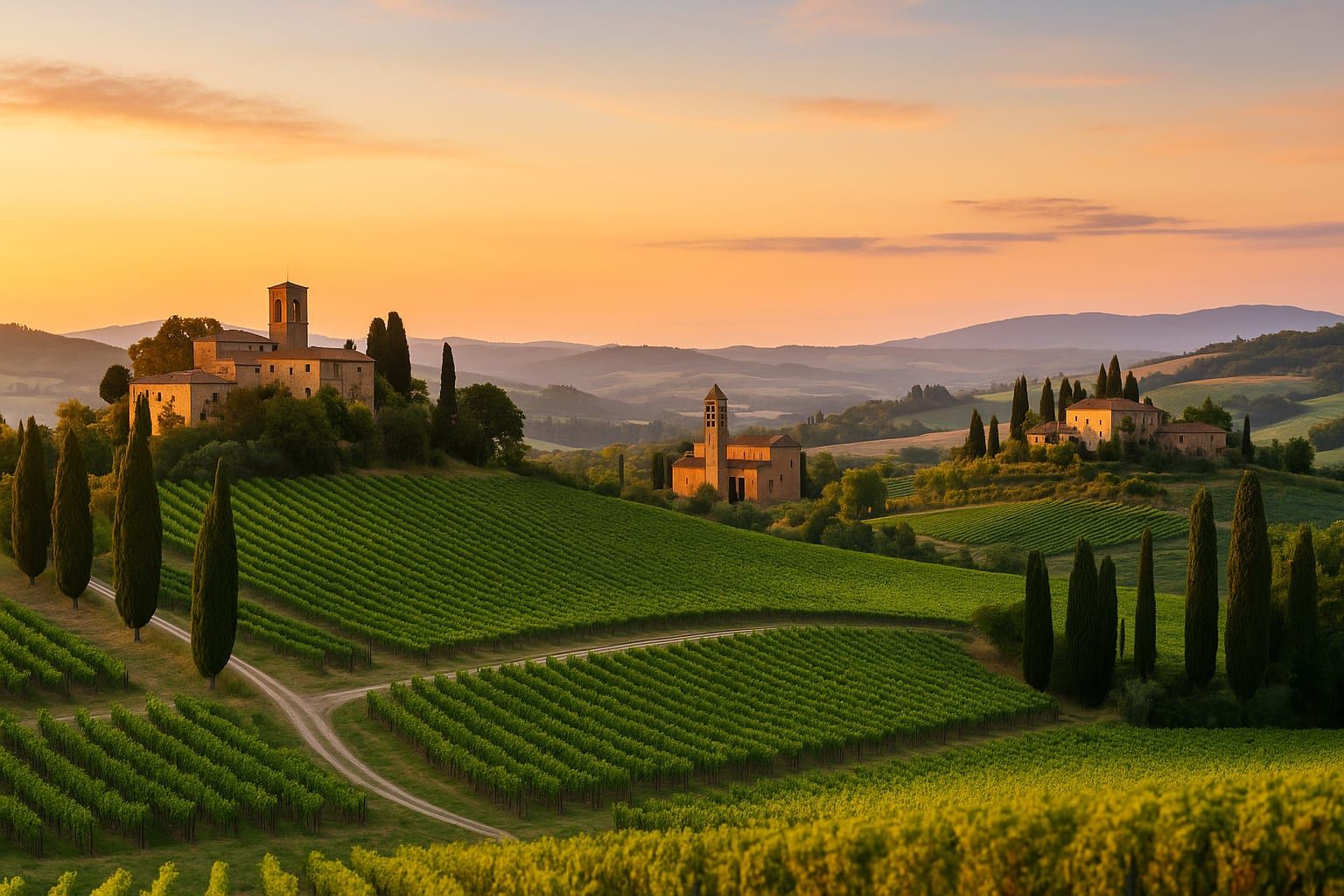
Tuscany Wine Guide: Chianti, Brunello & Super Tuscans
A practical, insider’s guide to the wines of Tuscany—Chianti, Brunello di Montalcino and the iconic Super Tuscans—with tasting notes, where to visit and local travel tips.
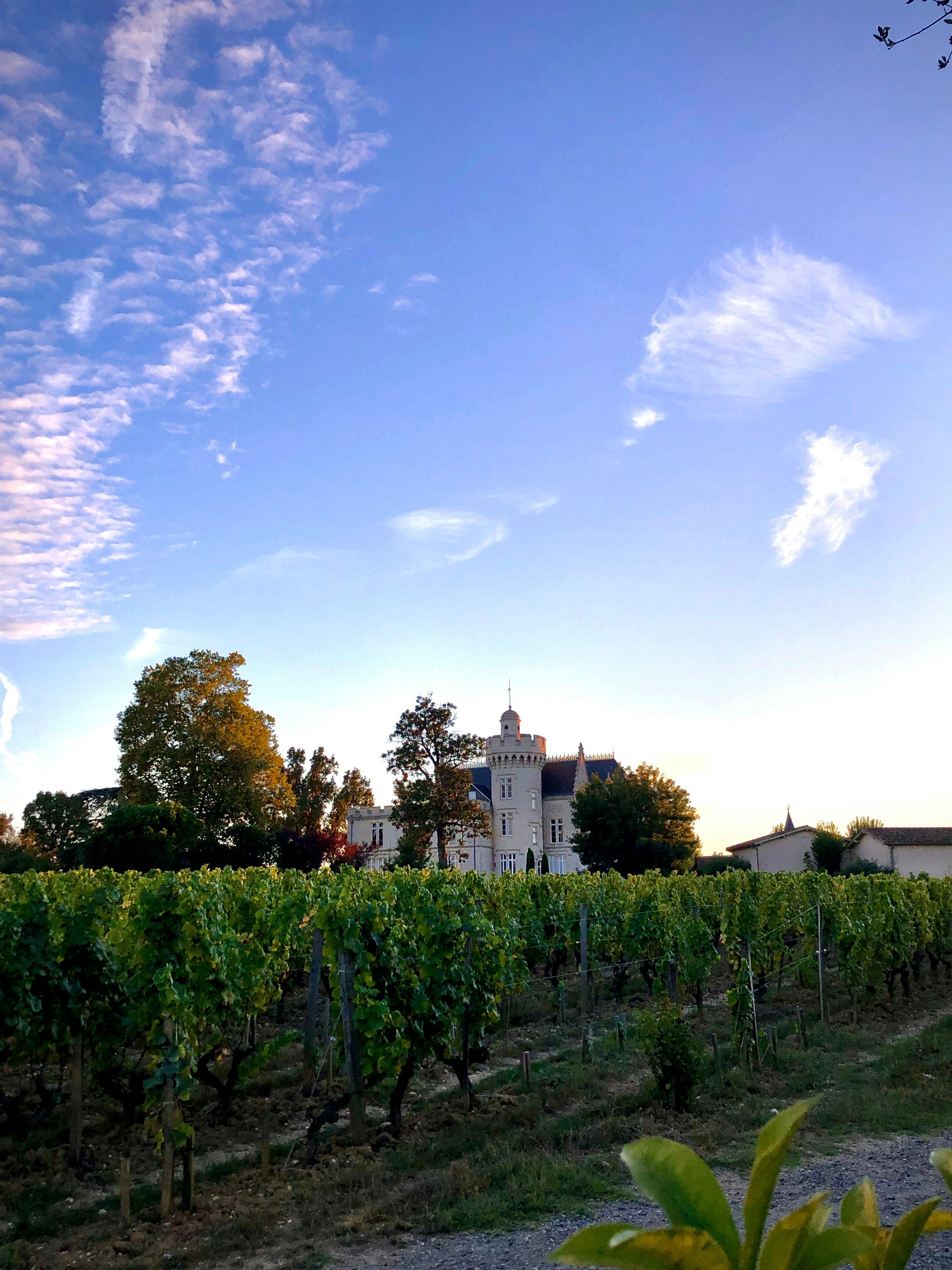
Wine Tourism in France: Bordeaux, Burgundy, Champagne
Plan a France wine trip across Bordeaux, Burgundy and Champagne — UNESCO sites, named châteaux and grandes maisons, TGV fares, and tasting prices from €25 to €300.
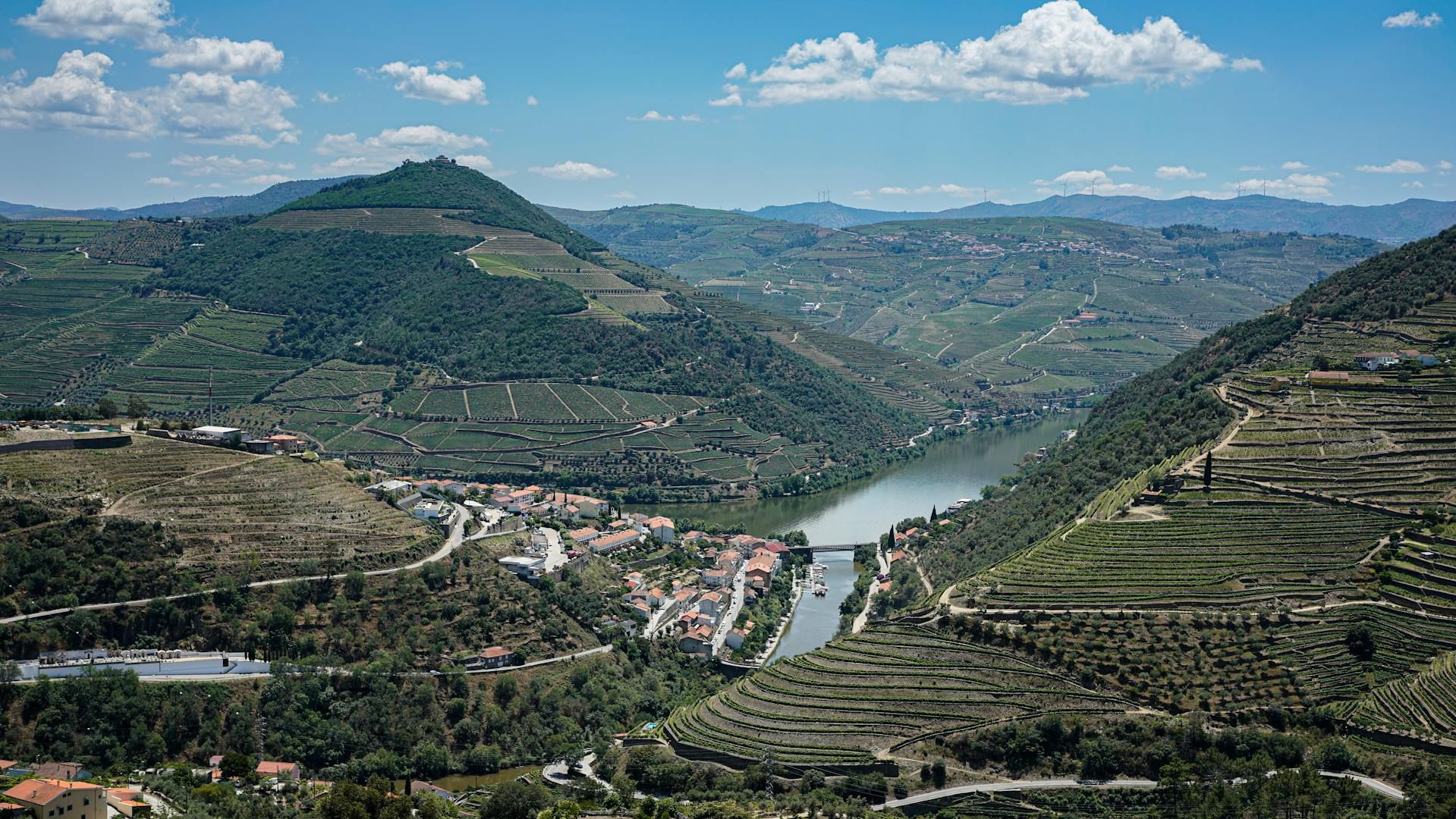
Wine Tourism in Portugal: Douro, Vinho Verde, Alentejo
Discover Portugal's three great wine regions — UNESCO Douro Valley, crisp Vinho Verde, and Alentejo's clay-amphora tradition. Tasting prices, train fares, named wineries open for visits.