
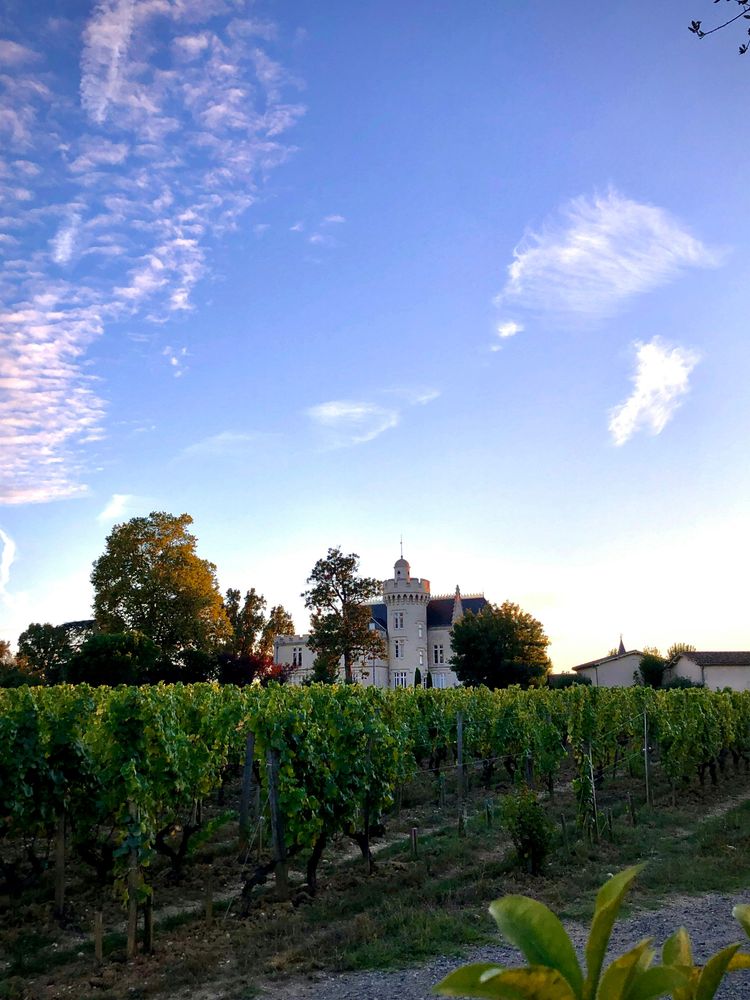
Wine Tourism in France: Bordeaux, Burgundy, Champagne
Plan a France wine trip across Bordeaux, Burgundy and Champagne — UNESCO sites, named châteaux and grandes maisons, TGV fares, and tasting prices from €25 to €300.
France's wine map is the one every other country gets compared to, and three regions hold most of the gravitational pull: Bordeaux, with its Left Bank vs Right Bank dialectic and the 1855 classification still hanging over every label; Burgundy, where the Climats UNESCO inscription recognises 1,247 named parcels along a single 60 km strip; and Champagne, whose hillsides, houses and cellars became a UNESCO cultural landscape in 2015. Here is how to visit each one with named producers, real tasting prices in euros, and the TGV connections that actually save a day.
Fast Facts
| Detail | Info |
|---|---|
| Best time to visit | Bordeaux: May–June or mid-Sept–early Oct (harvest); Burgundy: May–June or Sept; Champagne: May–Sept (Hospices de Beaune auction third Sunday of November, Vinexpo Bordeaux in mid-June 2027) |
| Getting there | Paris-Bordeaux TGV ~2h 05m (€39–€120); Paris-Dijon TGV ~1h 35m (€25–€90); Paris-Reims TGV ~46 min (€20–€55); Paris-Épernay direct ~1h 15m (€18–€40) |
| Base cities | Bordeaux city (Left Bank) or Saint-Émilion (Right Bank); Beaune (Burgundy) or Dijon; Reims or Épernay (Champagne) — all three regions are easy day-trip hubs |
| Average daily budget | €180–€320/day mid-range — lodging €110–€220, tastings €40–€90 per estate, food €50–€90, local transport/driver €30–€80 |
| Don't miss | La Cité du Vin in Bordeaux; the Hospices de Beaune in Burgundy; the chalk crayères under Reims (UNESCO inscribed) |
Bordeaux: Left Bank vs Right Bank
Bordeaux's identity hinges on which side of the Gironde estuary the vines grow. The Conseil Interprofessionnel du Vin de Bordeaux (CIVB) recognises 65 appellations across roughly 108,000 hectares — but for visitors, the meaningful split is geological. The Left Bank (Médoc, Pessac-Léognan, Sauternes) sits on gravel deposits that retain heat and drain sharply; this is Cabernet Sauvignon country, blended with Merlot and Cabernet Franc, producing the spine-straight, age-worthy reds that dominated the 1855 Classification. The Right Bank (Saint-Émilion, Pomerol, Fronsac) sits on clay and limestone over the Dordogne; Merlot leads here, often blended with Cabernet Franc, giving softer, plumper reds that drink earlier.
Left Bank: the 1855 classification still rules
The Médoc runs north from Bordeaux city along the D2 "Route des Châteaux" through four communes that read like a fine-wine roll call: Margaux, Saint-Julien, Pauillac, Saint-Estèphe. The 1855 Classification, drawn up for the Exposition Universelle on Napoleon III's request, ranked 61 Médoc châteaux (plus Château Haut-Brion from Graves) into five growths. The five First Growths — Château Lafite Rothschild, Château Latour, Château Margaux, Château Mouton Rothschild (promoted from Second Growth in 1973), and Château Haut-Brion — set the global price ceiling for fine wine.
Named estates that actually welcome visitors:
- Château Pichon Comtesse, Pauillac — Second Growth on the D2, opposite Château Latour; signature "L'Expérience Comtesse" tour with three-wine flight from around €60 per person, must reserve weeks ahead.
- Château Marquis de Terme, Margaux — Fourth Growth with an art-driven cellar visit and structured Margaux tastings from €35–€80.
- Château Smith Haut Lafitte, Pessac-Léognan — Grand Cru Classé de Graves with one of the best visitor centres in Bordeaux, the Caudalíe vinothérapie spa next door, and tasting/tour packages from €45.
- Château Pape Clément, Pessac-Léognan — Pope Clement V's old vineyard inside greater Bordeaux, owned by Bernard Magrez; tour and tasting from €39.
- Château Soutard, in Saint-Émilion town for those crossing to the Right Bank — sleek visitor centre and Saint-Émilion Grand Cru Classé flights from €30.
Sauternes, south of Bordeaux city, is its own world: sweet wines from botrytised Sémillon and Sauvignon Blanc grapes. Château d'Yquem (Premier Cru Supérieur, 1855) opens for visits by appointment with limited slots; nearby Château Guiraud and Château de Rayne Vigneau offer more accessible tours from €25.
Right Bank: Saint-Émilion and Pomerol
Saint-Émilion became a UNESCO World Heritage Site in 1999, inscribed as a Jurisdiction covering the medieval town and eight surrounding villages. The town itself is a tight maze of limestone alleys descending to the monolithic church carved into the cliff. The classification system here is separate from 1855: revised roughly every decade, the Saint-Émilion Grand Cru Classé hierarchy includes a tiny apex of Premiers Grands Crus Classés A — currently Château Pavie and Château Figeac (Cheval Blanc and Ausone withdrew in 2022, Angélus in 2023).
Pomerol, immediately north, has no formal classification but contains some of the most expensive wines on earth — Château Pétrus (no visits), Le Pin (microscopic production, no visits), Vieux Château Certan. Visit access here is genuinely scarce; plan around Saint-Émilion-based estates.
For practical Right Bank tours, our best wine tours in Europe overview covers the operators that bundle Saint-Émilion mornings with Pauillac afternoons.
Getting around Bordeaux
Paris-Bordeaux on TGV is 2h 05m from Paris Montparnasse — fares from €39 with advance booking, €120+ last minute. From Bordeaux Saint-Jean station, Saint-Émilion is a 35-minute TER train ride (€12 one-way) or a 45-minute drive. The Médoc has no rail line worth using: rent a car, hire a driver, or take a CIVB-approved day tour (€85–€180 typical). La Cité du Vin, the immersive wine museum on the quayside in central Bordeaux, is a worthwhile half-day before heading into the vines — admission €22, including a tasting at the panoramic Belvédère on the 8th floor. Harvest runs mid-September to early October; book any château visit at least three weeks in advance for that window. For a deeper how-to on tasting appointments, en primeur and Left Bank versus Right Bank etiquette, see our complete guide to wine tasting in Bordeaux.
Burgundy: the climats and a 60 km strip
Burgundy is the inverse of Bordeaux's château logic. Instead of large estates owning hundreds of hectares, Burgundy is fractured into 1,247 named climats — individual parcels with their own soil signature — recognised by UNESCO in 2015 as a cultural landscape. The Bureau Interprofessionnel des Vins de Bourgogne (BIVB) classifies wines into four tiers: Regional (52% of production), Village (36%), Premier Cru (10%), and Grand Cru (just 1.4%). Only 33 climats hold Grand Cru status. Two grapes do almost all the work: Pinot Noir for reds, Chardonnay for whites.
Côte de Nuits: Pinot Noir country
The Côte de Nuits runs roughly 20 km south from Dijon to just below Nuits-Saint-Georges. The villages along the Route des Grands Crus (the D974) are the most famous addresses in red Burgundy: Marsannay, Fixin, Gevrey-Chambertin, Morey-Saint-Denis, Chambolle-Musigny, Vougeot, Vosne-Romanée, Nuits-Saint-Georges. Vosne-Romanée alone holds eight Grands Crus, including La Romanée-Conti — a 1.8-hectare monopole whose bottles trade at five-figure prices and which is closed to all visitors.
Where you can actually go:
- Château du Clos de Vougeot — the 12th-century Cistercian winery sitting in the middle of the 50-hectare Clos walled vineyard; self-guided visits €10, guided tours by reservation €16. See the Clos de Vougeot site for current hours.
- Maison Joseph Drouhin, Beaune — historic négociant with cellars dating to the 13th century beneath the old town; reserve a guided cellar visit with tasting from around €55.
- Domaine Faiveley, Nuits-Saint-Georges — one of the largest Grand Cru holdings in Burgundy; private tastings by appointment from €60–€120.
- Bouchard Père et Fils, Beaune — based in the 15th-century Château de Beaune ramparts; cellar tours and tastings from €30.
Côte de Beaune: Chardonnay's home ground
South of the Côte de Nuits, the Côte de Beaune produces almost all of Burgundy's white Grands Crus and a softer style of Pinot Noir. Meursault, Puligny-Montrachet, and Chassagne-Montrachet between them hold the great white sites — Montrachet, Bâtard-Montrachet, Chevalier-Montrachet, Corton-Charlemagne. Pommard and Volnay produce the most distinctive reds.
Beaune is the working capital — walled medieval centre, négociant cellars tunnelled underneath, and the Hospices de Beaune, a 15th-century charitable hospital that still owns 60 hectares of vines. The Hospices de Beaune wine auction, held the third Sunday of November since 1859, sets Burgundy's annual price tone and is the world's largest charity wine auction. Surrounding events make Beaune the busiest weekend of the Burgundy year — book lodging six months ahead.
Further north, Chablis sits 130 km from the rest of Burgundy. Its cool-climate Chardonnay on Kimmeridgian limestone is a different style entirely — taut, mineral, defined by the chalky terroir. Day-trips from Paris to Chablis are feasible (90 min by train to Auxerre + 20 min by car). Further south, the Côte Chalonnaise and Mâconnais offer Burgundy at half the price and a third of the crowds — Mercurey, Givry, Pouilly-Fuissé.
Getting around Burgundy
Paris-Dijon on TGV is 1h 35m from Gare de Lyon — €25 advance, €90 walk-up. Dijon-Beaune is a 20-minute local train (€8). To work the vines themselves, you need a car or a driver: the Route des Grands Crus passes through villages with parking, but signed turn-offs to individual climats are easy to miss. Tastings sit in the €25–€75 range; Premier Cru flights typically €60–€90; Grand Cru tastings above €100.
For a city-paired wine itinerary on the Italian side of the Alps that mirrors Burgundy's terroir-first philosophy, see our Italy wine regions guide.
Champagne: chalk cellars and Avenue de Champagne
The protected zone known as Champagne, inscribed by UNESCO in 2015 as "Champagne Hillsides, Houses and Cellars," covers three components: the historic hillsides around Hautvillers, Avenue de Champagne in Épernay, and the Saint-Nicaise hill of cellars beneath Reims. Sparkling wine has been made by the méthode traditionnelle here since the 17th century; the Comité Champagne, the regional inter-professional body, maintains the appellation, enforces the harvest yields, and now reports roughly 34,300 hectares under vine across 319 crus.
Sub-zones and the two production tiers
The appellation splits into four main sub-zones. Montagne de Reims (mostly Pinot Noir) sits between Reims and Épernay. Vallée de la Marne (Pinot Meunier strongholds) runs along the river west of Épernay. Côte des Blancs (almost pure Chardonnay) drops south of Épernay through Cramant, Avize, and Le Mesnil-sur-Oger. The Côte des Bar (Pinot Noir) sits 130 km southeast near Troyes.
Producers split into two categories that are easy to spot on the bottom label. Grandes Maisons (Négociant-Manipulant, NM) buy fruit from many growers — the global brands: Veuve Clicquot, Moët & Chandon, Ruinart, Pommery, Taittinger, Mumm, Krug, Pol Roger. Grower-producers (Récoltant-Manipulant, RM) make wine only from their own fruit — Larmandier-Bernier in Vertus, Egly-Ouriet in Ambonnay, Jacques Selosse in Avize, Vouette et Sorbée in the Côte des Bar. RM cellar visits run smaller and need booking weeks ahead.
Named houses you can visit
Most grandes maisons cluster in two cities, and you can comfortably visit two or three in a day on foot.
- Reims: Taittinger (Crayères Saint-Nicaise, UNESCO-inscribed 4th-century Gallo-Roman chalk cellars, tour from €30), Veuve Clicquot (cellar tour from €38), Ruinart (oldest Champagne house, founded 1729, premium tours from €85), Pommery (sculptural cellars with rotating art installations, from €28), Mumm (Cordon Rouge tours from €32), Maison Krug (private appointments only, from around €200).
- Épernay: the Avenue de Champagne concentrates Moët & Chandon, Perrier-Jouët, Pol Roger, Boizel, Mercier and de Castellane along a single 1 km stretch — the maxim that this is "the richest avenue in the world" refers to the depth of bottles stored beneath it (an estimated 200 million). Moët & Chandon Impérial tour from €34; Mercier has a small electric train that runs through its 47 m underground cellars, from €22.
Grower-producer visits — Larmandier-Bernier, Egly-Ouriet, Vouette et Sorbée — typically cost less in euros but cost more in lead time: write three to six weeks ahead, expect a one- to two-hour visit with the winemaker, and bring cash. Standard tour pricing across the region runs €25–€80 including a flute; private cellar tours with vintage flights climb to €100–€300.
For a single-region deep-dive, our Champagne beyond the bubbles article covers the still wines (Coteaux Champenois) and the lesser-known villages most visitors skip.
Getting around Champagne
Paris-Reims on TGV is 46 minutes from Gare de l'Est — fares €20–€55. Paris-Épernay direct on the TER is 1h 15m at around €18 one-way. Reims and Épernay are connected by a 25-minute regional train. The Crayères under Reims — 30 metres of chalk pit cellars carved by the Romans, expanded by Champagne houses from the 18th century — are the UNESCO component most visitors see, and you walk into them directly from Taittinger, Pommery, Ruinart, and Veuve Clicquot tours. To reach grower-producers in the Montagne de Reims or Côte des Blancs villages, rent a car or hire a regional driver (full-day from around €350).
How to plan the trip: logistics and timing
One region per long weekend; two regions in a week. Champagne pairs naturally with Paris — train in, two nights in Reims or Épernay, train out — and is the easiest French wine region to do without a car. Bordeaux is best as a four-night stay using Bordeaux city as a base; you cannot reasonably day-trip there from Paris. Burgundy works as either a Paris extension (three nights in Beaune) or as a stop on a Paris–Lyon–Provence rail itinerary.
When to go, by region
- Bordeaux: May–June for green vines and full visitor schedules; mid-September to early October for vendanges (harvest) — a handful of estates open their fermenting rooms to visitors, but most close to general tours during the busiest harvest days. Avoid August: many top châteaux close, and Bordeaux city itself empties.
- Burgundy: May–June or September. The Hospices de Beaune auction weekend (third Sunday of November) is spectacular but lodging triples in price and books out six months early. Saint-Vincent Tournante, a rotating January festival celebrating Burgundy's patron saint, draws huge crowds to whichever village hosts.
- Champagne: May to September. Visit infrastructure runs year-round but the vendange in mid-September is the most atmospheric time, and some houses run special harvest experiences. Christmas-week visits work too — Reims's Christmas market is one of the largest in France.
Booking and logistics
Grandes maisons in Reims/Épernay accept online bookings 2–4 weeks ahead; First Growths and named Saint-Émilion estates often need 4–8 weeks; grower-producers in Champagne and Burgundy Premier Cru appointments often need 6+ weeks. Drink-driving in France is strict — the limit is 0.5 g/L (0.2 g/L for drivers within their first three years of licence). A standard four-wine flight pushes most adults over.
For multi-region itineraries that combine France with neighbouring countries, our Italy wine regions and Portugal wine tourism pillars cover what to add either side of a France trip — and the Douro Valley's terraced port vineyards make a natural southern extension.
What to skip and common mistakes
Don't try to do all three regions in one trip. Bordeaux to Beaune is 6h 30m by car, Beaune to Reims another 4h 30m. The TGV network makes it feasible to chain via Paris, but you lose a day to each transfer. Pick one or two and go deep.
Don't expect to walk into a First Growth. Lafite, Latour, Margaux, and Mouton accept visits only by personal introduction or industry connection; most refuse public bookings entirely. Aim for the Second through Fifth Growths if you want to see the 1855 classification in real life — many are equally serious wines and genuinely welcome visitors.
Don't drive after a full tasting. The 0.5 g/L blood-alcohol limit means a standard four-wine flight tips most adults over. Use the rail network where it exists (Bordeaux–Saint-Émilion, Reims–Épernay), hire a driver, or stay at the property — many châteaux in Médoc and Pessac-Léognan now offer guest rooms.
Don't ignore Champagne's grower-producers. Buying a €60 grower bottle directly from a Récoltant-Manipulant in Ambonnay or Avize is the experience the grandes maisons cannot replicate, and it is what separates Champagne tourism from a regular brand tour.
Don't assume English everywhere outside the big visitor centres. Major Bordeaux châteaux, Reims/Épernay grandes maisons, and Beaune négociants are bilingual. Smaller Right Bank, Pomerol, Côte de Beaune village domaines and Champagne RMs often run visits only in French. Confirm at booking.
Frequently Asked Questions
Which French wine region should I visit first if I only have time for one?
Champagne. It is the easiest to reach from Paris (46 minutes by TGV to Reims), the most concentrated for visits (Reims and Épernay together hold most of the famous houses), and the UNESCO chalk cellars are visually unique. Bordeaux needs at least three nights to do justice to both banks, and Burgundy works best with a car. If you have a long weekend and want one polished trip, choose Champagne.
How much should I budget per day for wine tourism in France?
Expect €180–€320 per day mid-range: lodging €110–€220 (Bordeaux city, Beaune, Reims), tastings €40–€90 per estate (most visitors do one or two per day), food €50–€90, local transport or shared driver €30–€80. Premium experiences — First Growth tastings, grower-producer Champagne masterclasses, helicopter tours over the Médoc — push the figure well above €500.
Can I visit a First Growth Bordeaux château?
Generally no. Lafite, Latour, Margaux, Mouton Rothschild, and Haut-Brion accept visits only via personal introduction or trade contacts; public booking pages either do not exist or are perpetually full. Visit Second through Fifth Growths instead — Château Pichon Comtesse, Château Marquis de Terme, Château Pape Clément, and Château Smith Haut Lafitte all run professional tours from around €35–€60 and pour wines of genuinely comparable seriousness.
What is a grower Champagne and how do I find one?
A grower Champagne (Récoltant-Manipulant, RM, on the label) is made entirely from grapes the producer owns. It contrasts with a Négociant-Manipulant (NM) — the global brands that buy fruit from many growers. Growers are concentrated in villages like Ambonnay (Egly-Ouriet), Vertus (Larmandier-Bernier), Avize (Selosse), and across the Côte des Bar (Vouette et Sorbée). Find them via the Comité Champagne directory at champagne.fr; book six weeks ahead, bring cash, expect the winemaker to pour.
Is the Hospices de Beaune auction worth attending?
For a wine professional or a deep Burgundy enthusiast, yes — the third-Sunday-of-November weekend is the centre of the Burgundy year, the city is electric, and the auction tradition runs unbroken since 1859. For a casual wine traveller, it is the most expensive and crowded weekend to be in Beaune; lodging triples and books out by April. If you want to see the Hospices building itself — a 15th-century polychrome-tiled charitable hospital — visit it on a normal day. Tours run year-round.

Keep Exploring
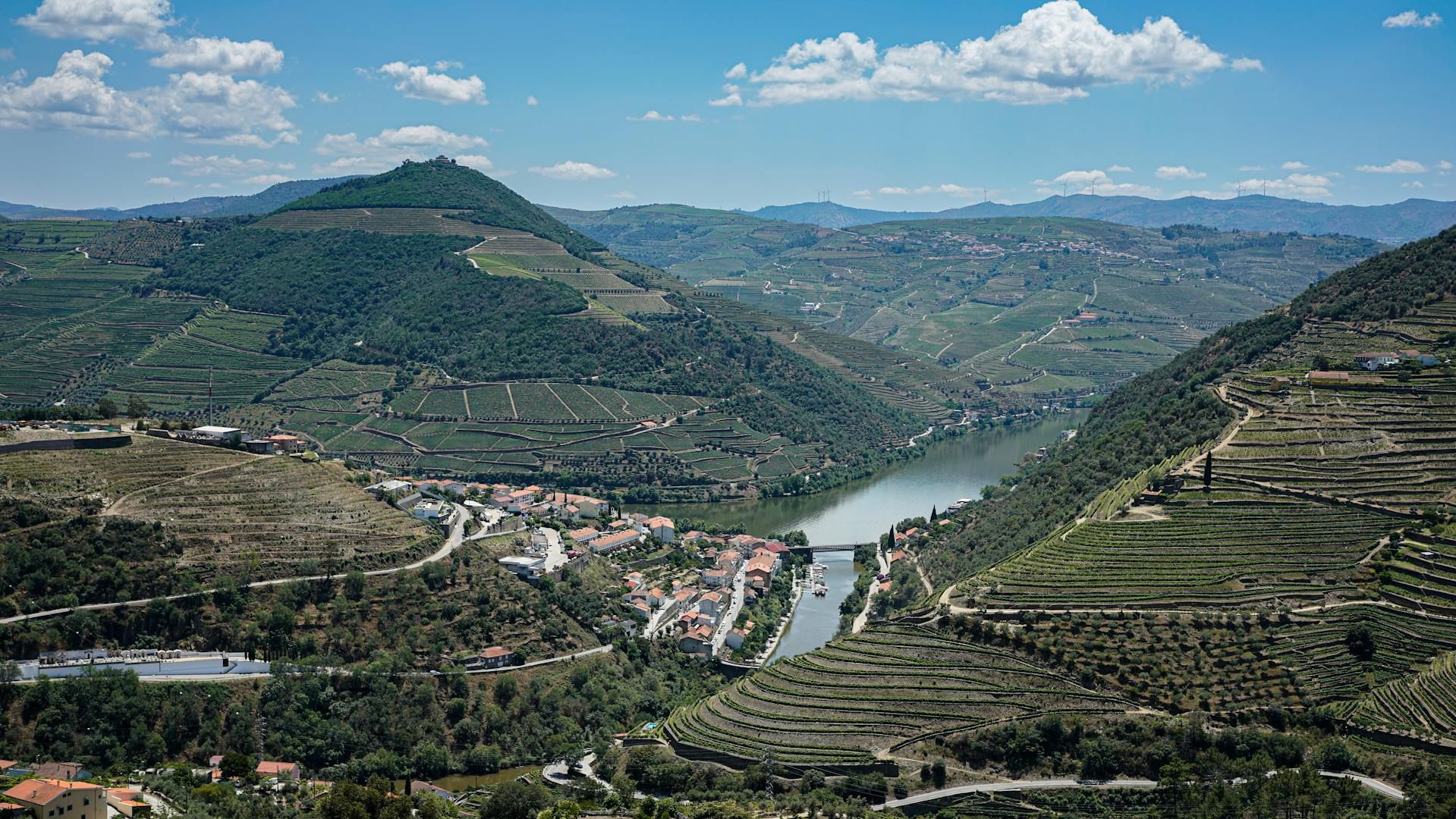
Wine Tourism in Portugal: Douro, Vinho Verde, Alentejo
Discover Portugal's three great wine regions — UNESCO Douro Valley, crisp Vinho Verde, and Alentejo's clay-amphora tradition. Tasting prices, train fares, named wineries open for visits.
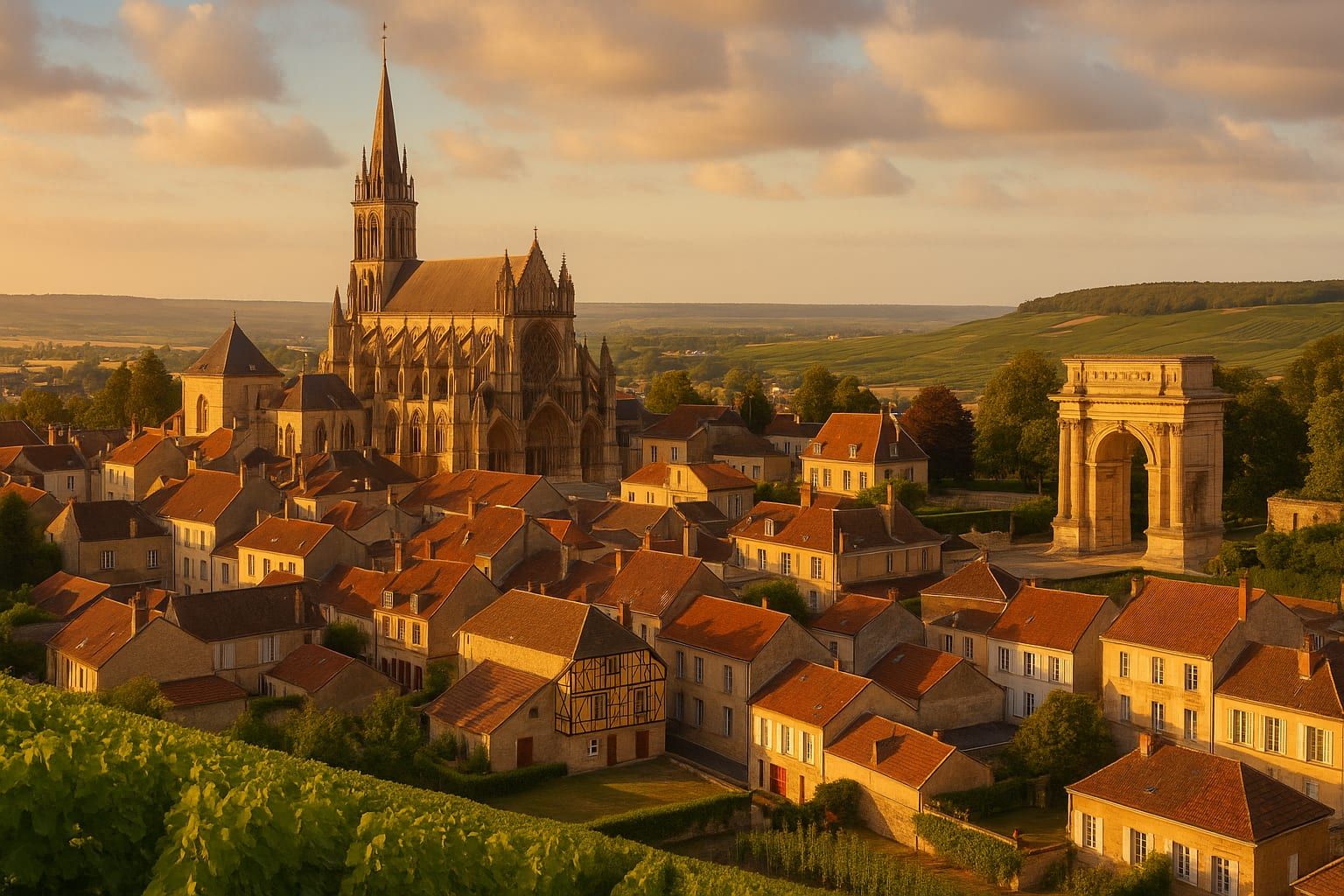
Champagne, France: Beyond the Bubbles
Explore Champagne beyond tastings: chalky vineyards, cellar caverns, village life in Reims and Épernay, hands-on blending, harvest rituals, gastronomy, and practical travel tips.
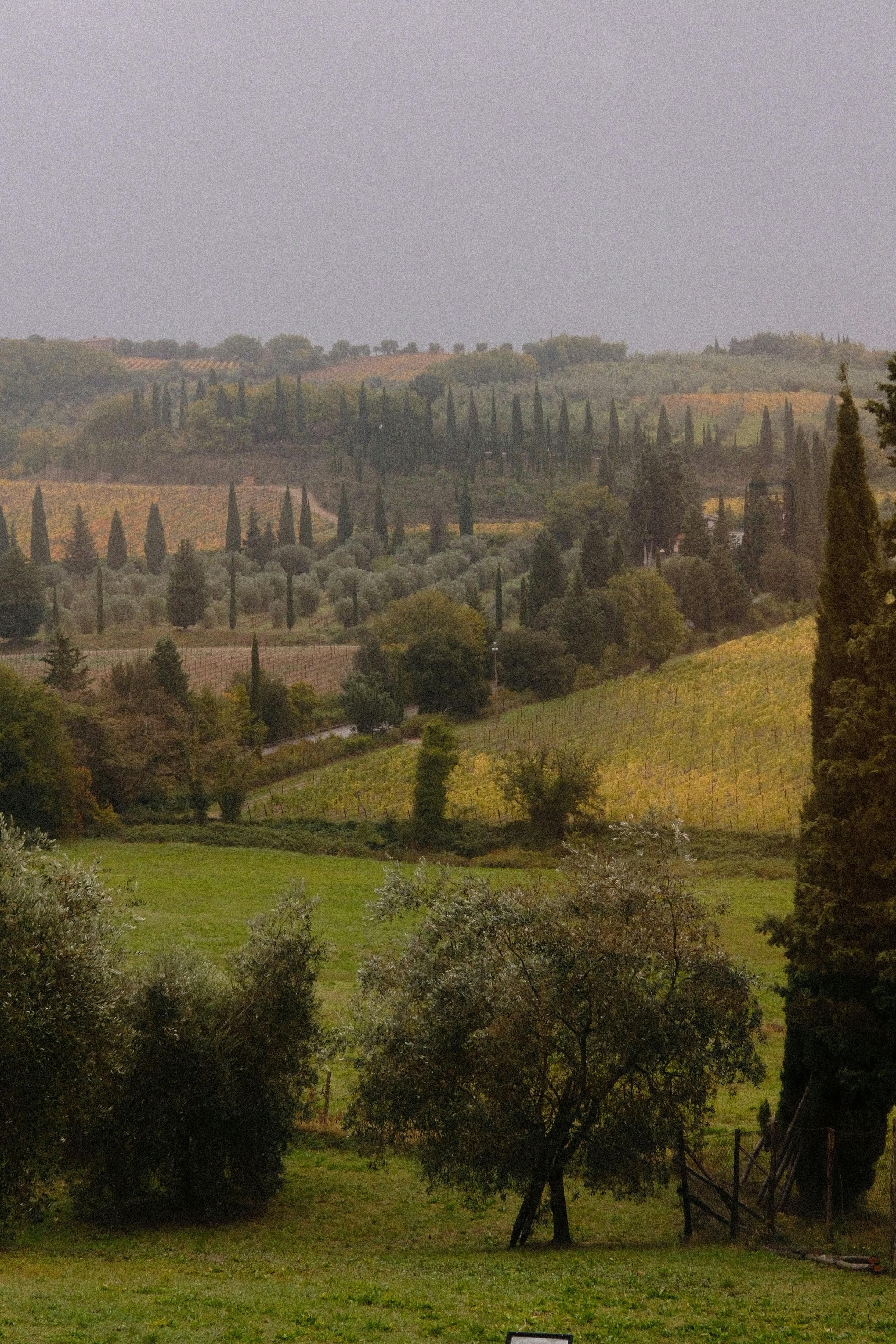
Wine Regions of Italy: Tuscany, Piedmont, Sicily, Veneto
Italy's four great wine regions in one guide — Tuscany's Chianti and Brunello, Piedmont's Barolo, Sicily's Etna and Marsala, Veneto's Amarone and Prosecco. EUR prices, named producers, train fares.