
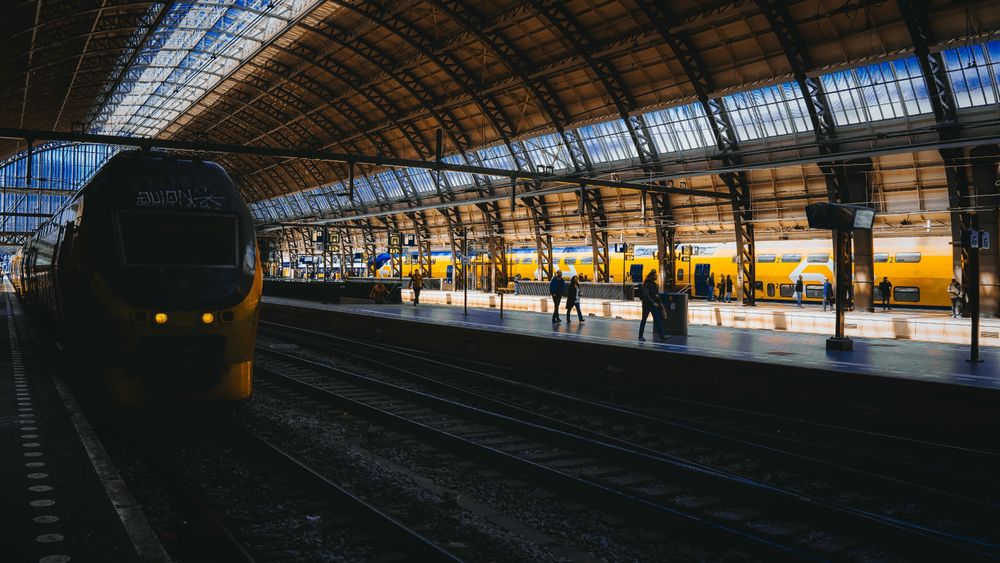
A concrete 14-day London-to-Rome rail trip on one Interrail Global Pass — exact journey times, named hotels, station-to-centre transfers, and what to book 90 days ahead.
Crossing Europe by rail in two weeks used to mean either crippling fatigue or a thousand euro spent on flights between cities. Neither is necessary in 2026: a 2nd-class Interrail Global Pass at €447 (10 days within two months, adult) plus a paid Eurostar reservation and a couple of Nightjet berths covers a 14-day west-to-east journey from London to Rome through nine countries. The route below is the one I most often recommend for first-time European rail travellers — high-speed corridors where they exist, named hotels in walkable neighbourhoods, and one strategic sleeper to skip a daytime crossing that would otherwise eat a day.
Fast Facts
| Detail | Info |
|---|---|
| Best time to travel | Late May to mid-June (long daylight, mild temperatures) or September (post-summer crowds, harvest in wine regions). Avoid mid-July to mid-August — Frecciarossa and Eurostar pass-holder quotas vanish, Alpine routes saturate. |
| Total cost (14 days, on-the-ground) | €1,800–€3,500 per person excluding the pass and Eurostar. Budget breakdown: lodging €60–€140/night × 13 = €780–€1,820; food €35–€55/day = €490–€770; transit & activities €40–€60/day = €560–€840. |
| Rail tickets | Interrail Global Pass 10 days within 2 months, 2nd class adult: €447 (2026); youth (under 28): €330. Eurostar London-Brussels reservation: €40–€80. Nightjet couchette Brussels-Berlin: ~€40–€60. Total fixed rail: ~€527–€602 adult. |
| Direction | West-to-east. London is the hardest entry (border check, Eurostar quota); ending in Rome leaves you with cheap onward flights or a Frecciarossa back. Reverse direction works but bunches the most expensive reservations at the start. |
| Schengen note | UK is non-Schengen; the rest of the route is inside the Schengen area, so you cross only one external border (UK → Belgium at St Pancras). Non-EU citizens get up to 90 days in Schengen — this trip uses 13 of them. |
Why west-to-east, and why this exact route
The geometry of Europe's high-speed network rewards travellers who run with the prevailing rail current. The dense, reservation-heavy lines (Eurostar, TGV, Thalys-now-Eurostar, Frecciarossa) cluster in the west; the cheaper, walk-on networks (DB ICE, ÖBB Railjet, ČD InterCity, RegioJet) dominate the centre and east. Starting in London means you spend your most expensive reservations on day one when you are freshest, then drift onto pass-friendly trains where rules relax. Ending in Rome puts you on the busiest reservation corridor (Frecciarossa Florence-Rome) on day fourteen, when you already know how the booking flow works.
The route also threads nine distinctive cities that pair well in sequence: the Low Countries' canal-and-cobble cluster (Brussels, Amsterdam), the German-speaking heart (Berlin, Vienna), the Habsburg-shaped centre (Prague, Budapest), and the Adriatic-Alpine pivot (Ljubljana, Venice, Rome). Distances between consecutive stops sit between 200 and 700 km — long enough to feel a clear change, short enough to keep travel days under five hours where possible.
Three internal links worth opening in tabs before you leave: our 3-day Berlin itinerary for the deep version of the Day 6–7 stop, the 3-day Prague guide for Day 8 extensions, and the Ljubljana perfect itinerary if you want to slow down at Day 12. For the underlying pass logic, see our companion pillar Europe by Train: Interrail, Eurail & country networks.
The Interrail Global Pass: what you actually need for this trip
For a 14-day window that involves 9 travel days (London-Brussels, Brussels-Amsterdam, Amsterdam-Berlin, Berlin-Prague, Prague-Vienna, Vienna-Budapest, Budapest-Ljubljana, Ljubljana-Venice, Venice-Rome), the most efficient pass is the 10 days within 2 months Global Pass, 2nd class. According to Interrail, the 2026 adult fare sits at €447; youth (under 28) at €330; senior (60+) gets roughly 10% off the adult price. You get one spare travel day to use for a side trip — Vienna day-trip to Bratislava, or a Berlin-Potsdam excursion — without buying a separate ticket.
Eurostar is the asterisk. The London-Brussels leg uses one of your travel days, but it also requires a paid pass-holder reservation (€40 in low season, €80 in summer weekends, and the quota is small). Book the reservation the moment the 90-day window opens through Eurostar; pass-holders rideshare a fixed allocation per train. Skipping this and buying a regular Eurostar ticket separately costs €150–€250 walk-up — almost half the pass — so the pass-holder reservation is a strict requirement, not optional.
Other mandatory reservations on this route: Brussels-Berlin Nightjet couchette (€40–€60), Frecciarossa Venice-Rome (€10–€13 standard), and optionally Railjet Vienna-Budapest seat (€3). Every other train in this itinerary takes pass-holders without reservation: DB ICE, ČD EuroCity, RegioJet (with a free pass-holder seat assignment), ÖBB Railjet domestic, and the Ljubljana-Venice connection.
Variants: three other ways through Europe
The west-to-east route above is the most popular, but the pass works for three other useful geometries.
North-to-south via Hamburg, Copenhagen, Stockholm
Start in London, Eurostar to Brussels (Day 1–2), then Brussels → Hamburg on the ICE (5h 30m, no reservation) for a Reeperbahn stop. Hamburg → Copenhagen on the rebuilt Fehmarnbelt route or via Jutland (5h, no reservation). Copenhagen → Stockholm on the SJ X2000 (5h 10m, free reservation included with pass). This routing favours Nordic summer light — June and early July give 18+ hours of daylight north of Hamburg. Add 3 days; subtract Italy.
Eastern loop via Kraków, Bratislava, Budapest
After Berlin (Day 7), divert east instead of south: Berlin → Warsaw on PKP Intercity (5h 50m, EIP includes free pass-holder reservation), Warsaw → Kraków (2h 20m, EIP), Kraków → Vienna via the Nightjet (overnight, €40 couchette), then drop into the standard route at Vienna. Adds 3 days, doubles the time in Habsburg-historical territory. Highly recommended if 20th-century history is your through-line — Berlin, Warsaw, Kraków, Vienna, Budapest is one of the densest WWII and Cold War concentrations on the continent.
Southern arc via Geneva, Milan, Barcelona
For travellers focused on Mediterranean cities: London → Paris (Eurostar, 2h 16m), Paris → Geneva (TGV Lyria, 3h 15m, €10 reservation), Geneva → Milan (Eurocity via the Simplon, 4h, no reservation), Milan → Barcelona via Marseille (or via Lyon — both involve a change, ~10h day). Then back across to Rome via the Frecciarossa Genoa-Rome (5h 30m). Heavier on reservations (Eurostar, TGV Lyria, Frecciarossa all need them), so the pass cost-benefit narrows — you can sometimes do this routing cheaper with point-to-point advance tickets.
Practical: what to book 90 days out, what to wing
At the 90-day mark before your start date, book in this order: Eurostar London-Brussels pass-holder reservation, Frecciarossa Venice-Rome reservation, and the Brussels-Berlin Nightjet couchette. These three have the smallest pass-holder quotas and sell out fastest — set a calendar reminder for the exact 90-day date and book within hours of opening.
2-4 weeks before departure: Anne Frank House timed entry, Van Gogh Museum timed entry, Vienna Belvedere timed entry, Prague Castle Circuit B (saves the queue, though same-day usually works), and your hotels. Lodging in Brussels, Berlin, Prague, Vienna, Budapest, and Ljubljana absorbs walk-in pricing reasonably well; Amsterdam, Venice, and Rome do not — book those at least 6 weeks out.
Things you can leave to the day: every restaurant on this list except the Vienna Heuriger (which you should call before 16:00), regional and intercity trains where the pass works walk-on (Berlin-Prague, Prague-Vienna, Vienna-Budapest), and any side trips. The flexibility of the pass is its real advantage; don't pre-book yourself into a corner.
What to skip and common mistakes
Don't try to add Paris in the middle. It looks geographically tempting between Brussels and Berlin, but the Brussels-Paris-Berlin detour adds 5 hours of train time and requires a TGV pass-holder reservation (€20) plus a Nightjet Paris-Berlin reservation (€80+, often sold out). Save Paris for a separate trip — it deserves three days minimum, and you cannot do it justice as a layover.
Don't sleep near Roma Termini, Wien Westbahnhof, or Amsterdam Centraal stations beyond the first or last night. All three are fine for one-night transit stops but the immediate station blocks are tourist-trap-restaurant deserts. Walk 10–15 minutes in any direction before booking a hotel for two-night stays.
Don't underestimate the Schengen passport rhythm. Once you cross from London to Brussels you do not see another passport check until you leave the Schengen area — but you absolutely need a valid passport (with 3+ months validity beyond your trip end date) for the London-Brussels Eurostar crossing.
Don't bring more luggage than you can carry up four flights of stairs. Half the budget hotels on this route are in 19th-century buildings without elevators, and even the modern ones have weight limits on luggage racks. A 60-litre wheeled bag plus a daypack covers 14 days easily.
Don't skip the activation step on the Rail Planner app. The pass is mobile-only as of 2024 — you must download the Rail Planner app, activate the pass before your first journey, and record each travel day in-app before boarding. Forgetting this is the single most common pass mistake and conductors will fine you (€50–€100) for a non-activated pass.
Step-by-Step Itinerary
Day 1: London → Brussels (Eurostar, 2h 01m)
Depart London St Pancras International on a morning Eurostar (book 90 days out for a €40 pass-holder reservation; arrive 30 minutes ahead for the airport-style security and passport check). Arrival at Brussels-Midi/Zuid at midday. Walk 12 minutes north into Marolles — Hotel des Galeries (€135/night) or HygगE Hostel (€48/dorm bed) both put you steps from Place du Jeu de Balle's flea market. Lunch at Friterie Tabora behind Grand Place for cone-of-fries-with-andalouse perfection (€8), dinner at À la Mort Subite for kriek lambic and tartines (€25 for two).
Day 2: Brussels (full day)
Morning at the Magritte Museum (€10, opens 10:00) on Place Royale, then walk down through the Sablon antique district to Manneken-Pis and the Grand Place. Afternoon at the Cantillon Brewery (€11 self-guided tour, closed Sundays and Wednesdays) in Anderlecht — a working museum of spontaneous-fermentation lambic, no reservation needed. Dinner in the Sainte-Catherine fish quarter at Noordzee/Mer du Nord, a no-frills counter for prawn croquettes (€16 for two with white wine).
Day 3: Brussels → Amsterdam (Eurostar/IC direct, 1h 53m)
No reservation required on the Brussels-Amsterdam IC service (formerly Thalys-branded, now folded into Eurostar). Trains depart Brussels-Midi roughly every 90 minutes; €0 supplement with the pass on IC, €30–€40 on the Eurostar-branded high-speed. Arrival at Amsterdam Centraal. Tram 13 (€3.40) to Jordaan: Hotel Mai (€140/night) on the Singel canal. Pick up a MacBike rental (€14.75/24h) at the station — it makes the next 36 hours.
Day 4: Amsterdam (full day)
Morning at the Anne Frank House (€16, timed entry — book 6 weeks ahead via annefrank.org, the queue without a reservation is unrealistic). Cycle south through Vondelpark to the Museumplein for the Van Gogh Museum (€22, also timed). Late afternoon: rent canal-side at Café Hoppe or push out to De Pijp's Albert Cuyp street market for Surinamese roti at Roopram (€10) and stroopwafels fresh from De Drie Graefjes (€3). Evening jenever tasting at Wynand Fockink, a 17th-century distillery tap room near Dam Square.
Day 5: Amsterdam → Berlin (Nightjet, 13h overnight)
The daytime option is 6h 30m via Hannover with two changes, but the Nightjet NJ 421 Amsterdam-Berlin (departing Centraal around 19:00, arriving Berlin Hauptbahnhof around 07:30) is the smarter use of the day. Reservation required on top of the pass: couchette €40–€60, private mini-cabin €100–€140. New rolling stock from late 2023 — clean, quiet, and you wake up in Mitte. Have dinner before boarding at FEBO on Leidseplein (Dutch tradition: vending-machine kroketten, €4 and worth it) and pack snacks for the train.
Day 6: Berlin (arrival day)
Drop bags at the hotel — Michelberger Hotel in Friedrichshain (€135/night, by the Spree) or Circus Hostel in Mitte (€42/dorm, walking distance to Hauptbahnhof). Shower, then Museum Island for the Pergamon's reopened wings and the Neues Museum (combined €19 day pass via Staatliche Museen zu Berlin). Afternoon: walk south to the Holocaust Memorial and Brandenburg Gate. Dinner at Mustafa's Gemüse Kebap (Mehringdamm — queue 25 minutes, €6 sandwich) or at Markthalle Neun for the Thursday Street Food market.
Day 7: Berlin (full day)
Morning at the East Side Gallery (free, 1.3 km of the original wall painted by 100+ artists in 1990). Hop the S-Bahn to Tempelhofer Feld — the runways of the decommissioned airport, now a 380-hectare public park where you can cycle, kite, or skate. Afternoon: Kreuzberg coffee at Five Elephant (Reichenberger Strasse) and a slow walk along the Landwehrkanal. Evening at a Berghain-adjacent club is the famous answer; the quieter alternative is Klunkerkranich, a rooftop bar on top of the Neukölln Arcaden mall (€5 entry after 18:00).
Day 8: Berlin → Prague (EC direct, 4h 30m)
DB EuroCity service from Berlin Hauptbahnhof to Praha hlavní nádraží through Dresden and the Elbe sandstone canyons — one of the most beautiful daytime trains in Europe and no reservation needed with the pass. Departures roughly every two hours. Arrival in Prague: walk 10 minutes from hl. nádraží into Vinohrady for Hotel Sieber (€115/night, family-run) or Sir Toby's Hostel in Holešovice (€32/dorm, a 5-minute tram ride). Dinner at Lokál Dlouhááá (€18 for two with Pilsner Urquell tank beer) in the Old Town.
Day 9: Prague → Vienna (RegioJet or ČD EuroCity, 4h)
Morning at Prague Castle (entry to grounds free, Circuit B ticket €14 for St Vitus + Old Palace + Basilica + Golden Lane) and the Charles Bridge before the cruise ships arrive (be on the bridge by 08:00). Afternoon train: RegioJet yellow trains to Vienna (free reservation included for pass-holders, snack and water served) or ČD EuroCity to Wien Hbf — both around 4 hours direct, no change. Vienna arrival around 20:00. Stay in the 7th district (Neubau): Hotel am Brillantengrund (€125/night, family-run) or Wombat's CITY Hostel Vienna at the Naschmarkt (€36/dorm). Late dinner at Würstelstand Bitzinger behind the Albertina — Käsekrainer with mustard, €5.50.
Day 10: Vienna (full day)
Belvedere Palace for Klimt's The Kiss (€16, book online to skip the queue at belvedere.at). Coffee at Café Sperl on Gumpendorferstrasse — a less-touristed alternative to Central. Afternoon at the Naschmarkt and the MuseumsQuartier (Leopold Museum €15, Mumok €15). Evening: Heuriger (wine tavern) at Mayer am Pfarrplatz in Heiligenstadt, where Beethoven once stayed; €25–€35 for a full plate of cold cuts and a half-litre of Grüner Veltliner from the Vienna hills (yes, the city has DAC vineyards within the U-Bahn map).
Day 11: Vienna → Budapest (ÖBB Railjet, 2h 40m)
Quickest crossing on the trip. Railjet departures every two hours from Wien Hbf; optional €3 seat reservation through ÖBB — worth it in summer when the train fills with weekend traffic. Arrival at Budapest-Keleti. Take Metro M2 four stops to Astoria (€1 single, buy a 72h pass for €13.50 at any machine). Stay in District VII (Erzsébetváros — the Jewish Quarter and ruin-bar district): Hotel Rum (€150/night, design hotel on Királyi Pál utca) or Maverick Hostel Budapest (€34/dorm). Dinner at Frici Papa (Király utca 55, €12 for goulash and a beer), then a first drink at Szimpla Kert, the original ruin bar.
Day 12: Budapest → Ljubljana (via Hegyeshalom or Zagreb, 8–9h with one change)
The direct seasonal EuroCity (June–September only, ~7h) is the easy option if your dates align. Off-season, change at Hegyeshalom or Zagreb — allow a 9-hour day with one change, no reservation required if you take the Slovenian Railways and ÖBB combination, ~€0 supplement on the pass. Start early (06:30 departure) and pack a proper picnic. Arrival in Ljubljana late afternoon. Stay in the Old Town near the Triple Bridge: Vander Urbani Resort (€165/night, hidden behind a 16th-century façade on Krojaška ulica) or Hostel Vrba (€28/dorm, family-run, terrace overlooking the Ljubljanica). Dinner at Gostilna Sokol (€22 for two, traditional Slovenian: štruklji, žlikrofi, jota soup).
Day 13: Ljubljana → Venice (bus or seasonal train, 3h 45m)
Direct train service Ljubljana-Venice resumed in 2024 (~€25 on the pass, journey 3h 45m via Postojna and Trieste); off-season fall back to the FlixBus or DRPD-NG coach (€20, similar time). Arrival in Venice at Santa Lucia. Resist the obvious hotels around San Marco (€350+/night and tourist-grade) — instead, walk 10 minutes northeast to Cannaregio: Hotel Antico Doge in a 14th-century palazzo (€140/night) or Generator Venice Hostel on Giudecca (€48/dorm, a vaporetto ride from the action). Afternoon walk along the Fondamenta degli Ormesini cicchetti row; dinner at Al Timon (cicchetti €1.50–€3 each, ombra of wine €2.50).
Day 14: Venice → Rome (Frecciarossa, 3h 45m)
Last travel day. Frecciarossa from Venezia Santa Lucia to Roma Termini, 3h 45m direct via Bologna and Florence. Reservation mandatory: €10–€13 if booked 90 days out via Trenitalia, €30–€60 closer in, easily €100+ on the day. Arrival at Termini around mid-afternoon. Stay near Termini for the easy onward connection: Hotel Quirinale (€155/night, 19th-century classic) or YellowSquare Rome (€38/dorm, three blocks south of Termini). Final dinner in Monti at Trattoria Da Valentino (€28 for two with house wine) — a 12-minute walk from the station, no Colosseum view but better food than anywhere within 200 m of the ruins.
Frequently Asked Questions
How many travel days does a 14-day Trans-European trip actually need?
Nine travel days for this exact itinerary (London-Brussels, Brussels-Amsterdam, Amsterdam-Berlin via Nightjet, Berlin-Prague, Prague-Vienna, Vienna-Budapest, Budapest-Ljubljana, Ljubljana-Venice, Venice-Rome). Buy the 10-day-within-2-months Global Pass — €447 adult 2nd class in 2026, €330 youth — and you have one spare day for a side trip (Vienna-Bratislava is the obvious one, €0 extra with the pass). The 7-day pass is cheaper but leaves zero flexibility for missed connections or weather changes.
Is the Nightjet from Amsterdam to Berlin worth the extra €40–€60?
Yes, for two reasons. First, it saves a hotel night (€80–€140 in either city), so you break even or come out ahead financially. Second, the daytime alternative is 6h 30m with two changes via Hannover — you arrive in Berlin tired, having lost a full day. The new Nightjet rolling stock (introduced from late 2023) has clean private mini-cabins, decent sleeper bunks in shared 6-couchette cars, and a breakfast tray included on most fares. Book the couchette (€40-€60) rather than a seat unless you can genuinely sleep upright.
Do I need separate tickets for the Eurostar to London if I have an Interrail pass?
No separate ticket, but yes to a paid pass-holder reservation. The Eurostar quota for pass-holders is small — typically 5–10 seats per train — and the reservation costs €30–€80 depending on date and demand. Book the moment the 90-day window opens through Eurostar; pass-holder seats on summer Friday afternoons sell out in hours. If you miss the quota you can still ride Eurostar by buying a regular ticket (€90–€250 walk-up) but it defeats the pass's value.
What's the absolute minimum budget for this trip?
Youth (under 28) doing everything cheap: €330 pass + €40 Eurostar + €40 Nightjet couchette + €13 Frecciarossa Venice-Rome + €3 Railjet Vienna-Budapest = €426 fixed rail. Add 13 nights × €32 dorm bed = €416, food at €30/day × 14 = €420, transit and museums at €25/day × 14 = €350. Total: ~€1,600 per person, all in. Adult mid-range comfort comes to €2,800–€3,500 with private rooms in 3-star hotels and one or two table-service dinners per day.
When does the seasonal Ljubljana-Venice direct train actually run, and what do I do off-season?
The direct service was reinstated in 2024 and currently operates from late spring through early autumn (typical window: May to September, single daily departure each direction, ~3h 45m, €25 supplement on the pass for the InterCity portion). Check current dates on Slovenian Railways 6 weeks before travel. Off-season, the FlixBus Ljubljana-Venice runs year-round for around €20, takes a similar time, and drops you at Venezia Tronchetto (a 5-minute People Mover ride to Piazzale Roma and the vaporetto stops). Both are fine; the train is more comfortable when it's available.

Keep Exploring
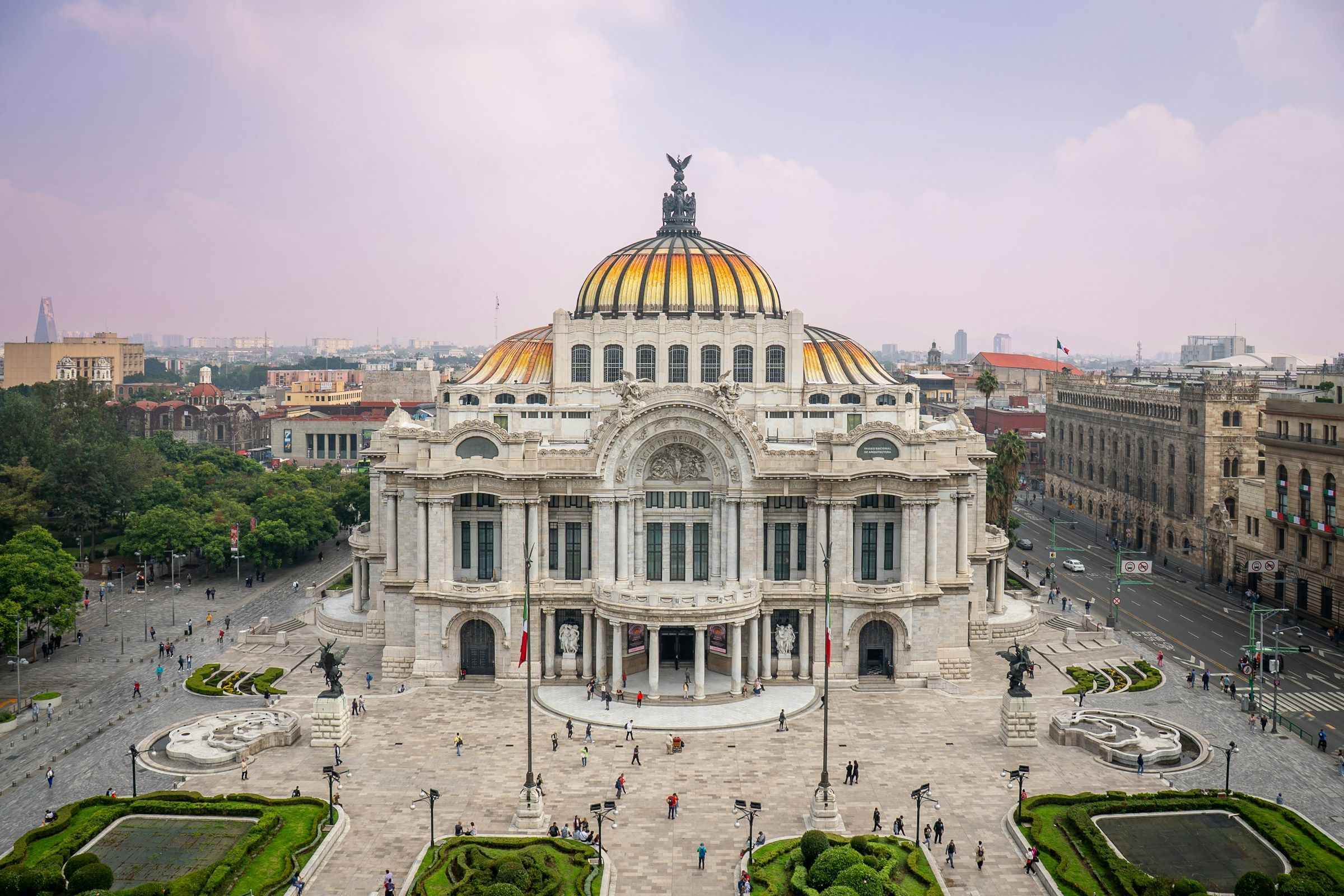
Mexico City in 3 Days: A Neighborhood-Based Itinerary
A practical route through Centro Histórico, Chapultepec, Condesa and Coyoacán, with one main visit each day, flexible meals and clear choices when time runs short.
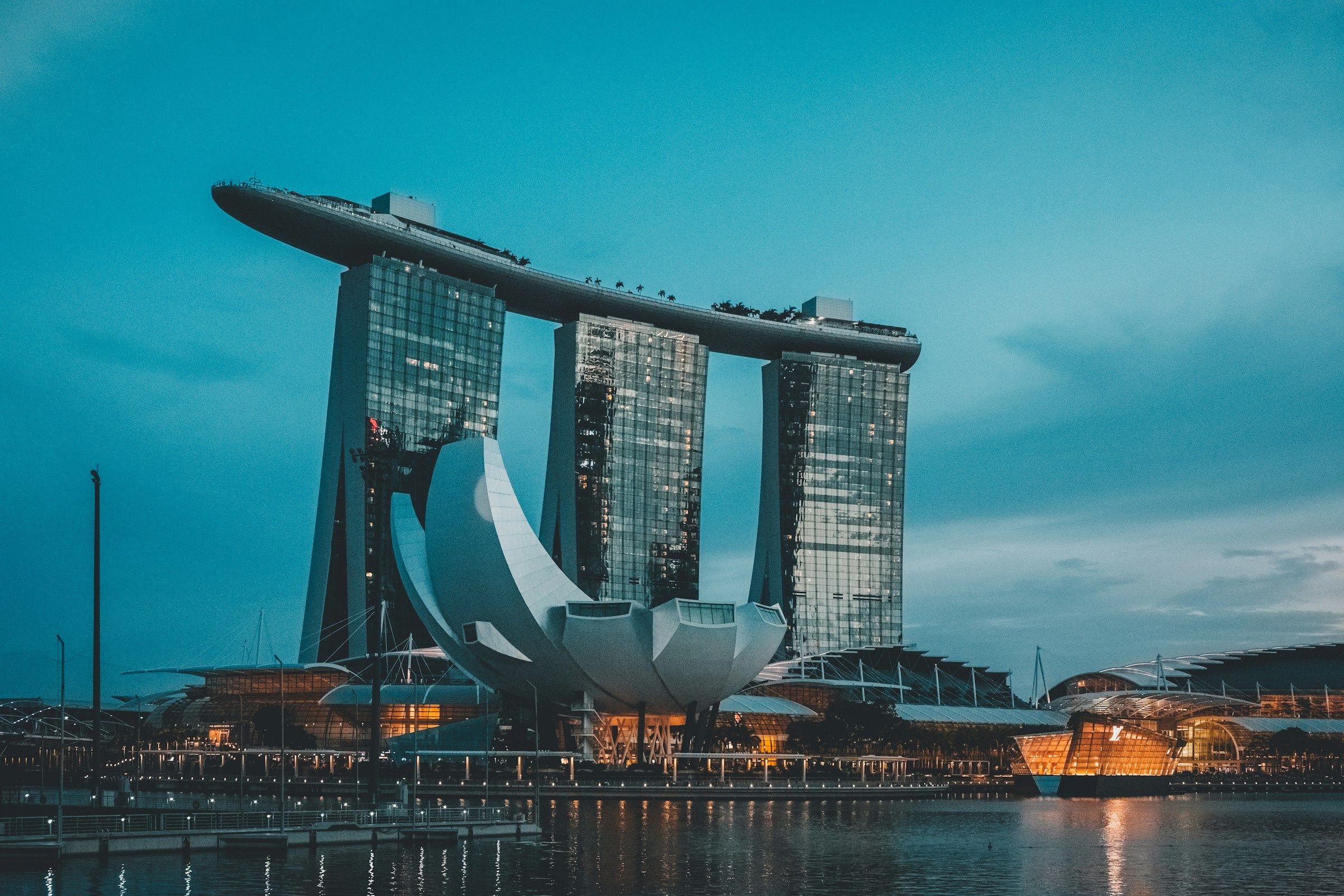
Singapore in 3 Days: A First-Timer’s Itinerary
A three-day Singapore itinerary balancing skyline sights, neighbourhood walks, gardens and food, with room for rain and a slower pace.
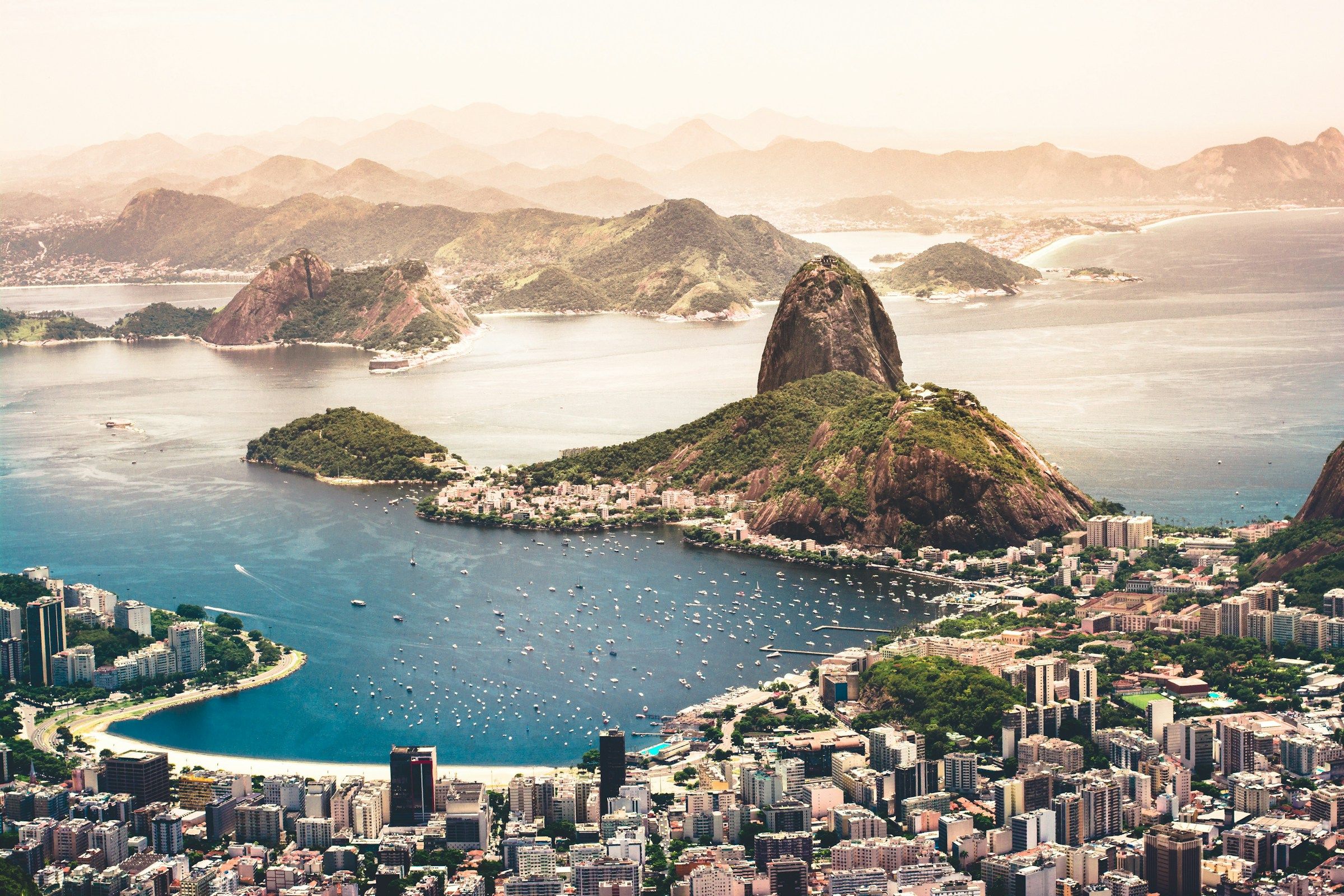
Rio de Janeiro in 3 Days: A Flexible Itinerary
A realistic Rio itinerary with separate summit days, a cultural afternoon and enough flexibility to change plans when clouds, closures or bookings intervene.