
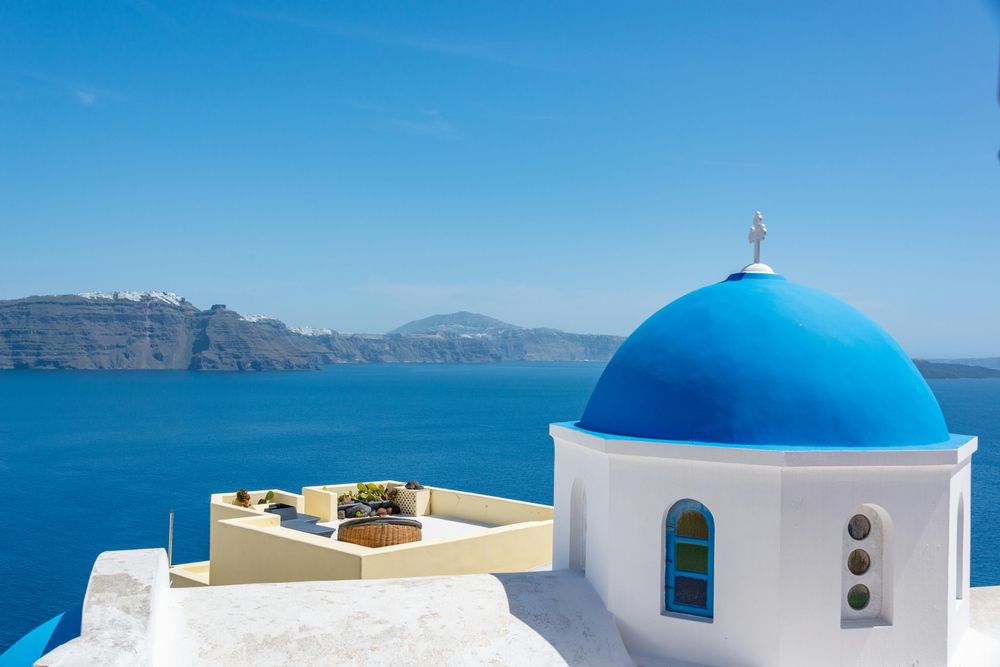
A 12-day Cyclades + Crete trip with exact ferry times, EUR fares, and named hotels — plus Ionian, Dodecanese, and Saronic variants for second-time visitors.
Greek island-hopping looks impossibly free-form from outside — a hundred islands, ferries everywhere, hop on, hop off. The reality on the ground is more disciplined: ferry quotas tighten from June, the high-speed routes follow a fixed cascade from Piraeus south through the Cyclades, and the difference between a flawless trip and a fraught one is usually whether the right ferries were booked two to four weeks ahead. The 12-day route below is the canonical first-timer's loop — Athens, Mykonos, Naxos, Santorini, Crete — with three regional variants for travellers who already know the Cyclades.
Fast Facts
| Detail | Info |
|---|---|
| Best time to visit | Late May to mid-June (warm sea from late May, temperatures 24-29°C, ferries reliable, prices reasonable) or September (post-Assumption crowds gone, sea still 24°C). Avoid mid-July to mid-August — temperatures 35°C+, hotel prices 2-3× shoulder season, ferries sold out 4-6 weeks ahead. |
| Total cost (12 days, on-the-ground) | €1,800-€3,200 per person excluding international flights. Breakdown: lodging €90-€220/night × 11 = €990-€2,420; food €40-€60/day = €480-€720; ferries €170-€340; activities and local transit €25-€40/day = €300-€480. |
| Base airport | Athens International Airport (ATH) — Aegean Airlines and Olympic Air run the dense domestic network; metro line 3 reaches Syntagma in 40 minutes (€9 one-way, €18 return). |
| Don't miss per region | Cyclades: Oia sunset and Akrotiri excavations on Santorini; Crete: Knossos Minoan palace; Ionian: Lefkada's Egremni beach; Dodecanese: Patmos Monastery and Rhodes Old Town. |
| Ferry booking tip | Reserve July-August Blue Star and SeaJets crossings 4-6 weeks ahead — popular Mykonos-Santorini and Athens-Mykonos sailings sell out by mid-June. Shoulder season (May, June, September) usually allows 1-2 weeks notice. |
Why Cyclades + Crete as the canonical first trip
Four reasons the Cyclades-into-Crete arc beats the alternatives for a first Greek islands trip. First, the ferry geometry: the main routes cascade south from Piraeus through Mykonos, Paros, Naxos, Ios, Santorini, and on to Crete — a straight line that minimises backtracking. Second, the island contrast: Mykonos for whitewashed Cycladic theatre and a 530-listed UNESCO archaeological neighbour at Delos, Naxos for mountain villages and the largest Cycladic interior, Santorini for the volcanic caldera and Minoan-era Akrotiri, Crete for the depth of a country in one island. Third, operator density: Blue Star Ferries, SeaJets, Hellenic Seaways, and Aegean Speed Lines run multiple daily departures in season, so a missed boat is a four-hour problem rather than a 24-hour one. Fourth, food and wine: the Cyclades sit on the Assyrtiko-Aidani axis (Santorini's PDO white grapes), Crete adds dakos, dittany, and a distinct Minoan-influenced cuisine.
The alternatives have strong cases for second or third trips. The Ionian (Corfu, Lefkada, Kefalonia, Zakynthos) is greener and more Italianate — direct ferry connections from Bari, Ancona, and Venice via Anek Lines and Superfast Ferries make it the natural entry from Italy. The Dodecanese (Rhodes, Symi, Kos, Patmos) holds more medieval and Byzantine depth: Rhodes' UNESCO-listed medieval city (inscribed 1988) and the Monastery of Saint John on Patmos (inscribed 1999) anchor a different kind of trip. The Saronic (Hydra, Spetses, Aegina) is the quick fix — close enough to Athens for a weekend, car-free Hydra in particular.
Three internal links worth opening in tabs before you book: our Trans-European Train Itinerary pillar for travellers planning to reach Athens by rail through Italy, the Iberian Road Trips pillar for a contrast in driving-led itineraries, and the Athens food guide for Day 1 dinner research.
Booking the ferries: operators, fares, and timing
Greek ferry routes are run by a small group of operators with overlapping coverage. Blue Star Ferries is the backbone — large conventional ferries with garage decks for cars, fares €30-€50 deck class on the main Cyclades routes, journey times typically 4-5 hours from Piraeus to Mykonos or Santorini. SeaJets runs the fast catamarans and high-speed ferries on the same routes at roughly half the journey time and roughly double the fare (€60-€110). Hellenic Seaways covers the Saronic and parts of the Cyclades; Aegean Speed Lines competes on the Athens-Cyclades core. According to Visit Greece, the country has 6,000 islands and islets, of which 227 are inhabited — but for first-time trips, ferry frequency concentrates on roughly 15 of them.
Fare estimates for 2026 (one-way, peak summer, economy seat unless noted): Piraeus-Mykonos Blue Star ~€38 (4h 30m); Piraeus-Mykonos SeaJets high-speed ~€70-€90 (3-3h 30m); Mykonos-Naxos Blue Star ~€20 (1h 30m); Mykonos-Naxos SeaJets ~€35-€45 (45 min); Naxos-Santorini Blue Star ~€26 (3h); Naxos-Santorini SeaJets ~€55-€75 (1h 30m); Santorini-Heraklion (Crete) SeaJets ~€60-€80 (1h 45m); Santorini-Heraklion conventional Anek ~€35 (4-5h, less frequent in season).
Book through the operators directly or via Ferryhopper, which aggregates schedules and shows the conventional-versus-fast trade-off transparently. The booking lead time matters more than the platform: shoulder season (May, June, September) is comfortable at 1-2 weeks notice; July-August requires 4-6 weeks for the desirable mid-morning departures, and the late-afternoon arrivals at Santorini regularly sell out by early June. Print the boarding pass — many operators still check paper at the gate.
Variants: three other regional geometries
The Cyclades-plus-Crete route above is the most popular first trip, but Greece offers three other coherent island geometries for repeat visitors or specific interests.
The Ionian: Corfu, Lefkada, Kefalonia, Zakynthos (10 days, drivable)
The Ionian islands sit off Greece's western coast facing Italy and feel distinctly different from the Cyclades — greener, more Italianate (Venetian rule from the 14th to 18th centuries left fortresses, loggias, and a baroque undertone), and reachable directly from Italian Adriatic ports. Anek Lines and Superfast Ferries run overnight crossings from Bari, Ancona, and Venice to Igoumenitsa and Patras, with cabin fares €90-€220 depending on season. Once on the islands, Lefkada is unique in being road-connected to the mainland by a 100-metre bridge — no ferry required to reach the island itself, and a base for day-trip ferries to Kefalonia (Fiskardo) and Ithaca.
A 10-day Ionian itinerary: 2 days Corfu (UNESCO Old Town, Achilleion Palace), ferry to Igoumenitsa then drive to Lefkada (2 days — Egremni and Porto Katsiki beaches), ferry to Kefalonia (3 days — Myrtos beach, Melissani cave, Sami harbour town), ferry to Zakynthos (2 days — Navagio shipwreck cove, the loggerhead turtle marine park at Laganas), back to Athens by KTEL bus or domestic flight from Zakynthos. Best season identical to the Cyclades. Where to stay: Marbella Corfu (€220/night, beach hotel south of Corfu Town), Eva Mare Hotel on Lefkada's east coast (€130/night), Aenos Hotel in Argostoli, Kefalonia (€115/night).
The Dodecanese: Rhodes, Symi, Patmos, Kos (10 days)
The twelve-island Dodecanese in the southeast Aegean offers the deepest historical layering of any Greek island group — Knights Hospitaller fortifications, Byzantine monasteries, and Italian colonial architecture (1912-1947) layered onto Hellenistic substrates. Rhodes' medieval city is UNESCO listing 493, inscribed 1988 — the largest inhabited medieval town in Europe, walled and largely intact, with the Palace of the Grand Master and the Street of the Knights as anchors. Patmos' Monastery of Saint John the Theologian and the Cave of the Apocalypse are UNESCO listing 942, inscribed 1999.
Fly into Rhodes (Aegean Airlines, €80 from Athens, 1h 5m), then island-hop north via Dodekanisos Seaways and Blue Star Ferries: 3 days Rhodes (medieval city, Lindos acropolis, Prasonisi beach), day trip or overnight on Symi (90 minutes by hydrofoil, harbour of neoclassical sea captains' mansions, Panormitis monastery), 2 days Kos (Asclepieion ruins, Hippocrates plane tree, Italian-era town), 2 days Patmos (the monastery, the cave, secluded beaches at Psili Ammos), back to Athens via Aegean Airlines from Kos (€85, 50 minutes). Where to stay: Rodos Park Suites in Rhodes (€175/night, walking distance to old town), Hotel Aliki on Symi harbour (€140/night), Petra Hotel on Patmos's Grikos beach (€220/night).
The Saronic: Hydra, Spetses, Aegina (3-4 days, Athens weekend)
The Saronic islands are an Athens weekend by definition — Aegina is 40 minutes from Piraeus by ferry, Hydra 90 minutes by hydrofoil, Spetses two hours. Hydra is the highlight: cars and motorcycles are banned on the entire island, the harbour town is a stack of 18th-century captains' mansions painted ochre and white, and donkeys still do the heavy lifting up the stepped lanes. Hellenic Seaways runs the fast catamarans (€30-€40 one-way Piraeus-Hydra), with Saronic Ferries doing the slower conventional service to Aegina.
For a 3-day Saronic weekend from Athens: Day 1 morning Aegina (the Temple of Aphaia from c. 500 BCE, lunch on the harbour, return to Piraeus for an evening on the mainland), Day 2 Hydra (full day, walk to Vlychos beach, dinner at Sunset taverna with caldera-like Aegean views), Day 3 Spetses (rent a bicycle for the coastal road, lunch at Akrogialia on Agia Marina beach). Where to stay if extending overnight: Bratsera Hotel on Hydra (€175/night, former sponge factory in the old town), Poseidonion Grand Hotel on Spetses (€220/night, belle époque grand dame from 1914).
Practical: what to book ahead, what to wing
Book 4-6 weeks ahead (July-August) or 1-2 weeks ahead (May, June, September): ferries on the Athens-Cyclades-Crete corridor, hotels in Santorini (Oia and Imerovigli especially), Mykonos in-town stays, Knossos morning slots, Selene in Pyrgos and Metaxy Mas in Exo Gonia.
Book 24-48 hours ahead in season: Delos boat tickets from Mykonos, Akrotiri timed entries, sunset slots at the popular Oia restaurants (Ambrosia, 1800), wineries that require reservations (Estate Argyros yes, Santo Wines walk-in).
Wing it in season: taverna dinners outside the top tier, beach club day-bed rentals (Mykonos and Santorini both walk-in at most clubs), local bus routes within an island, car rentals outside July-August.
A note on currency: Greece is on the euro and has been since 2002 — do not pack drachma references from old guidebooks. ATMs are abundant in island towns; tavernas in remote villages may still be cash-only, so carry €100 in small denominations per travel day. Tipping is appreciated but not mandatory in restaurants; €1-€2 per person on a casual taverna meal, 10% in a sit-down dinner.
What to skip and common mistakes
Don't try to add Crete to a one-week trip. Crete is the size of a small country and deserves five to seven days alone. Squeezing it into a week-long Cyclades trip means a 24-hour stop in Heraklion, no time for Knossos, and resentment.
Don't sleep in Fira on Santorini if you came for the sunset. Fira is the busiest part of the caldera rim and the noise drifts late. Imerovigli, Firostefani, or Oia itself give the calmer caldera experience; Akrotiri and Pyrgos are inland alternatives with their own charm at half the room rate.
Don't book Mykonos in mid-August unless you specifically want the club scene. Room rates triple, restaurants stop taking walk-ins, and the famous beach clubs (Nammos, Scorpios) cross €40 cover charges. The same Mykonos is half the price and twice as walkable in late May or September.
Don't ignore the ferry-port-versus-town distinction on Santorini. Athinios is the ferry port on the southwest coast under the cliff; Fira and Oia are 8-12 km up the caldera by switchback road. Allow an hour from ferry arrival to checking into an Oia hotel in afternoon traffic. The cruise port at Old Port is separate again and only relevant if your transfer specifically lands there.
Don't rely on cards in remote tavernas. The best food is often at family-run village places that still operate cash-only, particularly in interior Naxos, southern Crete, and the smaller Cycladic islands. Carry euro cash and use ATMs in the main towns when you can.
Step-by-Step Itinerary
Day 1: Arrive Athens — Acropolis evening + Plaka dinner
Land at Athens International Airport (ATH). Metro line 3 to Syntagma in 40 minutes (€9 one-way) or pre-booked taxi flat fare €40 daytime / €55 night to the centre. Stay walkable to the Acropolis: Coco-Mat Athens BC (€185/night, design hotel facing the Hill of the Muses) or Hera Hotel (€145/night, rooftop bar with Acropolis view). Visit the Acropolis after 17:00 when the light softens and the cruise crowds thin (€20 site-only ticket via the official Greek Ministry of Culture e-ticket service; the combined ticket at €30 covers seven archaeological sites for five days and is worth it if you have a free morning). Dinner in Plaka at Klimataria for live rebetiko (€32 for two with a half-litre of retsina) or Diporto in Psyrri for old-school taverna fare (€22 for two).
Day 2: Athens → Mykonos (Blue Star Ferries, 4h 30m, ~€38)
Morning departure from Piraeus (07:30 typical Blue Star sailing) — be at the port 45 minutes before. Allow 50 minutes by metro line 1 from Syntagma to Piraeus, or a €25 taxi. Faster alternative: SeaJets high-speed at 07:00 reaches Mykonos in 3h 15m for €75-€90. Stay in Mykonos Town (Chora) rather than out at Platis Gialos: Belvedere Mykonos (€280/night, infinity pool above town) or Carbonaki Hotel (€140/night, family-run in the old quarter). Afternoon walk Little Venice and the Paraportiani Church; dinner at Kiki's Tavern in Agios Sostis for grilled lamb chops and tomato salad (€42 for two, cash only, no reservations, expect 30-minute wait — it is worth it).
Day 3: Mykonos + Delos UNESCO day trip
The Delos archaeological site — UNESCO listing 530, inscribed 1990 — is a 30-minute boat from Mykonos Old Port (€25 round-trip, departures 09:00, 10:00, 11:30; site entry €20). Allow 3-4 hours on the island: the Avenue of Lions, the House of Dionysus mosaics, the theatre. Bring water and a hat — there is no shade and no café on site. Back in Mykonos by 14:00, beach afternoon at Agrari or Fokos (the quieter east-coast beaches; skip Paradise unless you specifically want the club scene). Sunset cocktails at Scorpios on Paraga (€18 cocktails, reservation essential), dinner at Nikos Tavern off Mando Mavrogenous Square (€38 for two, octopus and fava).
Day 4: Mykonos → Naxos (Blue Star, 1h 30m, ~€20 — or SeaJets 45 min, ~€40)
Mid-morning departure (typical 11:30 Blue Star or 10:00 SeaJets). Naxos Town (Chora) sits below a Venetian kastro that you can walk in 90 minutes. Stay near the harbour to handle the next ferry easily: Hotel Grotta (€110/night, family-run, breakfast on a terrace facing the Portara) or Naxian Collection out at Stelida (€230/night, design villas if you want to splurge). Late afternoon walk out to the Portara — the 6th-century-BCE marble temple gate to Apollo on a causeway-connected islet — for sunset; the photograph cliché is the photograph cliché for good reason. Dinner at Axiotissa, a 15-minute drive south at Kastraki (€44 for two, the menu is short and changes daily; reservations advised in season).
Day 5: Naxos interior — mountain villages, kouros, Apeiranthos
A car day. Rent at the port (€35-€50/day in shoulder season, €70-€90 July-August; reserve through Avis or local Naxos Cars). Drive the central loop: Halki for kitron liqueur tasting at Vallindras Distillery (founded 1896, €5 tasting flight), Apeiranthos for marble-paved lanes and three small museums (€3 each), and the unfinished 6th-century-BCE Apollonas Kouros — a 10.7-metre marble figure abandoned in the quarry where it was carved (free, road sign-posted, allow 90 minutes from Naxos Town). Lunch at Lefteris Taverna in Apeiranthos (€18 for two, rooster in red sauce and Naxos potatoes). Back to Chora by 18:00, dinner at Meze Meze on the harbour (€32 for two).
Day 6: Naxos → Ios → Santorini (Blue Star or SeaJets cascade, ~3h total)
The southbound cascade is the working pattern: Blue Star Ferries departs Naxos around 13:00, stops at Ios for 20 minutes, reaches Santorini Athinios port around 16:30 (~€26). SeaJets high-speed does the same route in 1h 30m for ~€55-€75. Athinios port is on Santorini's west coast under the caldera cliff — taxis to Oia or Fira are €30-€45, the local bus to Fira is €2.40 (every 30 minutes). Stay in Imerovigli or Firostefani rather than Oia or Fira themselves: Astra Suites in Imerovigli (€450/night, caldera-facing suites with private plunge pools — yes, expensive, but Santorini is where the indulgence lives) or Anteliz Suites in Firostefani (€280/night). Dinner at Selene in Pyrgos (€85 per person tasting menu, Santorini's most serious restaurant — book three weeks ahead).
Day 7: Santorini — Akrotiri, Oia sunset, Assyrtiko tasting
Morning at Akrotiri archaeological site (€12, open 08:30-15:30) — the Minoan-era town preserved under volcanic ash from the 1600 BCE Thera eruption, the Pompeii comparison is unavoidable but the better analogue is a freeze-frame of Aegean Bronze Age life. Pair with the Museum of Prehistoric Thera in Fira (€6) for the frescoes lifted from the site. Wine afternoon at Santo Wines (the cooperative, €25-€55 for tasting flights, the terrace view alone earns the visit) and Estate Argyros (€35 tasting, fourth-generation Assyrtiko specialist). Sunset at Oia — be in position by 19:00 in summer, the crowd starts thickening 90 minutes before sunset. Dinner at Metaxy Mas in Exo Gonia (€55 for two, the best taverna on the island).
Day 8: Santorini → Heraklion, Crete (SeaJets, 1h 45m, ~€60-€80)
Mid-morning SeaJets sailing from Athinios to Heraklion (typical 10:00 departure, arrival 11:45). The slower Anek conventional service runs 4-5 hours for ~€35 but operates only a few times weekly in summer — the fast option is the practical choice. Heraklion is the largest Cretan city and the most useful base for central Crete. Stay near the harbour or in the old town: GDM Megaron (€175/night, rooftop restaurant overlooking the Venetian harbour) or Lato Boutique Hotel (€135/night, walking distance to the archaeological museum). Drop bags, lunch at Peskesi (€26 for two, Cretan farm-to-table with rare local ingredients like stamnagathi greens and graviera cheese from Anogia), afternoon at the Heraklion Archaeological Museum (€12) — the world's most important collection of Minoan artefacts, including the Phaistos Disc and the Bull-Leaper fresco.
Day 9: Crete — Knossos and west to Rethymno
Knossos at 08:00 opening to beat the cruise excursions (€20, 5 km from Heraklion centre, bus #2 or €12 taxi). The Minoan palace complex — partly reconstructed by Sir Arthur Evans in the 1900s, controversial but unique — needs 2-3 hours. Drive or coach west to Rethymno (75 km, 1h 15m, €8.50 KTEL bus): Venetian harbour, Fortezza, narrow lanes that survive earthquakes and tourism well. Stay overnight at Avli Lounge Apartments in Rethymno old town (€155/night, restored 16th-century Venetian house) or continue to Chania (another hour, 60 km). Dinner at Avli's own restaurant (€48 for two, lamb cooked in vine leaves and Cretan wines).
Day 10: Crete west — Chania, Samaria gorge alternative
For walkers: the Samaria Gorge (May-October only, €5 entry, 16 km one-way, 5-7 hours, organised buses from Chania €25 round-trip including the return ferry from Agia Roumeli). For non-walkers: a day in Chania Old Town — the Venetian lighthouse, the lanes behind the harbour, the covered market. Stay at Casa Delfino (€220/night, restored Venetian palazzo with a private courtyard) or Domus Renier (€175/night, harbour view). Sunset drink at Sineptafia on the harbour. Dinner at Tamam, a former hammam now serving Cretan-Anatolian fusion (€42 for two).
Day 11: Crete → Athens (Aegean Airlines, 50 min, ~€50-€90)
The efficient return: 50-minute flight Heraklion or Chania to Athens, €50-€90 if booked 2-4 weeks ahead via Aegean Airlines or Olympic Air. Both Cretan airports are 15 km from the respective old towns, taxis €18-€25. The overnight ferry alternative (Anek Lines Heraklion-Piraeus, 9 hours, €45-€85 for a deck seat to €130-€180 for an outside cabin) is romantic but costs a full evening and a full sleep. Athens afternoon: National Archaeological Museum (€12, open until 20:00 in summer) for the Mycenaean gold and the Antikythera Mechanism, or a slow walk through the Anafiotika neighbourhood under the Acropolis. Stay back at your Day 1 hotel for the airport-area logistics.
Day 12: Departure or Saronic add-on
Direct departure: metro line 3 from Syntagma to ATH airport in 40 minutes. With a free day, the Saronic add-on is the natural Athens-side extension — Hellenic Seaways fast catamaran to Hydra (1h 30m, €30-€40 one-way), an afternoon walking the car-free harbour town, last ferry back to Piraeus at 19:30. Or, for a final long lunch, Varoulko Seaside at Mikrolimano marina in Piraeus (€95 per person tasting menu, Lefteris Lazarou's seafood-focused Michelin-starred restaurant near the airport route).
Frequently Asked Questions
What's the best month for a Greek islands trip?
Late May to mid-June or all of September. Sea temperatures reach 22-24°C by late May and stay there through September; air temperatures sit in the 24-29°C range — hot enough for beaches without the 35°C+ misery of late July and August. Ferries run frequently, hotels are 30-50% cheaper than peak August, and the popular sunset spots in Oia or beach clubs in Mykonos are bookable on a few days' notice. July and August work if you can handle the heat and book ferries 4-6 weeks ahead, but the experience is genuinely different — louder, fuller, more expensive.
Cyclades, Ionian, or Dodecanese — which for a first trip?
Cyclades, by a clear margin for first-time visitors. The whitewashed-and-blue Cycladic aesthetic is the image most travellers carry of Greece, the ferry network is densest, the iconic sites (Santorini, Mykonos, Delos) are concentrated, and the route from Athens cascades south without backtracking. The Ionian is best for travellers driving from Italy or visiting in early or late season (its season runs slightly longer thanks to milder Atlantic-influenced climate). The Dodecanese is the historian's choice — Rhodes' medieval city and Patmos' monastery sit on top of Hellenistic ruins — but logistically harder for a first trip because of the 1h 5m flight from Athens and lower ferry frequency between the islands.
Should I rent a car on the islands or stay close to port?
It depends on which island. On Mykonos and Santorini, do not rent — both islands are small (105 km² and 76 km² respectively), buses run frequently between the main towns, and parking in Mykonos Chora or Santorini's villages is genuinely difficult. On Naxos (430 km²) and Crete (8,336 km²), a car is essential to see the interior — Naxos's mountain villages and Crete's gorges, west coast, and Minoan sites all require driving. Rental rates run €35-€50/day in shoulder season, €70-€90 in July-August; book through Avis, Hertz, or local Naxos Cars and Auto Club Crete for better prices than airport counters.
Which island is best for a honeymoon, and which for a family?
For honeymoons, Santorini holds the cliché for a reason — the caldera-facing infinity pools at Astra Suites in Imerovigli or Andronis Suites in Oia are the iconic Greek-islands proposal photograph, and the volcanic geology makes for a uniquely dramatic landscape. The honeymoon premium runs €350-€800/night for caldera suites. For families, Naxos is the clear answer — sandy long beaches (Plaka, Agios Prokopios), gentle waves, mountain villages for half-day excursions, and family-run hotels at €100-€150/night rather than Santorini's €300+. Crete also works for families if you base in Rethymno or Chania and slow down. For a fuller breakdown by traveller type and mood, see our guide to which Greek island is right for you.
How early do I need to book ferries?
For July and August departures: 4-6 weeks ahead for the popular routes (Athens-Mykonos, Athens-Santorini, Mykonos-Santorini, Santorini-Crete). Mid-morning sailings sell out first; if you book six weeks ahead you can choose your time, at three weeks you take what is left, at one week you may face a redirect through Paros or a 06:30 departure. For May, June, and September: 1-2 weeks is comfortable for most routes. Use Ferryhopper to compare operators and journey times, or book directly with Blue Star, SeaJets, and Hellenic Seaways. Print or screenshot the confirmation — many gates still verify paper.

Keep Exploring

Mexico City in 3 Days: A Neighborhood-Based Itinerary
A practical route through Centro Histórico, Chapultepec, Condesa and Coyoacán, with one main visit each day, flexible meals and clear choices when time runs short.
Singapore in 3 Days: A First-Timer’s Itinerary
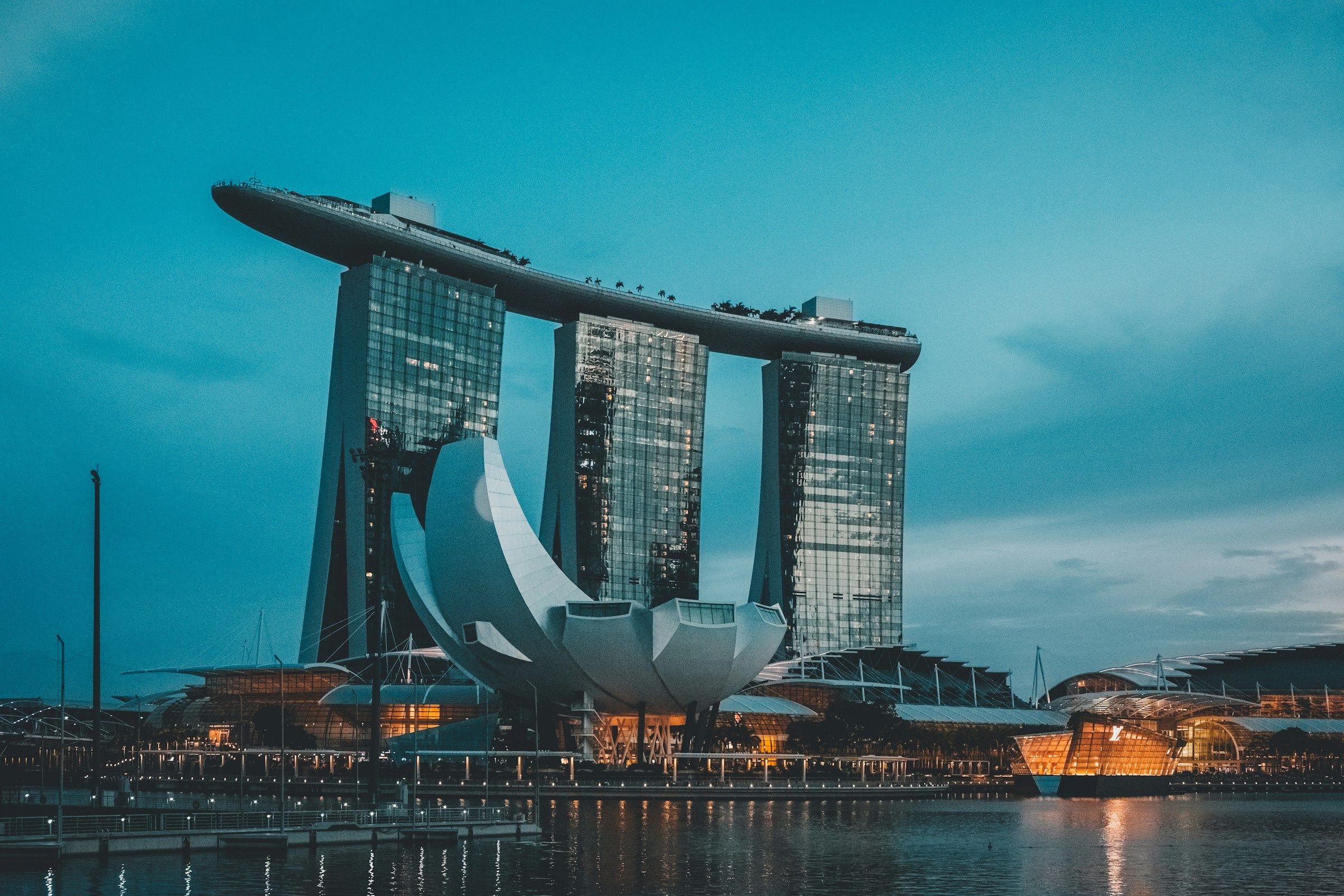
A three-day Singapore itinerary balancing skyline sights, neighbourhood walks, gardens and food, with room for rain and a slower pace.
Rio de Janeiro in 3 Days: A Flexible Itinerary
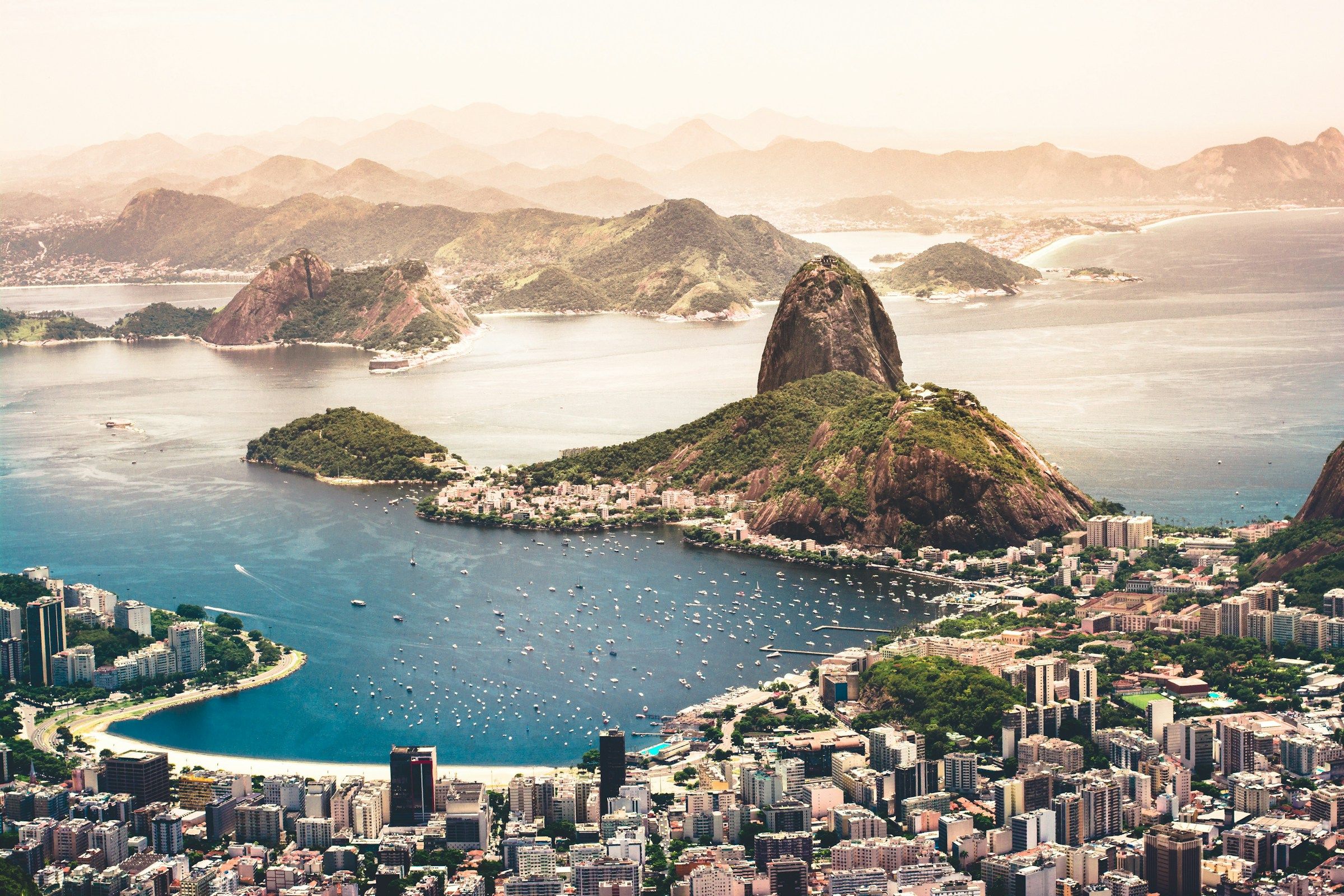
A realistic Rio itinerary with separate summit days, a cultural afternoon and enough flexibility to change plans when clouds, closures or bookings intervene.