
Where to go for a 48–72 hour European city break: the best cities by mood, with flight times, transit-pass costs and the best season to visit.
A long weekend is enough to fall for a European city — and the numbers show more travellers than ever are doing exactly that. Two or three nights, one walkable old town, a couple of unforgettable meals, and you are home before the work week resets. The beauty of the European city break is that the continent's best short-trip destinations sit within a two-hour flight of the UK and Ireland, each one dense enough to fill a weekend yet small enough to walk. This guide picks the cities that reward a short break the most, grouped by the mood you are travelling for rather than by region, with the practical detail you actually need: how long the flight is, what a transit pass costs, where to base yourself, and when to go for the best balance of weather, crowds and price.
Fast Facts
| Detail | Info |
|---|---|
| Best time to visit | Spring (April–June) and early autumn (September–October) — mild weather, lighter crowds, lower fares than peak summer |
| Getting there | Direct low-cost flights from the UK/Ireland: 1h15m (Brussels) to 2h30m (Budapest); typical return fares €40–€140 |
| Where to stay | Central historic districts — book the old town for walkability; mid-range doubles roughly €80–€180/night, less in Central Europe |
| Average daily budget | Tiered: Central/Eastern Europe (Krakow, Budapest, Prague) cheapest; Western capitals mid; Nordic cities priciest |
| Don't miss | A UNESCO-listed old town on foot — Prague, Porto, Kraków, Budapest and Brussels all qualify |
Why a weekend city break is the smartest trip you can take in 2026
Short breaks are not a consolation prize for people who cannot take longer holidays — they have become the dominant shape of European travel. According to Eurostat, nights spent in EU tourist accommodation hit a record 3.08 billion in 2025, up 2% on the previous year, with short-stay and holiday rentals alone accounting for 743 million of those nights — almost a quarter of the total.
The momentum has carried into this year. The European Travel Commission reports international arrivals up 5.6% in early 2026, with travel intent at an all-time high of 82%. The same report makes a telling observation: destinations are seeing arrivals rise faster than overnight stays, a sign that travellers are taking more frequent, shorter trips rather than one long annual holiday.
That plays directly to the strength of the European city: a compact, history-dense core you can cover on foot in 48 to 72 hours, reachable in under three hours by air from most of the UK and Ireland. The trick is choosing the right city for the kind of weekend you want — so the rest of this guide is organised by mood, not by map.
Old-world atmosphere: Prague and Kraków
If you want cobblestones, spires and a sense of stepping into another century, Central Europe delivers it more cheaply than anywhere else.
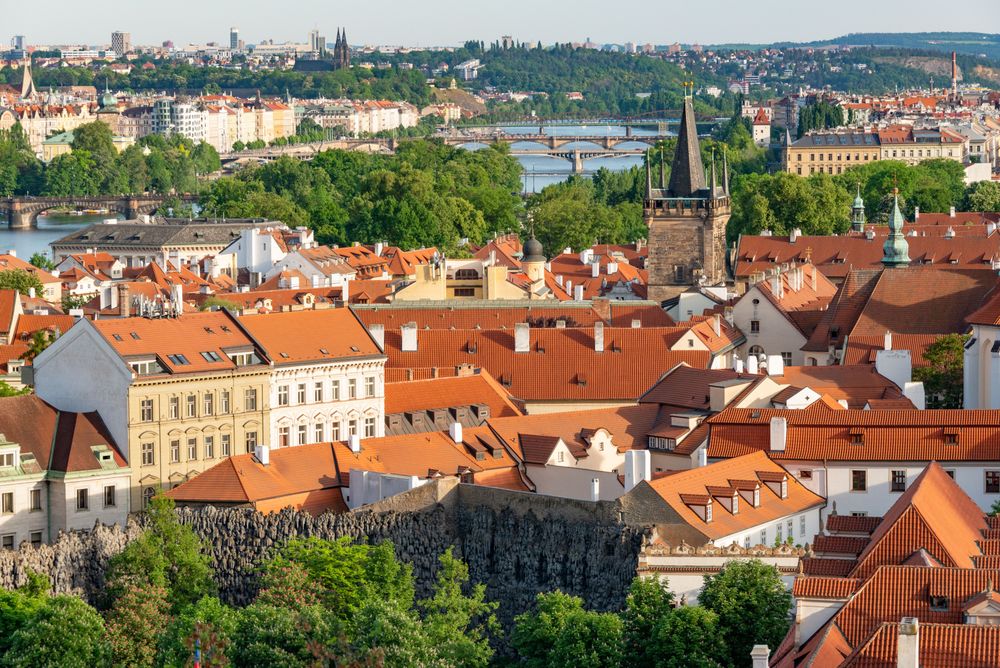
Prague is the obvious anchor. The flight from London is roughly 1h55m, with low-cost returns commonly in the £40–£110 range, and the entire Historic Centre of Prague is UNESCO-listed — meaning the Charles Bridge, Old Town Square and Castle district are all within an easy walk of one another. Public transport is almost an afterthought given how walkable the centre is, but a DPP pass is excellent value if you want it: a 24-hour ticket is CZK 150 (about €6) and a 72-hour ticket CZK 350 (about €14), per the operator's official fare list. Spring and autumn are the sweet spot; the squares are punishingly busy in midsummer. For a precise two-and-a-half-day plan, our 3 days in Prague itinerary maps the city neighbourhood by neighbourhood.
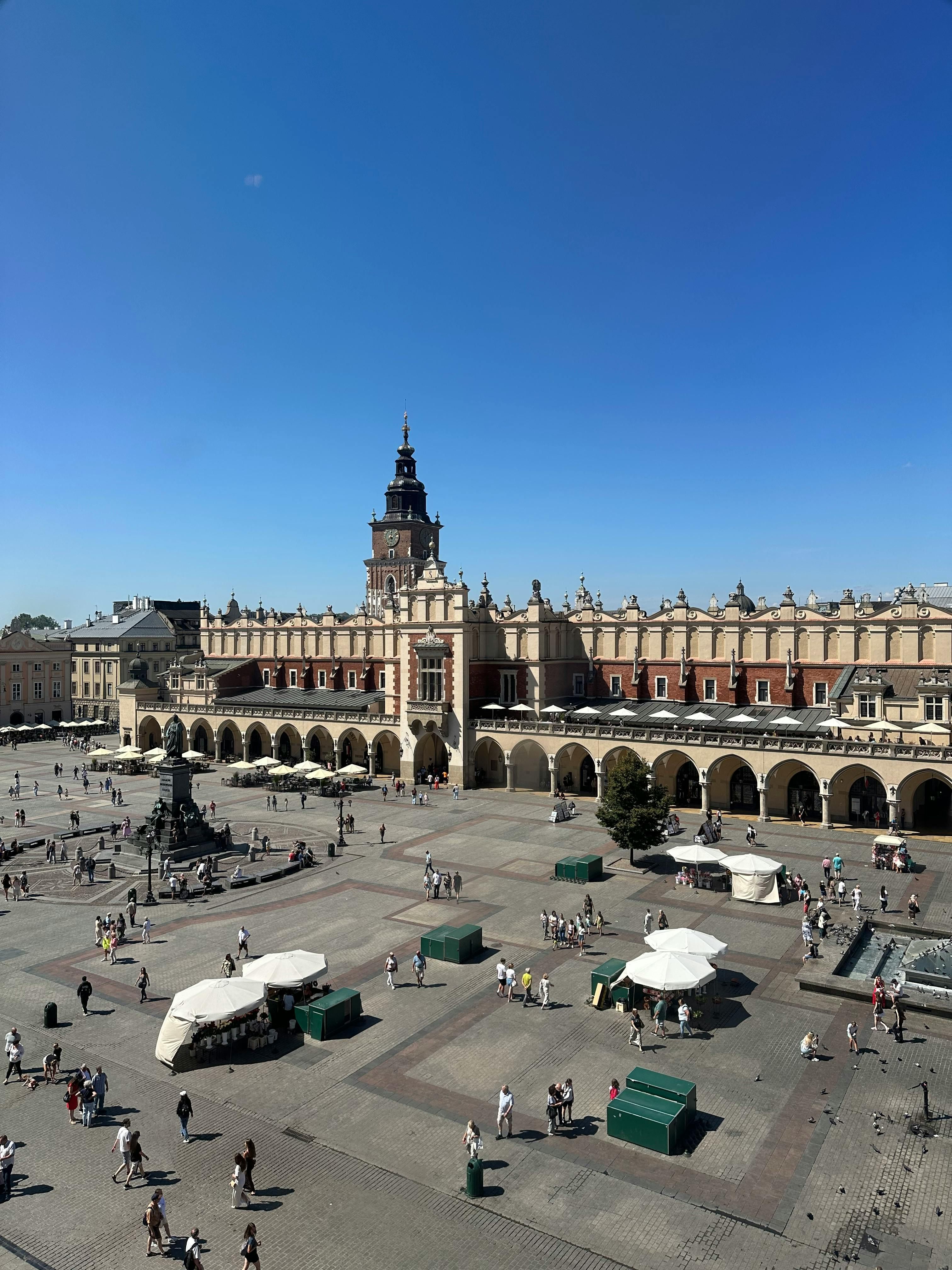
Kraków is Prague's quieter rival and often a few pounds cheaper to reach — around 2h15m from London with returns from roughly £35. The Historic Centre of Kraków was one of the very first sites inscribed on the UNESCO World Heritage list, and it shows: Europe's largest medieval market square, the Rynek Główny, opens onto Wawel Royal Castle in a single unbroken stroll. Note that Kraków's public-transport operator raised fares from 2 March 2026, so check the current 24- and 72-hour ticket prices on the official ZTP ticket guide before you travel.
Riverside and restorative: Budapest and Porto
Some weekends are about slowing down — a river, a glass of something local, a long lunch with a view.
Budapest straddles the Danube, and the Banks of the Danube and the Buda Castle Quarter form one continuous UNESCO panorama best seen from a Pest-side embankment at dusk. The flight runs about 2h30m from London with returns commonly £40–£120. Budapest's trump card is its thermal baths, which make it a genuine year-round destination — the Széchenyi and Gellért baths are open through winter, when steam rises off the pools against the cold. A BKK transport pass (24-hour around HUF 2,750, roughly €7) covers the metro, trams and the riverside buses; confirm current prices on the official BKK page.
Porto trades the river for the Douro and the Atlantic. At about 2h25m from London with returns from £40, it packs a UNESCO-listed Historic Centre of Oporto, the tiled churches and the port-wine cellars of Vila Nova de Gaia across the river into a steep, photogenic weekend. The Andante transport system is straightforward and cheap: an Andante Tour pass costs €7.75 for 24 hours or €16.55 for 72 hours, per the official Andante site. Spring and early autumn are ideal — summer brings the cruise crowds to the Ribeira waterfront.
Quick hops from the UK and Ireland: Dublin, Edinburgh and Brussels
When you want maximum city for minimum flying time, these three are unbeatable — all reachable in well under two hours.
Brussels is the shortest hop of all at roughly 1h15m from London (returns around £35–£110). La Grand-Place — the UNESCO-listed central square ringed by gilded guildhalls — anchors a compact centre you can walk end to end, fuelled by waffles, frites and several hundred beers. Dublin is a 1h25m hop with returns from about £30; its Georgian core, Trinity College and the Book of Kells sit within a tight, pub-lined grid that suits a 48-hour visit perfectly — our 48 hours in Dublin guide shows how to pace it. Edinburgh is the domestic option that feels foreign: a 1h25m flight (or the train) delivers you to the UNESCO-listed Old and New Towns of Edinburgh, with the castle, the Royal Mile and Arthur's Seat all walkable. Lothian Buses set a single adult DAYticket at £6.00 (with a £5.70 contactless daily cap) from 22 February 2026, per the operator's fare revision.
Sunshine and a splurge: Valencia and Copenhagen
Two more cities round out the shortlist for very different weekends.
Valencia is the Mediterranean value pick: roughly 2h25m from London, returns frequently in the £35–£110 band, and a run of warm, swimmable weather that stretches from late spring deep into October. Spain's third city pairs a walkable medieval core — the Cathedral, the silk exchange Lonja de la Seda, the central market — with Santiago Calatrava's futuristic City of Arts and Sciences and a genuine city beach, all reachable without a car. It is the place to go when you want sun and paella without Barcelona's prices or crowds — though if Barcelona itself is on your list, our guide to day trips from Barcelona shows how to pair the city with the mountains, monasteries and beaches around it.
Copenhagen sits at the opposite end of the budget. It is the Nordic design capital — harbour swimming at Islands Brygge, the Tivoli Gardens, the cycle-first street culture — and it is unapologetically expensive, regularly ranking among Europe's costliest city breaks. Remember that Denmark uses the Danish krone, not the euro, so budget accordingly. The pay-off is one of the most liveable, design-literate cities on the continent, ideal for a weekend when you want to splurge rather than save. For a precise plan, see our 3 days in Copenhagen guide.
How much a weekend actually costs
There is no official tourism-board figure for a daily city-break budget, so treat any precise number with caution. What holds reliably is the relative ranking. Central and Eastern European cities — Kraków, Budapest, Prague — are consistently the best value, where a weekend of food, transport and sightseeing costs a fraction of the Western equivalent. Western capitals like Brussels and Dublin sit in the middle. Nordic cities are the priciest; Copenhagen, for instance, regularly ranks among Europe's most expensive city breaks, and remember it uses the Danish krone, not the euro.
The single biggest controllable cost is accommodation, so booking a central old-town base — even a small one — usually pays for itself in saved transit time and taxi fares. Transit itself is rarely the issue: as the figures above show, a three-day transport pass runs roughly €14–€17 in most of these cities, and several historic centres barely require it. Food is where the gap between cities is widest: a casual lunch that costs €8–€12 in Kraków or Budapest can easily double in Copenhagen or Dublin, so the cheaper cities let you eat out for every meal without a second thought. If keeping the whole trip under a firm ceiling is the goal, our guide to European weekend trips under €300 breaks down where that budget stretches furthest.
A final cost lever is how you fly. Travelling hand-luggage only on a low-cost carrier keeps the fare at the bottom of the ranges quoted here and means you walk straight off the plane and onto the airport train — no checked-bag wait at either end, which matters when the whole trip is only 48 hours. Most of these cities run a direct rail or metro link from the airport into the centre for a few euros: it is almost always faster and cheaper than a taxi, and it is the first small decision that sets the tone for an efficient weekend.
Fly or take the train?
Flying wins on raw speed for these distances, and from the UK and Ireland it is usually the only practical option for a two-night break. But for travellers already on the Continent — or anyone wanting to skip the airport entirely — the rail network turns city-hopping into part of the holiday. Pairs like Brussels–Amsterdam, Prague–Vienna or the Italian high-speed cities are faster centre-to-centre by train than by plane once you count check-in and transfers. We cover the best rail-reachable routes, passes and journey times in detail in our companion guide to the best European weekend city breaks by train.
How to plan the perfect 48 to 72 hours
A great city break is built on restraint. Pick one base and do not change hotels. Choose two or three set-piece sights and leave the rest of each day open for the city to surprise you — a market, a viewpoint, a long lunch. Walk the historic core in the morning when the light is good and the crowds are thin, save museums for the hotter or wetter part of the afternoon, and book any single must-see (a castle slot, a baths entry, the Book of Kells) in advance to skip the queue. Travel in spring or early autumn if you can: fares are lower than summer, the weather is kind, and the squares belong to the locals again rather than the tour groups.
Above all, match the city to the weekend you actually want. Go to Kraków or Prague for atmosphere on a budget, Budapest or Porto to slow down by the water, Brussels, Dublin or Edinburgh when the flight time matters most. Each is a complete weekend in its own right — and each is a doorway to the next one.
The Best City Breaks in Europe by Month
The right city depends as much on timing as on taste — here is a month-by-month guide to where Europe rewards a short break the most.
| Month | Top city break(s) | Why |
|---|---|---|
| January | Vienna & Vilnius | Post-holiday calm and the year's lowest fares — imperial coffee houses in Vienna, a snow-dusted old town in Vilnius |
| February | Venice | Carnival (Carnevale) fills February with masked balls and costumed parades |
| March | Valencia | Las Fallas in mid-March brings fireworks and giant effigies as spring warmth arrives early |
| April | Amsterdam | Tulip season — Keukenhof blooms from late March to mid-May and the canals are at their prettiest |
| May | Porto | Warm, dry days and riverside terraces before the summer heat and the crowds |
| June | Dublin | Long daylight, mild weather and Bloomsday (16 June) literary celebrations |
| July | Copenhagen | Peak Nordic summer — long days, harbour swimming and the early-July Jazz Festival |
| August | Edinburgh | The Fringe, the world's largest arts festival, takes over the whole city |
| September | Munich | Oktoberfest opens in late September and runs into early October, with the beer halls in full swing |
| October | Budapest | Golden autumn, steaming thermal baths and mild days with thinner crowds |
| November | Brussels | Short days spent well indoors over beer and chocolate, with Christmas markets opening late in the month |
| December | Strasbourg & Prague | Two of Europe's finest Christmas markets, mulled wine and festive old towns |
Frequently Asked Questions
Which European city is best for a short weekend break?
It depends on your priority. For atmosphere and value, Kraków and Prague are hard to beat — both have walkable UNESCO-listed old towns and low costs. For relaxing by water, choose Budapest (thermal baths, year-round) or Porto. For the shortest flight from the UK or Ireland, Brussels (about 1h15m), Dublin and Edinburgh (both around 1h25m) win.
How many days do you need for a European city break?
Two to three days (one or two nights) is the sweet spot for most European cities, because their historic centres are compact and walkable. A full weekend lets you cover the main sights at a relaxed pace with time for a long lunch or a viewpoint, without the cost or fatigue of a longer trip.
What is the cheapest European city for a weekend break?
Central and Eastern European cities — Kraków, Budapest and Prague — are consistently the best value, with food, transport and sightseeing costing a fraction of Western Europe. A three-day transport pass in Prague is about €14, and accommodation outside peak season is markedly cheaper than in Western or Nordic capitals.
When is the best time to take a European city break?
Spring (April to June) and early autumn (September to October) offer the best balance: milder weather, thinner crowds and lower fares than peak summer. Budapest is a strong year-round choice thanks to its thermal baths, which are especially atmospheric in winter.
Is it cheaper to fly or take the train for a European city break?
From the UK and Ireland, low-cost flights are usually faster and cheaper for a two-night break, with returns often €40–€140. Once you are on the Continent, the train is often faster centre-to-centre for nearby city pairs and skips the airport entirely — see our dedicated guide to European city breaks by train for routes and passes.
Which European cities are best for a winter weekend break?
Budapest is the standout for winter, because its thermal baths — Széchenyi and Gellért — stay open year-round and are at their most atmospheric in the cold. Prague, Kraków and Brussels also shine in December, when their old-town squares host some of Europe's best Christmas markets. Pack for the cold and book accommodation early around the festive period.

Keep Exploring
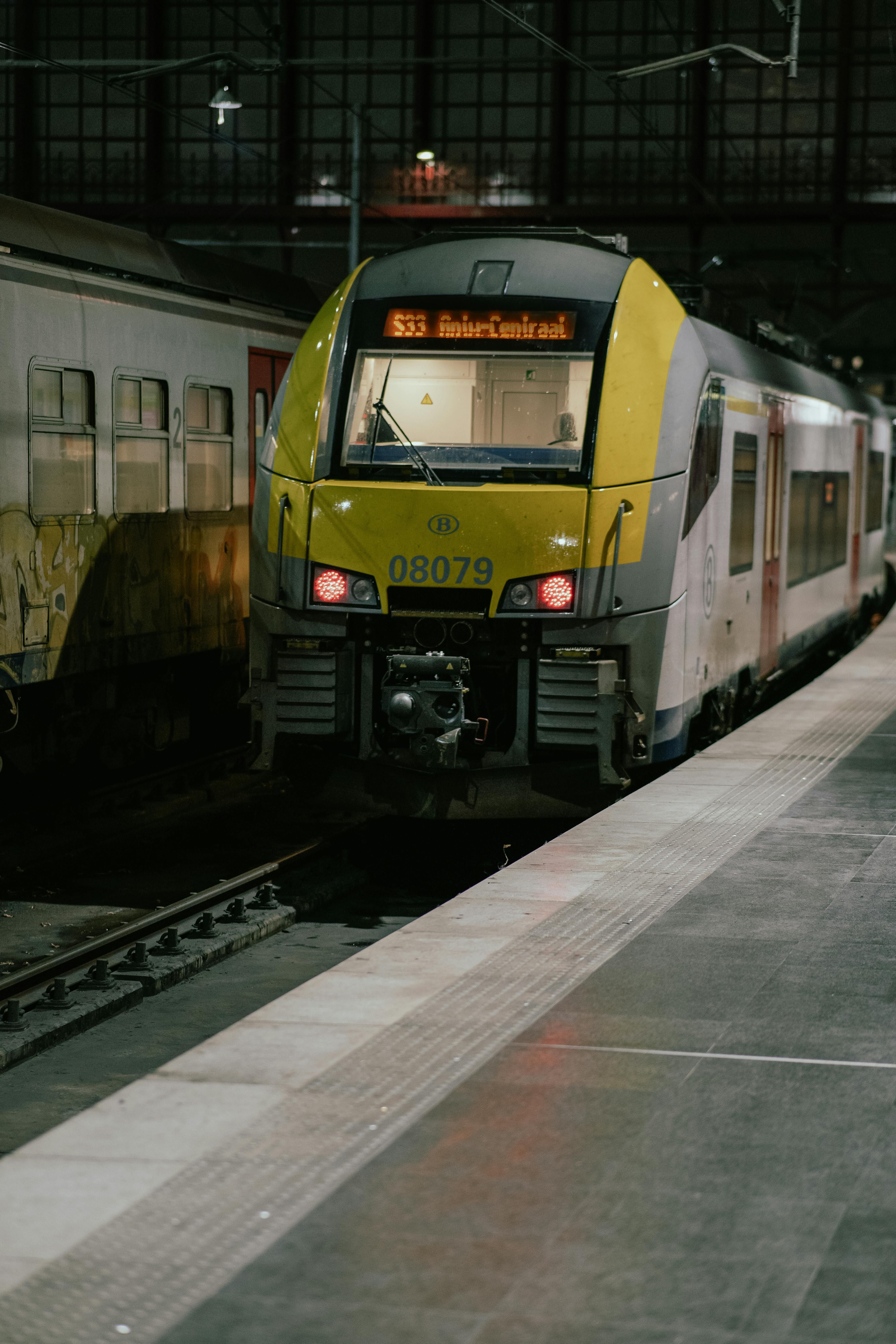
Best European Weekend City Breaks by Train
Twelve Friday-to-Sunday city pairs that work brilliantly by train: Eurostar, TGV, ICE, Frecciarossa and Railjet times, named hotels, EUR fares and Saturday must-dos.
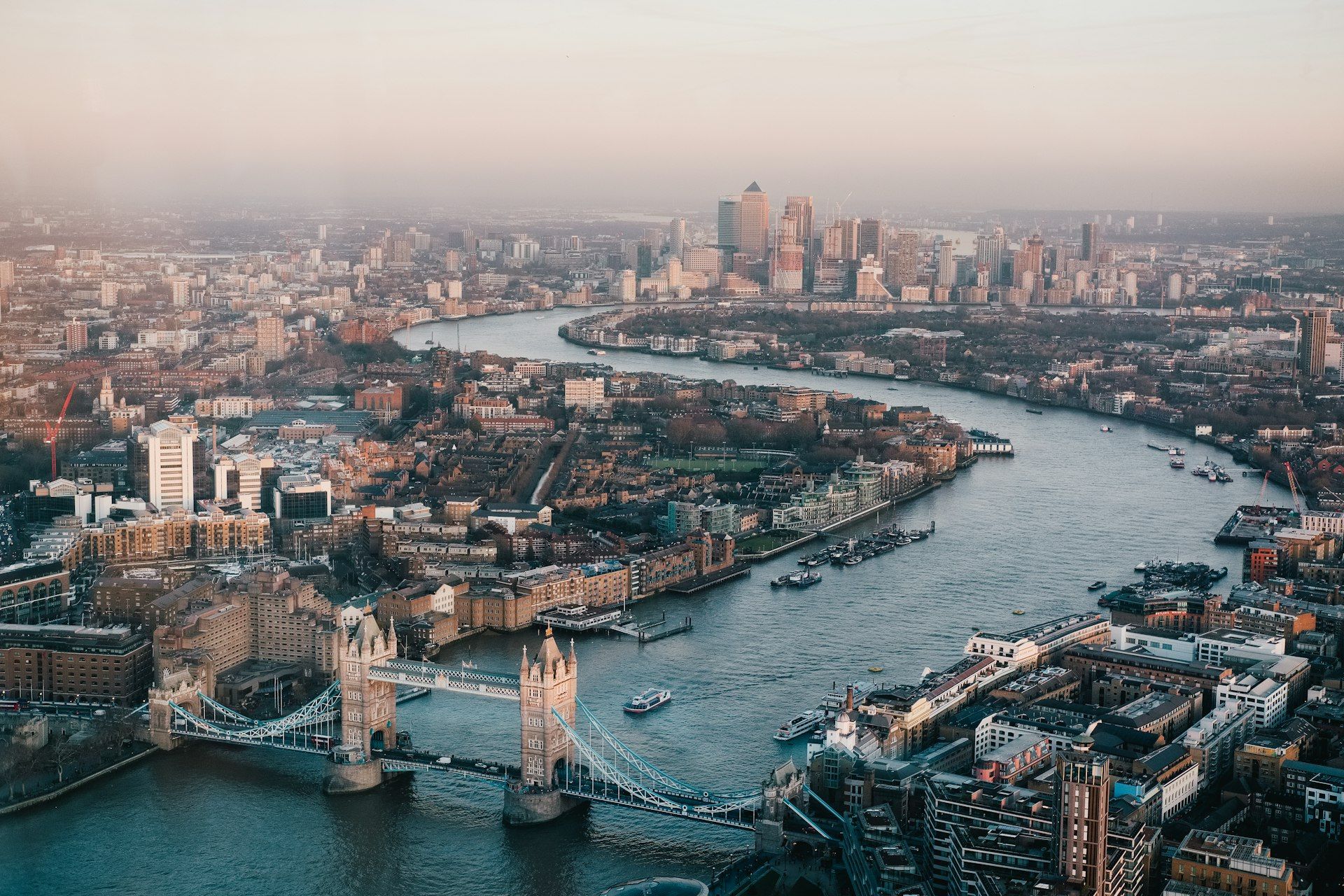
London City Break: Complete Weekend Guide
What to see, where to stay, how to get around and a sample weekend in London — free museums, the daily fare cap, Christmas markets and real costs.
European Weekend Trips Under €300
Twelve European cities you can do Friday-to-Sunday for under €300 all-in: Ryanair and Wizz Air fares, named hostels, food costs and the booking window that makes it work.