
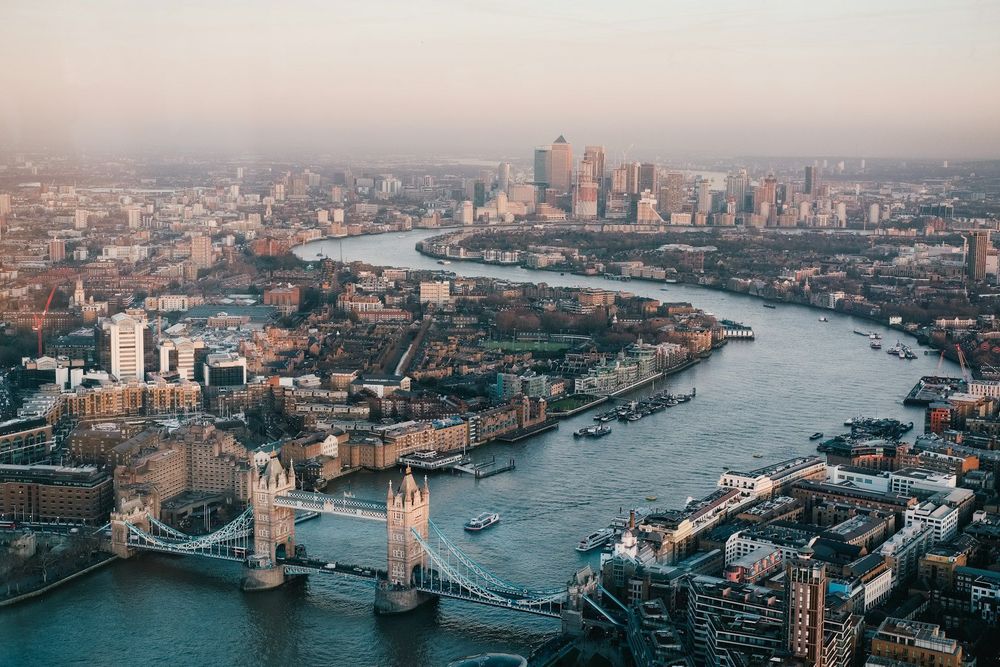
What to see, where to stay, how to get around and a sample weekend in London — free museums, the daily fare cap, Christmas markets and real costs.
London rewards the long weekend better than almost any European capital, because three of its greatest institutions — the British Museum, the National Gallery, and Tate Modern — cost nothing to enter. Add a transport network with a built-in daily fare cap and direct Eurostar trains from Paris and Brussels in around 2h15, and you have a city break where the budget bends to your priorities rather than the turnstiles. This guide lays out exactly what to see, where to base yourself, how to move, when to come, and what a sensible two-day plan looks like.
Fast Facts
| Detail | Info |
|---|---|
| Best time to visit | May–June and September for mild weather and long daylight; late November–early January for Christmas markets and lights; avoid the August peak crush |
| Getting there | Eurostar from Paris or Brussels ~2h15 to St Pancras (from ~£39 / €46 one-way); flights into Heathrow, Gatwick or Stansted from across Europe |
| Where to stay | South Bank / Waterloo (mid-range £140–220 / €165–260); Soho & Covent Garden (central, £180–300 / €210–350); Shoreditch (design hotels, £130–200 / €155–235) |
| Average daily budget | £110–160 / €130–190 per person: food £40–60, transport £8.90 cap, activities £30–60 (free museums keep this low) |
| Don't miss | The free trio (British Museum, National Gallery, Tate Modern) and a sunset walk across the Thames from Tower Bridge |
The free museums are the headline act
The single most important fact for budgeting a London weekend is that the permanent collections of the city's great museums are free. The British Museum — Rosetta Stone, Parthenon sculptures, Egyptian mummies — charges nothing for general entry and opens daily 10:00–17:00, with late Friday hours until 20:30. A free timed ticket booked ahead saves you the entrance queue. Two stops away, the National Gallery is also free to visit, open daily 10:00–18:00 and until 21:00 on Fridays, with Van Goghs, Turners and Vermeers hung in one walkable building on Trafalgar Square.
Across the river, Tate Modern occupies the cathedral-like Turbine Hall of a former power station and charges nothing for its main collection (only the headline special exhibitions are ticketed). The Natural History Museum in South Kensington — dinosaurs, the blue whale skeleton, the ornate Hintze Hall — is free too, as is the Victoria and Albert Museum next door. Realistically you cannot do all five well in one weekend; pick two, give each a focused 90 minutes to two hours, and leave the rest for next time.
The big paid sight worth the money is the Tower of London. A standard adult ticket starts at around £37 (€44) when booked online through Historic Royal Palaces, and that covers the Crown Jewels, the White Tower, and the Yeoman Warder ("Beefeater") tours that run roughly every 30 minutes. Opening is generally 09:00–17:30 in summer with the last entry timeslot around 15:30, so go early. Westminster Abbey (around £30 / €36) and St Paul's Cathedral (around £26 / €31) are the other two paid landmarks most worth the spend, the latter rewarding the climb to its Whispering Gallery and dome with a 360-degree view over the City.
Royal London, parks and the best free views
Beyond the museums, London's grandest sights cost nothing to look at. The Changing of the Guard at Buckingham Palace takes place on selected mornings at 11:00 (typically Monday, Wednesday, Friday and Sunday, daily in summer) and is free to watch — arrive by 10:30 for a clear view of the forecourt. The State Rooms inside are open only in late summer and ticketed separately, so most visitors enjoy the palace from the gates and stroll into the adjacent royal parks. St James's Park, between the palace and Horse Guards, is the prettiest, with pelicans and a lake-bridge view back to the palace; Hyde Park and Kensington Gardens together form a vast green lung with the Serpentine, the Diana Memorial and Kensington Palace.
For skyline views without the London Eye's price tag, two free options stand out. The Sky Garden atop 20 Fenchurch Street (the "Walkie-Talkie") offers a glass-domed garden with City panoramas — book a free timed slot online well ahead. The Tate Modern viewing levels and the upper floors of department stores also give wide, no-cost outlooks. Greenwich Park, finally, frames the classic postcard of Canary Wharf's towers from the hill below the Royal Observatory.
Neighborhoods: where to base yourself and wander
London is a city of villages, and the district you sleep in shapes the trip. South Bank and Waterloo is the smartest base for a first visit: a riverside walk links the London Eye, the National Theatre, Tate Modern, the Globe and Borough Market, and you are one Tube stop or a 20-minute stroll from Westminster. Mid-range hotels here run £140–220 (€165–260) a night.
Soho and Covent Garden put you in the entertainment core — theatres, restaurants, Chinatown, and the boutiques of Seven Dials all within walking distance. Expect £180–300 (€210–350) for a central room. Shoreditch in the East End trades landmarks for design hotels, street art, vintage markets and the city's best independent coffee and nightlife, typically £130–200 (€155–235). Notting Hill is the prettiest residential pick — pastel terraces, the Portobello Road antiques market on Saturdays — while Greenwich, downriver, offers the Royal Observatory, the Cutty Sark, and the Prime Meridian, an easy half-day by riverboat or DLR.
For an overview of how London compares with other short-break capitals, see our guide to the best European city breaks. If you have an extra day, London is also a superb launchpad — Oxford, Bath, Cambridge and the coast are all close, as detailed in our day trips from London guide.
Getting around: the daily cap is your friend
You never need to buy a paper ticket. Tap in and out with a contactless bank card or phone (or an Oyster card — the fares are identical), and Transport for London automatically caps what you spend in a day. In Zones 1–2, which covers almost everything a visitor wants, the daily cap is £8.90 (€10.50) however many journeys you make. A single Tube ride in those zones costs £2.90 off-peak or £3.50 at peak (Monday–Friday 06:30–09:30 and 16:00–19:00), but once your taps hit the cap, the rest of the day is effectively free.
The Tube is the fastest way across the centre, but for the riverside core, walking is often quicker than it looks: Westminster to St Paul's is about 30 minutes on foot along the South Bank, past most of the headline sights. Red buses are capped under the same daily limit and give you a moving sightseeing tour for nothing extra.
From the airports, the choices are clear. From Heathrow, the Heathrow Express reaches Paddington in 15 minutes (£26 / €31 single, cheaper booked far ahead), while the Elizabeth line and Piccadilly line Tube are slower (45–60 minutes) but far cheaper at peak/off-peak Tube rates. From Gatwick, the Gatwick Express runs to Victoria in 30 minutes for around £19.90 (€24). From Stansted, the Stansted Express reaches Liverpool Street in about 47–56 minutes. Eurostar passengers have it easiest of all: trains arrive at St Pancras International, directly on the Victoria, Northern and Piccadilly lines in central Zone 1.
When to go — and the Christmas-market season
For the classic balance of mild weather, long evenings and parks in full leaf, May, June and September are the sweet spot. July and August bring the warmest days but also the heaviest crowds and the highest hotel prices, and many Londoners leave town. Spring and early autumn weekends, by contrast, give you the same museums and markets with shorter queues. Because the free museums make the city easy to enjoy on a whim, London also works well as a spur-of-the-moment escape — one of our last-minute weekend getaways in Europe. London's weather is changeable in every season, so pack a light waterproof and layers whatever the month; rain rarely lasts long, and the museums make perfect wet-weather refuges. Daylight swings dramatically — long June evenings stay bright past 21:00, while December darkness falls by 16:00, which is precisely when the Christmas lights look their best.
The other great window is the festive season. From mid-November to early January, London turns on its Christmas lights along Oxford Street, Carnaby Street and Covent Garden, and two markets anchor the season. Hyde Park Winter Wonderland is the blockbuster — 150-plus rides, an ice rink, an alpine market and food halls — running from mid-November to the first days of January; entry is ticketed (off-peak from around £5, peak £7.50, often waived if you pre-book ride or food credit). The riverside Southbank Centre Winter Market, beside the Royal Festival Hall, is free to enter and runs from early November to Christmas, lined with chalets selling raclette, mulled wine, hot chocolate and crafts with the Thames and the lights as a backdrop. Confirm each year's exact dates on the official sites, as they shift slightly. If you would rather reach London car-free, our European city breaks by train guide covers the Eurostar routes in detail.
Eating and drinking without overspending
London's food scene is world-class and can be done cheaply. Borough Market (near London Bridge) is the city's finest food market — graze on a £6–8 (€7–9) gourmet sandwich, an oyster, or a cheese toastie for lunch. The capital's curry houses on Brick Lane and the dim sum of Chinatown deliver a £12–18 (€14–21) sit-down meal. A classic pub lunch — fish and chips, a Sunday roast — runs £14–20 (€17–24), and a pint of beer is typically £6–7 (€7–8) in the centre. Reserve your bigger spend for one memorable dinner; mid-range restaurants run £30–50 (€36–60) per head before drinks.
Tap water is free and safe everywhere, and almost every museum and gallery has a reasonably priced café. Budget travellers can eat very well for £30–40 (€36–48) a day by leaning on markets and casual spots. For a quintessential London ritual, an afternoon tea at a grand hotel runs £50–80 (€60–95) per person, but neighbourhood tearooms and department-store cafés offer the same scones-and-clotted-cream spread from £25 (€30). London's coffee culture is strong too — independent roasters in Shoreditch, Soho and Clerkenwell pour a £3.50–4.50 (€4–5.50) flat white that rivals anything in Melbourne or Oslo. Markets are your best friend for a quick, cheap, high-quality lunch: alongside Borough, try Maltby Street and Brick Lane's Sunday food stalls.
Costs: what a weekend actually adds up to
Two nights in a mid-range South Bank hotel at £160 (€190) is £320 (€380) for the room. Add the £8.90 (€10.50) daily transport cap across two-and-a-half days (£22 / €26), one Tower of London ticket (£37 / €44), one other paid sight (£26–30 / €31–36), and food at £45 (€53) a day (£115 / €135 over the trip). That lands a comfortable solo weekend, sights included, around £520–560 (€615–660) excluding your Eurostar or flight. Travelling as a couple sharing the room brings the per-person figure down sharply. Lean hard on the free museums and you can cut activity spending to near zero.
For broader European budgeting context and comparisons, our best European city breaks hub is a useful companion.
How to plan your weekend — and what to skip
A workable two-day plan: Day 1 — start at the Tower of London at opening, walk over Tower Bridge for the view, follow the South Bank west past the Globe and Tate Modern (duck in for an hour), continue to the London Eye and Westminster, finishing with the lit Houses of Parliament at dusk. Day 2 — the British Museum at opening, lunch in Soho or Covent Garden, an afternoon in the National Gallery on Trafalgar Square, then either Notting Hill and Portobello Road (Saturday) or a riverboat to Greenwich.
What to skip: do not try to "do" five museums — you will see nothing properly. Skip the overpriced chain restaurants in tourist squares when Borough Market and Soho sit minutes away. And unless a clear sky is forecast, the London Eye (around £29 / €34) is an easy cut — the free view from the Tate Modern viewing levels or the Sky Garden (book a free slot) rivals it. Plan two anchor sights per day, walk the river between them, and let the free institutions carry the rest. And if two or three days in London leaves you wanting more, it sits comfortably among the best long weekend destinations in Europe.
Frequently Asked Questions
Are London's museums really free?
Yes. The permanent collections of the British Museum, National Gallery, Tate Modern, Natural History Museum and the V&A are all free to enter; you only pay for headline special exhibitions. This is what keeps a London weekend affordable — you can fill two days of sightseeing for almost nothing.
How much does the Tube cost and do I need an Oyster card?
You do not need an Oyster card — just tap a contactless bank card or phone. A single Tube journey in Zones 1–2 is £2.90 off-peak or £3.50 at peak, and Transport for London caps your daily spend at £8.90 in those zones, so extra journeys after the cap are free.
How do I get from the airport to central London?
From Heathrow, the Heathrow Express reaches Paddington in 15 minutes (£26), or the Tube takes 45–60 minutes for far less. The Gatwick Express runs to Victoria in 30 minutes (about £19.90), and the Stansted Express reaches Liverpool Street in roughly 47–56 minutes.
How much is a ticket to the Tower of London?
A standard adult ticket starts at around £37 (€44) booked online through Historic Royal Palaces, including the Crown Jewels, the White Tower and the Yeoman Warder tours. It opens around 09:00–17:30 in summer with last entry near 15:30, so arrive early.
When are London's Christmas markets open?
They run from mid-November to early January. Hyde Park Winter Wonderland (ticketed, from around £5) has rides, an ice rink and an alpine market, while the riverside Southbank Centre Winter Market is free to enter and runs early November to Christmas. Check the official sites each year as dates shift slightly.

Keep Exploring
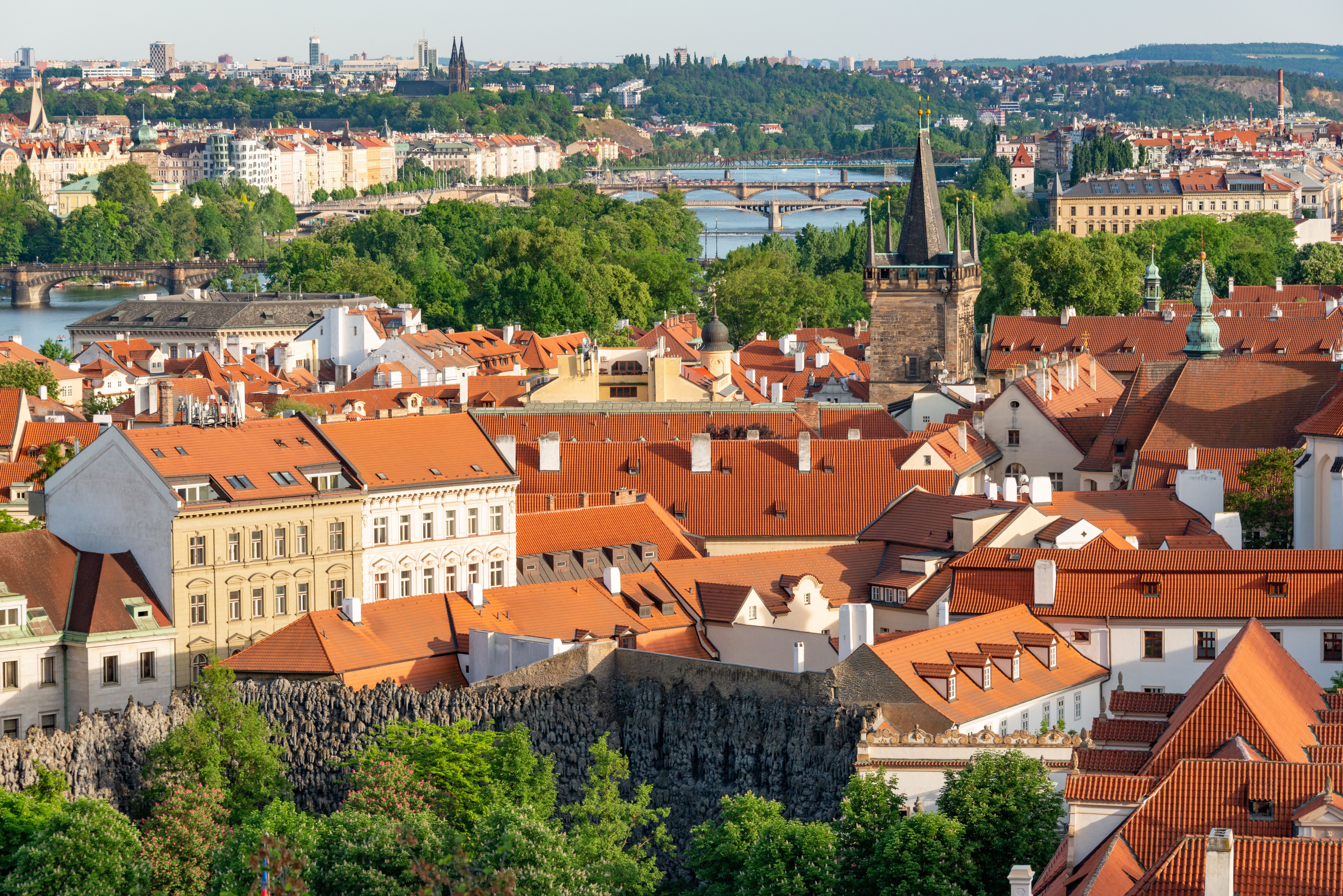
Best European City Breaks for a Weekend
Where to go for a 48–72 hour European city break: the best cities by mood, with flight times, transit-pass costs and the best season to visit.
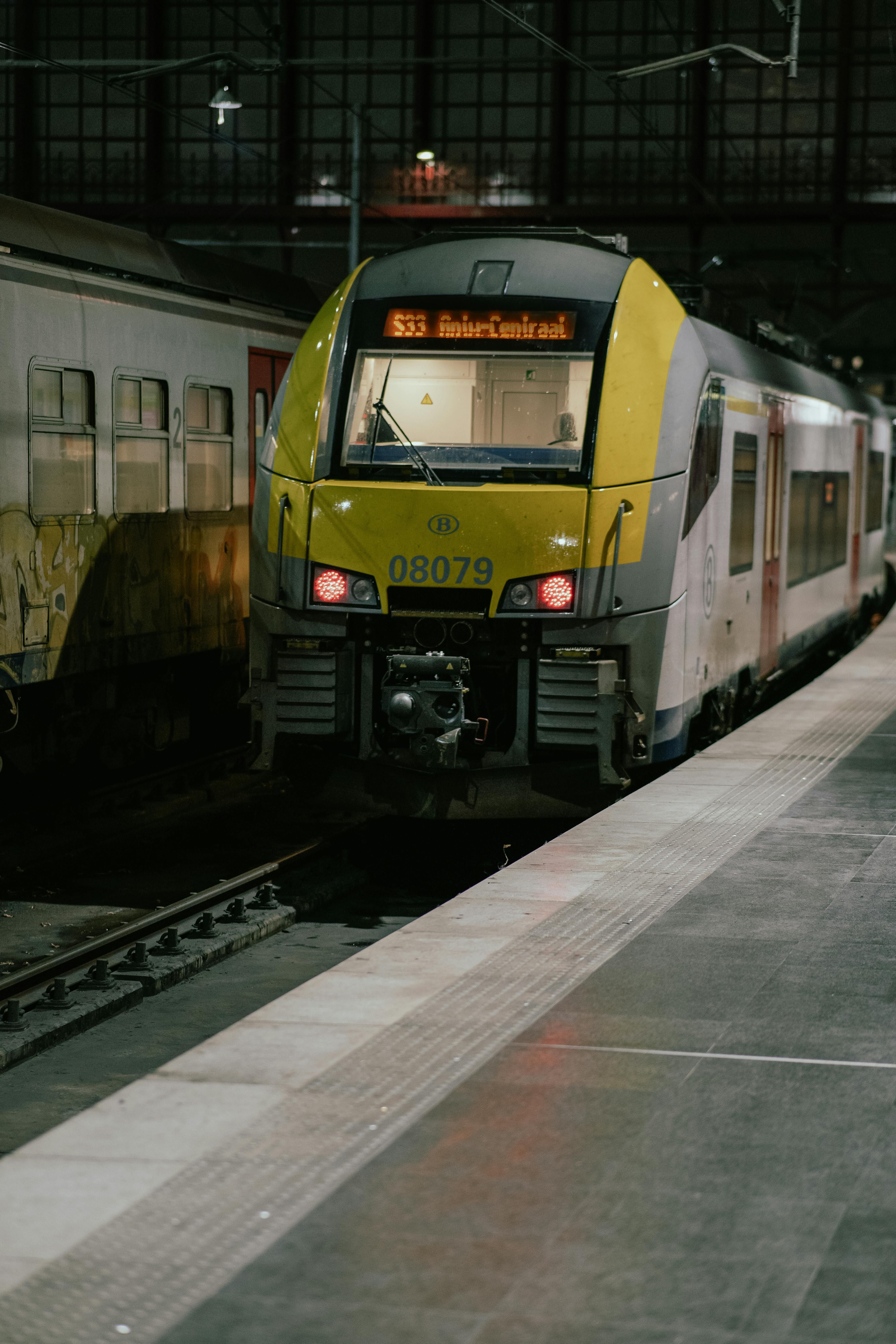
Best European Weekend City Breaks by Train
Twelve Friday-to-Sunday city pairs that work brilliantly by train: Eurostar, TGV, ICE, Frecciarossa and Railjet times, named hotels, EUR fares and Saturday must-dos.
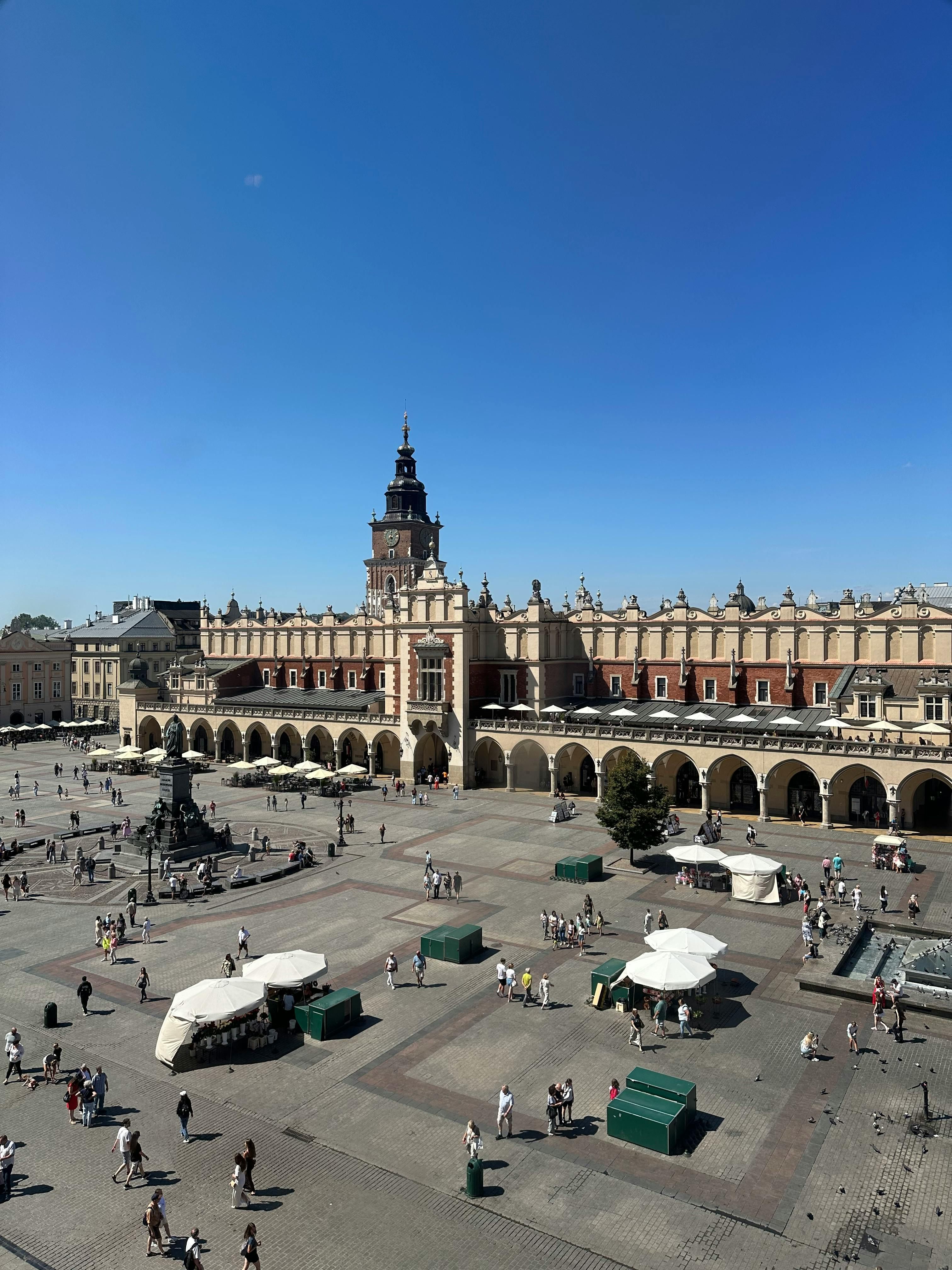
European Weekend Trips Under €300
Twelve European cities you can do Friday-to-Sunday for under €300 all-in: Ryanair and Wizz Air fares, named hostels, food costs and the booking window that makes it work.