
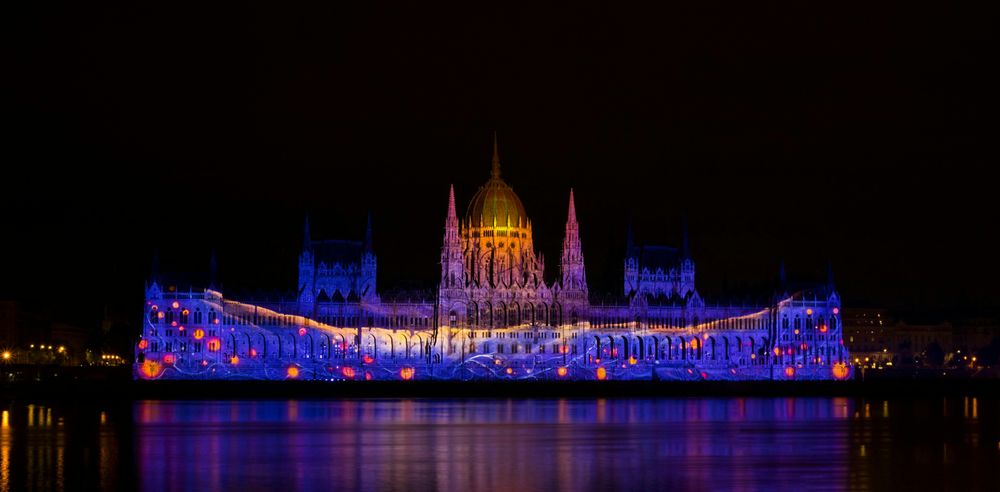
Twelve genuinely cheap European cities for 2026 with daily-budget figures in EUR, named hostels, flight gateways, and free experiences. Balkans to Iberia.
Europe is still the best-value continent in the world for travellers who plan smartly — but the map of "cheap" has shifted in 2026. Bulgaria joined the euro on 1 January 2026, the Balkans have quietly become the new backpacker frontier, and a few old favourites have crept out of true budget territory. This guide ranks the genuinely cheapest European cities for 2026, with real daily budgets and sample prices cross-checked against the Brokepackr Backpacker Cost Index 2026, Numbeo, and Eurostat.
Quick answer: The cheapest cities in Europe in 2026 are Krakow, Poland (~€48/day), followed by Sarajevo and Skopje (~€50/day), Belgrade (~€60/day), and Sofia and Tirana (~€62/day) — all in Eastern Europe and the Western Balkans, where €45–€65 a day covers a hostel bed, local food and public transport. In Western Europe, the best value is Porto (~€66/day) and Naples (~€80/day).
Fast Facts
| Cheapest city overall | Krakow, Poland (~€48/day for a frugal backpacker) — closely matched by Belgrade and Sofia |
| Typical daily backpacker budget | €45–€65/day in Eastern Europe and the Balkans; €60–€90/day in Iberia and Southern Italy |
| Cheapest region | The Western Balkans (Serbia, Bosnia, North Macedonia, Albania) |
| Currency note | Bulgaria adopted the euro on 1 January 2026 (fixed rate €1 = 1.95583 lev); the lev stopped being legal tender on 1 February 2026. Serbia (dinar), Bosnia (mark), North Macedonia (denar) and Albania (lek) remain outside the eurozone |
| Best value season | Shoulder season — late April to mid-June and September to October — for warm weather, open terraces and off-peak dorm rates |
A quick caveat before the rankings: daily budgets below assume a dorm bed, mostly self-catering or street food, public transport, and a couple of paid sights or drinks a day. Spend more on private rooms or restaurant dinners and these figures rise fast. All prices are 2026 estimates and will drift with exchange rates and season — treat them as planning anchors, not guarantees.
The 12 Cheapest European Cities in 2026
1. Krakow, Poland — ~€48/day
Poland's cultural capital is the rare city that combines world-class sights with rock-bottom backpacker costs. The Backpacker Cost Index 2026 puts Krakow at roughly $52/day (€48), the lowest of any major European city it tracks. A hostel dorm runs about **$17 (€16)**, a day's food about $27 (~€25), and a beer in a milk-bar district pub is often €2.50–€3. Why it's cheap: Poland's price level sits at just 72% of the EU average (Eurostat 2024), and Krakow has fierce hostel competition plus a deep budget-food culture.
2. Belgrade, Serbia — ~€60/day
Serbia is outside both the EU and the eurozone, which keeps prices low and exchange rates favourable. Brokepackr pegs Belgrade at about $66/day (~€60): a dorm around $16 (~€15), food about $31 (~€29). A draft beer in the Savamala bar district is typically €2–€2.50. Why it's cheap: the dinar's weakness against the euro and a famously cheap nightlife and café scene. Numbeo data confirms Belgrade and Sofia now sit within a hair of each other on overall cost.
3. Sofia, Bulgaria — ~€62/day (watch the euro effect)
Bulgaria's capital has long been Europe's bargain benchmark — Eurostat ranked Bulgaria the cheapest EU country in 2024 at 39% below the EU average. Brokepackr puts Sofia at about $68/day (~€62): dorm **$16 (€15), food ~$27 (~€25)**. Accuracy flag: Bulgaria's January 2026 euro adoption triggered notable rounding-up. Local reporting (see The Sofia Globe) and Numbeo contributors describe price rises of roughly 20%+ in some services post-changeover, with draft beer now around €4 in central Sofia. Sofia is still cheap, but the euro-era gap with Belgrade has narrowed. For a deep dive, see our Sofia on a budget guide. Why it's cheap: lowest restaurant/hotel price levels in the EU (53% of EU average per Eurostat).
4. Tirana, Albania — ~€62/day
Albania is the Balkans' breakout star: Mediterranean access at Eastern-European prices. Brokepackr lists Tirana at about $67/day (~€62), with a dorm near $17 (~€16) and food about $27 (~€25). Why it's cheap: the lek is outside the euro, wages are low, and tourism infrastructure is young and competitive. A coffee costs under €1.50 and a hearty meal of byrek and grilled meat rarely tops €7.
5. Sarajevo, Bosnia & Herzegovina — ~€50/day
Bosnia is arguably Europe's single best value-for-money destination. Budget travellers report €45–€60/day, anchored by absurdly cheap food: a full ćevapi plate is €4–€5, a restaurant dinner with wine €15–€22, and a Bosnian coffee €1–€1.50 (figures via EasyBalkanTransfers). Dorms run €12–€20. Why it's cheap: the convertible mark is pegged to the euro at a stable, low rate and the local cost base is among Europe's lowest.
6. Skopje / Ohrid, North Macedonia — ~€50/day
North Macedonia (denar, outside the euro) is consistently among Europe's cheapest. Skopje dorms start around €10–€13, and a sit-down meal of Balkan grills runs €5–€8. Lakeside Ohrid is pricier in July–August but a stunning shoulder-season bargain. Why it's cheap: low wages, weak currency, and minimal mass-tourism mark-up. Accuracy flag: Skopje and Ohrid are not in the Brokepackr index dataset, so these are estimates from regional budget sources rather than a single index.
7. Bucharest, Romania — ~€74/day
Romania has the EU's second-lowest price level (64% of average per Eurostat). Brokepackr puts Bucharest at about $80/day (~€74): dorm **$19 (€17), food ~$31 (~€29)**. Numbeo notes Bucharest is actually cheaper than post-euro Sofia for monthly living costs. Why it's cheap: low food prices (Romania has the EU's cheapest food basket) and a competitive hostel scene in the Old Town.
8. Budapest, Hungary — ~€67/day
Hungary keeps the forint, which has stayed weak against the euro — good news for visitors. Brokepackr lists Budapest at about $72/day (~€67), with one of the lowest dorm rates in the index at **$15 (€14)**. Why it's cheap: forint weakness plus Eurostat-confirmed low restaurant prices (Hungary at 72% of EU average). The thermal baths and ruin bars are world-class value.
9. Tallinn, Estonia — ~€73/day
The cheapest of the Baltic capitals on a dorm basis ($16 / €15 per Brokepackr), though euro-zone food prices push the daily total to about **$79 (€73)**. Why it's cheap relatively: a compact, walkable UNESCO old town means low transport and sightseeing costs, even if grocery prices match the eurozone average.
10. Riga, Latvia — ~€74/day
Latvia's capital sits around $80/day (~€74) on Brokepackr, with dorms near $21 (~€19). It's the most expensive Baltic of the three but still well below Western Europe. Why it's cheap: Art Nouveau grandeur and a huge central market keep self-catering costs down.
11. Porto, Portugal — ~€66/day
The cheapest gateway to Western Europe. Brokepackr puts Porto at about $71/day (~€66), with dorms **$22 (€20)** and food **$29 (€27)**. Why it's cheap: Portugal is the most affordable country in Western Europe, and Porto undercuts Lisbon on accommodation while matching it on charm. A glass of vinho verde or port is often €2–€3.
12. Naples, Italy — ~€80/day (cheapest big Italian city)
Not cheap by Balkan standards, but the best-value major city in Western Europe for food culture. Brokepackr lists Naples at about $102/day (~€95) if you stay in dorms (~$31/€29) — but disciplined backpackers self-catering and eating €4 street pizza routinely keep it nearer €70–€80/day. Why it's relatively cheap: Southern Italy runs well below Rome, Milan or Florence, and pizza, sfogliatella and espresso are genuinely affordable.
Honourable mention: Lviv, Ukraine — cheap, but check the advisory
Lviv is historically one of Europe's cheapest cities and remains relatively stable within western Ukraine. However, it is not a normal travel destination in 2026. Major governments including the US State Department maintain a "Do Not Travel" advisory for all of Ukraine due to the ongoing war, and air-raid sirens sound multiple times daily. We list Lviv for context, not as a recommendation — check your government's current advisory and travel insurance terms before considering it.
How to Stretch Your Euro Even Further
- Fly into low-cost hubs. Wizz Air and Ryanair bases (Sofia, Skopje, Cluj, Krakow, Riga) routinely have sub-€30 fares.
- Self-cater or eat where locals eat. Markets and milk bars (Poland), ćevapi stands (Balkans) and street pizza (Naples) beat tourist restaurants by 50%+.
- Use ATMs, not airport exchange booths. In non-euro countries (Serbia, Bosnia, Albania, North Macedonia, Hungary, Romania) airport kiosks can skim 8–15%.
- Travel in shoulder season. Dorm rates drop sharply outside July–August.
For where to sleep, see our best budget hostels in Europe guide, and for a country-level view, our cheapest countries in Europe for 2026. And to string several of these Balkan bargains — Belgrade, Sarajevo and beyond — into one trip, follow our two-week Balkans route for under €1,000.
The Bottom Line
For 2026, the cheapest European cities cluster in two zones: the EU's eastern edge (Krakow, Bucharest, Budapest) and the non-euro Western Balkans (Belgrade, Sarajevo, Skopje, Tirana). The single biggest shift this year is Bulgaria's euro adoption, which has slightly eroded Sofia's long-held bargain crown. Pick the Balkans for the lowest absolute costs, travel in shoulder season, eat where locals eat, and €50 a day still goes remarkably far.
Prices are 2026 estimates compiled from the Brokepackr Backpacker Cost Index, Numbeo, Eurostat and regional budget-travel sources. Exchange rates and seasonal demand will affect actual costs.
Frequently Asked Questions
What is the cheapest city in Europe in 2026?
Krakow, Poland is the cheapest major European city in the 2026 Backpacker Cost Index at roughly €48/day, with Belgrade (€60) and Sofia (€62) close behind. In the Western Balkans, Sarajevo and Skopje can be done for as little as €45–€50/day.
How much do I need per day to backpack Europe in 2026?
Budget €45–€65/day for Eastern Europe and the Balkans (dorm, street food, public transport, a couple of drinks). Western Europe and Southern Italy run €60–€90/day. Western capitals like Paris or Amsterdam can easily exceed €120/day.
Is Eastern Europe still cheaper than Western Europe?
Yes, decisively. Eurostat's 2024 data shows Bulgaria (60% of EU average), Romania (64%) and Poland (72%) with the lowest household price levels, while Denmark, Ireland and Luxembourg sit 30–40% above average. The non-euro Western Balkans are cheaper still.
What is the cheapest European capital?
Among EU capitals, Sofia and Bucharest have long been cheapest, though Sofia's January 2026 euro adoption nudged some prices up. Outside the EU, Belgrade (Serbia), Sarajevo (Bosnia) and Skopje (North Macedonia) are the cheapest capitals overall.
Did prices in Bulgaria go up after it joined the euro?
Somewhat. Bulgaria adopted the euro on 1 January 2026 at a fixed rate of €1 = 1.95583 lev. Reports from Sofia describe price rounding-up of roughly 20%+ in some services after the changeover. Bulgaria remains cheap, but the gap with Serbia has narrowed.
When is the best time to visit Europe on a budget?
Shoulder season — late April to mid-June and September to October. You get warm weather and open terraces without the July–August dorm price spikes and crowds.

Keep Exploring
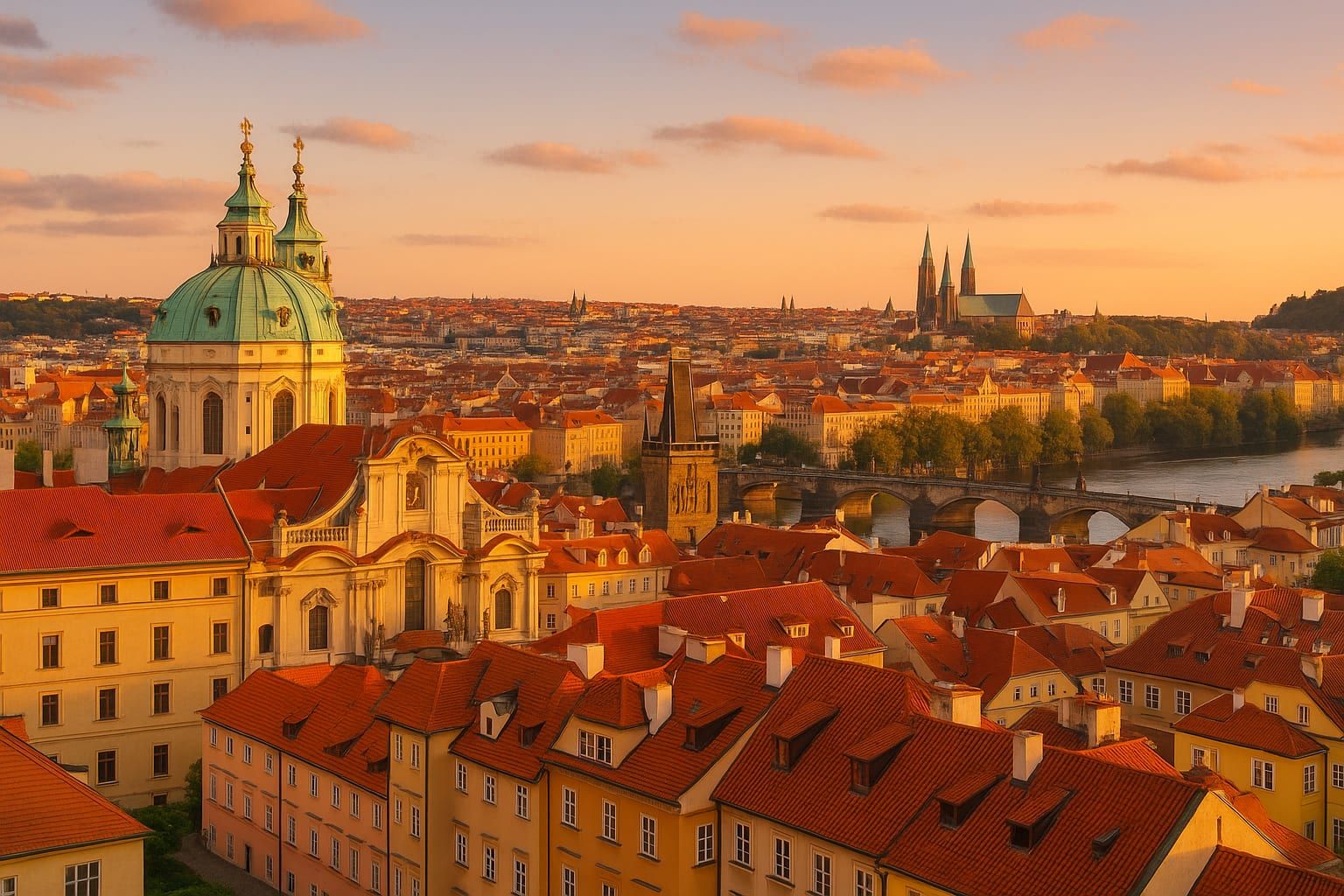
Cheapest Countries to Visit in Europe (2026)
Planning a budget-friendly European trip in 2025? Discover the top cheapest countries to visit, realistic daily budgets, travel tips, and local insights to stretch your euro.
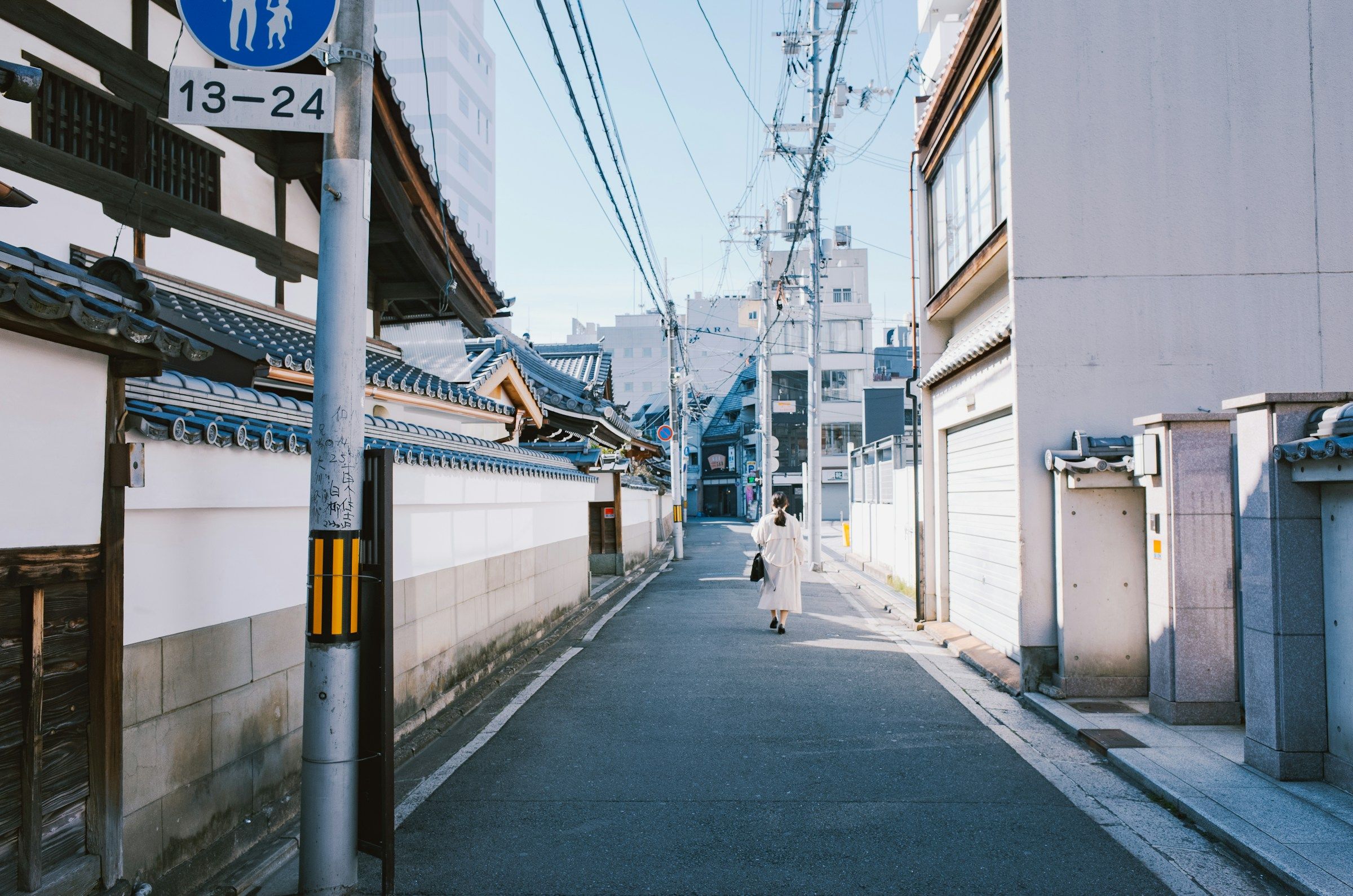
Free Things to Do in Kyoto: Know What Is Included
Enjoy Kyoto without admission tickets: compare Fushimi Inari, the Imperial Palace, Nanzen-ji's outer grounds, the Philosopher's Path and public city walks.
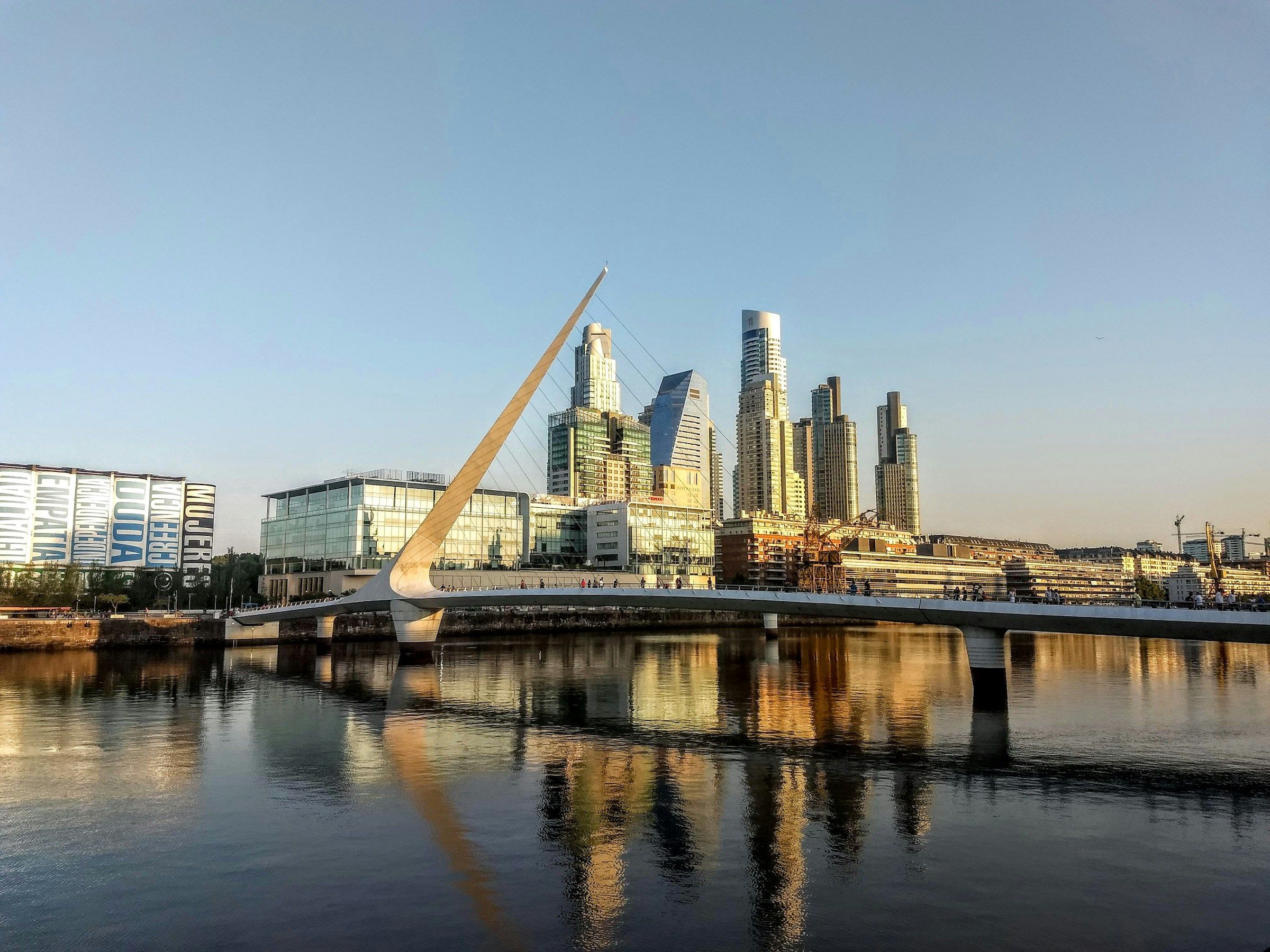
Free Things to Do in Buenos Aires
Admission-free Buenos Aires, organised into manageable outings: Casa Rosada museum, San Telmo, Moderno free days, Palermo's Rosedal and Costanera Sur.