
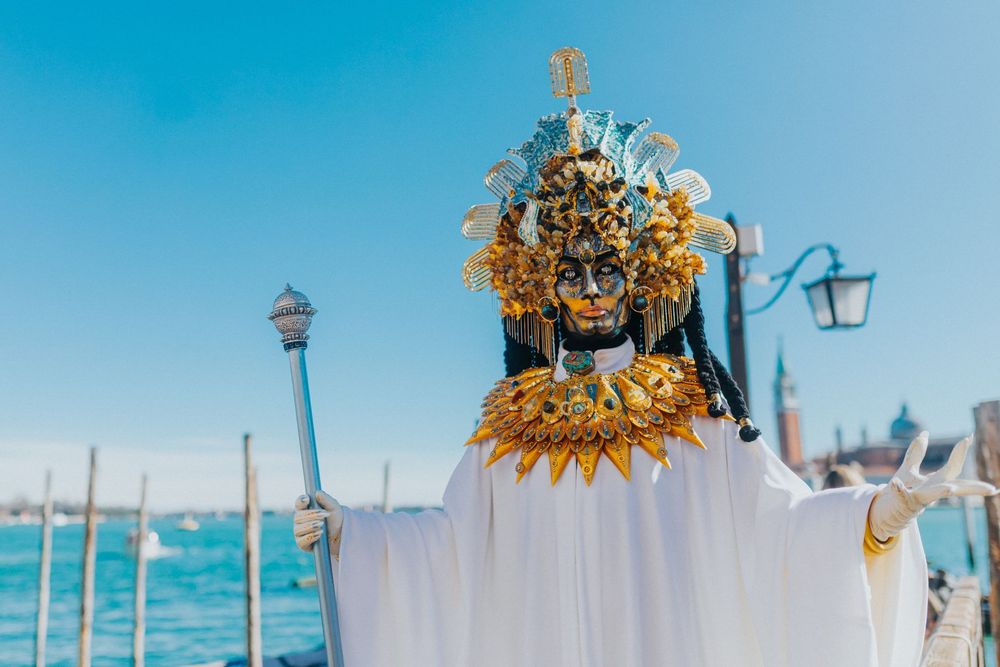
Carnivals in Europe: Best Celebrations to Visit in 2027
Explore top European carnivals in 2027, from Venice to Basel. Get key dates, free vs. ticketed access, and tips for Ash Wednesday (Feb 10) celebrations.
Europe’s pre-Lent celebrations in early February 2027 offer a stark contrast to the quiet of winter, yet they demand precise logistical planning. While the calendar window is short, the great carnivals differ wildly in atmosphere, schedule, and ticketing structures, with hotels lining the main parade routes in cities like Nice, Cologne, and Venice booking out months in advance.
Fast Facts
| Detail | Info |
|---|---|
| Best time to visit | The primary 2027 window runs from late January to mid-February, culminating on Ash Wednesday (10 Feb) for most traditional celebrations, though exceptions like Tenerife and Basel occur after. |
| Getting there | Major hubs include Venice (VCE), Nice (NCE), Cologne (CGN), and Basel (BSL). Direct rail and flight connections are frequent; typical short-haul fares from other European capitals range from €30–€90 one-way if booked early. |
| Where to stay | Book neighborhoods within walking distance of parade routes: Cannaregio (Venice), City Centre/Place Masséna (Nice), Alt-Stadt (Cologne), and the Old Town (Basel). Expect a 20–40% premium on room rates during carnival weekends. |
| Average daily budget | €100–€150 per person, excluding accommodation. This covers meals (€30–€50), local transport (€10–€15), and activities (many street events are free; ticketed balls or grandstands cost €25–€70+). |
| Don't miss | The Morgestraich in Basel at 04:00 on 15 Feb, and the Coso parade in Santa Cruz de Tenerife on 23 Feb. |
How Carnival Season Works
Carnival is a mobile feast, anchored to the date of Easter Sunday. Because Easter follows the lunar calendar, the pre-Lent season shifts annually. In 2027, Ash Wednesday falls on 10 February, marking the end of the traditional carnival window for most of Europe. This movable nature means travelers cannot rely on fixed dates from previous years; the 2027 calendar must be consulted for each specific city.
The season typically spans from Epiphany (6 January) until Shrove Tuesday (Fat Tuesday), but the intensity peaks in the final seven days. Traditionally, this period serves as the final indulgence before the austerity of Lent, a concept that historically influenced the excess of food, costume, and music. For travelers tracking the broader winter events calendar, this period offers a vibrant continuation of the seasonal spirit seen in European Christmas markets, bridging the gap between holiday festivities and the arrival of spring.
It is crucial to distinguish between free street carnivals and ticketed experiences. Most major European carnivals feature extensive free-to-access street parades, floats, and public squares. However, exclusive experiences such as the masked balls in Venice, the grandstand seating for the Batailles de Fleurs in Nice, or the Sitzungen (indoor satirical gatherings) in Cologne require advance ticket purchases. Additionally, several European carnivals hold UNESCO recognition for their cultural significance, including Binche and Basel, which underscores their historical weight and the need for respectful engagement with local traditions.
Because accommodation near parade routes sells out rapidly, the "plan early" rule is absolute. Travelers should monitor official city websites for date confirmations and hotel availability as soon as the annual calendar is released.
Venice — Carnevale di Venezia
Venice transforms its labyrinthine canals into an open-air theater of masks and history. The 2027 dates are confirmed for 23 January to 9 February, with the main city-centre festivities running from approximately 30 January to 9 February. This schedule aligns with the traditional pre-Lent window, ending just before Ash Wednesday.
The signature events are deeply theatrical. The Flight of the Angel (Volo dell’Angelo) and its counterpart, the Flight of the Colombina, see performers descend from the bell tower of St Mark’s Basilica onto the stage set up in Piazza San Marco. Another historic highlight is the Festa delle Marie, a pageant celebrating Venetian beauty and history. The season often opens with water shows on the Cannaregio canal, setting a festive tone for the weeks ahead.
Access to the city is structured around free and paid experiences. Street events, piazza spectacles, and most musical performances are free to attend, allowing for spontaneous exploration. However, high-end experiences like the official Carnival Dinner Show or private masked balls in historic palazzos are ticketed. While 2027 prices for these exclusive events have not yet been published, visitors should expect premium pricing for such curated experiences. For a detailed breakdown of costumes, history, and logistics, see the full Venice Carnival guide.
Logistics require careful attention due to Venice’s unique geography and recent policy changes. The city has implemented a day-tripper access-fee scheme on peak dates to manage overcrowding. Carnival weekends are classified as peak, so visitors staying overnight may still need to register or pay depending on specific entry points and dates. Always check cda.ve.it for the latest entry regulations. Accommodation in the Cannaregio district offers proximity to the main events while providing easier access to water transport links than the overcrowded San Marco area.
Nice — Carnaval de Nice
The Côte d’Azur’s capital hosts one of Europe’s largest and most colorful carnivals. The 2027 edition is officially announced for 9–28 February, under the theme "Vive l’Amour." Unlike many other European carnivals that end on Ash Wednesday, Nice extends its festivities into late February, ensuring a vibrant conclusion to the winter season.
The heart of the celebration is the corsos carnavalesques, massive parades featuring elaborate floats, music, and dancers. These take place primarily at Place Masséna. The highlight is the Batailles de Fleurs (Battles of Flowers), where floats toss millions of paper and real flowers into the crowd along the Promenade des Anglais. The parades include both daytime spectacles and illuminated night parades, offering distinct visual experiences.
Ticketing for Nice is structured around grandstand seating and pedestrian zones. For the Parade of Lights, grandstand Zone A costs €31 for adults and €10–11 for children, while Zone B is €23–25.50. Standing pedestrian zones are €14 for Zone A and €7 for Zone B. The Flower Parade grandstand seats range from €28–31, with 2-show packages available for €40–49.50. These prices reflect the 2026 tariffs; 2027 pricing is to be announced, as detailed on Nice Carnival official prices. A key advantage for budget-conscious travelers is that if you come dressed head-to-toe in a costume, access to the pedestrian zones is FREE (grandstand seating remains paid). The scale of the event is significant, with over 420,000 participants in the previous year, creating an electric, crowded atmosphere.
While Nice is a UNESCO World Heritage site for its urban planning and climate, the carnival itself is not inscribed on the UNESCO Intangible Cultural Heritage list. Visitors should manage expectations regarding crowd density; the city centre becomes extremely busy. Staying in neighborhoods near the Promenade des Anglais or Place Masséna minimizes walking time to the parade routes.
Cologne — Kölner Karneval
Germany’s largest carnival is a cultural phenomenon rooted in the Rhineland’s social traditions. The 2027 calendar is fixed: the street carnival officially opens at 11:11 on Weiberfastnacht (Women’s Carnival), Thursday, 4 February, and the main public festivities surge in February. The climax is Rosenmontag (Rose Monday), on Monday, 8 February.
Rosenmontag features the largest parade in Germany, a massive procession of floats, marching bands, and costumed groups moving through the city centre. The parade typically begins at 10:00. The atmosphere is raucous, with locals throwing confetti and shouting "Helau!" (the carnival greeting). The preceding days feature Sitzungen, indoor satirical gatherings where comedians and groups perform sketches criticizing local politics and society.
Access is largely free for street spectators. Watching the parades from the sidewalks is complimentary, making Cologne highly accessible. Ticketed events are limited to grandstand seats for the parades and entry to the indoor Sitzungen. As of September 2026, 2027 ticket sales for these indoor events were not yet open. The street carnival and viewing areas do not require tickets, allowing for flexible planning.
Logistics in Cologne require preparation for significant transport disruptions. The parade route (Zugweg) and street closures are published on koelnerkarneval.de. On Rosenmontag, expect extensive closures in the city centre and alterations to public transport routes. Staying in districts like Ehrenfeld or Deutz, which are well-connected by tram but slightly removed from the absolute centre, can offer a balance of accessibility and quieter evenings.
Binche (Belgium) — Carnaval de Binche
Binche offers a uniquely ancient and solemn carnival experience, recognized by UNESCO in 2008 as an Intangible Cultural Heritage of Humanity. The 2027 festivities are confirmed for 7–9 February, covering the three Shrove days, with the climax on Mardi Gras, 9 February.
The event is defined by the Gilles, the central figures of the carnival. These participants wear distinctive costumes consisting of red, yellow, and black jackets, heavy wooden clogs, ostrich-feather hats, and wax masks. The Gilles perform a ritualistic dance on the Grand-Place, accompanied by traditional drums. In the afternoon, the Gilles throw oranges into the crowd, a tradition believed to ward off evil spirits. The evening features a rondeau (a circular dance) and fireworks.
The street carnival is free to attend, allowing visitors to immerse themselves in the medieval atmosphere without entry fees. Binche is often described as one of Europe’s oldest surviving street carnivals, with roots tracing back to the Middle Ages. The atmosphere is more traditional and ritualistic compared to the flashy parades of Nice or Cologne.
The town is small, and accommodation fills up quickly. Visitors are advised to book hotels in Binche or nearby Mons well in advance. The UNESCO status ensures the preservation of these traditions, so visitors should observe the rituals respectfully. The Gilles are not performers for entertainment but participants in a cultural heritage act; maintaining a respectful distance and quiet during their rituals is expected.
Santa Cruz de Tenerife — Carnival of Tenerife
The Canary Islands’ Carnival breaks from the traditional Lenten calendar for 2027, offering a unique scheduling anomaly. While most European carnivals end on Ash Wednesday (10 February), Santa Cruz de Tenerife moved its 2027 festivities approximately two weeks after this date for operational and logistical reasons. This shift means the carnival extends well into February, avoiding the immediate onset of Lent.
The 2027 schedule includes the Inaugural Gala on 22 January, the Queen’s Gala (Gala de Elección de la Reina) on Wednesday, 17 February, and the main street carnival from 19–28 February. The highlight is the Coso parade on Tuesday, 23 February. The theme for 2027 is "Roma Eterna: El Imperio del Carnaval," influencing the costumes and floats. The carnival concludes with the Entierro de la Sardina (Burial of the Sardine), a satirical funeral procession.
The atmosphere is vibrant, tropical, and heavily influenced by Latin American and Afro-Caribbean rhythms. Street carnival events, parades, and open-air concerts are free to attend. However, the galas (Inaugural and Queen’s) are ticketed and sell out extremely quickly. 2027 prices for these galas have not yet been published, but they are known to be high-demand events.
Logistically, the island of Tenerife is a popular destination, and flights and hotels should be booked early. The shift in dates may offer better weather conditions for visitors accustomed to cooler European winters. The city centre becomes a hub of activity, with parties and events spilling into the streets.
Basel — Basler Fasnacht
Basel’s carnival is unique in Europe for starting after Ash Wednesday. The 2027 Fasnacht begins with the Morgestraich (Morning Light) on Monday, 15 February, at 04:00, as confirmed by the Basel Fasnachts-Comité. This marks the beginning of a three-day celebration that lasts exactly 72 hours, ending on Thursday, 18 February, at 04:00. Recognized by UNESCO in 2017, this is rare among European carnivals in beginning after the start of Lent.
The Morgestraich is a striking ritual: at 4:00 AM, all city lights are switched off, and the streets are illuminated only by the lanterns (Laternen) carried by the Cliquen (carnival groups). Approximately 11,000 costumed carnivalists participate, and around 200,000 visitors gather to watch. The atmosphere is eerie, beautiful, and solemn, with the sound of wooden masks (Larven) and piccolos echoing through the darkened city.
The Fasnacht is free to watch. However, visitors are expected to purchase the Blaggedde (carnival badge), a small printed paper badge that supports the participants. The cost for the badge is not yet published for 2027, but it is a small contribution that is part of the tradition. The main cortèges take place on Monday and Wednesday, with Tuesday designated as Children’s Day, featuring a special lantern exhibition and parades tailored for younger audiences.
Logistics require early arrival. Visitors are advised to arrive in Basel before 04:00 on Monday, 15 February, to secure a good viewing spot for the Morgestraich. The city centre goes completely dark, so navigation requires care. Accommodation in Basel is expensive, and rooms near the Rhine river and old town sell out rapidly.
Viareggio — Carnevale di Viareggio
Viareggio, on Italy’s Tuscan coast, is renowned for its satirical paper-mâché floats. The 2027 edition features six masked parades (corsi mascherati) on the seafront promenade. The schedule is as follows: Saturday, 30 January (16:00); Thursday, 4 February (17:00 evening); Sunday, 7 February (15:00); Tuesday, 9 February (15:00); Sunday, 14 February (15:00); and the closing parade on Saturday, 20 February (16:00).
The floats are massive, intricate sculptures that often feature biting political and social satire. The parades take place on the Lungomare, a long seafront promenade, providing a scenic backdrop of the Mediterranean. The atmosphere is festive and family-friendly, with a strong emphasis on craftsmanship and artistic detail.
Tickets are required for all parades. A single parade ticket costs from €16.50 (children under 1.20m are free). An open ticket, valid for multiple parades, is available for €25. For a better view, Gold central grandstand seats start from €70. These prices are based on the current tariff structure, available via the official ticket office.
Logistically, Viareggio is easily accessible by train from Florence or Pisa. The seafront location means accommodation can be booked in the town itself or in nearby coastal resorts. The parades are held on the promenade, so weather can be a factor; checking the forecast is advisable.
How to Choose Your Carnival (and How to Plan)
Selecting the right carnival depends on your travel style and interests. For those seeking historical ritual and UNESCO heritage, Binche and Basel offer profound, traditional experiences. Basel’s post-Lent timing and dark, lantern-lit atmosphere are unique, while Binche’s Gilles provide a glimpse into medieval customs. For grand spectacle and color, Nice and Santa Cruz de Tenerife deliver massive parades and vibrant street parties. Venice offers a romantic, theatrical experience within its historic setting, while Cologne provides a raucous, communal German celebration.
Booking timelines are critical. Hotels in central locations for all these carnivals often sell out 3–6 months in advance. For the 2027 season, travelers should begin monitoring availability by mid-2026. Ticket sales for specific events, such as the masked balls in Venice or the galas in Tenerife, usually open closer to the event dates, so setting up alerts on official sites is recommended.
When planning, consider the logistics of transport and accommodation. Cities like Venice and Basel have limited space, making proximity to events expensive and scarce. In larger cities like Cologne and Nice, staying slightly outside the centre but well-connected by public transport can offer better value. Finally, remember that carnival season is the bridge from winter to spring trips, offering a final burst of energy before the lighter seasons begin. For those looking to extend their European journey beyond February, exploring best European cities for spring can provide a seamless continuation of cultural immersion.
Frequently Asked Questions
When is Carnival 2027 in Europe?
The main window is late January to mid-February 2027. Ash Wednesday is 10 February. Venice runs until 9 Feb, Cologne peaks on 8 Feb, and Binche on 9 Feb. However, Nice runs until 28 Feb, and Tenerife’s main events occur after 10 Feb.
Which is the biggest carnival in Europe?
Cologne’s Rosenmontag parade is Germany’s largest, with hundreds of thousands of spectators. Nice also attracts over 400,000 participants in its parades. In terms of global scale, Rio is larger, but among European traditional carnivals, Cologne and Nice are the most massive in attendance.
Is the Venice Carnival free to attend?
Yes, most street events, piazza spectacles, and musical performances are free. However, exclusive experiences like the official Carnival Dinner Show, private masked balls, and grandstand seating for specific performances require ticket purchases.
What is the Binche carnival famous for?
It is famous for the Gilles, participants in red-yellow-black costumes, ostrich-feather hats, and wax masks who dance on the Grand-Place and throw oranges to the crowd. It is a UNESCO Intangible Cultural Heritage event with medieval roots.
Which European carnival is best for families?
Basel and Viareggio are particularly family-friendly. Basel has a dedicated Children’s Day on Tuesday with special lantern exhibitions and parades. Viareggio’s parades are visually stunning and accessible, with clear sightlines along the seafront promenade.

Keep Exploring

New Year's Eve in Europe: Best Cities to Celebrate 2027
Plan your 2027 NYE in Europe. Compare free vs ticketed celebrations in London, Berlin, Madrid, and more, with a full booking timeline for top cities.
Best European Cities to Visit in Spring
Twelve European cities at their seasonal peak between March and May 2027: Keukenhof tulips, Seville's Feria, Paris cherry blossoms, Roman wisteria and more, with EUR budgets and bloom calendars.
Krakow Christmas Markets 2026: Dates and Weekend Guide
Plan a Krakow Christmas weekend with provisional 2026 market dates, airport fares, a 48-hour itinerary and a clearly labelled sample budget.