
Vienna, Strasbourg, Nuremberg, Dresden, Prague, Budapest, Tallinn, Krakow and Copenhagen — confirmed 2026 dates, EUR prices, transit and signature foods at the defining Christmas markets.
This article contains affiliate links: if you book through them, we may earn a small commission at no extra cost to you. We only link services relevant to the destination, per our editorial standards.
If you are planning a winter trip around the festive season, the single most useful thing to know is simple: most European Christmas markets open in the second half of November 2026 and close on or just after Christmas Eve (24 December), though several big-city markets stay open until early January. This guide leads with exactly that — the confirmed and expected 2026 opening and closing dates for the best markets — then tells you what makes each one special and what to eat and drink while you are there.
We distinguish officially announced dates from provisional windows. Updates checked on 12 October 2026 cover Schönbrunn, Strasbourg, Prague, Advent Basilica, Tallinn and Kraków; sources are linked alongside the relevant entries. Check the named market before booking, especially where a closing date remains unresolved.
Fast Facts
| Detail | What to know |
|---|---|
| Classic markets | Vienna, Strasbourg, Nuremberg, Munich, Prague, Budapest, Dresden, Cologne |
| Typical season | Mid-to-late November to 23–24 December; some run to 26 December or into early January |
| Most famous market | Nuremberg Christkindlesmarkt (Germany's best-known) and Strasbourg ("Capital of Christmas") |
| Entry fee | Almost all markets are free to enter — you pay only for food, drink and gifts |
| Signature drink | Glühwein (mulled wine) — called vin chaud in France, svařák in Czechia, gløgg in Denmark |
| Signature foods | Grilled sausages, roasted chestnuts, gingerbread (Lebkuchen), Stollen, raclette and crêpes |
| Best for first-timers | Strasbourg, Nuremberg and Vienna for atmosphere; Prague and Budapest for value |
The best European Christmas markets and their 2026 dates
The table below lists each market with its 2026 dates. We have marked confirmed official dates clearly; any date that is expected (not yet officially announced) is flagged so you know to verify it before booking.
| City / Market | 2026 dates | Status | What's special | Signature treat |
|---|---|---|---|---|
| Nuremberg — Christkindlesmarkt | 27 Nov – 24 Dec 2026 | Confirmed (official) | Germany's most famous market; opens with the Christkind prologue from the Frauenkirche balcony | Nürnberger Lebkuchen (gingerbread) and grilled Rostbratwürste |
| Munich — Marienplatz Christkindlmarkt | 20 Nov – 24 Dec 2026 | Confirmed (official) | Vast market beneath the New Town Hall; choir from the town-hall balcony on Advent evenings | Glühwein and Schmalznudel fried dough |
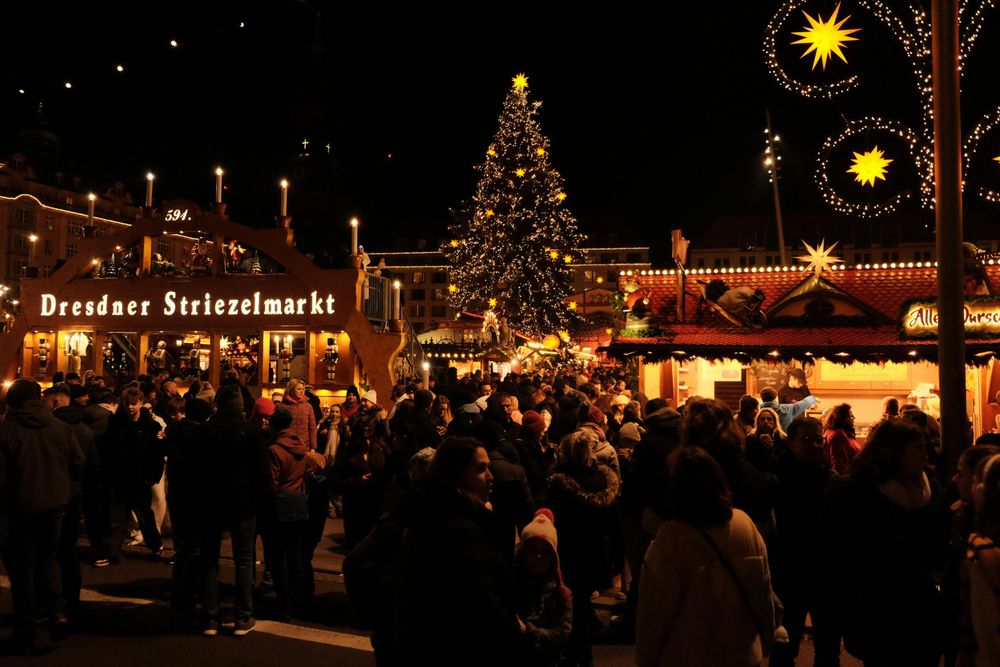
| Dresden — Striezelmarkt | 25 Nov – 24 Dec 2026 | Confirmed (official) | Germany's oldest documented Christmas market (since 1434) on the Altmarkt | Dresdner Christstollen (the original fruit Stollen) |
| Cologne — Cathedral market | 23 Nov – 23 Dec 2026 | Confirmed for Cathedral market; other Cologne markets vary | Iconic market right beneath Cologne Cathedral; the city has 6–7 themed markets | Reibekuchen (potato pancakes) and Glühwein |
| Vienna — Rathausplatz Christkindlmarkt | 13 Nov – 26 Dec 2026 | Confirmed (official) | One of Europe's largest; adjacent ice rink ("Ice Dream") into January | Punsch and Maroni (roasted chestnuts) |
| Vienna — Schönbrunn Palace market | 6 Nov 2026 – 6 Jan 2027 | Confirmed by the palace | Baroque palace backdrop; runs longest of the Vienna markets | Glühwein and Bratapfel (baked apple) |
| Strasbourg — Marché de Noël | Opens 27 Nov 2026; closing date to confirm | Opening confirmed; full 2026 closing calendar not established here | Calls itself "Capital of Christmas" since 1570; giant tree on Place Kléber | Vin chaud and bredele (Alsatian biscuits) |
| Prague — Old Town & Wenceslas Squares | 28 Nov 2026 – 6 Jan 2027 | Confirmed by Prague City Tourism for both squares | Gothic skyline, giant tree on Old Town Square, runs well into January | Svařák (mulled wine) and trdelník |
| Budapest — Vörösmarty Square / Advent Basilica | Advent Basilica: 13 Nov 2026 – 1 Jan 2027 | Basilica confirmed; verify Vörösmarty separately | Light show projected onto St. Stephen's Basilica; thermal baths nearby | Kürtőskalács (chimney cake) and mulled wine |
| Tallinn — Town Hall Square | 20 Nov 2026 – 6 Jan 2027 | Confirmed by organiser | Medieval old town setting, claims one of Europe's earliest public Christmas trees | Hõõgvein (mulled wine) and blood sausage |
| Copenhagen — Tivoli Gardens | ~13 Nov 2026 – early Jan 2027 | Expected window (verify) | Historic amusement park lit up with Nordic Christmas decor; entry ticket required for Tivoli | Gløgg and æbleskiver (pancake balls) |
| Kraków — Rynek Główny | Planned: 27 Nov 2026 – 3 or 6 Jan 2027 | Provisional organiser dates; closing day unresolved | Stalls around Europe's largest medieval square and the Cloth Hall | Oscypek (grilled smoked cheese) and mulled wine |
Germany: the heartland of the Christmas market
Germany invented the modern Christkindlmarkt, and three names sit at the top of every list.
Nuremberg's Christkindlesmarkt (27 November – 24 December 2026, confirmed officially) is the one most travellers picture: hundreds of red-and-white striped stalls on the Hauptmarkt, the opening ceremony where the Christkind reads a prologue from the Frauenkirche balcony, and the city's protected Nürnberger Lebkuchen gingerbread. It is famously strict about authenticity — no plastic, no canned music. For a full breakdown of the stalls, traditions and where to stay, see our Nuremberg Christkindlesmarkt deep dive.
Munich's Christkindlmarkt on Marienplatz (20 November – 24 December 2026, confirmed) wraps around the New Town Hall, with a 30-metre tree and live music from the balcony on Advent evenings. It is one of the easiest big markets to combine with an Alpine side trip.
Dresden's Striezelmarkt (25 November – 24 December 2026, confirmed) is the dates-and-history heavyweight: first documented in 1434, it is widely cited as Germany's oldest Christmas market. The Altmarkt fills with Erzgebirge woodcraft, and the season peaks with Stollenfest, a parade for the city's giant fruit Stollen.
Cologne rounds out the German set. The market directly beneath the cathedral runs 23 November – 23 December 2026 (confirmed for the Cathedral market; the city's other six or so themed markets each have slightly different dates, so check individually if you want the harbour or "Angel" markets too).
France: Strasbourg, the Capital of Christmas
Strasbourg has announced that its 2026 Christmas market opens on 27 November, according to the official city event site. Check the final closing calendar before planning a late-December visit; the opening announcement alone does not confirm the full season. Place Kléber and the historic squares across Grande Île give you several areas to explore. Our Strasbourg, Capital of Christmas guide covers the city in more depth.
Austria: imperial elegance in Vienna
Vienna's flagship Rathausplatz Christkindlmarkt runs 13 November – 26 December 2026 (confirmed), with an adjacent ice rink that stays open into January. The city's other markets — including the Baroque Schönbrunn Palace market (6 November 2026 – 6 January 2027, confirmed by the palace) and the artisan-focused Spittelberg and Karlsplatz markets — give Vienna one of the longest and most varied festive seasons in Europe. Our Vienna Christmas markets guide maps out which to visit on a short break.
Central Europe: Prague, Budapest, Kraków and Tallinn
Prague is the value champion of the group. Its main markets on Old Town Square and Wenceslas Square run 28 November 2026 – 6 January 2027, as listed for both squares by Prague City Tourism. The Gothic backdrop and the giant tree make Old Town Square one of the most photogenic markets anywhere; see our Prague Christmas markets winter guide for itineraries.
Budapest’s Advent Basilica at Szent István Square runs 13 November 2026 – 1 January 2027, according to its organiser. This confirmation applies to the Basilica market. Vörösmarty Square is a separate event: check its own calendar rather than assuming the two markets share dates.
Kraków plans its Rynek Główny market for 27 November 2026 to either 3 or 6 January 2027, according to organiser ARTIM, rechecked 12 October 2026. The closing date and daily hours remain provisional; our Krakow Christmas market weekend guide separates the confirmed planning information from the proposed itinerary, while Tallinn’s Town Hall Square market runs 20 November 2026 – 6 January 2027, confirmed by the organiser.
Scandinavia: Copenhagen's Tivoli
Copenhagen's Tivoli Gardens transforms into a Nordic winter wonderland with wooden stalls, gløgg and an ice rink. Note that, unlike most markets on this list, Tivoli requires a paid entry ticket to the gardens. Expected dates are roughly 13 November 2026 to early January 2027 (verify on Tivoli's official calendar).
How to plan your Christmas market trip
- Go in the last week of November or the first three weeks of December. The markets are fully open, but the heaviest crowds and highest hotel prices cluster around the final pre-Christmas weekend.
- Many markets close on 24 December. German markets in particular shut on Christmas Eve, while Vienna, Prague, Budapest and Tallinn often run into early January. Always check the closing date for your specific dates.
- Combine two or three cities by train. Nuremberg–Munich, Vienna–Budapest and Strasbourg–Colmar are all easy festive pairings. For more two- and three-day ideas, browse our weekend getaways section.
- Bring cash and a deposit-friendly mindset. Most stalls take cash, and your Glühwein mug usually carries a refundable deposit (Pfand) you reclaim when you return it.
- Dress for standing still. You will spend hours outdoors, often on cold cobblestones — thermal layers and waterproof boots beat fashion every time.
- Book big-ticket sights before you fly. December is the busiest month of the year at the top attractions — you can book skip-the-line tickets online in advance for Prague, Vienna and Budapest.
Frequently Asked Questions
After the markets: many stalls run into early January, and the winter-events calendar keeps going — see our guides to New Year's Eve in Europe and the best carnivals in Europe for 2027.
Sources and official date pages
Always confirm dates on the official market or city tourism site before booking. The most authoritative sources for the markets above are:
- Nuremberg Christkindlesmarkt — christkindlesmarkt.de
- Munich Christkindlmarkt — muenchen.de
- Dresden Striezelmarkt — striezelmarkt.dresden.de
- Vienna Christmas markets — wien.info
- Strasbourg Marché de Noël — noel.strasbourg.eu
- Cologne Cathedral market — colognecathedral.de
Frequently Asked Questions
When do European Christmas markets open in 2026?
Openings vary by market. Vienna’s Schönbrunn starts on 6 November and Rathausplatz on 13 November. Strasbourg opens on 27 November; Prague’s Old Town and Wenceslas Square markets open on 28 November. Use the table to distinguish confirmed dates from provisional information, and verify the exact market before booking.
Which is the best Christmas market in Europe?
There is no single winner, but Strasbourg, Nuremberg and Vienna are the most consistently top-ranked for atmosphere and scale. Strasbourg styles itself the "Capital of Christmas," Nuremberg is Germany's most famous, and Vienna offers the most markets in one city. For value and fairytale scenery, Prague and Budapest are hard to beat.
What is the oldest Christmas market?
Dresden's Striezelmarkt is one of the oldest, first documented in 1434, and is widely cited as Germany's oldest. Other markets such as Bautzen (1384) and Munich (records back to the 14th century) also claim early origins, so the "oldest" title depends on how you define a Christmas market.
Which European city has the most Christmas markets?
Vienna is often cited as having the most, with around twenty markets across the city, from the giant Rathausplatz market to small artisan markets like Spittelberg. Cologne also runs six to seven distinct themed markets within walking distance of each other.
Are Christmas markets free to enter?
Yes — almost all European Christmas markets are free to enter, and you pay only for food, drinks and gifts. The main exception on this list is Copenhagen's Tivoli Gardens, which requires a paid entry ticket to the park that hosts its festive market.
Do Christmas markets close on Christmas Day?
Some close on 24 December, while others continue into January. Schönbrunn, Prague’s Old Town and Wenceslas Square markets, Advent Basilica and Tallinn have announced seasons extending beyond Christmas. Check each venue’s holiday opening hours separately; a season end date does not establish its hours on 25 December.

Keep Exploring
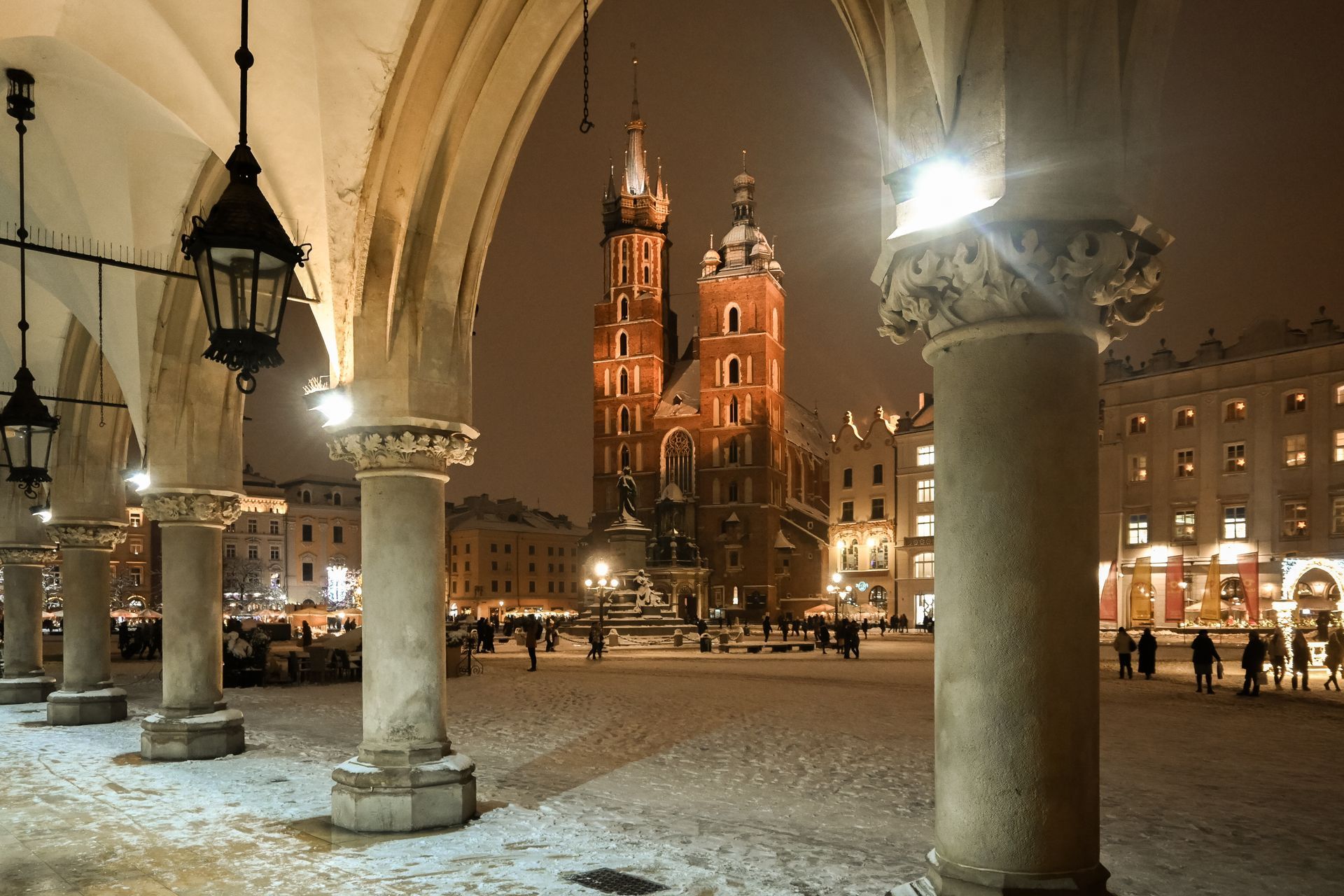
Krakow Christmas Markets 2026: Dates and Weekend Guide
Plan a Krakow Christmas weekend with provisional 2026 market dates, airport fares, a 48-hour itinerary and a clearly labelled sample budget.
Best Time to Visit Oaxaca: Weather and Festivals
Choose Oaxaca dates around comfortable sightseeing or a specific celebration. Compare the seasons, festival commitments and alternatives for rainy days.

Best Time to Visit Kyoto: Seasons and Tradeoffs
Compare Kyoto's seasons by walking comfort, crowds and seasonal scenery. Plan around uncertain blossom dates, summer heat and shorter winter days.