
Uji from Kyoto: Tea, Temples and a Riverside Visit
Plan Byodoin, a tea experience and Uji’s river, with separate interior tickets, station choices and current visitor notices.
Choose Uji for a day built around Byodoin, a deliberate tea stop and a walk beside the river. It is a useful change of pace from central Kyoto when you want to spend longer in a compact area. It is less satisfying as a hurried stop for a matcha dessert between two other major excursions.
The key decision is whether you want to enter the Phoenix Hall or mainly enjoy the garden, museum and town. Interior admission has its own arrangements and can involve waiting. A booked tea experience adds another fixed time. Decide which matters most, then leave the rest of the day flexible. Our Kyoto highlights guide helps weigh Uji against the city's other cultural visits.
A practical shape for the day
Allow roughly half a day in Uji for Byodoin, one tea stop and a short river walk; use most of a day if you want an interior visit, a longer tea activity and the opposite bank. These are editorial planning estimates, excluding travel from your accommodation, rather than official route times.
| Your priority | Build the visit around | Leave flexible |
|---|---|---|
| Architecture and Buddhist art | Byodoin garden, Hoshokan Museum and optional Phoenix Hall interior | Café choice and shopping |
| Learning about tea | One confirmed ceremony or workshop | Number of temples |
| A relaxed first visit | Byodoin exterior, tea and river | Extra museums and distant detours |
| Historic buildings across the river | Ujigami Shrine as well as Byodoin | A second long café queue |
Avoid booking a tea session immediately after an assumed Phoenix Hall slot. You cannot know your same-day interior ticket time simply by looking at the garden's opening hour. If the ceremony is the essential experience, protect that reservation and accept an exterior-focused temple visit if necessary.
Choose the right Uji station
JR Uji and Keihan Uji are separate stations. From Kyoto Station, the JR Nara Line is the straightforward rail option to JR Uji. From the Gion-Shijo or Sanjo area, Keihan can fit better: travel to Chushojima and change to the Uji Line. The local temple Koshoji sets out both approaches in its official access guidance.
Choose from your actual accommodation, not from an itinerary's assumed starting point. Check the current train and stopping pattern, especially if mixing local and faster services. Save the station's operator as well as “Uji” in your map, and check which station your return ticket or pass covers.
Both approaches allow an outing on foot, but they begin on different sides of the central area. Plan the order of your temple, river crossing and tea reservation accordingly. Keihan's Uji area guide is useful for locating attractions and understanding the town beyond a single shop address.
A rail pass is not automatically a saving for this outing. Compare the journeys you will actually make and the operators included, rather than buying a wider product just because Uji appears on its map. Keep the return journey simple if your day ends with a reservation back in Kyoto.
Byodoin: separate the garden ticket from the interior
The official visitor guide lists the following ordinary arrangements, checked on 6 November 2026.
| Byodoin visit | Current arrangement |
|---|---|
| Garden | 08:45–17:30; last entry 17:15 |
| Hoshokan Museum | 09:00–17:00; last entry 16:45 |
| Garden and museum admission | Adults ¥700; junior/high school students ¥400; elementary pupils ¥300 |
| Phoenix Hall interior | Additional ¥300, with a separate timed ticket |
The garden admission does not automatically secure an interior place. Buy the additional ticket at the reception inside the grounds if you want to enter the hall. The temple's interior-visit instructions explain the process, Japanese-language commentary and translated printed material. Bring cash for this additional ticket; the general FAQ distinguishes its payment rules from those for ordinary admission.
The current capacity notice limits each interior group to 35 visitors and warns that peak-season waits may increase. It also provides a specific re-entry exception while holders of a valid interior ticket await their slot. Confirm that arrangement with staff before leaving; it does not create unrestricted re-entry after the tour, and missing your time does not entitle you to a change or refund.
Decide promptly whether the available slot fits your day. Waiting can be worthwhile if Buddhist sculpture is your main interest. If it would make you miss a valued tea booking, the garden and museum remain a substantial visit in their own right.
Look beyond the familiar pond photograph
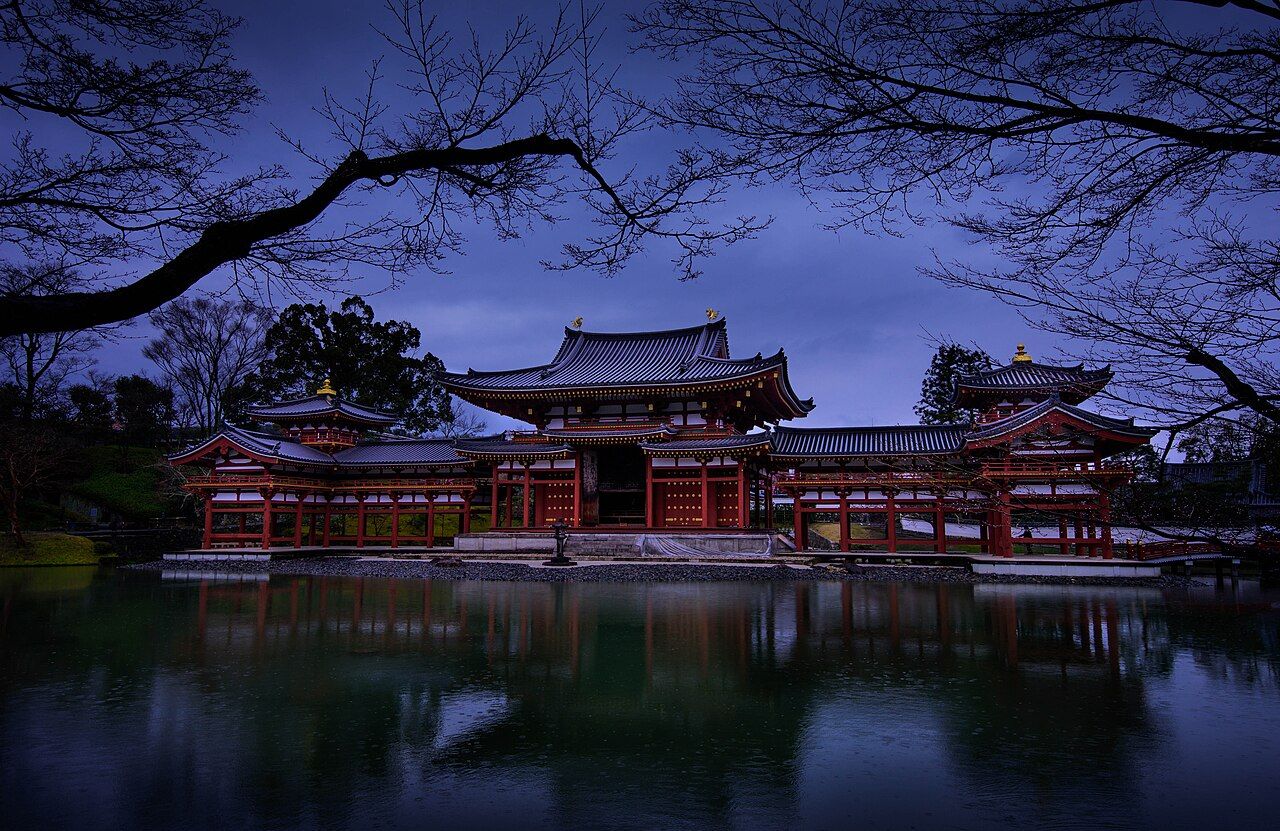
Phoenix Hall was built in 1053. The temple's architecture account explains its relationship with the Buddhist Pure Land and the way the building extends across its pond setting. Notice the central hall, the spreading side sections and the roof ornaments before focusing on a photograph.
Move with the visitor route and allow space at viewpoints. Reflections depend on light and the water's surface; a perfect mirrored image is not guaranteed. The building's shape and relationship with the landscape still reward attention when the sky is overcast or the pond is disturbed.
Give the museum time instead of treating it as an exit corridor. The Hoshokan collection includes the original phoenix figures and cloud-borne bodhisattvas, making it a different encounter with the temple's art from looking across the water. Check room notices if there is a particular display you hope to see.
A temporary restriction is currently in effect: the Tobira-e room notice announces closure from 2–27 November 2026, with weekends and 23 November excepted. This concerns the room recreating the hall's original colours and door paintings, not the whole museum. Dates may change, so revisit the notice before travelling.
Do not plan an evening temple visit from an illuminated photograph. Byodoin's night-viewing announcement says special nighttime viewing is suspended, with no autumn programme and no confirmed restart. Ordinary daytime opening is the reliable basis for this itinerary.
Choose one kind of tea experience
A matcha dessert, a carefully brewed cup and a tea ceremony offer different things. Decide whether you want a pleasant break, a comparison of flavours or time learning a procedure. Choosing that first is more useful than collecting a list of famous cafés and spending the afternoon in successive queues.
For a drink within the temple visit, Sabo Toka serves matcha, gyokuro and sencha. Its usual closed days are Monday, Tuesday and Wednesday, with holiday and seasonal exceptions. Check the current opening arrangements rather than assuming that an open temple means an open tea room. It is a tea stop, not a substitute for booking a hands-on class.
For a structured experience, the municipal Taihoan tea house offers different sessions. Its tea-making experiences require booking at least three days ahead. Read the selected session's duration, seating and conditions: observing a serving and making tea yourself are different products, and not every session uses chairs.
If the cultural history or an activity appeals more than a formal ceremony, Chazuna's experience programme gives another option. Choose a dated session with availability rather than assume that every activity advertised somewhere in the year runs on your visit. Add travel time from the town centre to your confirmed booking.
Leave room for ordinary food as well as sweets. A dessert queue can consume the gap intended for lunch, particularly if you also have a timed temple visit. Pick a sensible meal near the part of town you are already exploring; the day does not need a second destination restaurant to be worthwhile.
Cross the river for a different architectural mood
The river walk gives the visit breathing room between indoor or ticketed stops. Use the open paths and bridges shown on the current local map, and adapt to weather or barriers. Do not make access to every waterside section a condition of enjoying Uji.
On the eastern side, Ujigami Shrine offers a contrast with Byodoin's pond composition. The Kyoto Prefecture heritage account identifies the main sanctuary as Japan's oldest surviving shrine architecture. Look at its restrained wooden forms and setting rather than expecting another brightly coloured pavilion.
Ujigami Shrine and nearby Uji Shrine have similar names but are separate places. Check the map carefully, leave space for worshippers and follow local photography signs. A quiet visit is more appropriate than treating the grounds as a stage for a prolonged photo session.
If mobility is a concern, choose a shorter route with fewer changes of surface and ask individual venues about access. Byodoin's FAQ confirms wheelchair access to the garden and museum but identifies gravel and areas that are not accessible, including the Phoenix Hall interior. Do not describe the whole Uji outing as step-free just because the central attractions look close on a map.
Keep Nara or another major excursion separate
Uji and Nara may look easy to combine on a rail map, but travel connections are only one part of the calculation. Temple visits, walking, lunch and a tea session use the same daylight hours. Our Nara day-trip guide helps compare a temple-and-park day with Uji's tea-and-river focus.
Choose Uji when the smaller set of activities is what you want to linger over. Choose Nara for its own priorities, rather than adding it automatically because a train continues south. Combining them is possible for a selective traveller, but it requires giving up depth somewhere, not simply walking faster.
Before leaving Kyoto, recheck the interior visit, temporary museum notice and any tea booking. With those settled, you can let the river walk, shopping and meal respond to the day. That balance is what makes Uji a satisfying excursion rather than another collection of hurried stops.
Cover photograph: Phoenix Hall at Byodoin in Uji across the pond at blue hour — Photograph taken in 2017. The image does not imply evening admission. — Pai-Shih Lee (白士 李), CC BY 2.0.
Frequently Asked Questions
Is half a day enough for Uji?
It can cover Byodoin, a tea stop and a short river walk. Allow most of a day for an interior wait, a longer booked experience and the opposite bank. These are planning estimates, excluding travel from your accommodation.
Does Byodoin admission include the Phoenix Hall interior?
No. Ordinary admission covers the garden and museum. The interior requires a separate timed ticket and additional payment, with limited capacity and possible waits.
Can I visit Byodoin at night?
Do not assume so. The temple has suspended special nighttime viewing and has not announced a restart. Plan around daytime hours and check its current official notice.
Should I book a tea experience?
Book if a particular ceremony or workshop is central to your day. Taihoan's tea-making sessions require advance booking, while other sessions and venues have their own conditions. A café visit and a hands-on experience are different plans.


Keep Exploring
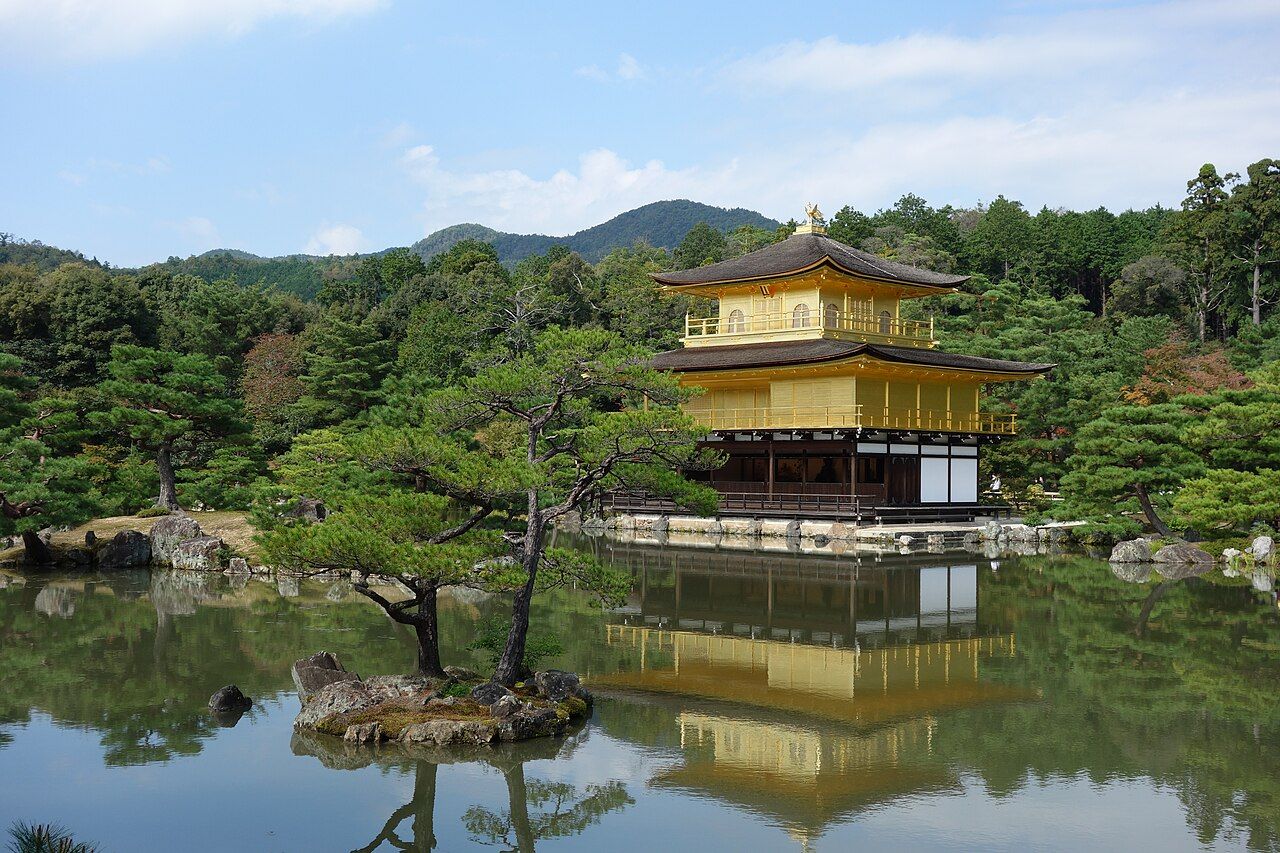
Kinkaku-ji: Plan Your Kyoto Temple Visit
Plan the Golden Pavilion, pond walk and northwest Kyoto journey, with current admission, access and photography rules.
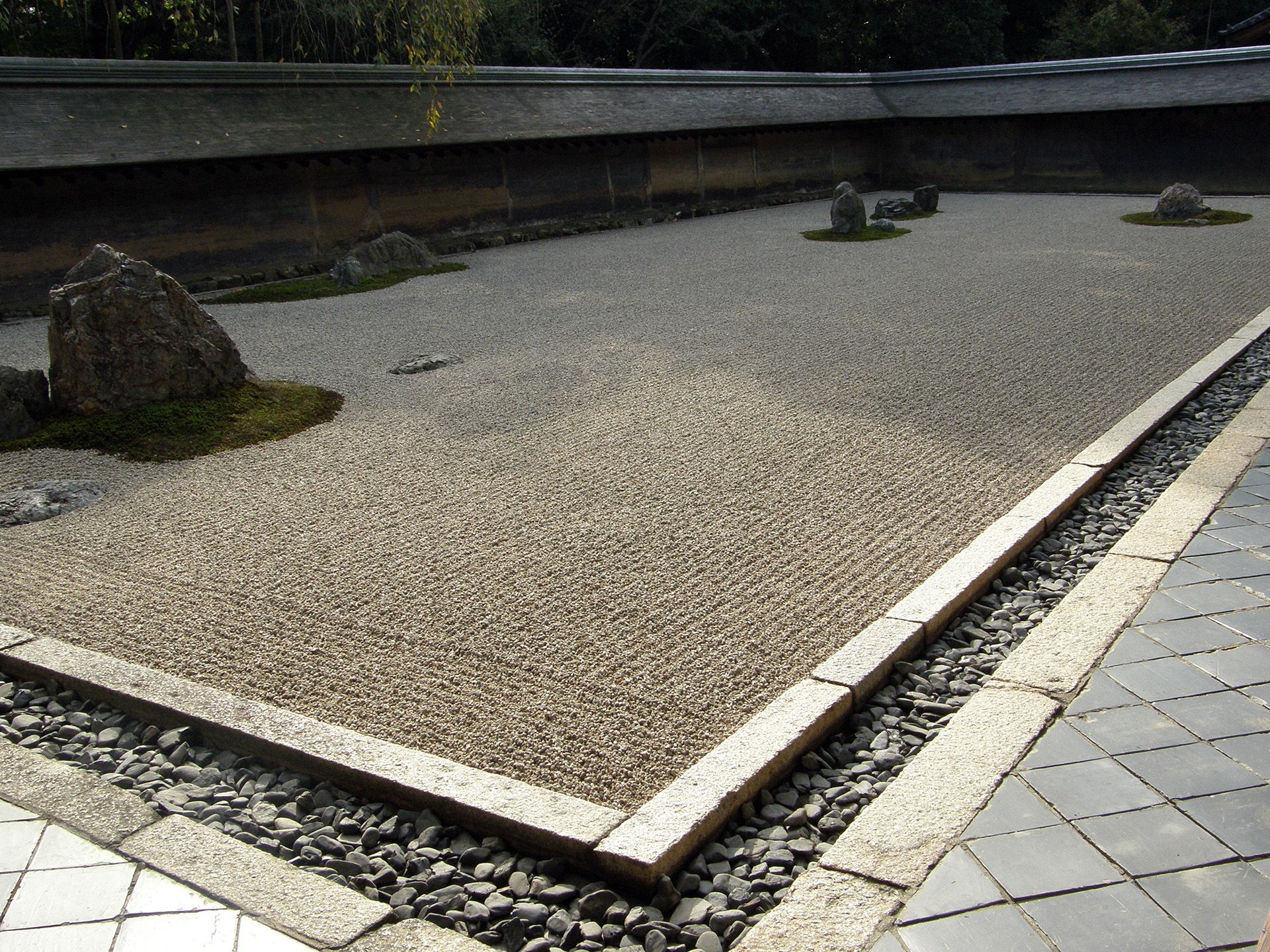
Ryoan-ji Kyoto: Rock Garden and Temple Visit
Plan Ryoan-ji’s rock garden and pond walk, with current admission, winter hours and the separate autumn 2026 evening programme.
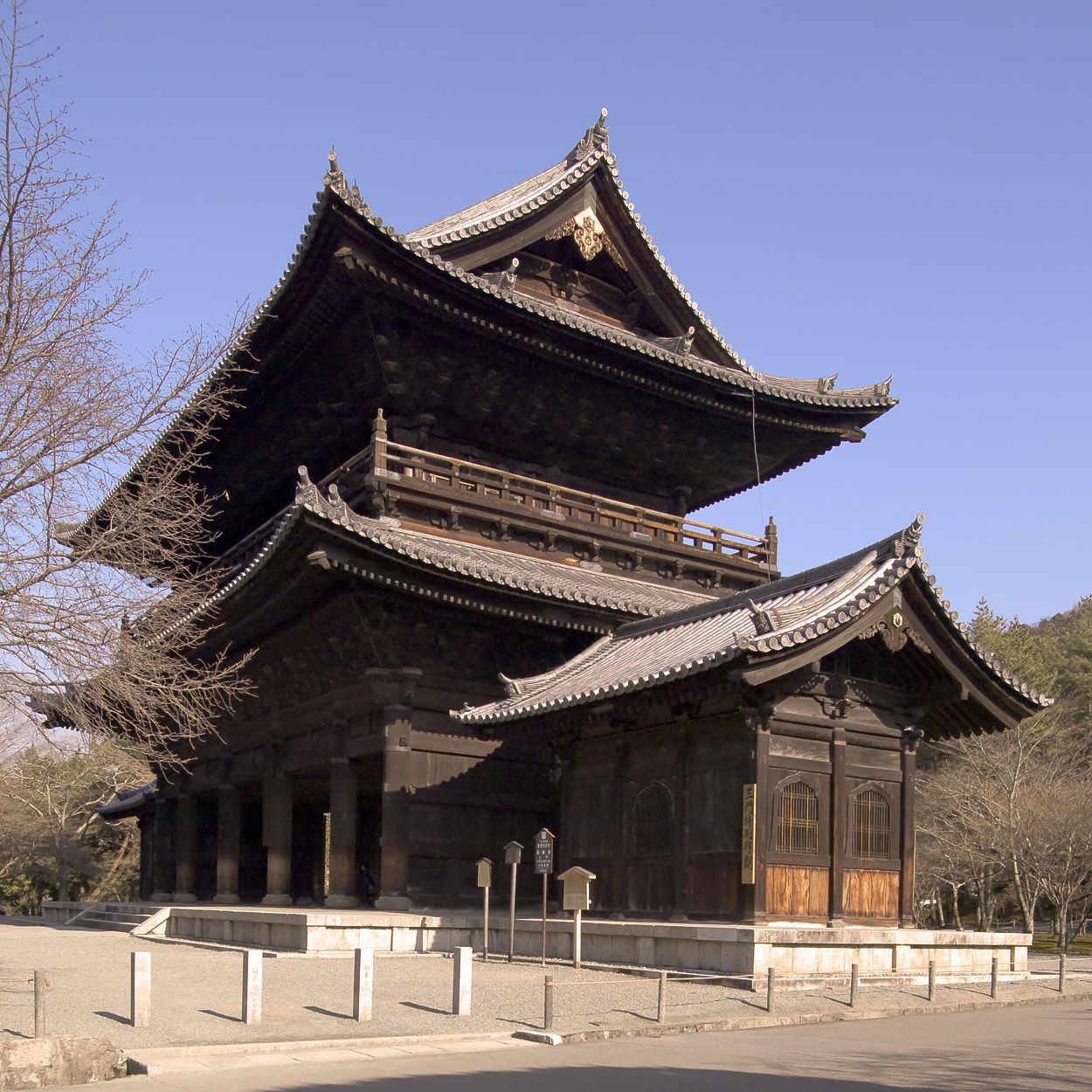
Nanzen-ji: Choose Your Kyoto Temple Visit
Choose Sanmon, the Hojo garden and the aqueduct at Nanzen-ji, with separate fees and the limited November 2026 opening of Nanzen-in.