
Rabat History and Civilizations Museum: Plan Your Visit
Plan Rabat’s archaeology museum: ancient bronzes, objects from Volubilis, opening days, admission and a focused route through the collection.
Choose Rabat's Museum of History and Civilizations if you want to connect Morocco's ancient objects with the places they came from. Its archaeological collection moves from prehistory through antiquity to the Islamic periods. The attraction is looking closely at sculpture, tools, ceramics and inscriptions, rather than walking through another palace or touring a Roman city outdoors.
Often still called the Rabat Archaeological Museum, it makes a useful cultural anchor for a morning in the capital. Our Morocco in seven days guide explains where Rabat fits into a realistic trip. For a contrasting outdoor outing afterwards, consider our Kasbah of the Udayas guide rather than automatically adding another museum.
Essential visiting information
| Detail | What to plan around |
|---|---|
| Official name | Musée de l'Histoire et des Civilisations |
| Address | 23 rue El Brihi, Hassan, Rabat |
| Regular hours | 10:00–18:00; closed Tuesday |
| Published adult admission | MAD 20 |
| Youth categories | Official page lists MAD 10 from age 12 and MAD 5 below 12; confirm applicable category |
| Suggested visit | 60–90 minutes for a selective visit |
| Main focus | Archaeology, including ancient bronzes and marble sculpture |
Practical details were checked on 25 November 2026 against the National Museums Foundation's museum page. Its age wording does not define the upper limit of the youth category, so ask the ticket desk rather than assuming every visitor aged 12 or over pays MAD 10. Visit duration is our editorial estimate; special arrangements and holidays should be reconfirmed.
Make sure you are choosing the right museum
The older name, Archaeological Museum, and the current name refer to the same institution. Following renovation, it reopened in April 2017 as the Museum of History and Civilizations. Use the full French name and street address when asking for directions; “the museum in Rabat” is not specific enough.
The Mohammed VI Museum of Modern and Contemporary Art is a different institution. Choose that for modern painting and contemporary exhibitions; choose this museum for archaeological objects and a much longer chronology. Rabat's attractions are not interchangeable simply because several fit under the word culture.
The Casablanca regional tourist office's Rabat introduction explicitly distinguishes these two museums. That distinction is useful for mixed-interest groups: agree whether you want art of recent centuries or material evidence from earlier societies before buying admission.
Start with chronology, then choose your own emphasis
Begin by locating the broad sequence of the galleries. A first circuit can establish how the museum moves between prehistoric material, ancient Mediterranean connections and later Islamic periods. You do not need to read every label immediately; first understand how the different kinds of objects fit together.
Then decide what deserves your attention. Someone interested in faces and bodies can give more time to sculpture. Someone who enjoys evidence of everyday life can compare containers, tools and small objects. A visitor drawn to written language can look more closely at inscriptions. These are different ways of exploring the same collection, not competing tests of knowledge.
An effective question at each stop is: what could this object tell us that a building alone could not? A tool suggests an action; a vessel suggests handling or storage; a portrait suggests how a person wanted to be seen. Read the label afterwards to check whether your first impression fits the museum's identification.
Ancient bronzes: look beyond the famous names
The museum's collections include celebrated bronzes associated with Juba II, Cato and youthful male figures known as ephebes. These are collection highlights, not a guarantee that every object will be in its usual position during your visit. Conservation work and loans can change displays; ask on arrival if one piece is essential to you.
There is good primary evidence for their importance beyond a tourism checklist. Spain's National Archaeological Museum included Moroccan bronzes in its 2022 exhibition on connections across the Strait of Gibraltar. That historical exhibition is not current booking information, but it helps explain why these objects merit time.
With a portrait, examine the head before reading the famous name. Look at the direction of the eyes, the treatment of hair and the transition from face to neck. With a standing figure, notice how weight is carried and whether the arms make the body seem active or still. These simple observations make the difference between recognising a label and actually seeing a sculpture.
Avoid turning a modern museum identification into a claim that you know the person's private character. Portraits are constructed representations. A stern face can invite a question about authority without proving that the individual was stern in everyday life.
Understand the connection to Volubilis
Volubilis is a recurring reference because archaeological objects recovered there help give the museum its depth. The UNESCO account of the site places it within a history involving Mauretanian, Roman and later Islamic phases. It also identifies sculpture, mosaics and inscriptions among the material produced by the ancient city.
The museum and the archaeological site answer different questions. In Rabat you can inspect individual objects under museum conditions. At Volubilis, the relationship between streets, houses, public buildings and landscape becomes the main experience. Seeing one does not reproduce the other.
If your trip includes both, use the museum to choose a question to carry to the ruins: where might sculpture have been displayed, how did domestic spaces relate to public life, or what information survives in inscriptions? Do not assume an object's exact findspot unless the label establishes it. A general association with Volubilis is not a precise archaeological context.
For a short stay confined to Rabat, the museum can still stand on its own. You do not need to add a long excursion merely to justify enjoying the collection.
Give smaller objects a fair share of the visit
Large bronzes naturally attract attention, but a visit focused only on them misses the changes in materials and purposes across the collection. Choose a ceramic object, a tool or a coin as a counterpoint to a statue. Compare scale, workmanship and likely handling, using the label to distinguish an interpretation from an established function.
The Foundation's collection presentation describes medieval coins, scientific instruments and architectural fragments alongside earlier objects. Treat this as background to the collection rather than a guarantee that every item is on display on your date.
Small objects can make a long chronology easier to follow. Instead of trying to retain a list of dynasties, notice one change in a material, decoration or use. A remembered comparison between two things is often more useful than a page of names that loses its meaning as soon as you leave.
Inscriptions and the open-air patio
The museum also presents stone material in an open-air patio. The collection includes inscriptions and funerary or votive stones from different periods. This changes the pace after close looking in galleries and reminds you that archaeological evidence includes written and architectural fragments as well as complete-looking statues.
Look first at how writing occupies the surface: the size of letters, the spacing, the shape of the stone and the relationship between text and decoration. You need not read the original language to notice these decisions. Then use the label for the translation or context, if provided.
Do not rub, trace or touch carved surfaces. For a photograph, adjust your position within the permitted visitor area rather than moving close enough to risk contact. Weather can affect how appealing the patio feels, so keep some flexibility instead of treating the entire museum as a fully indoor refuge.
Plan for access and practical questions
Use the official street address for navigation and check the walking route from wherever you are staying or arriving. Avoid a precise arrival promise based only on “central Rabat”: the museum, kasbah, railway stations and Chellah are separate destinations. A taxi can make sense when conserving walking energy matters more than fitting in another street stroll.
The museum page does not provide a detailed step-free route, lift specification or complete accessibility statement. If those details affect your visit, contact the museum on +212 537 20 03 98 before travelling. Ask about entry, access between display levels, the patio and toilets separately; one accessible entrance does not establish that every space works for you.
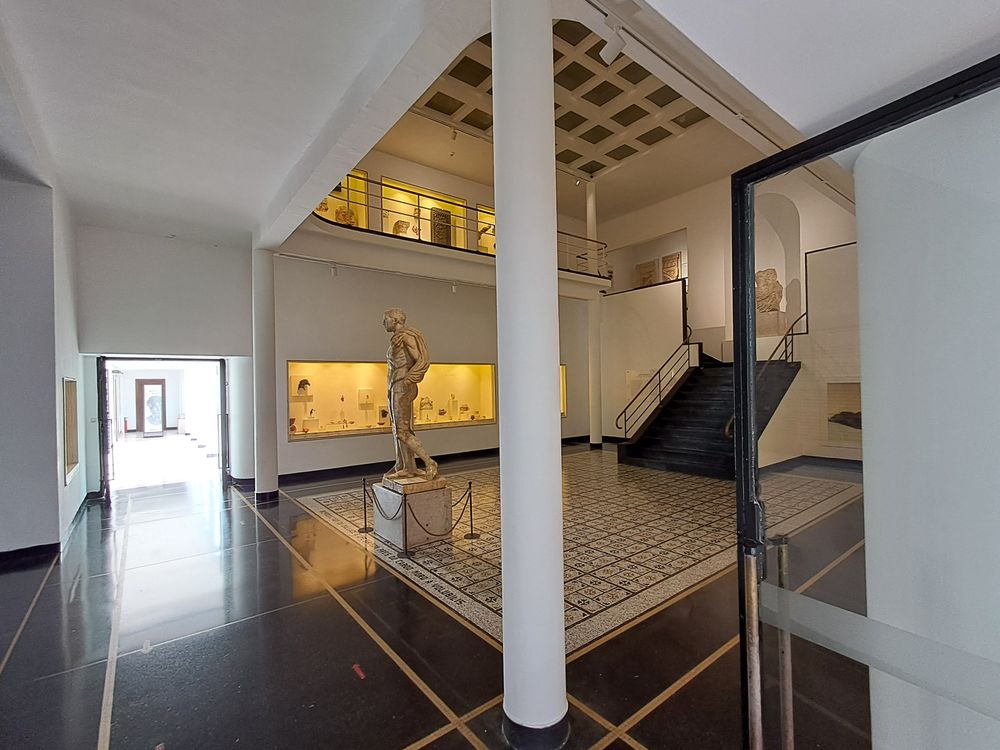
Check photography, bags and any temporary gallery limitations with reception. A freely licensed photograph illustrating this article is not evidence that visitors may use every kind of camera equipment. Our cover shows the museum interior on 28 October 2026; it records that photographed setting, not a promise of today's exact display.
How to use an hour, or a little longer
For roughly an hour, orient yourself, select the sculpture that interests you most, then contrast it with a small object and an inscription. For 90 minutes, follow more of the chronological route and revisit one object after reading its context. These are planning suggestions, not official circuits with guaranteed completion times.
With children, choose a modest observation task: find two materials, compare a standing figure with a portrait, or identify a repeated shape. Avoid asking them to remember a long succession of periods. End while there is still curiosity rather than making every case compulsory.
Afterwards, choose a meal and one contrasting activity. The national tourist office's Rabat guide introduces the capital's wider cultural setting. A kasbah walk offers architecture and open air; another art museum offers a second concentrated indoor experience. Let your energy and interests decide, not the number of nearby map pins.
Cover photograph: Museum of History and Civilizations in Rabat, with an ancient marble figure and illuminated display cases, October 2026 — Archive photograph 2026 — Ideophagous, CC BY-SA 4.0.
Frequently Asked Questions
Is this the same as the Rabat Archaeological Museum?
Yes. The institution reopened after renovation in April 2017 under the name Museum of History and Civilizations. Use its current name and 23 rue El Brihi address for directions.
What are the opening hours?
The Foundation lists 10:00–18:00, closed Tuesday. Recheck holiday and exceptional arrangements before travelling.
How much does admission cost?
The current official page lists MAD 20 for adults. It also lists youth rates with an unclear upper age boundary, so confirm the applicable category at reception.
Are the Volubilis bronzes guaranteed to be on display?
They are important collection highlights, but individual loans, conservation or display changes are possible. Ask directly if a particular object is your main reason to visit.
How long should I spend?
Allow 60–90 minutes as an editorial estimate for a selective visit. Add time if you enjoy detailed labels, comparing objects or revisiting the sculpture displays.


Keep Exploring
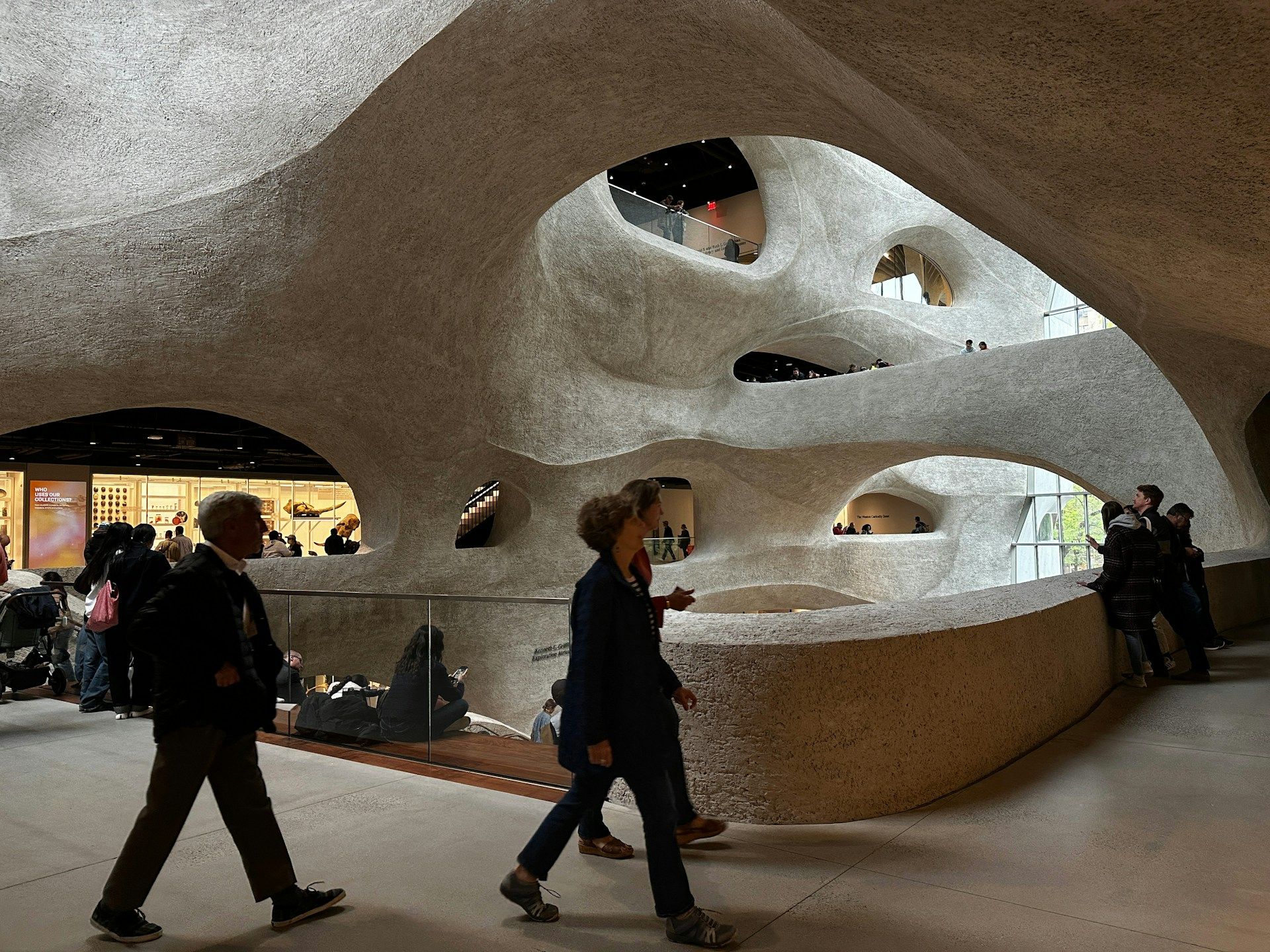
American Museum of Natural History: Plan Your Visit
Choose AMNH halls, tickets and one timed extra, with dinosaur, ocean-life and access advice for a manageable New York museum day.
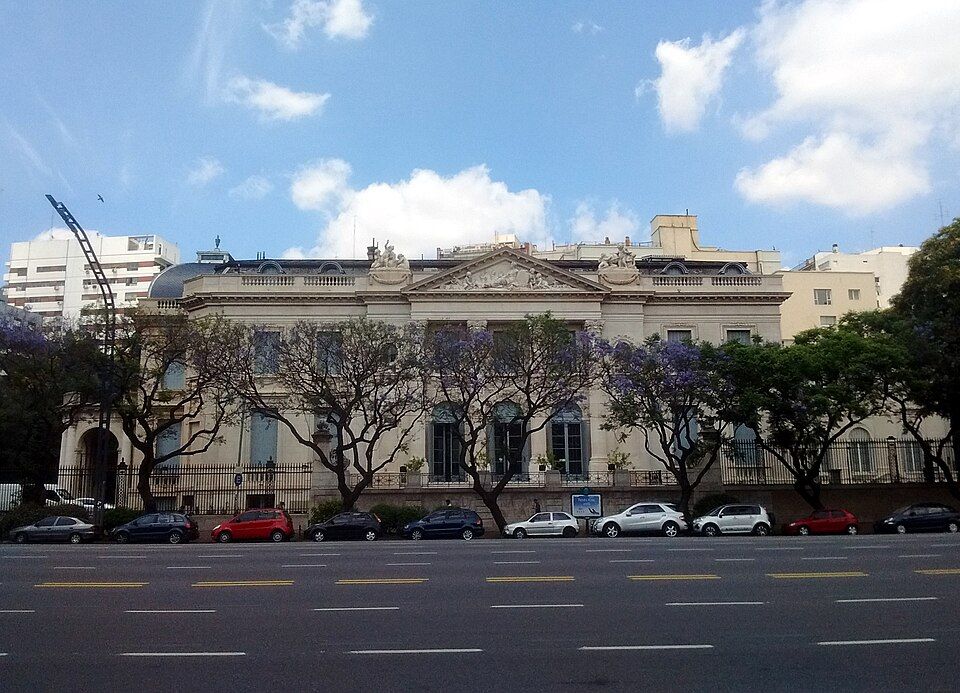
Buenos Aires Decorative Art Museum: Plan Your Visit
Plan Buenos Aires's Decorative Art Museum: free afternoon entry, palace rooms, the 16:00 tour and practical access at Palacio Errázuriz Alvear.
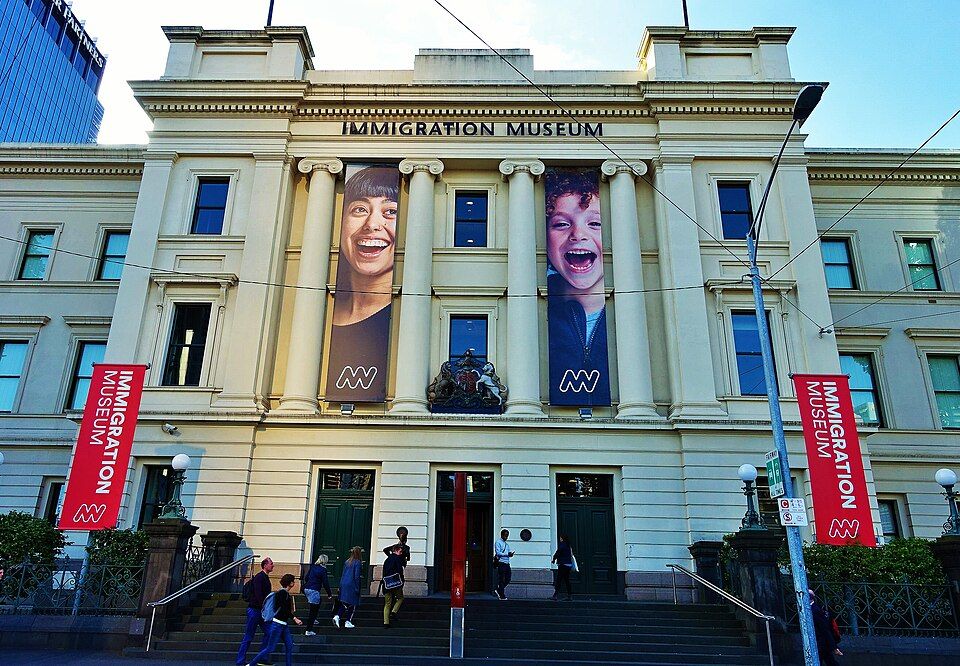
Immigration Museum Melbourne: Plan Your Visit
Choose Melbourne’s Immigration Museum galleries, current exhibitions or a guided tour, with ticket eligibility, access and a thoughtful visiting plan.