
Buenos Aires Decorative Art Museum: Plan Your Visit
Plan Buenos Aires's Decorative Art Museum: free afternoon entry, palace rooms, the 16:00 tour and practical access at Palacio Errázuriz Alvear.
Buenos Aires's Museo Nacional de Arte Decorativo is best approached as a house that teaches you how to look at rooms. The attraction is not simply a sequence of valuable objects: it is the conversation between tapestries, furniture, paintings and spaces designed for particular forms of social life. Choose it if architecture and interiors interest you, especially when you want a substantial cultural stop without an admission charge.
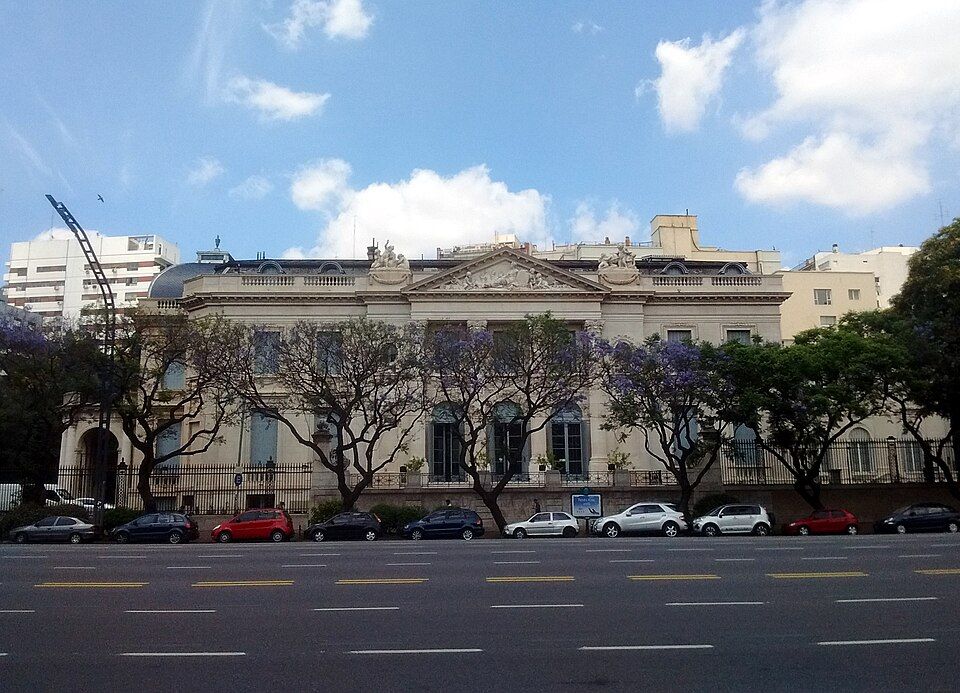
The museum occupies the Palacio Errázuriz Alvear at Avenida del Libertador 1902. It is distinct from Bellas Artes, the larger fine-art museum nearby. Use our Buenos Aires cultural guide to decide which neighbourhood deserves your afternoon, then allow roughly 1½–2½ hours here. That is an editorial estimate for selected rooms, not an official tour duration.
Fast facts
| Decision | Useful starting point |
|---|---|
| Address | Avenida del Libertador 1902, Buenos Aires |
| Current public hours | Wednesday–Sunday 13:00–19:00 |
| Last entry | 18:30; arrive earlier for a meaningful visit |
| Admission | Free, without advance reservation for individual visits |
| Public guided visit | Currently listed at 16:00 on opening days; confirm the programme |
| Main interest | Palace interiors, decorative arts and collecting |
| Practical pairing | One nearby walk or a separately planned Bellas Artes visit |
Start with the afternoon opening pattern
The official visitor page, checked on 25 November 2026, lists Wednesday to Sunday opening from 13:00 to 19:00, with final entry at 18:30. Monday and Tuesday are closed. General admission is free and individual visitors do not need to reserve. This makes the museum flexible, but it is not a morning attraction.
Have lunch before entering, or plan a later meal after a shorter afternoon visit. Arriving at 18:25 may meet the published entry deadline, but gives little room to understand the building. The final admission time is an operational limit, not a recommended itinerary. If the house matters to you, protect a proper block of time rather than inserting it between two fixed appointments.
The same page advertises public guided visits at 16:00, without prior reservation. Check that day's notice and ask about language, meeting point and capacity. Organised groups have separate booking arrangements. A listing for a public tour should not be interpreted as a private guide, an English-language guarantee or permission for a large group to arrive without coordination.
Understand why this house became a museum
The museum's account of its building and collection identifies René Sergent's 1911 design for the residence of Josefina de Alvear and Matías Errázuriz Ortúzar. The Argentine state bought the house and part of its collection in 1936; the museum opened the following year. It therefore preserves a collector's domestic setting while also displaying a collection that has continued to grow.
Read the palace as a deliberately constructed image of cultivated life. Rooms evoke different European traditions rather than one continuous architectural period. Ask what each room was for, how guests would have moved through it and which objects were intended to command attention. These questions explain more than trying to memorise every furniture style before entering.
The collection includes material beyond the original household, and works rotate for conservation. A list of holdings is not a promise that every item will be visible. If one object is essential to your visit, contact the museum beforehand. Otherwise, make the rooms and their relationships the reliable core of your afternoon, leaving particular objects as discoveries.
Begin in the Gran Hall
The Gran Hall gives the clearest first lesson in looking at the building. It is the residence's double-height central room. Its Renaissance and Tudor references form a setting for tapestries and other objects, while the ceiling's apparent wood is actually decorative stucco imitating oak. That material illusion is worth noticing before you concentrate on individual works.
Look up, then step back enough to understand the room's volume without obstructing circulation. Compare the scale of the hangings with the walls and the grouping of seats and tables. Consider whether you would experience a tapestry differently in a small modern gallery. The point is to see how the interior frames an object, not simply to photograph both.
Keep one question for a guide or member of staff: which features belong to the historic residence, and which reflect its later museum presentation? A furnished house museum is neither an untouched time capsule nor an ordinary gallery. Understanding that distinction makes conservation and display choices part of the visit.
Compare two ways of receiving guests
The dining room draws on Versailles, with marble and a setting created for formal entertaining. Look at the relationship between table, surrounding decoration and the guests' lines of sight. It offers a useful contrast with the Gran Hall's height and tapestry-centred atmosphere.
Move next, where access permits, to the Salón de Madame, associated with Josefina's social gatherings. Its Louis XVI references and smaller groupings offer another way to examine how an interior structures conversation. Rather than ranking which room is more impressive, compare what a person could comfortably do in each one.
These are not neutral rooms illustrating a standard Buenos Aires household. They reveal the taste and resources of a particular wealthy family. That context prevents a palace visit from becoming a general claim about how the city lived. Look for the labour and craftsmanship behind the polished surfaces, and let the grandeur prompt questions as well as admiration.
Go upstairs for a different viewpoint
The Galería de los Tapices surrounds three sides of the Gran Hall at the upper level. The institution describes access by stairs or lift. From the gallery, the hall's ceiling and proportions can be considered from a new angle; the change of viewpoint is itself a reason to include this part of the house.
Do not assume that the lift's mention guarantees every route or facility will suit every mobility need. Confirm current operation, entrance arrangements and access to the rooms you want to see. Staff can help identify a useful reduced route if part of the building is unsuitable. A considered ground-level visit is preferable to arriving with an impossible plan for the whole palace.
The exhibition directory distinguishes permanent rooms from temporary shows. Use that distinction when researching: an attractive exhibition page can remain online long after its closing date. Check the date range and whether an entry appears in the archive before deciding that a contemporary installation will be present.
Guided visit or independent route?
A guide is useful when your main interest is the relationship between family history, collecting and room design. Arrive early enough to orient yourself and ask whether the scheduled visit suits your language level. You can look at selected spaces before the tour, then return to an object that made more sense after the explanation, if access allows.
An independent visit works well if you prefer visual comparisons or have limited time. Choose the Gran Hall, two contrasting reception rooms and the upper gallery. Add a temporary exhibition only if its subject interests you. These are editorial priorities, not a guarantee that every room is open or that visitors must follow this order.
For a group with different levels of enthusiasm, agree on a modest shared route and a meeting point. One person may enjoy furniture construction while another prefers painting. The museum does not need to become a test of everyone's knowledge. Choosing one detail per room gives the group something specific to discuss without turning the afternoon into a lecture.
Getting there and handling the practical details
The official visitor page lists Las Heras station on Subte line H and several bus routes as public-transport options. Check the walking leg to Avenida del Libertador 1902 as well as the train journey. An accessible station does not automatically establish an accessible door-to-door route; consider crossings, pavement conditions and the entrance when that matters.
Keep transport and refreshments separate from the free museum admission. No ticket charge does not make the whole outing cost nothing, particularly if a taxi is needed. Using local-currency prices from the operator at the time of travel is more useful than relying on a fixed euro conversion for a future visit.
Ask on arrival about photographs, bags and any room closures. Historic furniture should be treated as part of the display unless staff explicitly identify visitor seating. With children, agree on a simple “look without touching” approach and choose a short material hunt: find a woven object, carved wood and polished stone. This is a suggested observation game, not an advertised museum activity.
Choose one nearby continuation
The Bellas Artes guide helps if you want a more painting-led museum experience. The two institutions complement each other, but their proximity does not make two full visits effortless. Check each one's opening hours and choose whether to divide them across separate afternoons.
A lighter alternative is a walk in the surrounding area followed by a meal. Avoid promising yourself a palace tour, every gallery at Bellas Artes and a broad Palermo walk within the same short afternoon. The decorative-arts museum works best when there is enough attention left to compare rooms, rather than simply record that they were entered.
Before leaving, return mentally to one material illusion, one object and one social space. If those three details have become clearer, the visit has done more than provide a photograph of an elegant building. You have a practical way to read interiors elsewhere in Buenos Aires too.
Cover photograph: Palacio Errázuriz Alvear façade behind flowering trees on Avenida del Libertador in Buenos Aires — Archive photograph 2015 Image adapted for publication. — Roberto Fiadone, Public domain (author dedication).
Frequently Asked Questions
Is the Decorative Art Museum the same as Bellas Artes?
No. The Museo Nacional de Arte Decorativo occupies Palacio Errázuriz Alvear at Avenida del Libertador 1902 and focuses on interiors and decorative arts. Bellas Artes is a separate institution.
Is admission free and must I book?
The current official information lists free individual entry without advance reservation. Organised groups and special activities can have separate arrangements.
Can I visit in the morning or on Monday?
The checked timetable is Wednesday–Sunday 13:00–19:00, with last entry at 18:30. Monday and Tuesday are closed; check holiday notices.
Should I join the 16:00 guided visit?
It is useful for understanding the house and collection together. Confirm that day's availability and language; the current public listing does not promise a private or English-language tour.
How long should I allow and is there a lift?
Allow roughly 1½–2½ hours for selected rooms. The museum describes lift access to the upper tapestry gallery, but contact it about current operation and your specific access needs.



Keep Exploring
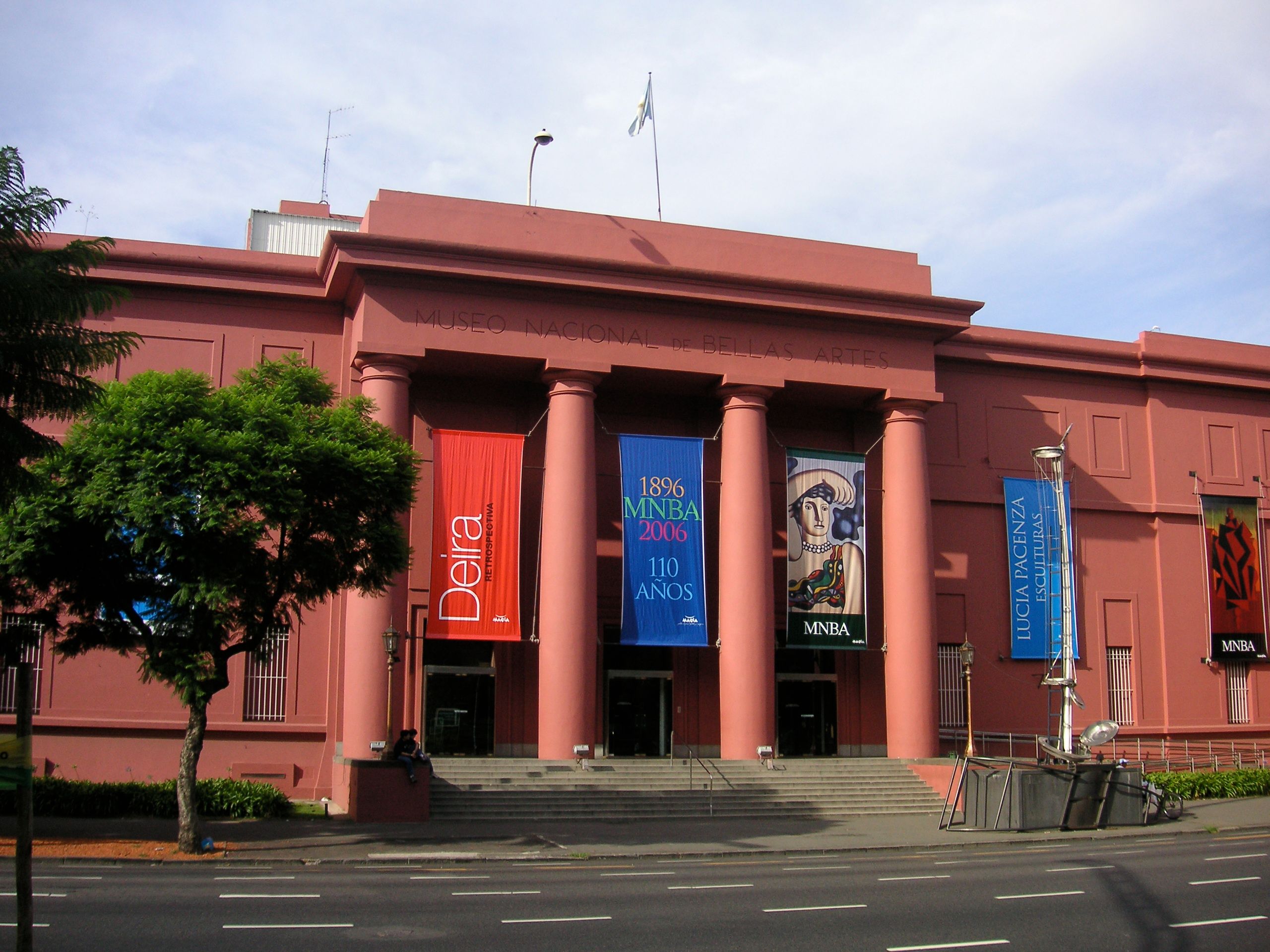
Bellas Artes Buenos Aires: Plan Your Museum Visit
Choose a focused route through Buenos Aires’ Museo Nacional de Bellas Artes, with admission guidance, Argentine art, temporary exhibitions and Recoleta planning.
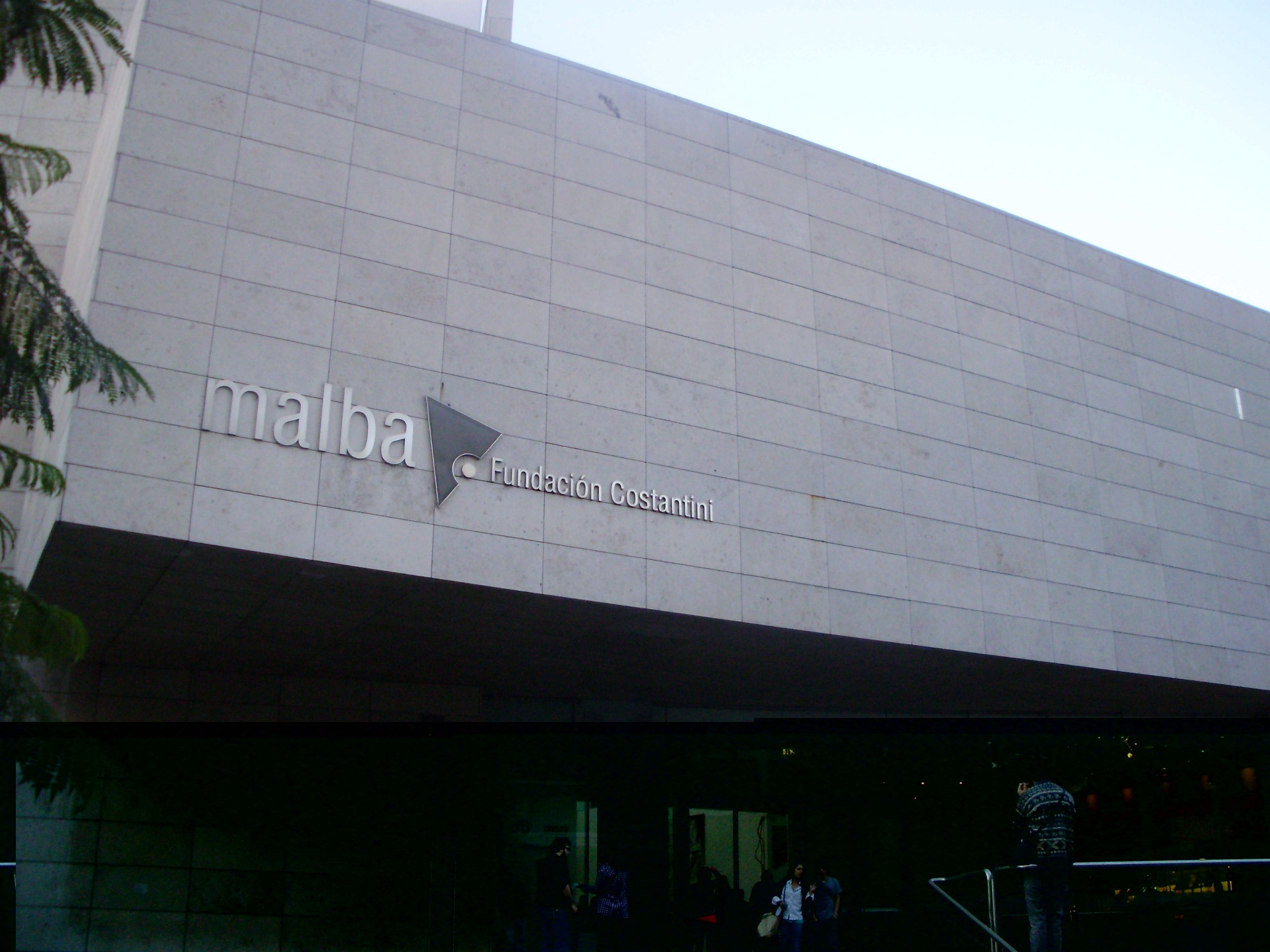
MALBA Buenos Aires: Plan Your Museum Visit
Plan a MALBA visit with collection highlights, current exhibitions, opening days, ticket choices, accessibility and practical bag rules.
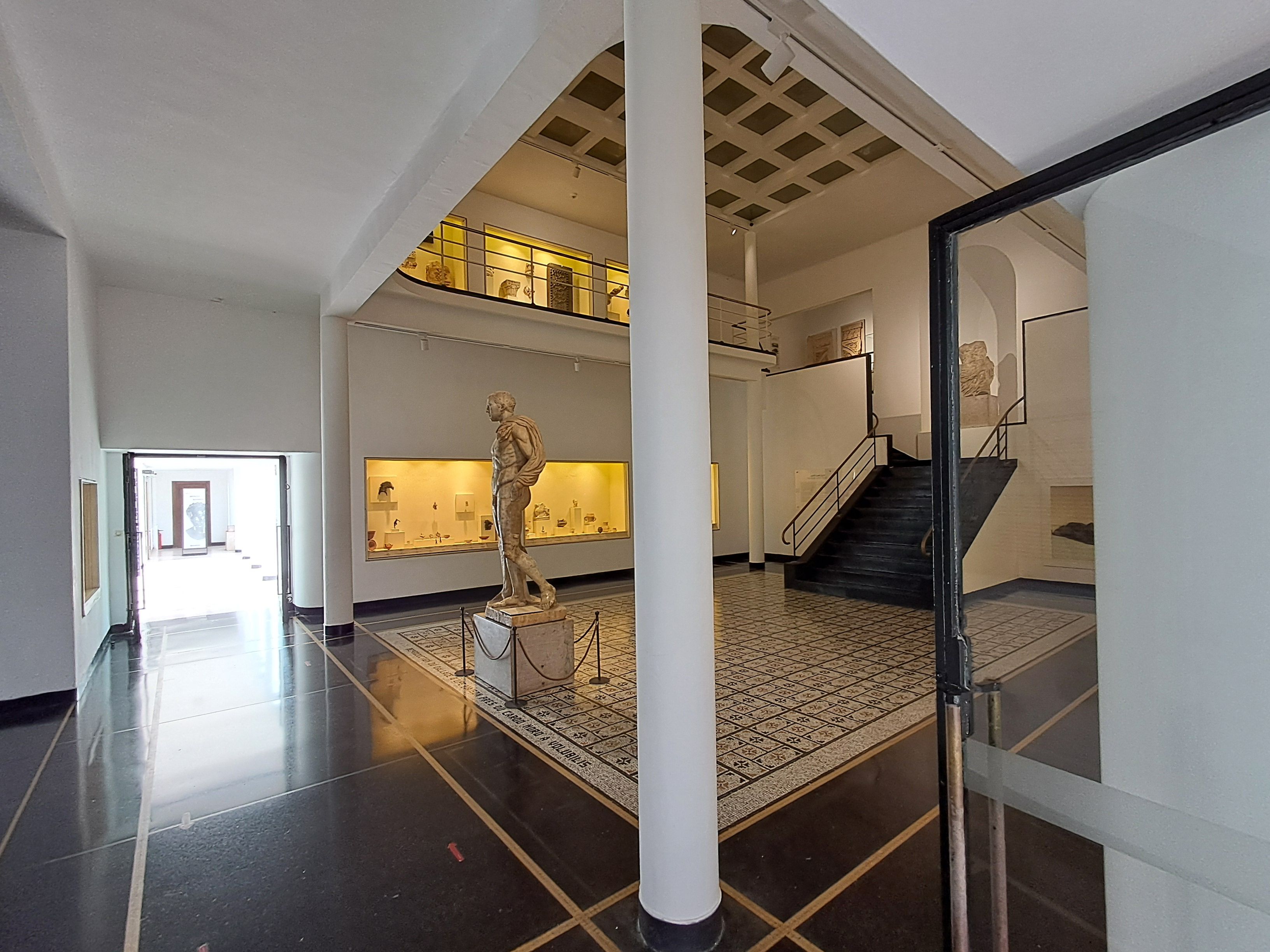
Rabat History and Civilizations Museum: Plan Your Visit
Plan Rabat’s archaeology museum: ancient bronzes, objects from Volubilis, opening days, admission and a focused route through the collection.