
Bellas Artes Buenos Aires: Plan Your Museum Visit
Choose a focused route through Buenos Aires’ Museo Nacional de Bellas Artes, with admission guidance, Argentine art, temporary exhibitions and Recoleta planning.
Visit the Museo Nacional de Bellas Artes for Argentine art in conversation with a wider international collection. Give it a proper museum block in Recoleta: choose one collection theme, add a temporary exhibition if it interests you, and leave the remaining rooms for another occasion. Around two hours is a useful starting allowance, not a promise that you will see everything.
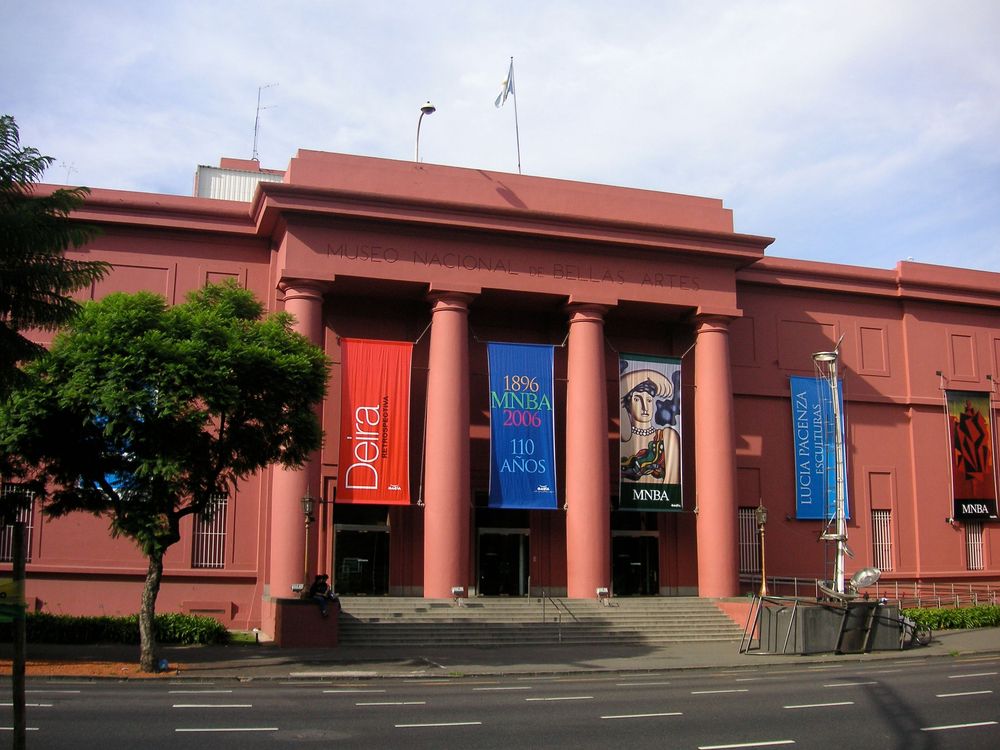
The museum is at Avenida del Libertador 1473. Our Buenos Aires culture and neighbourhood guide helps place it within a wider stay. This guide deals with the next decision: what to do inside, how current admission works and how much of your Recoleta day to give it.
Fast facts
| Detail | Planning information |
|---|---|
| Museum | Museo Nacional de Bellas Artes, Buenos Aires |
| Address | Avenida del Libertador 1473, Recoleta |
| Tuesday–Friday | Opens 11:00; last entry listed at 19:30 |
| Saturday–Sunday | Opens 10:00; last entry listed at 19:30 |
| Regular closure | Monday |
| Admission approach | Voluntary contribution; see current visitor instructions |
| Suggested visit | About two hours for a selected collection route and one extra display |
Information was checked on 17 November 2026. The museum's current opening notice explicitly describes 19:30 as last entry. Do not interpret that as enough time to start a substantial visit, or invent a later closing time from it. Arrive well before that point and check holiday notices separately.
Admission: distinguish a contribution from a fixed ticket
The museum currently invites a voluntary contribution, made through a self-service device in the entrance hall that accepts digital payment. This is not a published compulsory flat admission price. Read the visitor information before travel, particularly if you are following an older article that quotes a foreign-visitor tariff or a pandemic-era reservation procedure.
An ordinary gallery visit and a programmed activity are also different arrangements. A film screening, accessible tour or education session can require a reservation even when the activity is free. Open the actual event page rather than assuming that the building's admission policy settles every question.
For budgeting, keep transport, food and any voluntary contribution separate. There is no useful euro conversion to invent for an optional amount you choose yourself. If donating matters to you, have a suitable digital payment method ready and ask staff how the device works; avoid treating a suggested contribution as proof of a mandatory fee.
Bring a small bag where possible. The official visit page says the cloakroom is operating and recommends small bags. A museum afternoon is easier when you are not carrying luggage or a morning's shopping between galleries. Arrange storage elsewhere before making this a stop on the way to an airport.
Understand the collection before choosing a route
The city's official museum introduction describes a collection spanning Argentine, Latin American and European art. Its artist examples include Prilidiano Pueyrredón, Cándido López, Antonio Berni and Xul Solar alongside Goya, Rodin, Degas and other international figures. Treat this as an introduction to the holdings, not a guarantee that a particular work is hanging on your date.
The museum's current visitor listing identifies pre-Hispanic and colonial art, nineteenth-century Argentine art and European art from the twelfth to nineteenth centuries on the ground floor. It describes the first-floor collection route as Argentine and international twentieth-century art from 1900 to 1965. Temporary displays occupy additional spaces, including the pavilion.
That structure gives you three workable priorities. Choose Argentine art if you want the visit to deepen your understanding of the country. Choose an international-art route if a particular period or artist interests you. Choose a temporary exhibition if its subject is the reason you came, then use the collection as a shorter complement.
At the desk, ask which of your chosen areas are open and where the current route begins. A floor plan is orientation, not a requirement to visit every numbered room. Decide what can be dropped before walking upstairs, rather than realising at the end that the exhibition you most wanted has become a hurried final stop.
An Argentine-art route that rewards looking slowly
For a first visit, an editorial approach is to compare a few nineteenth-century works with a smaller selection from the twentieth century. You do not need to become an expert in every movement. Let the change in subjects, scale, composition and materials do some of the explaining.
In a portrait, notice clothing, posture and the space around the sitter before reading the label. In a landscape or historical scene, ask what occupies the centre and what has been pushed to the edge. Then use the date, artist and explanation to test your initial impression. This makes the encounter active without requiring a long reading list beforehand.
When you reach later work, look for continuity as well as difference. Does the image still organise itself around a recognisable person or place? Does colour describe something observed, or work independently? These questions are useful even if your selected artists are not on view and staff recommend different rooms.
Choose perhaps six to ten works for sustained attention, with other galleries connecting them. That is a suggested way of using your time, not an official highlights trail. A list of celebrated names can encourage visitors to hunt for labels; a smaller selection gives you a better chance of remembering what you actually saw.
Temporary exhibitions: use dates, not a photograph
On the checking date, the official exhibition programme listed Rómulo Macciò. La pintura como destino. Obras 1960–2016 through 14 February 2027 and Susana Rodríguez. Historia íntima through 17 January 2027. These are dated options; they should not be read as permanent components of a future visit.
The separate Goya tapestry exhibition page announced two large tapestries designed by Goya, on loan from Spain's Royal Collections, from 22 September 2026 to 17 January 2027. For someone interested in how an image moves between media, that offers a focused addition to the collection. It is not a room of newly acquired Goya paintings.
Check the specific exhibition page again before going. Allow the subject to determine your time: a small display can reward close looking, while a larger show deserves more than the few minutes left before departure. If one exhibition is essential, visit it first and reduce the collection route accordingly.
Avoid mixing programmes from different years. The museum keeps older monthly announcements online. A page titled simply “November” is not enough evidence that its artists, special night or closure dates apply to your November. Look for the year and the exhibition's full date range.
Tours, families and access needs
The museum agenda lists guided visits and other activities. Choose by subject and language, and check whether registration is required. The November 2026 programme asks participants to meet in the central hall 15 minutes before activities; confirm the instruction on the specific listing you intend to join.
For children, keep the gallery plan shorter and choose a small challenge: find a repeated colour, compare two portraits or describe a sculpture from different permitted viewpoints. Let a family activity replace part of the independent visit. Adding it to an already full route can turn an engaging museum into an endurance exercise.
The accessibility page lists an entrance ramp, lift, accessible toilets, available wheelchairs and resting spaces. It also describes Argentine Sign Language visits and activities for blind or low-vision visitors. These are specific services with their own arrangements; ask about your requirements before travelling rather than assuming every service runs continuously.
If you need a particular wheelchair or assistance arrangement, contact the museum in advance and confirm the entrance and route. For a sensory or stamina consideration, plan a limited selection with breaks. The existence of an accessible building does not oblige anyone to complete all of it in one visit.
Fit Bellas Artes into a Recoleta day
Combine the museum with a meal and a modest neighbourhood walk. If you also want Recoleta Cemetery, check its admission separately and decide which visit matters more. The museum's Monday closure should shape the order of your days; an attractive outdoor plan does not make the galleries available.
Bellas Artes and MALBA are different museums. Use our MALBA visitor guide if you are deciding between them. Broad Argentine and international collections point towards Bellas Artes; a specific MALBA exhibition may lead you elsewhere. Doing both can make sense for a dedicated art day, but include the transfer, lunch and enough attention for the second museum.
A practical two-hour allowance might give the larger share to one collection route, a shorter block to a temporary display and the remainder to orientation and pauses. Those are editorial choices, not a timed museum circuit. If a work holds your interest, shorten the next section rather than rushing the rest of the visit to recover an arbitrary schedule.
Cover photograph: Pink façade of Museo Nacional de Bellas Artes in Buenos Aires, photographed in 2007 — Archive photograph from 2007; banners do not show the current exhibitions. — Beatrice Murch, CC BY-SA 2.0.
Frequently Asked Questions
Is Bellas Artes Buenos Aires free to enter?
The current visitor notice describes a voluntary contribution through a digital-payment device in the hall, rather than a fixed compulsory ticket. Check the museum page again before travel; individual activities can have separate reservation rules.
When is the museum closed?
Monday is the regular closure. The current schedule opens at 11:00 Tuesday–Friday and 10:00 at weekends, with last entry listed at 19:30. Check special-date notices and arrive early enough for your chosen route.
How long should I allow?
About two hours is an editorial estimate for a focused collection route and one additional display. Allow longer for an exhibition you particularly want, or choose a shorter route for children and limited stamina.
Is the museum accessible to wheelchair users?
The museum lists a ramp, lift, accessible toilets and wheelchairs. Contact it for your exact needs and confirm any assistance or specialist activity in advance; those services have their own arrangements.


Keep Exploring
MALBA Buenos Aires: Plan Your Museum Visit
Plan a MALBA visit with collection highlights, current exhibitions, opening days, ticket choices, accessibility and practical bag rules.
Palacio de Bellas Artes: Plan Your Mexico City Visit
Choose murals, architecture or a performance at Bellas Artes. Plan museum admission, Sunday access, time, tickets and the historic-centre visit.
Academy Museum Los Angeles: Plan Your Visit
Plan an Academy Museum visit with gallery tickets, separate screenings and Oscars Experience, current closures and a realistic afternoon route.