
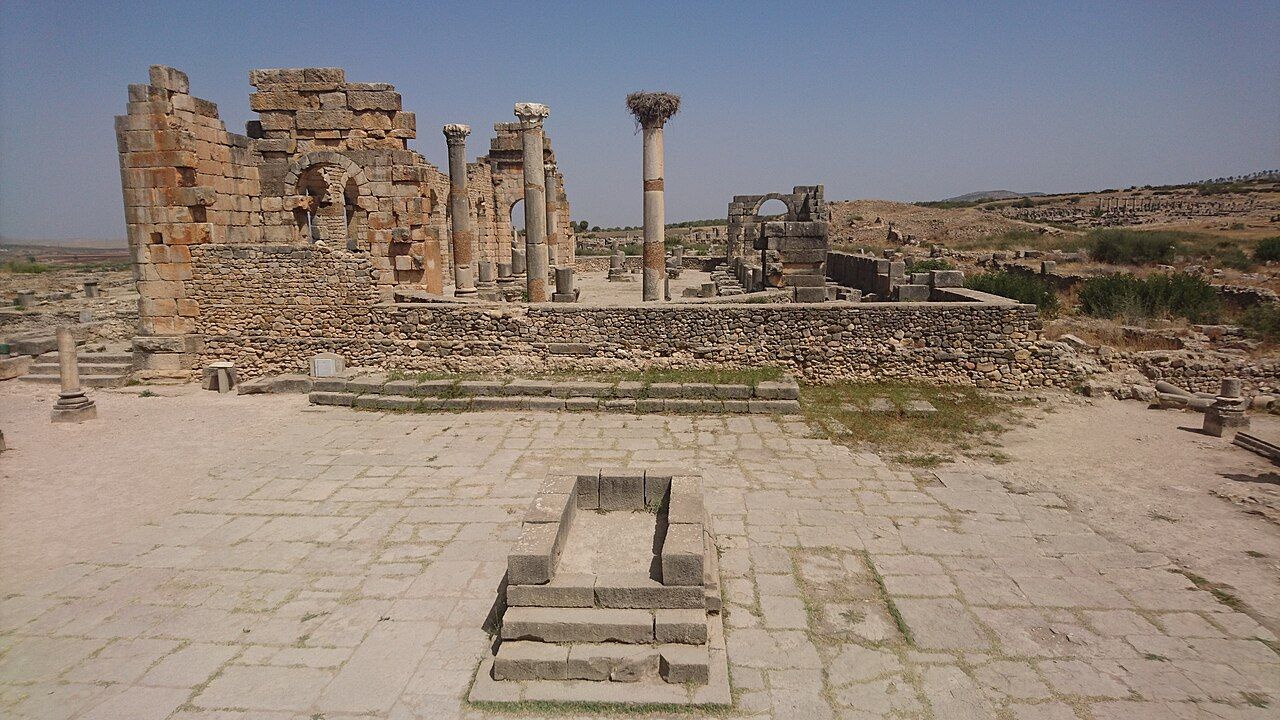
Choose a focused Volubilis visit with time for mosaics, monuments and interpretation, plus verified ticket categories and transport decisions.
Choose Volubilis for a substantial archaeological visit, with time for domestic mosaics as well as the monumental skyline. Allow about 2–3 hours inside as an editorial starting point. A brief stop at the triumphal arch gives you a photograph; a slower circuit makes the remains understandable as a town.
The important itinerary decision is whether that visit deserves one of your northern Morocco days. In our Morocco itinerary for 7 days, the Rabat-and-Fez route protects two city visits. Volubilis is a deliberate replacement for part of that programme, not an extra attraction that fits without taking time from somewhere else.
Fast facts
| Detail | Planning information |
|---|---|
| Location | Near Moulay Idriss Zerhoun, in the Meknes region |
| Visit allowance | About 2–3 hours inside; our recommendation, excluding travel |
| Foreign adult entry | 100 MAD on the Ministry ticket portal, checked 11 November 2026 |
| Hours to reconfirm | Regional tourism: 08:30 until one hour before sunset; reconfirm for your date |
| Main choice | A focused archaeological outing or a longer day with a separate town visit |
Decide what you want from the ruins
Volubilis rewards visitors who enjoy looking at the relationship between streets, buildings and landscape. It is less suitable as a rushed obligation between a long morning in Meknes and a late return to Fez. If the main attraction is the surviving town rather than simply the famous arch, protect a continuous visiting block.
The UNESCO description places the site at the meeting of several cultural traditions, with remains extending beyond the Roman period. Keep that broader history in mind. Roman monuments are the most immediate visual introduction, but “Roman ruins” does not explain every phase of the place.
Choose three questions to carry through the visit: where did public life happen, how did wealthy households present themselves, and how did the town relate to its agricultural surroundings? Those questions create a useful route even if you cannot identify every wall. They also give a guide something more specific to explain than a succession of dates.
If you have only an hour, acknowledge the narrower experience. Concentrate on the monumental sector and one accessible domestic area, subject to the day's permitted route. Avoid promising yourself the complete site, its interpretation and a relaxed photography session within the same short stop.
Tickets: use the Ministry categories
The Ministry of Culture ticket page displayed 100 MAD for a foreign adult and 50 MAD for a foreign child aged 7–13 when checked on 11 November 2026. Moroccan or resident categories were 30 MAD for adults and 10 MAD for children aged 7–13. Confirm the category and any required proof before purchasing.
These are admission prices in Moroccan dirhams, not a transport package or guide fee. Keeping the local currency avoids making an approximate euro conversion look like a separate tariff. For children outside the listed age band or any claimed concession, check the actual terms rather than extrapolating from another category.
The Meknes tourism council page still displays a 70 MAD visitor price. We use the Ministry's ticket categories for budgeting because they are attached to its purchase interface. The discrepancy is a reason to verify the amount at purchase, not to assume that every quoted price online refers to the same current entitlement.
Ask a tour seller to separate site admission, transport, guiding and any additional visits. A vehicle described as a private excursion does not establish that an archaeological guide or every entrance is included. Compare the same components before deciding which offer is cheaper.
Opening hours need a final check
The regional tourism council publishes daily site access from 08:30 until one hour before sunset, checked on 11 November 2026. The Ministry portal also displays 09:00–17:00, but this appears in its shared footer beside the Rabat contact details, not in the Volubilis ticket section. It is not verified site-specific opening information.
Use the regional site's schedule as a published planning reference, then confirm the day's opening and last admission before travelling. Keep a comfortable daytime block for the visit. The portal footer does not establish a separate closing or last-entry time for Volubilis, and we do not use it as one.
This matters especially when comparing a photography-oriented late visit with a longer archaeological walk. If the proposed arrival leaves less than your intended time before the confirmed closure, move the visit earlier. The light is secondary to having permission and enough time to finish the route without rushing.
Build the visit around public and private space
Start by locating the main monumental group on the current visitor plan. Use the basilica, Capitol area and triumphal arch as orientation points, following the paths and barriers in place that day. Their survival makes them useful anchors; it does not mean every adjoining structure can be entered.
Pause at the public buildings before moving toward domestic remains. Compare scale, visibility and the space between structures. A large building can be read from its relationship to a square or street as well as from an individual column. This is a more productive first look than trying to collect a close-up of every surviving capital.
The Moroccan National Tourism Office's archaeological overview highlights mosaics, carved columns and oil presses at Volubilis. Use that combination to look beyond the skyline. Decorative floors suggest investment in household space; production remains introduce the work that helped support urban life.
Choose a small number of accessible mosaics and spend time with each. Look first at the whole composition, then at borders, figures and the way the design relates to the room. Ask which parts are ancient, restored or uncertain if a guide is interpreting the remains. A recognizable mythological figure is an opening for explanation, not proof that every modern story about a house's owner is established.
Do not step onto mosaics, cross barriers or climb walls for a better image. If a particular area is closed or protected, choose another viewpoint. The visit is worthwhile without access to every floor pictured in older photographs, and this guide does not promise that any named mosaic will be uncovered on your date.
What a guide should add
A guide is most useful if you want help turning fragments into an understandable town. Before agreeing, discuss language, duration, price and the emphasis: public buildings, mosaics, everyday life or the site's later history. Ask whether the guide fee is per group and separate from entry.
Request an explanation of evidence as well as names. Which visible feature supports the identification of a building? What is a reconstruction? How does the plan reveal circulation through a house? These questions help distinguish interpretation from an entertaining but unsupported anecdote.
An independent visit can also work if you enjoy reading plans and moving at your own pace. Begin with available interpretation and use a limited route. There is no need to hire someone solely because the remains look complex, but do not assume a driver automatically provides qualified archaeological explanation.
Transport: agree the return before the first stop
Meknes is the nearer city base for combining town time with Volubilis; Fez can work for an excursion if the ruins are a priority. Compare the actual pickup, route, waiting arrangement and return in a dated quote. This guide does not publish an unverified taxi tariff or promise a fixed driving time.
For a private vehicle, ask for enough time inside, not simply a Volubilis stop on the list. Establish where the driver waits, whether waiting is included and whether adding Moulay Idriss changes the agreed price. A clear return arrangement is especially useful when you want to linger over the domestic remains.
If using shared transport toward Moulay Idriss, verify the final connection to the archaeological entrance and the return separately. Reaching the nearby town does not complete the journey to the site. Do not build a tight departure around an assumed onward vehicle or an unassessed roadside walk.
A multi-stop excursion makes sense only when its pace matches your interest. Ask how much uninterrupted time Volubilis receives after transfers and other visits. If archaeology is the reason for the day, remove an optional shopping stop or a second substantial monument before shortening the site visit.
Pairing with Moulay Idriss or Meknes
Moulay Idriss Zerhoun provides a different setting from the excavated town. Treat it as a separate visit with its own walking and access considerations, not as an extension of the archaeological ticket. Ask locally which religious spaces are open to you and respect the limits indicated.
For a day that also includes Meknes, select one city priority instead of assuming you can thoroughly visit both the ruins and every monument. You might choose lunch and a short orientation walk after the archaeology. A dedicated city museum or monument deserves its own current opening check and a realistic time allowance.
From Fez, compare the excursion with what you would otherwise do in the medina. Our first-visit Fez medina guide helps make that trade-off concrete. Keep the city day if workshops, urban architecture and a slower medina visit matter more than outdoor archaeology.
Terrain and the final decision
Plan for outdoor walking on archaeological surfaces, with sun protection, water and footwear that grips uneven ground. Ask the site about the actual accessible route if steps, slopes or prolonged standing affect your visit. A ticket concession does not establish that every part of the site is accessible.
Choose an earlier daytime slot when the forecast makes exposed walking uncomfortable, and keep a shorter route available. With children, selecting a public building, a decorative floor and a production feature gives the outing an understandable focus. Leave before attention and comfort disappear rather than completing every path simply because it exists.
Volubilis earns its place when you give its buildings and domestic details enough attention to connect. Book the day around that experience, then add a nearby town only if the remaining time supports a distinct, unhurried visit.
Cover photograph: Stone arches and columns of the basilica at Volubilis, viewed across the Capitol area — Archive photograph; no edits to the downloaded file — Sammy pompon, CC BY-SA 4.0.
Frequently Asked Questions
How long should I allow at Volubilis?
Allow about 2–3 hours inside as an editorial estimate, plus travel. A shorter visit can focus on the monumental sector and a limited selection of domestic remains.
What is the foreign adult admission price?
The Ministry ticket portal displayed 100 MAD on 11 November 2026. Check the current category and terms when buying; transport and guiding are separate unless explicitly included.
What are the opening hours?
Regional tourism lists 08:30 until one hour before sunset. Confirm the day's hours and last entry. The Ministry portal's 09:00–17:00 appears in a shared footer and is not verified Volubilis opening information.
Should I combine Volubilis with Meknes and Moulay Idriss?
Only if the schedule preserves enough time at the ruins. Choose one additional substantial visit, or make the other stops brief, instead of assuming all three deserve equal time in a short day.


Keep Exploring
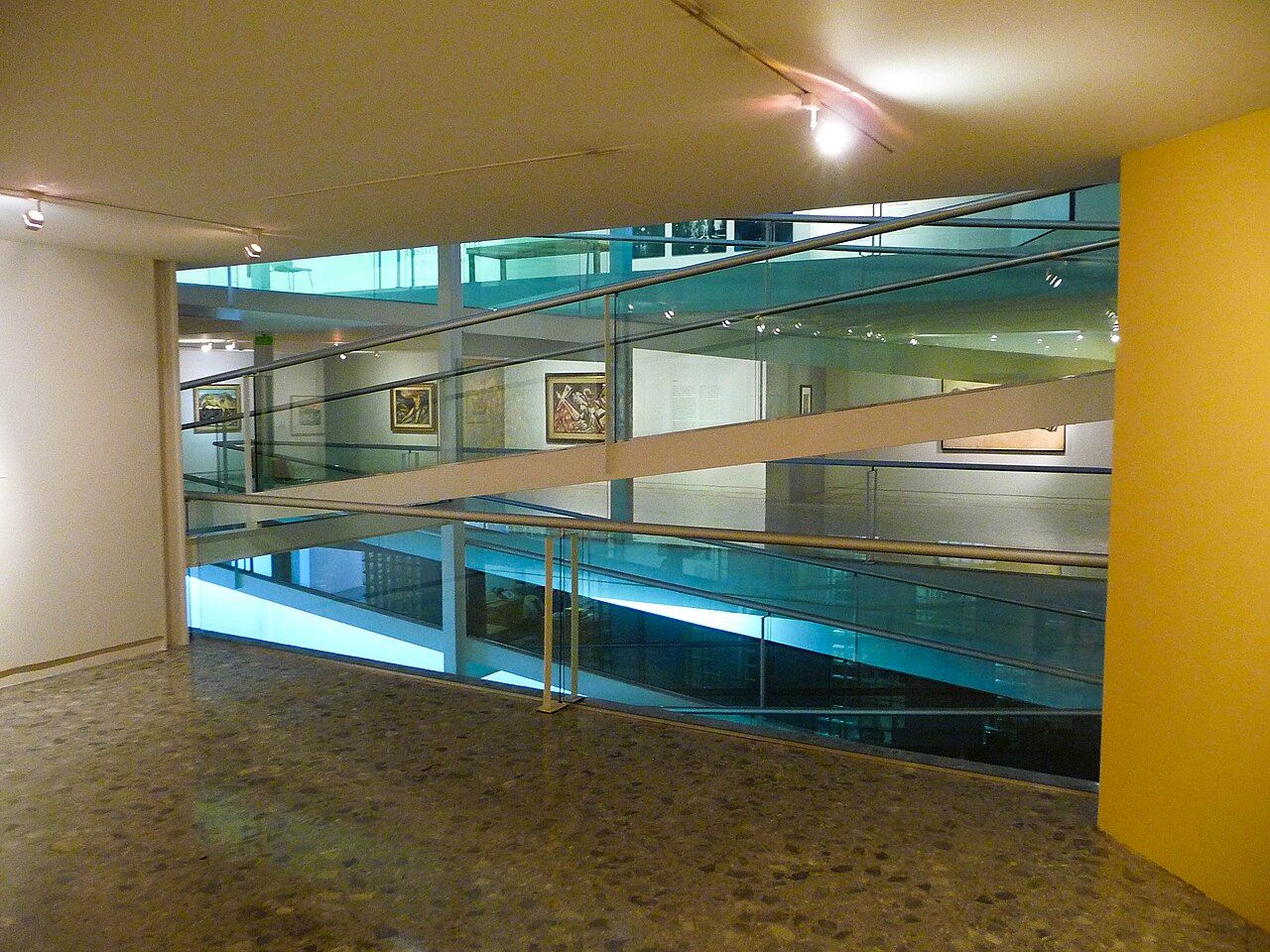
Museo Carrillo Gil: Plan Your Mexico City Visit
Choose a focused Museo Carrillo Gil visit through collecting and contemporary art, with current exhibition dates, admission and San Ángel planning.
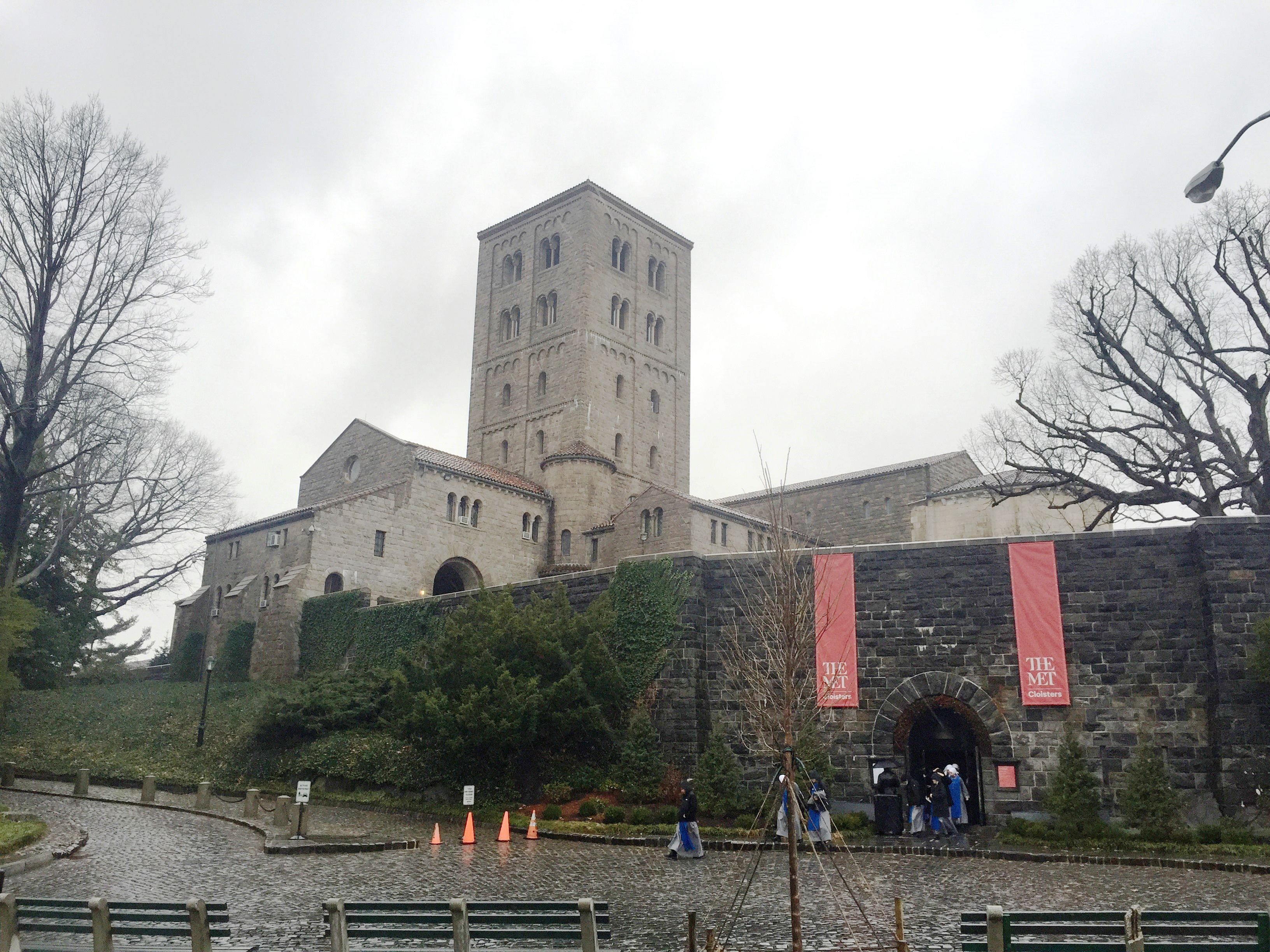
The Met Cloisters: Plan Your New York Visit
Choose tapestries, gardens and medieval architecture at the Met Cloisters, with current hours, shared admission and step-free arrival advice.
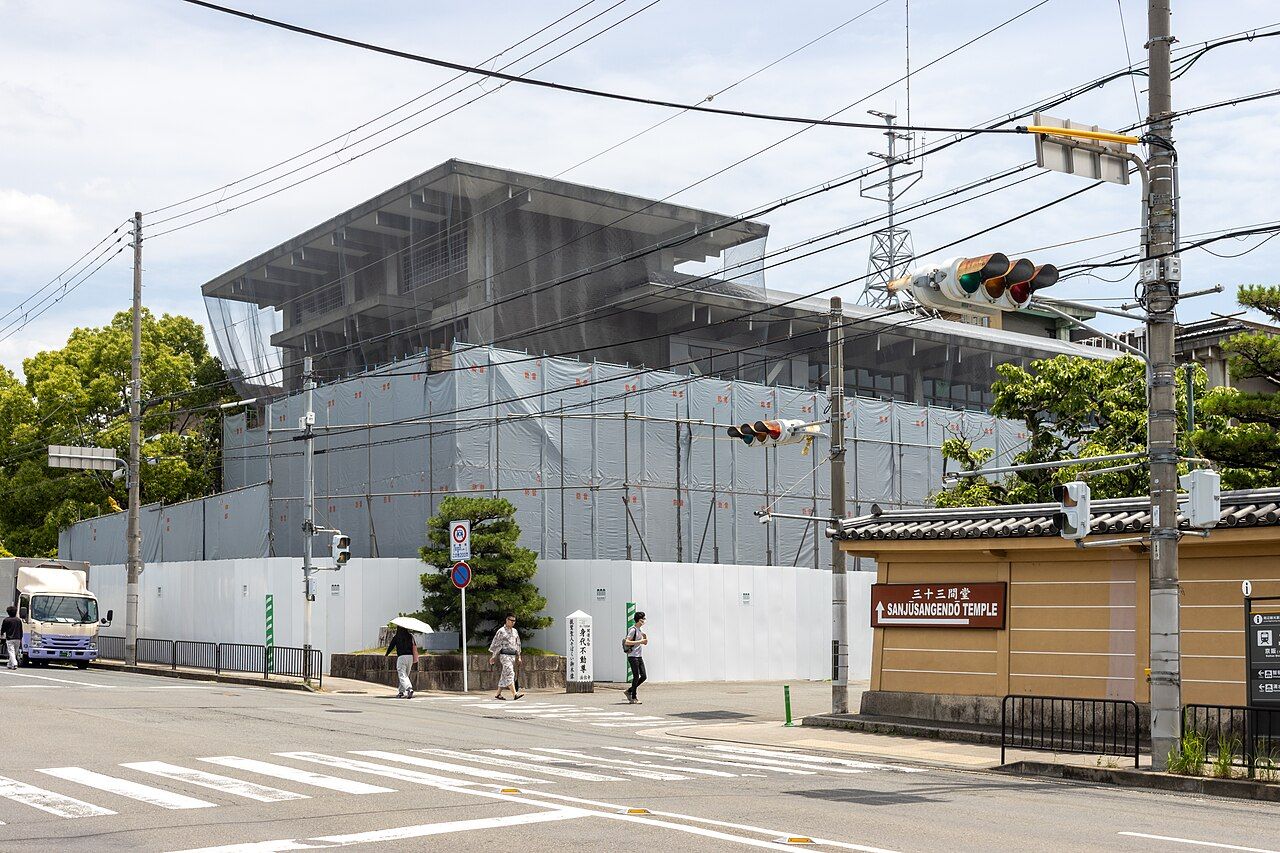
Sanjusangen-do Kyoto: Plan Your Temple Visit
Plan Sanjusangen-do in Kyoto: sculpture highlights, seasonal hours, admission, access and a sensible pairing with Kyoto National Museum.