
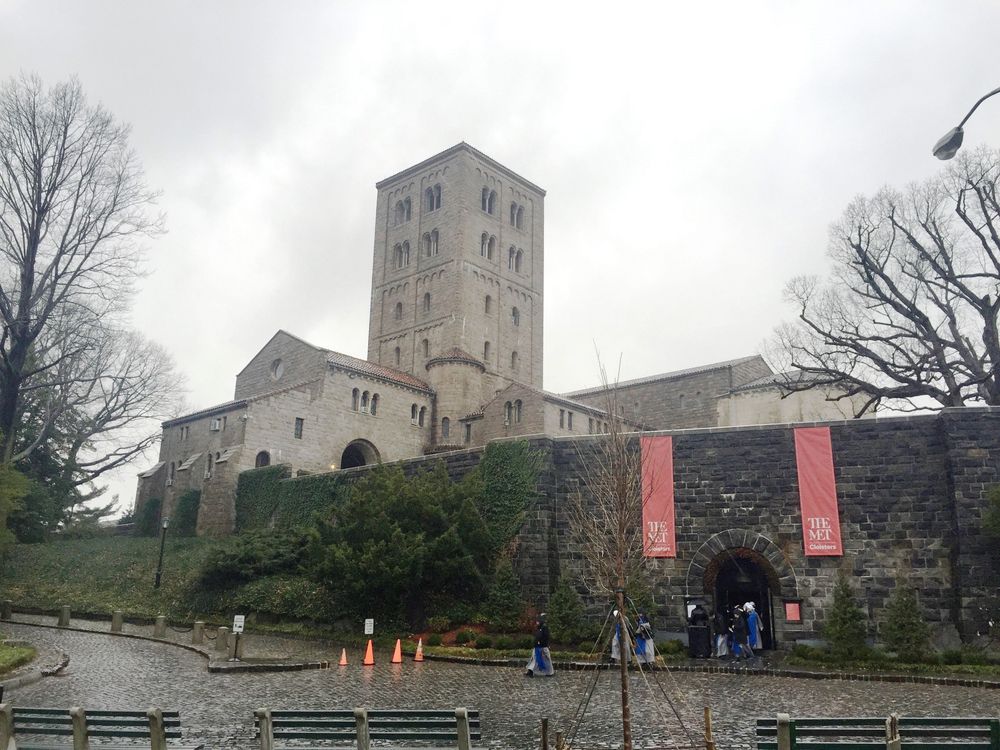
The Met Cloisters: Plan Your New York Visit
Choose tapestries, gardens and medieval architecture at the Met Cloisters, with current hours, shared admission and step-free arrival advice.
The Met Cloisters rewards a deliberate journey to Upper Manhattan: medieval stonework, tapestries and planted courtyards are the reason to go. Choose it for a focused museum visit with time in Fort Tryon Park, rather than treating it as an extra room at the Met Fifth Avenue. The two buildings share admission arrangements but occupy very different parts of the city.
Allow roughly two to three hours inside, plus the journey and whatever park time you want. That is an editorial allowance for looking closely, not an official visit length. This guide helps you choose between an art-led visit, a gardens-and-architecture visit, and a day combining both Met locations. For the wider choice of city experiences, start with our New York guide.
Fast facts
| Decision | Practical answer |
|---|---|
| Location | 99 Margaret Corbin Drive, Fort Tryon Park, Upper Manhattan |
| Current opening pattern | Thursday–Tuesday, 10:00–16:30; Wednesday closed |
| Admission | Standard adult US$30; eligible concessions and free categories differ |
| Visit allowance | About 2–3 hours inside, excluding travel and the park |
| Ordinary transit approach | A train to 190th Street, elevator exit, then park walk or M4 |
| Step-free planning | Use the museum's specific access guidance; ordinary entrance has stairs |
Operational details were checked on 11 November 2026. The hours above are the schedule currently published by the Met Cloisters visitor page, not a year-round promise. Thanksgiving Day, 25 December and 1 January are closed. Recheck your intended date and any service changes before travelling.
Decide whether the subject deserves the journey
The Cloisters concentrates on medieval European art and architecture. Its appeal comes from the relationship between objects and surroundings: a carved capital is part of the experience of moving through a cloister, while a tapestry invites a much closer look than the building's distant silhouette. You do not need specialist knowledge, but some interest in these materials makes the journey more worthwhile.
Choose the Met Fifth Avenue instead if your priority is breadth across cultures, Egyptian antiquities or a specific exhibition there. Our Met museum guide helps make that separate selection. If what you really want is an outdoor walk, Fort Tryon Park can be the focus without requiring museum admission. Buying a ticket simply to complete a list adds little when the collection does not interest you.
For a mixed-interest group, agree on one shared anchor before leaving: the Unicorn Tapestries, the architectural spaces or the planted cloisters. This gives the visit a clear purpose without insisting that everyone study every object. A shorter route with one careful stop is preferable to hurriedly circling the whole museum and remembering only the stairs.
Understand what the building is
The building is a modern museum incorporating medieval architectural elements, rather than a complete European monastery relocated intact. The Met's department history explains the assembled setting and its dedication in 1938. That distinction matters when reading the rooms: different fragments and objects have different origins, even when the overall atmosphere feels coherent.
Start by noticing the transition between enclosed galleries and cloister spaces. Compare a column's carving with the proportions of its surrounding arcade. Then read the labels for origin and date. This approach makes architecture something you examine, instead of a decorative backdrop for photographs. It also avoids assuming that everything visible in a room once belonged together.
The Cuxa cloister is a useful architectural anchor. Give yourself permission to pause and look across the courtyard before seeking another masterpiece. On a cold or wet day, adjust your balance toward the galleries; an appealing photograph of summer planting does not describe November conditions. The building still offers a substantial art visit when garden growth is less conspicuous.
Give the Unicorn Tapestries proper attention
For an art-led visit, make the Unicorn Tapestries your main stop. The collection record for The Hunters Enter the Woods identifies it as part of the group and lists Gallery 17 on the check date. Collection locations can change, so consult the current map and ask staff if a particular work is essential to your visit.
Look first from a distance to understand the scene. Then move closer, while respecting barriers, to examine plants, clothing and the way surfaces are represented in thread. Following one recurring detail across the hangings can be more rewarding than reading every label immediately. Choose foliage, dogs or a figure's gesture as your thread through the sequence.
Do not expect a simple illustrated fairy tale. Hunting scenes include violence, and the symbolism invites interpretation rather than a single easy answer. Families can choose details appropriate to their children and move on when attention fades. The familiar fenced unicorn is only one image; leave time to notice how its composition differs from the more active scenes.
The museum's record for The Unicorn Rests in a Garden discusses the possibility that this image was created separately. Use that uncertainty constructively: compare what you see before deciding that all the hangings must tell one continuous story. You can enjoy the craftsmanship without solving every historical question.
Choose gardens for their different purposes
Three planted cloisters—Cuxa, Bonnefont and Trie—offer different ways to connect the landscape with the collection. The museum's garden introduction describes Cuxa as ornamental, Bonnefont as a teaching garden organised around plant uses, and Trie as an evocation of the flower-filled grounds in medieval tapestries. This is historical interpretation, not a live flowering forecast.
If plants are your main interest, give Bonnefont time for reading and comparison. Think about what a plant was used for rather than judging the bed only by its colour. A medicinal or useful plant can be visually modest yet central to the story. The labels and actual seasonal conditions should guide the visit; do not arrive expecting every species mentioned in an older article to be visible.
At Trie, compare the idea of a dense flowered ground with the textile backgrounds you have seen inside. It is more useful to recognise a visual relationship than to demand a one-to-one reconstruction of a particular tapestry. At Cuxa, look at how enclosure and open sky change your perception of the stonework. These are three distinct observations, not three interchangeable photo stops.
If the gardens are the sole reason for your trip, check current access and seasonal information with the museum first. If art and architecture also appeal, you have a stronger visit in uncertain weather. Avoid promising companions a particular bloom, fountain condition or outdoor seating arrangement that has not been confirmed for their date.
Build a route around attention, not coverage
For a roughly two-hour visit, choose the tapestries, one architectural space and one garden when accessible. Add a smaller-object gallery only if you still want to look closely. For a longer visit, expand the garden comparison and return to an object that caught your attention. These are flexible editorial routes; room access and your own pace determine the order.
Small objects deserve a change of viewing speed. After the scale of an arcade or hanging, examine a single detail in a case before moving on. Ask what the object was intended to do and who would have used it. Reading fewer labels with those questions in mind often creates a clearer impression than trying to absorb every date.
Use the free online audio guide selectively, with headphones, if you want interpretation without joining a scheduled tour. The museum's accessibility page links audio resources and transcripts. Choose a few stops rather than allowing the recording length to dictate your entire afternoon. A tour or event should be checked as a specific programme, not assumed to run whenever you arrive.
Plan admission and a realistic two-Met day
The Met admission page lists US$30 for adults, US$22 for seniors aged 65 and over, US$17 for students, and free admission for children aged 12 and under. Pay-what-you-wish eligibility covers New York State residents and students in New York, New Jersey and Connecticut, subject to verification. Visitors should check their actual category rather than assuming a resident offer applies universally.
Tickets include same-day access to both Met locations on the printed date. This can make a two-building day financially attractive, but it does not shorten the transfer or restore tired attention. The Cloisters visitor page estimates about 1 hour 25 minutes on the M4 from Madison Avenue at 83rd Street. Traffic and service conditions can change that journey.
If you combine them, prioritise the Cloisters' earlier closing and give each museum a narrow purpose. On a Friday or Saturday, Fifth Avenue's published evening hours can provide more room, but check both calendars. Do not buy two separate standard admissions without first checking the shared-ticket terms. Equally, do not sacrifice the visit you most want merely to extract the maximum number of entrances from one ticket.
Resolve the approach and access before leaving
The standard directions are the A train to 190th Street, an elevator exit, and approximately ten minutes north through Fort Tryon Park; the M4 provides an alternative onward connection. That station elevator should not be read as a guarantee of a fully accessible subway journey. The museum instead specifies the A to 181st Street followed by the northbound M4 for fully accessible public transit.
The Cloisters accessibility guide warns of cobblestones and approximately 60 stairs between the ordinary entrance and admissions. A free shuttle serves visitors needing a step-free entrance; visitors arriving by car can use the courtyard drop-off. Interior access also has limitations. Contact the museum for your particular needs and check MTA elevator and service status before setting out.
Finish with Fort Tryon Park if weather and energy permit, keeping enough daylight for the walk you choose. Treat this as a change of pace after the galleries, not another sightseeing quota. A museum visit with time to absorb the tapestries and gardens is already a complete reason to travel uptown.
Cover photograph: Stone tower and entrance of the Met Cloisters in Fort Tryon Park — Archive photograph; no edits to the downloaded file — Ceoil; visibility adjustments by Beyond My Ken, Public domain (copyright-holder dedication).
Frequently Asked Questions
Is the Met Cloisters included in a Met ticket?
Standard tickets include both Met locations on the same printed date. Check the current terms and your admission category; the transfer between buildings still needs substantial time.
How much time should I allow at the Cloisters?
About two to three hours inside is a useful editorial allowance for a selective visit. Add your journey and any Fort Tryon Park walk separately; detailed study of the collection can take longer.
Can I visit on Wednesday?
The current museum schedule closes on Wednesday, as well as Thanksgiving Day, 25 December and 1 January. Check the official calendar before travelling, particularly around holidays.
Is the ordinary entrance step-free?
No. The museum describes cobblestones and approximately 60 stairs on the ordinary approach to admissions. Consult its access guide for the free shuttle, courtyard drop-off and limitations inside.



Keep Exploring
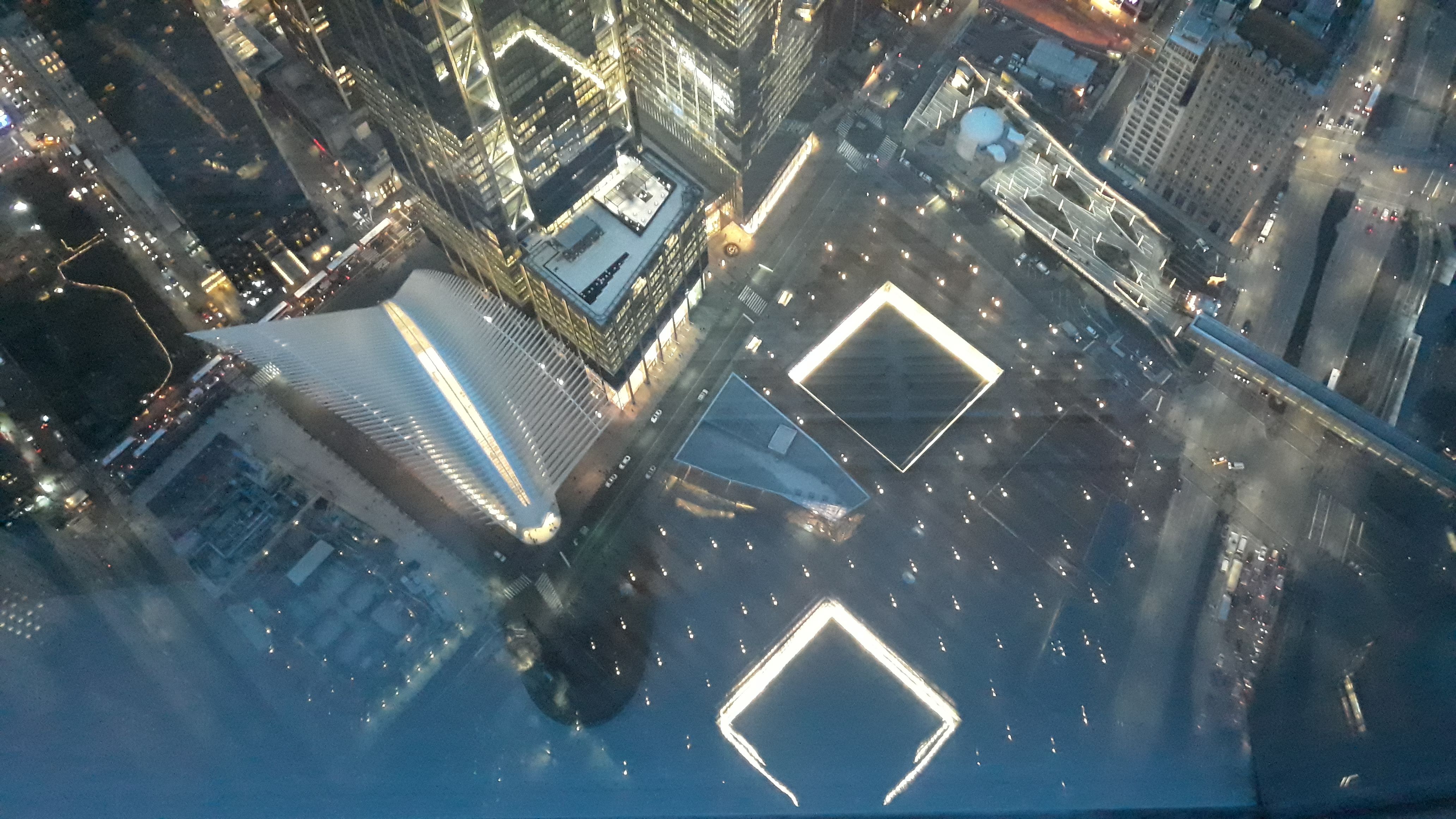
9/11 Memorial and Museum: Plan Your New York Visit
Choose the free memorial or ticketed museum, check Tuesday openings and plan a considerate visit with time for reflection.
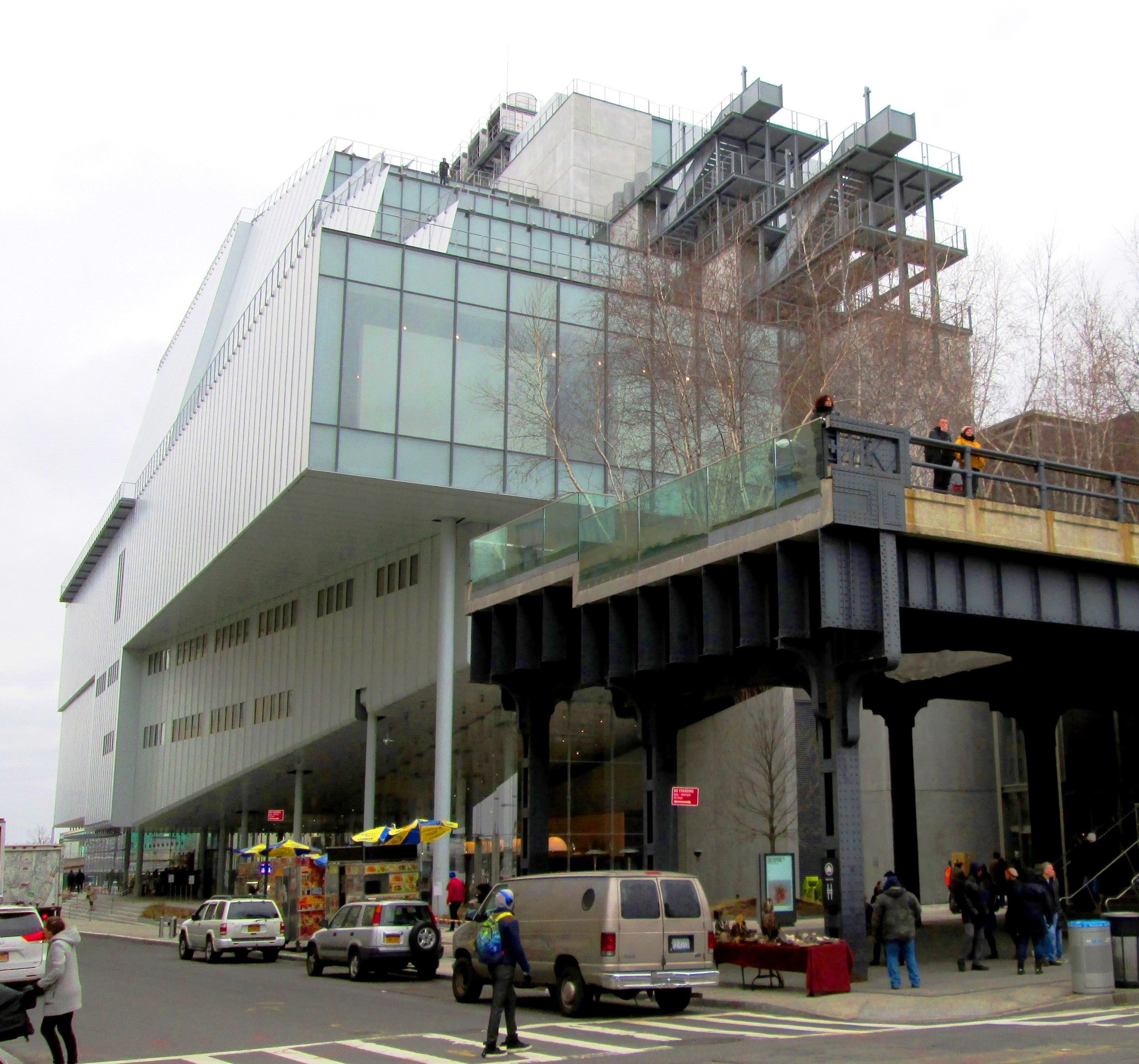
Whitney Museum: Plan Your New York Art Visit
Choose Whitney tickets, free sessions and exhibitions, then plan a focused art visit with a nearby High Line walk.
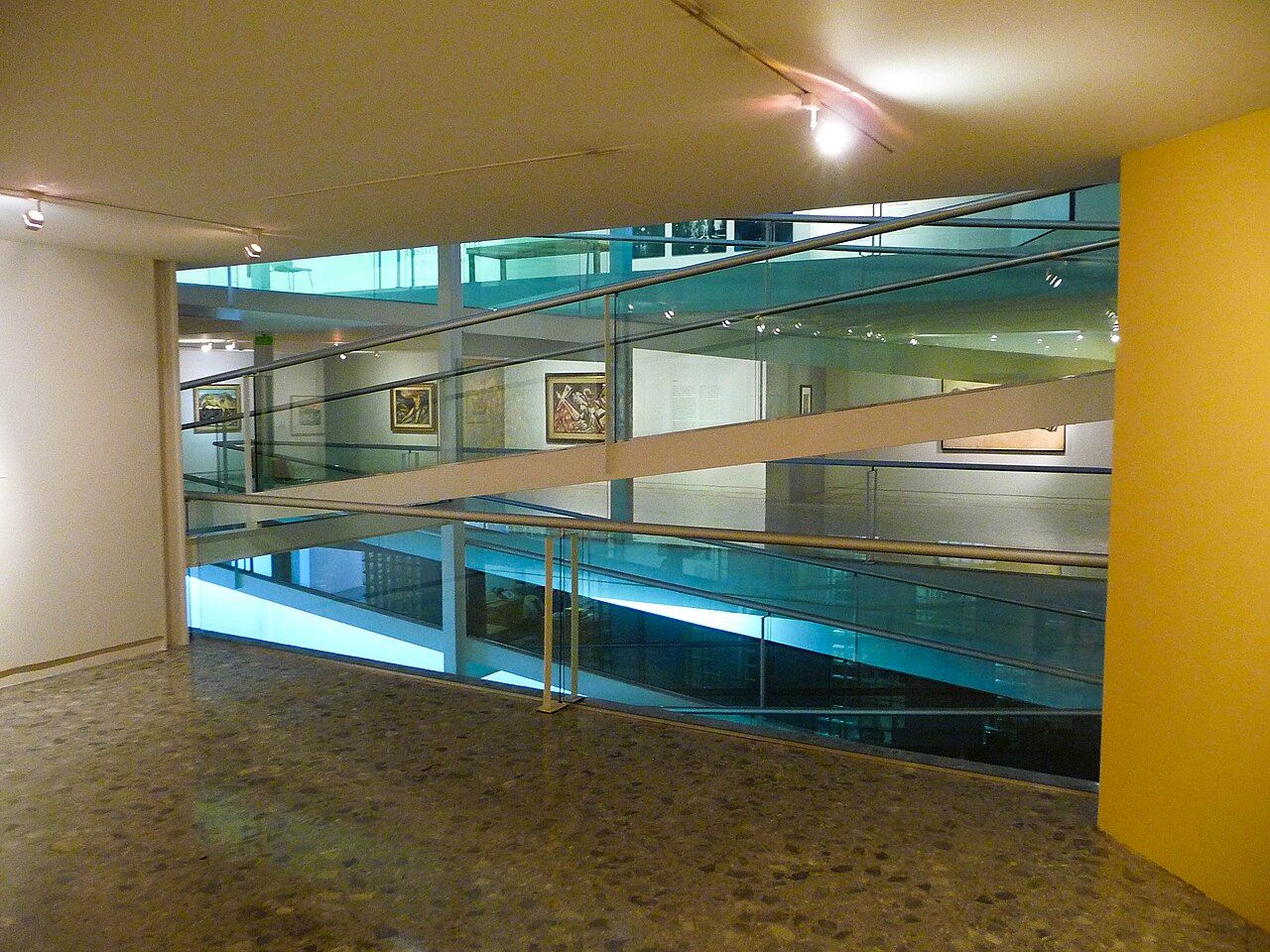
Museo Carrillo Gil: Plan Your Mexico City Visit
Choose a focused Museo Carrillo Gil visit through collecting and contemporary art, with current exhibition dates, admission and San Ángel planning.