
9/11 Memorial and Museum: Plan Your New York Visit
Choose the free memorial or ticketed museum, check Tuesday openings and plan a considerate visit with time for reflection.
The 9/11 Memorial and Museum are two connected but different visits. The outdoor memorial offers a place to remember the people killed in the attacks; the underground museum explains the events, their context and their consequences through objects and testimony. You can visit the memorial without buying museum admission. Choosing only the outdoor space is a complete and legitimate decision, especially when you have limited time or do not want the intensity of the exhibitions.
This guide helps you decide what to include, how to reserve the museum and how to leave enough room around the visit. For the wider trip, our New York cultural guide compares other experiences across the city. Information was checked on 5 November 2026; allowances below are editorial estimates, not guaranteed visit lengths or queue times.
Choose the visit you want
| Choice | Admission | Planning allowance | Best reason to choose it |
|---|---|---|---|
| Outdoor memorial | Free | 45–60 minutes | Reflection at the pools and names |
| Museum | Timed ticket | 2–3 hours | Historical context, testimony and objects |
| Memorial and museum | Museum ticket only | 3–4 hours overall | Connect the outdoor site with its interpretation |
| Guided museum visit | Check the specific tour | Tour plus any independent time | A structured introduction and questions |
A longer visit is not inherently more respectful. Give the parts you choose your attention and stop when you need to. People arrive with very different relationships to September 11; your group does not have to feel the same way or follow an identical route.
The memorial: begin with the names
The official memorial overview explains the two pools on the footprints of the Twin Towers and the names of those killed on September 11, 2001, and in the February 26, 1993 bombing. Approach the parapets as places of remembrance. Pause to read rather than moving immediately between camera positions.
A practical outdoor route is to visit one pool, continue to the other, then spend any remaining time among the trees. You do not need to follow the entire perimeter of both pools to understand the setting. If you are looking for a particular person, use the institution's name-finding resources before arriving; wandering in search of a name can be difficult when you are already emotional.
Keep conversation and photography considerate. Other visitors may be grieving or marking an anniversary that is personal to them. Leave space at the names, do not photograph someone in distress, and do not move tributes for a clearer picture. Nothing should be thrown into the pools. The outdoor visit works without an audio guide, although listening can provide context if that suits you.
The plaza is exposed to weather. In rain or cold, allow for a shorter outdoor portion and decide whether to return later within opening hours. The museum is a separate admission decision, not an automatic shelter included with the memorial.
Hours and the Tuesday exception
The visitor page currently lists the memorial daily from 8am to 8pm, and the museum Wednesday–Monday, 9am–7pm, with final admission at 5:30pm. Selected Tuesdays are additional openings; do not assume either that all Tuesdays are closed or that the museum now opens every day.
For this November, the special-hours notice lists 24 November 2026 as the extra Tuesday opening. It also lists every Tuesday in December. Check the date-specific calendar again before paying, particularly around holidays or commemorations. These published hours do not guarantee that every exhibition space or programme is available.
Choose an entry time that protects the experience you want. A last-entry ticket leaves less room for reading, pauses and a slow exit. If you already know you prefer substantial historical visits, book earlier rather than trying to compress everything into the closing period. No time of day guarantees quiet galleries.
Tickets: compare access before price
Buy through the institution's tickets and tours page, then read the actual ticket category. Standard museum admission, a guided museum tour and an outdoor walking tour are different products. A third-party tour in Lower Manhattan should not be assumed to include the museum or permission for its guide to lead you inside.
This guide does not quote a single adult price because the relevant purchase depends on date, category and extras. Check the final amount for everyone in your party and whether the booking includes an audio guide or tour. Eligibility-based free or discounted programmes require their own conditions; a local-resident offer is not a general tourist entitlement.
Keep the confirmation accessible and arrive with time for screening. Avoid reserving immediately after an airport arrival or another activity with an uncertain finish. Decide in advance whether you need flexibility: review change and refund conditions before purchase, not when travel plans change. Do not expect to leave for lunch and return on the same ticket; ordinary museum admission does not include re-entry.
Inside: choose a sequence, not a completion target
Start by orienting yourself with the current map and staff advice. The descent and surviving structural elements make the location part of the interpretation. Let yourself notice the scale of the space before moving into smaller objects or recorded testimony. You can spend meaningful time here without listening to every recording.
The exhibition overview distinguishes the historical exhibition from In Memoriam, which remembers the individuals who died. The historical exhibition addresses the day itself, the preceding context and the aftermath. These sections ask for sustained attention; they are not simply a corridor to cross on the way to a major object.
For a first visit, begin with the museum's orientation, choose the historical material that you most want to understand, and leave time for remembrance. Ask staff about the route if you need to bypass a space or avoid particular content. This is a flexible order for planning, not a promise that a named gallery will be open or uncrowded.
If your companion wants longer, agree on a meeting point instead of silently hurrying them. Equally, give someone who wants to stop permission to do so. Plan a gentle transition after leaving: a walk, a seat or a quiet meal can be more useful than another intense exhibition immediately afterwards.
Children and emotionally difficult material
Do some preparation before bringing children. Explain in simple language what happened and why people come here, then ask what they already know. The institution's youth and family resources offer a starting point for choosing a suitable approach. Check current family-tour information separately; a seasonal activity shown online is not necessarily running in November.
Parents and carers should consider the individual child, the material and the length of the outing together. A memorial-only visit may be the best choice. Inside the museum, ask about content notices and alternatives before entering the historical exhibition. Do not promise that the visit will feel like an ordinary interactive children's museum.
Agree that anyone can ask for a pause without explaining themselves publicly. Adults may need that option too, including people who remember the attacks closely or have personal connections. You can learn without forcing yourself through every space. Leave any difficult conversations enough time instead of trying to fit them into a rushed transfer.
Screening, bags, photographs and access
Read the visitor guidelines before packing. Museum visitors pass through security; the rules limit permitted bags to 19 × 17 × 8 inches. Do not bring airport luggage expecting storage. The coat-check arrangements are for permitted belongings and do not override the admission size limit.
Photography is restricted in parts of the museum, including In Memoriam and the historical exhibition except where posted otherwise; flash is prohibited throughout. Follow the signs in each space. A photograph found online does not establish permission to take the same picture yourself. Silence your phone and use headphones for audio interpretation.
Use the accessibility information to plan mobility, sensory or communication needs. Ask about the current accessible route and the support you require rather than assuming that an escalator seen in a photograph is the only way between levels. If travelling with someone who needs breaks, make the amount of exhibition time flexible from the outset.
The address is 180 Greenwich Street in Lower Manhattan. Plan the final approach to the museum entrance, not just to the World Trade Center transport complex. Allow time to orient yourself when emerging from a station; proximity on a map does not remove screening or the need to find the correct entrance.
What to put around the visit
Keep the rest of the day proportionate. An outdoor memorial visit can accompany a Lower Manhattan walk, but the full museum deserves its own substantial block. If you want both the museum and the harbour islands, compare their separate demands in our Statue of Liberty and Ellis Island guide. Ferries, security and two island museums can make that combination tiring and difficult to time.
On a short trip, choose which history experience matters most and give it enough room. If you keep both, separate days are often easier to manage. On the museum day, make your next activity optional rather than attaching a non-refundable booking to your estimated finish. The useful measure is whether you had enough time to understand and reflect, not how many other sights you added.
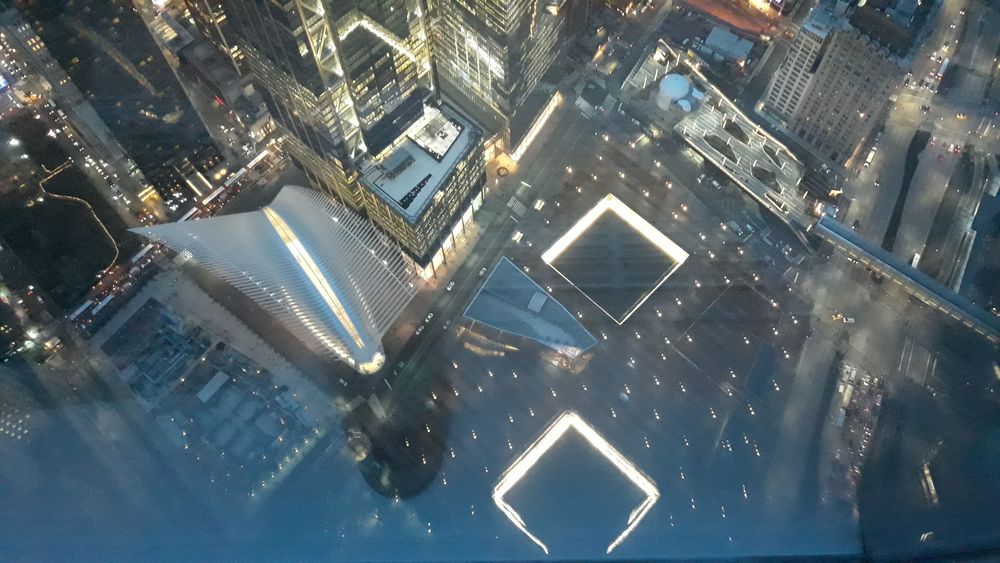
Cover photograph: The illuminated 9/11 Memorial pools and museum pavilion seen from above at night — Archive photograph; no edits to the downloaded file — Christophe Krief, CC BY-SA 4.0.
Frequently Asked Questions
Can I visit the 9/11 Memorial without entering the museum?
Yes. The outdoor memorial is free and separate from the ticketed museum. You can choose a memorial-only visit and spend time at the pools and names.
Is the museum open on Tuesdays?
Only selected Tuesdays supplement its regular Wednesday–Monday schedule. For November 2026 the published extra Tuesday is 24 November; confirm your own date on the official calendar.
How much time should I allow?
As an editorial estimate, allow 45–60 minutes outdoors, 2–3 hours in the museum, or 3–4 hours for both with transitions. Your interests and need for pauses may change this.
Can I take photographs inside?
Only in permitted areas, following signs and staff instructions. Important exhibitions prohibit photography, and flash is prohibited throughout the museum. Respect other visitors' privacy.


Keep Exploring
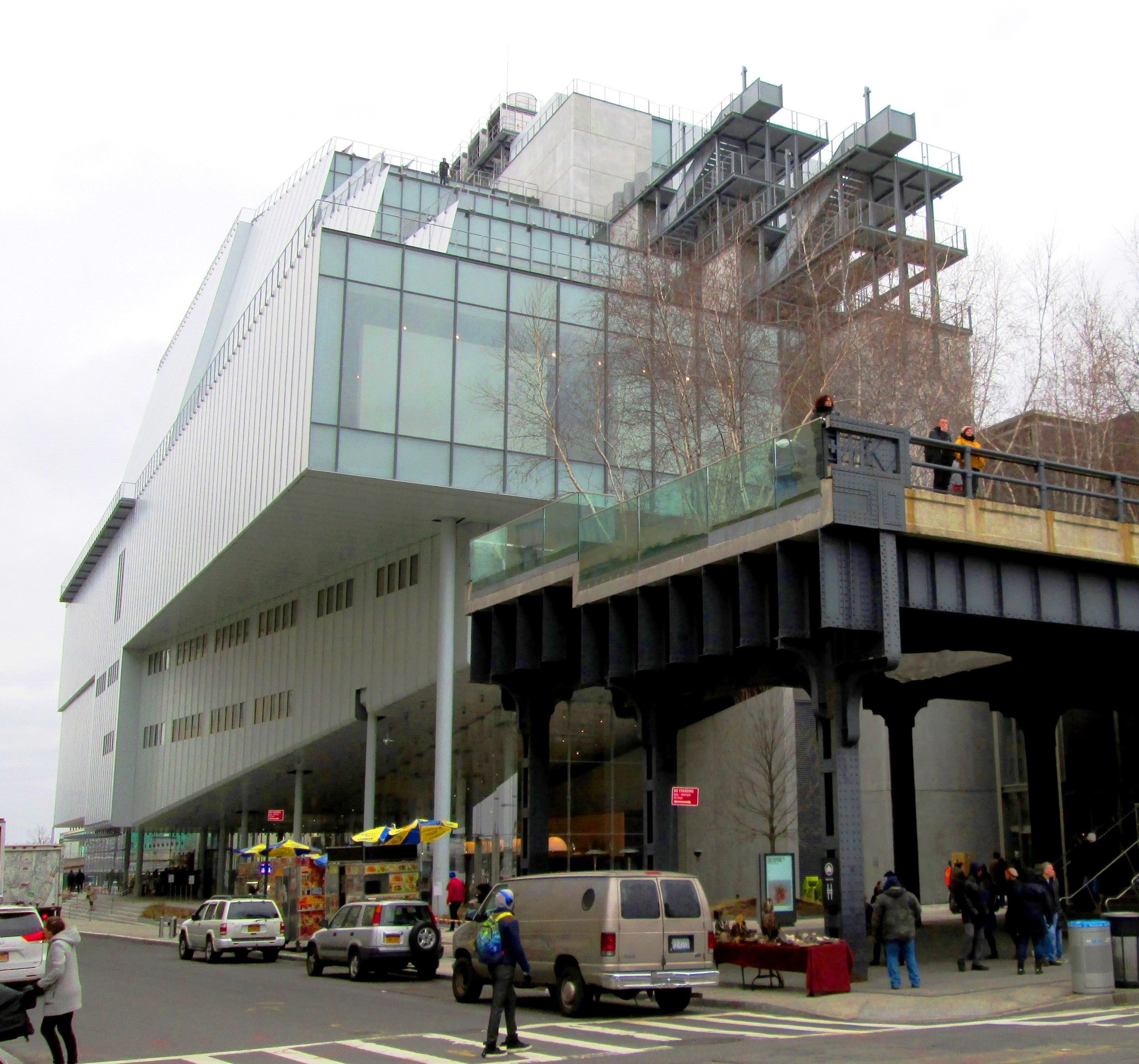
Whitney Museum: Plan Your New York Art Visit
Choose Whitney tickets, free sessions and exhibitions, then plan a focused art visit with a nearby High Line walk.

Edo-Tokyo Museum: Plan Your Visit
Visit the reopened Edo-Tokyo Museum in Ryogoku: current tickets, hours, a focused exhibition route and practical access advice.
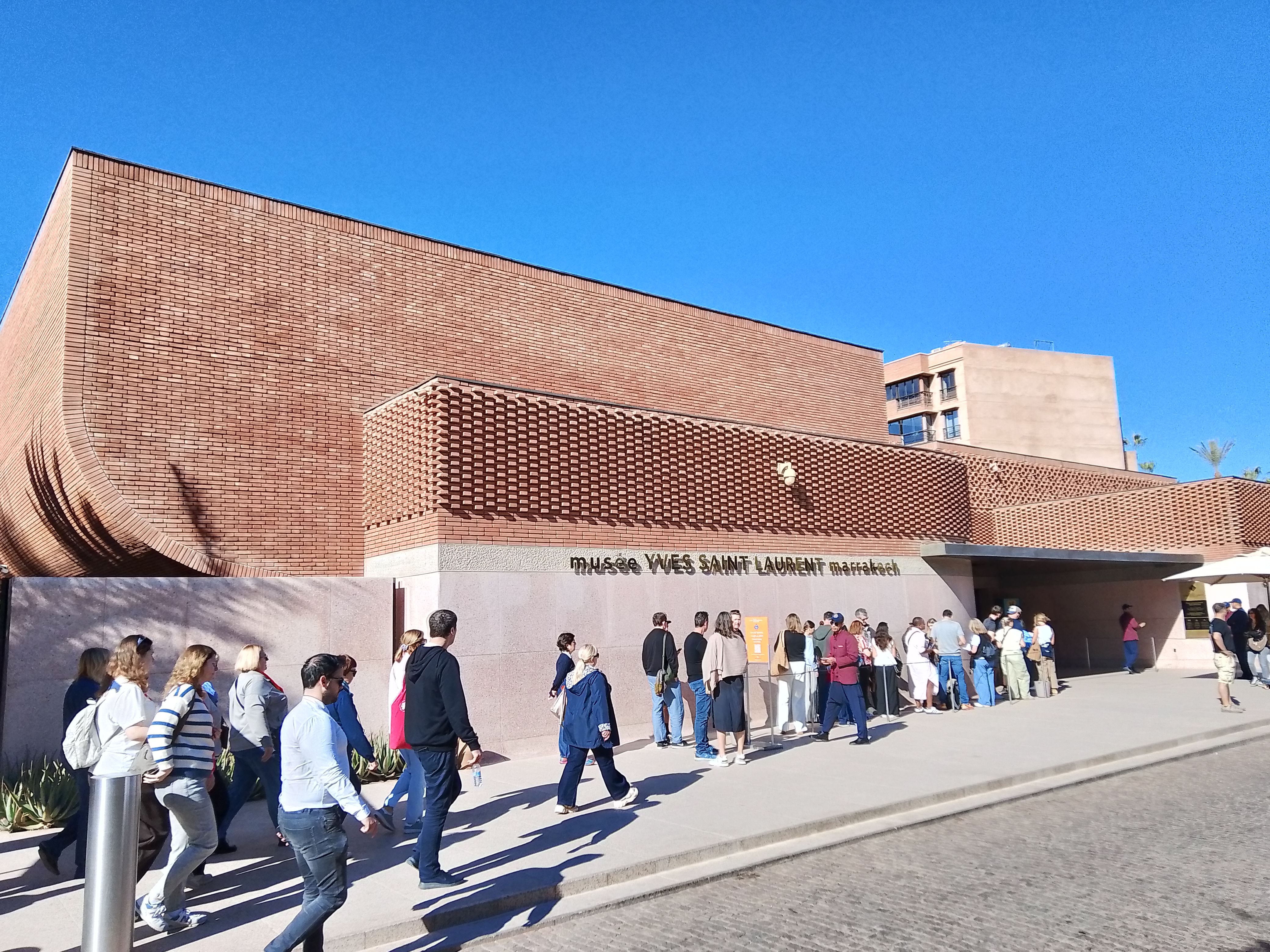
Yves Saint Laurent Museum Marrakech: Plan Your Visit
Plan the Yves Saint Laurent Museum in Marrakech: current exhibition, Wednesday closure, official tickets and how to combine it with Majorelle.