
Whitney Museum: Plan Your New York Art Visit
Choose Whitney tickets, free sessions and exhibitions, then plan a focused art visit with a nearby High Line walk.
Choose the Whitney for an exhibition-led visit to American art, then decide whether a free session or an ordinary daytime ticket fits your trip. Its setting beside the High Line makes a gallery visit and a neighbourhood walk a coherent outing. The useful decision is how much time to give the art before adding the views and surrounding streets.
Our New York highlights guide compares the city's larger choices. This guide concentrates on the Whitney: which ticket to select, how to choose what to see and how to avoid turning a focused museum visit into an exhausting west-side checklist.
Fast facts
| Detail | Planning information |
|---|---|
| Address | 99 Gansevoort Street, Manhattan |
| Regular hours | 10:30–18:00; Friday until 22:00; Tuesday closed |
| Advertised admission | Adults US$30; seniors and students US$24 |
| Free options | Ages 25 and under; Friday 17:00–22:00; second Sunday of each month |
| Suggested visit | 2–3 hours for selected exhibitions; surrounding walks extra |
| Main choice | Prioritise the exhibition, the free session or a combined art-and-walk afternoon |
Visitor information was checked on 3 November 2026. Prices are published US-dollar rates, not a booking quote or a currency conversion. The suggested duration is an editorial allowance; check the museum calendar for holiday exceptions before choosing a date.
Choose the Whitney for the art you actually want
The Whitney's focus is twentieth-century and contemporary American art. That gives it a different purpose from an encyclopedic museum: you are not trying to survey every civilisation, and you do not need prior expertise to find an entry point. Start with a subject, artist or medium that makes you curious, then choose one other exhibition that contrasts with it.
The official exhibition calendar is more useful than an undated list of famous holdings. On the check date, it included Roy Lichtenstein: Like New, listed through 10 May 2027, and The Lost World: The Art of Minnie Evans, through 10 January 2027. These are dated examples of the programme, not a permanent promise. Recheck the calendar for your actual visit, especially when travelling beyond those dates.
For a mixed-interest group, agree on one shared exhibition before entering. People who want longer can then stay with it while others explore another open gallery, with a clear meeting point and time. A museum visit becomes easier when nobody has to pretend that every room deserves identical attention.
Decide whether the free session suits your day
The Whitney's free-admission page confirms free entry for visitors aged 25 and under, Friday evenings from 17:00 to 22:00 and the second Sunday of each month. Reserve the appropriate ticket: free access has limited capacity. Do not interpret the price as permission to arrive at any time without checking availability.
A Friday evening is a sensible choice when you want a cultural activity after a day elsewhere in the city. It also avoids paying the regular admission rate if that matters to your budget. The trade-off is that the selected session shapes the rest of the evening. Do not place a dinner reservation so close to entry that the museum becomes a hurried corridor between two bookings.
The second Sunday works better for a daytime visit, particularly if evening energy is uncertain. Check whether your dates actually include that Sunday; “free on Sundays” is an inaccurate shortcut. Visitors who qualify by age should select the corresponding option for their own day and review any identification instructions during booking.
If the only available free slot forces an awkward cross-city journey, compare the saving with the disruption. An ordinary paid visit can be the better use of a short trip when it fits your location and attention. Our guide to free New York activities offers other ways to balance the overall budget without organising every day around a discount.
Book for the building at Gansevoort Street
Use 99 Gansevoort Street in your directions. The museum's visit page places the Whitney in the Meatpacking District, with A, C, E and L subway services at 14th Street and Eighth Avenue. Allow for the walk from the station rather than treating the station arrival as your museum arrival.
Check live transit information for the journey you intend to make. A line appearing in general directions does not guarantee its usual service on a particular weekend. If you need step-free travel, establish the station exit and street route as well as the museum's own access arrangements.
Leave room for ticket checks, bag inspection and getting your bearings. Arriving at the neighbourhood early can be pleasant; arriving at the museum late and trying to recover lost time by rushing through the first exhibition is less rewarding. Keep the booking confirmation available without relying entirely on mobile reception at the door.
Build a gallery route around attention, not floor count
At arrival, identify the exhibition you most want to see and go there while your attention is fresh. A top-to-bottom route can be convenient, but it is not automatically the best order. If your main interest is elsewhere, start there and let the remaining floors be optional.
Use the Whitney collection search with its “On view” filter when a particular work matters. A collection record documents ownership or collection status; it is not the same as a confirmed place in today's galleries. Also distinguish an online work from an object physically displayed in the building.
For each chosen gallery, spend time with a handful of works rather than photographing every label. Try looking first, reading next and returning to the work afterwards. This gives the label something specific to explain. If a film or installation is central to your interest, check its running information and allow it time rather than assuming everything can be understood in a passing glance.
A practical 2–3-hour visit might contain a main exhibition, a second shorter gallery visit and a pause. That is a planning shape, not an official timed route. If the first exhibition absorbs the whole allowance, finishing there is a successful visit. Buying admission does not create an obligation to exhaust the building.
Give terraces a supporting role
The outdoor terraces add a different way to experience the building and its urban setting. Treat them as a break between galleries or a final stop when conditions are comfortable. They should support the reason you chose the Whitney, rather than become a substitute for an exhibition that does not interest you.
Wind, rain and the season affect how long you want to remain outdoors. Keep the indoor visit worthwhile on its own, particularly when booking ahead. Do not promise your group a particular sunset or photograph: the date, weather and accessible areas determine what is possible.
If someone primarily wants an open-air view, discuss that before buying tickets for everyone. The museum's free ground-floor gallery is a different, limited experience from access to all exhibition floors. It can suit a brief introduction, but it should not be described as a free version of the entire museum.
Bags, accessibility and family pacing
Read the visitor policies before leaving your accommodation. Luggage of any size is prohibited. Large bags and backpacks must go to coat check; this does not make coat check a luggage-storage service. Arrange suitcase storage elsewhere if visiting between hotel checkout and an onward journey.
The accessibility information describes elevator access to all levels and manual wheelchairs available first come, first served. Contact the museum when your visit depends on a particular resource; availability is not a reservation. Review the access route outside as well, since surrounding street construction can affect the approach.
For families, choose one exhibition and a manageable stopping point before adding more. Invite children to select a work and explain what they notice rather than turning the outing into a test of names and dates. Keep food breaks outside gallery time and use seating where permitted. A shorter, attentive visit can leave more interest than an extra floor visited after everybody is tired.
Add one nearby walk, not every west-side attraction
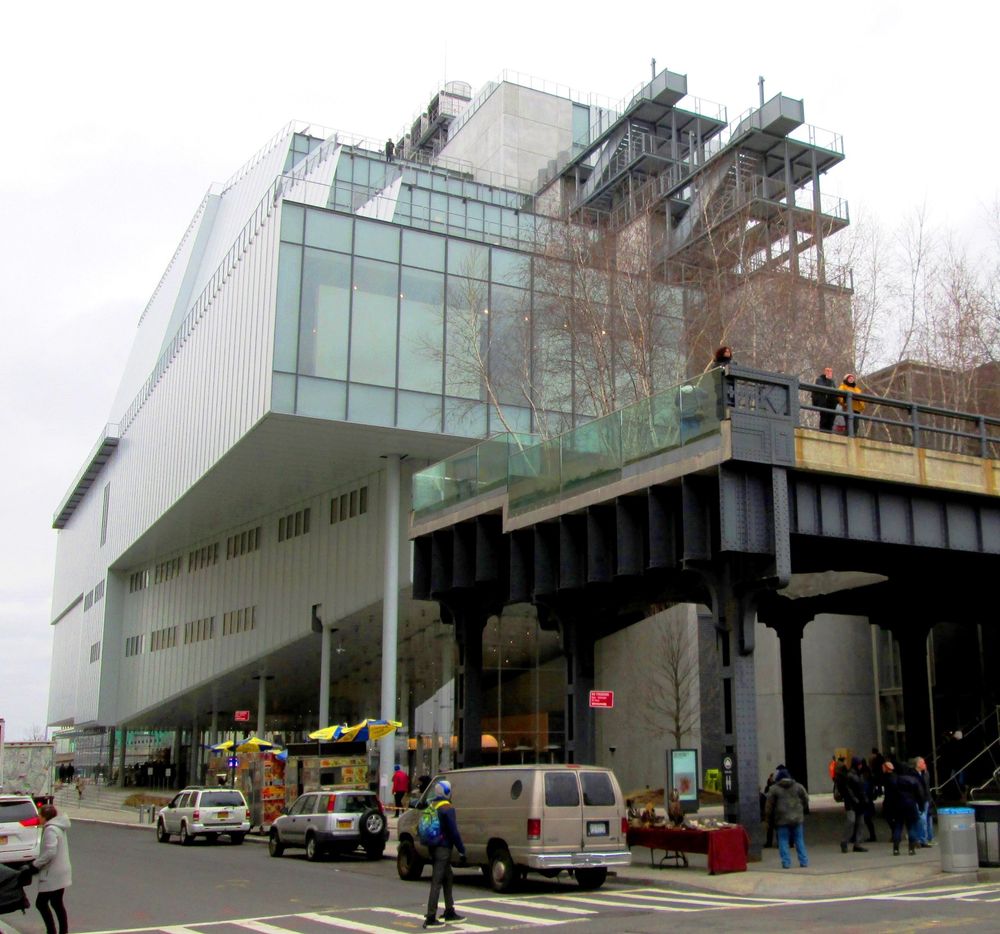
The High Line is a natural companion because its southern end is beside the museum area. Choose the length of the walk according to the energy remaining after the galleries. You do not have to walk the entire park for the combination to make sense, and its entrances, hours and accessible facilities need their own check.
For an afternoon museum slot, a modest neighbourhood walk beforehand can work if it leaves a comfortable arrival margin. For a Friday evening visit, put any daylight-dependent outdoor activity earlier and keep the gallery visit as the final substantial commitment. Avoid scheduling both a long walk and a second major museum simply because they appear within reach on a map.
Eat when it supports your route. Before settling on an in-museum café or bar, check its separate operating hours; the building's closing time does not promise that every food outlet serves until then. If the group is already hungry, a meal before admission is usually a better foundation than expecting patience to improve in the galleries.
Cover photograph: Whitney Museum building beside the southern end of the High Line in Manhattan — Archive photograph; no edits to the downloaded file — Beyond My Ken, CC BY-SA 4.0.
Frequently Asked Questions
Is the Whitney free every Friday?
The published free period is Friday 17:00–22:00. Reserve the relevant ticket and check the date's availability; daytime Friday admission is not automatically free for every visitor.
Is the Whitney open on Tuesdays?
The regular museum calendar lists Tuesday closure. Check date-specific exceptions before travelling; a café's hours do not establish museum access.
How long should I allow?
Allow around 2–3 hours for a selective exhibition visit as an editorial estimate. Add travel, meals and the High Line separately, and allow longer if an exhibition especially interests you.
Can I bring a suitcase to coat check?
No. The museum prohibits luggage of any size or type. Make another storage arrangement before arriving; coat check for permitted belongings is not a workaround.


Keep Exploring
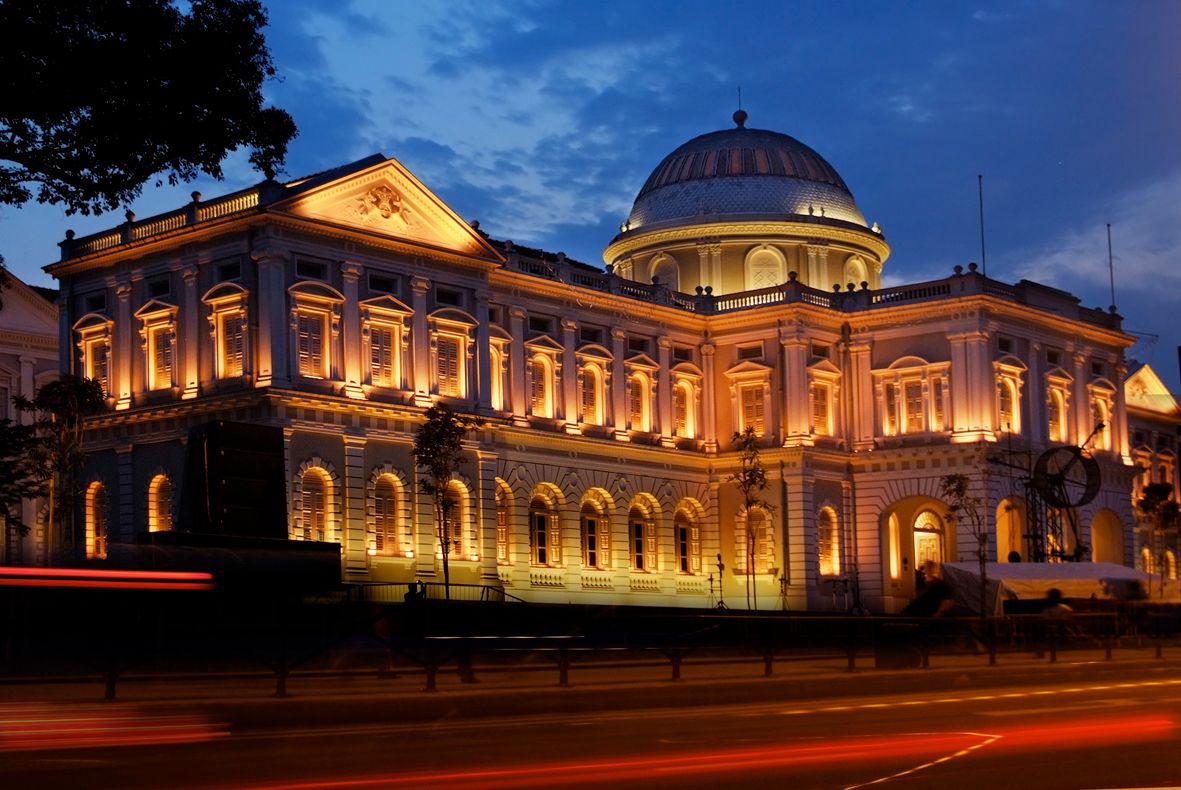
National Museum of Singapore: Plan Your Visit
Plan the National Museum of Singapore: the renewed history experience, admission checks, visit length, entrances and access needs.
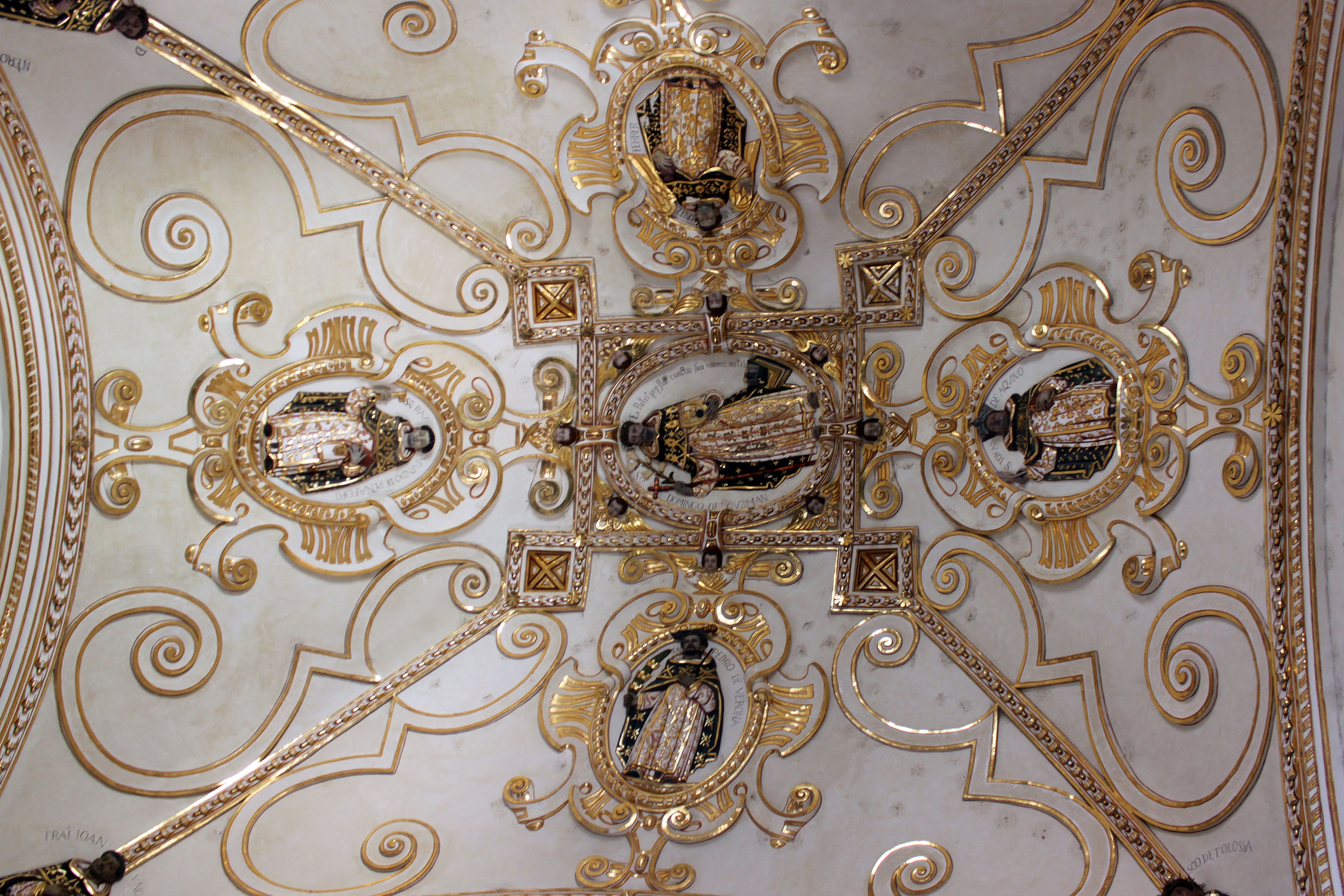
Museum of Oaxacan Cultures: Plan Your Visit
Plan Oaxaca’s museum at Santo Domingo: Tomb 7 objects, the former convent, conflicting official hours and separate garden access.
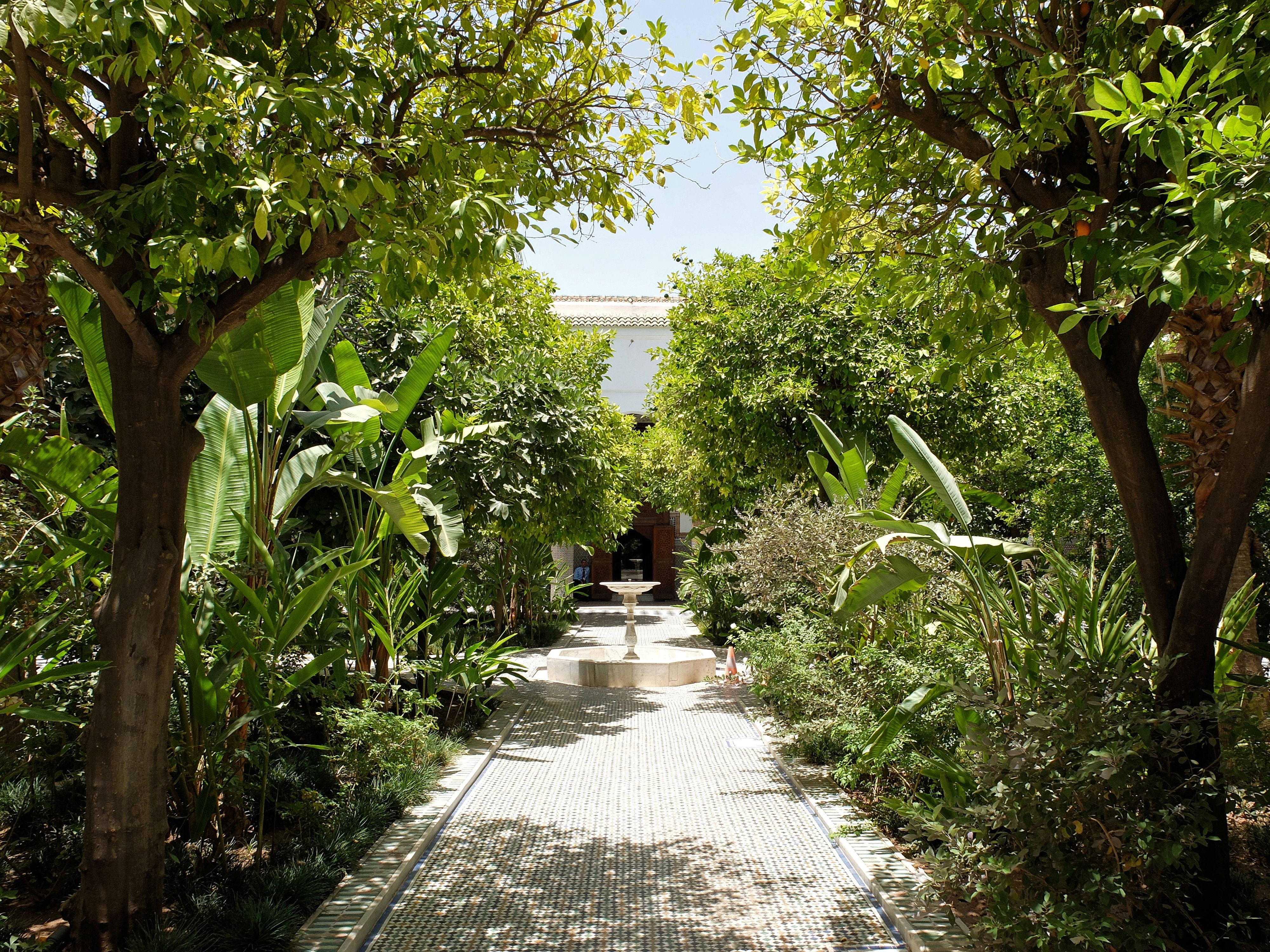
Dar El Bacha: Plan Your Marrakech Museum Visit
Visit Dar El Bacha for its palace interiors and museum. Compare published admission, allow time for the medina and treat Bacha Coffee separately.