
Kyoto Imperial Palace: Plan Your Free Visit
Plan Kyoto Imperial Palace entry, gardens, free tours and seasonal hours, with current Shishinden restoration limits and the right entrance.
Kyoto Imperial Palace is a free outdoor visit to the former imperial residence, with no advance reservation for ordinary entry. Choose it for court architecture, garden views and an introduction to a different side of Kyoto. Do not arrive expecting furnished rooms: visitors remain outside the buildings, and major restoration around the Shishinden now changes the familiar ceremonial view.
This guide explains what an ordinary visit actually includes. For a wider selection of temples, neighbourhoods and gardens, start with our Kyoto cultural highlights. If you are deciding whether to pay for another historic residence, compare our Nijo Castle visiting guide before filling the same day with both.
Essential information before you arrive
| Decision | Current arrangement |
|---|---|
| Ordinary admission | Free; no advance application |
| Entrance | Seishomon Gate, on the palace's western side |
| October–February | 09:00–16:00; last entry 15:20 |
| March and September | 09:00–16:30; last entry 15:50 |
| April–August | 09:00–17:00; last entry 16:20 |
| Regular closure | Monday; Tuesday instead when Monday is a national holiday |
| New Year closure | 28 December–4 January |
| Planning allowance | About 60–90 minutes inside, plus the park approach |
Hours come from the Imperial Household Agency's current visiting information, checked on 25 November 2026. The visit length is our editorial allowance, not an official duration. Court functions, weather and other circumstances can cause additional closures, so inspect the palace calendar for your chosen date.
Palace, park and Sento Palace are different visits
Kyoto Gyoen is the broad surrounding garden area. Kyoto Imperial Palace, also called Kyoto Gosho, is the enclosed historic complex within it. Walking into the park does not mean you have entered the palace, and reaching an imposing gate does not necessarily mean you have reached the visitor entrance.
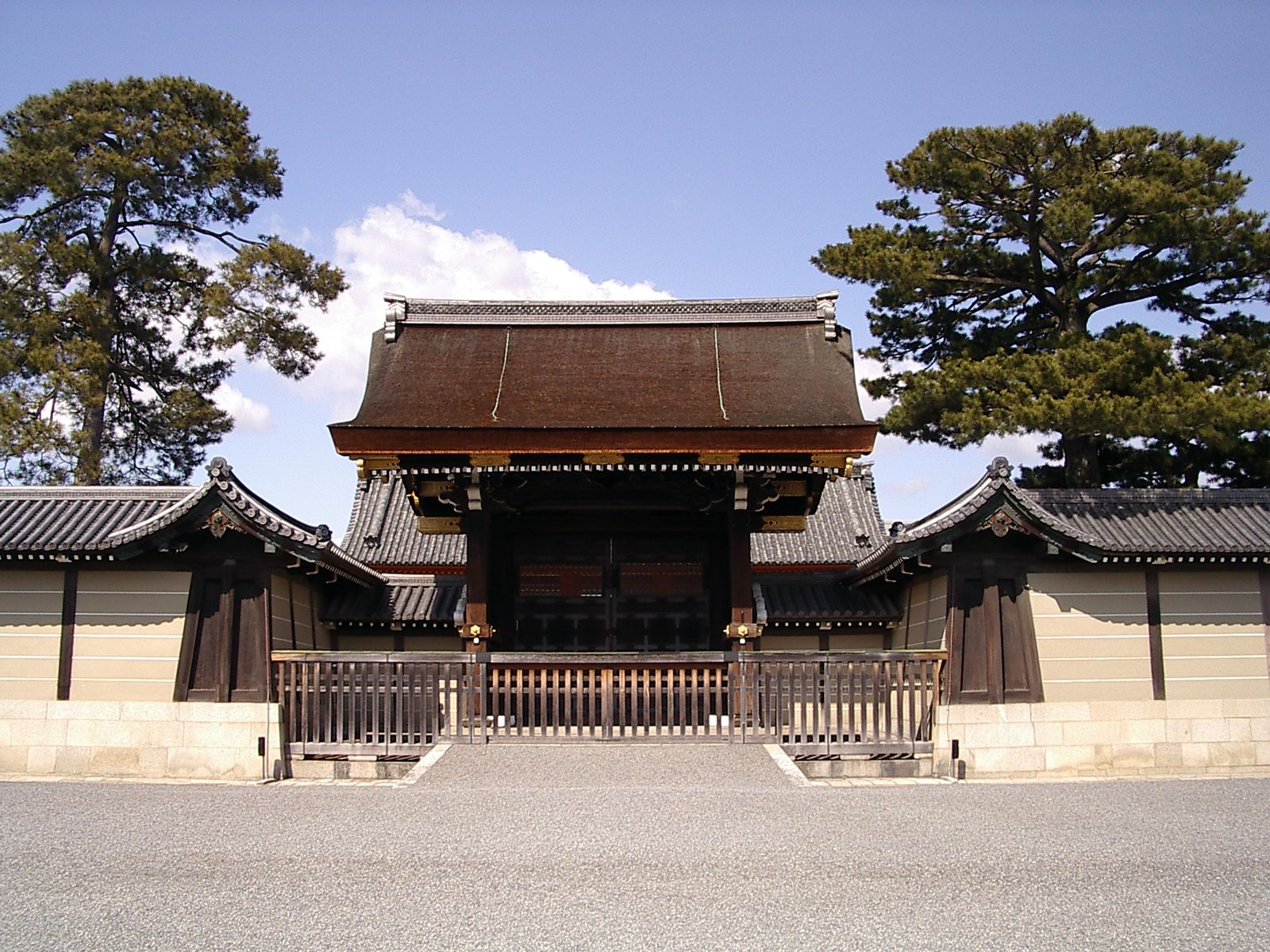
Use Seishomon as the destination for ordinary admission. Kenreimon, the formal southern gate shown in many photographs, helps explain the architecture but is not the public entrance named in the official palace guidelines. Allow for the approach rather than treating the outer park boundary as your arrival time.
Kyoto Sento Imperial Palace is another establishment, with separate guided-visit arrangements. The agency's booking portal distinguishes it from Kyoto Imperial Palace and the imperial villas. A reservation for one is not a reservation for another. For a simple first outing without advance applications, the ordinary Kyoto Gosho route is the straightforward choice.
Restoration is a reason to adjust expectations
The Shishinden, the palace's main ceremonial hall, entered a long conservation programme in October 2026. The official works page describes phased construction of a protective roof, restoration and eventual removal of the enclosure. The overall programme is expected to last about nine years; individual phases can change.
This is more than a small repair hidden behind a door. By November, preparatory barriers and works around the connecting structures were already documented. The usual unobstructed ceremonial composition should not be promised. Follow the revised route and keep clear of barriers even where an older map suggests an open courtyard.
The autumn special opening of 8–12 October 2026 has ended. Photographs and descriptions advertising that event do not establish what is visible on an ordinary November visit. The current route map linked by the palace marks the restoration area; consult it alongside the notices rather than relying on an old saved itinerary.
Choose the visit if the broader palace setting and gardens interest you despite these limits. If an unobstructed Shishinden photograph is your sole objective, postpone that particular expectation. The palace remaining open and every historic view remaining available are two different things. The cover photograph of Kenreimon is an archive image taken in March 2005, not a record of the current works.
Understand the ceremonial buildings from outside
The palace's present buildings largely reflect the reconstruction of 1855. The agency's architectural introduction explains the different roles of ceremonial halls, audience rooms and residential buildings. Read the names as clues to use, rather than trying to memorise every roof you pass.
The Shishinden's importance lies in imperial ceremony. Its south-facing arrangement, elevated timber structure and cypress-bark roof belong to a formal architectural language. During restoration, the official building page is useful for understanding features that may be obscured; its detailed interior descriptions are not a statement of visitor access.
The Kogosho offers a different historical thread: meetings and audiences, including the conference following the declaration restoring imperial rule in December 1867. The current structure was reconstructed in 1958. That distinction helps avoid imagining that everything on the route is a single untouched medieval complex.
Look for differences in scale, thresholds and the relationship between buildings and open ground. A residence designed around hierarchy can be read through who approached which space and how an entrance framed arrival. You can enjoy those questions without seeing private rooms or needing a specialist vocabulary before the visit.
Give the gardens their own attention
Oikeniwa is the larger pond composition. The palace's garden description identifies islands, bridges and a shoreline shaped with pebbles and gentle slopes. From the permitted viewing route, notice how these elements divide the water into smaller scenes rather than treating the pond as a single background.
The garden's historical design as a strolling landscape does not give visitors permission to take every internal path or bridge. Stay on the designated public course. A view across a bridge can be rewarding without crossing it, and the official site's close-up photographs may show positions unavailable to ordinary visitors.
Gonaitei has a more intimate character associated with the residential area. Its official history describes a garden formed after the 1855 rebuilding, with materials offered by nobles, warrior families, religious institutions and imperial estates. The emperor and his consort took a personal interest in its design.
Use the contrast between the two gardens as a way to slow down. Compare open water with a narrower garden scene, broad composition with individual stones, or a building's straight edge with the planting beside it. Seasonal colour can enhance those relationships, but no particular foliage date, blossom peak or snowy scene is guaranteed.
Guided tour or independent circuit?
The palace normally offers free English tours at 10:00 and 14:00, lasting approximately 50 minutes, as well as Japanese and Chinese departures. Check the visitor guidance for the current timetable and join at the visitors' room before the advertised start. Ordinary individual participation does not require advance registration, but arrangements can change when crowded.
A guided visit suits someone who wants the buildings placed in historical context without constantly reading a screen. Arrive with enough margin for the approach and security check. The tour time is not a suggested moment to reach the edge of Kyoto Gyoen, nor is a free tour a guarantee of unlimited places.
Choose the self-guided route if you prefer to pause at garden views or need control over your pace. The agency links a free audio-guide app in several languages, including English, French and Spanish. Download relevant material before entering if you want to avoid spending the first part of the visit sorting out your phone.
Neither format admits visitors into the palace buildings. Choose between explanation and flexibility, not between different levels of interior access. If someone in your group expects an indoor museum, settle that misunderstanding before you travel.
Getting there and managing the walking
The official access page recommends Imadegawa Station on the Karasuma subway line, with an indicative five-minute walk, or the Karasuma Imadegawa city-bus stop, with an indicative seven-minute walk. Your actual time depends on the exit, pace and where you stop in the park.
Travel light. Large baggage and pets cannot enter, and belongings are checked at the gate. The route includes gravel; comfortable shoes matter more than the apparent flatness on a map. Wheelchairs are available through palace staff, but ask about the current route and assistance if gravel or sustained walking is a concern.
Do not plan the palace as a lunch stop. Eating, alcohol and smoking are prohibited inside the visit area. Have a meal beforehand or allow time afterwards. Photography is generally possible under the site's rules, but drones and disruptive equipment are not appropriate; follow staff instructions rather than recreating a photograph at any cost.
Build a half-day with a clear purpose
For a morning visit, arrive before the English tour if you want it, then keep the remaining time for the surrounding park and lunch. For an independent circuit, protect the 60–90-minute allowance and avoid a late arrival close to the seasonal last-entry time. The final 40 minutes before closing are not a generous substitute for a considered visit.
Nijo Castle can provide a useful comparison between imperial and shogunal settings, but it is a separate journey and admission decision. Choose both only if comparing historic residences genuinely interests you. Otherwise, a palace visit followed by a meal and an unhurried walk offers a more balanced half-day than adding another major complex because it is also labelled a palace.
The strongest reason to come is curiosity about how architecture, gardens and court life fit together. The free admission makes that curiosity easy to follow; it does not remove the need to check opening days, restoration notices and your group's expectations.
Cover photograph: Archive view of Kenreimon gate at Kyoto Imperial Palace between pine trees, March 2005 — Archive photograph 2005 — moja, CC BY-SA 3.0.
Frequently Asked Questions
Do I need to reserve Kyoto Imperial Palace?
No advance application is needed for ordinary Kyoto Imperial Palace entry. Kyoto Sento Imperial Palace and the imperial villas have separate arrangements.
Can I go inside the palace buildings?
No. Ordinary guided and self-guided visits follow an outdoor route. Detailed interior photographs on the official website do not indicate public room access.
Is Kyoto Imperial Palace still worth visiting during restoration?
Yes if you want the wider architectural setting and garden views. Adjust expectations around the Shishinden, where a major conservation programme began in October 2026.
Which gate should I use?
Use Seishomon Gate on the western side for ordinary visitor admission, rather than the formal Kenreimon gate seen in many photographs.
How long should I allow?
Allow around 60–90 minutes inside as a planning estimate, plus the park approach and any waiting. The advertised guided tour itself is approximately 50 minutes.


Keep Exploring
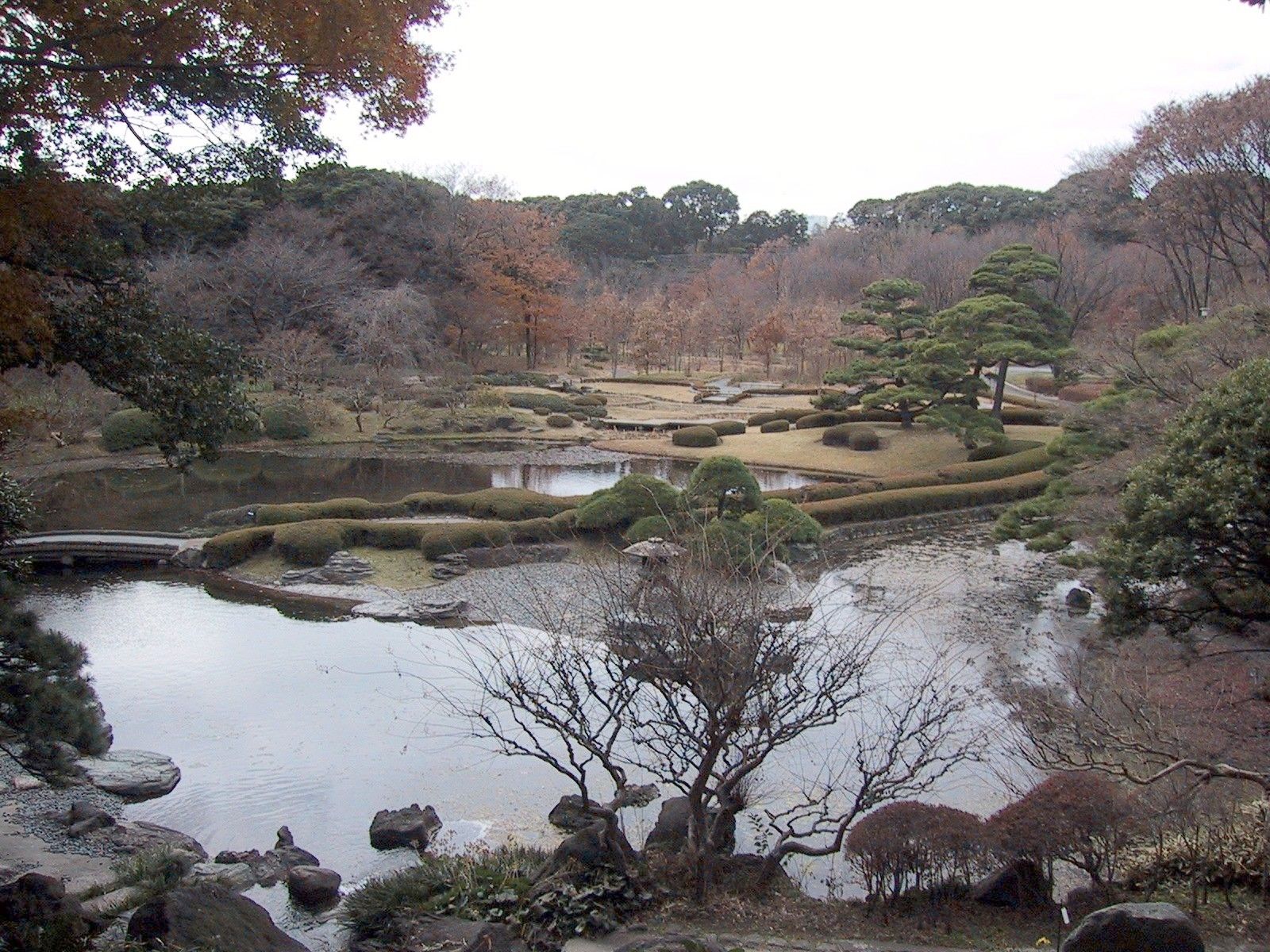
Tokyo Imperial Palace East Gardens: Plan Your Visit
Plan a free walk through Edo Castle remains and Ninomaru, with seasonal hours, gate choices and the difference from a palace tour.
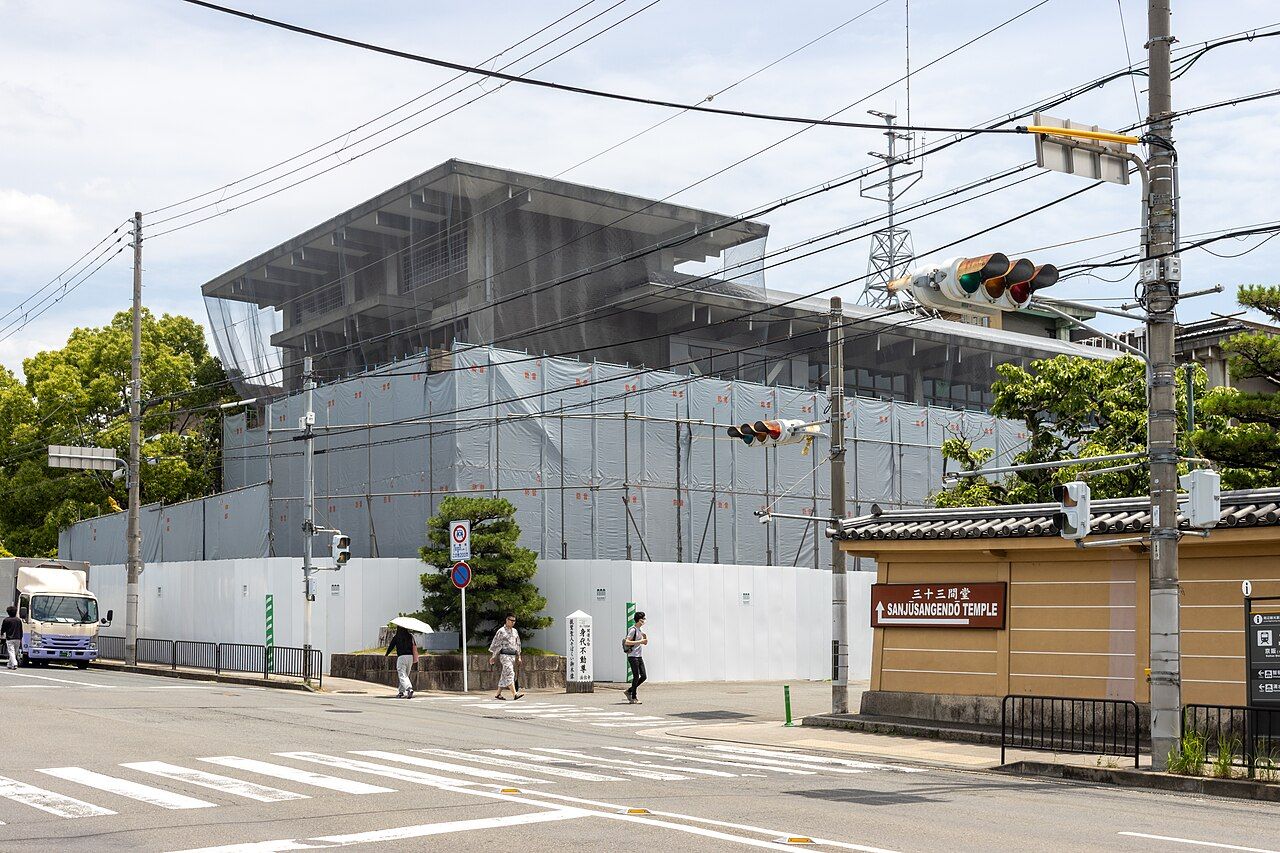
Sanjusangen-do Kyoto: Plan Your Temple Visit
Plan Sanjusangen-do in Kyoto: sculpture highlights, seasonal hours, admission, access and a sensible pairing with Kyoto National Museum.
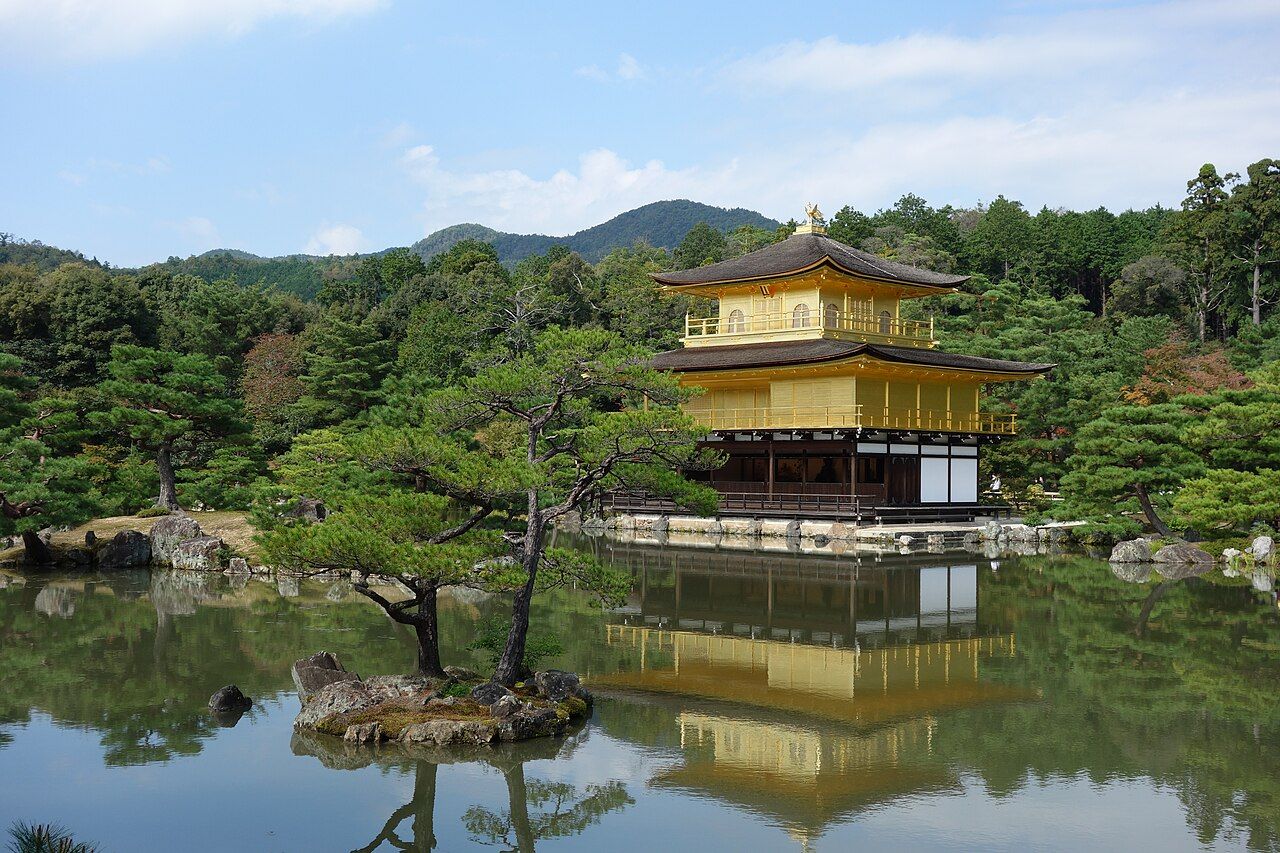
Kinkaku-ji: Plan Your Kyoto Temple Visit
Plan the Golden Pavilion, pond walk and northwest Kyoto journey, with current admission, access and photography rules.