
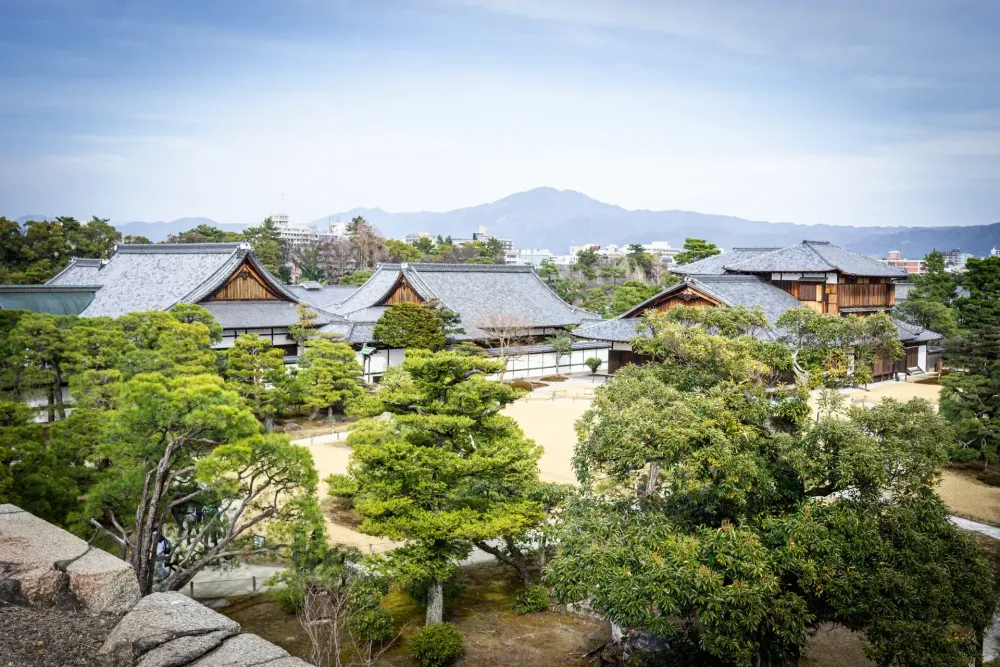
Choose the right Nijo Castle ticket, understand the two palaces and their different calendars, and plan a visit with enough time for the gardens.
For a first Nijo Castle visit, start with Ninomaru Palace and its garden; add Honmaru Palace if a second architectural interior genuinely interests you and you can reserve it. The key purchase is not simply “a castle ticket”. Grounds admission, Ninomaru entry and a reserved Honmaru visit are distinct components, with different access conditions.
Nijo offers a useful change from Kyoto's temple and shrine outings: the focus is palace architecture, the display of authority and the relationship between rooms and gardens. Our Kyoto highlights guide helps decide where this fits alongside the city's other experiences; this guide handles the castle visit itself.
Official information checked on 20 October 2026. Prices below are published standard adult rates, not dated booking quotes. Visit allowances are editorial estimates, excluding transport and long queues.
The choices at a glance
| Your plan | Admission to check | Suggested time on site | Main decision |
|---|---|---|---|
| Grounds and gardens | Castle admission | 1½–2 hours | You will miss palace interiors |
| First visit with one palace | Castle plus Ninomaru Palace | 2–3 hours | Check Ninomaru's separate closure days |
| Both palace interiors | Castle, Ninomaru and reserved Honmaru | 3–4 hours | Build the route around the Honmaru slot |
| A special evening event | That event's own ticket | Follow its programme | Do not assume daytime interiors are included |
A shorter gardens-only visit is a legitimate choice if landscape is your main interest. It is less satisfying if you expected to see the rooms but bought the cheapest ticket without reading its coverage. Decide what would make the visit worthwhile before comparing totals.
Why prioritise Ninomaru Palace?
The official Ninomaru introduction describes connected palace buildings, painted interiors and carved details. Look at how the rooms communicate rank: where a visitor would wait, how formal spaces are arranged and how decoration changes the impression of authority. This gives the visit a focus beyond photographing the exterior.
You do not need to memorise every room name. Choose a few features to notice and use the interpretation to connect them. Someone interested in interiors may prefer this to adding another temple garden; someone interested only in outdoor scenery may reasonably put more time into the garden and less into architectural detail.
The famous “nightingale” floor deserves a correction. The castle's own explanation attributes the sound to the movement of fittings beneath the floorboards and explicitly rejects the familiar claim that it was designed as an intruder alarm. Listen without turning the visit into a test of that story. There is no need to stamp or obstruct the route to demonstrate the effect.
After the interior, use the garden as a change of pace. Observe the pond, stones and the relationship to the palace rather than treating it as a corridor to the next ticketed building. If that combination already meets your interests, you can leave without adding Honmaru.
Understand the ticket total
The official fees page lists ¥800 for castle admission and ¥1,300 for castle admission plus Ninomaru Palace. Honmaru Palace is an additional ¥1,000, and its ticket does not include castle admission. School-age categories and exemptions differ; check the category applicable to each visitor.
For a standard adult visiting both palaces, those listed components add up to ¥2,300 before any optional extras. That calculation is useful when comparing a reseller's offer: look for the exact components, not merely the word “castle”. A guided service, an evening event or another add-on can legitimately change the price, but should have a clear purpose for you.
The official ticket guide distinguishes online sales, the gate ticket office and the information desk inside. Ordinary castle and Ninomaru visits do not require the same timed reservation as Honmaru. Do not join a queue assuming every desk sells every product.
If Honmaru matters, book that component through the official route and verify the accompanying castle ticket. Small numbers of same-day Honmaru tickets may be available at the internal information desk, but the ordinary gate ticket office does not sell them. Treat that as limited availability, not a reliable fallback for a fixed itinerary.
Honmaru is a separate visit, not an extra room
Honmaru Palace reflects a different architectural story: buildings from the Katsura-no-miya residence were moved into the castle's inner enclosure. Choose it when comparing palace spaces interests you, not simply because the larger package sounds more complete.
The Honmaru reservation page says online sales begin 30 days before the visit. Check the slot, the current room-display schedule and the purchase conditions before confirming. Original decorative material is protected through changing displays, so a published photograph does not mean every pictured room or painted door will be visible.
Allow substantial movement time inside the castle: the operator gives 15–20 minutes for the shortest route from Higashi Ote-mon to Honmaru, roughly 850 metres. Your reservation is not an appointment at the outer gate. Plan to be at the palace area early and leave extra margin if you walk slowly, need assistance or want to stop along the way.
If the reserved time comes first, visit Honmaru before settling into a long Ninomaru visit. If there is a generous gap, Ninomaru can come first. The important point is to choose the order deliberately; do not spend the approach photographing gardens until the remaining walk becomes a rush.
Check three calendars, not one
Use the opening and closure page to check the castle, Ninomaru and Honmaru separately. A day when the grounds are open can still be a closure day for the palace you wanted. Recheck once you have selected a date rather than relying on a search result's general “open” label.
The published daytime schedule allows castle entry from 08:45 to 16:00, with the grounds closing at 17:00. Individual palace admission arrangements differ. Arriving just before the gate cutoff does not leave enough time for the broad visit described in the table.
Ninomaru has recurring Tuesday closures in selected months, while Honmaru has a separate monthly closure pattern; holiday exceptions and year-end restrictions also apply. Read the exact calendar for your date. If Ninomaru is your main reason to visit, change the day when possible instead of treating a grounds-only ticket as the same experience.
Evening illuminations or other special events should be assessed separately. Verify the event's hours, access route and included spaces. A nighttime garden programme does not establish that the palace interiors are open, and a daytime ticket does not automatically grant evening admission.
A route that gives the gardens enough time
For the first-visit plan without Honmaru, enter at Higashi Ote-mon and orient yourself before heading towards the Kara-mon and Ninomaru area. Visit the palace, then take time in the Ninomaru Garden. After that, decide how much of the remaining grounds you want, using the current site map and signs.
A 2–3-hour allowance leaves space for looking, a break and a garden section without assuming every available path is compulsory. If the interior takes longer than expected, shorten the later grounds walk. If gardens are your strongest interest, do the reverse while still respecting the palace's admission time.
With both palaces, anchor the itinerary to the Honmaru reservation and keep a clear route between the two areas. Protect a break rather than filling every spare interval with another detour. Three to four hours is an editorial starting allowance, not a guarantee for every walking pace or crowd level.
Avoid scheduling a distant timed activity immediately afterwards. You need to leave the grounds, reach transport and travel to the next location. A map pin on the castle boundary is not the same as standing at the exit after the last room of your visit.
Getting there from Kyoto Station
The Japan National Tourism Organization's access directions use the Karasuma subway line from Kyoto Station to Karasuma Oike, then the Tozai line to Nijojo-mae. Check the journey from your actual accommodation if you are starting elsewhere.
Do not confuse Nijojo-mae with Nijo Station when selecting a route. Choose the castle's visitor entrance as the destination and include the walk from the station. A rail route that looks shorter on the train can still involve a less convenient final approach for your plans.
Arriving early in the day can make the sequence easier to arrange, but no time guarantees an empty palace. Choose a starting time that gives the desired visit adequate room before closing. That is more dependable than chasing a universal “quietest hour”.
Photos, shoes and accessibility
The visitor rules prohibit re-entry to the castle and palaces. Plan food and rest accordingly: leaving for lunch and returning is not the default arrangement. Use designated areas and follow staff directions on where eating is allowed.
Photography and video are prohibited inside both palaces. Keep interior appreciation separate from the images you plan to take outside. For Honmaru, socks are required and shoes and bags are stored as instructed. Pack with that transition in mind rather than arriving with awkward luggage and expecting every interior to accommodate it.
The official accessibility FAQ explains that wheelchair visits to the palaces require transfer to a provided viewing wheelchair, and access may not be possible for someone unable to transfer. This is a material restriction. Confirm individual needs with the castle before buying, and assess the grounds route separately from interior access.
For children or anyone who tires with detailed interiors, one palace and a garden can be the stronger outing. Buying both palaces is not a requirement for understanding the site. Keep the group’s interest and walking capacity ahead of a completion checklist.
What to combine with the castle
After a substantial Nijo visit, a meal or a modest central-city outing can provide enough contrast. Use our Kyoto three-day itinerary to place the castle within the wider trip rather than attaching several distant temples to the same day.
If choosing between this visit and western Kyoto, compare the type of landscape and architecture in our Arashiyama guide. For weather and seasonal priorities, consult when to visit Kyoto. Seasonal colour can enhance the grounds, but palace availability and your interests should lead the booking decision.
Cover photograph: Palace buildings and gardens at Nijo Castle in Kyoto. Photo by Boris Dahm — Pexels.
Frequently Asked Questions
Does the cheapest Nijo Castle ticket include Ninomaru Palace?
No. The published standard adult grounds ticket is ¥800; castle admission with Ninomaru Palace is ¥1,300. Check your exact product before purchase.
Do I need to reserve Honmaru Palace?
Yes. It uses advance reservations, with online tickets available from 30 days before the visit. Limited same-day availability should not be assumed, and castle admission is required separately.
How long should I spend at Nijo Castle?
Allow about 2–3 hours for Ninomaru and gardens, or 3–4 hours when adding a reserved Honmaru visit. These are editorial allowances; transport, queues and individual walking needs add time.
Can I photograph the palace interiors?
No. Photography and video are prohibited inside Ninomaru and Honmaru. Follow the current visitor rules for outdoor areas and equipment too.
Are both palaces open whenever the castle is open?
The grounds and the two palaces have distinct closure schedules. Check all components you want for the actual date; an open castle does not guarantee access to either palace.

Keep Exploring

Jardin Majorelle: Tickets and Visit Planning
Plan Jardin Majorelle in Marrakech: choose garden or museum tickets, use the official booking site and fit the visit into a realistic day.
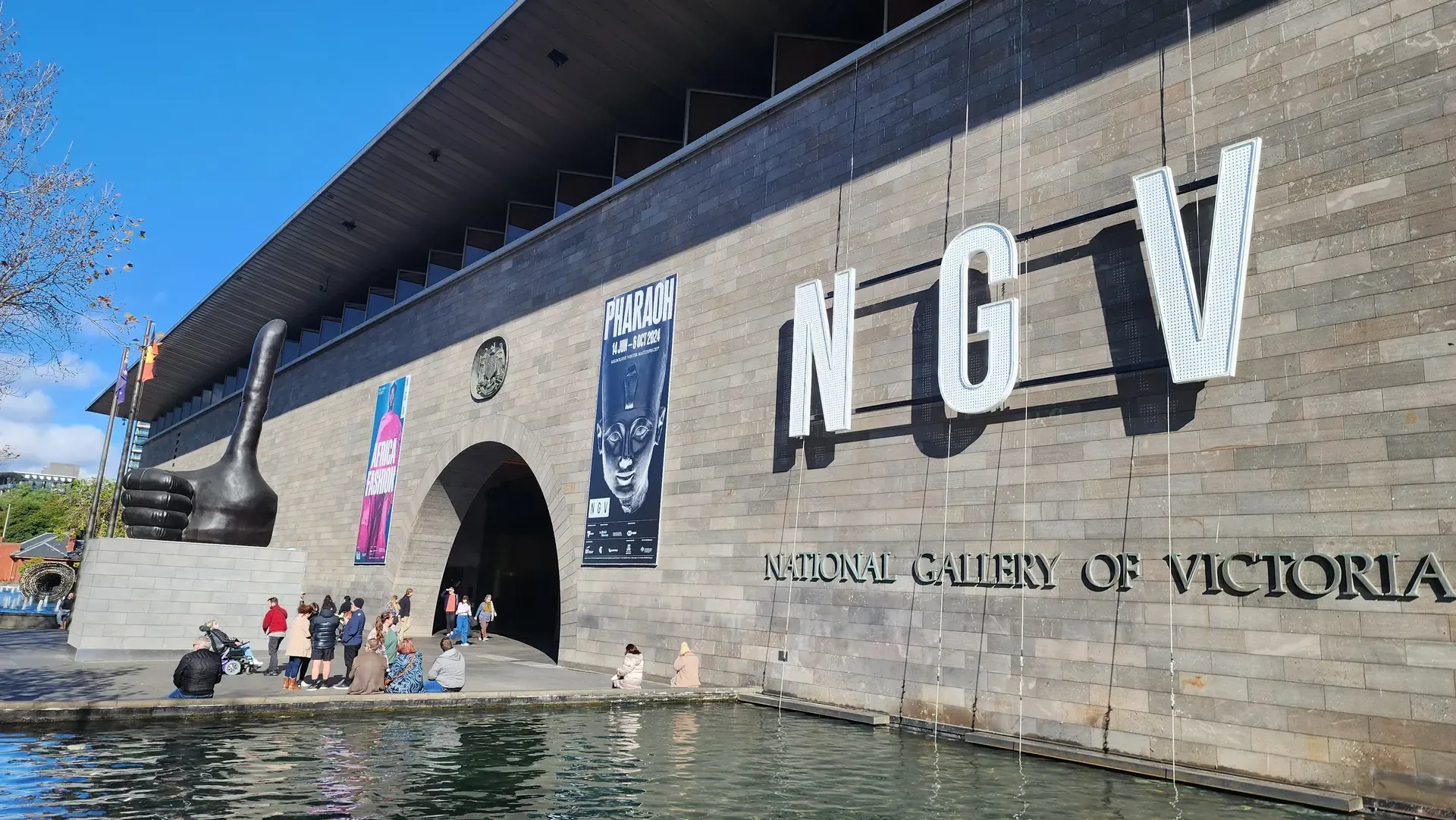
NGV Melbourne: Which Gallery Should You Visit?
Choose between NGV International and NGV Australia, with free-entry details, exhibition planning, access advice and realistic visit times.
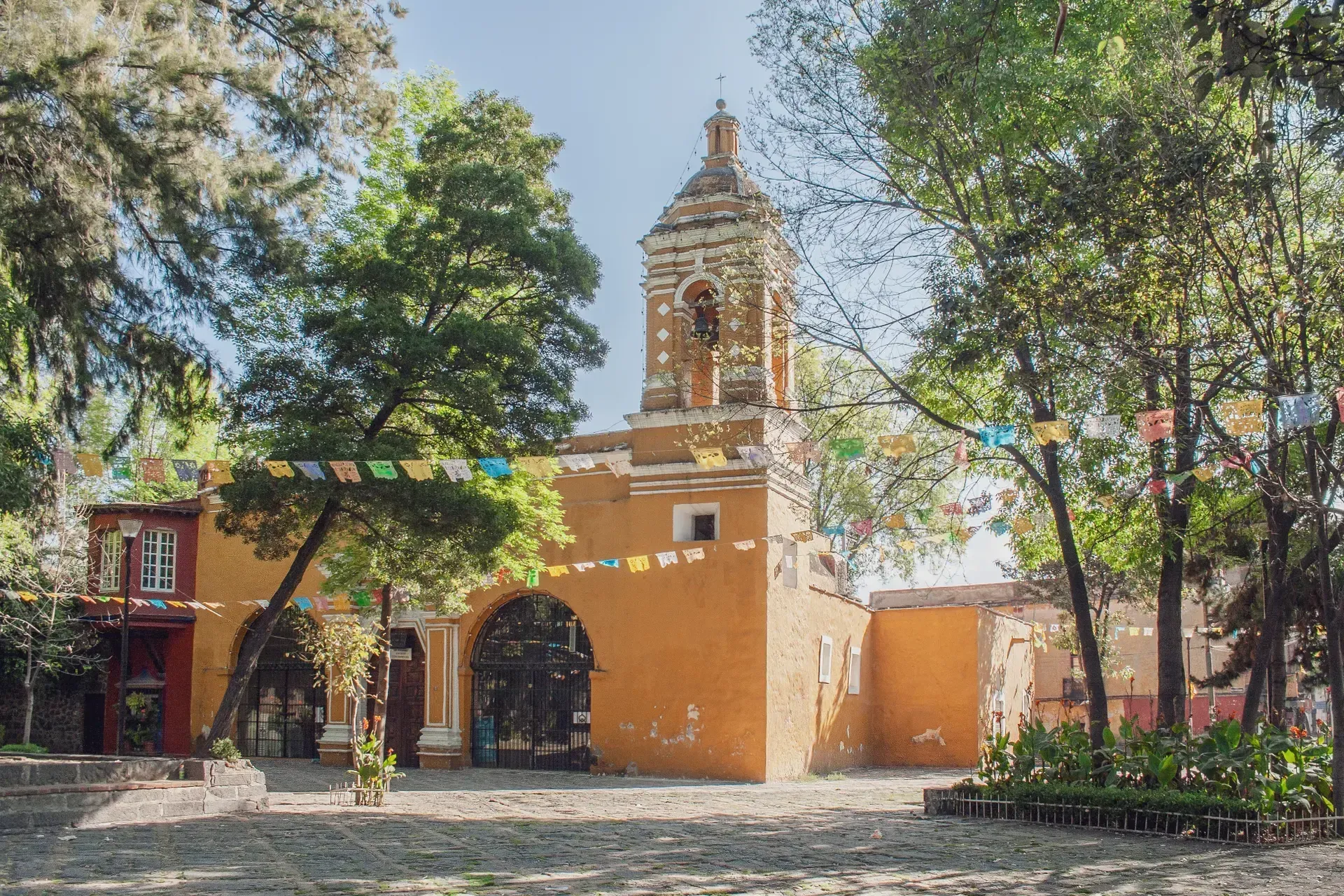
Coyoacán and Frida Kahlo: Plan Your Visit
Choose a museum-led or neighbourhood-led Coyoacán outing, with Casa Azul booking advice, a practical walking sequence and clear limits on extra stops.