
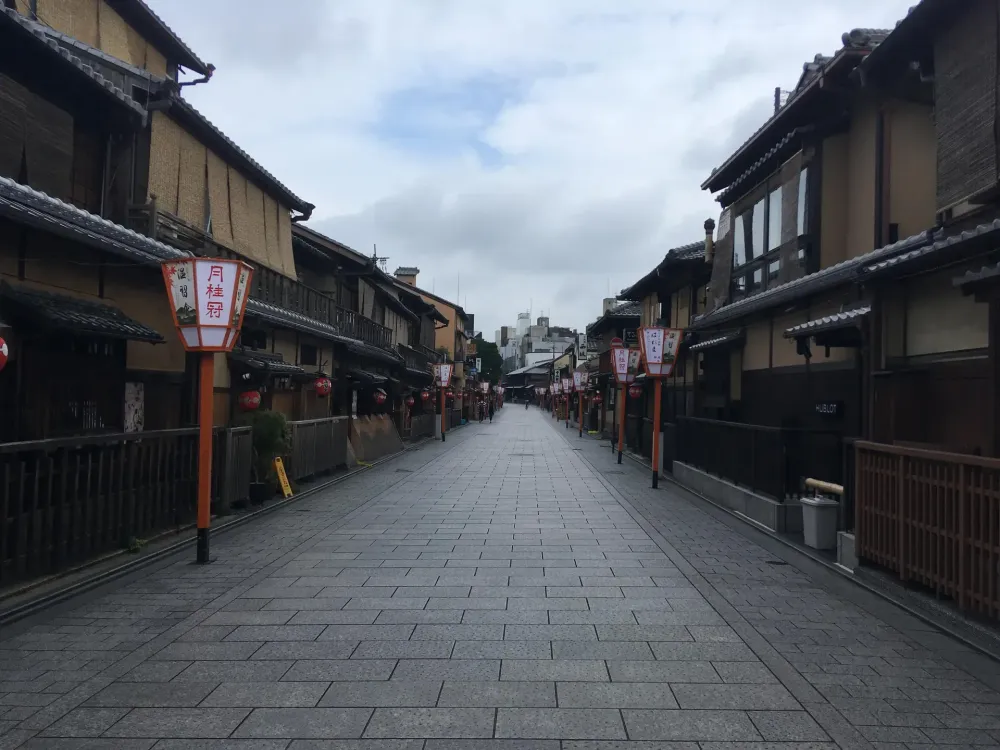
A manageable Gion walk through the Shirakawa area, Yasaka Shrine and Hanamikoji, with public access, private boundaries and cultural visits kept clear.
A rewarding Gion walk gives you time to notice the streets, visit Yasaka Shrine and stop for a meal. Plan around those experiences and the neighbourhood remains worth visiting whether or not any particular person passes by. Geiko and maiko are working artists, and their journeys between appointments are not a visitor attraction.
Use Gion-Shijo Station → Shirakawa area → Yasaka Shrine → Hanamikoji → Shijo Street as a loose sequence, staying on permitted public routes and following current signs. Allow 2–3 hours for walking, the shrine and pauses, excluding a full meal or performance. This is an editorial allowance, not a guided-tour duration or a promise of empty streets.
Visitor guidance checked on 21 October 2026. Local signs and temporary restrictions take precedence over this route; a mapped lane is not proof of public access.
The walk at a glance
| Part | What to do | Boundary to remember |
|---|---|---|
| Gion-Shijo and Shijo Street | Orient yourself on the east side of the Kamo River | Keep station exits and crossings clear |
| Shirakawa and Shinbashi area | Follow the public streets and observe the waterside setting | Bridges, shrines and house entrances have different uses |
| Yasaka Shrine | Make a considered shrine visit | Grounds access and staffed services have different hours |
| Hanamikoji | Walk the permitted main street and look at the streetscape | Traffic continues; adjoining private lanes are not shortcuts |
| Optional cultural visit | Book a publicly advertised performance | Check the actual date, ticket and photography conditions |
This is a neighbourhood outing, with one shrine as its anchor. For a wider selection of temples, gardens and markets, use things to do in Kyoto. Our Kyoto in 3 days itinerary helps place Gion within a stay without attaching distant attractions to the same afternoon.
Arrive with a simple route back
Gion-Shijo on the Keihan railway is a useful starting point on the river's eastern side. Kyoto-Kawaramachi on the Hankyu railway is another approach, across the river. Yasaka Shrine's official access page identifies both stations as walking approaches. Choose according to where you are staying, rather than assuming Kyoto Station is the beginning of every local journey.
Save your return connection before walking. You may finish near Shijo Street, remain for dinner or attend a booked event, so check the route from the actual endpoint. A simple neighbourhood walk should not depend on catching the last possible transport home.
Leave large luggage at your accommodation or an appropriate storage facility. Carrying a suitcase through narrow or crowded sections changes how easily you can step aside. With a group, agree to regroup somewhere spacious rather than stopping together at every junction.
Daylight makes architectural details and signs easier to read. Evening gives a different view of lit façades and the shrine, but it does not extend shop opening hours or create permission to enter a lane. Choose the time for your interests, meal and energy, not a supposed opportunity to intercept performers.
Start around Shirakawa without treating it as a set
From the station area, head toward the public streets around Shirakawa and Shinbashi, north of Shijo Street. Use a current map to orient yourself, then check the signs at each turn. The attraction is the relationship between water, bridges and the built surroundings; you can appreciate it without entering doorways or searching for secluded back lanes.
Walk slowly enough to notice materials and proportions. Look at how façades meet the street, where the water becomes visible and how a small bridge changes the viewpoint. A short section observed carefully is more satisfying than attempting to cover every photographed corner.
The Gion-Shinbashi neighbourhood guidance asks visitors to leave railings, fences, lanterns and private entrances alone. It also reminds people that Tatsumi Shrine is a place of worship. Keep any stop short when others need to pass; use a café for a substantial rest rather than borrowing a doorstep.
If a location is crowded, continue. Waiting with a camera aimed at a narrow bridge can add to the obstruction you hoped would disappear. There is no obligation to reproduce a familiar image, and no missed photograph makes the walk unsuccessful.
Give Yasaka Shrine its own attention
Continue toward Yasaka Shrine using the larger public streets. The official Gion and Kiyomizu area guide explains Gion's development beside this shrine. Visiting it helps connect the neighbourhood to a religious setting rather than treating its buildings only as an attractive backdrop.
Allow 30–45 minutes as an editorial starting point. Pause to understand where people are worshipping and how the spaces fit together, instead of walking directly through in search of the next street. Follow posted instructions and give ceremonies room. Photography should remain secondary to the purpose of the place.
The shrine's visitor guidance states that worship access is available 24 hours, while the shrine office operates 09:00–17:00. Those are different things: evening access does not mean every service, ritual booking or counter is available. Check directly if a particular service matters.
For visitors using a wheelchair, the same page describes access through the office from the Tokiwa Shinden parking area. Confirm the arrangement before arrival, especially outside staffed hours. The most familiar photographed entrance is not necessarily the appropriate entrance for every visitor.
You can finish the walk here if you are tired. Returning toward Shijo Street still gives you a coherent outing of waterside streets and shrine. Adding Hanamikoji is worthwhile while you retain the patience to move with other people and traffic.
Walk Hanamikoji, then leave the private lanes alone
Return toward Shijo Street and take the permitted main section of Hanamikoji southward. Stay attentive at crossings and entrances. Kyoto's area guide explicitly notes traffic on Hanamikoji: it is not a pedestrian-only stage for photographs.
The Southern Gionmachi residents' guidance asks visitors not to follow, stop, touch or photograph geiko and maiko without permission, and to keep roads clear. It also rejects entry onto private property without permission. These requests describe how to move through a working neighbourhood.
A public street does not make adjoining side lanes public. Stay out of lanes marked private or closed to visitors, even if another group enters. Do not use restaurant doorways, courtyards or residential passages to improve your angle. If the boundary is unclear, remain on the clearly permitted route.
Look at the street as a whole: building fronts, signs and the way people use the space. You do not need to identify who lives or works behind a particular door. Nor should you assume that someone wearing a kimono is a performer; clothing does not establish a person's role or willingness to be photographed.
Turn back when you have seen enough, using the main public route toward Shijo Street. This is not a loop that requires an alley shortcut to feel complete. A meal or a booked performance can be the next part of the visit; further wandering is optional.
Keep photography permission specific
Do not interpret this guide as a blanket photography permit for Gion. Read signs where you are standing, including restrictions on private buildings and lanes. Permission to walk somewhere, permission to photograph a building and consent to photograph a person are separate questions.
For a simple street view, first check that taking it is permitted and that stopping will not obstruct anyone. Keep entrances and crossings free, avoid using residents' property as a support and move on promptly. A long lens or a photograph taken from farther away does not remove someone's privacy or the conditions of the location.
The city's current visitor guidelines reinforce private-property and photography restrictions. If you want a professional portrait session, arrange the location and permission with the provider beforehand. Paying a photographer does not automatically authorize a shoot throughout the neighbourhood.
If a geiko or maiko passes, make space and continue your visit. Avoid forming a waiting group at an entrance, calling for someone to stop or following to obtain a second chance. These are practical choices that let everyone keep moving.
Choose a performance when the arts are your interest
A booked cultural event is a more useful plan for learning about performance than waiting in the street. Gion Corner's official programme includes Kyomai dance among several traditional arts. Check the current calendar, seating choices, admission and arrival requirements directly before making it your evening anchor.
Understand the product you are buying. A mixed programme introduces different art forms; it is not automatically an intimate conversation, a private banquet or a photography session with the artists. Ask about language support and any photography rules if these affect your choice.
Book the event first, then fit the walk and meal around it. Leave enough time to find the entrance and be seated. If you do not want a performance, omit it: the shrine and neighbourhood walk stand on their own, and there is no need to replace the event with street watching.
Finish with a meal, not another compulsory district
Choose a restaurant whose menu, budget and booking conditions suit you. A traditional-looking frontage does not establish the price, whether walk-ins are accepted or whether the venue serves the meal you want. Check before entering and follow any reservation instructions.
For a shorter outing, walk Shirakawa and visit Yasaka Shrine, then eat. For the fuller version, add Hanamikoji before the meal or performance. In rain or heat, shorten the street sections and allow a longer seated break; the route is largely outdoors and should not be described as a weatherproof attraction.
If you have already spent the day around Kiyomizu-dera, assess your energy before adding the entire walk. One Gion section and dinner may be enough. Keeping the outing manageable helps you notice the neighbourhood while leaving its streets usable for the people who live and work there.
Cover photograph: Hanamikoji in Gion. Photo: Christophe95, Wikimedia Commons, CC BY-SA 4.0. Photograph from 2018, resized and converted to WebP; adapted image licensed CC BY-SA 4.0. Source · License.
Frequently Asked Questions
Is Gion closed to visitors?
The neighbourhood can be visited on permitted public routes. Private lanes and properties may prohibit entry or photography; follow the signs on the actual street rather than assuming all routes on a map are open.
Can I photograph geiko or maiko in the street?
Do not photograph them without permission or stop, follow or obstruct them. For a cultural performance, book an advertised event and follow that event's own photography rules.
How long should I allow for this Gion walk?
Allow 2–3 hours as an editorial estimate for the streets, shrine and pauses. Add a full meal or a performance separately, and shorten the route if weather or crowds make walking less pleasant.
Can I visit Yasaka Shrine in the evening?
The shrine lists 24-hour worship access, but the office operates 09:00–17:00. Evening grounds access does not guarantee staffed services or the same accessibility arrangements.


Keep Exploring
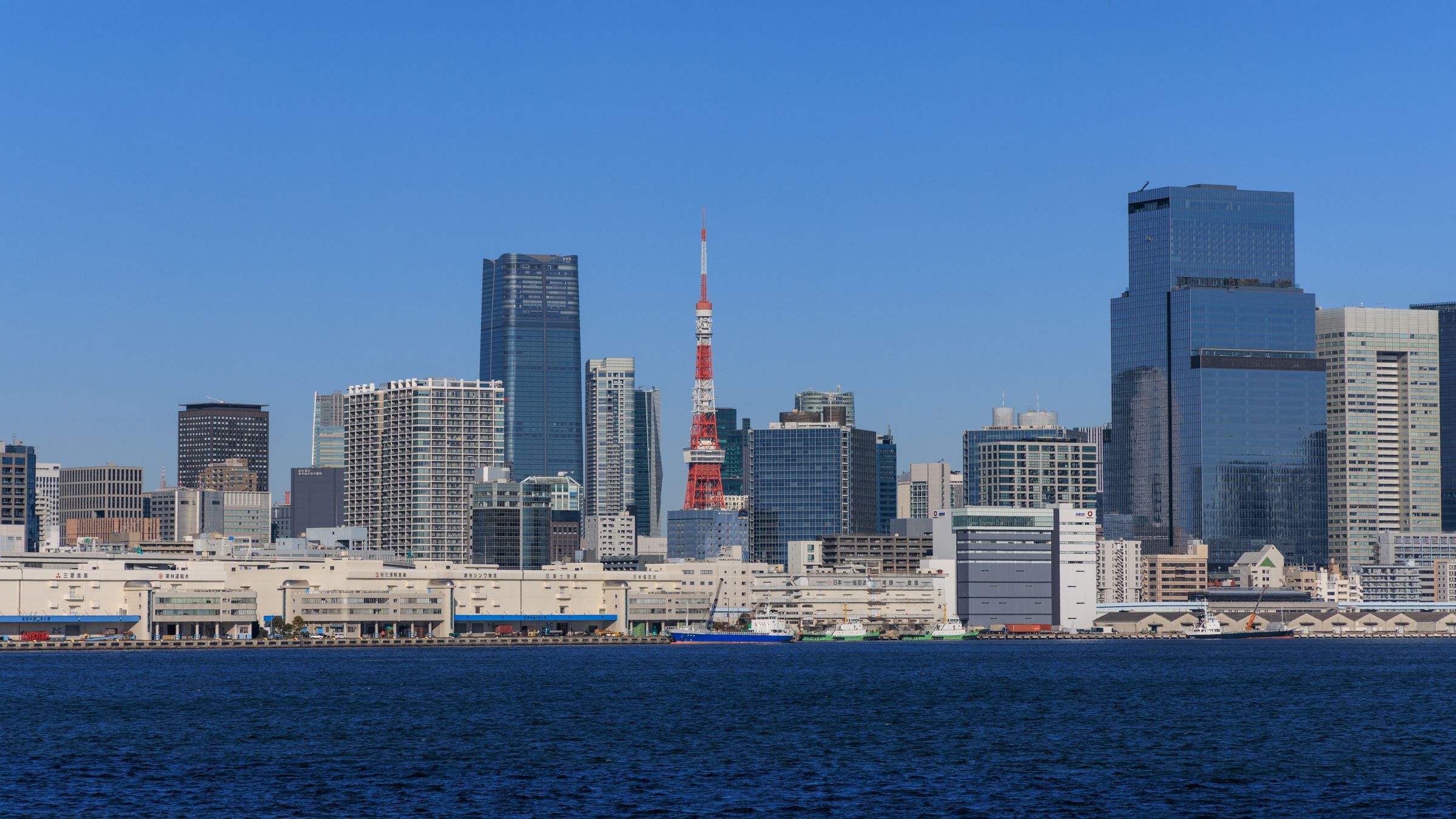
Asakusa: Senso-ji and a Neighbourhood Walk
Follow the temple approach, understand the difference between Senso-ji and Asakusa Shrine, then choose shopping or a riverside finish.
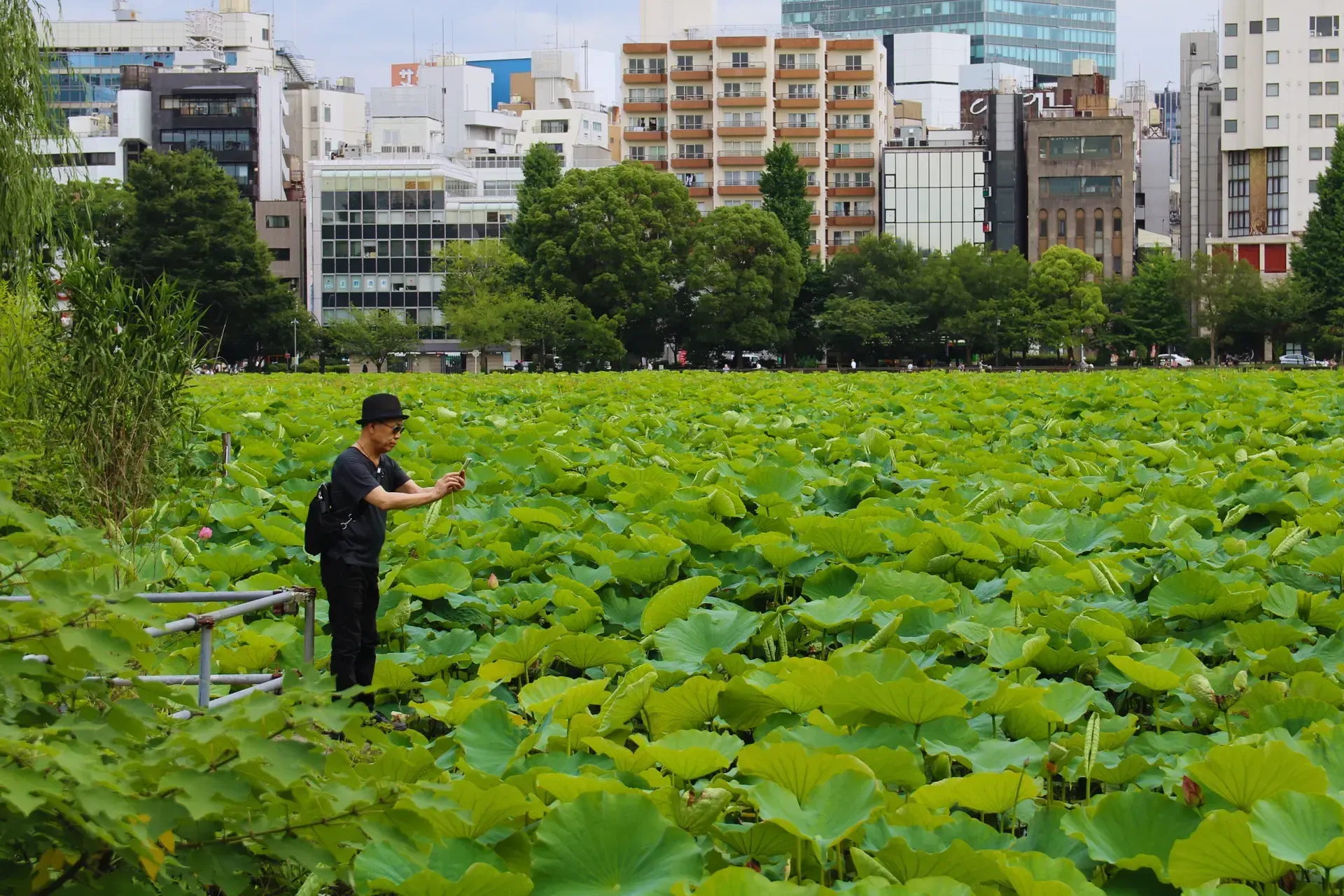
Ueno Park: Choose Museums and a Walk
Make Ueno a manageable Tokyo outing: choose one museum, check its actual exhibitions and closures, then connect the park, Shinobazu Pond and an optional meal.
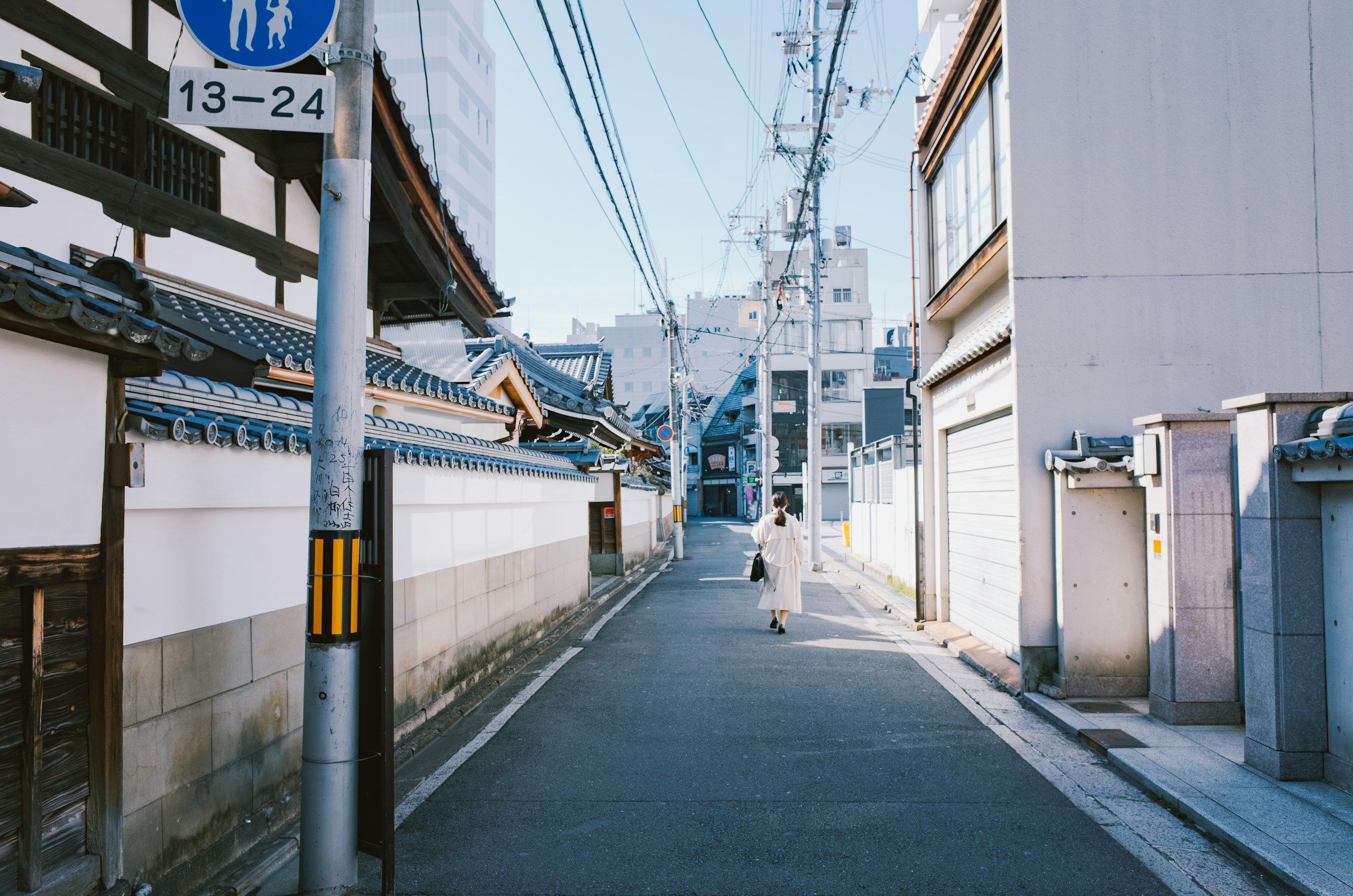
Fushimi Inari: Plan Your Shrine Walk
A focused guide to choosing how far to walk at Fushimi Inari, allowing for the descent and visiting a working shrine respectfully.