
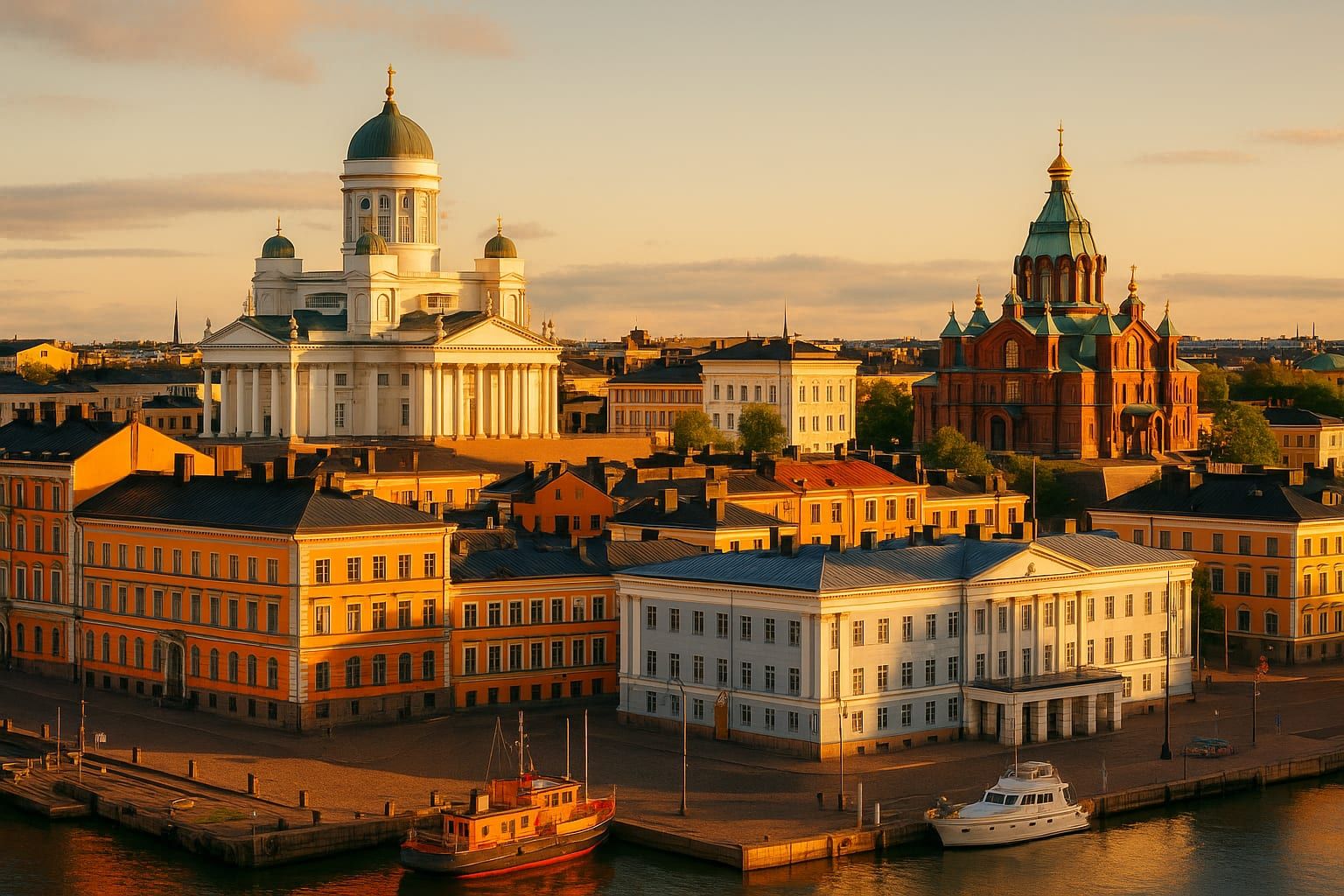
A compact 48-hour guide to Helsinki for design lovers: museums, boutiques, seaside saunas, markets and local tips to make the most of a short city escape.
Why Helsinki? A Design-Lover's Weekend
Helsinki wears its design credentials lightly. Clean lines, pragmatic beauty and a thriving crafts scene intersect with islands, sea air and serious coffee culture. In just 48 hours you can see the essentials: the Design District boutiques and flagship stores, forward-looking museums, striking architecture like the Rock Church, and a slice of island life on Suomenlinna.
This guide is paced for curiosity: museums and shops, relaxed lunches and seaside walks, with local tips to help you move fast without missing the details that make Helsinki special.
Quick Practical Overview
- Currency: Euro. Contactless and card payments are accepted almost everywhere. Cash is rarely needed.
- Language: Finnish and Swedish; English is widely spoken.
- Best time to visit: May to September for island hopping and long days; November to March for winter light, saunas and fewer tourists.
- Getting a public transport day pass is usually cheaper than single tickets if you plan multiple trips.
48-Hour Itinerary: Day by Day
Day 1: City Core, Design District and a Sauna by the Sea
Morning
Start at Senate Square and take in the neoclassical ensemble: Helsinki Cathedral, University and the Government Palace. The striking white facades are a great contrast to modern Finnish design.
Walk a few minutes to the Market Square (Kauppatori) for an early kahvi and a korvapuusti from a market stall. Try vendace (muikku) fried in summer months if you want a local snack.
Late morning
- Head into the Design District, a compact neighborhood of boutiques, concept stores and galleries. Must-visits include Marimekko and Artek for classic Finnish design, plus smaller studios showcasing ceramics, textiles and lighting.
Lunch
- Choose a relaxed lunch in the Design District or near the harbour. Many cafes serve modern Nordic plates with seasonal local ingredients.
Afternoon
Visit the Design Museum for a survey of Finnish design history and contemporary work. Nearby, Amos Rex offers an inventive contemporary art experience in a striking subterranean space crowned with rounded skylights.
If you prefer architecture over modern art, walk to Temppeliaukio Church, the Rock Church, a unique space carved into solid bedrock with a dramatic copper dome.
Evening
Make a reservation at Löyly or Allas Sea Pool, where you can combine a public sauna with sea views and a hearty coastal meal. Sauna is integral to Finnish life; if you only have one, make it count.
After sauna, stroll the waterfront and consider a nightcap at one of the intimate cocktail bars or a cosy wine bar.
Day 2: Islands, Museums and Neighborhood Discoveries
Morning
- Take the ferry to Suomenlinna, the 18th-century sea fortress and a UNESCO World Heritage site. Ferries run frequently from Market Square and the ride takes about 15–20 minutes. Walk the ramparts, visit the Suomenlinna Museum and pause for coffee at one of the small island cafes.
Lunch
- Return to the city and head to Hakaniemi Market Hall or the Old Market Hall (Vanha Kauppahalli) near the harbour. Both offer an array of local food from smoked fish to reindeer sandwiches and artisan breads.
Afternoon
Spend your afternoon in the Kallio and Töölö neighborhoods. Kallio has a grittier, bohemian feel with thrift shops, vinyl stores and small designer studios. Töölö hosts the National Museum, the Finlandia Hall and scenic parks along Töölönlahti bay.
Pop into Oodi Central Library, a modern civic space that doubles as a cultural hub. Its wood-lined interior and rooftop terraces are a testament to contemporary Finnish public architecture.
Evening
- For your final dinner, book a table at a New Nordic restaurant or a modern bistro that focuses on local produce. Finish with a walk along the Esplanadi, where street musicians often perform in summer.
Must-See Design Stops and Where to Shop
- Design District Helsinki: A cluster of streets with boutiques, galleries and showrooms. Perfect for finding one-off pieces and small studios.
- Design Museum: A concise introduction to Finnish design across furniture, textiles and industry.
- Artek and Alvar Aalto shops: For timeless furniture and lighting that defined 20th-century Scandinavian design.
- Iittala & Arabia: Classic Finnish glass and tableware. Great for gifts and functional design pieces.
- Small studios and concept stores: Seek out independent ceramicists, textile designers and lighting studios for unique finds.
Insider tip: Many designers sell both in their stores and at weekend markets. If you want to meet makers, check local event listings for design markets or studio open days.
Eat, Drink and Coffee Culture
Helsinki takes food seriously but without fuss. Seasonal produce, creative combinations and strong baking traditions make meals a highlight.
Coffee: Finns are among the highest per-capita coffee drinkers in the world. Try a filter coffee at a specialty cafe or an espresso at a neighbourhood roastery. For more on European coffee culture, this guide is a useful read: Best Coffee Cities in Europe.
Bakeries and pastries: Pulla, korvapuusti and other yeast-based pastries are available everywhere. Buy one from a market stall, bakery or cafe for a perfect street snack.
New Nordic and bistros: Helsinki has several celebrated restaurants focusing on local ingredients. Book ahead for dinner, particularly on weekends.
Casual spots: For quick, tasty food, market halls and food courts showcase local producers and inventive vendors.
Local insight: Finns often eat dinner later than some European countries, and Sundays can be quieter with limited opening hours for smaller shops.
Where to Stay
- City centre: Best for first-time visitors who want easy access to the Design District, museums and ferries.
- Kallio: A budget-friendlier, more local vibe with great bars and cafes.
- Töölö: Calmer, with park access and a short walk to central museums and the waterfront.
Choose accommodation near a tram line or a metro station to make the most of your time.
Getting Around
- Walking: Central Helsinki is compact and highly walkable. Many highlights are within a 20-30 minute stroll of each other.
- Trams and buses: Reliable and run frequently. Contactless cards and mobile ticketing make travel simple.
- Ferry: The commuter ferry to Suomenlinna is part of the city transport system; check schedules and buy tickets at vending machines or via the HSL app.
- Bikes and scooters: Popular in summer; use reputable providers and follow local rules.
Practical tip: Download the HSL app for schedules, route planning and mobile ticketing. A 24-hour travel card is a good investment for short stays with a lot of trips.
Practical Tips and Local Etiquette
- Sauna etiquette: Bring a towel and flip-flops. Public saunas may have mixed or gender-separated sessions; check before you go. Towel-wrapping and quiet respect are common.
- Tipping: Not required. A small tip for exceptional service is appreciated but not expected.
- Opening hours: Museums are often closed one weekday (commonly Monday). Check opening times in advance and reserve special exhibitions online.
- Weather and clothing: Dress in layers; Finnish weather can change quickly, especially by the sea. In summer, pack a light rain jacket and comfortable walking shoes.
- Safety: Helsinki is safe and orderly, but always look after belongings in busy tourist spots.
- Language: Most Finns speak excellent English and are helpful if you ask for directions or recommendations.
Alternative Ideas and Extensions
- Art and contemporary culture: If you have time, add Kiasma Museum of Contemporary Art to your list for cutting-edge exhibitions.
- Day trips: For more Scandinavian design comparisons, consider a longer trip to Copenhagen. See our three-day Copenhagen guide for design-focused travel ideas: 3 Days in Copenhagen: Hygge, Design & New Nordic.
- Oslo connection: If you are island-hopping in Scandinavia, Oslo pairs well with Helsinki for nature, architecture and urban design. Read more: 48 Hours in Oslo: Nature Meets Urbanity.
- Beyond Scandinavia: if it is the compact, walkable-capital weekend you enjoy rather than the Nordic angle specifically, Bratislava, Slovakia's underrated capital delivers the same easygoing city break at Central European prices.
Budgeting Your 48 Hours
- Museums and attractions: Expect to pay admissions for main museums; many smaller galleries are free or low cost.
- Food: Moderate to high; Helsinki has budget market options as well as fine dining. Plan for 10–20 EUR for breakfast/lunch at casual spots, 30–70+ EUR for a nice dinner.
- Transport: A 24-hour HSL pass is reasonable value if you use public transit several times a day. The ferry to Suomenlinna is affordable and often included in tourist passes.
Money-saving tip: Pack coffee and snacks for busy days, choose market hall lunches, and prioritize one or two paid attractions with free wandering in between.
Final Thoughts: Slow Design, Fast City
Helsinki rewards both slow looking and fast exploration. Its design ethos is as much about everyday objects as about big gestures: a well-made chair in a cafe, a handcrafted ceramic bowl, a public building that welcomes people. In 48 hours you can sample its best — from seaside saunas to design ateliers — and leave with a clear sense of why Helsinki is considered one of the world design capitals.
If you enjoyed Helsinki as a design destination and want more Scandinavian inspiration, explore our guides to Copenhagen and Oslo linked above. Safe travels and enjoy your Finnish weekend escape.
Frequently Asked Questions
Planning more European escapes? Compare the best European city breaks for a weekend to pick your next trip.
Frequently Asked Questions
Can you really see Helsinki in 48 hours?
Yes. In just 48 hours you can see the essentials: Senate Square and its neoclassical ensemble, the Design District boutiques, the Temppeliaukio Rock Church, the island fortress of Suomenlinna, and a seaside sauna. Central Helsinki is compact and highly walkable, with many highlights within a 20–30 minute stroll of each other.
What are the must-do things to do in Helsinki over two days?
Day 1 covers the city core: Senate Square, the Market Square (Kauppatori), the Design District with Marimekko and Artek, the Design Museum or Amos Rex, and a sauna at Löyly or Allas Sea Pool. Day 2 is islands and neighborhoods: the ferry to Suomenlinna, lunch at a market hall, the Kallio and Töölö districts, and the Oodi Central Library.
How do I get to Suomenlinna?
Take the commuter ferry from Market Square. Ferries run frequently and the ride takes about 15–20 minutes. The ferry is part of the city transport system, so you can buy tickets at vending machines or via the HSL app, and it is often included in tourist passes.
What is the best time to visit Helsinki?
May to September is best for island hopping and long days, while November to March offers winter light, saunas and fewer tourists.
How do I get around Helsinki?
The center is compact and walkable, with reliable trams and buses that accept contactless cards and mobile ticketing. Download the HSL app for schedules and tickets; a 24-hour travel card is a good investment for short stays with a lot of trips.
Keep Exploring
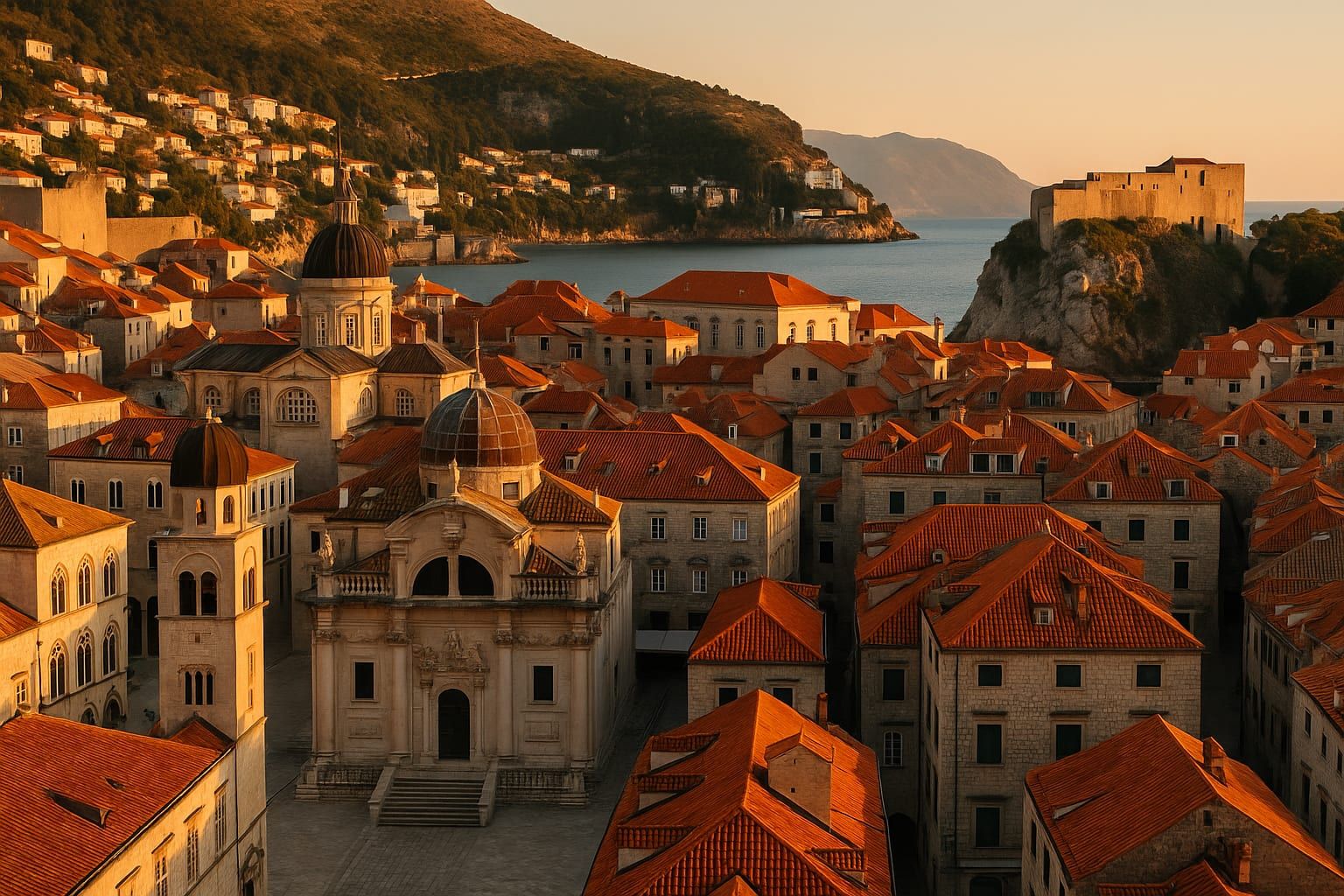
48 Hours in Dubrovnik: Beyond the Walls
A practical, local-led 48-hour guide to Dubrovnik that goes beyond the Old Town walls — beaches, islands, mountaintop views, food, and tips to beat the crowds.
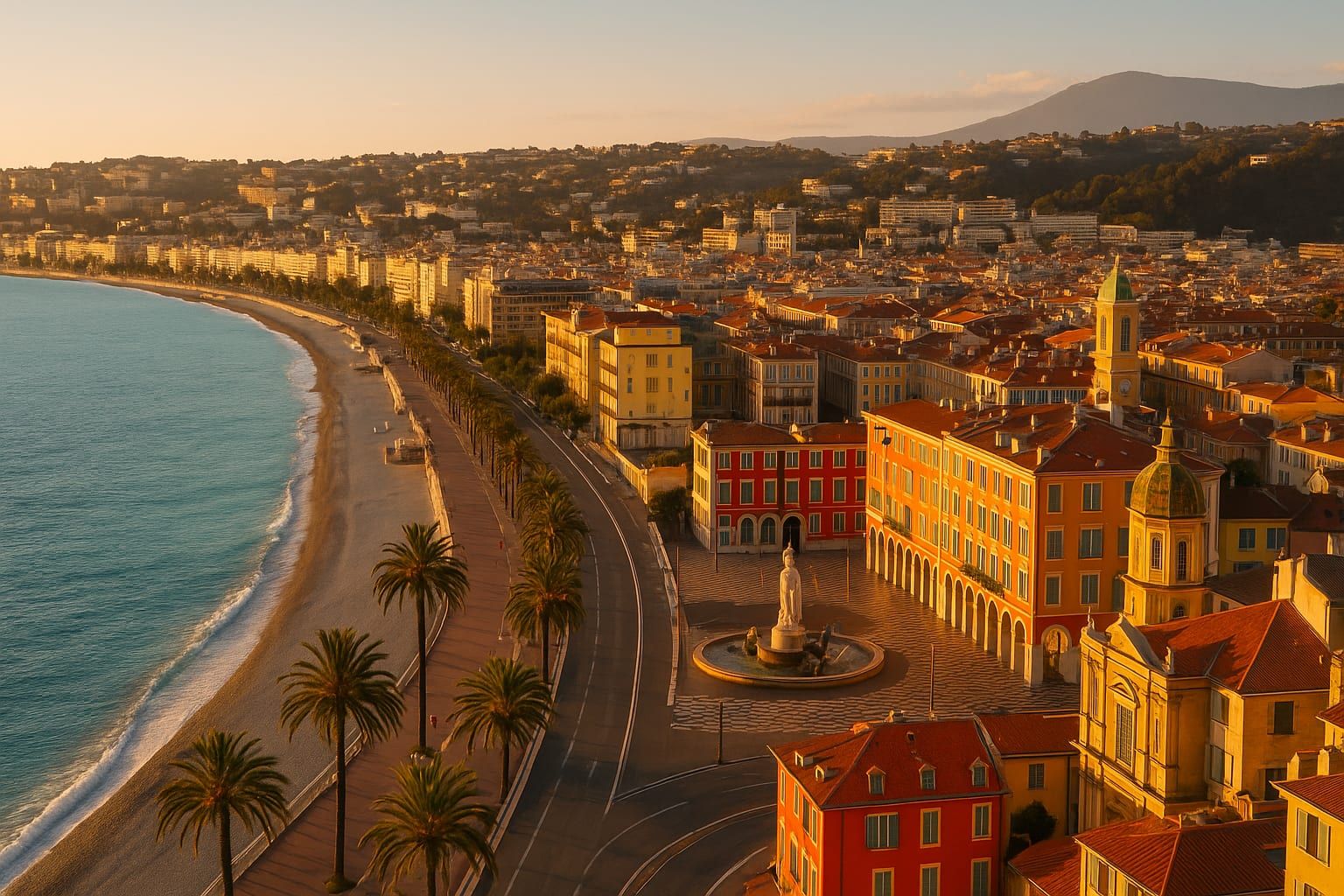
48 Hours in Nice: French Riviera Essentials
A practical, two-day guide to Nice: where to eat, what to see, how to get around, and local tips—from Old Town markets and pebble beaches to day trips along the Riviera.
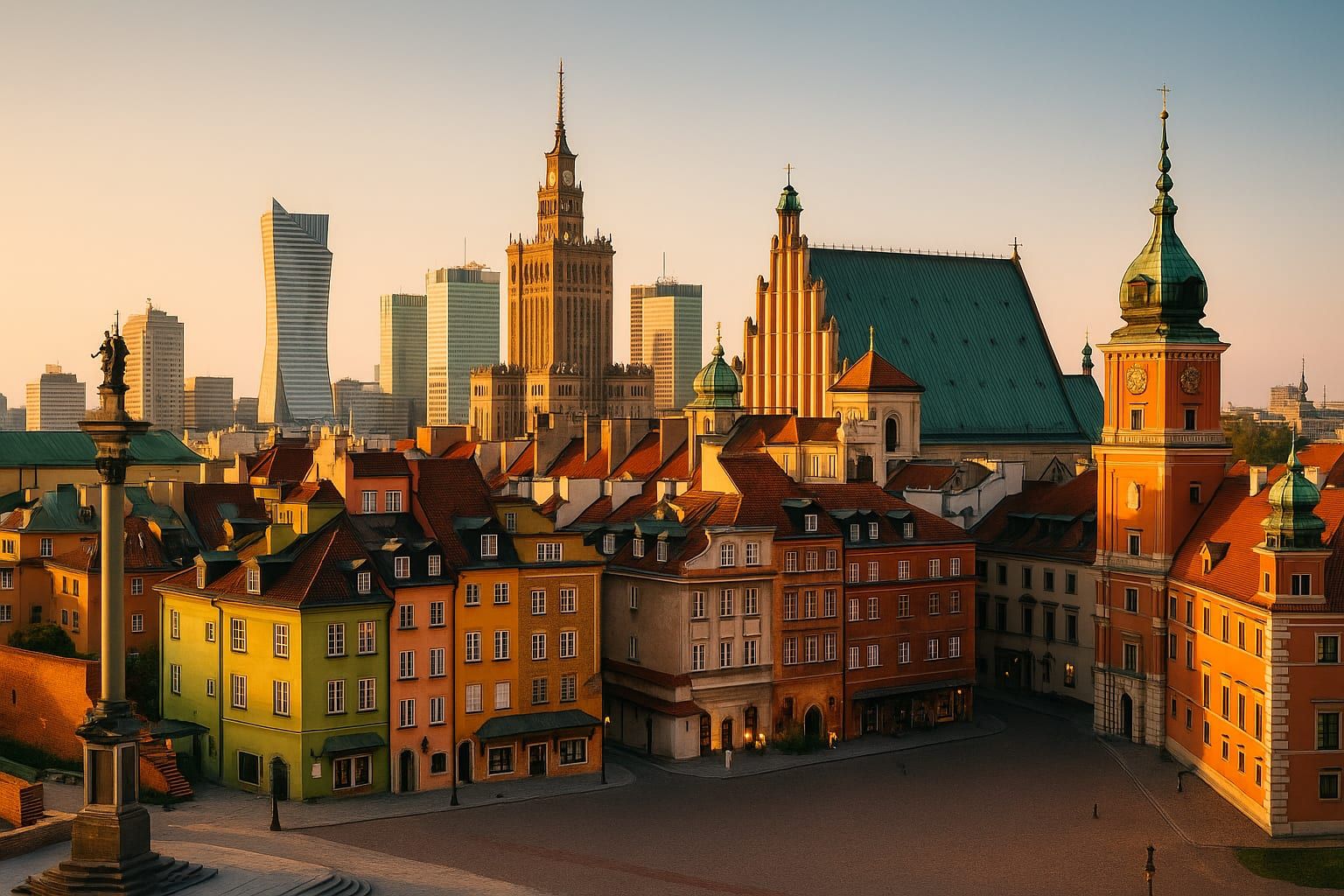
48 Hours in Warsaw: Phoenix City Rising
Two days to explore Warsaw’s resilient heart: reconstructed Old Town, world-class museums, parks, riverbanks and a buzzing food scene — practical tips and a paced 48‑hour itinerary.