
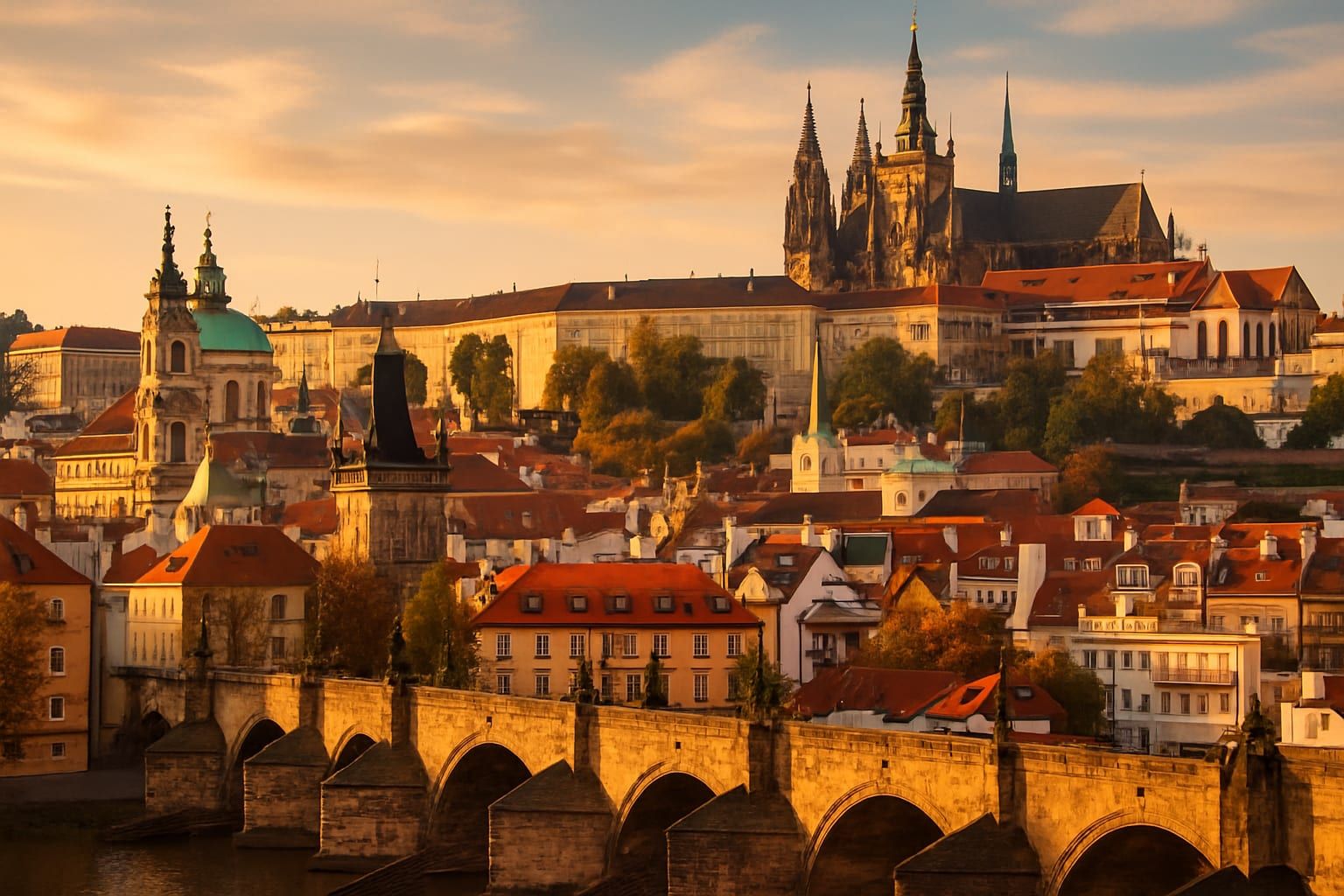
A compact 4-day guide to Slovenia's capital and iconic Lake Bled — what to see, where to eat, practical tips, and local insights for an unforgettable short escape.
Slovenia packs a lot of scenery and personality into a small footprint, and nowhere is that more evident than in the easy pairing of Ljubljana's charming capital with the postcard-perfect Lake Bled. This 4-day escape is ideal if you want a balanced mix of culture, cafés, castles and alpine lakes without rushing. Below you'll find a practical, day-by-day itinerary, local tips, and suggestions to help you travel like a thoughtful visitor.
Why visit Ljubljana and Lake Bled?
Ljubljana is compact, green and effortlessly walkable: a riverfront old town with baroque and art nouveau architecture, buzzing markets and a surprising café scene. Less than an hour away sits Lake Bled — an emerald lake ringed by mountains, a small island crowned by a church and a medieval castle perched on a cliff. Together they offer the perfect combination of urban charm and natural calm. Ljubljana is also one of Europe's most rewarding small capitals, earning a regular place on our roundup of underrated European capitals.
If you want to extend your trip beyond four days, consider this deeper One Week in Slovenia: Mountains, Caves & Coast. For first-timers focused on the city, our full 3 Days in Ljubljana: The Perfect First-Timer's Itinerary will help you unpack the capital more slowly.
Best time to visit
- Late spring (May–June): mild weather, wildflowers and fewer crowds.
- Late summer (August): warmer lake swimming and festivals, but busier.
- Early autumn (September–October): crisp air, autumn colors and quieter trails.
- Winter: magical if you enjoy snow; Bled becomes particularly romantic after a snowfall, but days are short.
4-Day Itinerary — Day by day
Day 1 — Arrive in Ljubljana: Get to know the city
Morning
- Check into your hotel or guesthouse in the old town or the lively Trnovo/Šiška neighborhoods.
- Start with coffee and a pastry at a riverside café, watching the dragon-guarded bridge traffic.
Afternoon
- Wander the compact historic center: Prešeren Square, the Triple Bridge, and the Central Market. Stop at the open-air market for seasonal fruit, honey and local cheeses.
- Walk up (or take the funicular) to Ljubljana Castle. The hilltop terrace gives you sweeping views over the red roofs and nearby hills.
Evening
- Dinner at a local bistro sampling modern Slovenian cuisine — try the seasonal dishes based around mushrooms, game or freshwater fish.
- Finish with a nightcap on a riverside terrace.
Suggested reading: for an expanded city-focused plan, see 3 Days in Ljubljana: The Perfect First-Timer's Itinerary.
Day 2 — Culture, cafés and green escapes
Morning
- Join a free walking tour (many start at Prešeren Square) to learn about Ljubljana’s history and architecture.
- Coffee lovers: explore the excellent specialty coffee shops in the city. Slovenes take their caffeine seriously.
Afternoon
- Visit the National Gallery or Museum of Modern Art depending on your taste.
- Spend late afternoon at Tivoli Park — perfect for a relaxed stroll or people-watching.
Evening
- Try a traditional ćevapčiči or a contemporary tasting menu. Ljubljana’s small restaurant scene punches well above its weight.
Local insight: Ljubljana is bike-friendly — consider renting a bike for quick trips or to explore greener neighborhoods.
Day 3 — Transfer to Lake Bled and explore the lake
Morning
- Take a direct bus or drive to Bled (approx. 45–55 minutes). Buses are frequent and comfortable; a car gives you flexibility for lake-side timing.
- Check into a hotel or guesthouse with a lake view if possible.
Afternoon
- Walk the lakeside promenade (about 6 km around) and enjoy the views. Stop at the traditional pastry shop to try kremna rezina (Bled cream cake).
- Rent a rowboat or take a traditional pletna boat to Bled Island. Climb the 99 steps to the Church of the Assumption and ring the wishing bell.
Evening
- Head up to Bled Castle before sunset. The viewpoint from the castle offers one of the best panoramas of the lake and the Julian Alps.
Practical tip: Rowing your own boat is peaceful and gives you full control of timing for photos; pletna boats are the local, more relaxed option.
Day 4 — Hike, gorge or castle day — then return to Ljubljana or onward
Option A — Short hike & nature
- Hike to the Ojstrica viewpoint (20–30 minutes up) for a sweeping view of the island and lake.
- Visit Vintgar Gorge (20 minutes by car), a dramatic wooden-boardwalk river canyon — easy to pair with Bled.
Option B — Caves & castles
- Take a day trip to Postojna Cave and Predjama Castle (allow 4–6 hours). Predjama’s dramatic cliffside setting makes it one of Slovenia’s most photographed castles.
Afternoon
- Return to Ljubljana if your flight or train is from the capital, or continue to your next Slovenian destination.
Local insight: If you’re returning to Ljubljana for an evening flight or train, aim to leave Bled mid to late afternoon to avoid stress.
Where to eat and drink — local picks
- Ljubljana: Try local modern-Slovenian menus that showcase seasonal produce. For an authentic market experience, sample fresh cheeses, smoked meats and seasonal pastries at the Central Market.
- Bled: Don’t miss kremna rezina at the café near the castle. For lake fish, look for locally sourced trout and whitefish on menus.
- Coffee culture: Slovenia has a growing specialty scene — ask baristas for their local roaster and seasonal filter options.
Insider tip: Many restaurants change menus seasonally. Ask what’s local that day — it’s often the freshest and most interesting.
Practical information and local tips
Getting there and around
- By air: Ljubljana Jože Pučnik Airport (LJU) is about 25 km north of the city. Regular bus and shuttle services connect LJU to Ljubljana city center.
- By train/bus: Slovenia’s bus network is extensive and often the most convenient way to reach towns like Bled. Trains are comfortable but less frequent for some regional journeys.
- Car: Renting a car gives you flexibility for day trips to gorges, castles and coastal detours. Roads are well-maintained but expect narrow lanes in rural areas.
Costs and budget
- Mid-range daily budget: €70–€130 per person (mix of guesthouses, casual meals, and public transport).
- Splurge: Lakefront hotels and guided adventure activities (guided cave trips, private boat hires) increase costs.
- Many museums and attractions offer discounts with student IDs or for EU citizens — always ask.
Currency, tipping and language
- Currency: Euro (EUR).
- Tipping: Not mandatory but appreciated. 5–10% for good service in restaurants is common; round up for taxis.
- Language: Slovene is the official language; English is widely spoken in tourism and hospitality.
Safety and health
- Slovenia is very safe for travelers. Normal travel precautions apply: watch your belongings in crowded spaces and respect nature trail signs.
- Drinking water is safe from taps in cities and towns.
Sustainable travel tips
- Use public transport where possible — Slovenia’s buses and trains reduce the need for a car.
- Respect local paths and wildlife; stick to marked trails in national parks.
- Support local businesses: buy cheese, honey, and crafts from local producers.
Activities and experiences not to miss
- Pletna boat ride to Bled Island and ringing the wishing bell.
- Bled Castle for history and views — arrive before sunset for the best light.
- Vintgar Gorge for a short, dramatic walk along the gorge.
- Postojna Cave and Predjama Castle for those fascinated by subterranean landscapes and medieval drama.
- Day trip to the Slovenian coast (Piran) if you have extra time — its Venetian feel is a lovely contrast to the Alps.
For more ways to connect Slovenia with a broader itinerary, see our full One Week in Slovenia: Mountains, Caves & Coast.
Where to stay — neighborhoods and lodging
Ljubljana
- Old Town (Center): Best for first-timers who want to be in the action — cobbled streets and riverside cafés.
- Trnovo & Šiška: Quieter, local neighborhoods with easy access to parks and offbeat cafés.
Bled
- Lakeside hotels: For sunrise views and easy access to the promenade.
- Guesthouses in surrounding villages: More tranquil and often friendlier on the wallet.
Booking tip: If you want a lake view in Bled, reserve early — the best rooms go quickly in high season.
Sample packing list
- Comfortable walking shoes (cobbled streets and hiking trails).
- Lightweight rain jacket — mountain weather can change quickly.
- Swimwear and towel for summer lake dips.
- Reusable water bottle and a small daypack for hikes.
- Power adaptor (Slovenia uses type C/E plugs, 230V).
Final travel tips and etiquette
- Greet shopkeepers and café staff with a polite “dobro jutro” (good morning) or “dober dan” (good day) — locals appreciate the effort.
- Leave no trace on trails and at lakes: take your rubbish with you.
- If invited to a local home or farm, bringing a small gift (local chocolate or sweets) is a gracious gesture.
Conclusion
Ljubljana and Lake Bled are a classic short-break combination and one of the best European city breaks for travellers who want culture and nature in one trip: the city delivers culture, cafés and relaxed strolling, while Bled offers alpine serenity, iconic views and simple outdoor fun. In four days you can experience the essence of Slovenia, and with a few extra days you can extend into caves, coastal towns and mountain trails. If pairing two nearby places into one compact trip is your style, another rewarding weekend is Bruges and Ghent, Belgium's perfect two-city break. Whether you linger over coffee in Ljubljana’s riverfront cafés or row to the island beneath the castle, this compact trip leaves you feeling like you’ve seen a country that’s small in size but bold in character.
Enjoy your trip, travel thoughtfully, and — most importantly — leave a little space in your itinerary for slow afternoons and spontaneous detours.
Related
Frequently Asked Questions
What is the ideal Ljubljana and Lake Bled itinerary?
A balanced 4-day escape works well: spend Days 1 and 2 in Ljubljana exploring the old town, Prešeren Square, the Triple Bridge, the Central Market and Ljubljana Castle, plus Tivoli Park and the cafe scene. On Day 3 transfer to Lake Bled to walk the lakeside promenade and visit Bled Island and Bled Castle. On Day 4 add a short hike or Vintgar Gorge, or a day trip to Postojna Cave and Predjama Castle, before returning to Ljubljana.
How do you get from Ljubljana to Lake Bled?
You can take a direct bus or drive, with the journey taking approximately 45–55 minutes. Buses are frequent and comfortable, while a car gives you more flexibility for lake-side timing.
How do you reach Bled Island?
Rent a rowboat or take a traditional pletna boat across the lake to the island. Once there, climb the 99 steps to the Church of the Assumption and ring the wishing bell.
Is Ljubljana Castle worth visiting and how do you get up?
Yes — you can walk up or take the funicular to Ljubljana Castle, where the hilltop terrace gives sweeping views over the red roofs and nearby hills.
What is the best time to visit Ljubljana and Lake Bled?
Late spring (May–June) offers mild weather, wildflowers and fewer crowds; late summer (August) is warmer for lake swimming but busier; early autumn (September–October) brings crisp air and quieter trails; and winter is magical after snowfall, though days are short.
Keep Exploring
Kotor: Montenegro’s Medieval Bay Escape
Walled medieval streets, a dramatic bay and steep fortress trails: Kotor is Montenegro’s most atmospheric coastal town. Practical tips, where to stay, prices and must-dos.
Bruges & Ghent: The Perfect Weekend
Split your long weekend between Bruges’s fairy-tale canals and Ghent’s lively medieval streets. Practical tips, top sights, local eats, and where to stay.
Hidden Gems of Iberia: Portugal, Galicia, Asturias
Atlantic Iberia at half the Barcelona price — Braga's UNESCO sanctuary, Santiago's cathedral, Oviedo's pre-Romanesque monuments, Roman walls in Lugo. Concrete fares, named towns, EUR prices.