
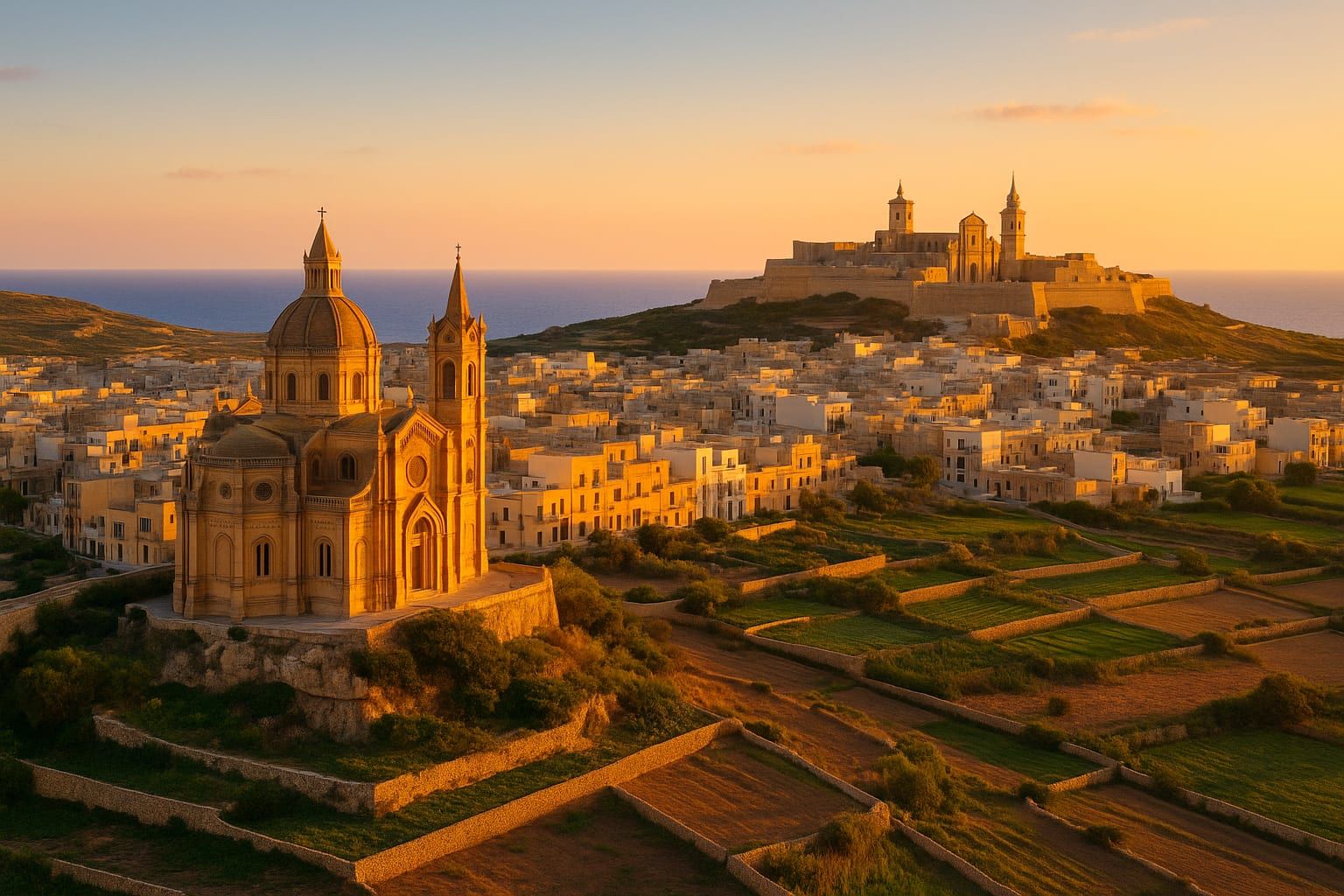
Discover Gozo — Malta’s peaceful, green sister island. From ancient temples and dramatic coastlines to sleepy villages, practical tips and local insights for a slow Mediterranean escape.
Escape the buzzy streets of Valletta and step into a gentler Mediterranean: Gozo is Malta’s smaller, greener, and far quieter sister island. Compact enough to explore in a few days yet rich with history, rugged coastlines, tranquil bays and genuine village life, Gozo is ideal for slow travel — think hilltop citadels, megalithic temples, diving sites and red-sand beaches without the crowds.
This guide covers what to see and do, where to stay and eat, how to get around, and practical local tips so you can make the most of a visit to Gozo.
Why Gozo deserves a spot on your Mediterranean itinerary
- Quieter, slower pace than Malta: rolling farmland, limestone villages and a strong rural culture.
- Rich history: Ġgantija temples (older than the pyramids), a fortified Cittadella and centuries-old chapels.
- Dramatic coastlines and excellent diving/snorkeling: sea caves, arches and clear waters.
- Easy to combine with Malta: a short ferry hop separates the two islands, making Gozo a perfect multi-day escape.
Getting there — ferry, fast boat and practicalities
The most common way to reach Gozo is the Gozo Channel ferry from Ċirkewwa (northern Malta) to Mġarr Harbour (Gozo). Ferries run frequently throughout the day and carry both passengers and vehicles; the crossing takes about 20–30 minutes. The ferry is operated by Gozo Channel — tickets are inexpensive and you can bring rental cars.
There are also private fast craft services and occasional boat tours from Valletta and other Maltese harbors that include Gozo as a stop; these are passenger-only and faster but depend on schedules and season.
Practical notes:
- Currency: euro. English and Maltese are widely spoken.
- Power: Type G sockets (same as the UK), 230V.
- Driving: left-hand side. Roads on Gozo can be narrow and winding; many visitors choose to rent a small car or scooter.
- Water: tap water is drinkable, though many prefer bottled water in summer.
For planning seasonality, consider shoulder months (April–May and September–October) for pleasant temperatures, fewer crowds and better prices — see our broader timing guide for Europe for month-by-month suggestions: Best Time to Visit Europe.
Highlights & must-see attractions
Victoria (Rabat) and the Cittadella
Victoria — often still called Rabat by locals — is Gozo’s lively capital. The Cittadella, a compact fortified citadel at the town’s centre, offers panoramic views across the island, narrow streets to wander, a small cathedral and museums. Time your visit for late afternoon or sunset for golden light and cooler walking conditions.
Ġgantija Temples (Xagħra)
A UNESCO World Heritage site, the Ġgantija megalithic temples are among the oldest freestanding structures in the world. The complex is evocative and compact enough for a focused visit; allow an hour to explore the ruins and visitor centre.
Dwejra and the coastal drama
Though the iconic Azure Window collapsed in 2017, Dwejra Bay remains spectacular — with the Inland Sea, sea cliffs, and diving sites such as the Blue Hole nearby. Boat trips through the natural tunnel into the Inland Sea are popular. The shoreline here is rugged and photogenic.
Ramla Bay and other beaches
Ramla Bay is Gozo’s most famous beach, known for its warm, reddish-golden sand and shallow water — a rare sand beach in the Maltese Islands. For quieter swims, try Hondoq Bay (great for snorkeling), Xlendi Bay (cliffs and cafés) or the small coves near San Blas.
Ta’ Pinu Basilica and village life
Ta’ Pinu is a 20th-century basilica with a commanding presence and an important place in local religious life. Village festas — the summer church festivals with parades, bands and fireworks — are a highlight of Gozo’s calendar and offer a vivid glimpse into community life if you visit in season.
Salt pans, lime kilns and rural trails
Walk the coastal salt pans around Xwejni and Qbajjar for serene seascapes and a sense of how locals harvested salt for generations. Inland, a network of rural footpaths threaded through terraced fields and country lanes makes Gozo an excellent island for walking and cycling.
Active Gozo — diving, hiking, biking and more
- Diving & snorkeling: Gozo is a top destination for divers in the Mediterranean. Sites include the Blue Hole, wreck dives and sea caves; local dive centres in Mgarr, Dwejra and Xlendi offer courses and guided dives.
- Hiking: marked trails criss-cross the island; the coastal cliffs and the routes between villages are particularly rewarding.
- Biking: e-bikes make exploring the island’s hills more accessible. There are guided bike tours and several rental shops.
- Quad bikes & scooters: popular with visitors, but ride responsibly — stick to legal roads, wear helmets and follow local advice to avoid damaging rural landscapes.
Food, drink and local products
Gozitan cuisine shares Maltese roots but often highlights island produce. Try:
- Ġbejna: small, round sheep’s-milk cheeselets served fresh, dried or peppered.
- Ftira: Maltese-style sandwich/flatbread with local toppings.
- Fresh seafood: Xlendi and Marsalforn have seafront restaurants with daily catches.
- Honey, olive oil and seasonal vegetables: sold at markets and farm stores.
- Local wine: small vineyards produce varietals worth sampling; seek out winery visits or tastings.
For a local immersion, ask for the day’s “aljotta” (fish soup) or a simple plate of kod or lampuki (seasonal fish), and finish with traditional sweets or a coffee at a village café.
Where to stay — neighborhoods and accommodation types
- Victoria (Rabat): best for first-time visitors; easy access to restaurants, shops and the Cittadella.
- Xlendi: seafront village with a lively but contained tourist scene and great sunset views.
- Għarb and Għasri: quieter rural villages, close to Dwejra and Ta’ Pinu.
- Farmhouses and boutique guesthouses: staying in a converted farmhouse (often called ‘farmhouse accommodation’) is a popular way to experience local life — comfortable, often with terraces and views.
Booking tips: Gozo’s accommodation is smaller-scale than Malta’s resort hotels, so book ahead in summer and during local festas.
Sample itineraries
One-day highlights (if you only have a day)
- Morning: Ferry to Mġarr, head to Ġgantija Temples.
- Midday: Lunch in Xagħra or Marsalforn, then Ramla Bay for a swim.
- Afternoon: Drive to Dwejra to see the Inland Sea and cliffs; return to Victoria for sunset at the Cittadella.
Three-day slow itinerary
- Day 1: Arrive, settle in Victoria, explore the Cittadella and local markets.
- Day 2: Ġgantija and Xagħra; beach time at Ramla or Hondoq; evening in Xlendi.
- Day 3: Dwejra and coastal walks; visit Ta’ Pinu; finish with a vineyard tour or relaxed lunch by the sea.
Sustainable & respectful travel on Gozo
- Respect religious sites and local customs — modest dress in churches and quiet behaviour during services.
- Stick to marked trails and resist the urge to climb fragile ruins or remove natural souvenirs (shells, corals).
- Use licensed boat operators and dive centres that follow environmental guidelines.
- Support local artisans, producers and small family-run restaurants.
Practical tips & local insights
- Rent a small car or an e-bike for the most flexible exploration; folkways are relaxed but drivers expect you to be confident on narrow roads.
- Ferry waits can be brief, but queues build in summer — arrive with time if you’re bringing a vehicle.
- Bring sun protection and water for hikes. Even short coastal trails can be exposed.
- Try to visit the Cittadella at sunrise or sunset — the light and the quieter streets make for an unforgettable experience.
- Summer festas are noisy, joyful and a core part of island culture — check local calendars if you want to attend (or avoid the noise).
- If diving, book in advance in high season; choose shops with good safety records and small group sizes.
When to go
Gozo’s warm Mediterranean climate makes it pleasant almost year-round. Peak summer (July–August) brings the busiest crowds and highest temperatures; shoulder seasons (April–June and September–October) balance warm weather with fewer tourists. For more on timing your European travels, see our guide: Greek Islands: Which One Is Right for You? — it includes notes on island seasonality that apply across the Mediterranean.
Final thoughts — why Gozo is worth the trip
Gozo rewards travellers who want a slower, more intimate Mediterranean experience. It’s a place where megaliths and baroque churches rub shoulders with quiet bays, traditional village life and dramatic cliffs. Whether you’re after diving adventures, laid-back beach days, or authentic local culture and food, Gozo is a compact island with big character.
Plan a couple of days at minimum, travel respectfully, and you’ll leave with memories of golden light, island hospitality and the satisfying sense that you discovered a quieter corner of the Mediterranean.
Happy travels — and don’t forget to take a moment to watch the sunset from the Cittadella.
Frequently Asked Questions
What are the top things to do in Gozo?
Don't miss the Ġgantija megalithic temples in Xagħra (a UNESCO World Heritage site and among the oldest freestanding structures in the world), the fortified Cittadella in Victoria (Rabat) with its panoramic views, small cathedral and museums, and the dramatic coast at Dwejra with its Inland Sea and cliffs. Add a swim at Ramla Bay, Gozo's most famous beach with its reddish-golden sand, and a visit to the imposing 20th-century Ta' Pinu Basilica.
How do you get to Gozo from Malta?
The most common way is the Gozo Channel ferry from Ċirkewwa in northern Malta to Mġarr Harbour on Gozo. Ferries run frequently throughout the day and carry both passengers and vehicles, including rental cars, with a crossing of about 20–30 minutes. Tickets are inexpensive. There are also passenger-only private fast craft and occasional boat tours from Valletta and other Maltese harbours, though these depend on schedules and season.
Is Gozo worth visiting?
Yes — Gozo rewards travellers who want a slower, more intimate Mediterranean experience, with a quieter pace than Malta, rolling farmland and limestone villages. It packs in megalithic temples, a fortified citadel, dramatic cliffs, red-sand beaches and excellent diving into a compact island you can explore in a few days. Plan a couple of days at minimum to make the most of it.
Which beaches should I visit in Gozo?
Ramla Bay is the most famous, known for its warm, reddish-golden sand and shallow water — a rare sand beach in the Maltese Islands. For quieter swims, try Hondoq Bay (great for snorkeling), Xlendi Bay (cliffs and cafés) or the small coves near San Blas.
When is the best time to visit Gozo?
Gozo's warm Mediterranean climate makes it pleasant almost year-round. Peak summer (July–August) brings the busiest crowds and highest temperatures, while the shoulder seasons (April–June and September–October) balance warm weather with fewer tourists and better prices.

Keep Exploring
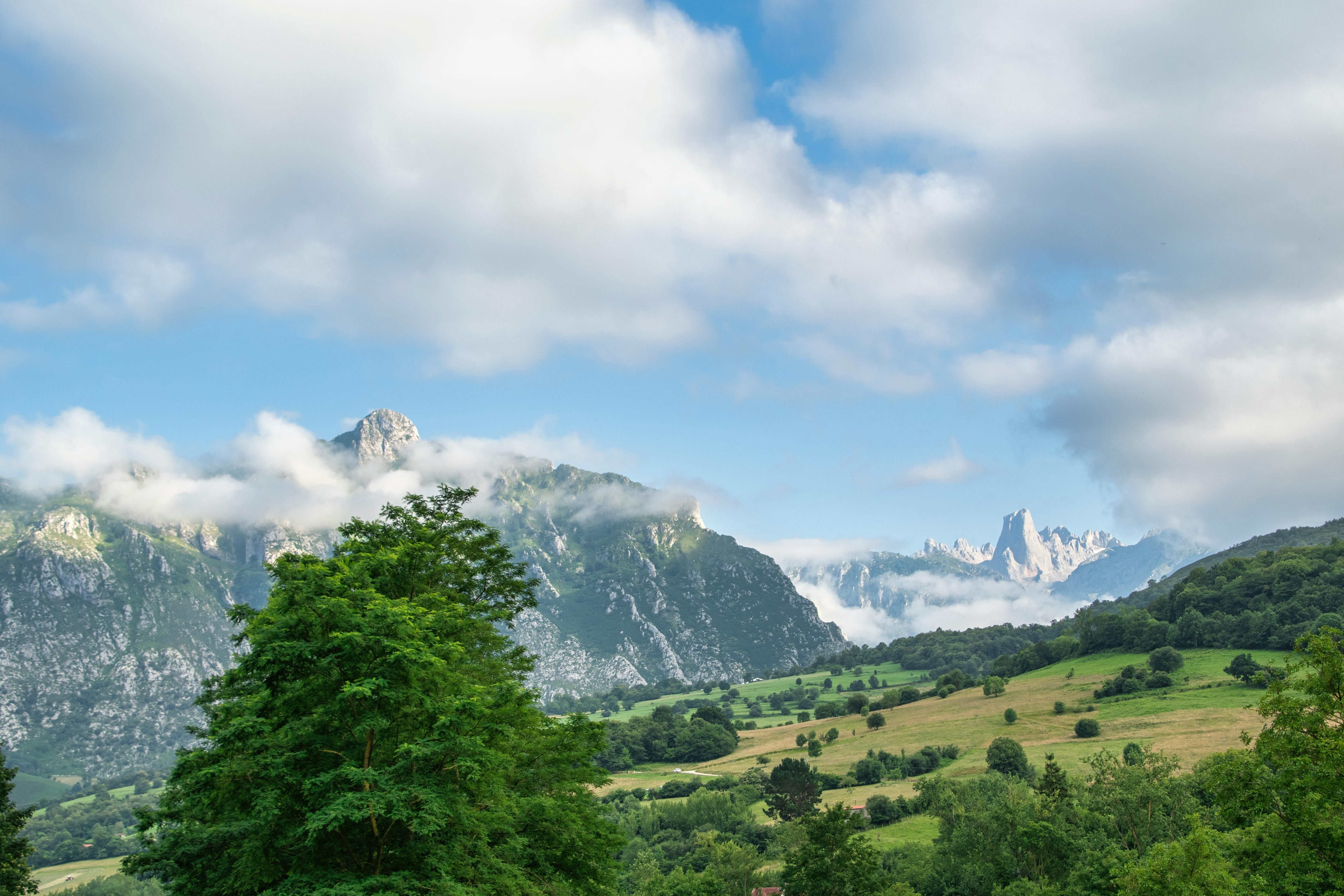
Hidden Gems of Iberia: Portugal, Galicia, Asturias
Atlantic Iberia at half the Barcelona price — Braga's UNESCO sanctuary, Santiago's cathedral, Oviedo's pre-Romanesque monuments, Roman walls in Lugo. Concrete fares, named towns, EUR prices.
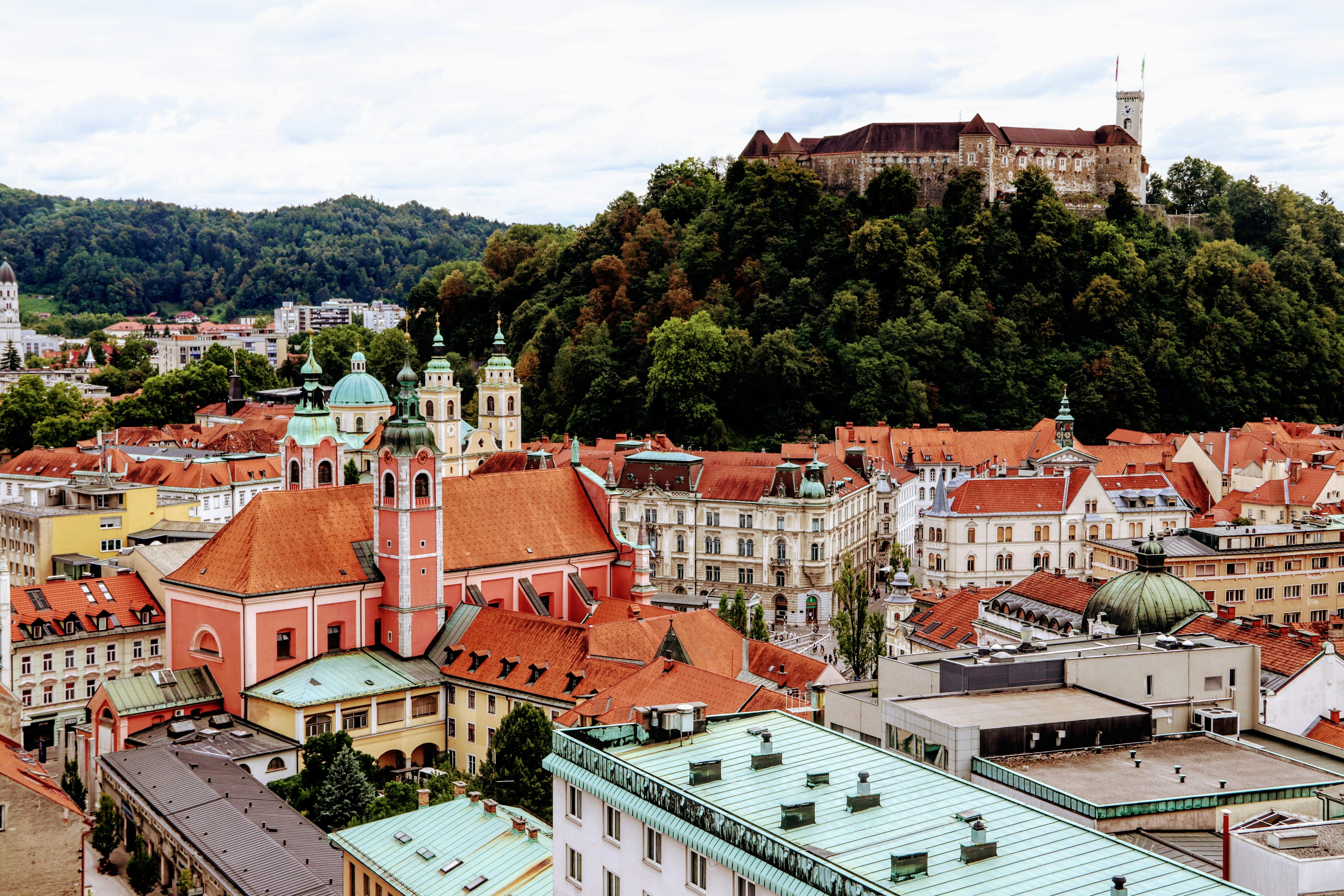
Underrated European Capitals: 12 You Should Visit
Twelve European capitals worth picking over London or Paris — Ljubljana, Riga, Tirana, Sarajevo and beyond. EUR daily budgets, named neighborhoods, transport from major hubs.
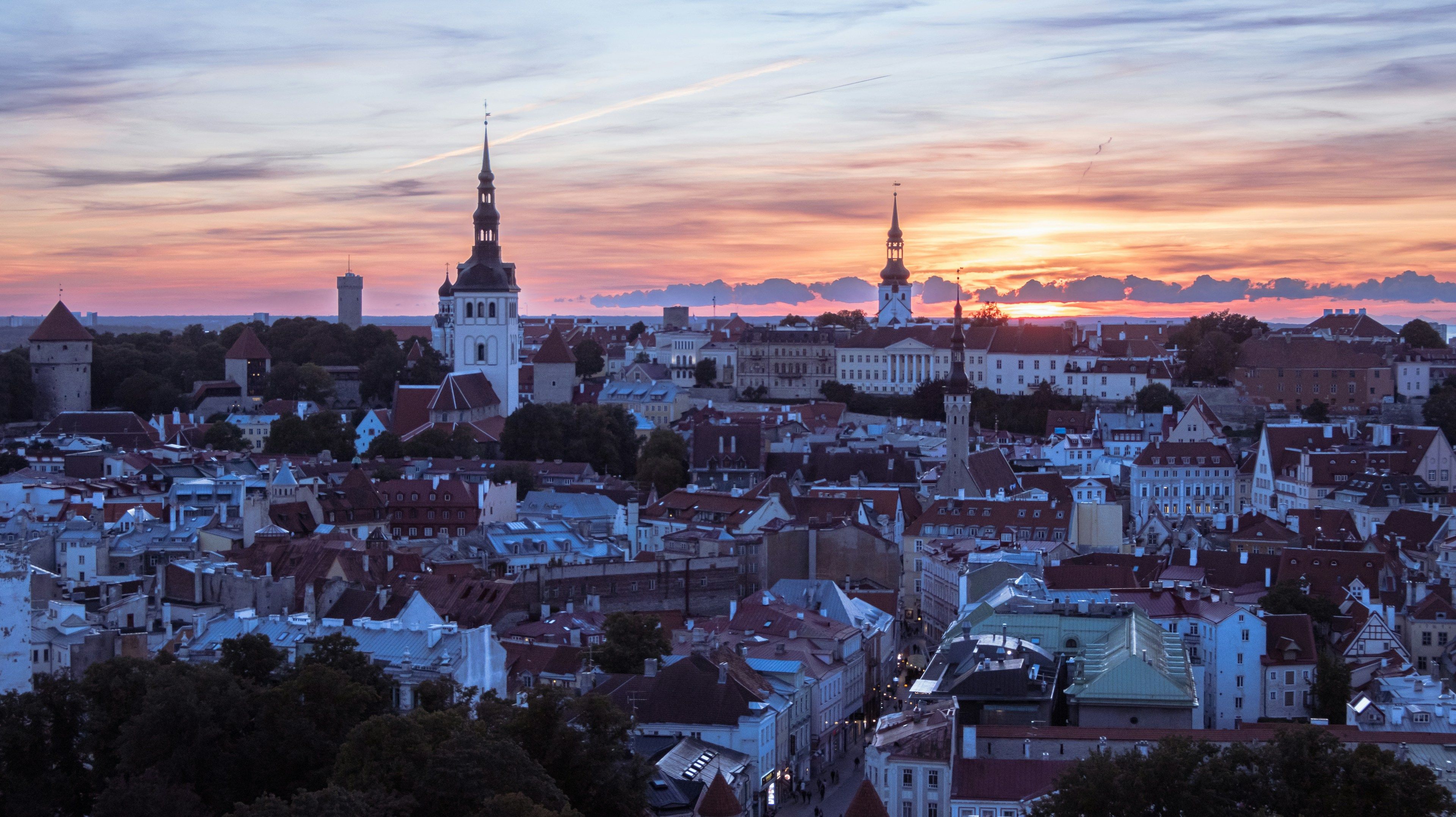
Hidden Gems of Eastern Europe: A 12-City Tour
Twelve underrated cities from the Baltics to the Adriatic — UNESCO old towns, Habsburg cafés, Ottoman bazaars and Soviet-era curiosities. Concrete fares, named neighborhoods, EUR prices.