
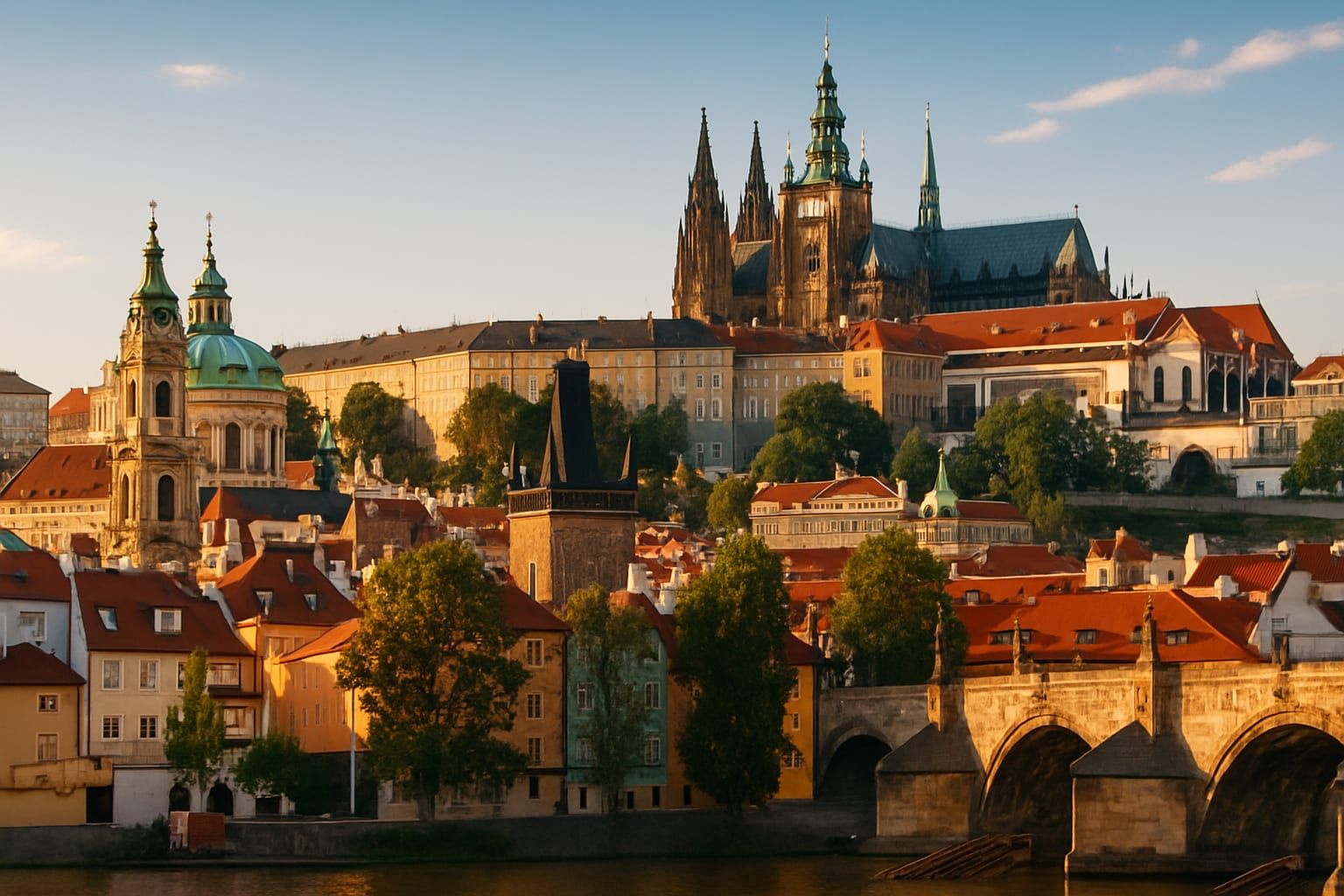
48 Hours in Sarajevo: History, Food & Culture
A practical 48-hour guide to Sarajevo: an itinerary mixing Ottoman alleys, Austro-Hungarian boulevards, poignant war history, and a thriving food and coffee scene—plus day-trip tips.
Why Sarajevo? A City of Layers
Sarajevo wears its history openly: Ottoman bazaars nestle against Austro-Hungarian facades, Orthodox churches, mosques, and synagogues stand within a few streets of one another, and the memory of the 1990s conflict is visible in museums, scars, and the resilience of its people. For first-time visitors, a well-paced 48 hours reveals the city’s best: lively markets, soulful kafanas (coffee houses), meaningful museums, and views that explain why locals are so proud.
If you want a deeper portrait of the city’s past and present, see our longer feature: Sarajevo: Europe’s Jerusalem You’ve Never Visited.
Practical Essentials (Quick Reference)
- Currency: Convertible Mark (BAM). Cards widely accepted; keep cash for small kafanas and markets.
- Language: Bosnian/Serbian/Croatian. English is common among younger people and in the service industry.
- Getting there: Sarajevo International Airport (SJJ) has regional and seasonal flights. Trains and buses connect the city to Zagreb, Belgrade, and other Balkan hubs.
- Best time to visit: Spring (April–June) and autumn (September–October) for mild weather and fewer crowds. Winter is atmospheric but cold; summers can be busy.
- Safety: Sarajevo is generally safe for tourists. Be mindful around memorials and respect local customs when visiting religious sites.
How to Use This Guide
This plan is built for a long weekend or a focused 48-hour layover. It mixes must-sees with local food stops and gives options depending on your pace. Public transport and short taxis will get you between highlights; most of the Old Town is best explored on foot.
Day 1: The Soul of the Old City and Modern Boulevards
Morning: Baščaršija — Ottoman Heartbeat
Start in Baščaršija, Sarajevo’s historic bazaar. Wander the narrow lanes and let the smells of freshly baked burek and strong Bosnian coffee guide you.
- Visit the Sebilj fountain — an iconic wooden spout and a good photo stop.
- Explore the Gazi Husrev-beg Mosque courtyard and the surrounding old madrasa; the mosque’s architecture is a fine example of Ottoman influence.
- Haggle gently for hand-carved souvenirs, copper crafts, and traditional Bosnian rugs.
Local tip: Try a burek at a small bakery for breakfast. Order it with yogurt (“kajmak”) to experience the classic combination.
Midday: Lunch & Museums
- For lunch, sample ćevapi (grilled minced meat) in a family-run ćevabdžinica — often served in somun (flatbread) with raw onions and ajvar. It’s Sarajevo comfort food.
- Visit the War Childhood Museum — a powerful, personal collection focused on children’s experiences during the siege. Reserve tickets in advance if possible.
Afternoon: Austro-Hungarian Sarajevo
Walk toward the elegant boulevards of the Austro-Hungarian quarter. This area shows a different face of the city: cafes, bakeries, and leafy streets.
- Stroll along Ferhadija and the pedestrian zones to admire Austro-Hungarian architecture and contemporary galleries.
- Swing by the National Museum (if open) or pick a small gallery for a contemporary art fix.
Evening: Dinner & Nightlife
For dinner, pick a neighborhood restaurant serving modern Bosnian cuisine—think seasonal dishes with local produce. Afterward, explore Sarajevo’s nightlife: intimate bars, live music venues, and traditional kafanas where locals gather for coffee and conversations.
Local insight: Sarajevo’s café culture is an essential experience—spend at least one long afternoon in a kafana watching the city flow by.
Day 2: Views, History & Local Flavors
Morning: Tunnel of Hope & Historic Sites
Begin your second day with one of Sarajevo’s most meaningful visits: the Tunnel of Hope (Tunel Spasa). The small museum and preserved tunnel section explain how the city received supplies during the siege.
Next, return toward the Old Town for the Latin Bridge and the site of the 1914 assassination of Archduke Franz Ferdinand—a single event that reshaped world history.
Local practical tip: Combine the Tunnel visit and Latin Bridge into a single morning; both are emotionally heavy, so allow time to reflect.
Midday: Sarajevo’s Markets & Street Food
Explore local markets such as Markale (the marketplace) where fresh produce and street stalls create a lively atmosphere. It’s a great place to try seasonal snacks and buy picnic supplies.
Lunch option: Build a casual picnic from market finds—cheese, olives, fresh bread, and seasonal fruit—and head to the riverbank or a nearby park.
Afternoon: Cable Car to Trebević & Panoramic Views
Take the cable car (reopened in recent years) to Trebević mountain for sweeping city views and a calmer pace. Walk sections of the trails, find the famous picnic spots locals use, and take photographs across the valley.
Active option: If you prefer a hike, there are trails up and downTrebević suitable for moderate fitness levels.
Evening: Traditional Dinner & Reflection
For your final night, choose a restaurant that serves traditional Bosnian slow-cooked dishes: dolma, sarma (stuffed cabbage), or slow-lamb plates. Pair with a local rakija to toast your stay.
Night walk: Return to Baščaršija after dinner for a different perspective—lantern-lit streets and quiet conversations give the old bazaar a serene mood.
Day Trips & Extensions
If you have an extra day, Mostar is an easy day trip and a classic addition to a Bosnia itinerary. See its iconic bridge, Ottoman-era architecture, and lively riverside cafes. For ideas on broader trips across the region, consider this practical route through the Balkans: Budget Balkans Route: 2 Weeks for €1000. You can also pair Sarajevo with nearby cultural highlights like Mostar for a two-city experience: Mostar: Where East Meets West on the Neretva.
Local insight: If you plan to visit Mostar in summer, start early to avoid peak heat and crowds.
Where to Stay: Neighborhoods Explained
- Baščaršija / Old Town: Best for first-time visitors who want to be in the historic heart, close to restaurants and sights.
- Marijin Dvor / Centrum: A more modern neighborhood with hotels, offices, and easy access to transport.
- Bistrik & Grbavica: Quieter, local-feel neighborhoods that still sit within walking distance of the center.
Hotel tip: Look for family-run guesthouses for warm local hospitality, or choose a boutique hotel for design and comfort.
Practical Tips & Local Etiquette
- Tipping: 10% is customary in restaurants if service is not included. Small change is fine for cafés.
- Dress: Dress respectfully when visiting religious sites; women may be asked to cover shoulders and hair in mosques.
- Transportation: Short taxi rides are inexpensive—confirm price or demand a meter. Trams run in certain parts of the city but walking is often the fastest way to explore the center.
- Opening hours: Museums and smaller sites often close for a long lunch or have shorter winter hours—check ahead.
- Connectivity: Free Wi‑Fi is common in cafes; buy a local SIM at the airport for more reliable data.
Local insight: Sarajevo is a city of conversations. People are proud of their food and history—ask a barista or shop owner for recommendations; you’ll often get a generous reply.
Food Guide: What to Try and Where
- Burek: Flaky pastry with meat, cheese, or spinach.
- Ćevapi: Grilled meat served with flatbread, onions, and condiments.
- Begova čorba (Bosnian stew): A hearty soup perfect for cooler days.
- Tufahija & baklava: Sweet pastries influenced by Ottoman desserts.
- Bosnian coffee: Strong and often accompanied by rahat lokum (Turkish delight).
Where to eat: Seek out small family-run eateries for the most authentic flavors. A late-afternoon coffee in a kafana is as local as it gets.
Responsible & Respectful Travel
- Learn a few words: “Hvala” (thank you) and “Dobar dan” (good day) go a long way.
- Respect memorials and museums: Many Sarajevo sites relate to recent conflict—approach with sensitivity.
- Support local businesses: Buy crafts from local artisans, eat in family-run restaurants, and choose locally guided tours to ensure your travel dollars benefit the community.
Final Notes: Why Sarajevo Stays With You
Sarajevo is a city of contrasts: ancient and modern, joyful and reflective. In 48 hours you’ll catch the essential spirit—market chatter, lingering coffee rituals, poignant history, and views that help stitch together the city’s story. Whether you’re passing through or building a longer Balkan itinerary, Sarajevo rewards curiosity and slow travel. To understand the deeper history and cultural crosscurrents that shaped this city and its neighbours, read our primer on the making of the Balkans.
For more on planning a multi-stop Balkans trip that can include Sarajevo and Mostar, see our budget route: /en/budget-travel/budget-balkans-2-weeks-1000-euro. And for a deep cultural dive into Sarajevo’s layered identity, revisit: /en/hidden-gems/sarajevo-europes-jerusalem-youve-never-visited.
Enjoy Sarajevo—ask locals for their favourite kafana, and be prepared to leave with new stories.
Frequently Asked Questions
Planning more European escapes? Compare the best European city breaks for a weekend to pick your next trip.
Frequently Asked Questions
Is 48 hours enough in Sarajevo?
Yes, 48 hours is enough to catch the city's essential spirit. A well-paced two days lets you cover Baščaršija's Ottoman bazaar, the Austro-Hungarian quarter, key museums, the Tunnel of Hope, and panoramic views from Trebević. Sarajevo rewards slow travel, so if you have an extra day you can add a Mostar day trip.
What should you do in 48 hours in Sarajevo?
Spend Day 1 in the Old City—wander Baščaršija, see the Sebilj fountain and Gazi Husrev-beg Mosque, eat burek and ćevapi, and visit the War Childhood Museum before strolling the Austro-Hungarian boulevards along Ferhadija. On Day 2, visit the Tunnel of Hope and the Latin Bridge, explore Markale market, then take the cable car to Trebević for sweeping city views.
How do you spend a weekend in Sarajevo?
Base yourself in Baščaršija or the Old Town to be in the historic heart, close to restaurants and sights. Mix must-sees with food stops: try burek with kajmak, ćevapi in somun, Begova čorba, and a long afternoon in a kafana over Bosnian coffee. End each day with a traditional Bosnian dinner—sarma or slow-lamb plates—paired with a local rakija.
What food should you try in Sarajevo?
Don't miss burek (flaky pastry with meat, cheese, or spinach), ćevapi (grilled minced meat in flatbread with onions and ajvar), and Begova čorba, a hearty Bosnian stew. Finish with sweets like tufahija and baklava, and strong Bosnian coffee often served with rahat lokum. Seek out small family-run eateries for the most authentic flavors.
When is the best time to visit Sarajevo?
Spring (April–June) and autumn (September–October) are best for mild weather and fewer crowds. Winter is atmospheric but cold, and summers can be busy. Sarajevo is generally safe for tourists year-round—just be mindful around memorials and respect local customs at religious sites.
Keep Exploring
Porto Uncovered: Food, Wine & River Views
Discover Porto's riverside charm, port wine cellars, must-eat dishes and best viewpoints. Practical tips, 48-hour itinerary and local insights for a memorable visit.
One Week in Porto: Wine, Food & River Views
Spend seven days in Porto exploring riverside neighborhoods, tasting port in Gaia cellars, sampling local cuisine, and taking a Douro Valley day trip. Practical tips included.
Hidden Gems of Iberia: Portugal, Galicia, Asturias
Atlantic Iberia at half the Barcelona price — Braga's UNESCO sanctuary, Santiago's cathedral, Oviedo's pre-Romanesque monuments, Roman walls in Lugo. Concrete fares, named towns, EUR prices.