
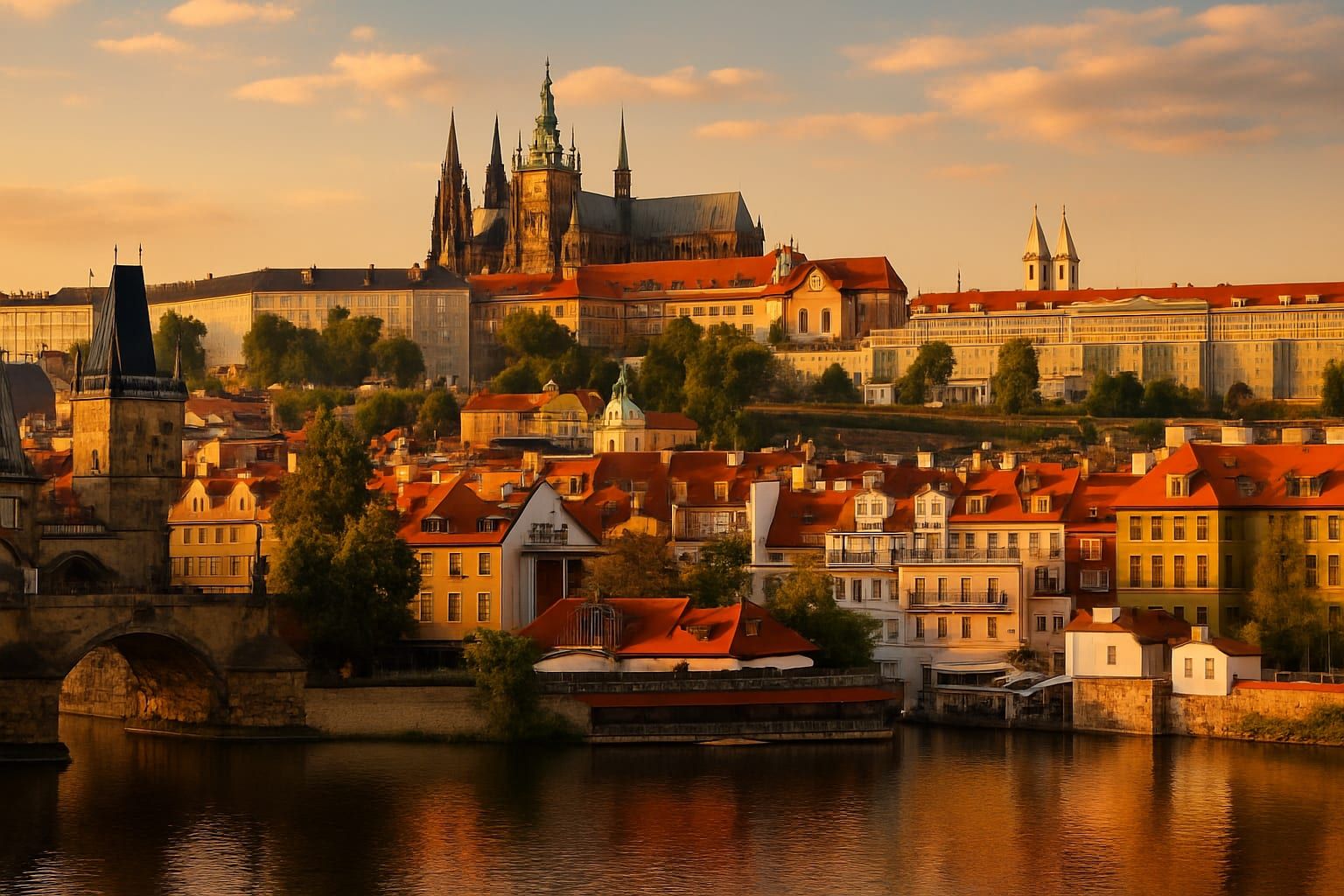
A practical 7-day Balkans guide blending lakes, mountains and medieval towns—itinerary, transport tips, budgets and local insights for a memorable week-long trip.
Why a Week in the Balkans?
The Balkans compress a surprising amount of variety into a compact geography: turquoise lakes, dramatic mountain passes, Ottoman bazaars, Venetian harbors and tiny towns that feel frozen in time. In seven days you can sample coastal Adriatic charm, Alpine foothills, and inland lakeside serenity without feeling rushed—if you plan smartly.
This guide offers a flexible 7-day itinerary, practical transport and budget tips, local insights and sustainable-travel advice so you can get the most from a short but rich Balkan escape.
Best Time to Visit
- Late spring (May–June) and early autumn (September–October) are ideal: mild weather, fewer crowds, good hiking conditions and pleasant sea temperatures along the Adriatic.
- July–August is high season on the coast—expect heat and crowds but lively festivals and long beach days.
- Winter is quieter and great for mountain activities if you want snow sports, though some coastal ferry connections reduce service.
Quick Practical Tips
- Currency: Many countries have their own currencies (euro in some, local currencies in others). ATMs are common in cities; carry some cash in smaller towns.
- Visas: EU/Schengen rules don’t cover the whole region. Check visa rules for each country on your route.
- Language: English is widely spoken in tourist spots, but learning a few phrases like hvala (thanks), dobro (good), and molim (please/you’re welcome) goes a long way.
- Power: Standard European plugs (Type C/E/F) are common; check specific countries if you’re traveling from outside Europe.
Sample 7-Day Itinerary (Flexible)
This route focuses on a compact loop through Slovenia, Croatia, Bosnia & Herzegovina, Montenegro and North Macedonia—ideal for first-timers who want variety without long road days.
Day 1 — Ljubljana, Slovenia: Charming Start
Begin in Ljubljana, a relaxed, walkable capital with a photogenic riverside, lively markets and a hilltop castle. Spend the day wandering the old town, sampling local pastries at a café and renting a bike to explore Tivoli Park.
If you want a nature-first week, see our detailed one-week Slovenia plan for ideas on mountains, caves and coast: /en/itineraries/one-week-in-slovenia-mountains-caves-coast/
Overnight: Ljubljana.
Day 2 — Lake Bled & Vintgar Gorge
A 45-minute drive from Ljubljana brings you to Lake Bled—picture-postcard island church, a medieval castle perched on a cliff, and the option to row to the island. Alternatively, hike or cycle around the lake. If you have time, visit the dramatic Vintgar Gorge nearby.
Overnight: Bled or return to Ljubljana for the night.
Day 3 — Postcard Coast: Istria or Rovinj (Croatia)
Head southwest to the Istrian coast (Rovinj or Pula). The Istrian peninsula blends Italianate architecture with Croatian seafood tradition. Wander the cobbled streets, enjoy a seaside sunset and taste olive-oil-forward cuisine.
Overnight: Rovinj or Pula.
Day 4 — Mostar, Bosnia & Herzegovina: Bridge & Bazaar
Drive east into Bosnia & Herzegovina to Mostar. The UNESCO-listed Old Bridge (Stari Most) is the highlight—watch local divers, browse bazaar stalls and try local cevapi or baklava in a riverside café. The Ottoman atmosphere is distinct from nearby Adriatic towns.
Overnight: Mostar.
Day 5 — Kotor, Montenegro: Bay & Fortresses
Cross into Montenegro and descend into the dramatic Bay of Kotor. Kotor’s medieval walls, narrow alleys and waterfront restaurants are irresistible. Hike the fortress trail for panoramic views and consider a short boat trip around the bay.
Overnight: Kotor.
Day 6 — Durmitor or Lovćen (Montenegro): Mountains & Adventure
Choose an alpine day: either head north to Durmitor National Park (for canyons, hiking and black lake swims) or stay closer and hike in Lovćen National Park for superb coastal-to-mountain vistas.
Overnight: Podgorica area or return to Kotor.
Day 7 — Ohrid, North Macedonia: Lake & Byzantine Heritage
Conclude your week on Lake Ohrid—one of Europe’s oldest and deepest lakes, with a medieval lakeside town, Byzantine churches and pebbled beaches. It’s a sublime spot to relax, swim and souvenir-shop for local handcrafted icons and textiles.
For an in-depth introduction to this jewel, read more here: /en/hidden-gems/ohrid-europes-hidden-lake-paradise/
Overnight: Ohrid or fly out from Skopje depending on flights.
Getting Around: Transport Options
- Rental Car: The most flexible option for a week. Border crossings are usually straightforward, but confirm cross-border insurance (green card) and check whether your rental allows travel to all countries on your route. Mountain roads can be narrow; choose a smaller car for winding passes.
- Buses: Comfortable long-distance buses link major towns and are economical, but schedules can be slower and less frequent for rural connections.
- Trains: Limited regional rail network; useful in Slovenia and Croatia but less practical for the entire loop.
- Flights: Budget regional flights connect capitals—useful for saving time if you’re short on days.
- Ferries: In summer, ferries along the Adriatic and across bays provide scenic alternatives—especially in Croatia and Montenegro.
Practical insight: allow extra time for border checks and mountain driving. Use offline maps (download a region on Google Maps or Maps.me) and carry printed reservation confirmations where mobile service is patchy.
Budgeting & Money-Saving Tips
- Mid-range daily budget: €60–€120 per person (includes 3-star hotels, local meals, transport).
- Budget travelers can aim for €35–€60/day using hostels, buses and markets.
- Splurges: private boat tours in Kotor, guided canyoning in Durmitor, or a night in a boutique guesthouse on Lake Ohrid.
- Eat like a local: street food (burek, cevapi), family-run konobas, and markets give great value and authentic flavors.
Tip: VAT refund schemes vary; small local purchases rarely qualify—focus on experiences.
Food, Drink & Local Customs
- Try regional specialties: burek (filled pastry), cevapi (grilled minced-meat rolls), fresh Adriatic seafood, Macedonian tavče gravče (baked beans), and strong regional coffee.
- Wine: the Balkans has exciting, underrated wine regions—sample indigenous varieties in family-run cellars and local wine bars.
- Tipping: not always expected but appreciated—round up or leave 5–10% in restaurants if service is good.
Cultural tip: many towns have a café culture—slow mornings over coffee are common and a great way to watch daily life.
Local Insights & Offbeat Experiences
- Dawn on Lake Ohrid: wake for the calm light and near-empty waterfront—ideal for photography and quiet swims.
- Mostar by evening: stray into a small riverside kafana (traditional café) for live sevdalinka music on some nights.
- Kotor’s old-town alleys are best explored early morning or late evening when tour groups thin out.
- Visit a family-run winery in inland Croatia or Slovenia for a hands-on tasting—book ahead, especially in peak season.
Safety & Practical Health Advice
- The Balkans is generally safe for travelers; usual precautions for petty theft apply in touristy areas.
- Tap water is drinkable in much of Slovenia and Croatia; in some rural areas elsewhere, bottled water may be more common—ask locally.
- Pharmacies (apoteka) are common in cities; carry basic meds for headaches, stomach issues and any prescriptions.
Sustainable Travel Tips
- Choose locally owned accommodation and eateries to keep tourism revenue in small communities.
- Use public transport for intra-city travel where possible; walk or cycle—cities like Ljubljana are extremely walkable.
- Respect protected areas (Durmitor, national parks): stick to marked trails, avoid single-use plastics and follow local guidance.
Packing List (Essentials for a Week)
- Comfortable walking shoes, light waterproof jacket, and a sun hat.
- Swimwear and quick-dry towel for lakes and beaches.
- Reusable water bottle, plug adapter, and portable charger.
- Travel documents printed and digital copies (insurance, vehicle documents if driving).
When to Alter This Plan
- If you prefer beaches and island hopping, spend more time on the Croatian coast and skip inland mountain days.
- For a nature-forward trip, swap Kotor for more national-park time like Durmitor or Plitvice Lakes (if you haven’t visited before).
- If you have limited mobility or prefer no driving, build the trip around cities with good bus and ferry links, or take guided day tours.
For a longer, deeper exploration, consider expanding this short loop into the full Ultimate Balkans Road Trip: /en/itineraries/ultimate-balkans-road-trip-2-weeks-itinerary/
Final Thoughts
A week in the Balkans is a sensory-rich survey: medieval bridges, mountain ridgelines, quiet lakeside mornings and seafood dinners by the sea. With careful planning—choosing a realistic route, booking key accommodations and being flexible about transport—you’ll leave with a varied set of memories and, often, the desire to return for a longer exploration.
Ready to plan? Start by choosing whether your trip will be nature-first (more Slovenia and Montenegro), culture-first (Bosnian and Macedonian towns), or coast-first (Croatia and Istria), and use this guide as a blueprint to build a week that fits your pace.
Related
Frequently Asked Questions
How many days do you need to see the Balkans?
Seven days is enough for a varied first-timer's loop through Slovenia, Croatia, Bosnia & Herzegovina, Montenegro and North Macedonia. This compact route samples Adriatic coast, Alpine foothills and inland lakes without long road days. If you want a deeper trip, the itinerary can be expanded into a two-week Balkans road trip covering more national parks and coastline.
What is the best time to visit the Balkans?
Late spring (May to June) and early autumn (September to October) are ideal, offering mild weather, fewer crowds, good hiking and pleasant Adriatic sea temperatures. July and August bring high season heat, crowds and lively festivals along the coast. Winter is quieter and suits mountain snow sports, though some coastal ferry connections run reduced service.
Is the Balkans expensive to travel?
The Balkans is affordable by European standards. A mid-range daily budget runs about 60 to 120 euros per person, covering 3-star hotels, local meals and transport. Budget travelers can manage 35 to 60 euros a day using hostels, buses and markets. Street food like burek and cevapi and family-run konobas offer great value and authentic flavor.
Is it better to drive or take buses in the Balkans?
Renting a car is the most flexible option for a week-long Balkan loop, though you should confirm cross-border insurance and choose a smaller car for narrow mountain passes. Comfortable long-distance buses link major towns economically but run slower and less often on rural routes. Regional trains are limited, while budget flights and summer ferries can save time.
Is Kotor, Montenegro worth visiting?
Yes, Kotor is a standout stop on a Balkan itinerary. Set in the dramatic Bay of Kotor, its medieval walls, narrow alleys and waterfront restaurants are irresistible. You can hike the fortress trail for panoramic views or take a short boat trip around the bay. Explore the old-town alleys early morning or late evening to avoid tour-group crowds.
Keep Exploring
One Week in Porto: Wine, Food & River Views
Spend seven days in Porto exploring riverside neighborhoods, tasting port in Gaia cellars, sampling local cuisine, and taking a Douro Valley day trip. Practical tips included.
Ultimate Balkans Road Trip: Slovenia to Montenegro
Explore the Balkans by road: Ljubljana, Lake Bled, Plitvice, Mostar and Durmitor. A 12-day itinerary with tips on driving, where to stay, must-see hikes and local eats.

Discover Montenegro: Coast, Canyons & Towns
From the turquoise fjord-like bay of Kotor to the soaring peaks and canyons inland, Montenegro packs dramatic scenery, medieval towns and outdoor adventure into a compact, unforgettable trip.