
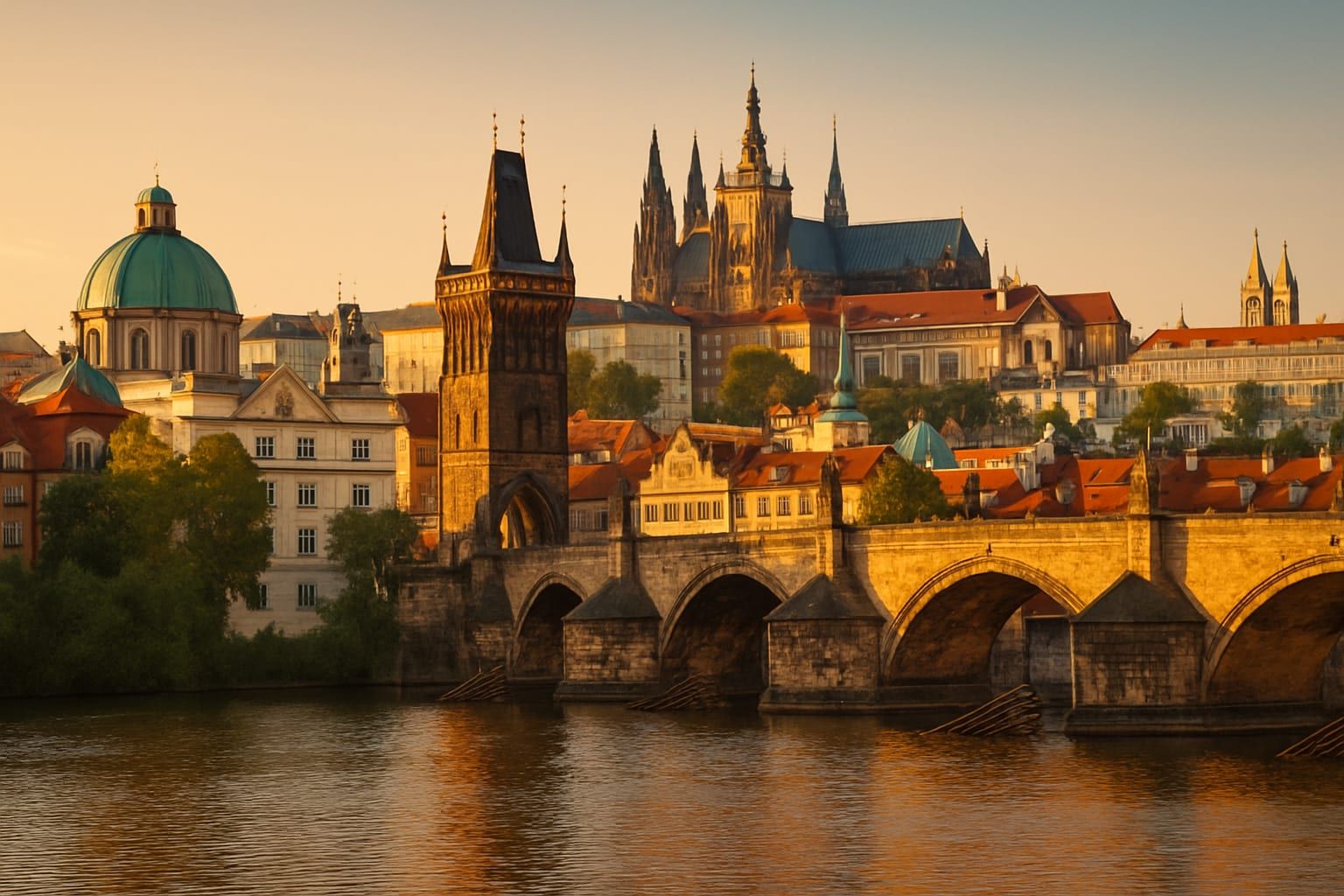
A practical weekend guide to Belgrade: top sights, food, nightlife, neighborhoods, sample itineraries and local tips to make the most of Serbia's vibrant capital.
Belgrade is loud in the best way: a city where history, café culture and a legendary nightlife collide on the confluence of the Sava and Danube. Whether you have 48 hours or a long weekend, this guide will help you eat like a local, navigate neighborhoods, pick the best day trips and avoid tourist pitfalls.
Why visit Belgrade now
- Exceptionally good value compared with Western Europe.
- A young, creative energy—street art, experimental bars and music venues.
- History visible at every turn: Ottoman and Austro-Hungarian traces alongside socialist-era architecture and contemporary projects.
- Easy to pair with other Balkan stops, from Novi Sad to Sarajevo.
If you’re planning a longer Balkans trip, our Budget Balkans route is a helpful companion for stretching a small budget across multiple countries: /en/budget-travel/budget-balkans-2-weeks-1000-euro.
Quick practical info
- Currency: Serbian dinar (RSD). ATMs are widespread; card acceptance is good in the city but carry cash for markets and small kafanas.
- Language: Serbian (Cyrillic and Latin alphabets). Learn a few basics: “hvala” (thank you), “molim” (please/you’re welcome), “dobro” (good).
- Airport: Nikola Tesla (BEG) is ~18 km from the city centre. Shuttle buses, taxis and ride apps are available.
- Power: 230V, European two-pin plugs.
- Safety: Belgrade is generally safe; watch for pickpockets in crowded spots and insist on using a metered or app taxi to avoid overcharging.
Best time to go
- Spring (April–June) and early autumn (September–October): warm days, lively terraces.
- Summer: festivals and splavovi (river clubs) are at their peak, but it can get hot and crowded.
- Winter: quieter, cosy kafanas and lower prices—great for museum-hopping and food.
Getting around
- Public transport: trams, buses and trolleybuses cover the city. Single tickets can be bought at kiosks or via apps; consider a 24/48-hour pass if you’ll use public transport often.
- Taxis: use apps like Bolt or CarGo to avoid language barriers and fixed prices; if hailing on the street, insist the meter is used.
- Walking: the central districts are very walkable—between Knez Mihailova, Kalemegdan and Skadarlija you can cover a lot on foot.
Where to stay (neighborhoods)
- Stari Grad (Old Town/Dorćol): best for first-timers—close to major sights and nightlife.
- Vračar: calmer, home to the impressive Church of Saint Sava and many kafanas.
- Savamala: hip nightlife, galleries and bars on Cetinjska street.
- New Belgrade (Novi Beograd): modern hotels and easy transport links—good for business travelers and those arriving late.
What to see (48-hour highlights)
Day 1: History, rivers and bohemian evenings
- Belgrade Fortress (Kalemegdan): start here for sweeping river views and a stroll through layered history—medieval walls, Ottoman relics, and green promenades.
- Knez Mihailova: the pedestrian artery lined with shops, cafés and street performers—perfect for people-watching.
- Republic Square & National Theatre: soak in the urban pulse.
- Skadarlija: Belgrade’s bohemian quarter—dine in a traditional kafana with live music.
Tips: arrive at Kalemegdan at sunset for dramatic light over the Danube and Sava.
Day 2: Culture, modern museums and island beaches
- Church of Saint Sava: one of the largest Orthodox churches in the world—don’t miss the interior mosaics (when open).
- Nikola Tesla Museum: a compact, fascinating museum dedicated to Serbia’s most famous inventor. Interactive exhibits make it a good stop even for non-tech buffs.
- Ada Ciganlija: the city’s river island-turned-recreational area—swimming, biking or a relaxed café by the lake.
Evening: sample Belgrade’s club scene—try splavovi on the Sava for an iconic night out.
Food and drink: what to try
- Ćevapi: grilled minced meat sausages served with somun (flatbread), raw onions and kajmak.
- Pljeskavica: Serbian-style burger—often loaded with cheese and ajvar.
- Burek: flaky pastry with cheese or meat—perfect for a late-night snack.
- Serbian cheeses and kajmak: creamy, tangy dairy that elevates any meal.
- Rakija: fruit brandy—try plum (šljivovica) or quince; it’s both a digestive and a social ritual.
- Coffee culture: coffee is serious business—expect espresso-based drinks and long terrace sessions.
Recommended experiences:
- Spend an evening in a traditional kafana—order shared starters, rakija and listen to live music.
- Visit a local market like Kalenic for fresh produce, cheeses and a sense of everyday life.
Sample 48-hour itinerary (compact)
Day 1 (Morning)
- Breakfast at a bakery (burek + coffee)
- Belgrade Fortress & Kalemegdan
- Walk Knez Mihailova
Day 1 (Afternoon)
- Lunch in Skadarlija
- Nikola Tesla Museum
Day 1 (Evening)
- Dinner in Dorćol, then drinks in Savamala
Day 2 (Morning)
- Church of Saint Sava
- Vračar and local cafés
Day 2 (Afternoon)
- Ada Ciganlija for biking or swimming
- Sunset cruise on the Danube (seasonal)
Day 2 (Night)
- Splavovi or a live-music kafana
Day trips and extensions
- Novi Sad and Petrovaradin Fortress: 1–1.5 hours by train—perfect for a day trip and a taste of Vojvodina’s charm.
- Fruška Gora: wineries and monastery trails.
- Sarajevo: for a deeper Balkan immersion consider a longer route—our Sarajevo guide is a great read: /en/hidden-gems/sarajevo-europes-jerusalem-youve-never-visited.
- Skopje: if you’re looping through the region, pair Belgrade with North Macedonia; read more about a quirky neighboring capital here: /en/hidden-gems/skopje-quirky-capital-north-macedonia.
Local insights and etiquette
- Tipping: 10% is typical in restaurants if service isn’t included.
- Kafana culture: these are more than restaurants—an evening in a kafana is about conversation, music and lingering.
- Dress: urban casual. Belgraders dress sharply for evenings out.
- Greetings: a handshake is normal for first meetings; friends may kiss cheeks.
Money and budget tips
- Expect lower costs than Western Europe: street food, public transport and many mid-range restaurants are inexpensive.
- Cash is handy for markets and small places—use ATMs to get the best rates. Credit cards are widely accepted in restaurants and hotels.
- Sample daily budget (mid-range traveller): €40–€80/day including meals, modest sightseeing and public transport. Adjust up for nightlife and splavovi.
Nightlife: how to pick the right night out
- Splavovi (river clubs): iconic, loud and tourist-friendly. Expect late nights (clubs peak after midnight).
- Savamala & Cetinjska street: bars, galleries and late-night cocktail spots—more alternative and trendy.
- Kafana evenings: for traditional music, local food and a more intimate atmosphere.
Insider tip: If you want to experience locals, go to a kafana earlier (8–10pm) when families, students and older locals mingle.
Safety and common scams
- The city is generally safe; standard precautions apply.
- Taxi scams: insist on the meter or use an app (Bolt/CarGo). Agree a price beforehand if negotiating.
- Pickpockets: watch your belongings in crowded areas and on public transport.
Sustainable travel & responsible tips
- Support local businesses: eat at neighborhood kafanas, buy from markets and choose independent guides.
- Respect monuments and religious sites—dress modestly when visiting churches and monasteries.
- If you rent a bike, lock it and keep valuables secure—Ada Ciganlija is perfect for responsible outdoor fun.
Packing list (short)
- Comfortable walking shoes for cobbled streets and fortress climbs.
- Lightweight layers for spring and autumn; summer requires sunscreen and a refillable water bottle.
- European plug adapter and a pocket-sized map (offline maps are handy).
Final tips from locals
- Coffee breaks are sacrosanct—use them to slow down and listen to recommendations from baristas.
- Ask a server where locals eat—some of the best plates are in simple places away from tourist streets.
- Learn to love rakija—shared rounds are an easy way into Serbian hospitality.
Belgrade is a city of generous contradictions: gritty and elegant, historic and experimental. Two days will leave you wanting more—but it’s the perfect introduction to a capital that rewards the curious, the hungry and the night owl.
Planning a longer Balkans route? Combine Belgrade with budget-friendly legs and richer regional context: /en/budget-travel/budget-balkans-2-weeks-1000-euro. For another nearby capital with a totally different vibe, check out Skopje: /en/hidden-gems/skopje-quirky-capital-north-macedonia.
Safe travels—and don’t be surprised if Belgrade steals your heart (and keeps you out late).
Frequently Asked Questions
Planning more European escapes? Compare the best European city breaks for a weekend to pick your next trip.
Frequently Asked Questions
What are the best things to do in Belgrade on a weekend?
Start at Belgrade Fortress (Kalemegdan) for sweeping river views and layered history, then walk the pedestrian Knez Mihailova to Republic Square and the National Theatre. Dine in a traditional kafana with live music in Skadarlija, visit the Church of Saint Sava and the Nikola Tesla Museum, and relax at Ada Ciganlija, the city's river island recreational area.
Where should I go for Belgrade nightlife?
The splavovi (river clubs) on the Sava are iconic, loud and tourist-friendly, peaking after midnight. For a more alternative, trendy scene head to Savamala and Cetinjska street for bars, galleries and late-night cocktail spots. For traditional music and a more intimate atmosphere, choose a kafana evening.
When is the best time to visit Belgrade?
Spring (April–June) and early autumn (September–October) offer warm days and lively terraces. Summer is peak season for festivals and splavovi but can get hot and crowded, while winter is quieter and cheaper—great for cosy kafanas, museum-hopping and food.
How do I get around Belgrade?
The central districts between Knez Mihailova, Kalemegdan and Skadarlija are very walkable. Trams, buses and trolleybuses cover the wider city, with single tickets from kiosks or apps and 24/48-hour passes available. For taxis, use apps like Bolt or CarGo, or insist on the meter if hailing on the street.
What food should I try in Belgrade?
Try ćevapi (grilled minced-meat sausages with somun, raw onions and kajmak), pljeskavica (Serbian-style burger), and burek for a late-night snack. Sample Serbian cheeses and kajmak, and rakija fruit brandy such as plum (šljivovica) or quince—best shared in a kafana over live music.
Keep Exploring
A Local's Guide to Porto: Eat, Drink & Explore
An in-depth local’s guide to Porto: neighborhoods, food, port wine, day trips, practical tips and offbeat experiences to make the most of a 3- to 7-day visit.
Porto Weekend Guide: Wine, Views & Azulejos
A practical, insider weekend guide to Porto — from port wine cellars and azulejos to the best bites, viewpoints and a smart 48-hour itinerary for first-timers.
Porto: Weekend Guide for First-Timers
A practical, local-flavoured weekend guide to Porto — from port tastings and azulejos to the best viewpoints, neighbourhoods to stay in and a 48-hour itinerary.