
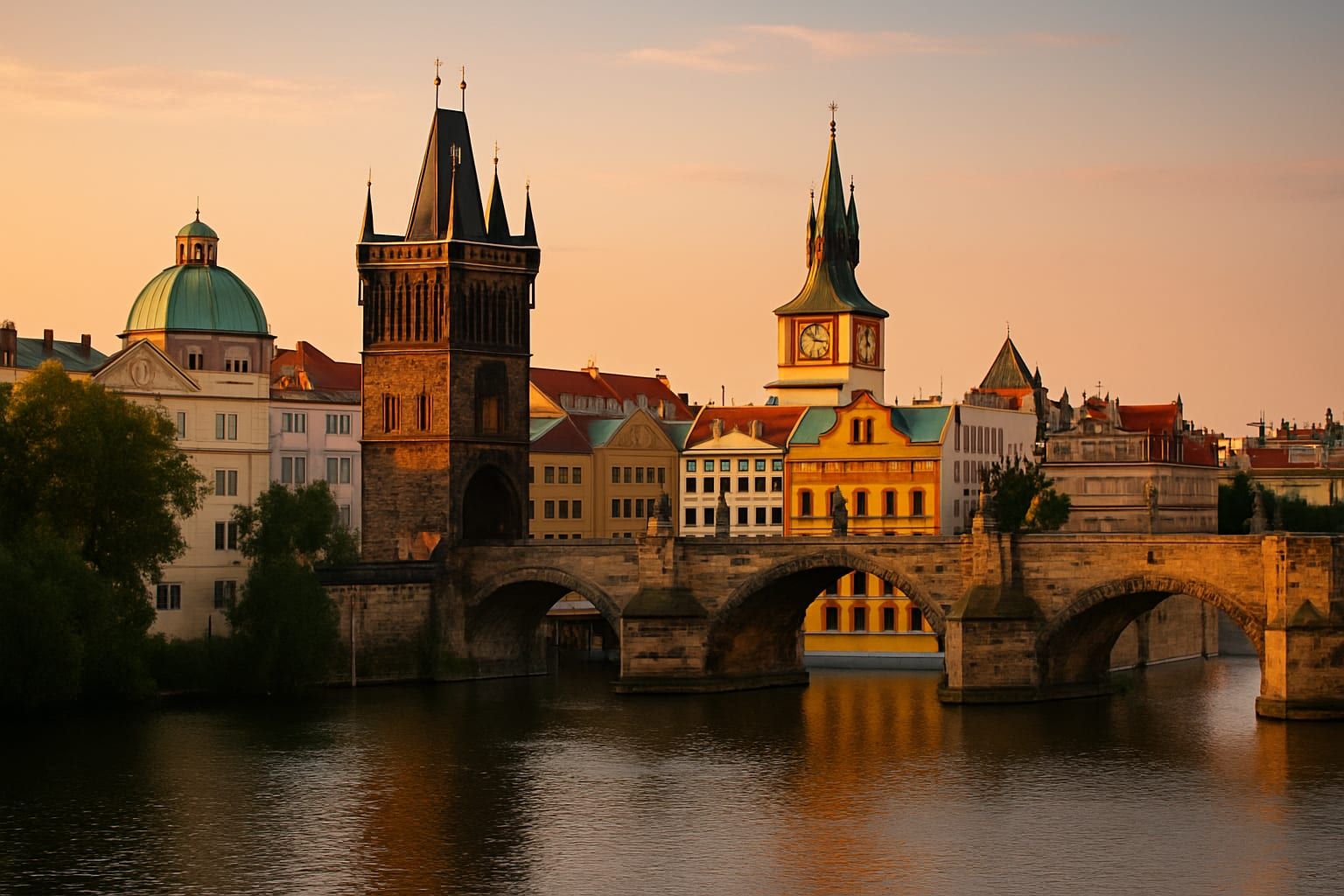
Explore the Balkans by road: Ljubljana, Lake Bled, Plitvice, Mostar and Durmitor. A 12-day itinerary with tips on driving, where to stay, must-see hikes and local eats.
Embarking on a road trip through the Western Balkans is one of Europe’s most rewarding ways to travel: compact distances between jaw-dropping natural scenery, centuries-old towns where history feels alive, and a food culture that’s as sincere as it is delicious. This guide lays out a practical 12-day route from Ljubljana and Lake Bled down through Croatia and Bosnia & Herzegovina, finishing in Montenegro’s dramatic mountains and Adriatic coast. Expect lakes, waterfalls, medieval bridges, mountain passes and unfussy hospitality.
Quick overview
- Duration: 10–14 days recommended (this plan is 12 days)
- Best time: late spring (May–June) or early autumn (September) for warm weather, fewer crowds
- Transport: rental car (small SUV recommended for mountain roads)
- Highlights: Ljubljana, Lake Bled, Plitvice Lakes, Zadar/Split, Mostar, Sarajevo (optional), Durmitor National Park, Bay of Kotor
How to use this guide
This article combines a day-by-day itinerary, practical tips, and local insights so you can adapt the route to 10 or 14 days easily. For a focused Slovenia stay, see our more detailed piece on the region: Ljubljana & Lake Bled: A Perfect 4-Day Escape. For Croatia’s most famous waterfalls, don’t miss our complete visitor guide: Plitvice Lakes, Croatia: Complete Visitor Guide. And if you plan extended adventures in Montenegro’s highlands, this is a great complement: Durmitor, Montenegro: Mountains & Canyons.
12-Day itinerary (day-by-day)
Day 1 — Ljubljana: Arrival and evening stroll
Land in Ljubljana (or drive in). Spend your first afternoon wandering the compact old town, watching the Ljubljanica River’s bridges and discovering the café culture around Prešeren Square. For dinner, try local culinary staples: jota (bean & sauerkraut stew) or fresh river fish.
Practical tip: parking is limited in the center — choose a hotel with private parking or use the short-term garages at the Triple Bridge area.
Day 2 — Lake Bled: Iconic lake & castle (day trip or overnight)
A 30–45 minute drive from Ljubljana takes you to Lake Bled. Row to Bled Island or rent a pletna (traditional boat) for the classic photo. Hike to Bled Castle for sunset views.
Local insight: wake early to watch mist lift from the lake — the light is magical and the crowds are thin.
Day 3 — Postojna Cave or Karst detour, then cross into Croatia
On the drive southwest, you can detour to Postojna Cave and Predjama Castle for an otherworldly subterranean experience. Continue to the Croatian coast region or head inland toward Plitvice Lakes.
Day 4 — Plitvice Lakes National Park (full day)
Spend the day exploring Plitvice’s tiered lakes and cascades. Buy timed tickets in advance during summer and choose one of the longer walking circuits to see both Upper and Lower Lakes.
Insider tip: early morning or late afternoon visits avoid coach crowds. See our full guide for routes, tickets and logistics: Plitvice Lakes, Croatia: Complete Visitor Guide.
Day 5 — Zadar or Šibenik: Coastal charm and Roman ruins
Drive to the Dalmatian coast. Zadar offers Roman forum ruins, the Sea Organ and vivid sunsets; Šibenik has a more intimate old town and easy access to Krka National Park (if you want another waterfall stop).
Food tip: try grilled fish or buzara (shellfish in a light tomato-wine sauce).
Day 6 — Split: Diocletian’s Palace and nightlife
Make your way to Split and explore Diocletian’s Palace, Riva promenade and Marjan Hill for sunset views. Split is a great base for island hops but on a road trip it’s also rich enough for an overnight stop.
Practical note: Split’s old town streets are narrow — park outside and walk in.
Day 7 — Border crossing into Bosnia & Herzegovina — Mostar
Head inland and cross into Bosnia & Herzegovina en route to Mostar. The iconic Old Bridge (Stari Most) is the centerpiece — watch or photograph the cliff divers, then stroll the bazaar-like streets.
Local insight: try cevapi (grilled minced meat) with somun (flatbread) and local Bosnian coffee. If you want fewer crowds, visit early morning or late afternoon.
Day 8 — Sarajevo (optional) or explore Herzegovina countryside
From Mostar you can drive to Sarajevo (2–3 hours) to soak in Austro-Hungarian architecture, Ottoman bazaars and evocative history. Alternatively, explore the wine country and villages of Herzegovina — lesser-known, quiet and authentic.
Day 9 — Travel to Montenegro — approach via Niksic/Trebinje or coastal route
Cross into Montenegro. Depending on route, stop at Trebinje (Bosnia) for Ottoman architecture before entering Montenegro, or travel along the Adriatic via Dubrovnik (Croatian border checks may add time). Aim for a mountain overnight near Durmitor or a coastal stay in Kotor.
Day 10 — Durmitor National Park: Hike and lake panoramas
Spend the day in Durmitor (northern Montenegro) where glacial lakes, needle peaks and deep canyons await. Popular hikes include a circuit around Black Lake (Crno Jezero) and more challenging ascents for alpine views.
For deeper reading on routes and conditions, our Durmitor guide is invaluable: Durmitor, Montenegro: Mountains & Canyons.
Local tip: roads into Durmitor can be narrow — keep fuel topped up (stations are sparse) and check weather for mountain fog.
Day 11 — Bay of Kotor: Perast, Kotor Old Town, and seaside winding roads
Drive south to the Bay of Kotor (Boka Kotorska). Wander Kotor’s medieval walls, climb to the fortress above for sweeping views, and visit the elegant baroque villages of Perast and its islets.
Food tip: seafood risottos and smoked ham from Njeguši are highlights along this stretch.
Day 12 — Budva or Sveti Stefan and departure
Finish with a relaxing seaside morning in Budva or a photo stop at the famous islet of Sveti Stefan (viewing from the outside unless staying at the resort). Return your rental car at the nearest airport (Tivat or Podgorica) and head home, or extend to Croatia’s islands if you’ve time.
Practical tips: driving, borders, money and safety
Driving and road conditions
- Rent a small SUV or compact car—roads are generally good but mountain passes can be steep and weather-dependent.
- International one-way rentals can be costly; check cross-border policies. Some agencies charge an extra fee to take cars between Slovenia/Croatia/Bosnia/Montenegro.
- Always carry your passport, rental contract, and car insurance papers (green card may be required for Bosnia & Herzegovina and Montenegro depending on your insurer).
- Speed limits and signage vary; police checkpoints are common near borders—keep documents handy and stay respectful.
Border crossings
- EU (Slovenia, Croatia) vs. non-EU (Bosnia & Herzegovina, Montenegro) means passport checks. Croatia is in Schengen since 2023 (check current status) — plan for potential queues in high season.
- Allow time for crossings; avoid late-night border crossings if you can.
Money and cards
- Slovenia and Croatia use the euro (Croatia adopted the euro in 2023). Bosnia & Herzegovina uses the convertible mark (BAM) and Montenegro uses the euro (unilaterally). ATMs are common in towns but scarce in remote areas.
- Credit cards are widely accepted in urban areas; carry some cash for rural restaurants, markets and tolls.
Safety and travel health
- The Balkans are generally safe for travelers. Use common-sense precautions for pickpocketing in busy tourist areas.
- Tap water is fine in most places, but in some rural spots locals prefer bottled water.
- If you plan hiking, register with your accommodation for longer treks and inform someone of route plans.
Local insights & what to eat
- Slovenia: taste kremšnita (Bled cream cake) at Lake Bled bakeries; try local wines and Ljubljanica river fish.
- Croatia: dalmatian cooking centers on seafood, olive oil and grilled vegetables — don’t miss fresh squid or black risotto.
- Bosnia & Herzegovina: hearty comfort food like cevapi, burek (filled pastry) and bosnian coffee; try local stews such as begova corba (Bey’s soup).
- Montenegro: smoked ham (prsut) and mountain cheeses, coastal seafood and Njeguški prosciutto.
Cultural tip: hospitality is warm and direct — it’s customary to greet shopkeepers and café staff and being friendly goes a long way in securing great local recommendations.
Where to stay: suggestions by stop
- Ljubljana: boutique hotels in the old town or riverside guesthouses. Book central to avoid wasting time on parking.
- Lake Bled: lakeside hotels for the full view or small guesthouses a short walk away for quieter stays.
- Plitvice region: family-run guesthouses near the entrance for convenience.
- Split: choose a place within walking distance of Diocletian’s Palace to soak in evening atmosphere.
- Mostar: small hotels near the Old Bridge give best access — watch for riverside terraces.
- Durmitor: cabins or mountain lodges for evening fires; Žabljak is the main town base.
- Bay of Kotor: Kotor Old Town for atmosphere or Perast for a peaceful, scenic stay.
Alternative routes & side trips
- Coastal variant: stay longer on the Dalmatian coast — Hvar, Korčula or the Pelješac peninsula are gorgeous if you prefer more sea time.
- Inland culture: add Sarajevo (if you haven’t) for museums, the Latin Bridge and compelling food culture.
- Hiking extension: plan extra days in Durmitor for multi-day treks or in the Prokletije (Accursed Mountains) for wilder routes.
If you have the luxury of more time, stretching the trip into a fuller loop is easy — our complete two-week Balkans road trip itinerary maps out a wider version of this route with extra stops.
Packing checklist (short)
- Driver essentials: valid license, International Driving Permit (if required), rental documents, spare cash
- Weather layers: mountain mornings can be chilly even in summer
- Hiking shoes, lightweight rain jacket, sun protection
- European plug adapter, power bank, small first-aid kit
Final tips for a smoother trip
- Book accommodation early in high season (July–August) especially in Bled, Split and Kotor.
- Embrace flexibility: some of the best moments on this route are unplanned — a roadside viewpoint, a small village café, or a festival you stumble into.
- If time is tight, prioritize fewer stops and spend deeper time in two regions (e.g., Slovenia + Montenegro or Croatia + Bosnia).
A road trip through the Balkans feels like a discovery: the landscapes change rapidly, the history is layered and visible, and the food is honest and regional. With planned highlights and room for detours, this Slovenia-to-Montenegro route gives you a superb cross-section of what the region does best — spectacular nature, warm hospitality and towns that reward wandering on foot.
Safe travels and enjoy the road.
Related
Frequently Asked Questions
What is the best Balkans road trip itinerary from Slovenia to Montenegro?
This guide lays out a practical 12-day route (10–14 days recommended) starting in Ljubljana and Lake Bled, heading down through Croatia (Plitvice Lakes, Zadar or Šibenik, and Split) and into Bosnia & Herzegovina at Mostar, then finishing in Montenegro at Durmitor National Park, the Bay of Kotor, and Budva or Sveti Stefan.
Which countries does the Slovenia to Montenegro road trip route cross?
The route passes through four countries: Slovenia, Croatia, Bosnia & Herzegovina, and Montenegro, with Sarajevo as an optional detour from Mostar.
When is the best time to do this Balkans road trip?
Late spring (May–June) or early autumn (September) are recommended for warm weather and fewer crowds. In high season (July–August), book accommodation early, especially in Bled, Split and Kotor.
What do I need to know about border crossings on this route?
Crossing between EU countries (Slovenia, Croatia) and non-EU countries (Bosnia & Herzegovina, Montenegro) means passport checks, so allow time and avoid late-night crossings if you can. Some rental agencies charge an extra fee to take cars across borders, and a green card may be required for Bosnia & Herzegovina and Montenegro depending on your insurer. Croatia joined Schengen in 2023, so expect possible queues in high season.
What currencies are used along the route?
Slovenia, Croatia and Montenegro use the euro (Croatia adopted it in 2023; Montenegro uses it unilaterally), while Bosnia & Herzegovina uses the convertible mark (BAM). Cards are widely accepted in towns, but carry cash for rural restaurants, markets and tolls.
Keep Exploring
Kotor: Montenegro’s Medieval Bay Escape
Walled medieval streets, a dramatic bay and steep fortress trails: Kotor is Montenegro’s most atmospheric coastal town. Practical tips, where to stay, prices and must-dos.

Discover Montenegro: Coast, Canyons & Towns
From the turquoise fjord-like bay of Kotor to the soaring peaks and canyons inland, Montenegro packs dramatic scenery, medieval towns and outdoor adventure into a compact, unforgettable trip.
A Week in the Balkans: Lakes, Mountains & Towns
A practical 7-day Balkans guide blending lakes, mountains and medieval towns—itinerary, transport tips, budgets and local insights for a memorable week-long trip.