
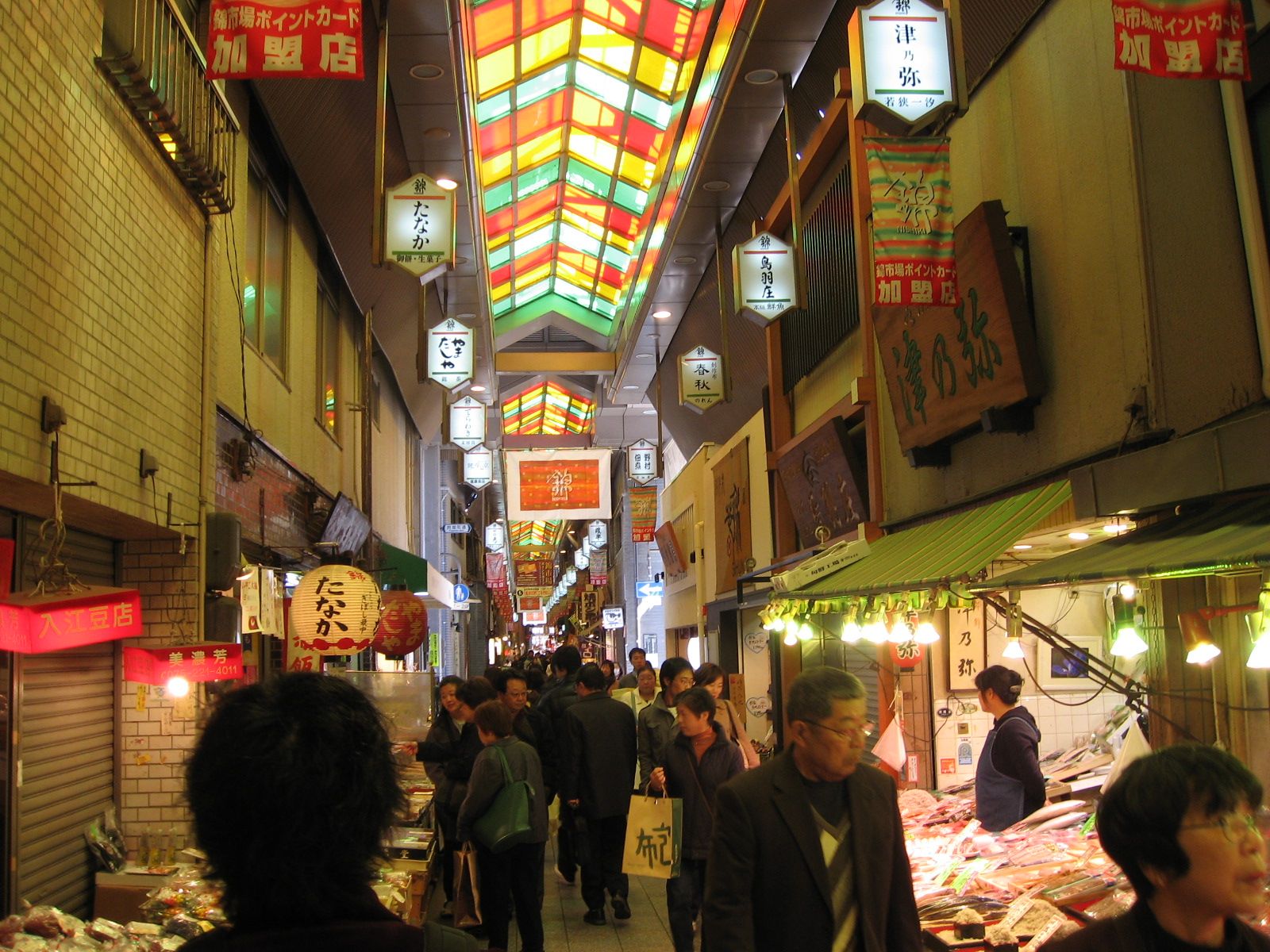
Plan a focused Nishiki Market visit with named food specialists, shop hours, eating etiquette and a manageable route through central Kyoto.
Nishiki Market works best as a short, deliberate food visit: choose a few things you want to understand or taste, check those shops' hours, then leave room to browse. It is a working shopping street with specialist businesses, rather than a single food hall with a shared timetable or seating area.
Give it a late-morning or early-afternoon slot in central Kyoto. That is an editorial suggestion, not a promise that every counter will be open. The useful question is not how many snacks you can collect, but whether you want a light meal, ingredients to take away or an introduction to Kyoto's food culture.
Shop information checked on 27 October 2026. Visit durations below are editorial allowances; individual businesses can change their arrangements.
Nishiki planning facts
| Detail | What to know |
|---|---|
| Location | Nishikikoji, between Takakura and Teramachi in central Kyoto |
| Length | Roughly 400 metres; browsing and purchases make it more than a short through-walk |
| Opening | Individual shop hours and closing days; no single market timetable |
| Suggested allowance | 60–90 minutes for browsing and a few purchases; add a seated meal separately |
| Eating rule | Eat where the selling shop directs you, rather than while walking |
| Main planning check | Confirm the specific businesses that matter to you |
The city's Nishiki Market introduction identifies foods including yuba, vegetables, fish and prepared dishes. Our wider guide to things to do in Kyoto helps decide where this food visit fits among temples and neighbourhoods. For a sequence across several days, use the three-day Kyoto itinerary.
Choose the visit you actually want
For a tasting visit, select two savoury interests and one sweet option, then decide quantities after seeing the counters. This avoids buying a full portion at the first stall simply because you arrived hungry. Ask whether an item is sold individually, by weight or as a pack before ordering. Confirm the total and where you may eat it.
For ingredients, begin with what you can use during the trip. A refrigerated purchase is less useful if it must spend the afternoon in your bag. Ask about storage, shelf life and preparation, and retain the label. For anything travelling home, check your destination's import requirements before buying; packaging alone does not establish that a food can cross a border.
For food culture, let the range of shops lead the visit. Compare an omelette specialist, a tofu business and a pickle or dried-food counter. You need not purchase everything to notice the difference between ingredients intended for a household meal and food designed for immediate eating. Do not turn the visit into an obligation to try something you do not want.
A guided food walk can be useful for explanation and language support. Before booking, ask what is included, how dietary needs are handled, where eating takes place and how much time is spent inside the market. A tour's length and price are separate from access to the public shopping street; there is no need to buy a tour simply to walk through it.
Use named specialists as starting points
Tanaka Keiran for dashimaki
The association's Tanaka Keiran listing describes a specialist in dashimaki, rolled omelette made with dashi. It lists 09:00–18:00, with closure 1–5 January. Use this as a concrete starting point for an egg-focused stop, while confirming the day's availability directly if it is essential to your visit.
Look at the available portion sizes before paying. Ask about the stock and other ingredients if you have dietary restrictions: an egg dish should not automatically be treated as vegetarian. If buying something warm, establish the permitted eating location first. A queue at the counter does not itself identify a place where you can stop with food.
Konnamonja for tofu and soy-milk sweets
Konnamonja's association page lists tofu products, yuba, soy-milk doughnuts and soy-milk soft serve. Published hours are 10:00–18:00, with irregular closing days. Its position by Sakaimachi makes it a useful reference point toward the western part of the market.
Choose according to your appetite and the rest of your day. A sweet purchase can finish a light tasting visit; tofu or fresh yuba requires a separate decision about immediate eating or storage. “Soy-milk” describes an ingredient, not a complete allergen or vegan certification. Ask about the exact product rather than transferring an assumption from one item to the whole shop.
Pickles, dried foods and sake
Use the association's shop directory to find the food category that interests you. Comparing labels and asking how a product is served can be more useful than following a fixed list of photogenic snacks. For pickles, ask what vegetable is used and whether the pack needs refrigeration. For dried foods, ask whether they are ready to eat or intended for cooking.
For a bottle to take away, Tsunoki specialises in sake and also sells whisky. Its listing gives 10:00–17:30, closed Wednesday. Explain the style or meal you have in mind and ask about bottle size and storage. This is a retail recommendation, not a promise of a tasting service. Plan alcohol purchases around your onward journey and baggage arrangements.
Build a simple west-to-east route
Arriving from Karasuma or Shijo, start near Takakura and work east toward Teramachi. From Kyoto Kawaramachi, reversing that direction may fit better. There is no compulsory starting gate or correct direction; choose the one that avoids retracing your journey afterwards.
Take an initial look at the counters ahead, then commit to the stops you selected. Konnamonja, Tanaka Keiran and Tsunoki provide different food interests, but you do not need all three. If a shop is closed or busy, choose another category from the official directory instead of treating one missed purchase as a failed visit.
Allow 60–90 minutes as a planning starting point. The distance is short, yet paying, asking questions and eating in permitted spaces take time. A seated lunch should have its own allowance. If you need a proper rest or have children who need to sit, arrange that meal rather than assuming several small purchases will provide seating.
At the eastern end, continue into the adjoining shopping streets if you still want to browse. Leave a longer walk toward the river or Gion as a separate choice. This market visit does not need a temple added to make it worthwhile, particularly after a substantial morning elsewhere in Kyoto.
Respect the space around each shop
The association asks visitors to avoid eating while walking and to eat in front of or inside the business where they bought the food, as directed. The rule affects your route: finish at that stop before moving to the next one. Do not carry an open snack along the arcade while looking for a better backdrop.
Keep the through-route and neighbouring counters clear. If your group stops to decide, gather where you will not block purchases or deliveries. Ask before photographing staff or close-up displays, and put the camera away if requested. Businesses are serving customers, not providing a continuous demonstration for visitors.
Return packaging to the selling shop where it offers a bin, or take it with you for proper disposal. Do not leave cups or skewers at another stall. For shopping groups, one person paying while others keep the passage clear is more practical than everyone crowding the counter.
Hours, payment and mobility need separate checks
The market FAQ confirms that hours vary by business and notes that many shops close on Wednesdays. New Year arrangements also differ. An open arcade in the evening does not mean a full selection of food shops is trading; plan dinner around a confirmed restaurant rather than an assumed market closing time.
Payment methods also vary. Check before ordering and carry a payment option the seller accepts. This guide deliberately does not give a universal snack budget: a few small purchases, a restaurant meal and a bottle of sake are different baskets. Read the displayed price and quantity, then decide your own limit.
For wheelchair use, the association explains that the public street has no access restriction but is not fully accessible and can be crowded. Ask individual shops about thresholds and usable space, and assess the route from your chosen station exit. A roof over the shopping street does not resolve crowding, step-free access or the outdoor journey to it.
Getting there without complicating the day
The official access page identifies Shijo on the subway Karasuma Line, Karasuma on Hankyu and Kyoto Kawaramachi on Hankyu as nearby stations. These are different stations and operators. Choose according to your starting point and use a current route planner for the train and exit, particularly if stairs are an issue.
From Kyoto Station, compare a subway journey to Shijo with your other city plans. From an eastern visit, a walk from the Keihan side may suit you better. Avoid taking a cross-city detour just to arrive at a supposedly ideal market entrance: a short route through the stalls works in either direction.
Leave large luggage elsewhere before coming. If time is tight, keep one food interest and a short browse, then continue to your next commitment. Nishiki rewards attention to what is sold and how it is used; the number of bags or photographs you leave with is a poor measure of the visit.
Cover photograph: Shoppers and food stalls beneath the coloured roof of Nishiki Market in Kyoto (2007) — Hidehiro Komatsu, CC BY 2.0.
Frequently Asked Questions
What time does Nishiki Market open?
Each shop sets its own hours. For example, the association lists Tanaka Keiran at 09:00–18:00 and Konnamonja at 10:00–18:00. Check your chosen businesses rather than relying on one market-wide opening time.
Can I eat while walking through the market?
No: the association asks visitors to eat at the business where they bought the food, in the space the shop permits. Finish there and deal with packaging before continuing.
How long should I allow for Nishiki?
Allow 60–90 minutes for browsing and a few purchases as an editorial estimate. Add time separately for a seated meal or a detailed guided visit.
Is Nishiki suitable for vegetarian visitors?
There are tofu, vegetable and other plant-based ingredients to explore, but the appearance or name of a dish does not establish its full recipe. Ask about stocks, sauces and preparation for the particular product before ordering.


Keep Exploring
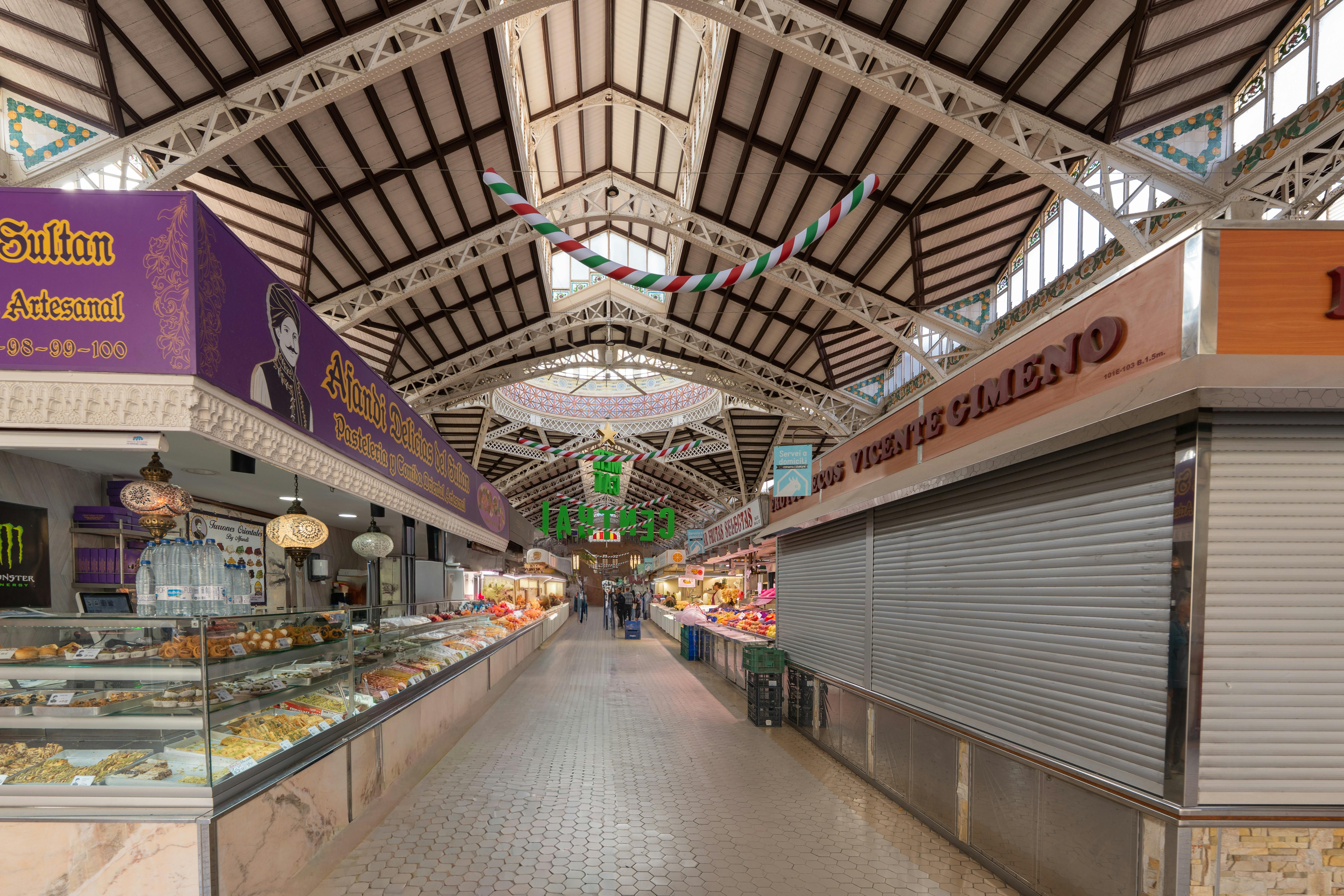
Best Food Markets in Europe: City Guide
Europe's 17 best food markets, city by city: opening hours, named stalls, signature dishes, EUR prices. Boqueria, San Miguel, Borough, Testaccio, Naschmarkt and more.
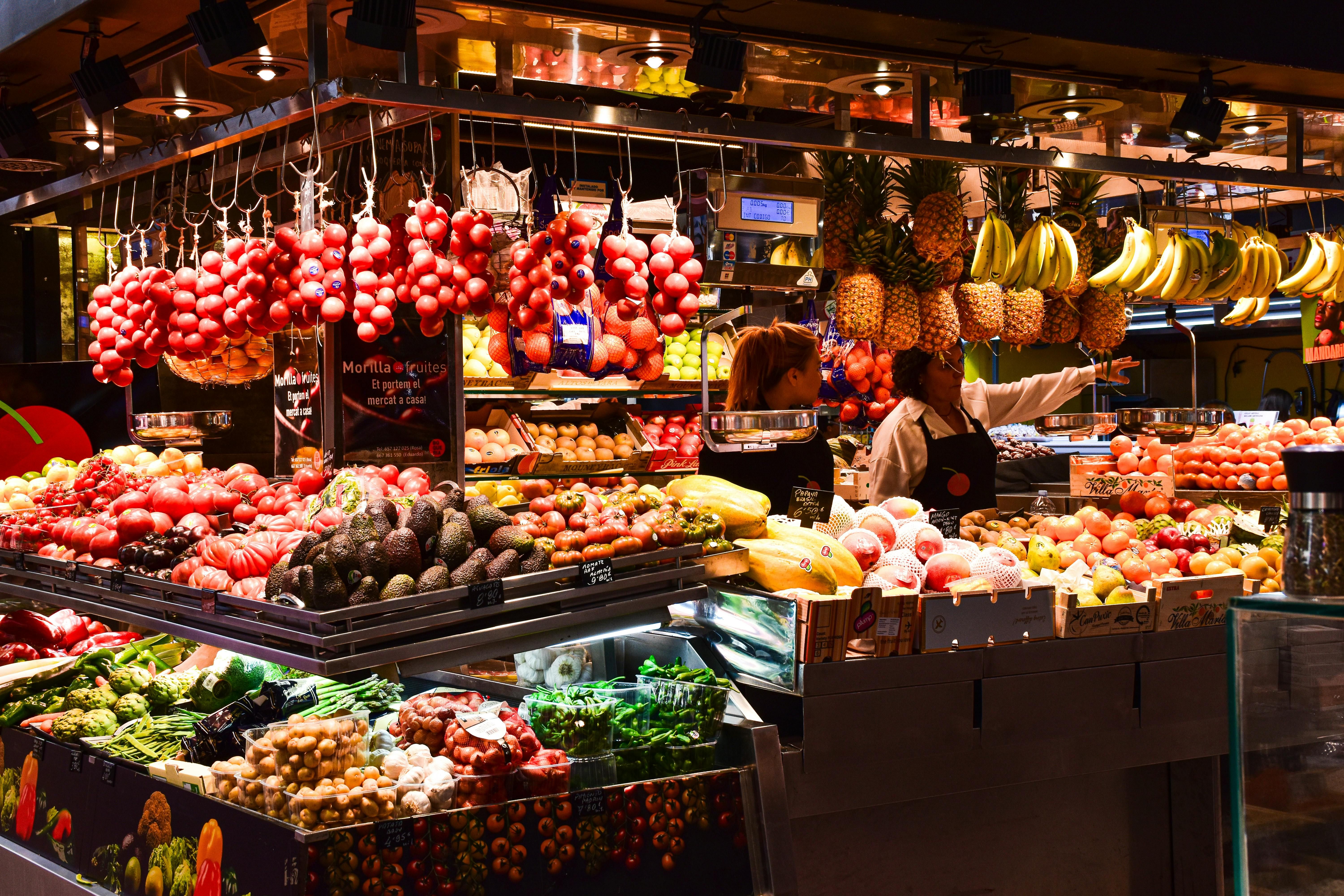
European Street Food: The Definitive Guide
Europe's best street food by region: named stalls, market hours, EUR prices. From Lisbon's pastéis de nata to Sarajevo's ćevapi and Copenhagen's smørrebrød.
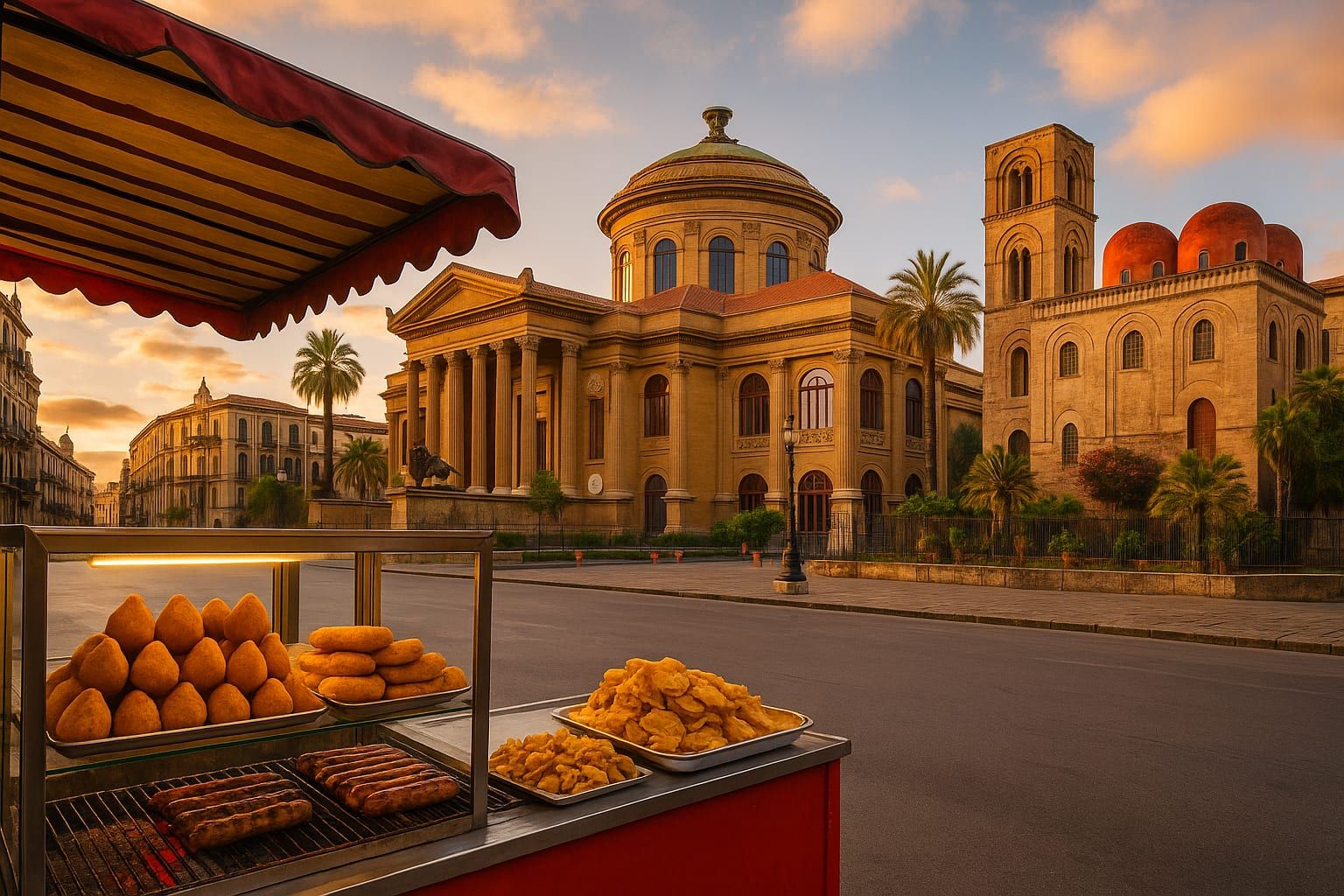
Palermo Food Guide: Sicily's Street Food Capital
A hands-on guide to Palermo's legendary street food: markets, must-try dishes, price and ordering tips, and local insights to eat like a Palermitano.