
Choose pastilla, a small savoury taste and a tea break, with a compact medina route and clear choices between stalls, restaurants and cooking classes.
A good Fes food walk needs an appetite plan before it needs a long list of addresses. Choose a small savoury taste, one substantial dish and a sweet or tea break. Keep the walking area compact enough that you can stop when you have eaten enough. Trying to sample every Moroccan speciality between Bab Boujloud and the deeper medina usually produces more walking and leftovers than understanding.
For a first independent outing, start in the Bab Boujloud–Talaa Kebira sector and choose a return point before descending farther into the lanes. Allow around 2–3 hours with a seated meal as an editorial planning estimate. A cooking class is a different commitment and should replace that outing rather than being squeezed into its lunch break.
Our first-visit Fes medina guide covers navigation, architecture and crafts. This guide concentrates on deciding what to eat, which format suits you and what to ask before ordering. It does not claim that an unnamed stall is the best in Fes or that a busy counter guarantees food safety.
Choose a food outing rather than a checklist
The national tourist office’s Fes page identifies Bab Boujloud as a useful entrance and highlights chicken pastilla among the city’s food associations. That makes the upper medina a sensible starting sector, not a promise that every dish will be available at every counter. Walk with a shortlist of foods and choose an actual open business whose offering you understand.
| Format | Best reason to choose it | What to agree or check | Main tradeoff |
|---|---|---|---|
| Short independent tasting walk | Flexibility and small purchases | Portion, total price and ingredients at each stop | You handle navigation and interpretation |
| One restaurant meal plus browsing | A seat and time to understand one dish | Menu, preparation time and dietary questions | Fewer separate tastes |
| Guided food walk | Help with names, language and local context | Included tastings, exclusions, route and commercial stops | The schedule is less flexible |
| Cooking class | Understanding preparation rather than collecting dishes | City, availability, menu and dietary arrangements | A substantial part of the day |
Choose the restaurant version if you dislike eating while standing or need time to explain ingredients. Choose the guided version for interpretation, not because someone tells you the medina is impossible to enter independently. The right format depends on what you want to learn and how comfortably you move through the streets.
Pastilla: make the filling the first question
Pastilla, also written bastilla or b’stella, is a useful main dish to seek out in Fes. The city’s official tourism material highlights chicken pastilla; the older national tourism brochure on Fes describes the local pigeon-and-almond tradition. That difference is a reason to ask about the version on offer rather than assume that the name identifies the filling.
If a sweet-and-savoury combination appeals, make pastilla the centre of a seated meal. Ask whether the serving is individual or intended for sharing, what it contains and how long preparation takes. A pastry displayed at a counter and a freshly prepared restaurant order need not be the same size or experience. Choose based on the actual dish rather than a photograph elsewhere.
Do not treat a poultry filling as the complete ingredient list. If nuts, eggs, dairy or wheat matter to you, ask explicitly about the pastry, filling and topping. If the answer remains unclear, choose another dish or venue. The purpose of asking is to establish what this kitchen can explain, not to force a traditional name into a dietary category it does not automatically satisfy.
Use soup or a small vegetable dish as the first taste
The official Moroccan food guide describes harira as a soup involving pulses, tomato and other ingredients, and zaalouk as an aubergine preparation. Either can introduce a meal without immediately committing to another substantial main. Availability and recipes vary, so ask what is being served that day.
For harira, request the actual ingredients rather than assuming that a pulse-based soup is vegetarian or gluten-free. For a vegetable dish, ask about additions and accompaniments. A simple description on a board may leave out stock, garnishes or bread. Keep the question specific: what is in this portion, and can the kitchen answer confidently?
If you want to compare textures or seasonings, order a small serving first where that is possible. You can always decide on the main afterwards. This is more useful than ordering several starters because their names are unfamiliar and discovering that there is no room left for the dish you especially wanted to try.
Decide between a tagine and couscous, not both by default
Tagine and couscous are broad dish families, not a single fixed meal repeated unchanged across Morocco. Read the full description and ask what is included. A vegetable version, a meat dish and a sweet-and-savoury preparation create different meals even when the same familiar word appears on the menu.
If pastilla is already your main, leave another substantial dish for dinner or another day. If you prefer a less pastry-focused meal, choose the tagine or couscous that actually interests you and let it replace pastilla. The point of a food visit is not to prove that you ate every famous name in one sitting.
For a shared meal, establish the number of people the portion is intended to serve and whether bread, side dishes or drinks are included. Do not infer the final bill from the price of one headline dish. A clear order at the start leaves you free to pay attention to the food instead of reconstructing the cost afterwards.
Finish with one sweet and a deliberate pause
Chebakia and almond pastries appear in Morocco’s wider food traditions; they are not exclusive proof that a shop is uniquely Fassi. The national food guide presents sweets as accompaniments to soup or tea. Let the seller identify the actual pastry, explain how it is sold and state the price before you select a quantity.
Ask whether the price is per piece, portion or weight. A small selection is more useful for tasting than a large box bought before you know what you enjoy. If taking pastries away, ask how they should be carried and stored. Do not assume that a delicate or sticky sweet will survive a warm day in a crowded bag unchanged.
Mint tea can provide the seated pause the walk needs. Ask about sweetness before preparation if it matters to you, and check whether the price is for a glass, pot or service for several people. You do not need a famous terrace to make the break worthwhile; a suitable open place on your route may serve the day better than a long diversion.
Keep the route small and the meal anchor clear
Begin around Bab Boujloud with an orientation pause, then follow the Talaa Kebira sector at a pace that leaves room to stop. Identify the business where you might sit before committing to several small purchases. This gives the outing a meal anchor without requiring a rigid sequence of stalls that may be closed or selling something different.
If you want a named first-party reference for this sector, Café Clock’s own contact page places its Fes branch at 7 Derb El Magana, Talaa Kbira. Use it as one option to investigate, not a ranking or a claim of personal inspection. Check the current menu, relevant branch and practical arrangements before making it the fixed point of your meal.
Continue deeper only if you still want to walk after eating. Reaching Nejjarine can be an optional extension, but it is not necessary to validate the tasting outing. Remember that the return to your starting sector is part of the plan. With limited stamina, choose a shorter out-and-back or a clear exit arrangement rather than finishing full and tired far from your accommodation.
When a cooking class is the better choice
A class makes sense if you are more interested in ingredients and preparation than in the number of dishes tasted. Café Clock’s published cooking format includes market shopping and a hands-on meal, with a stated duration of about 4.5–5 hours. Confirm the Fes booking, date and exact arrangements directly; a general programme page does not establish a place on a particular session.
Tell the operator about dietary requirements before booking and ask whether the proposed menu can accommodate them. A published vegetarian option is useful information, but the actual class menu and handling still need discussion. Read cancellation terms and what the price includes before paying.
Choose the class instead of a long morning monument circuit followed by a food walk. It already uses a substantial part of the day. A short evening stroll afterwards may be enough, leaving a separate day for the architecture and craft interests described in our medina guide.
Ordering, photographs and a sensible budget
At a small counter, ask the price and portion before ordering; at a restaurant, confirm any additions that are not clear on the menu. Carry a payment method the business accepts and avoid relying on an assumed card facility. This guide gives no fabricated citywide tasting budget because the chosen portions and format determine the cost.
Ask before photographing a person, kitchen or work process. Buying a snack does not automatically grant access behind the counter. Stand aside while ordering so that other customers can be served, and avoid using a working stall as a prolonged photo set. A short exchange about the food can be more informative than taking several pictures without asking its name.
Busy trade, attractive displays and confident recommendations do not establish a hygiene guarantee. Make your own choice from what you can observe and what the seller can explain, and move on if you are uncomfortable. For allergies or other strict needs, unclear answers are a reason to change the plan rather than experiment with an unidentified ingredient.
During Ramadan, holidays or changing business routines, check actual daytime availability rather than expecting a normal-looking map listing to settle it. Keep one alternative meal option and enough flexibility to eat earlier or later. If Fes forms part of a wider trip, our Morocco week comparison helps preserve a proper visiting day here instead of making lunch depend on a long arrival journey.
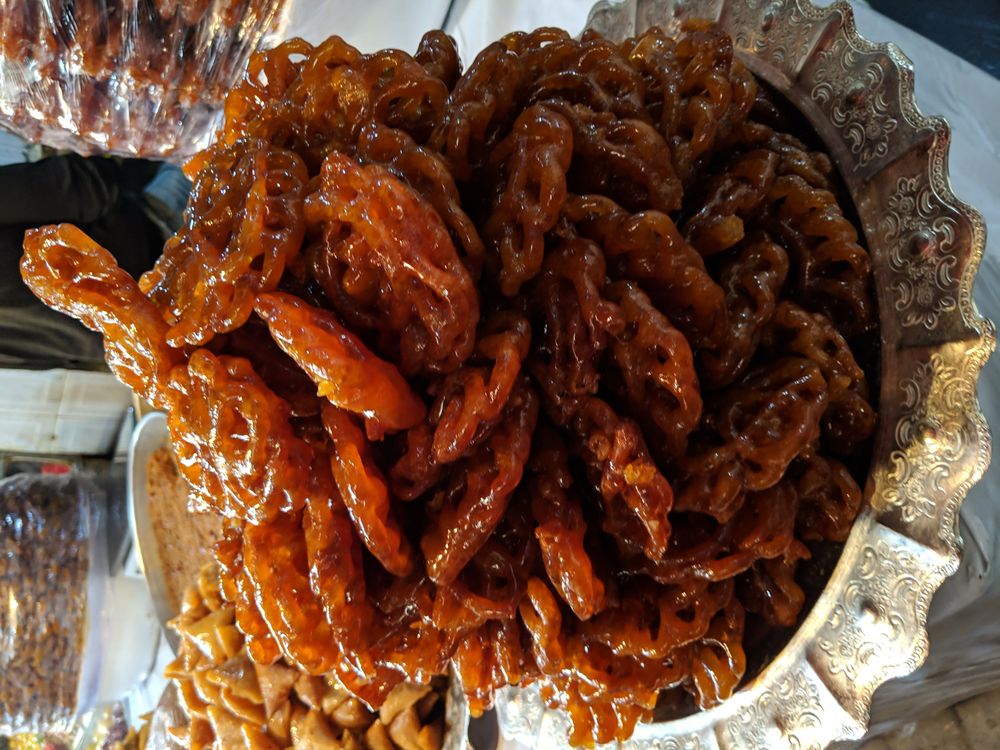
Cover photograph: Syrup-coated sweets displayed at a food stall in Fes medina — FuriousYogi, CC BY-SA 4.0. Archive photograph taken in 2019; it does not identify a currently recommended vendor.
Frequently Asked Questions
What should I try on a first Fes food walk?
Choose a small savoury taste, one main such as pastilla and one sweet or tea break. Ask about the actual filling and portion before ordering. You do not need several substantial mains to make the outing worthwhile.
Do I need a guide for a food walk in Fes?
A guide can help with interpretation and language, but agree the route, included food, price and shopping stops. An independent walk can work in a compact sector with a clear return point and time to ask sellers questions.
Is harira automatically vegetarian or gluten-free?
No. Ask the kitchen about the actual ingredients and preparation. A general dish name does not establish the stock, additions or suitability for a particular dietary requirement.
Can I fit a cooking class into a short lunch stop?
Not the published Café Clock format, which lasts about 4.5–5 hours and includes market shopping and cooking. Treat it as the main food activity of the day and confirm the Fes session before booking.


Keep Exploring
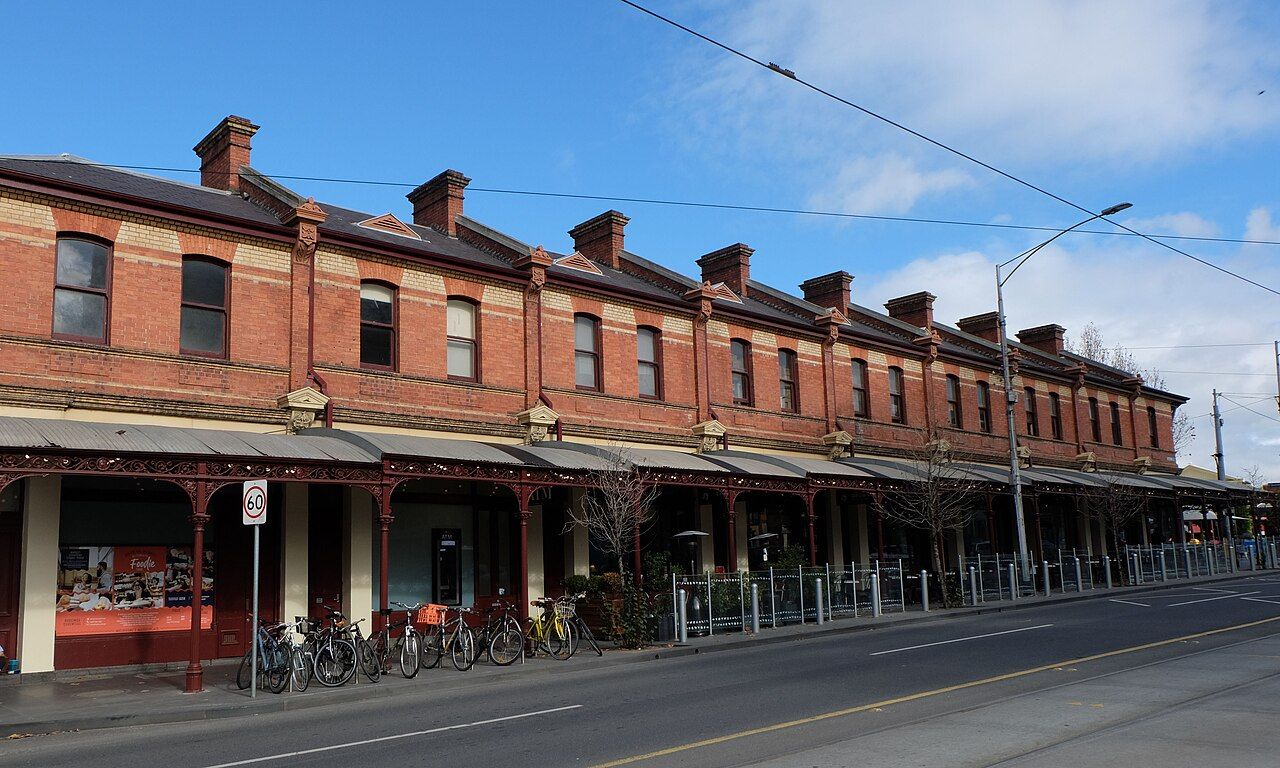
Queen Victoria Market: Plan a Melbourne Food Visit
Choose a market morning, food stops or a guided tasting, with ordinary opening hours, access advice and separate evening-event dates.
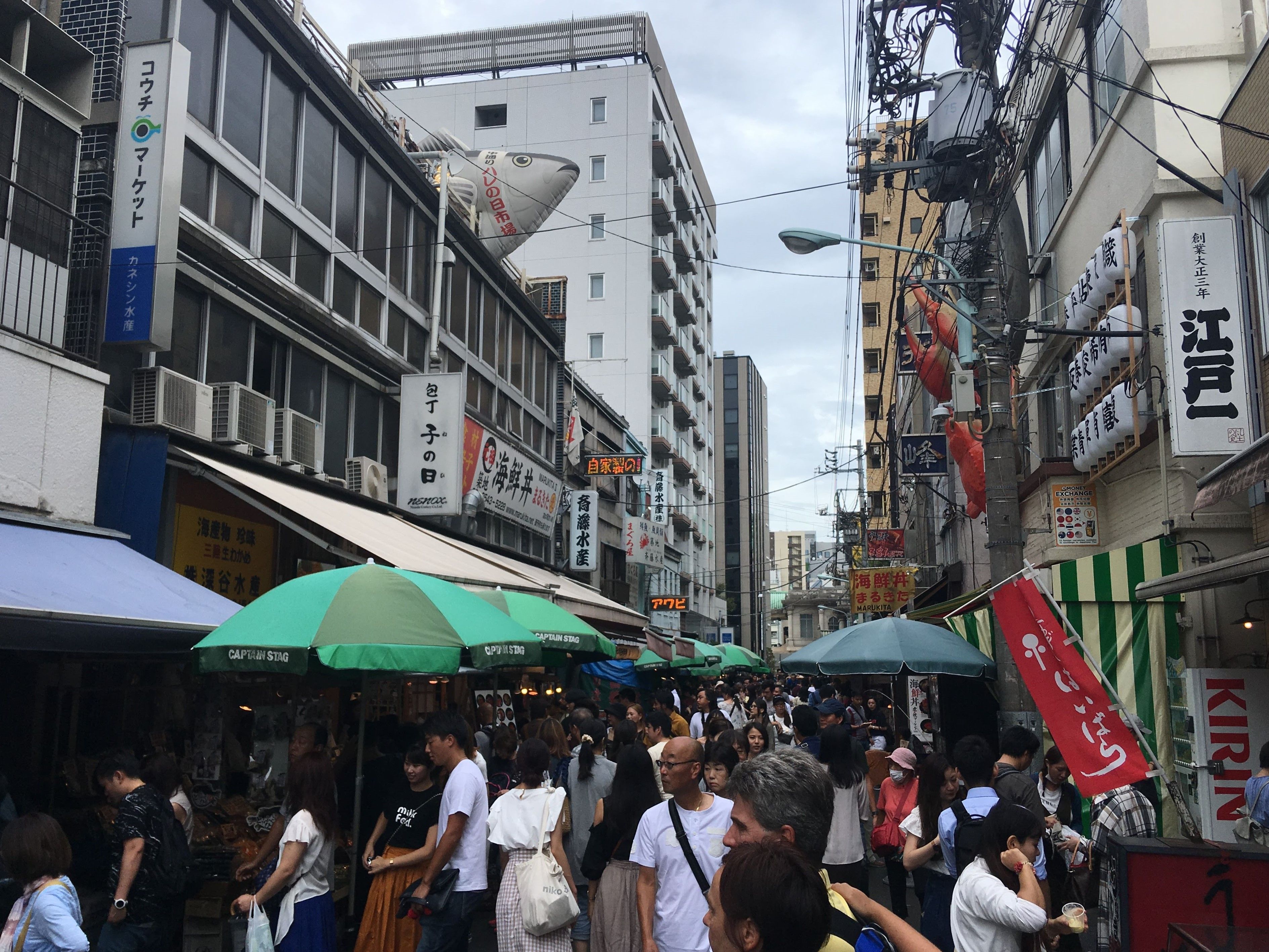
Tsukiji Outer Market: Plan a Food Visit
Plan a Tsukiji morning with shop-day checks, meal choices, Uogashi rules and practical shopping advice.
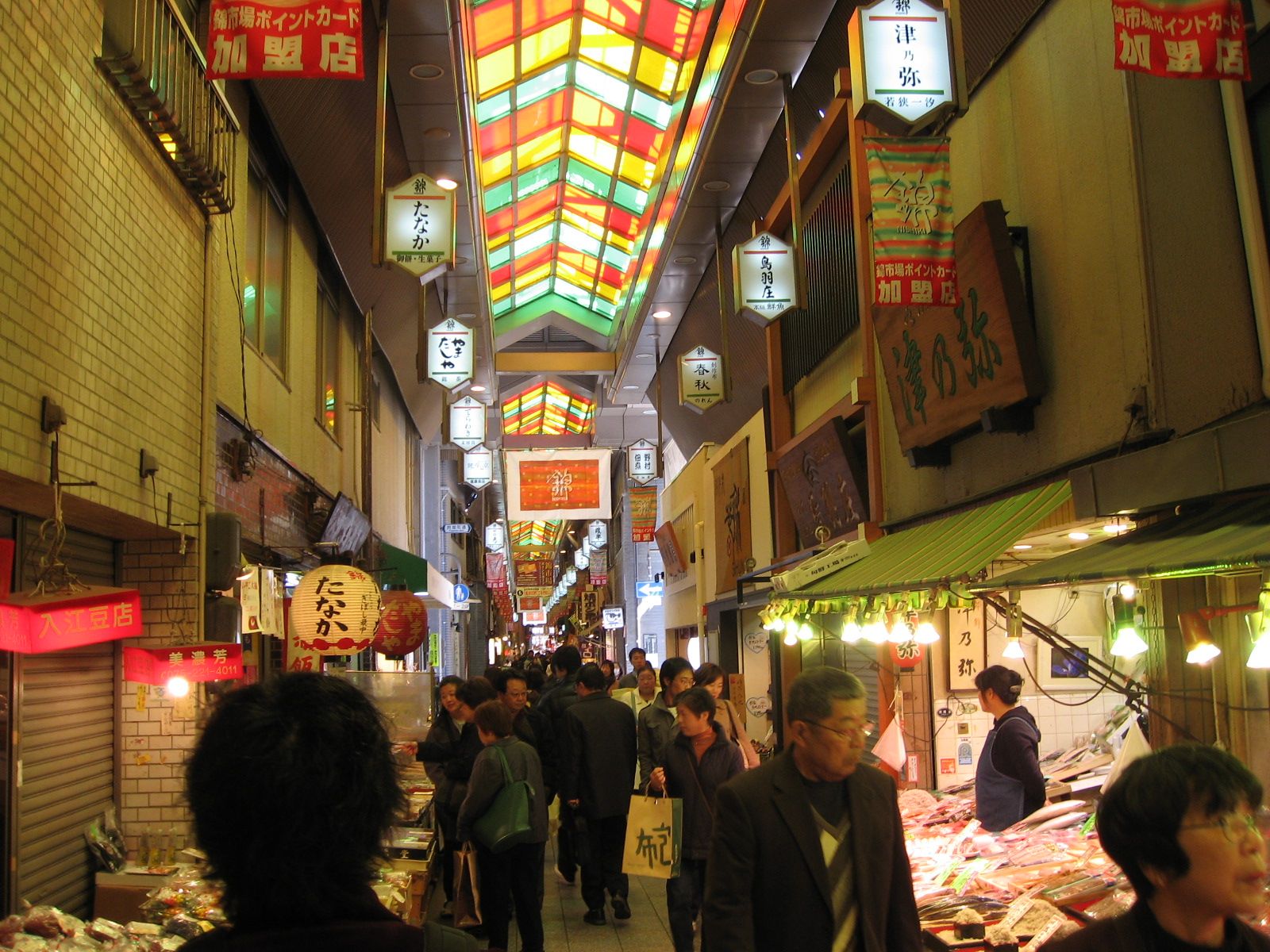
Nishiki Market Kyoto: Plan a Food Visit
Plan a focused Nishiki Market visit with named food specialists, shop hours, eating etiquette and a manageable route through central Kyoto.