
Queen Victoria Market: Plan a Melbourne Food Visit
Choose a market morning, food stops or a guided tasting, with ordinary opening hours, access advice and separate evening-event dates.
Queen Victoria Market is most useful when you treat it as a working food market with a few deliberate stops, rather than a list of snacks to collect. Come for breakfast and browsing, ingredients for your apartment, or a guided tasting: each needs a different amount of time and a different appetite. The ordinary market is closed on Mondays and Wednesdays, while special events have their own calendars.
For a first visit, plan around 9am on a trading day, choose one savoury stop and one sweet stop, and leave space to explore the food halls. This is a suggested approach, not a promise of short queues. Use our wider Melbourne guide to decide what belongs before or after the market instead of trying to cross the entire city in one morning.
Quick planning facts
| Decision | What to know |
|---|---|
| Ordinary trading | Tuesday, Thursday and Friday 6am–3pm; Saturday 6am–4pm; Sunday 9am–4pm |
| Non-food shopping | Specialty shopping starts at 9am on trading days |
| Entry | Ordinary market entry is free; purchases, tours and some events cost extra |
| Time to allow | About 90 minutes for a focused visit, or 2–3 hours with shopping and a meal; our planning estimates |
| Starting point | Choose the food halls around Elizabeth and Therry Streets, or the Information Hub near F Shed and Queen Street |
| Main exception | Public holidays, individual traders and evening events can have different hours |
The operator’s opening-hours FAQ supplies the ordinary timetable. Check the dated notices before travelling: an event on a normally closed day does not mean the daytime market is open. The official Visit Melbourne listing confirms free ordinary entry.
Pick the visit you actually want
A breakfast visit suits travellers who want a coffee, something to eat and a look at the market before another activity. An ingredients visit suits anyone with a kitchen and a way to take chilled purchases straight home. A food tour suits someone who would rather have a guide choose tastings and explain the traders than navigate counters independently.
Decide which of these matters most before arriving. If you buy a full breakfast first, then book a tasting tour and finally join another snack queue, the day can become expensive without being more enjoyable. Equally, if you are carrying seafood or cheese, it is inconvenient to add several hours of sightseeing before reaching a fridge. You can browse the food halls without buying a complete meal at every stop.
For a shorter stay, allocate the market to a trading morning in your three-day Melbourne itinerary. Keep the rest of that morning flexible. A timed museum visit immediately after lunch can work, but only if you are prepared to leave a queue or skip a shop when time runs short.
Understand the halls before choosing food
The Dairy Produce Hall is a useful starting point for deli counters and coffee; the Meat & Fish Hall is primarily a place to shop for ingredients. A stall selling fresh fish is not automatically a ready-to-eat seafood lunch counter. Ask what can be eaten immediately and what needs preparation, rather than relying on the appearance of a display.
The Queen’s Food Hall gives you a different sort of stop: look there for prepared meals when you want to sit down and eat. The open sheds extend the browsing into produce and general shopping. Before setting out to find a particular business, use the market’s current trader directory. An old map can show a stall that has moved, and photographs of the market are not a reliable guide to current tenants.
Make one exploratory circuit before committing to several purchases. Read portion descriptions and displayed prices, note where you would like to return, and keep the first order modest if you plan to share food. This is especially helpful for a group: agreeing on one meal stop is usually easier than expecting everyone to carry dishes from different counters while searching for seats.
Three concrete food stops to consider
For coffee, the operator lists Market Lane in the Dairy Produce Hall at shops 73–76. There are other Market Lane branches around the precinct, so specify the location when meeting someone. Choose a coffee style you actually enjoy rather than assuming the most elaborate preparation is the best introduction. Coffee availability, seating and the menu should be checked at the branch itself.
For a sweet stop, American Doughnut Kitchen is listed on Queen Street outside F Shed. Decide whether the queue fits your day before joining it, and do not assume a famous snack is essential to having a good visit. If you are ordering for a group, confirm the portion and current price at the van; an online delivery listing need not match a walk-up order.
For a more substantial meal, compare the prepared-food options in Queen’s Food Hall rather than buying more snacks solely because they are nearby. The market’s food and drink directory can help identify businesses before you arrive. Menus and opening days remain trader-specific. None of these suggestions is based on a personal tasting, and there is no single dish that every visitor needs to order.
A practical 90-minute route
Start near the food halls and spend the first 15–20 minutes finding your bearings and looking at the counters. If you want coffee, make that your first purchase. Next, browse the halls at an unhurried pace, keeping doorways and service areas clear. Save photography for a point where you are not blocking someone ordering or collecting groceries.
Use the middle part of the visit for the sheds and the trader you most want to see. Leave the final half-hour for food or purchases. If the chosen stop is busy, substitute another counter instead of extending every part of the route. These timings are a suggested allocation, not measured walking or queue times, and they should shrink if you need a rest or want to spend longer in one hall.
With two or three hours, add a proper meal and a second browsing circuit. You do not need to cover every shed to understand the market. If browsing turns into serious shopping, make that the outing and move the next attraction to another day. Avoid making refrigerated food the first purchase if you are still deciding how long to stay.
Self-guided or a booked food tour?
The official tours page offers the Ultimate Foodie Tour as a guided tasting visit of roughly two hours. Check the actual booking calendar for the session, total price, inclusions and dietary arrangements; a headline starting price is not a quote for your party. Other themed tours may have different durations, menus and conditions.
A tour is useful if you want context and a planned sequence of tastings. Independent browsing is more flexible if your group has different appetites, children need an unpredictable break, or you want to spend most of your time shopping. The two options solve different problems. A general market visit does not reserve tour places, and a tour booking does not guarantee time for all the independent stops you have saved.
Before booking, tell the organiser about any relevant dietary requirements and ask what substitutions are possible. At an individual stall, ask the trader directly about ingredients and preparation. A market category such as bakery, vegetarian food or coffee does not by itself answer a specific allergy question. Do not rely on a photograph or an old menu for that decision.
Day market and night events are different outings
Evening events are a separate reason to visit, with their own vendors and atmosphere. They are not simply the entire daytime market staying open late. Consult the official events calendar for your exact date, then read the individual listing for admission, booking requirements and hours. A free event may still require registration, while food and drinks remain separate purchases.
For example, the published 2026 Christmas Night Market programme lists Wednesday evenings from 25 November to 16 December, 5pm–10pm, with free entry and no booking required. That is a dated programme, not a year-round Wednesday timetable. Check for changes before using it in a November or December itinerary; outside those dates, use the current calendar rather than transferring last season’s schedule.
If your priority is deli shopping, make a daytime visit. If your priority is dinner and an event, choose the evening programme. Doing both can be worthwhile, but only if you enjoy those two distinct experiences; there is no need to repeat a visit merely to tick another version of the same attraction.
Getting there, access and renewal works
The market occupies the precinct bounded by Peel, Franklin, Victoria and Elizabeth Streets. The operator’s visitor information includes directions and notes ongoing renewal works. Choose the entrance closest to your first stop and allow some flexibility for changed pedestrian routes. Walking from a central accommodation can be simpler than driving for a short visit, while the usefulness of parking depends on how much you intend to buy.
For mobility planning, read the market’s accessibility guide rather than assuming all surfaces and approaches are identical. It describes accessible food-hall entrances, gradients and facilities. Check current restoration notices and ask the Information Hub about the route you need. A wheelchair-friendly hall does not necessarily make every approach from a tram stop suitable for your requirements.
Keep bags compact in busy aisles and bring a reusable shopping bag if you intend to buy groceries. With children, agree on a meeting point and build in a seated food break rather than treating the market as a continuous tasting challenge. For visitors who find food smells or displays uncomfortable, a shorter route through selected sections may be more enjoyable than completing every hall.
Keep the budget tied to your plan
Set a spending limit for the visit before you start browsing. Separate a meal allowance from gifts and ingredients: a few small orders plus drinks can easily become a different outing from the coffee-and-snack stop you intended. Check displayed prices, whether portions are individual or shared, and any payment conditions before ordering.
Free entry makes the market a flexible part of a lower-cost Melbourne day, but it does not make every food stop inexpensive. You can enjoy the buildings and browse, buy one thing you want, then move on. If you have no kitchen, focus on food you can eat that day instead of buying ingredients because the display looks appealing.
The best final check is straightforward: confirm the trading day, choose your first hall, decide whether you are shopping or eating, and leave room for one unexpected find. That gives the visit a clear purpose without turning a working market into a rigid checklist.
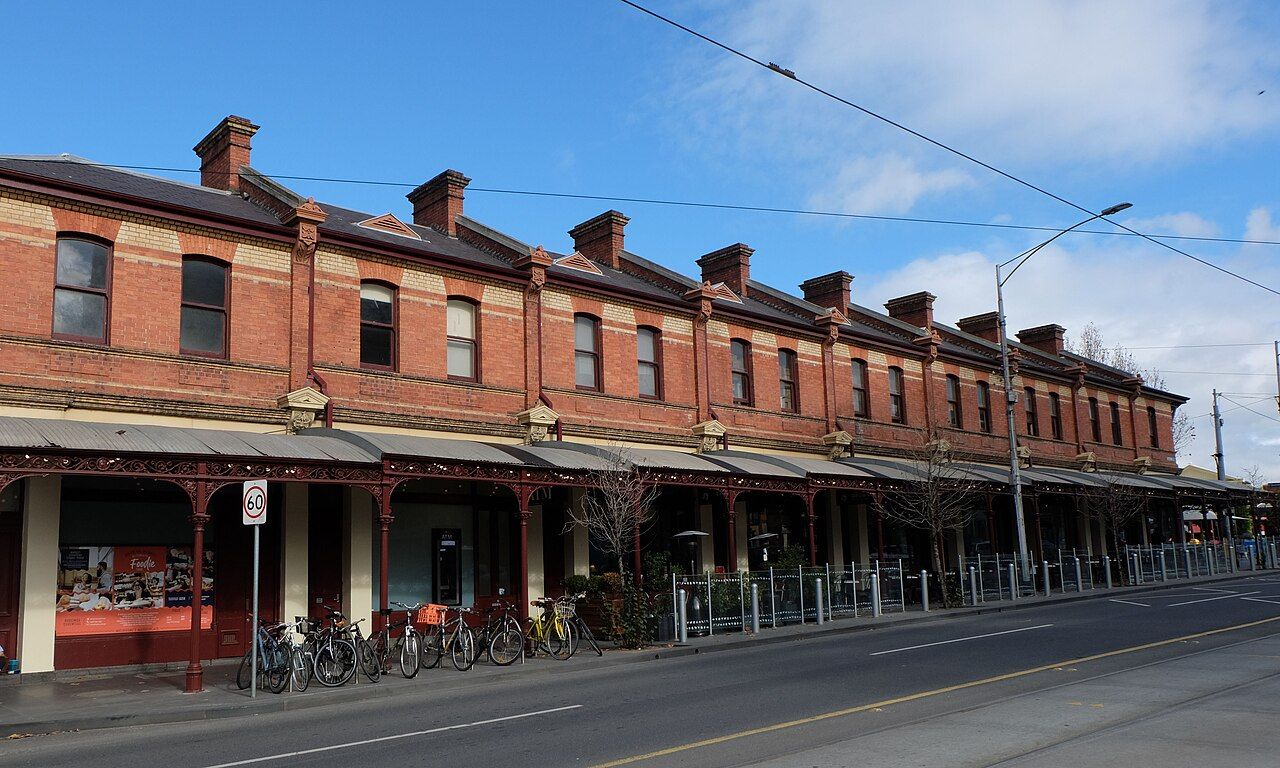
Cover photograph: Brick terrace shopfronts along Victoria Street at Queen Victoria Market — Photographed in2019; resized for display. — Jacqui Szyrpallo, CC BY 2.0.
Frequently Asked Questions
Is Queen Victoria Market open every day?
No. Ordinary trading is Tuesday, Thursday, Friday, Saturday and Sunday. Specialty shopping starts at 9am; public holidays, individual businesses and special events can follow different schedules. Check the operator’s current notices for your date.
Do you need a ticket to visit Queen Victoria Market?
Ordinary market entry is free. Guided tours, purchases and some events are separate; check the relevant listing rather than assuming general access includes a tasting or activity.
How long should you spend at Queen Victoria Market?
Allow roughly 90 minutes for a focused food-and-browsing visit, or 2–3 hours with a meal and shopping. These are planning suggestions; queues, access needs and how much you buy will change the time required.
Is the Wednesday night market the same as the daytime market?
No. Evening programmes have specific dates and participants, and daytime halls are not automatically open. Check the current event listing; the 2026 Christmas Night Market programme covers Wednesdays from 25 November to 16 December, not every Wednesday all year.


Keep Exploring
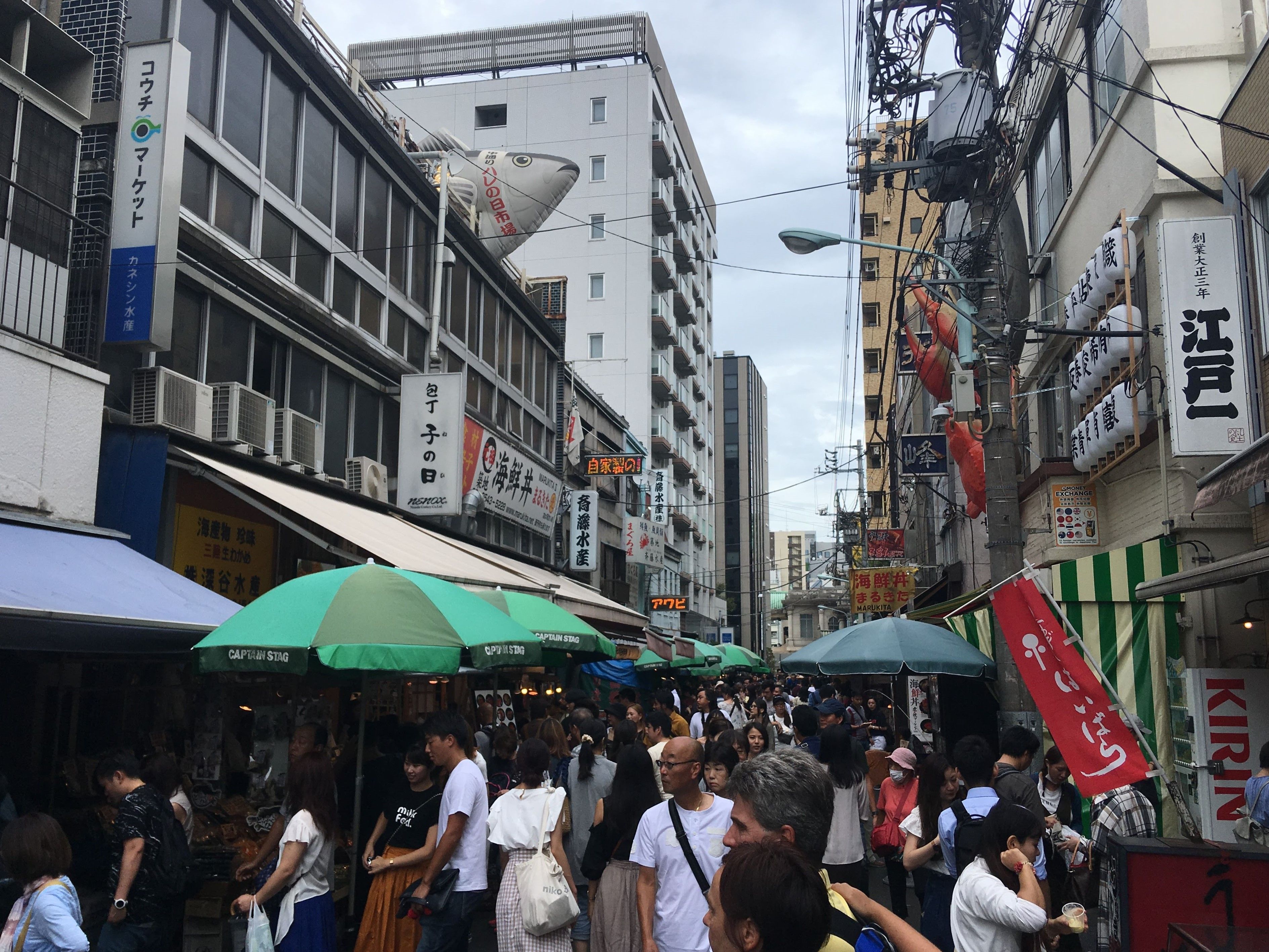
Tsukiji Outer Market: Plan a Food Visit
Plan a Tsukiji morning with shop-day checks, meal choices, Uogashi rules and practical shopping advice.
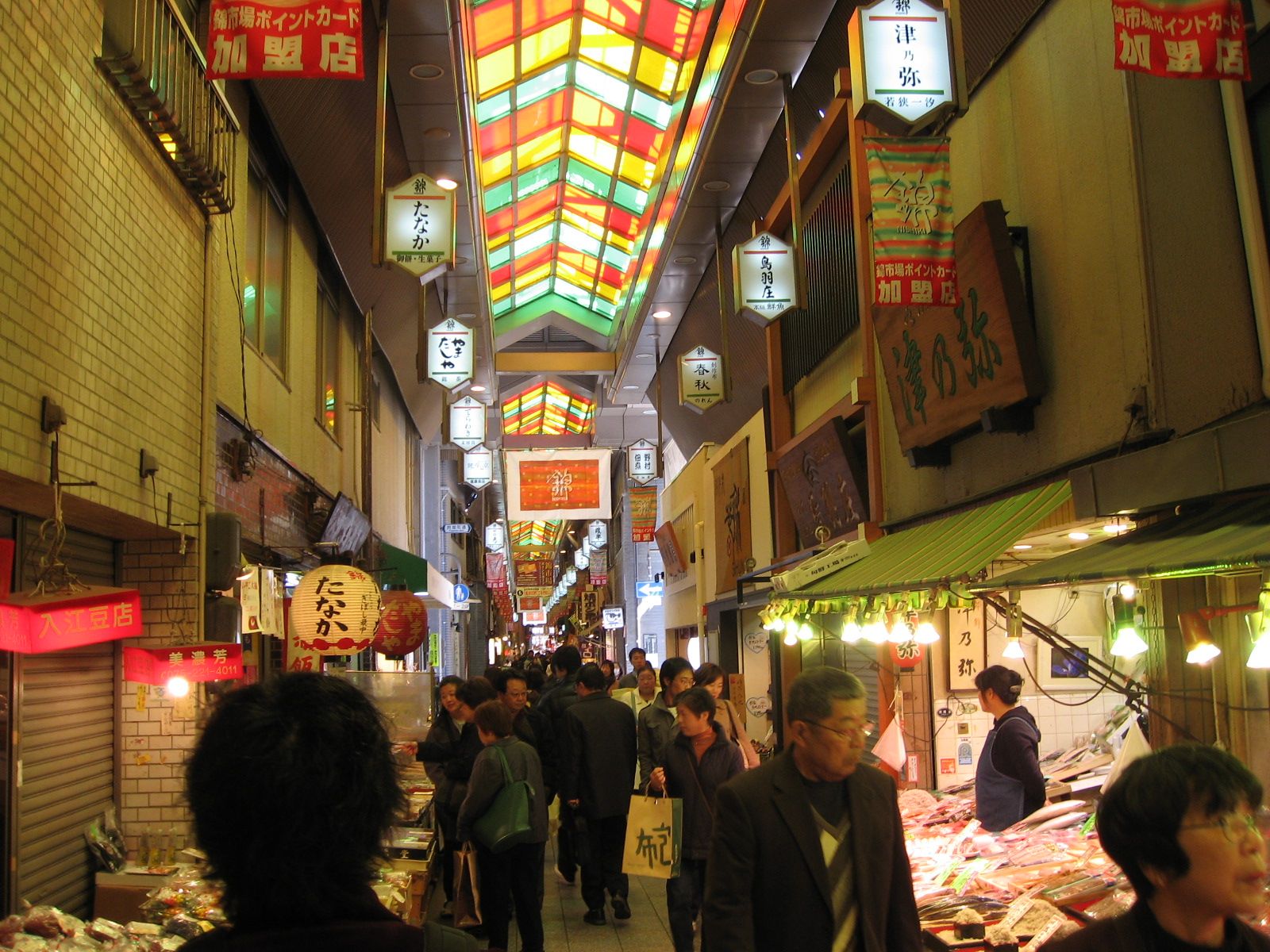
Nishiki Market Kyoto: Plan a Food Visit
Plan a focused Nishiki Market visit with named food specialists, shop hours, eating etiquette and a manageable route through central Kyoto.
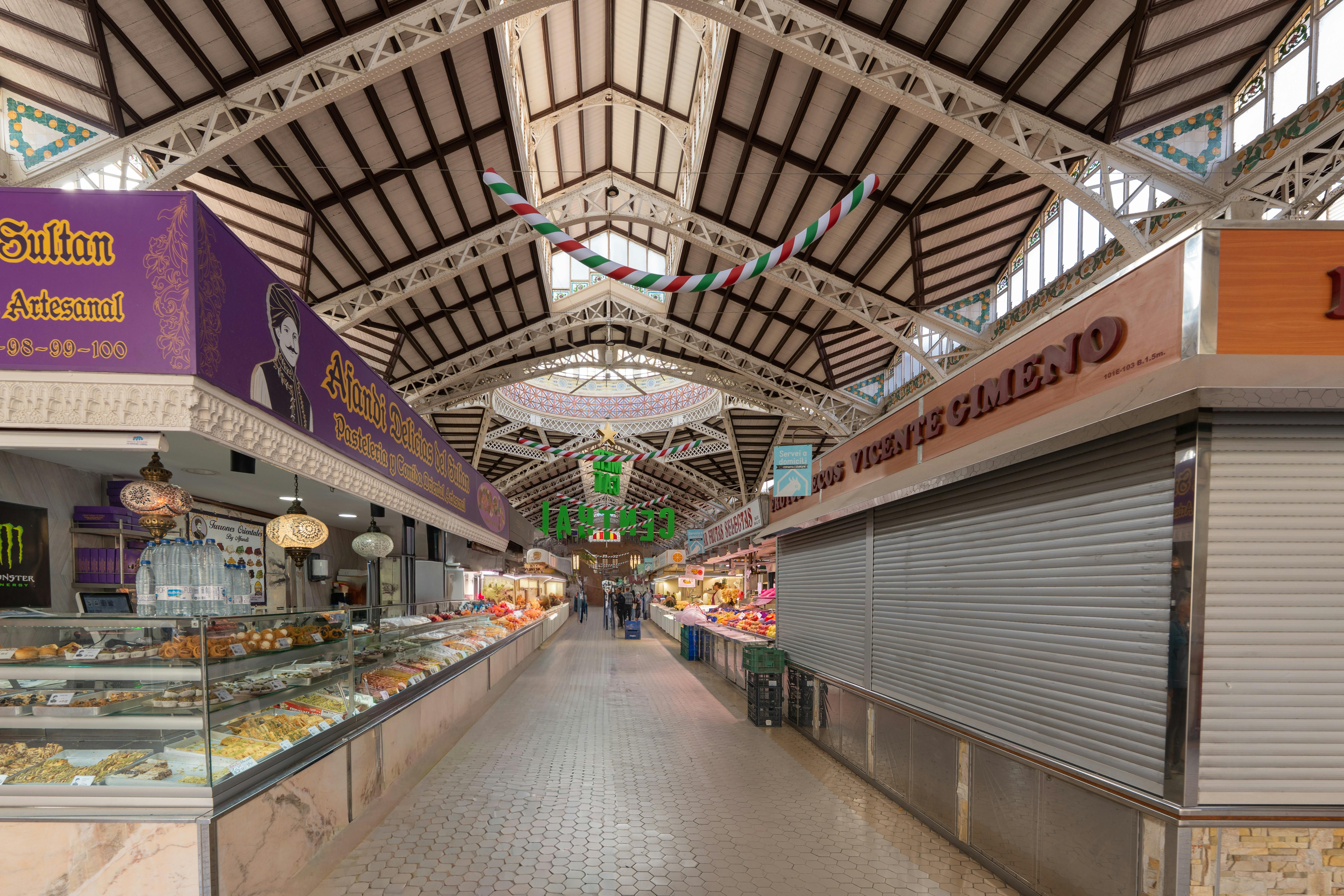
Best Food Markets in Europe: City Guide
Europe's 17 best food markets, city by city: opening hours, named stalls, signature dishes, EUR prices. Boqueria, San Miguel, Borough, Testaccio, Naschmarkt and more.